Serving Vista, CA & nearby
(760) 227-5875
Vista, CA

Why So Many Vista Garage Doors Predate Insulation Standards

Vista homes built mostly between 1970 and 2003 often have garage doors from before insulation standards tightened. Here's what that means for owners now.

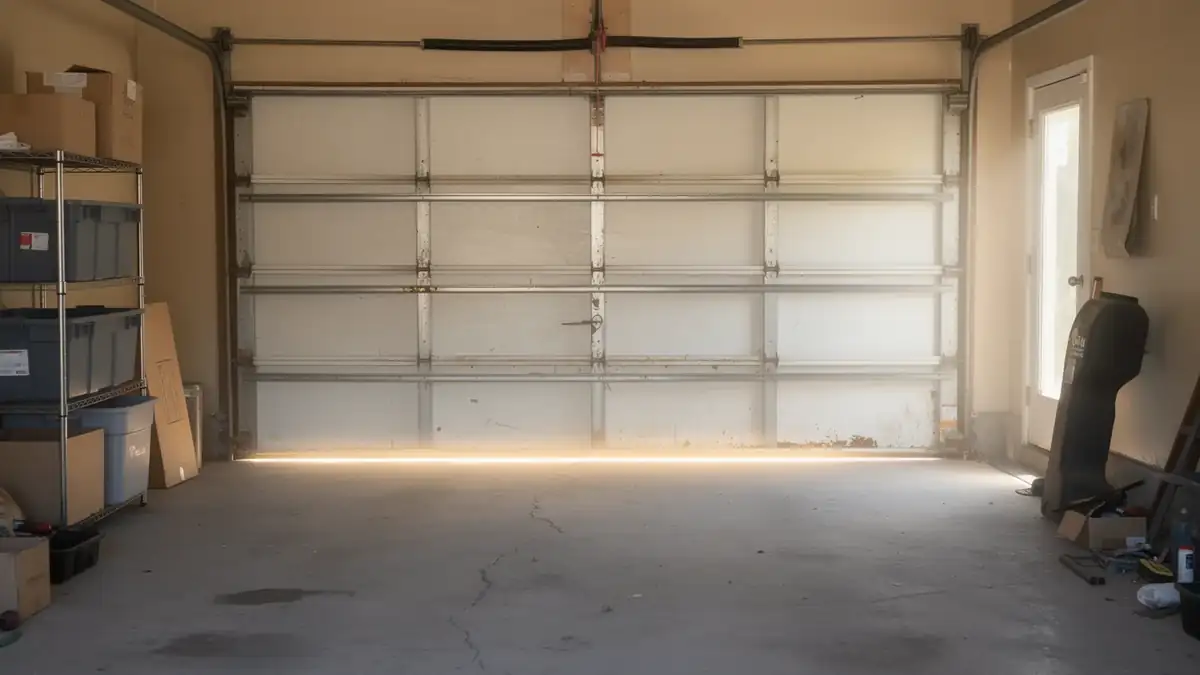
The garage door is partially open, showing the interior of a garage.

What Local Conditions Do

Vista sits in a mild temperate band, and that single fact explains a lot about the doors on these houses. There was never a brutal winter or a string of 100-degree weeks forcing builders to rethink what a garage door was made of. Across the thirteen named areas that make up this part of the county, the construction that happened mostly between 1970 and 2003, with the bulk of it landing around 1982, used whatever steel or aluminum panel was standard and cheap at the time. Nobody was chasing R-values on a garage door because nobody's heating bill depended on it.

That's different from towns where winters are hard enough that an uninsulated door costs real money every month. Here, the mild climate meant the pressure to upgrade never came from the weather side. It came later, and mostly from homeowners who wanted a quieter door or less condensation on a cool, damp morning, not from a code requirement tied to the house's original permit. So you end up with a lot of original single-layer doors still hanging on houses that are otherwise fine, simply because nothing ever forced the issue.

When to Call Someone

Call when the door is loud in a way it didn't used to be, when a panel has started to bow or dent inward, or when you notice moisture beading on the inside of the door on a cool morning. On a door built in the 1970s or 80s, that's usually just the original steel skin doing what single-layer steel does. It's not a sign anything is about to fail; it's a sign the door has no thermal break and the air is doing exactly what the panel lets it do.

Call sooner if the door is heavier than it should be to lift by hand, or if the opener strains on a door that's forty-plus years old. Original hardware from that era - rollers, hinges, the track - was built to a 1980s-era spec, and parts for it are getting harder to match exactly. If a spring lets go on one of these doors, don't wait on it; an unbalanced single-layer door is awkward to horse up by hand and easy to get hurt on. That's a same-week call, not a someday call.

What Is Going On

  1. Across the service area's roughly 63,814 households

    A large share of the houses were built in that same 1970-2003 window, median year 1982, before insulated garage doors were anything buyers asked for or builders offered as standard. What you're looking at on most of these garages is a single skin of steel or aluminum, no foam core, no thermal break, sometimes a thin layer of rigid panel glued in later by a previous owner who got tired of the noise.

    • 63,814 households
  2. That construction isn't defective

    It's just from before the idea of an insulated garage door existed as a normal consumer choice. The 1980s and 90s building boom that filled out Vista's thirteen named areas moved fast and built to the code of the day, and insulation on a garage door wasn't part of that code. So the door you have is doing what it was built to do - it's just doing it with a design that's forty-plus years old now, and that shows up as noise, temperature swing in the garage, and panels that dent more easily than a modern door would.

Leaving It Alone

Here's the honest part: we don't retrofit foam insulation into an original 1970s or 80s steel panel door. You can buy kits for that, and some people have used them, but gluing foam board into a panel that thin doesn't fix the real issues - the lack of a thermal break at the frame, the thin gauge steel, the worn weatherstrip. On a door that old, it's a patch, not a repair.

With a median household income of $110,316 across the service area, replacing the door outright is usually the more honest answer than trying to insulate around a forty-year-old frame, and for most owners here it's not an unreasonable stretch. That said, if your door is original but still structurally sound, straight-tracking, and quiet enough, there's no reason to touch it just because it's old. Age alone isn't a reason to replace a door that's doing its job. We'll tell you straight if yours is one of those - not every old door needs to go.
How it works

From “it’s stuck” to “it’s fixed”

A quick, honest process - no guesswork and no surprises.

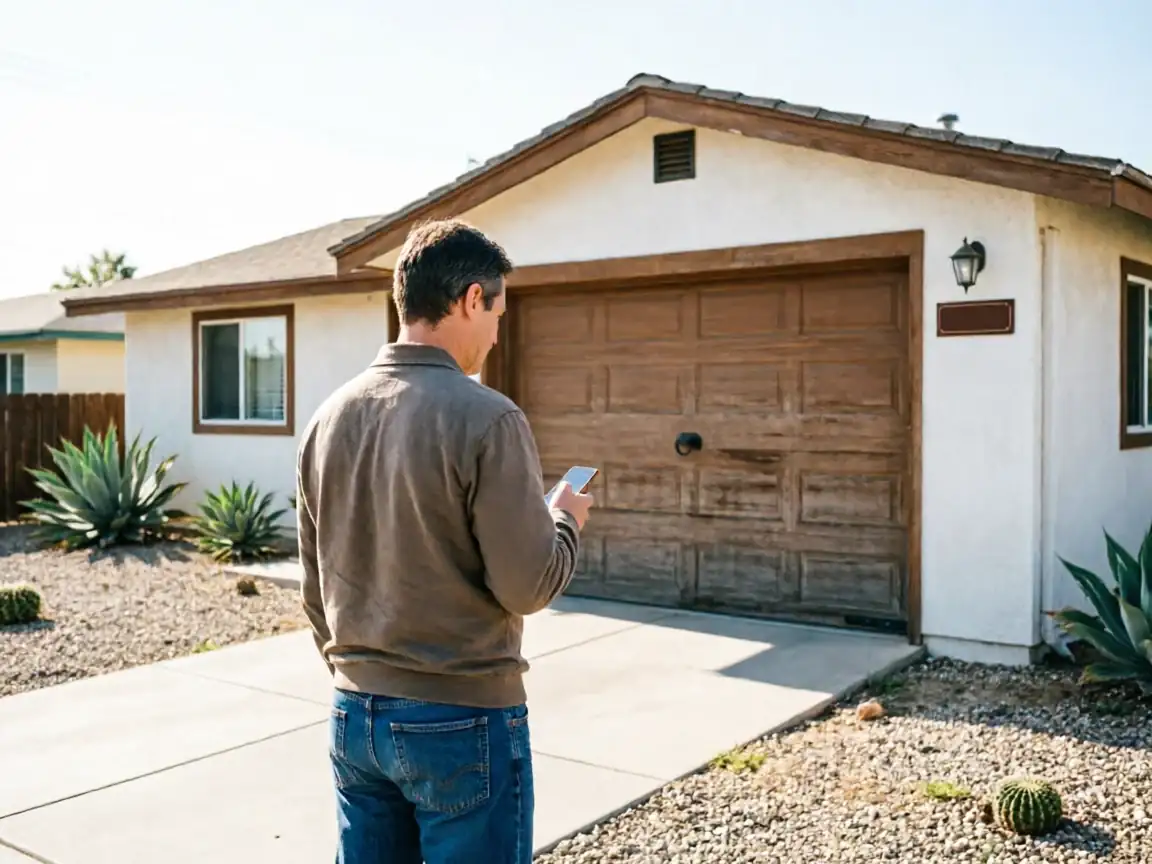
  1. A man stands in a driveway looking at his phone in front of a garage door.
    1

    Tell us what’s wrong

    Describe the symptom - won’t open, loud bang, opener runs but the door won’t move.

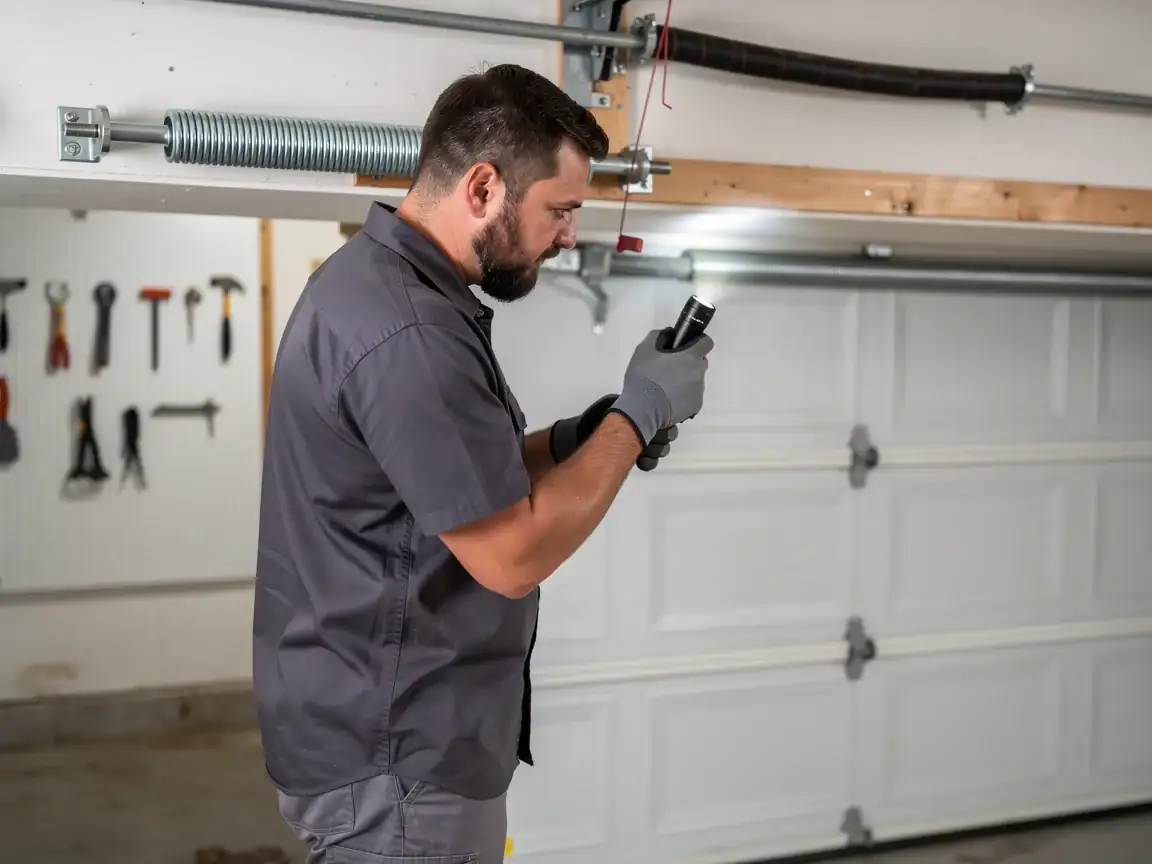
  2. A technician shines a flashlight on a white garage door and springs.
    2

    On-site diagnosis

    A technician tests the door under power and by hand and finds what actually failed.

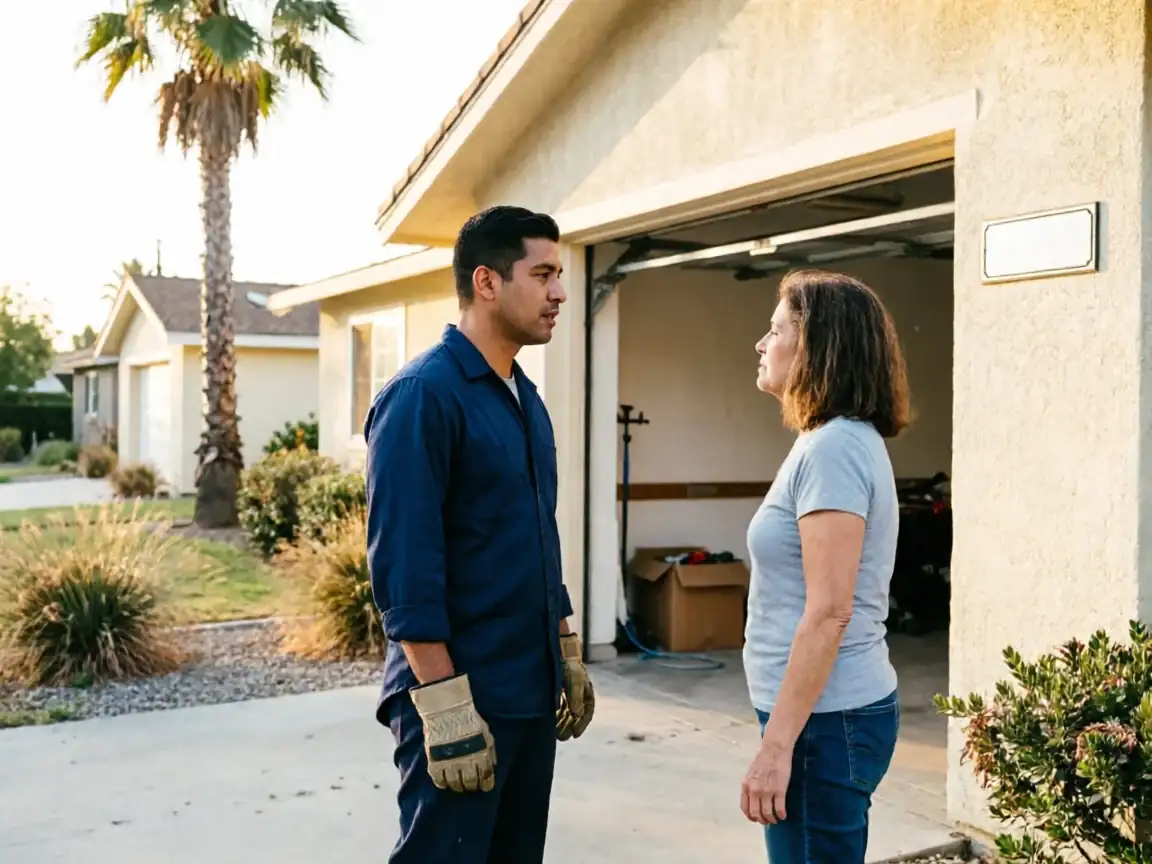
  3. A technician and a woman stand facing each other in a driveway.
    3

    Clear, up-front plan

    You get the fix that’s needed and what drives the cost - before any work starts.

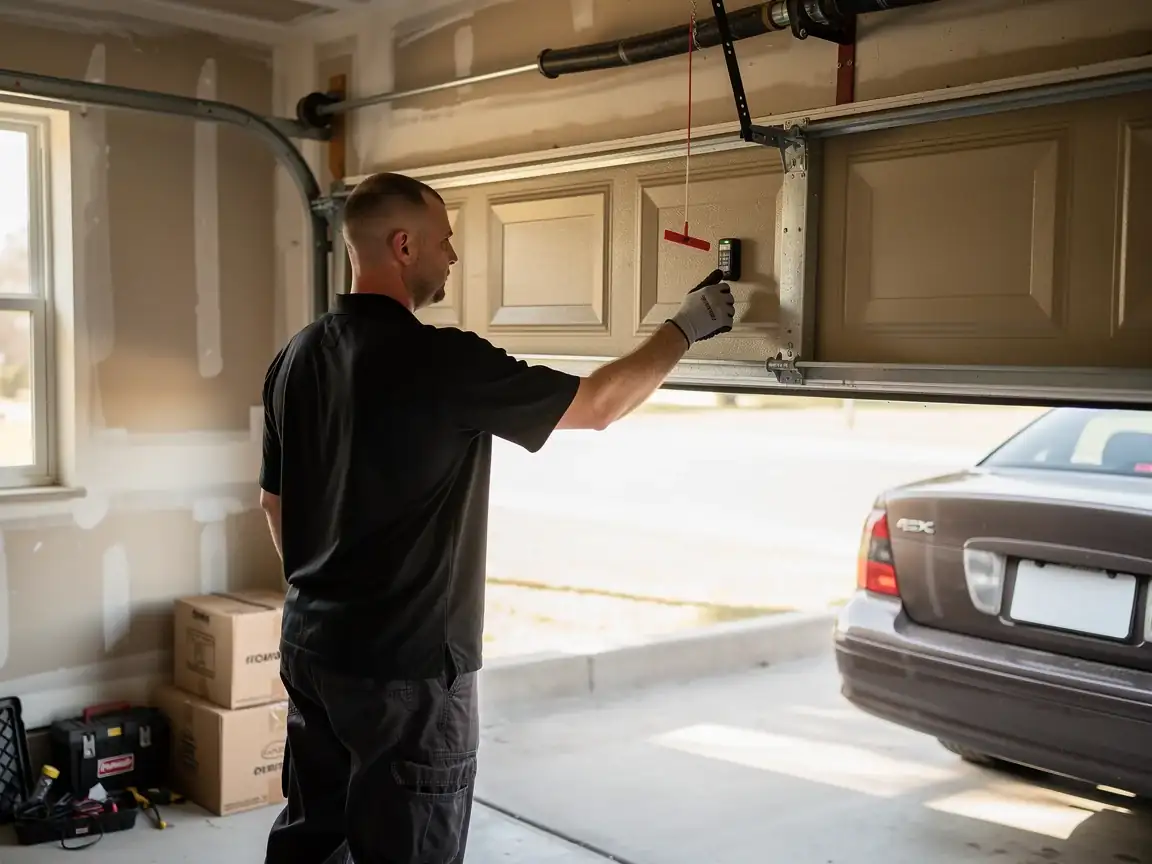
  4. A technician in a black shirt operates a garage door opener with a remote.
    4

    Repaired & tested

    The repair is done, the door is set true and tested, and the work area left clean.

Next step

Not sure which repair your door needs in Vista, CA? Describe what it’s doing - every job starts with a diagnosis.

How we work

What to expect

A straight, honest approach on every Vista job - diagnosis first, the right parts, and clean work.

01

Diagnosis first

Every visit starts by finding what actually failed - not a pre-written parts list.

02

The right part for the door

Springs and openers matched to the door’s weight and age, so the fix holds up.

03

Straight answers

When a repair makes more sense than a replacement - or the reverse - you hear it plainly.

04

Clean, careful work

Tension released safely, hardware set true, the door tested under power before we leave.

What we do

Garage Door Services

Repair and installation work for Vista homes and businesses.

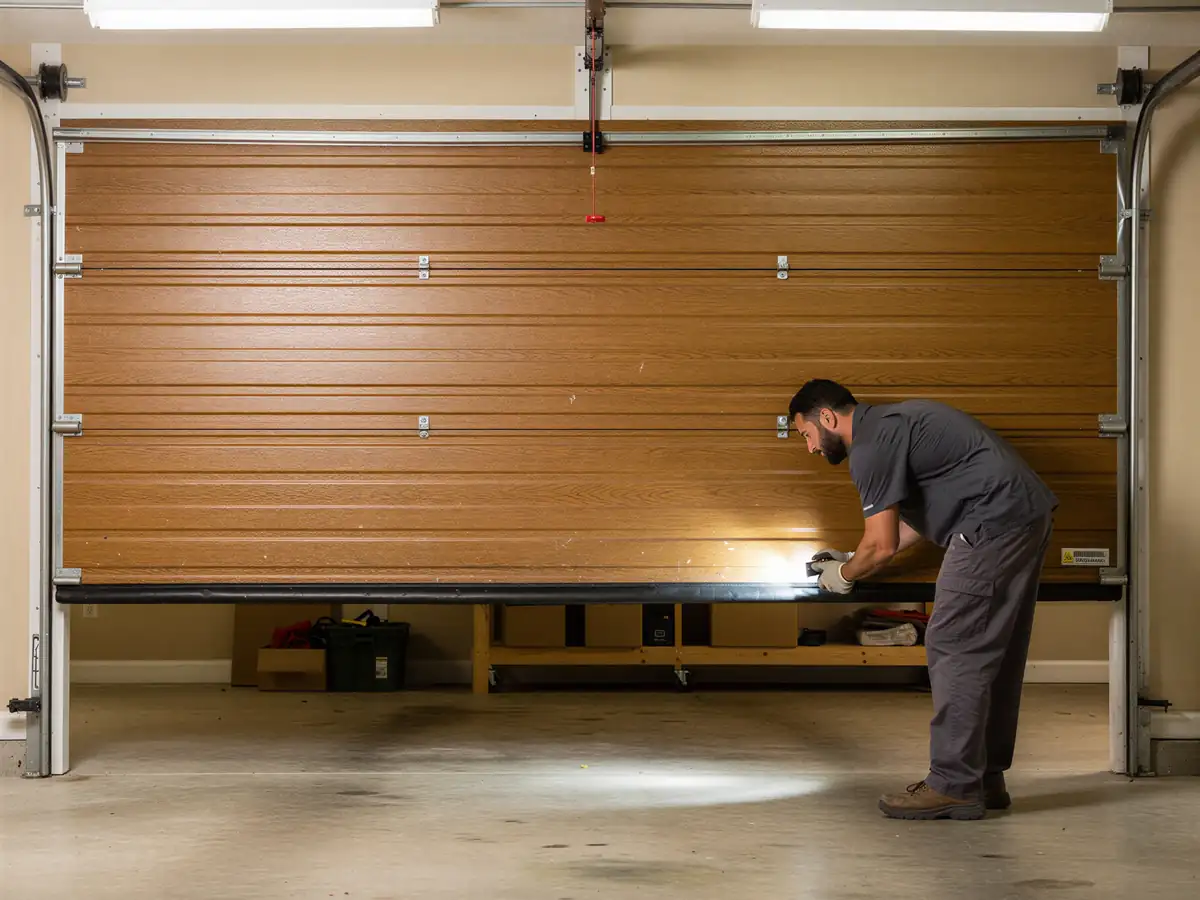
A technician inspects the bottom of a wood-look garage door with a flashlight.

Garage Door Repair

Spring and opener failures in Vista track the city's 1970-2003 housing stock. We fix the torsion springs, cables, and tracks original to these homes.

Learn more
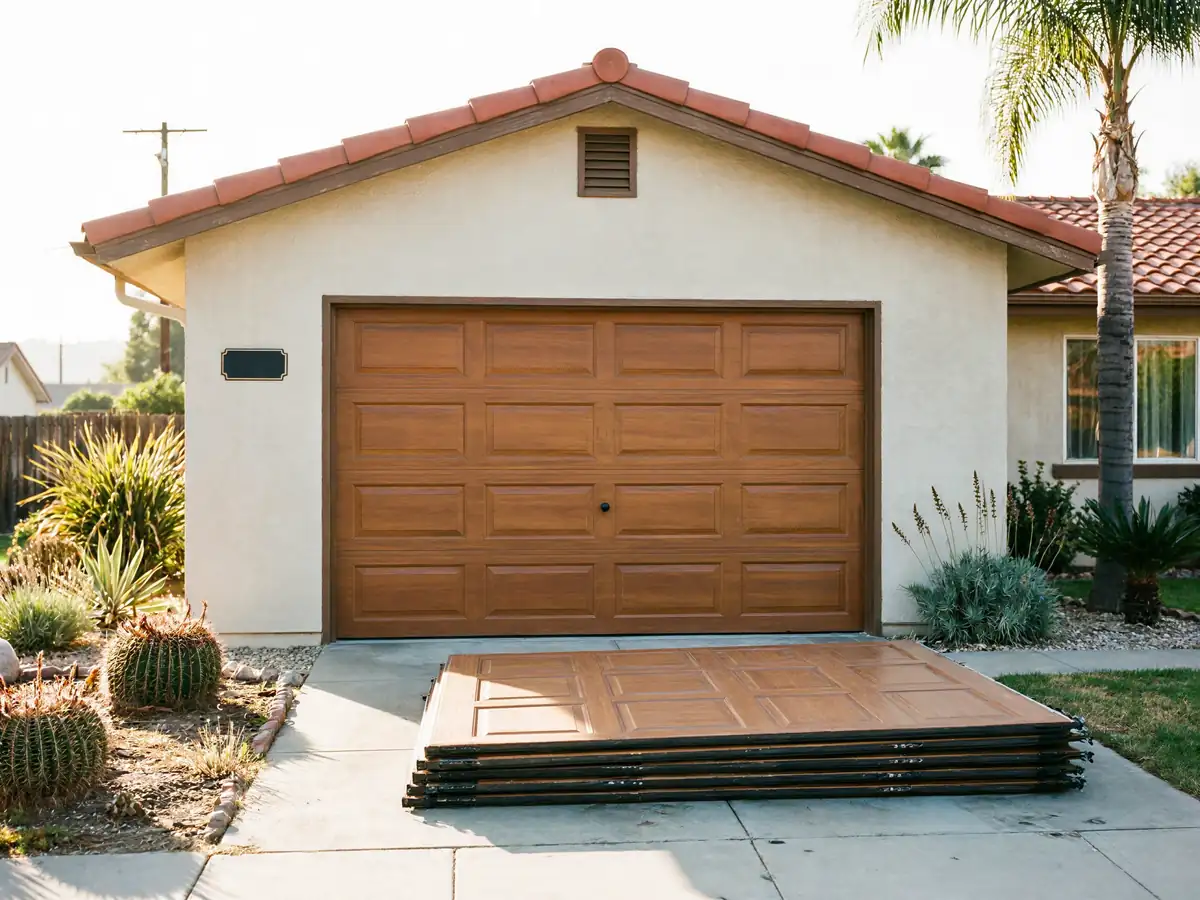
A brown garage door is on a house with stacked brown panels on the driveway.

Garage Door Installation

Vista homes built mostly between 1970 and 2003 are hitting the age where the original garage door and hardware need replacing, not patching. Here's why, and what to expect.

Learn more
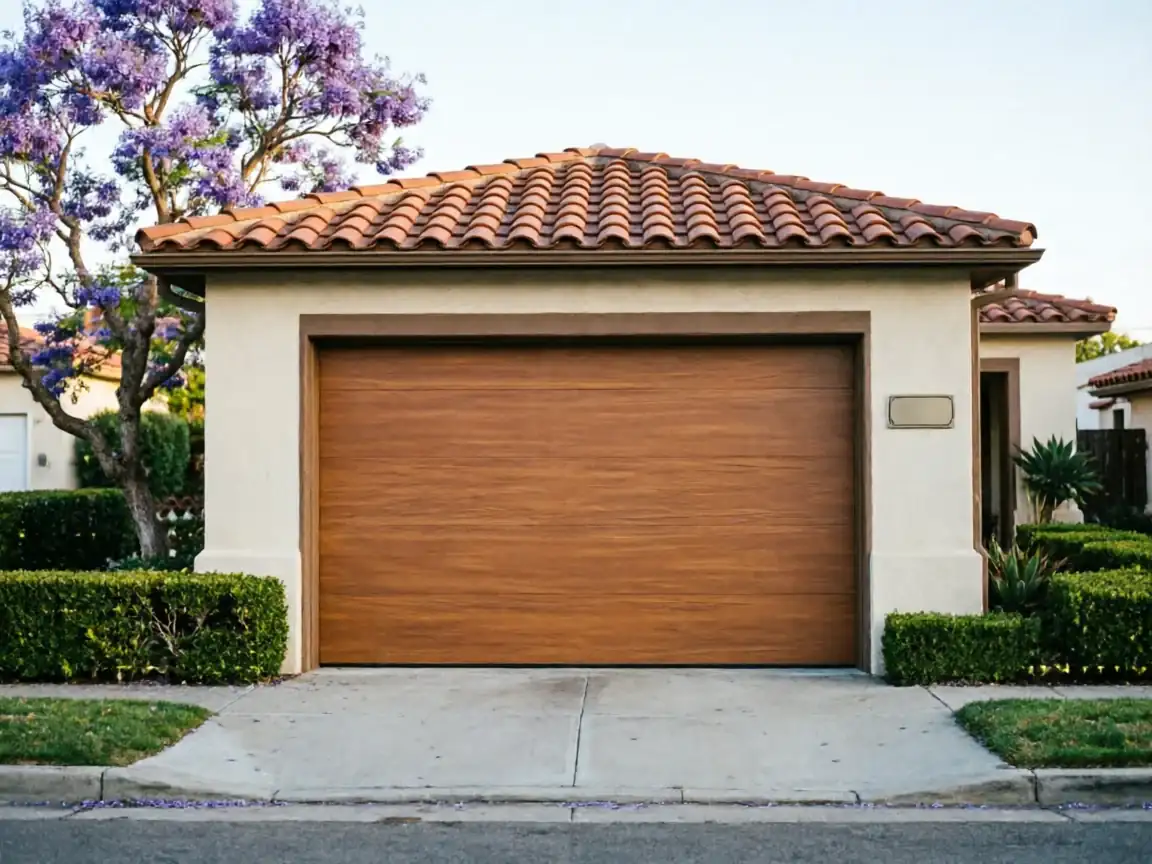
A brown wooden garage door on a stucco house with a tiled roof.

Garage Door Service

Most Vista houses went up between 1970 and 2003, and the springs and openers installed then are nearing the end of their service life. We work on them.

Learn more
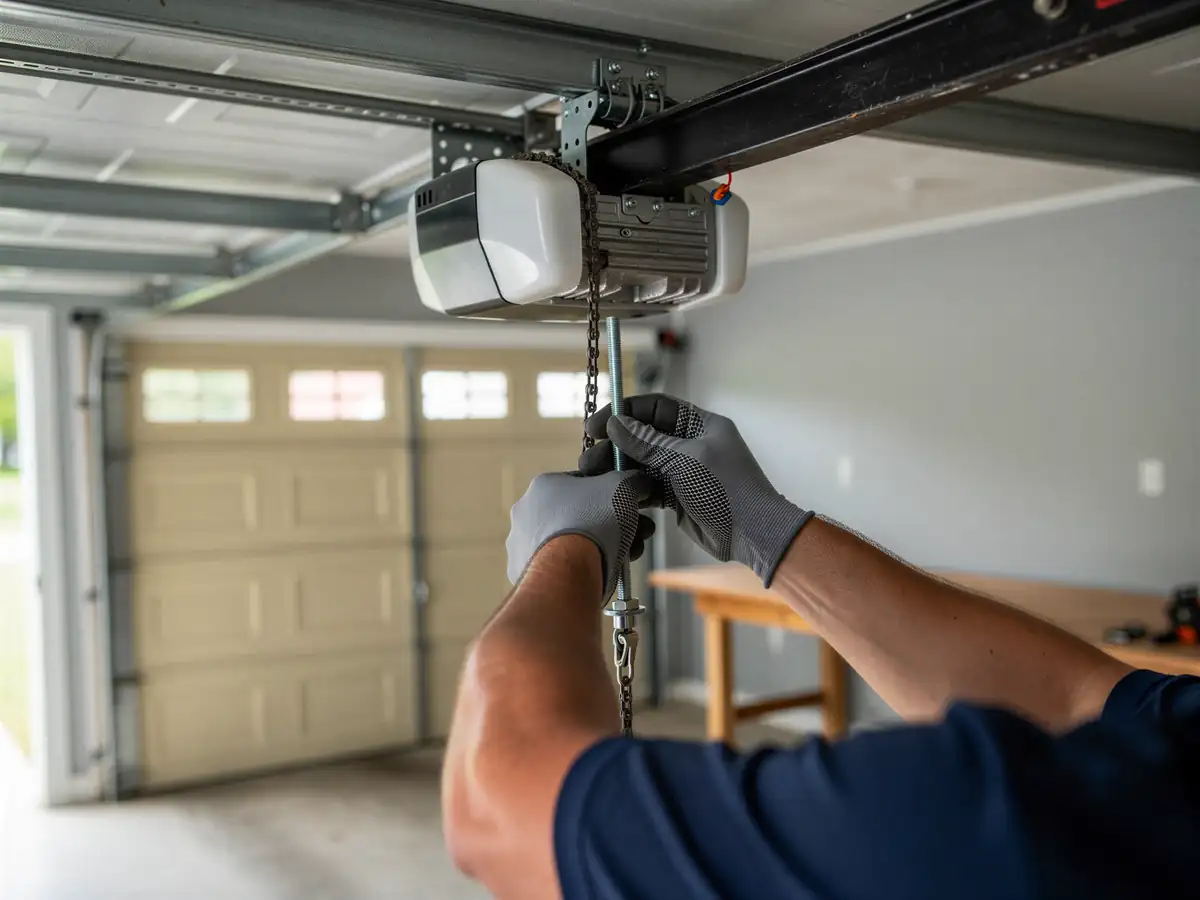
A technician in gray gloves adjusts a garage door opener chain.

Opener Repair

Opener repair for Vista homes built mostly between 1970 and 2003, where original drive systems and aging circuit boards are now failing on schedule. Same service area, straight talk.

Learn more
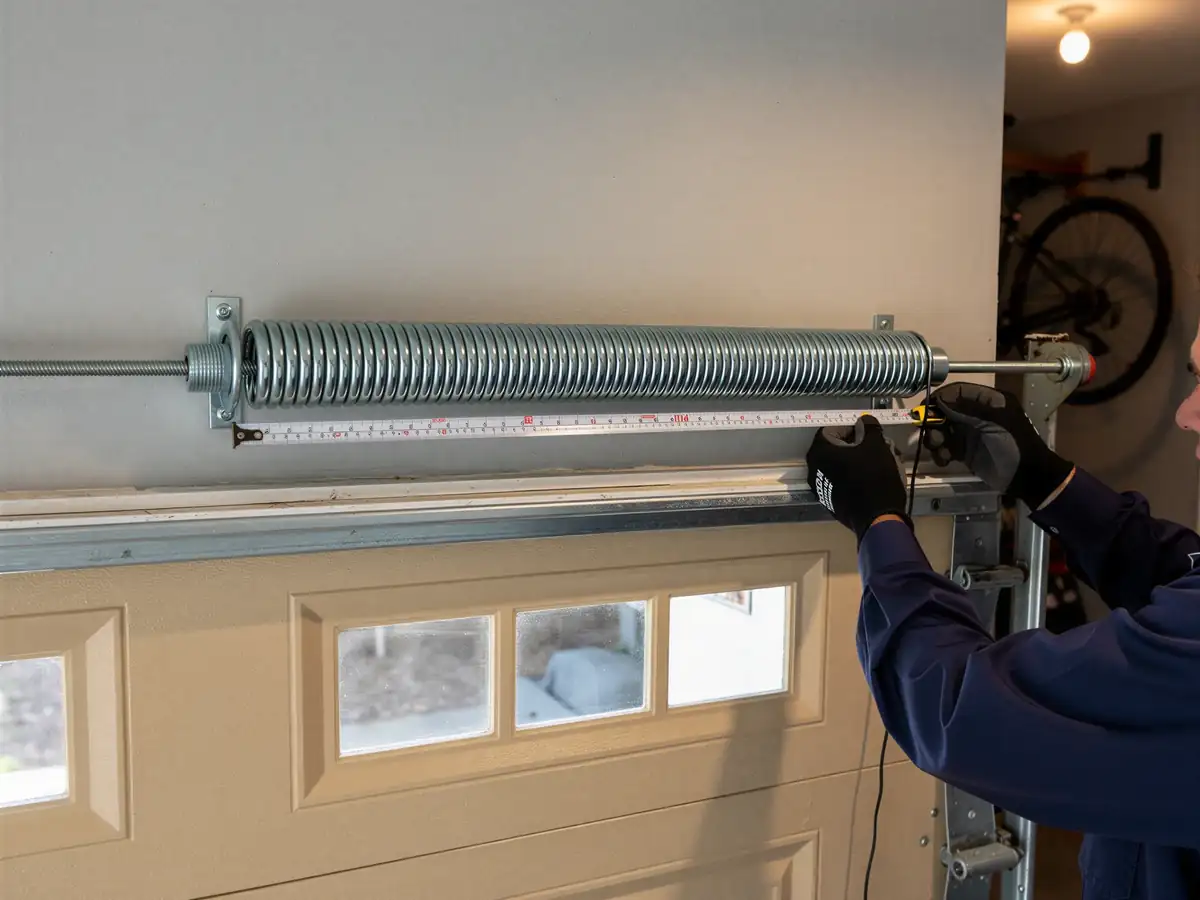
A technician measures a garage door torsion spring with a tape measure.

Spring Repair

Broken torsion spring in Vista? We explain why 1980s-era Vista homes wear out springs early, what to watch for, and when to call instead of DIY.

Learn more
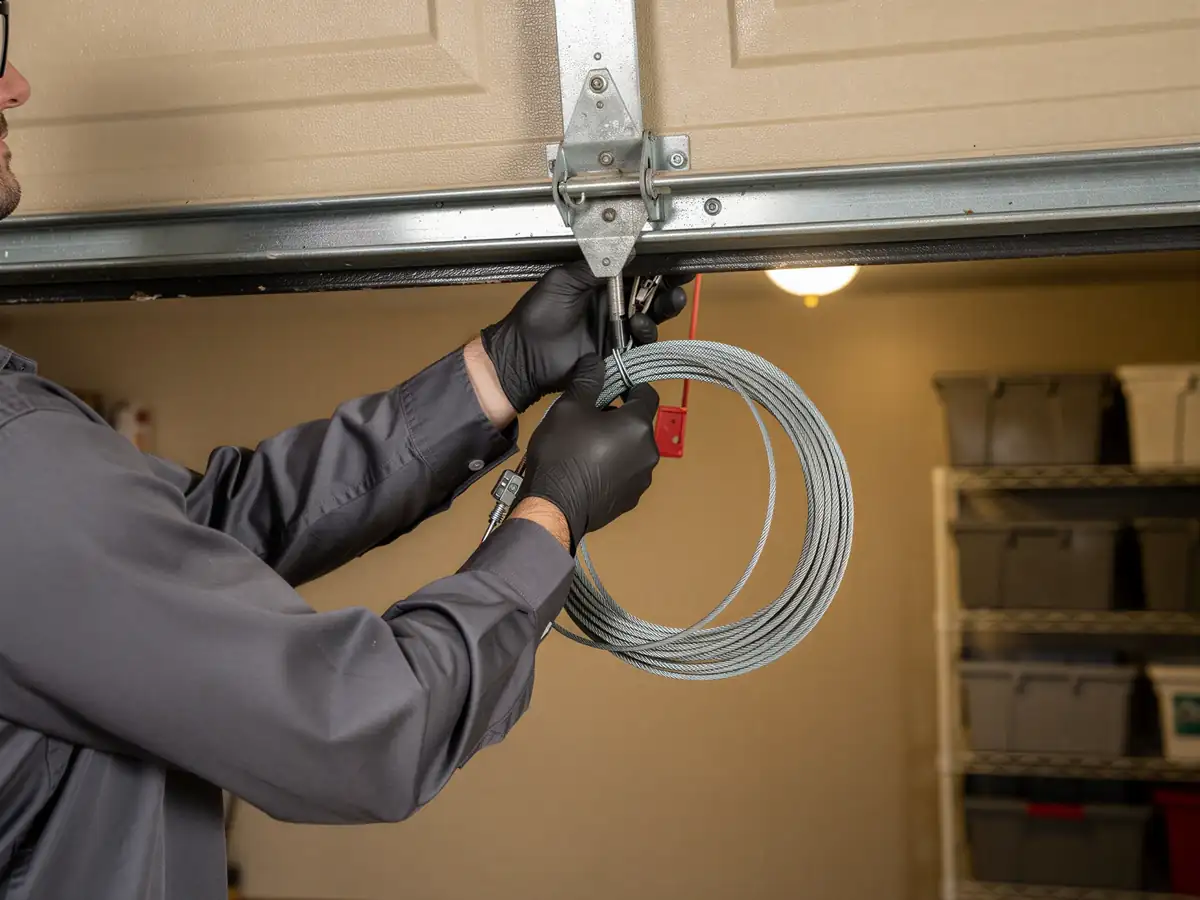
A technician in black gloves holds a coiled garage door cable.

Cable Repair

Frayed or snapped cables on Vista garage doors, tied to the area's 1970s-2003 housing stock. Same-day cable repair across Vista and nearby service areas.

Learn more
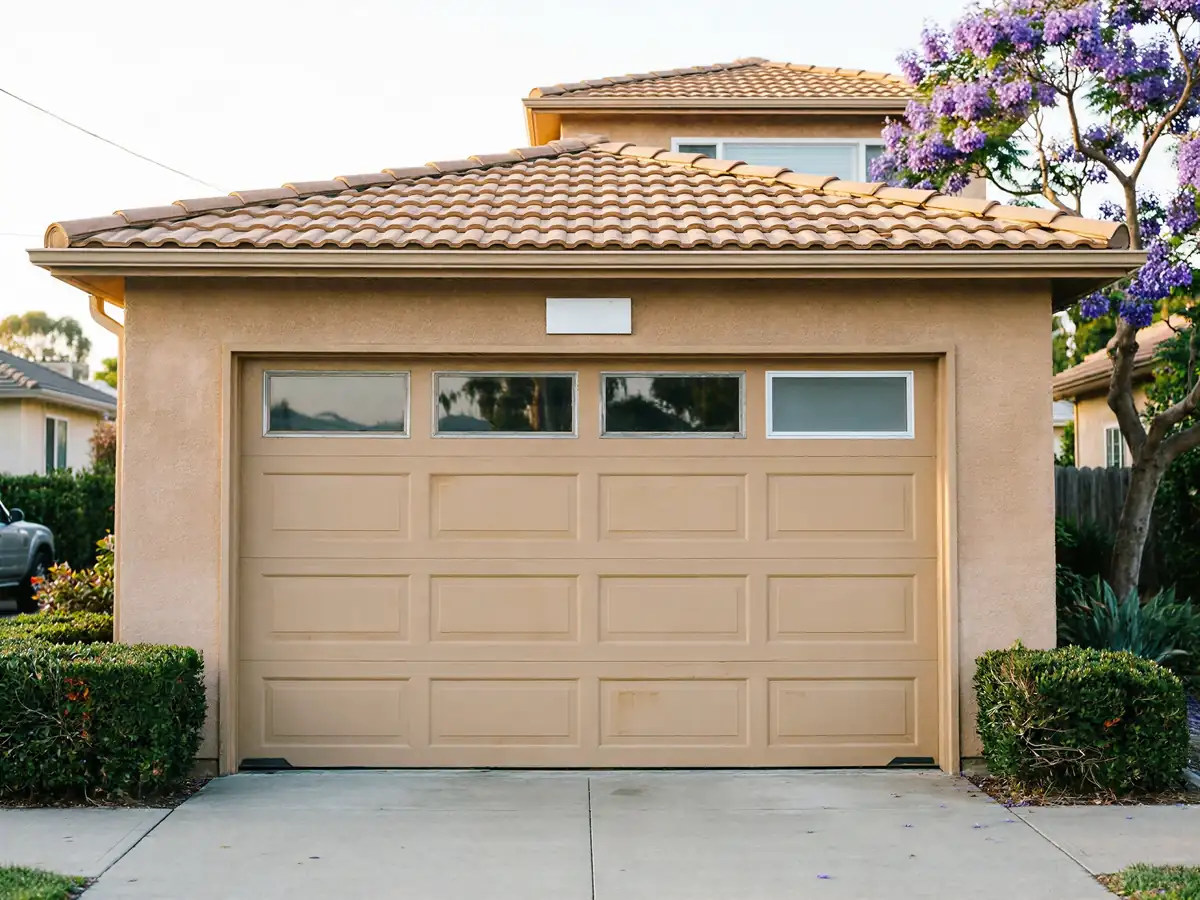
A beige garage door with four windows is on a stucco house.

Panel Replacement

Dented or cracked panels on Vista homes built in the 1980s and 90s. See why this housing stock cracks panels early and what panel replacement actually involves.

Learn more
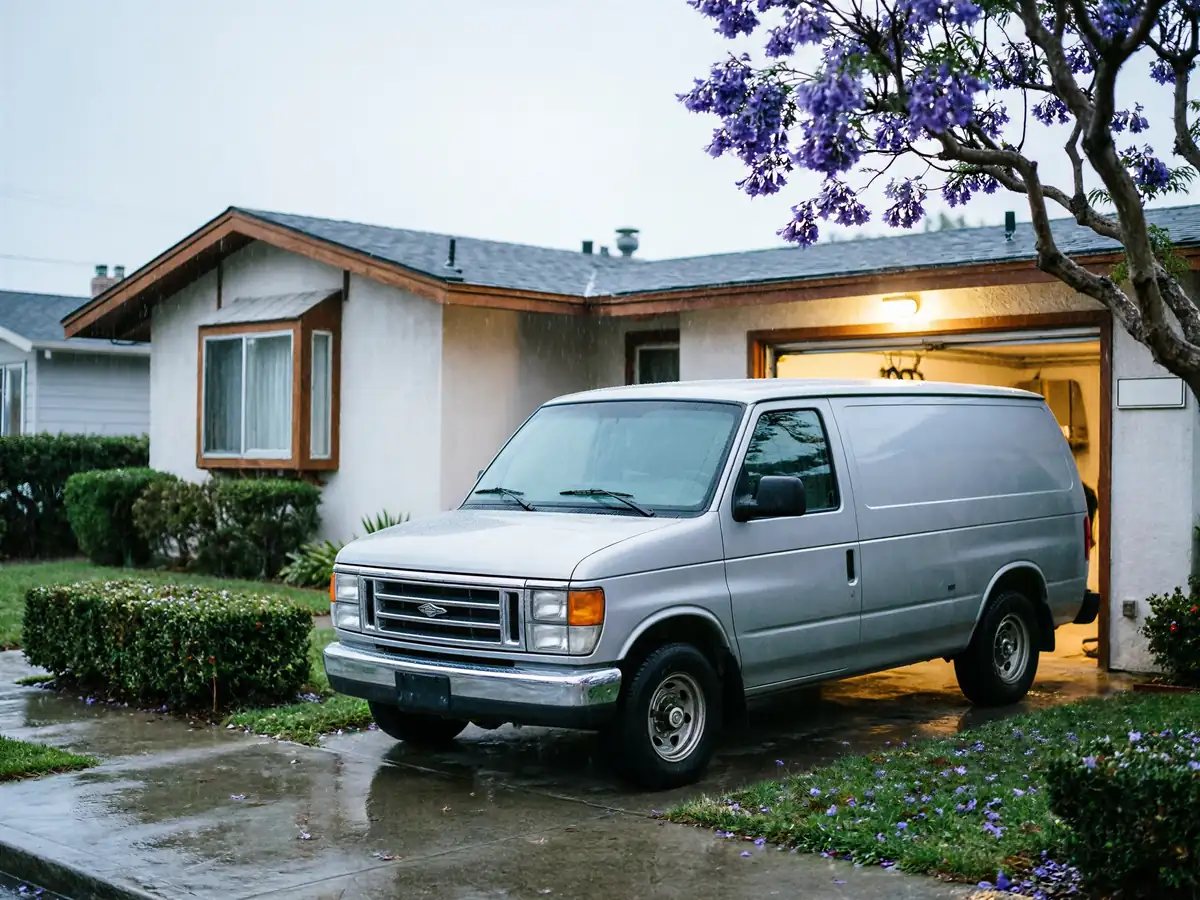
A silver van is parked in a driveway in front of an open garage.

Emergency Garage Door Repair

Broken spring or dead opener in Vista? We explain why older torsion hardware fails here, what the symptoms mean, and when a same-day fix beats a full replacement.

Learn more
Questions

Frequently asked

Straight answers about garage door repair in Vista. Still unsure? Ask us directly.

Why doesn't my old garage door have any insulation?

Your house was most likely built between 1970 and 2003, with a lot of Vista's stock landing around 1982. Insulated garage doors weren't standard consumer products then, and the mild local climate never created pressure to add them. The door is original to the house's era, not a sign of a cheap build.

Should I insulate my old steel door instead of replacing it?

We don't recommend gluing foam board into an original single-layer panel from the 1970s or 80s. The steel is thin and the frame has no thermal break, so a foam kit papers over the real gap rather than closing it. Replacement usually makes more sense than a retrofit on a door this old.

Is it urgent if my old door's spring breaks?

Yes, treat it as a same-week call. Original 1980s-era doors are single-layer steel with no foam core, which makes them heavier and more awkward to lift by hand once a spring fails. Don't try to force the door up yourself; call before you attempt to move it.

Ready to get your garage door sorted?

Tell us what it’s doing and where you are in Vista - we’ll take it from there.

Request a QuoteCall