Getting Here
Fairbanks Ranch sits about 14 miles from our shop in Vista, so when we book a job out this way we build in the drive time rather than pretend we're around the corner. We don't keep a crew stationed in Fairbanks Ranch and we won't tell you otherwise - every truck that shows up here started the day in Vista. That drive is worth mentioning because it's also why we ask for a real appointment window instead of a vague "sometime today." The mild coastal-inland climate out here means we're not fighting snow or ice on the route, which keeps scheduling predictable most of the year. If you're near Lake San Marcos, Rancho Santa Fe, or Del Mar and you've found this page by accident, the same travel math applies - we're coming from Vista, not from down the street.
What Neighbours Usually Call About
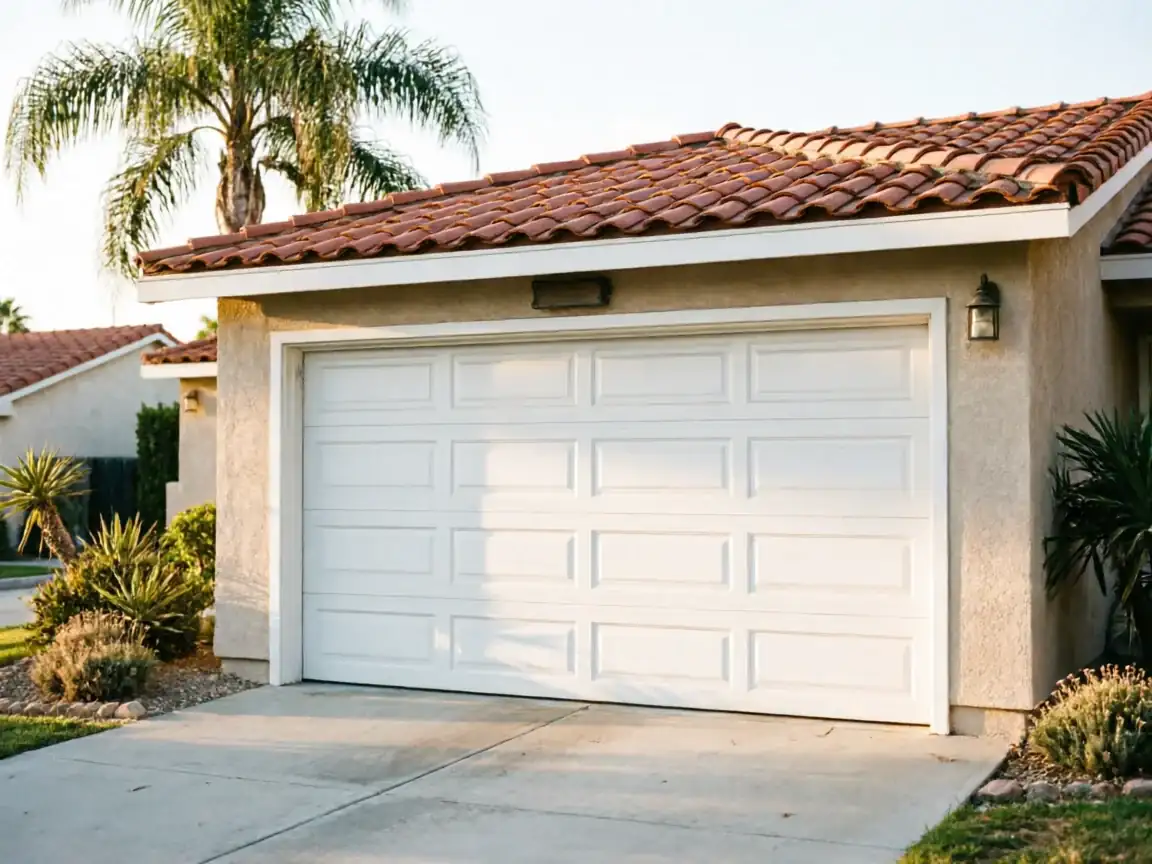
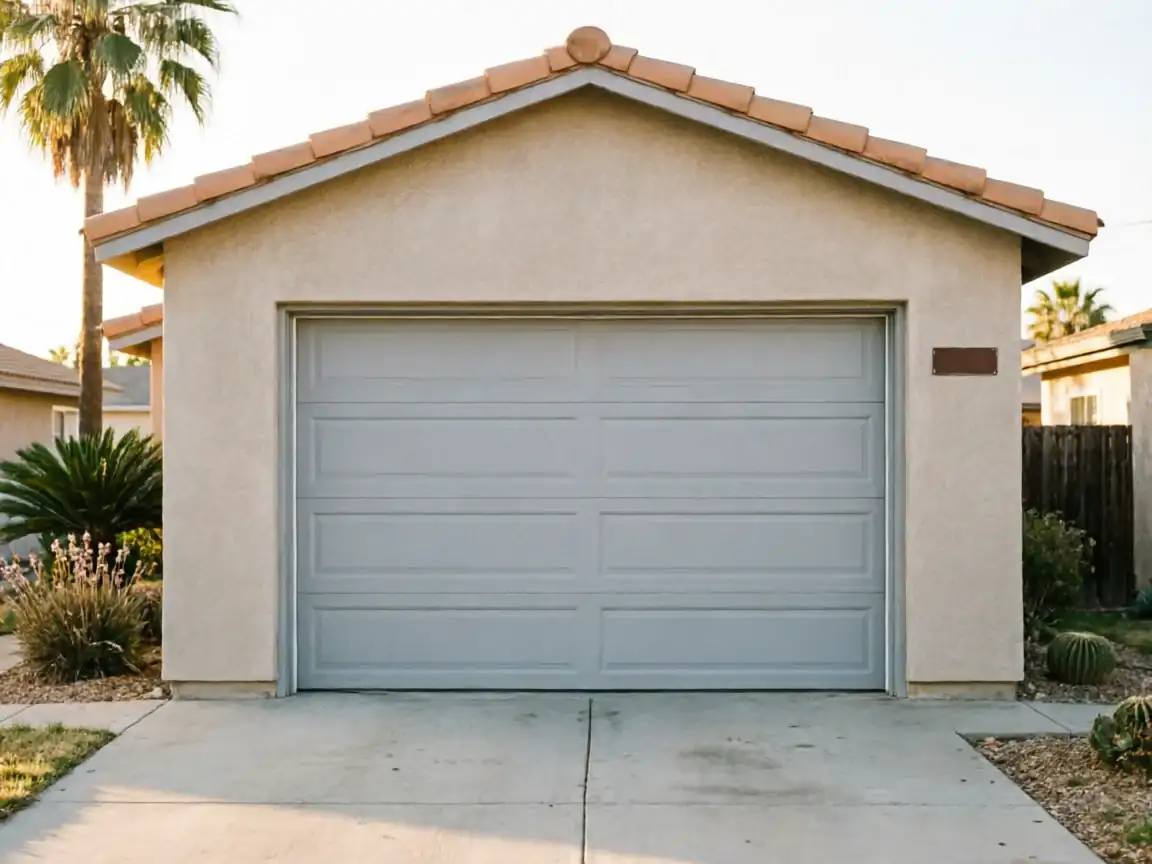
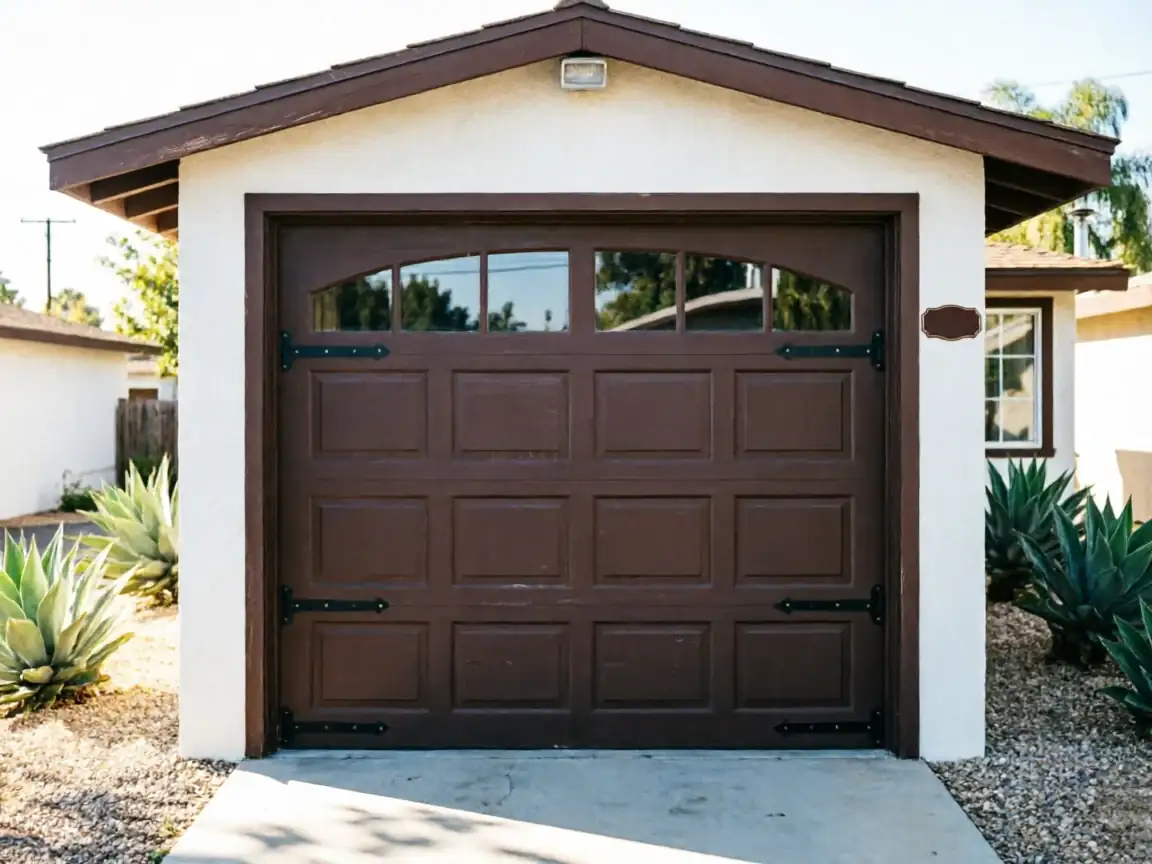
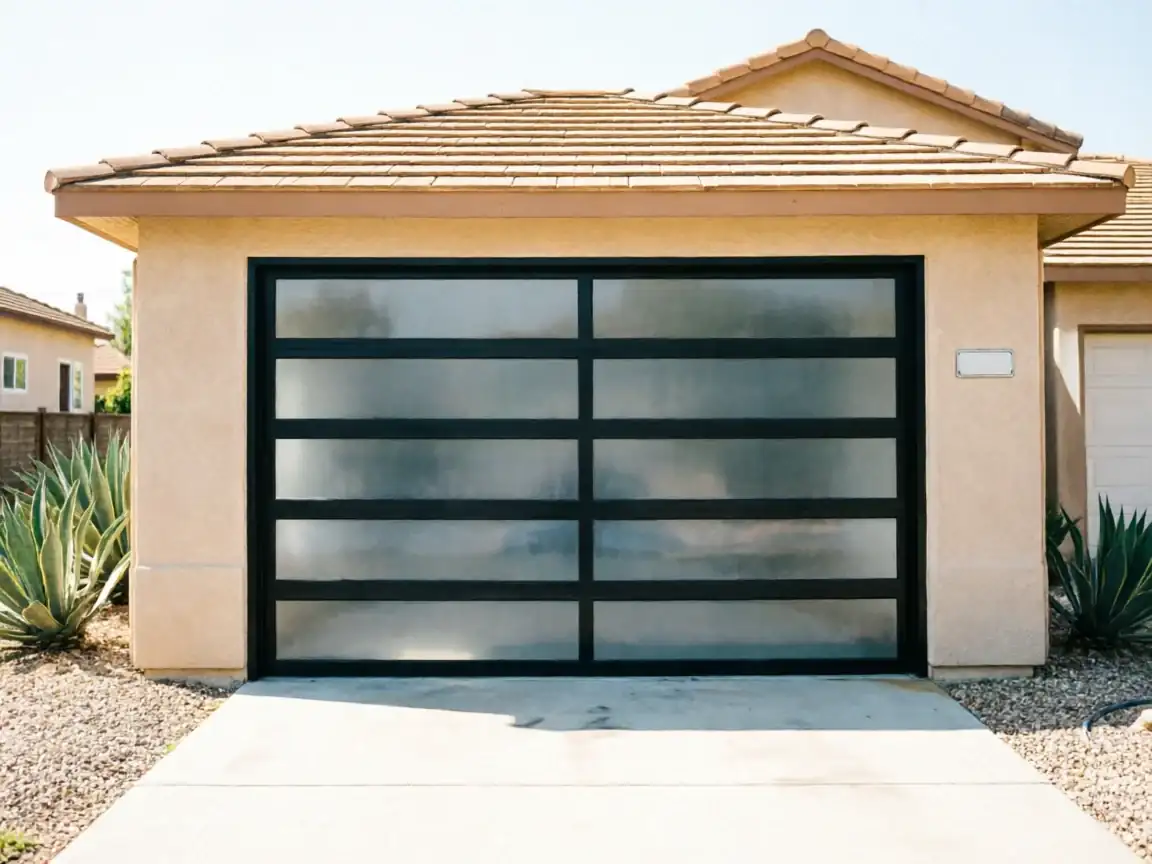
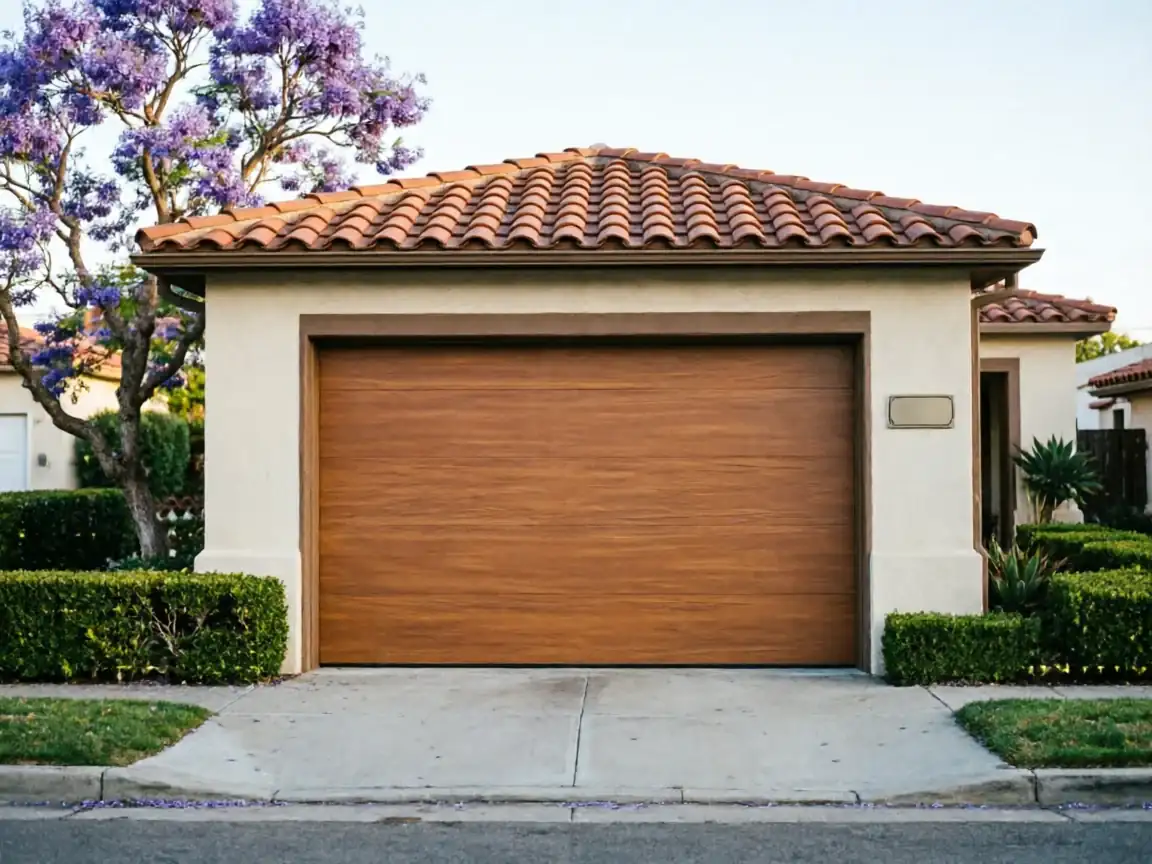
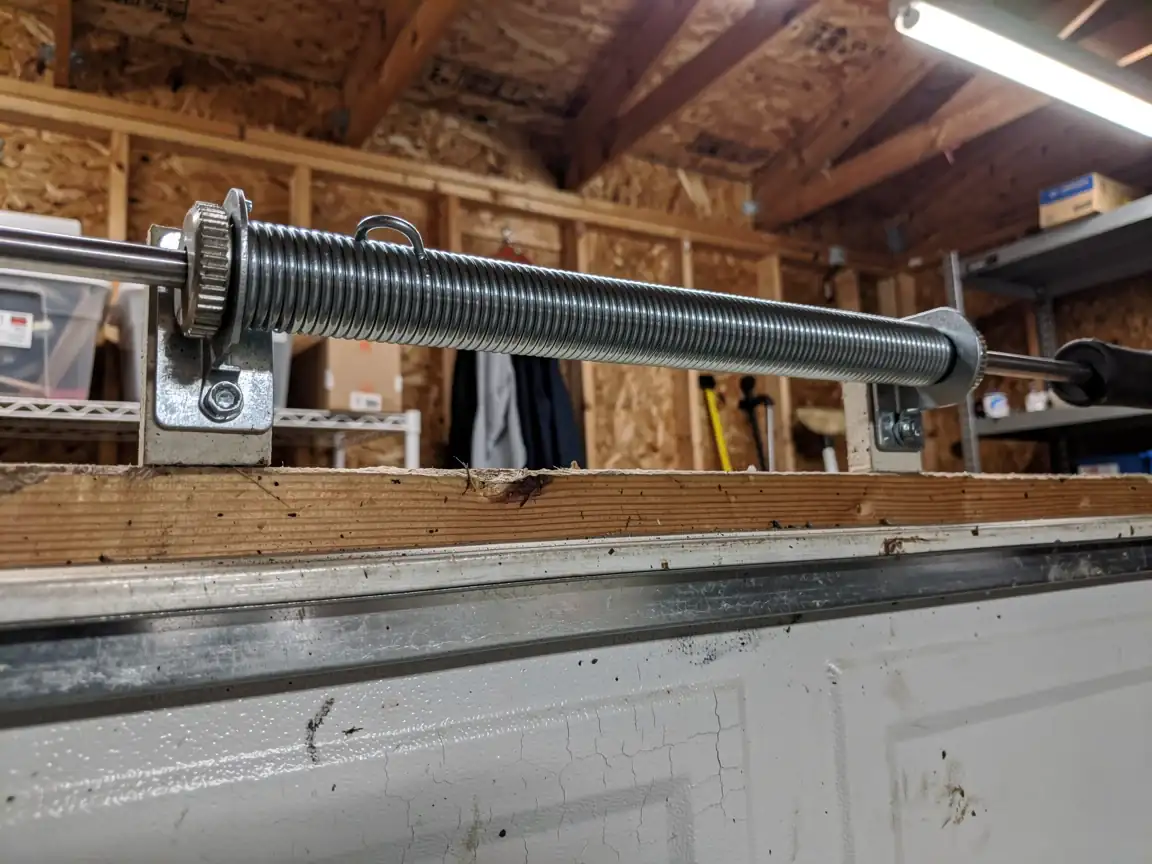
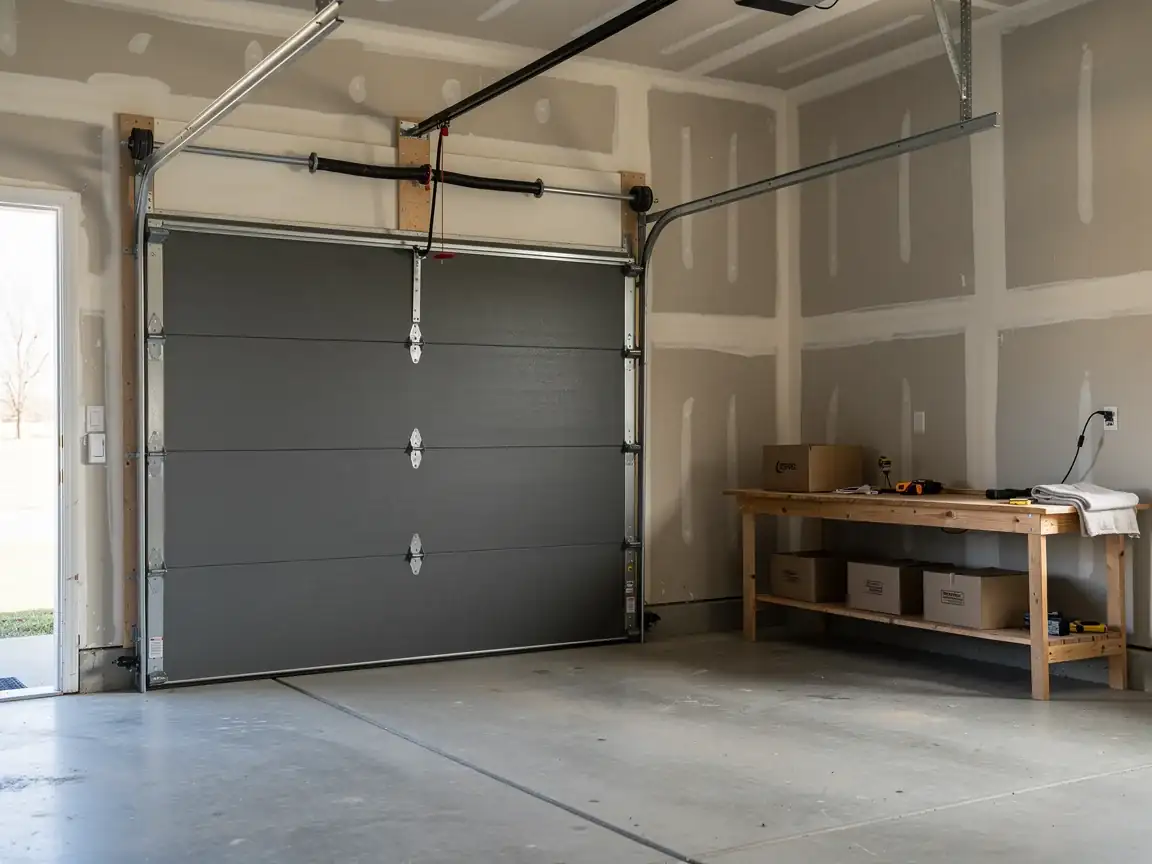
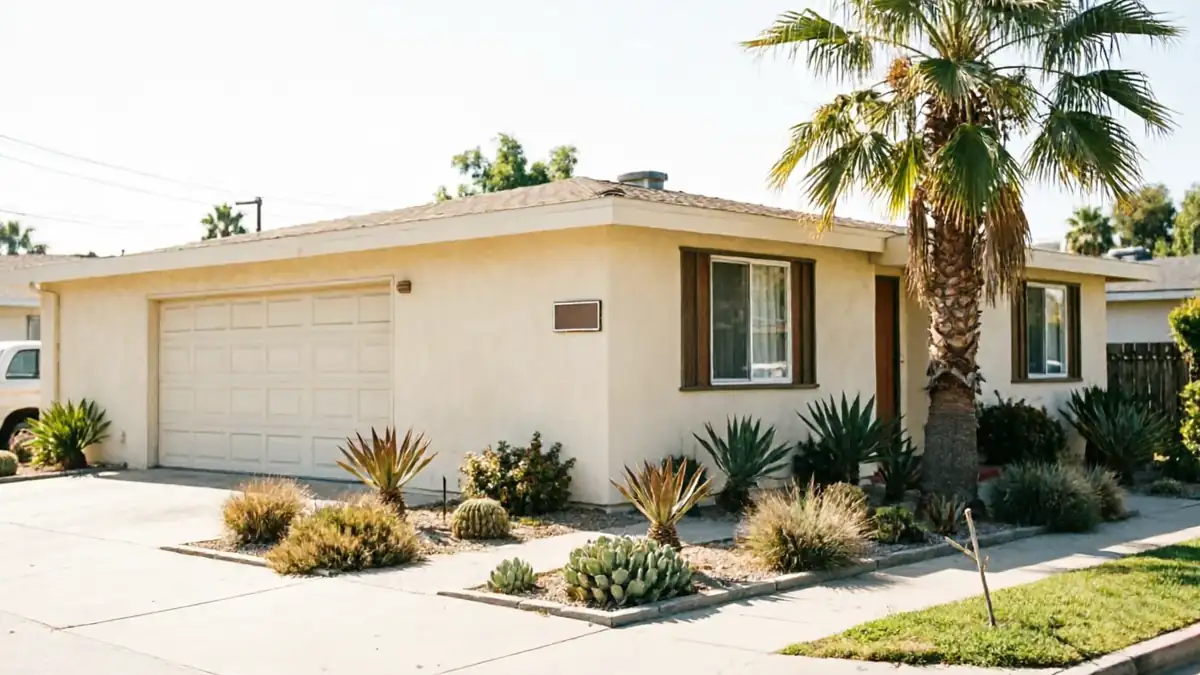
Fairbanks Ranch's homes mostly went up around 1992, newer than the broader service area's 1982 median, and that gap matters. Houses built in this window generally came with torsion springs mounted on a center shaft and steel sectional doors rather than the older one-piece or side-mounted setups you'd find in an area built a decade earlier. The calls we get from this stretch tend to be worn rollers, a stretched or frayed cable, or an opener that's finally hit the end of its working life after thirty-plus years of coastal humidity doing slow damage to the circuit board. We see fewer of the oddball hardware problems that show up in older tracts simply because the parts in these doors are still ones a supplier actually keeps in stock. That said, a household income median above $250,000 in this area also means more owners asking about insulated or custom-panel upgrades rather than patch repairs - a different kind of call than we get elsewhere.
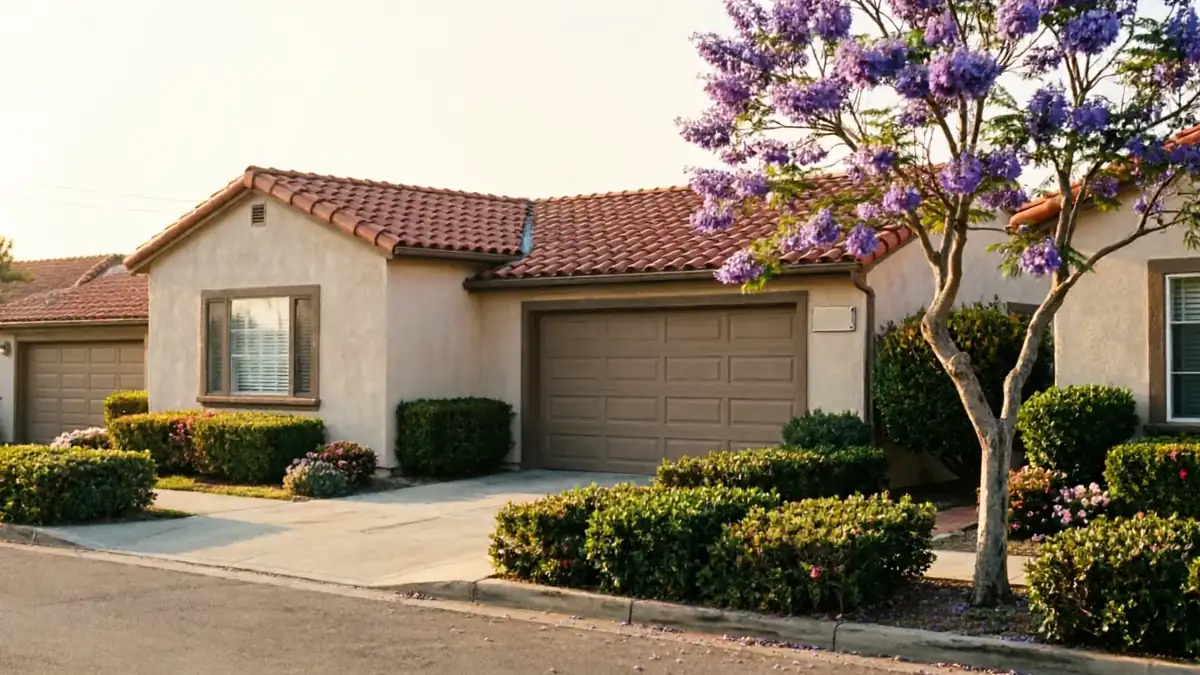
The Houses Here
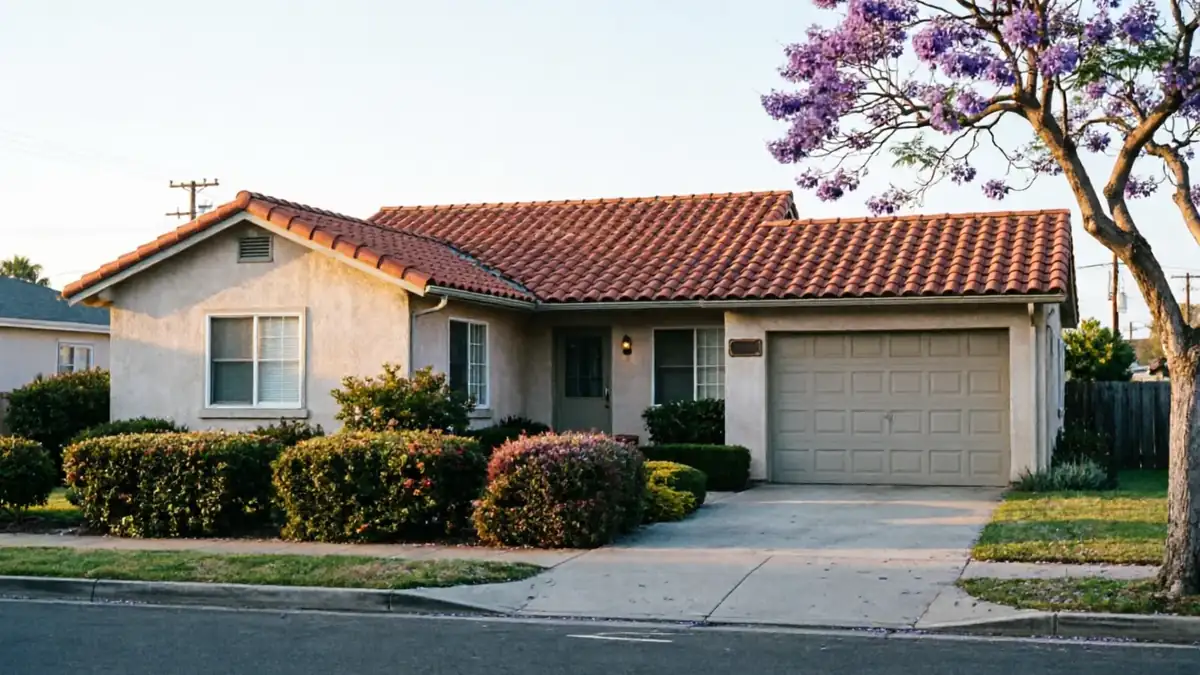
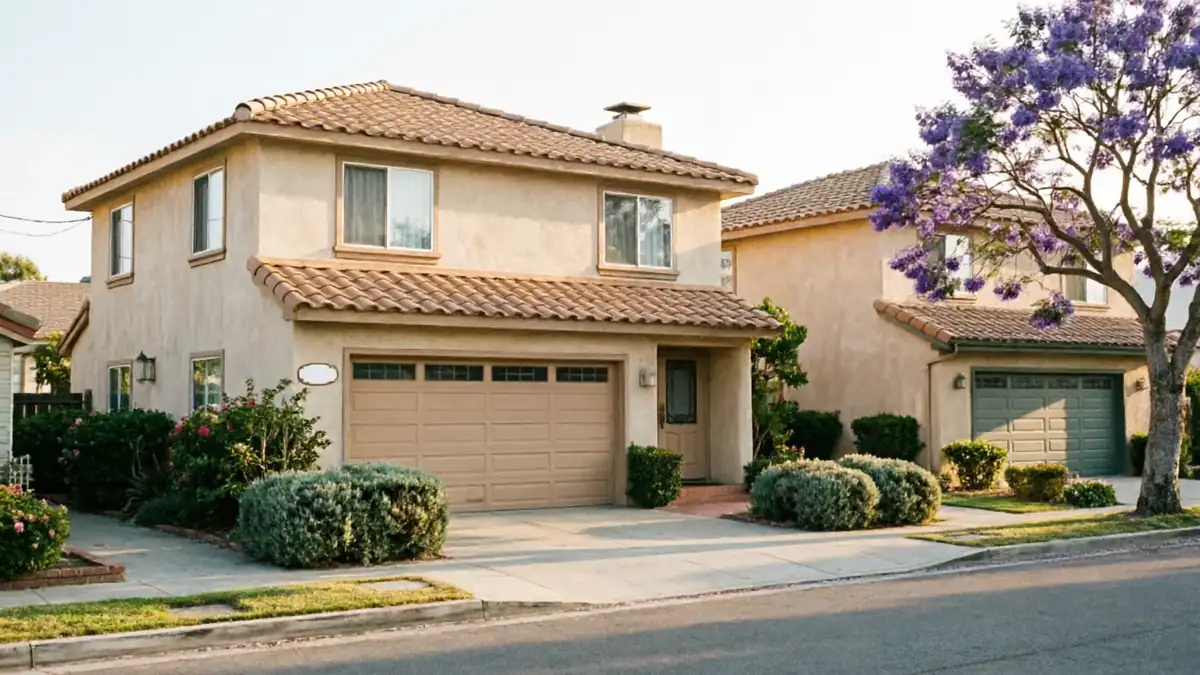
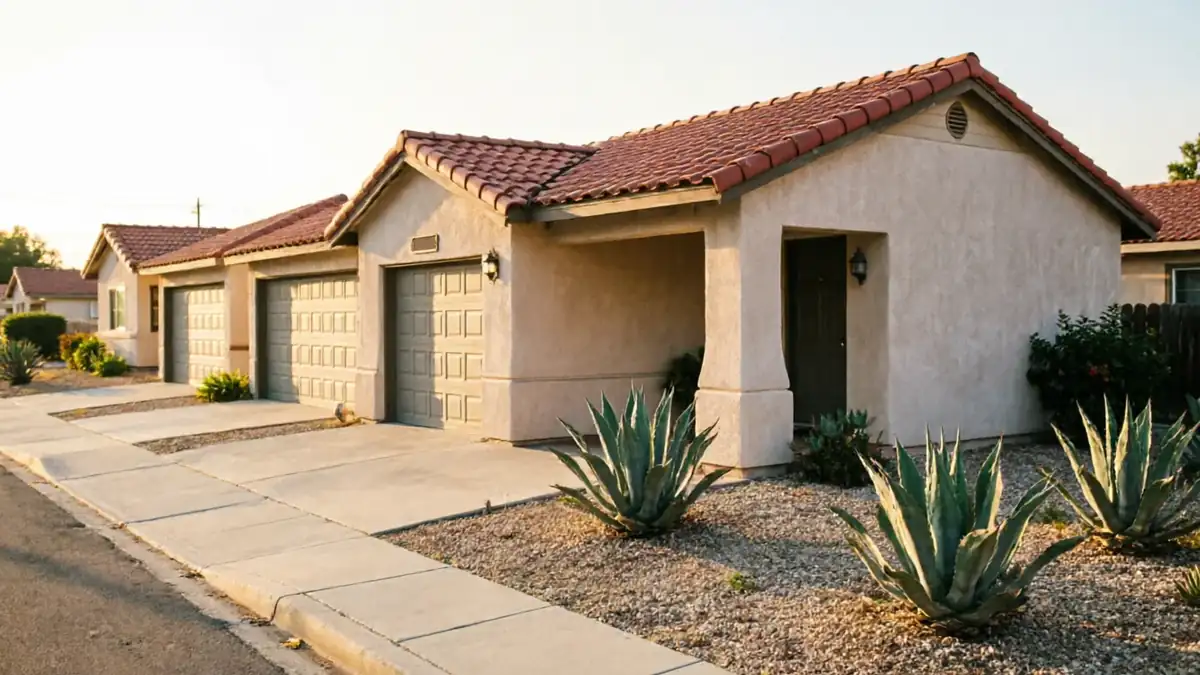
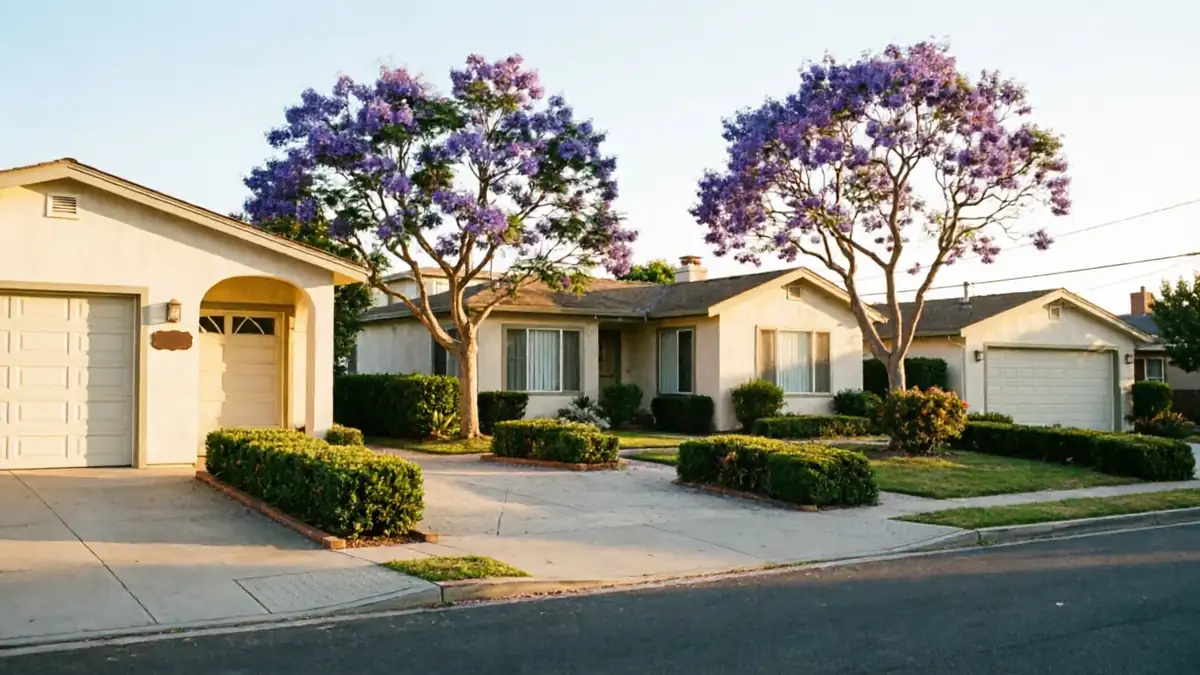
This is a smaller area - 878 households - set apart from the denser, older tracts that make up most of the service region's 63,814 households and 25,689 owner-occupied houses. The median build year of 1992 puts these garages a decade past the broader area's 1982 median, which is the main reason the failure patterns differ: less rust-through on tracks, fewer brittle plastic idler pulleys, more modern torsion hardware that just needs lubrication and adjustment rather than full replacement. With median household income here over $250,000, we also get more requests for quieter belt-drive openers and heavier insulated doors than the repair-only calls that dominate older, denser pockets of the service area. None of that changes the drive - we're still coming from Vista every time - but it does change what's in the truck when we show up.