Getting Here
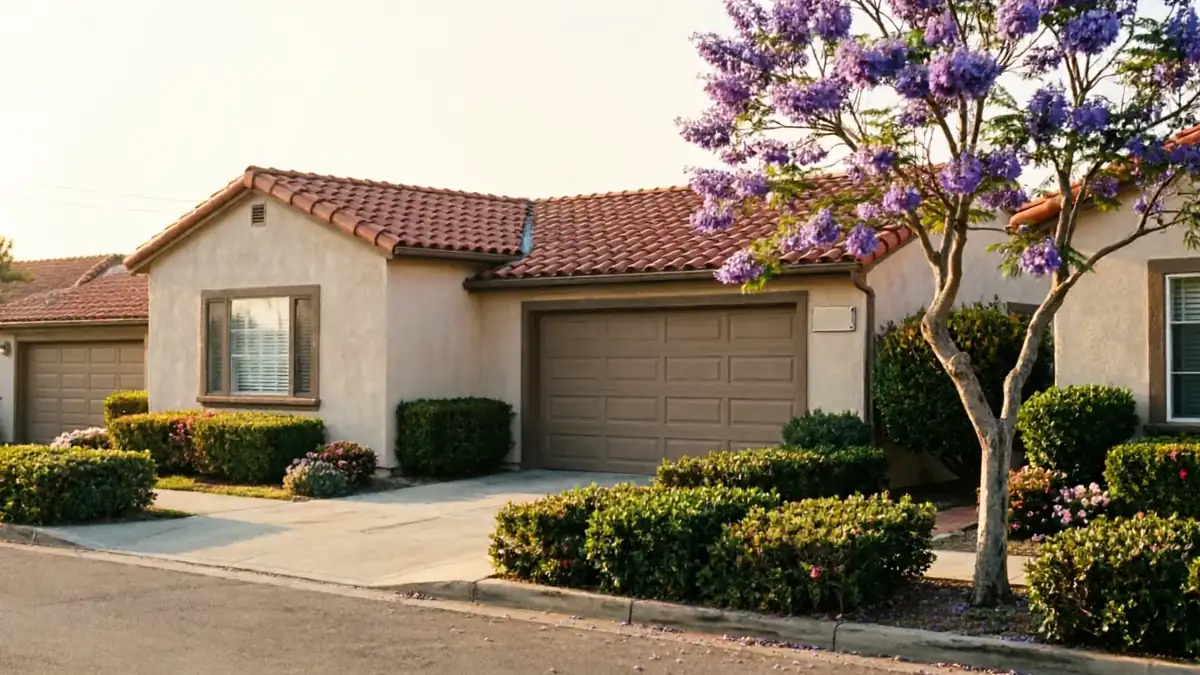
We run out of Vista, and Bonsall sits about 6 miles from the shop. It's not a satellite office or a second depot, just a truck making the drive. The road out passes Lake San Marcos and clips the edge of San Marcos itself before you're into the open, horse-property feel that Bonsall is known for. There's no crew staged in Bonsall waiting on calls, so if you need same-day work, say so when you call and we'll route around the day's other jobs in Vista, Lake San Marcos, and the rest of the territory.
The area is unincorporated, which matters less for the door and more for permitting if you ever go beyond a repair into a full structural replacement. For a spring swap, a cable, or a new opener, none of that changes what we bring on the truck. It just means Bonsall calls get folded into the day's loop rather than being the first stop by default, so a tight morning window isn't something we can promise on every visit.
What Neighbours Usually Call About
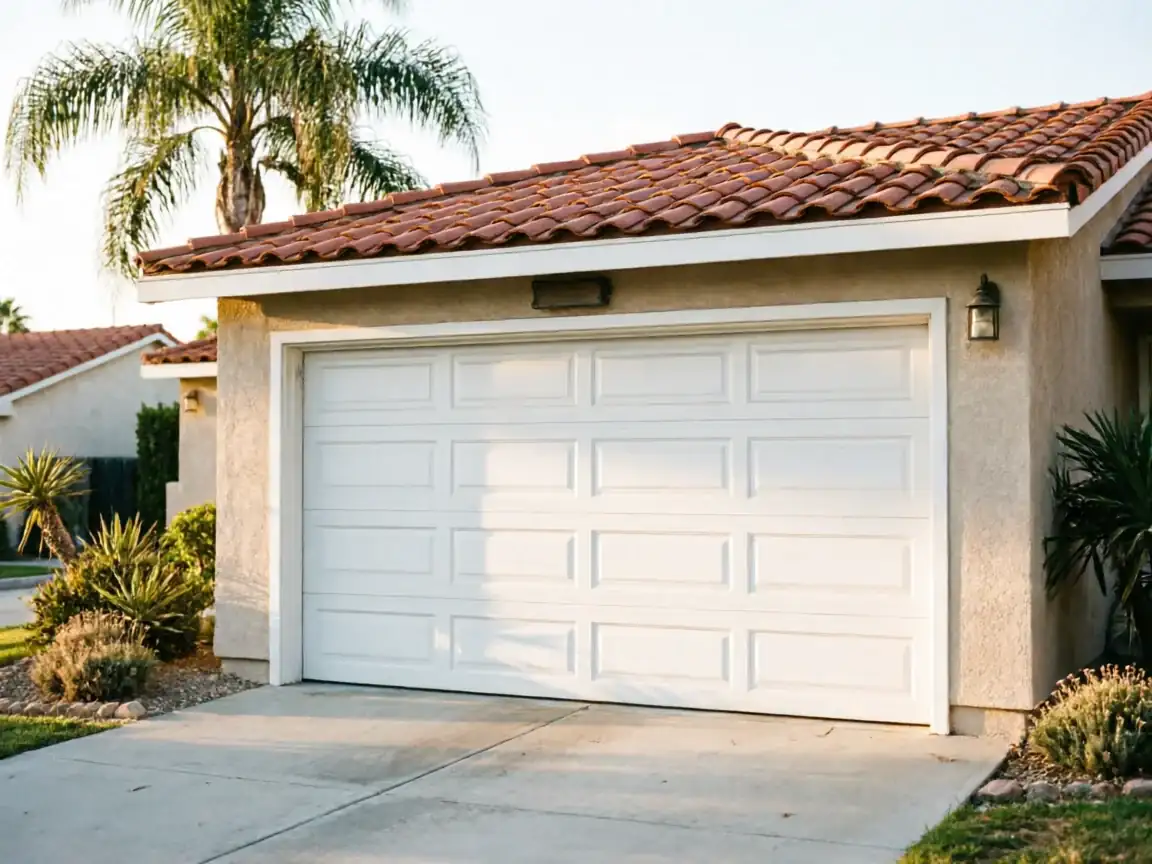
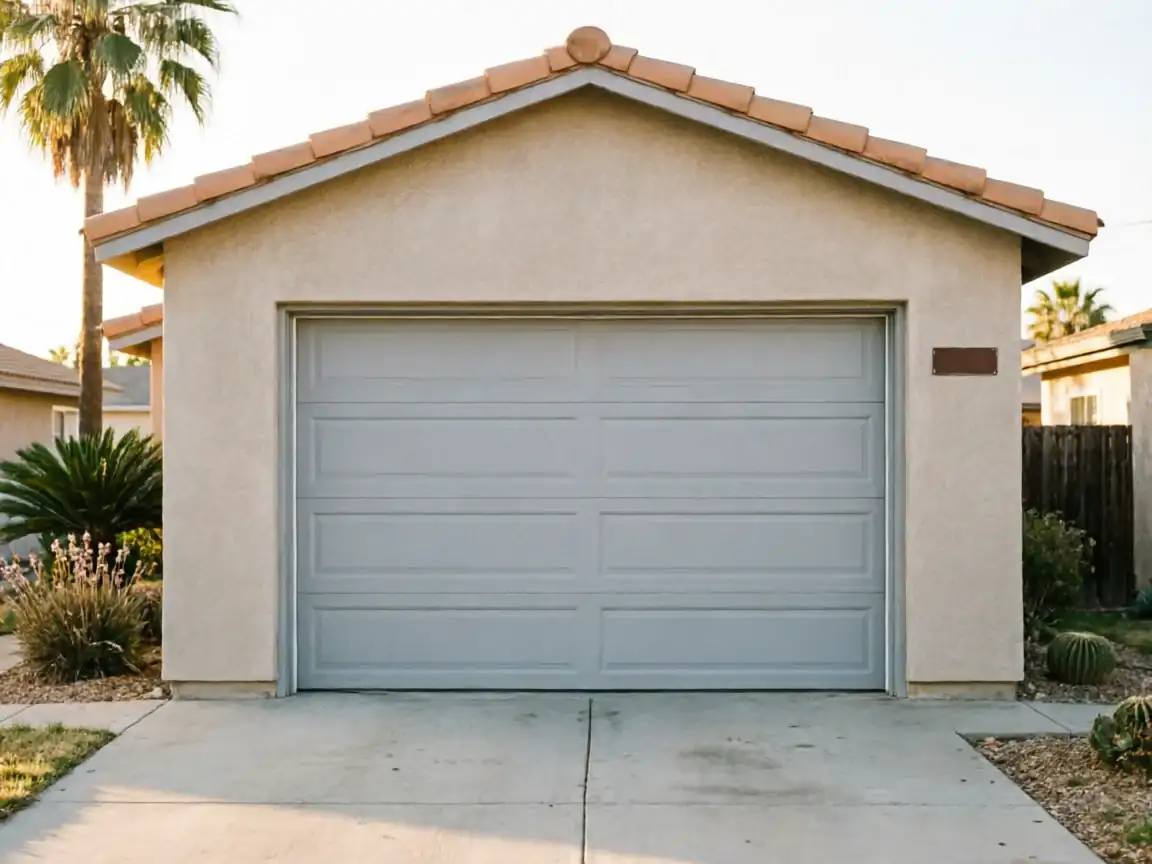
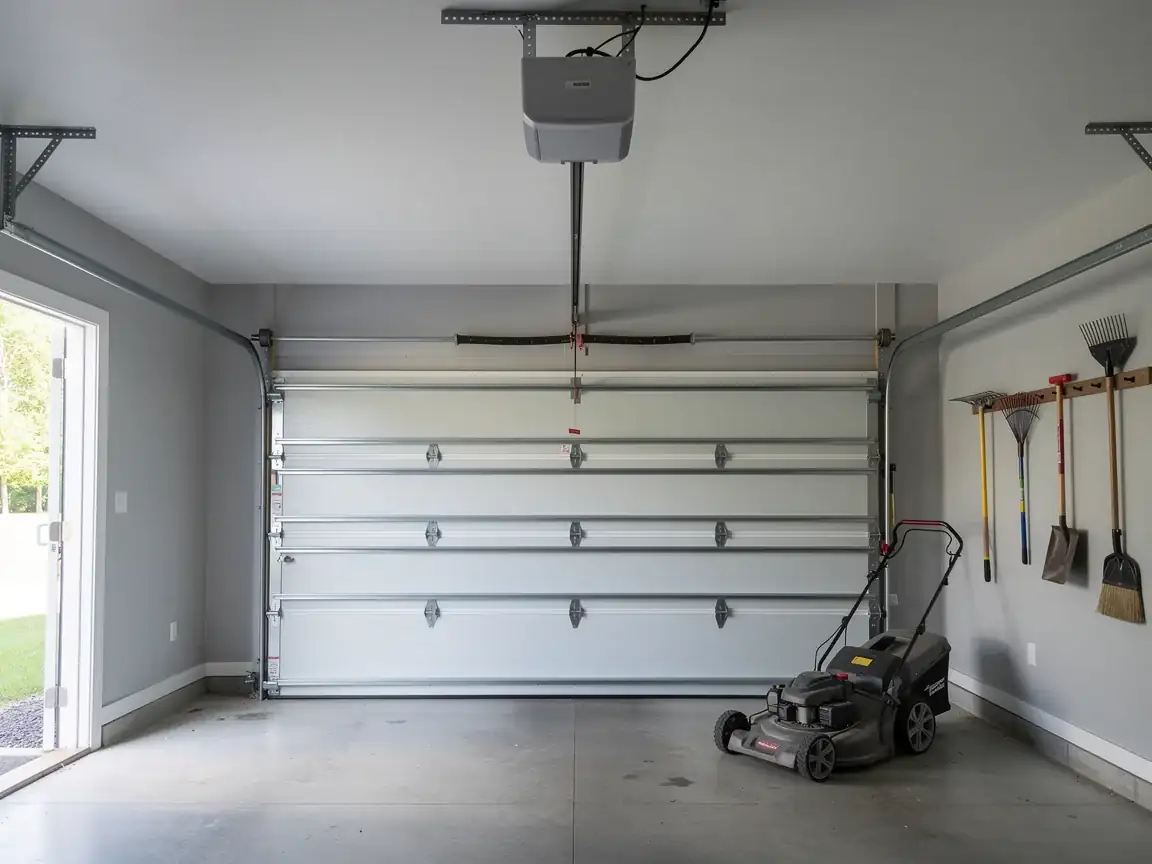
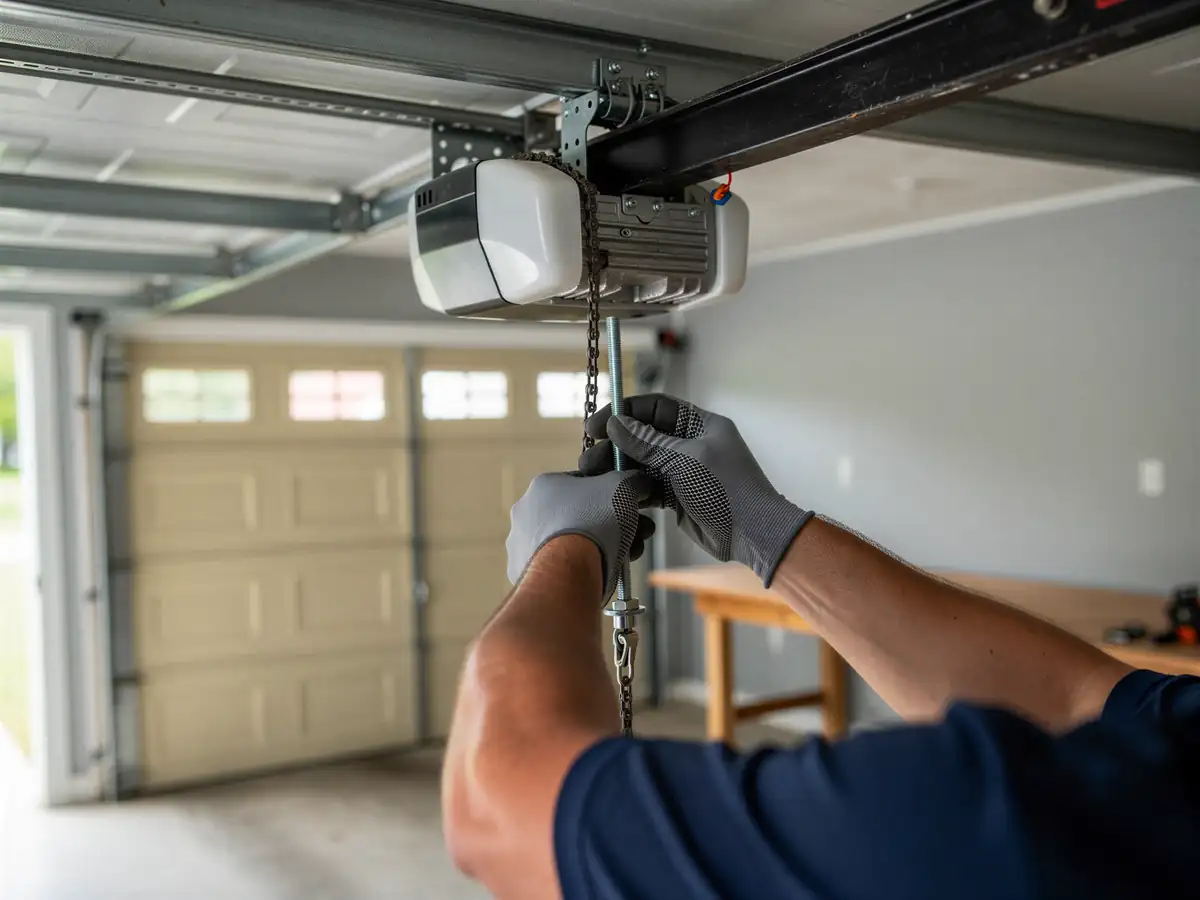
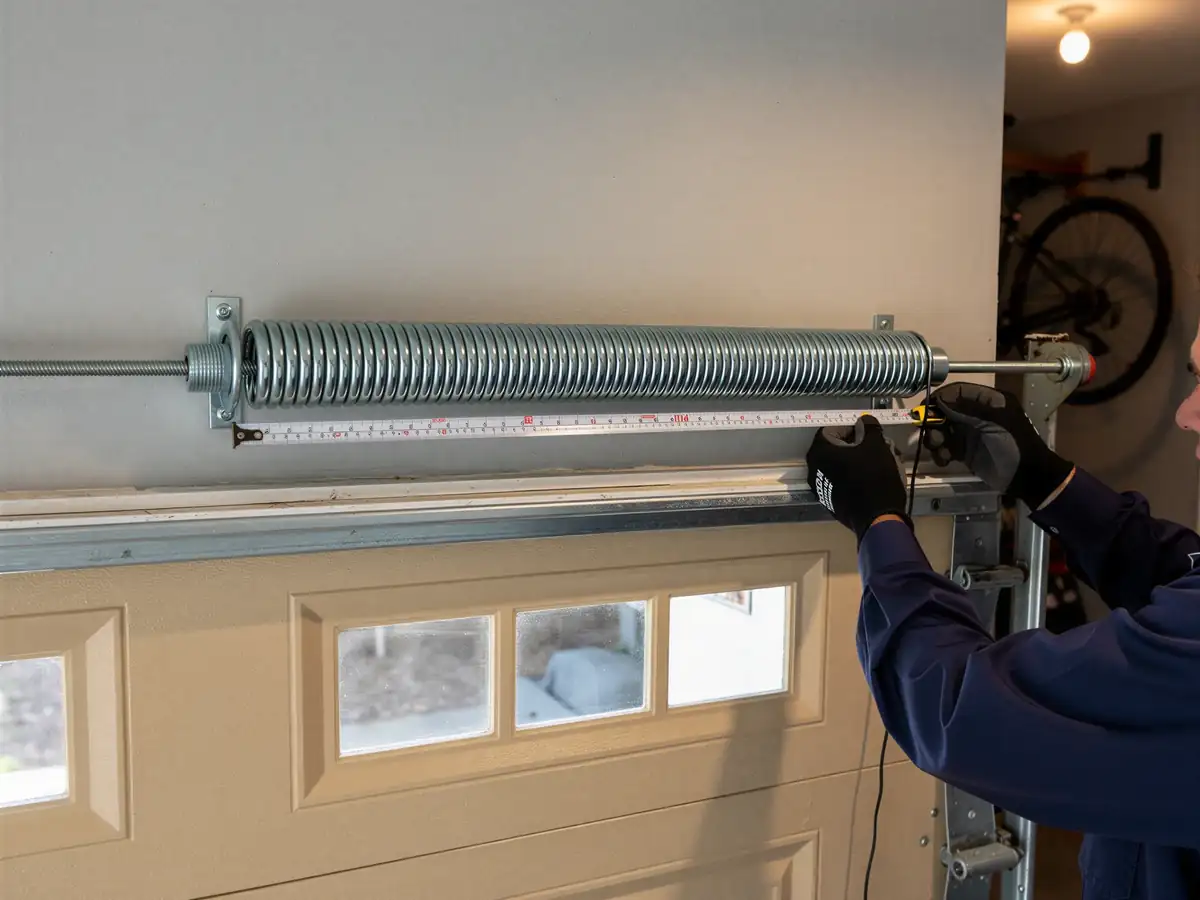
The call we get most out of Bonsall is a torsion spring that's finally given out on a door installed around 1989, which is when most of the area's houses went up. A spring rated for a few thousand cycles has had three and a half decades to use them, and a lot of these are still running the original hardware - nobody's swapped the spring once in that time. The second most common call is an opener from the same era, usually a chain-drive unit, that's started grinding or just stopped responding to the remote.
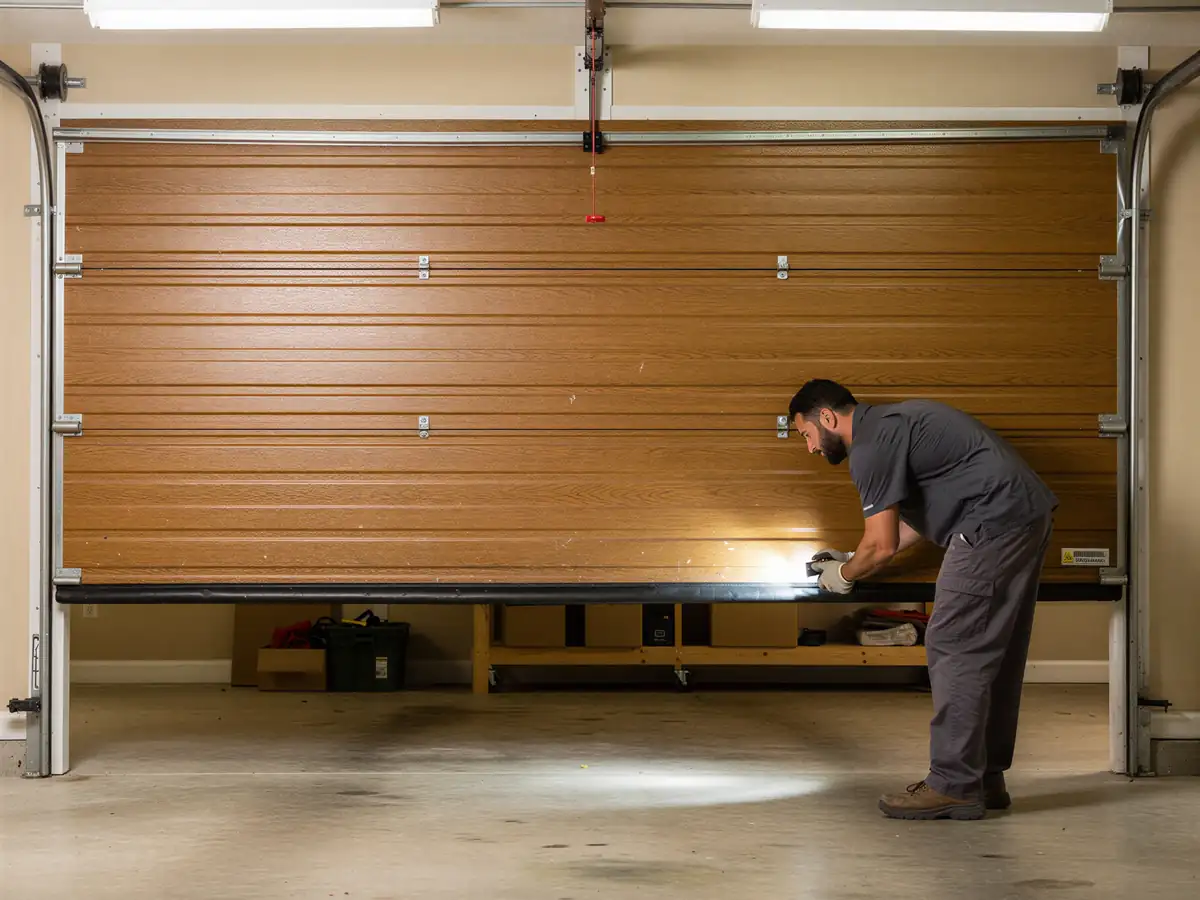
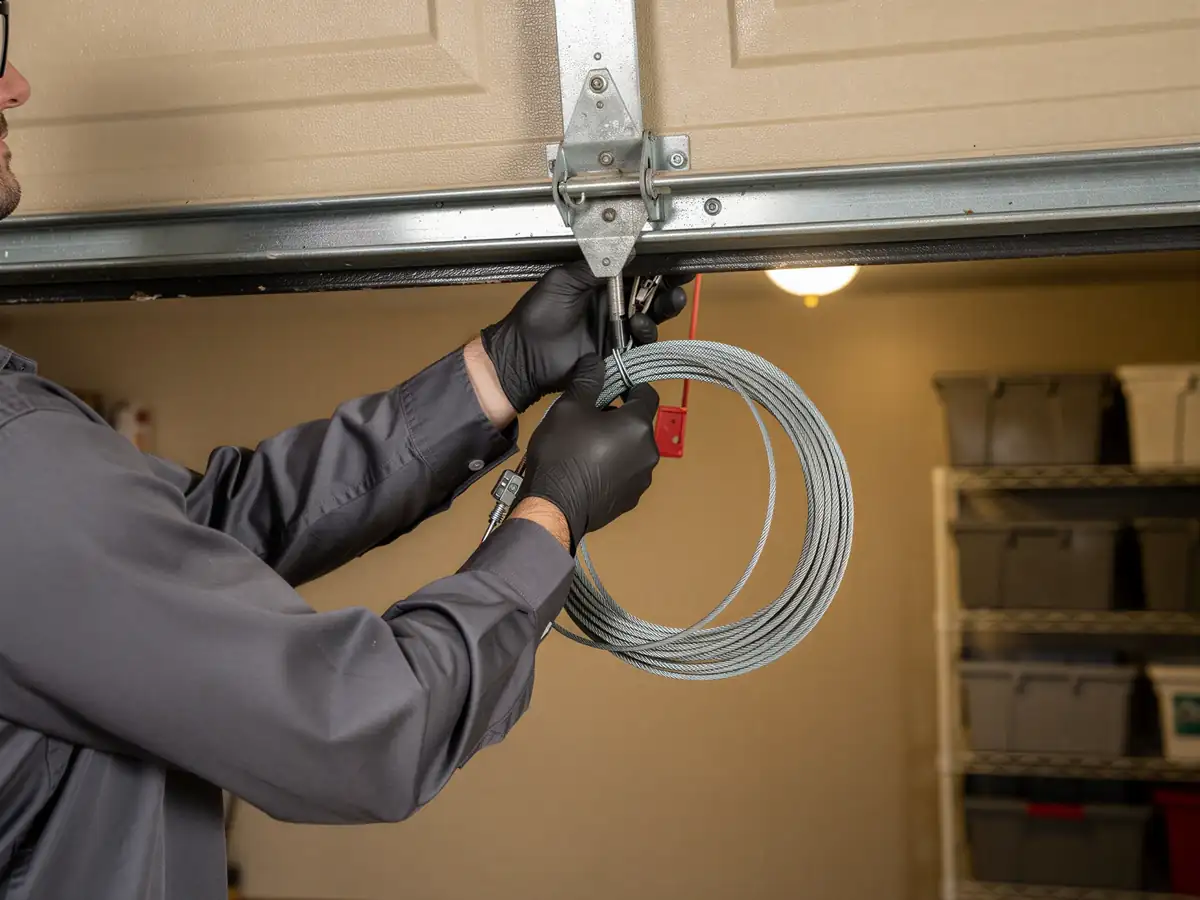
We don't see much of the older extension-spring problems that come up on 1960s and 70s stock elsewhere in the territory, because Bonsall largely missed that build era. What we do see is wear that matches a late-1980s install: dry rollers, a worn sensor eye on anything upgraded after the 1993 photo-eye mandate, and track brackets that have loosened after years of a heavier door working the same four lag bolts. None of it is dramatic. It's just thirty-plus years of ordinary use finally showing.
What the Housing Means for Your Door
Bonsall's median build year sits around 1989, a few years past the 1982 median for the wider service area
And that gap shows up on the job. Doors from this era are usually steel sectional panels on torsion springs rather than the single-piece slab doors or extension-spring setups you'd find on the handful of older properties nearby. That's good news for parts - torsion hardware from the late 80s is still a stocked size, not a discontinued oddity.
The mild, temperate climate band that covers this part of the county doesn't add snow load or freeze-thaw stress to the equation
So when a door fails here it's almost always age and cycle count, not weather damage. Three-plus decades of sun on a steel panel does fade finish and dry out weatherstripping faster than people expect, even without hard winters. If your door still has its original rollers, they're plastic, not the sealed nylon rollers that came standard later, and that's usually the first thing we replace on a Bonsall service call regardless of what brought us out.
The Houses Here
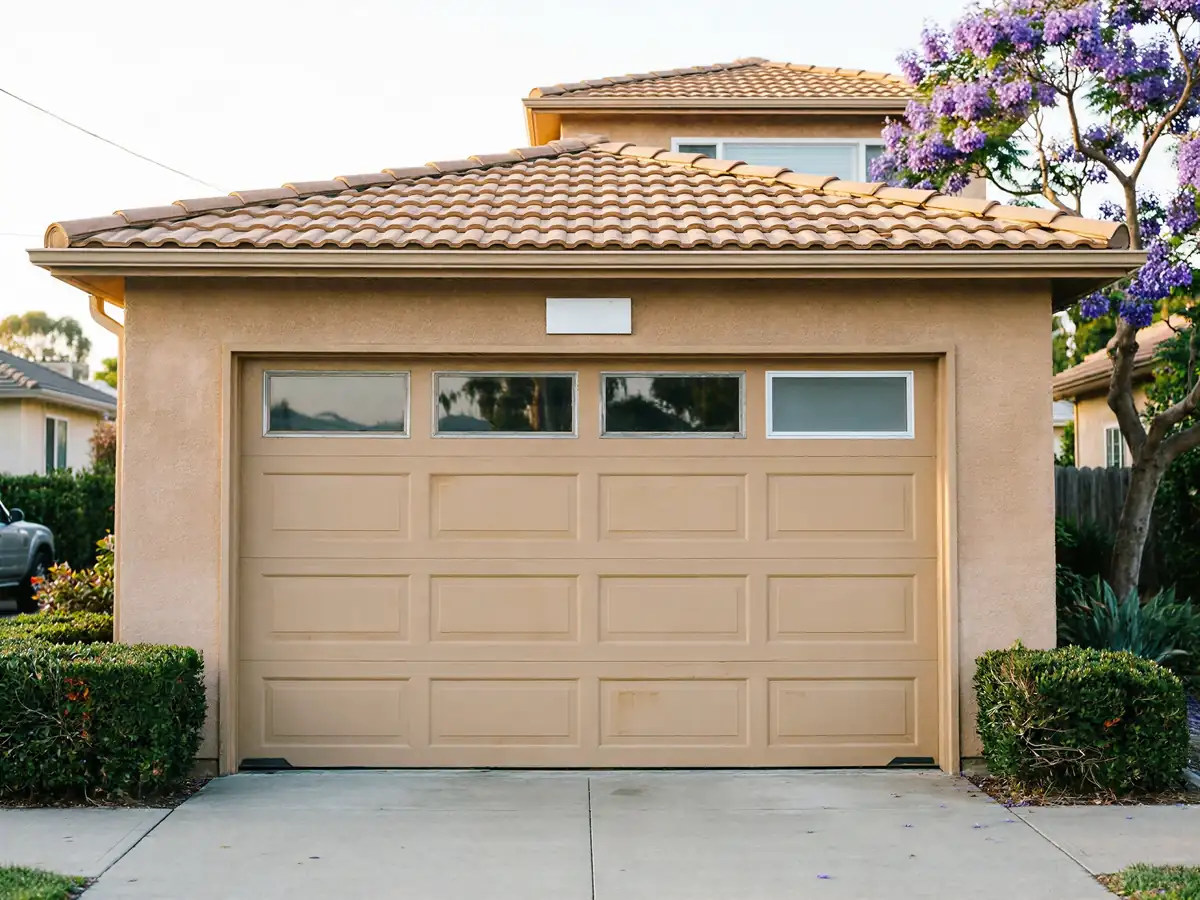
Bonsall runs about 1,599 households, a small piece of the roughly 63,814 spread across the whole service area, and most of those households own rather than rent - this is acreage and ranch-style country, not dense rental stock. With a median household income of $110,316, most owners we talk to lean toward replacing a dead opener outright rather than nursing a 1989 unit along with parts that are getting harder to source.
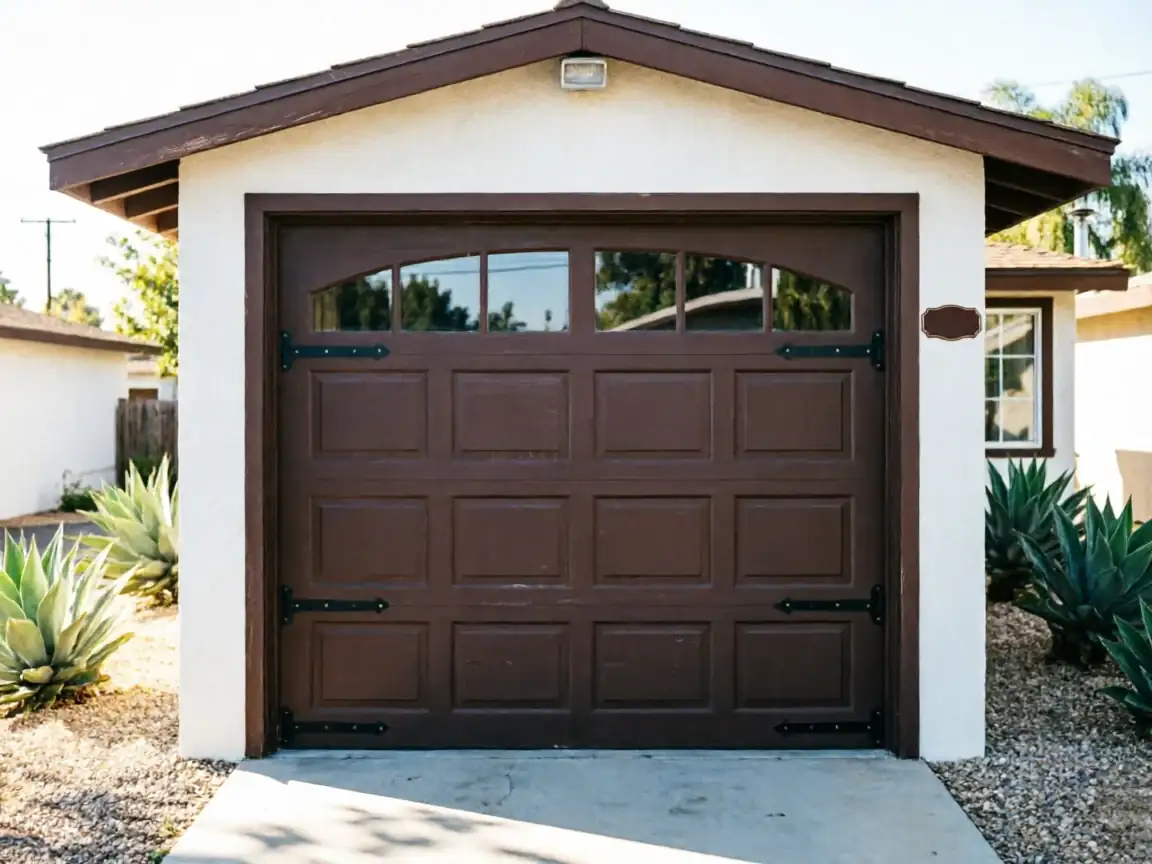
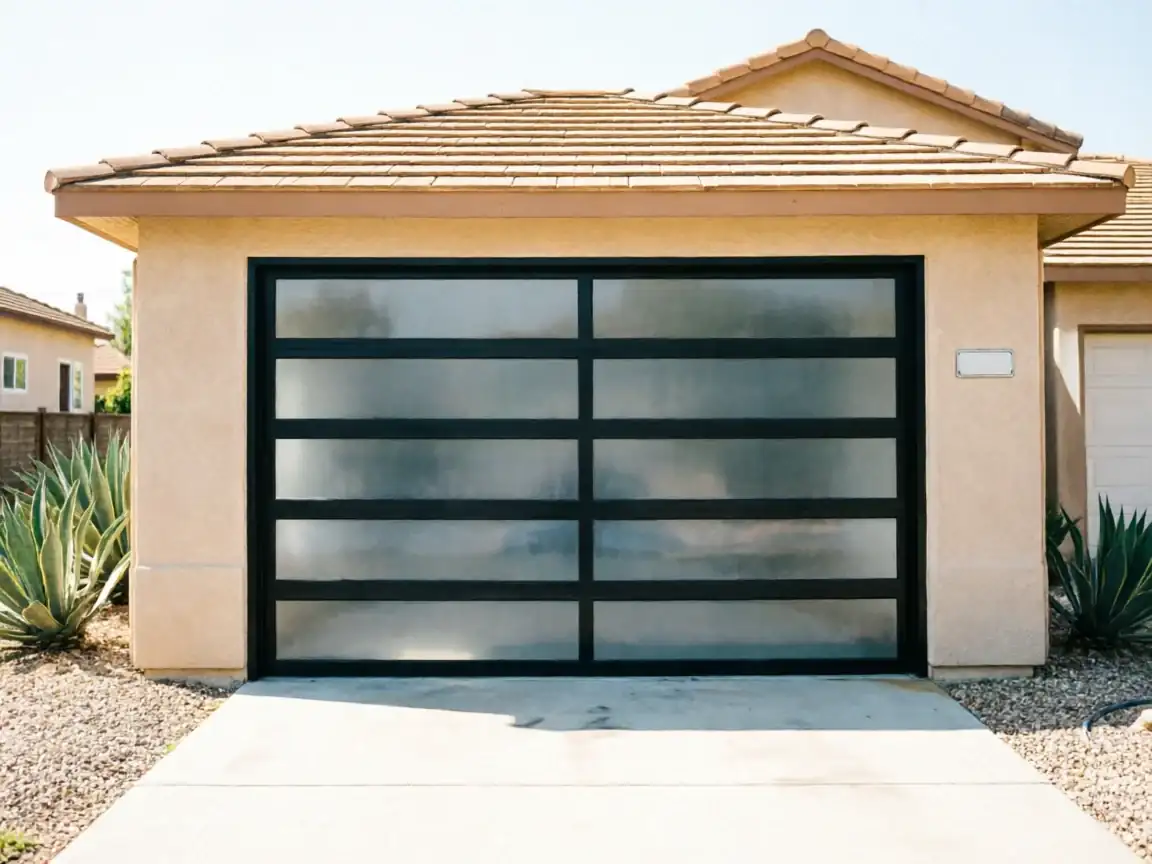
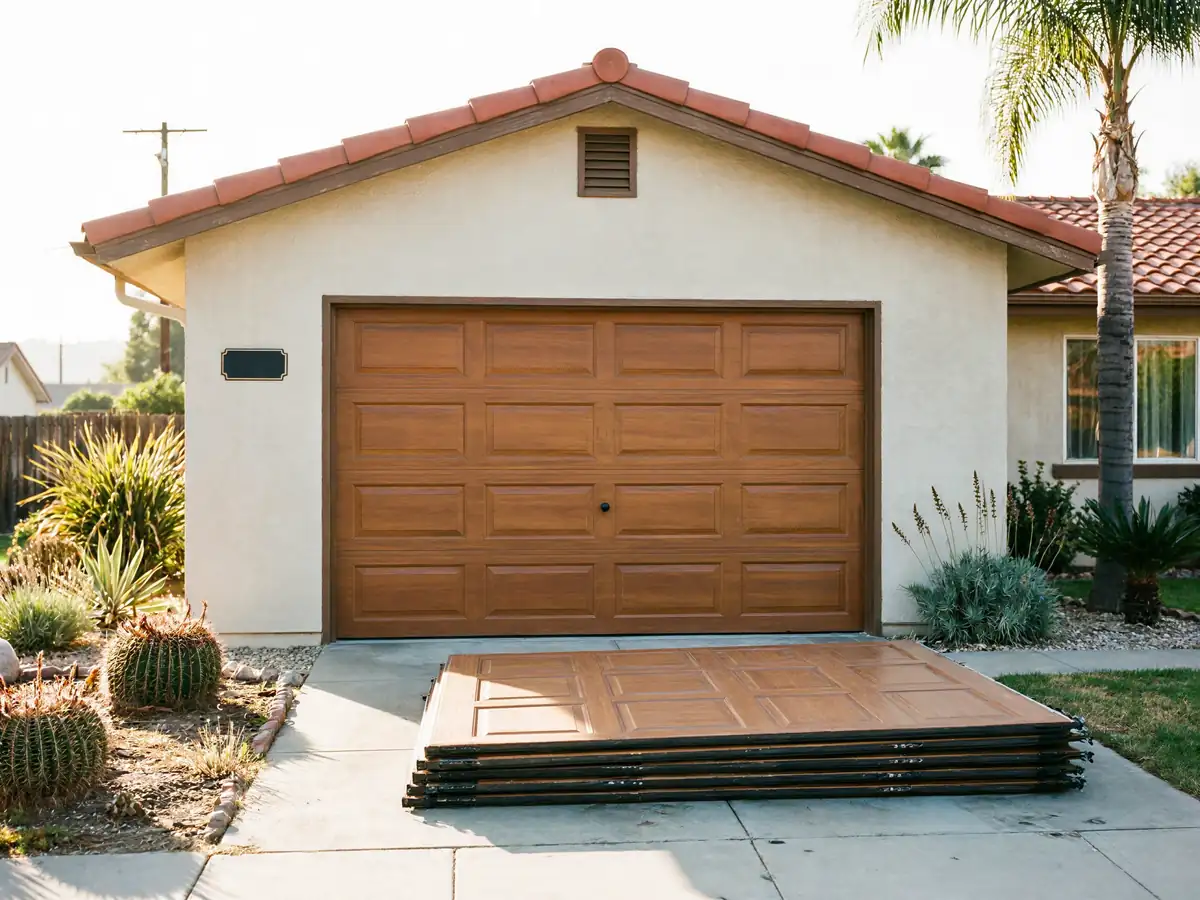
That said, we won't talk you into a full door replacement if a spring and a service call will get you another decade out of a sound panel. A lot of these doors are structurally fine - it's the moving parts that are tired, not the door itself. Full replacement makes more sense when the panels themselves are dented, warped, or the track has been bent from a car backing into it, which does happen on long gravel driveways out this way. Otherwise, repair is usually the honest answer.