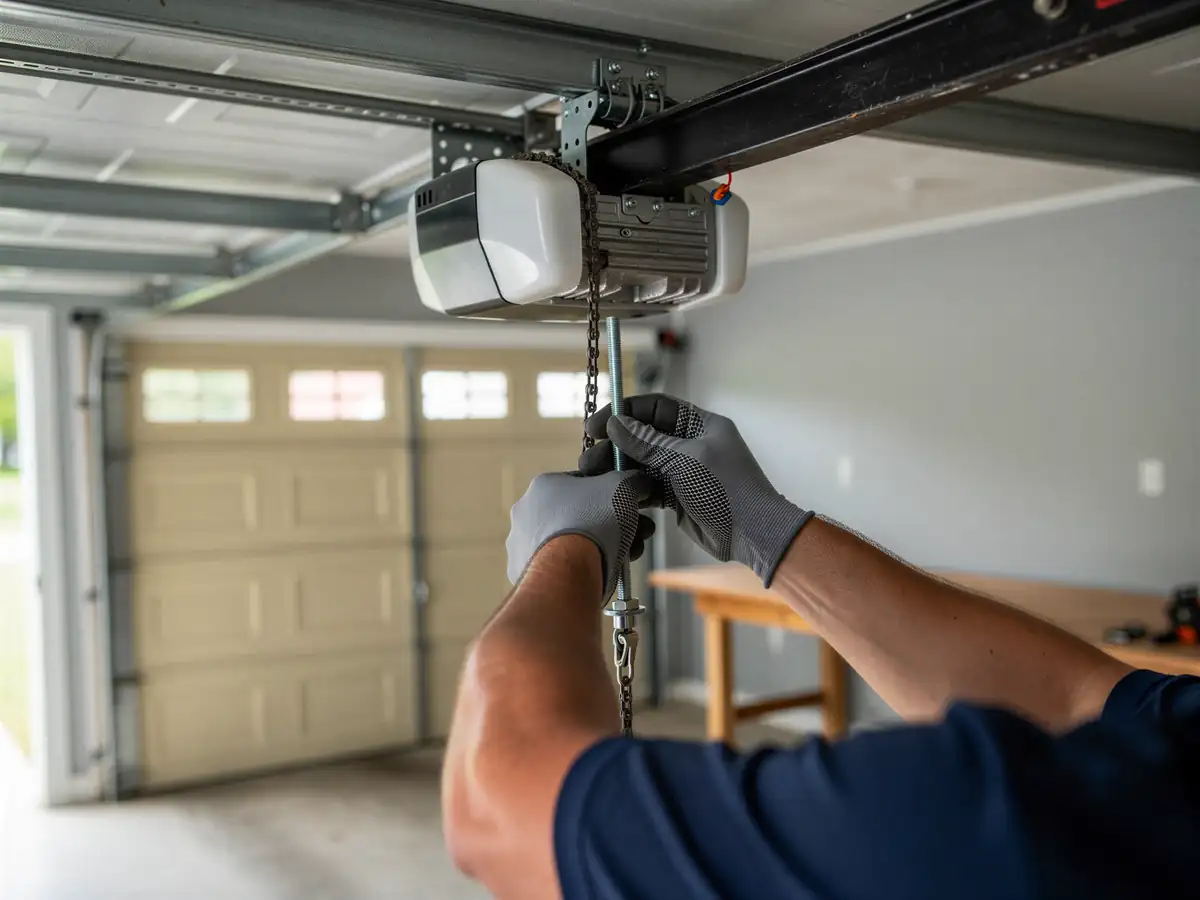
Why It Happens Here
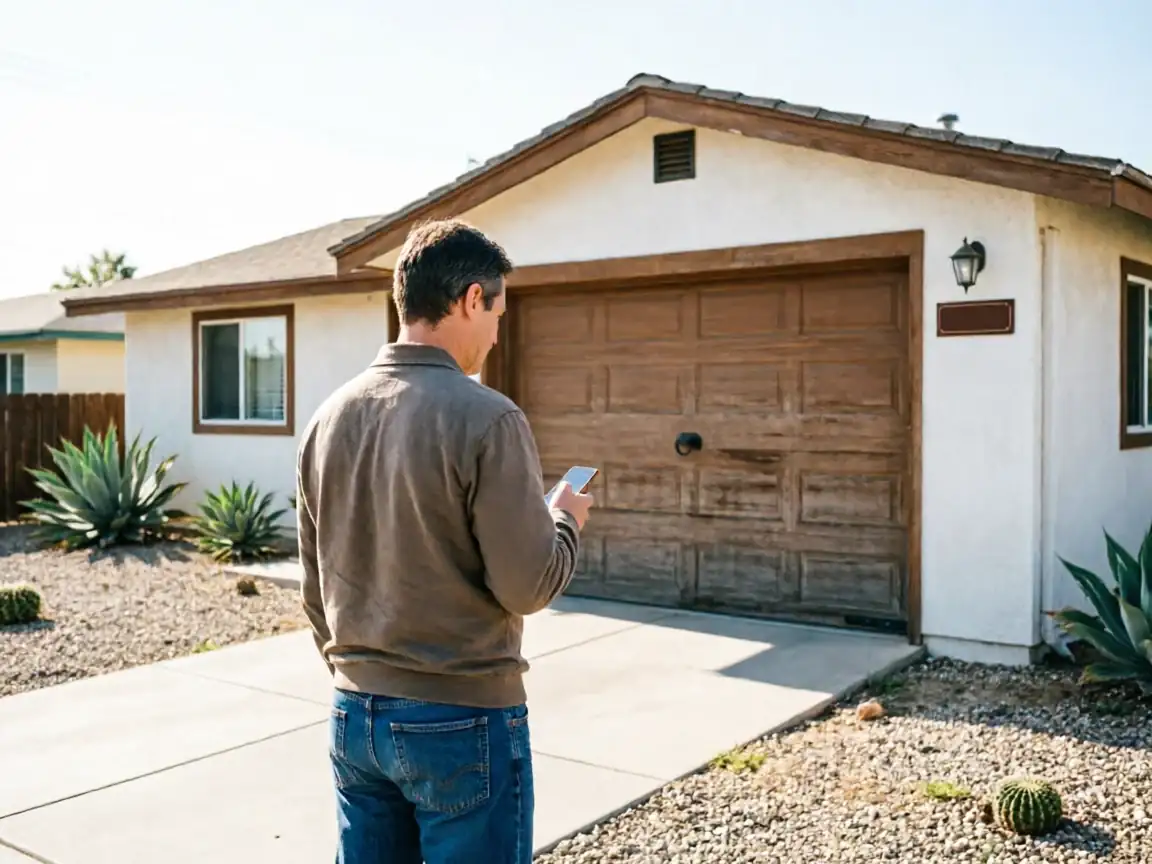
Most of the houses we work on in this service area went up between 1970 and 2003, with the median build year sitting around 1982. That means a huge share of openers out there are either original equipment pushing well past their design life, or a first-generation replacement installed sometime in the 1990s when owners started swapping out worn chain drives. Either way, the circuit boards, limit switches, and logic boards in those units were never built to last forever, and they're reaching the end of their service life in clusters, not one at a time.
The mild temperate climate across the area is actually kind to openers compared to places with real freeze-thaw cycles or heavy humidity swings - we don't see the corrosion-driven failures that show up in harsher regions. What we do see is heat-cycle fatigue on capacitors and motor windings, plus dried-out grease on drive screws and worn nylon gears on belt and chain units that have run the same motor for two or three decades. Across the 13 named communities in this service area, the pattern holds: openers from that 1970-2003 build window are the ones calling us, not the newer installs.
The Symptom
The opener hums but the door doesn't move. The remote works from six feet away but not from the driveway. The light blinks a set number of times and nothing happens after that. These are the calls we get most from houses built in that 1970-2003 window - not because the doors are failing, but because the motor unit driving them has finally given out after running on original or first-generation hardware for thirty-plus years.
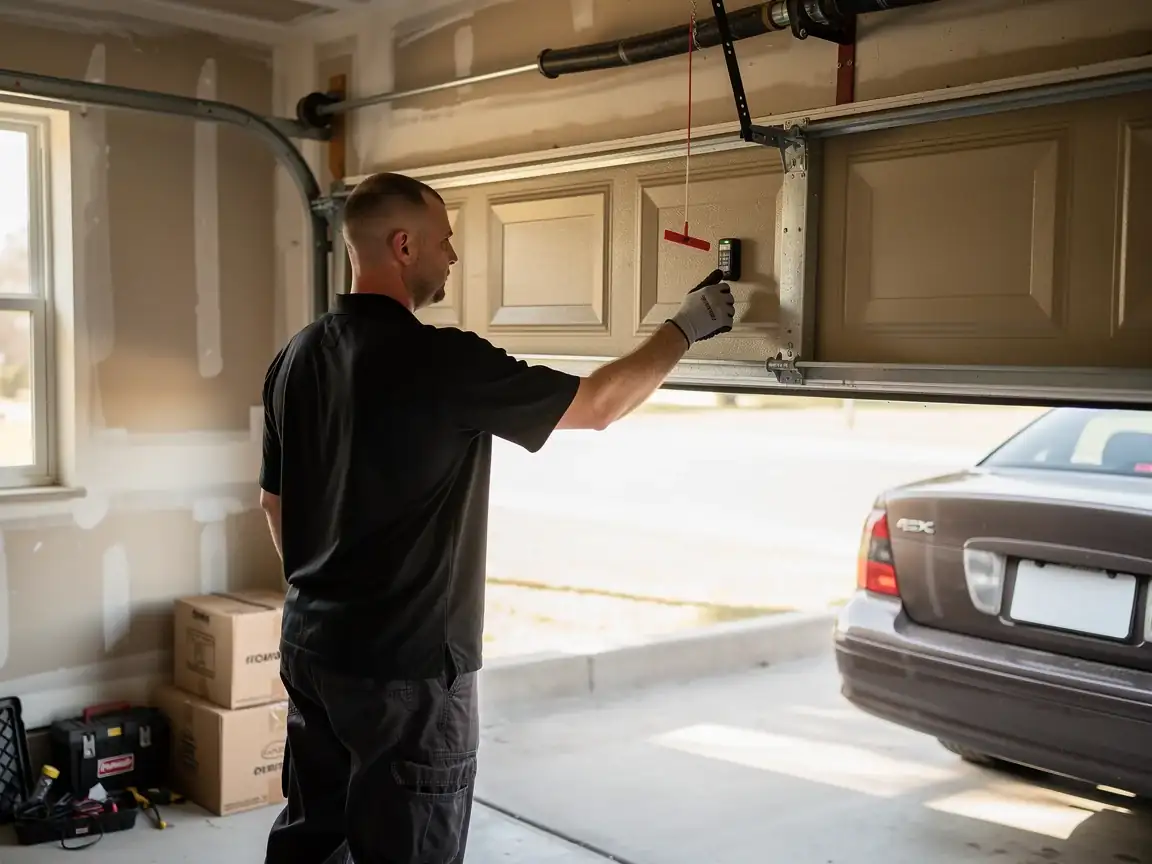
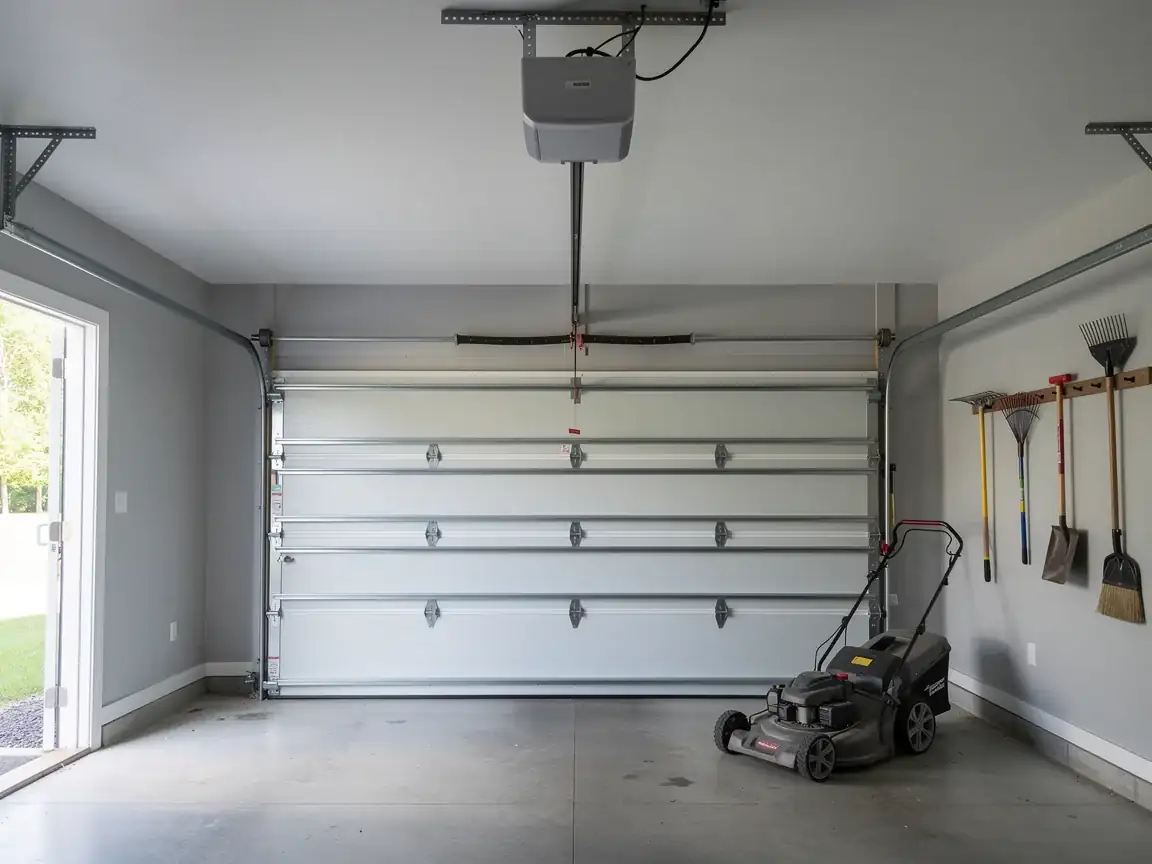
Sometimes it's a logic board that's dying slowly: the opener works some days and not others, which is actually worse than a clean failure because it means someone trusts a door that's about to strand them. Sometimes it's a stripped drive gear, which sounds like grinding right before the opener gives up entirely. We also see travel limits that have drifted so far out of calibration that the door reverses off the floor or stops short of the header - common on units old enough that nobody alive still has the original manual.
The Complications
An opener that's failing isn't always just an opener problem
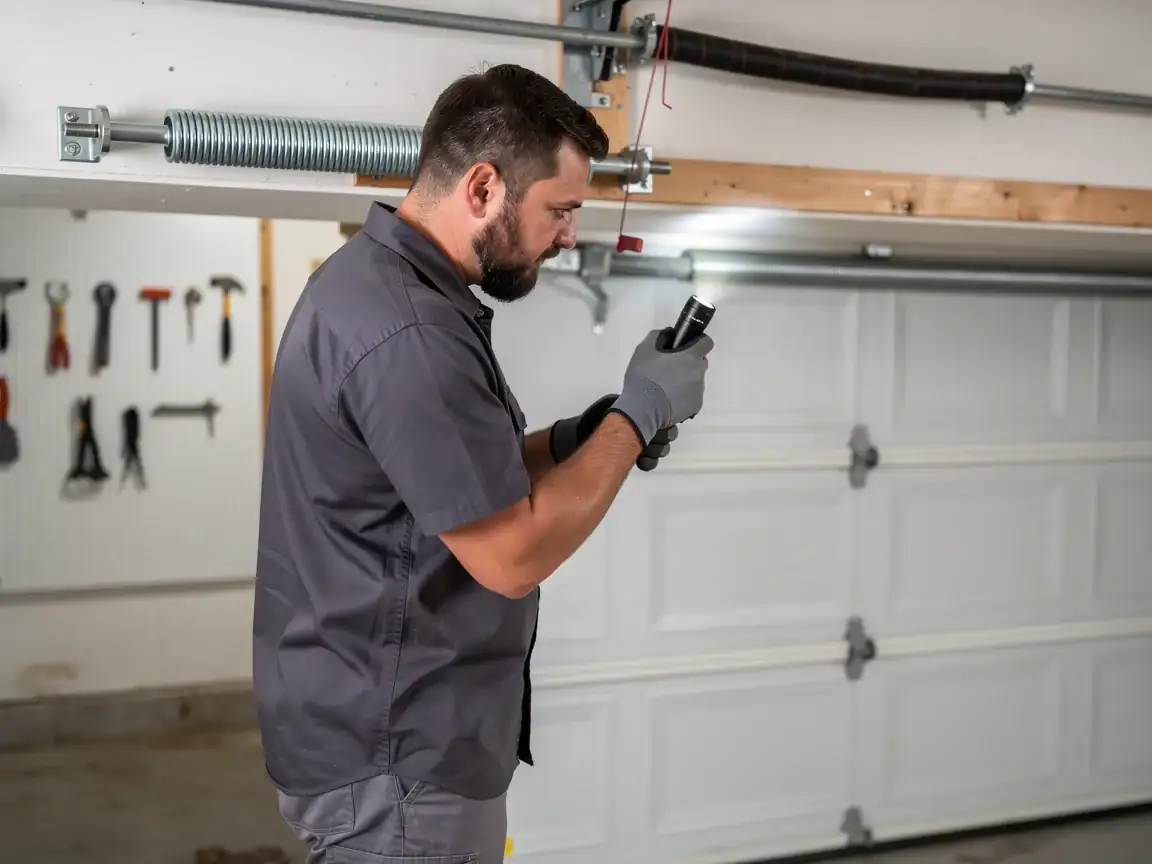
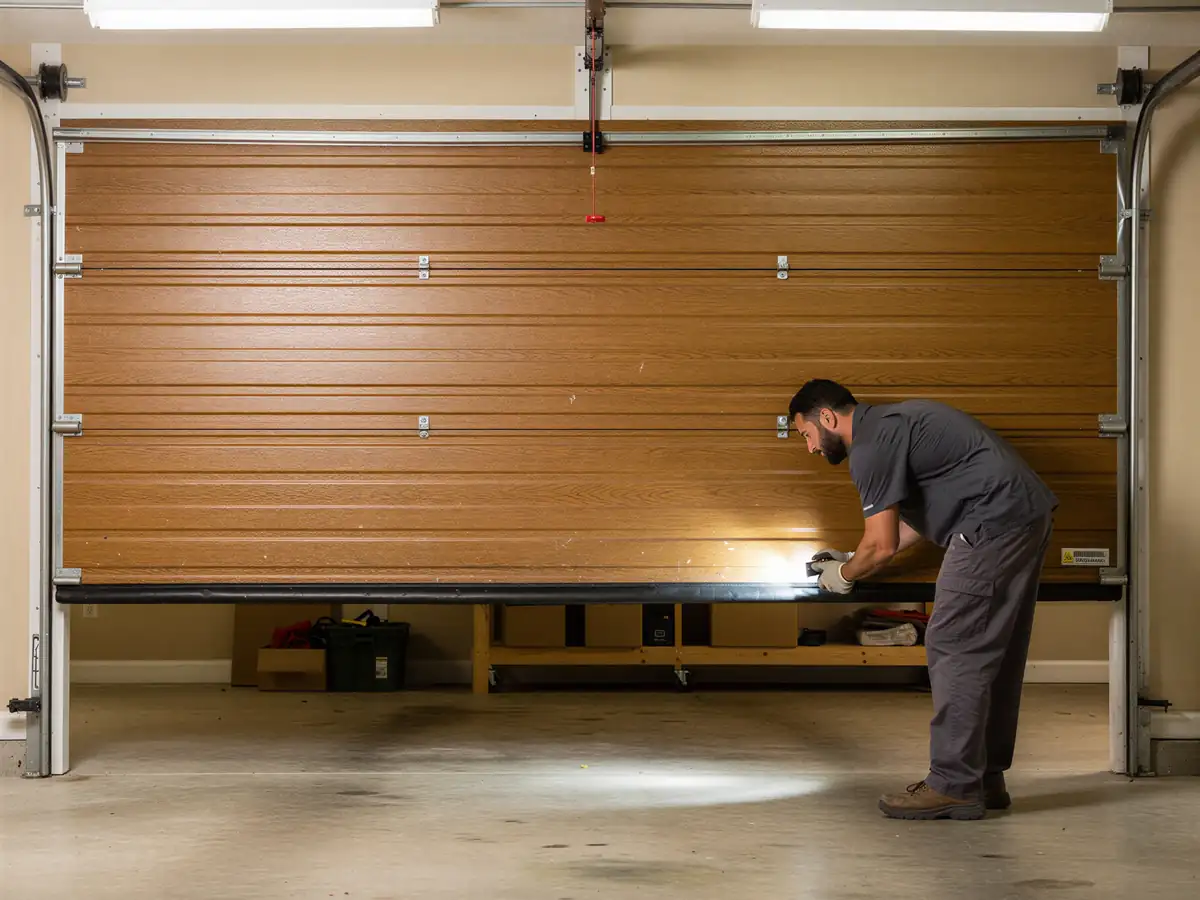
On a lot of the 1970s and 80s builds in this area, the opener was installed as an afterthought on hardware that predates it - meaning the safety sensors weren't part of the original design and were bolted on later, sometimes wired in a way that doesn't meet current code. Before we replace a logic board, we check that the photo-eye sensors are actually doing their job, because a motor that works but an unsafe reversing system isn't a repair we're willing to call finished.
We're a service area with 25,689 owner-occupied houses out of roughly 63,814 households
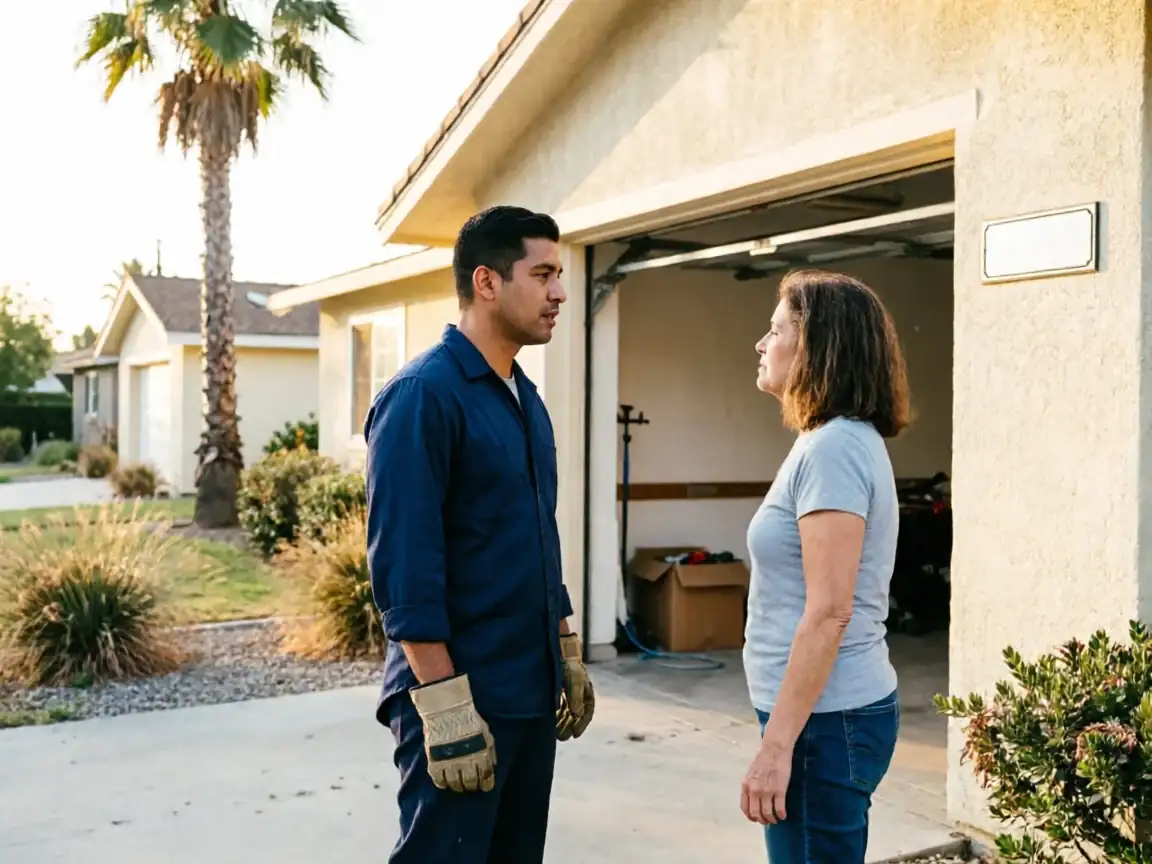
And a median household income north of $110,000. That means a fair number of homeowners here can afford to replace rather than patch, and sometimes that's the right call - especially on units old enough that the manufacturer stopped making parts for them years ago. We'll tell you straight if we think a board swap is throwing good money after a motor that's going to need something else in six months.
- 25,689 owner-occupied
- 63,814 households
The DIY Question
Swapping a remote battery or re-learning a code to the opener is fine to do yourself - it takes five minutes and the manual usually walks you through it, if you can find the manual. Where it stops being a DIY job is anything involving the logic board, the motor, or the travel limit system, because those carry line voltage and a mis-wired safety reversal system is the kind of mistake that doesn't show up until someone's hand or a car is under the door.
Honest limitation: we don't stock every control board for every opener brand sold in this area over the last thirty years, and on some older or discontinued units the part has to be ordered, which means a wait you won't love. On those jobs we'll tell you upfront whether it's worth the wait or whether a new opener unit gets your door moving same-day instead.