Serving Vista, CA & nearby
(760) 227-5875
Vista, CA

Why Garage Door Springs Break on Cold Nights in Vista

Vista's 1980s-era garage doors feel mild winter nights more than owners expect. Here's why cold-triggered spring breaks happen and when to call a pro.

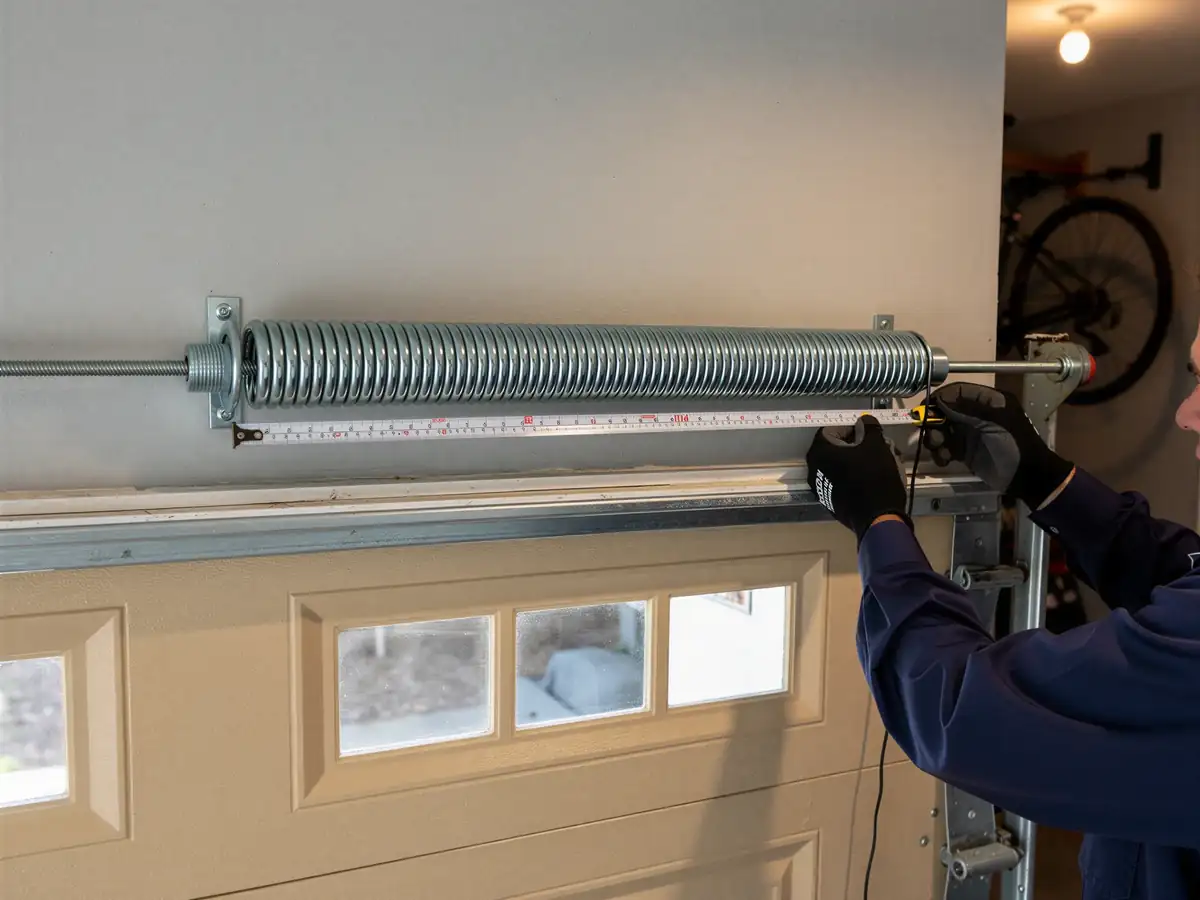
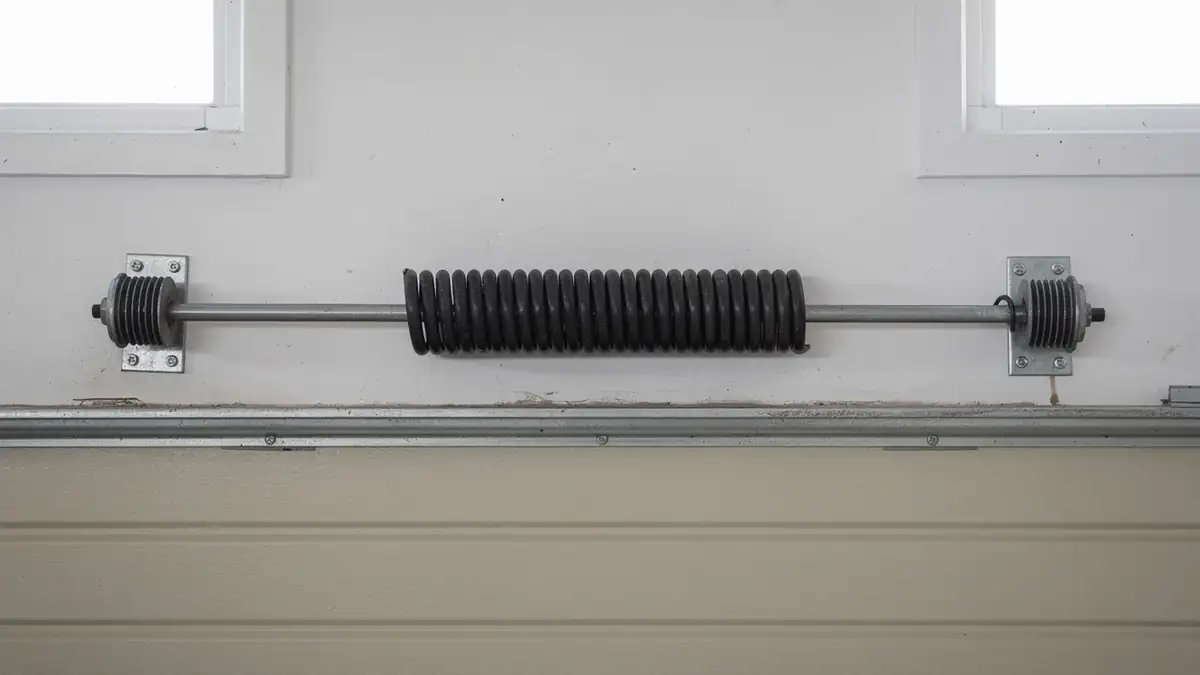
A torsion spring is mounted above a garage door with two windows above.

What Local Conditions Do

Vista sits in a mild temperate band, not the kind of place that sees hard freezes, which is exactly why a cold-weather spring failure here catches owners off guard. Nobody expects a 48-degree night to be the thing that finally snaps a spring that's held up a 150-pound door for twenty years. But that's usually what happens: the steel doesn't need a hard freeze, it needs one more cold cycle on top of thousands of warm ones.

Most of the garage doors in Vista went up between 1970 and 2003, with the bulk from the 1980s and 90s, which means the torsion springs inside them are often older than the owners living under them. A spring wound to lift a door dozens of times a year for three or four decades is already near the end of its practical cycle life before a cold night ever enters the picture. The mild swing just happens to be the final push - steel contracts slightly as it cools, which stiffens an already-fatigued coil right at the moment it's asked to do its full day's work.

This isn't a dramatic weather event. It's ordinary metal fatigue meeting an ordinary temperature drop, on hardware that's been doing the same job since before a lot of current owners bought the house.

When to Call Someone

Call before the spring actually lets go, if you can. A door that's gotten noticeably harder to lift by hand, a loud creak or grinding sound on the way up, or a door that won't stay up on its own partway through the cycle are all signs a torsion spring is near the end. On a cold morning, that end can arrive with a bang loud enough to bring you out of the house.

If the spring has already broken, the door will feel suddenly, impossibly heavy, and the opener may strain or stop working on that side. Don't try to force it open with the opener - that puts the load on the opener's drive gear instead of a spring, and it wasn't built for that job. Don't try to lift it yourself either. A wound torsion spring under tension is not something to handle without the right bars and a clear idea of what you're doing.

With 25,689 owner-occupied houses across the service area built mostly in the 1980s and 90s, a lot of the original torsion hardware is still in service decades past when it should have been swapped. If your door is original to a house from that era and you've never had the springs replaced, a cold snap is a reasonable prompt to get it looked at before it fails on its own schedule instead of yours.

What Is Going On

  1. A torsion spring stores energy by being wound tight

    And every open-close cycle flexes that coil slightly. Over thousands of cycles, microscopic fatigue builds in the steel - this is true everywhere, but it matters more here because of how old the typical door is. A door installed when median construction in this area was 1982 has had roughly four decades of cold-night cycles even in a mild climate band, and steel doesn't forget any of them.

  2. Cold makes steel marginally less flexible and marginally more brittle

    Not frozen-solid brittle, just enough less give that a spring already carrying invisible fatigue cracks finds the one cycle it can't absorb. That's why breaks cluster on the first genuinely cold mornings of the season rather than spreading evenly through the year. It's not that cold is dangerous to springs in general. It's that cold is the stress test a tired spring was always going to fail eventually, and a 40-year-old coil has had a lot of chances to get tired.

  3. Galvanized coating also matters less for Vista than it would somewhere with real winters

    This region doesn't put the kind of moisture-and-freeze cycle on hardware that rusts springs out early. Here it's almost purely a fatigue story, not a corrosion one.

Leaving It Alone

A single broken torsion spring on an otherwise sound door is usually a straightforward repair, not a reason to replace the whole door. If the track, rollers, and panels are in decent shape, swapping the spring (and matching its twin if it's a two-spring setup, since the other one is aging on the same schedule) gets you back to normal without a bigger job.

The honest limitation: we can't tell you over the phone whether a 1980s or 90s door's spring failure is a $200 problem or the first sign of a door that's genuinely done. Original hardware from that era sometimes has tracks and hinges that are harder to source parts for than the springs themselves, and if those are also worn out, patching just the spring doesn't fix the underlying age of the system. That's a call we make standing in front of the door, not over a phone line.

With median household income across the service area at $110,316, replacing a spring and the worn cables or rollers around it is rarely a budget-breaking call for most homeowners here. But leaving a fatigued spring alone because it hasn't broken yet just moves the failure to a less convenient morning - usually a colder one.
How it works

From “it’s stuck” to “it’s fixed”

A quick, honest process - no guesswork and no surprises.

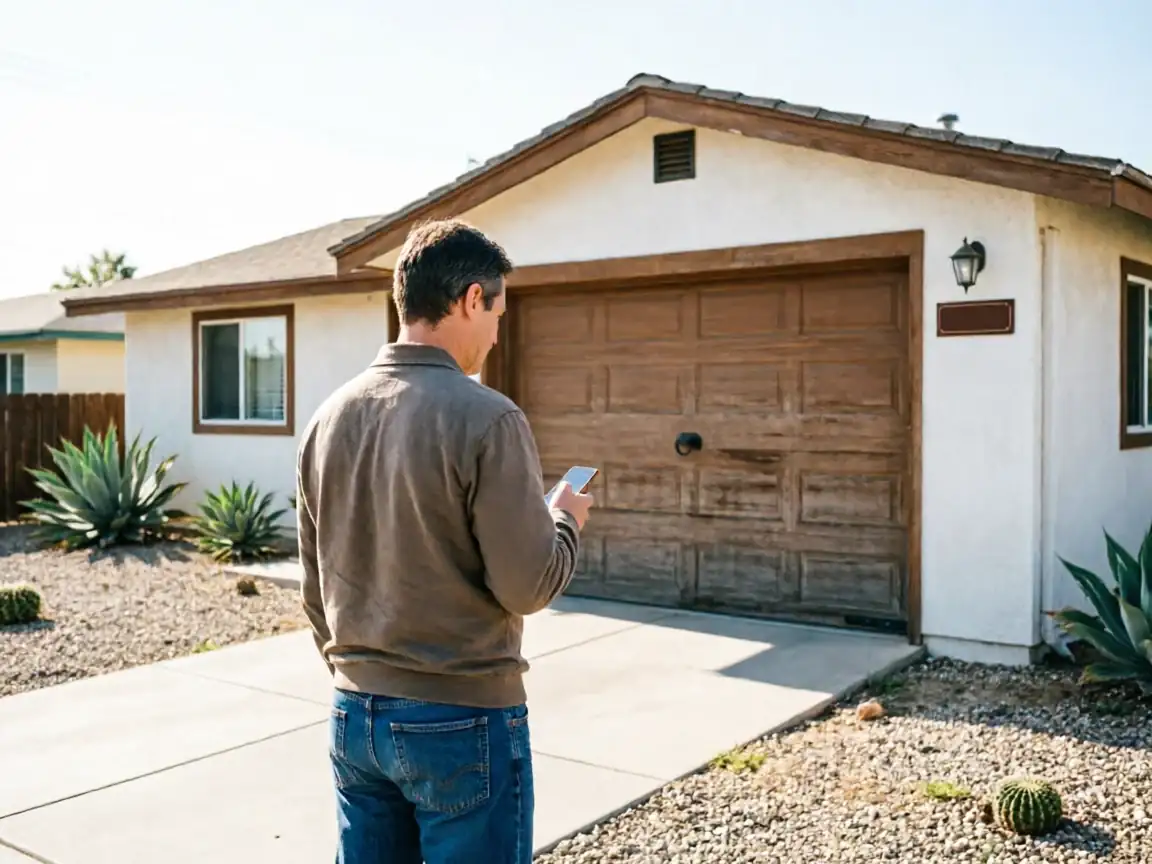
  1. A man stands in a driveway looking at his phone in front of a garage door.
    1

    Tell us what’s wrong

    Describe the symptom - won’t open, loud bang, opener runs but the door won’t move.

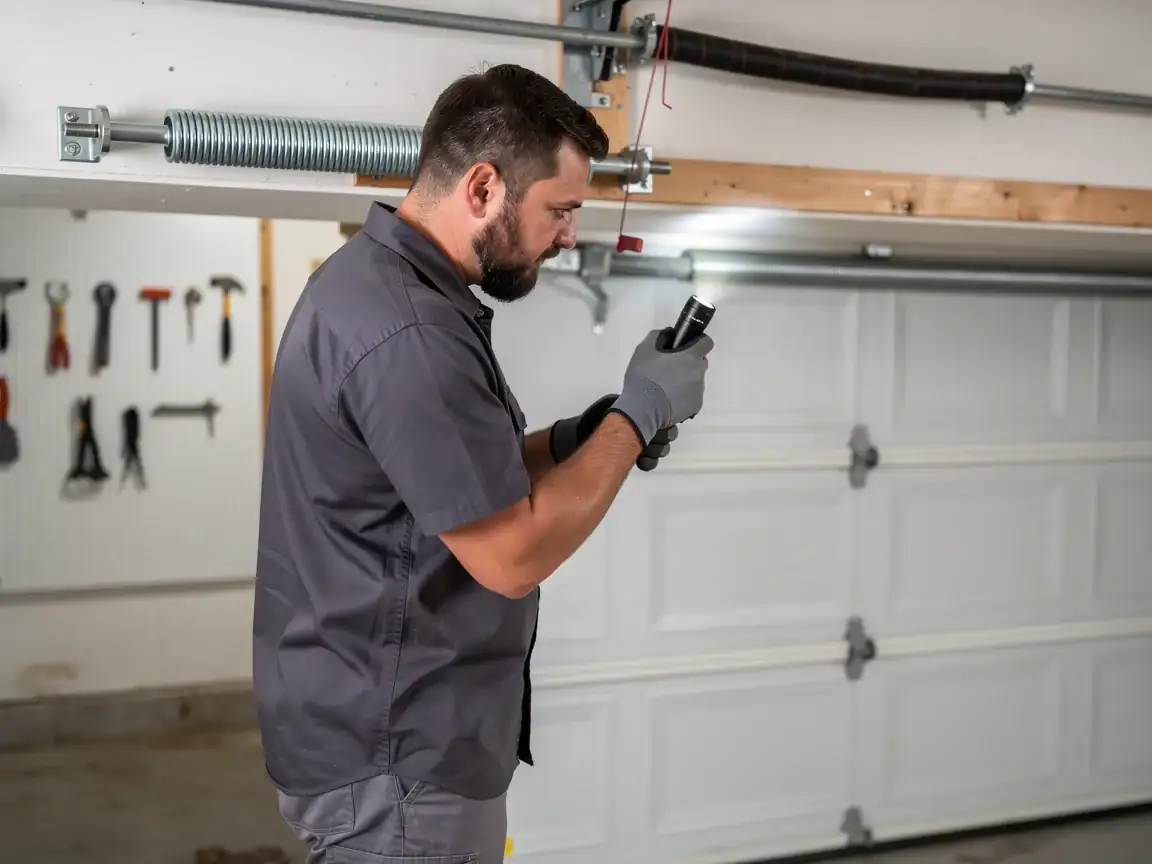
  2. A technician shines a flashlight on a white garage door and springs.
    2

    On-site diagnosis

    A technician tests the door under power and by hand and finds what actually failed.

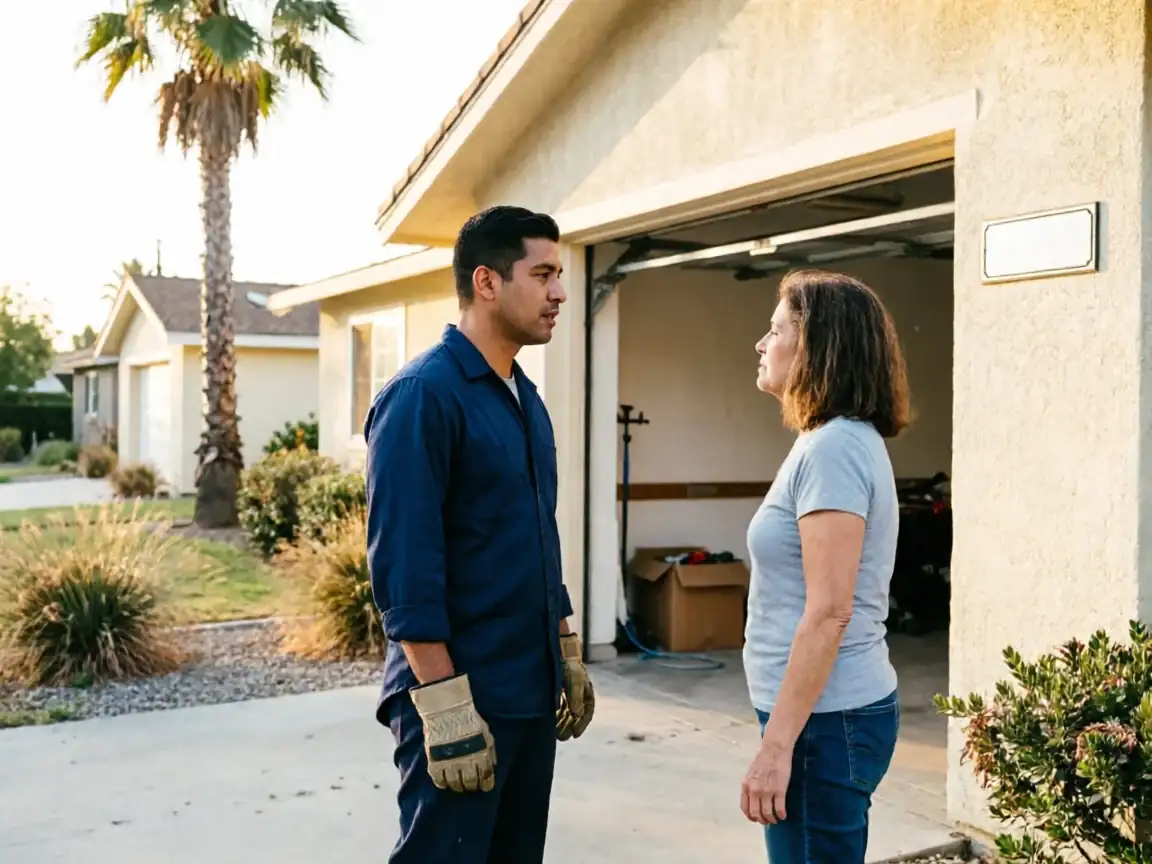
  3. A technician and a woman stand facing each other in a driveway.
    3

    Clear, up-front plan

    You get the fix that’s needed and what drives the cost - before any work starts.

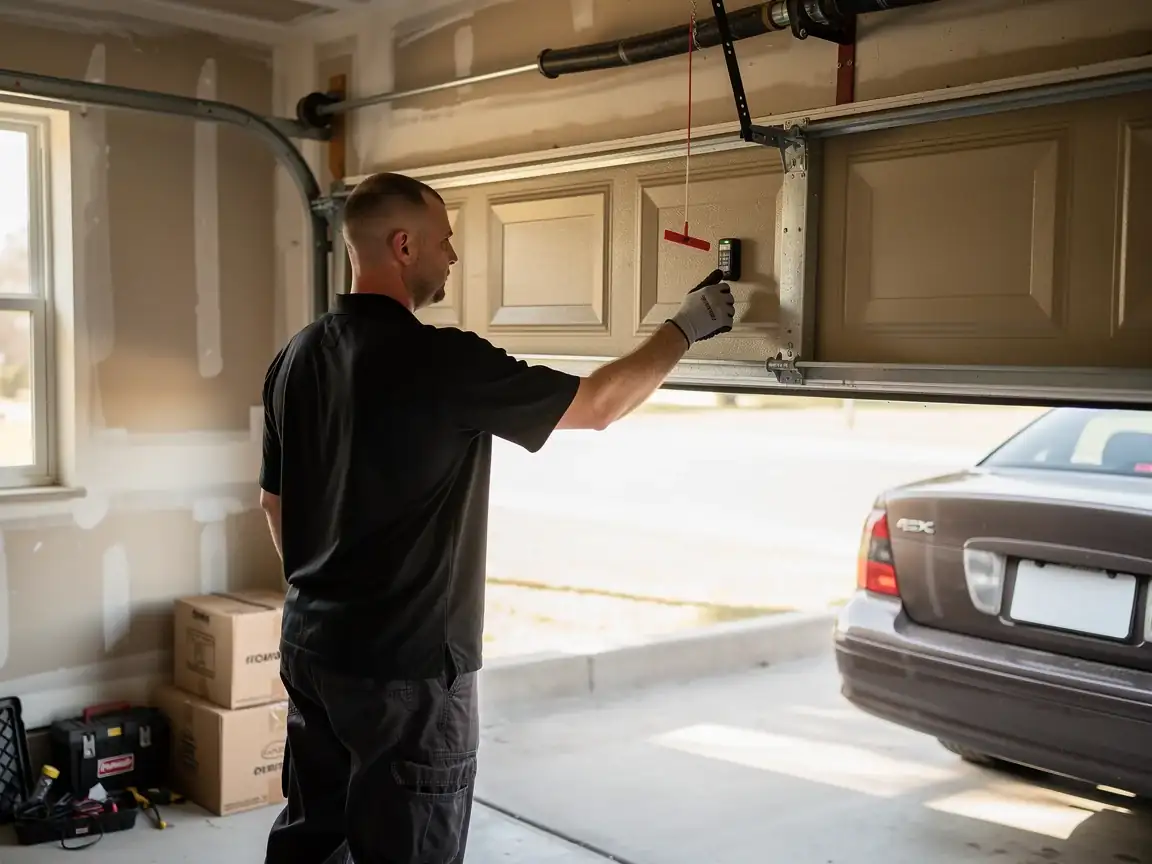
  4. A technician in a black shirt operates a garage door opener with a remote.
    4

    Repaired & tested

    The repair is done, the door is set true and tested, and the work area left clean.

Next step

Not sure which repair your door needs in Vista, CA? Describe what it’s doing - every job starts with a diagnosis.

How we work

What to expect

A straight, honest approach on every Vista job - diagnosis first, the right parts, and clean work.

01

Diagnosis first

Every visit starts by finding what actually failed - not a pre-written parts list.

02

The right part for the door

Springs and openers matched to the door’s weight and age, so the fix holds up.

03

Straight answers

When a repair makes more sense than a replacement - or the reverse - you hear it plainly.

04

Clean, careful work

Tension released safely, hardware set true, the door tested under power before we leave.

What we do

Garage Door Services

Repair and installation work for Vista homes and businesses.

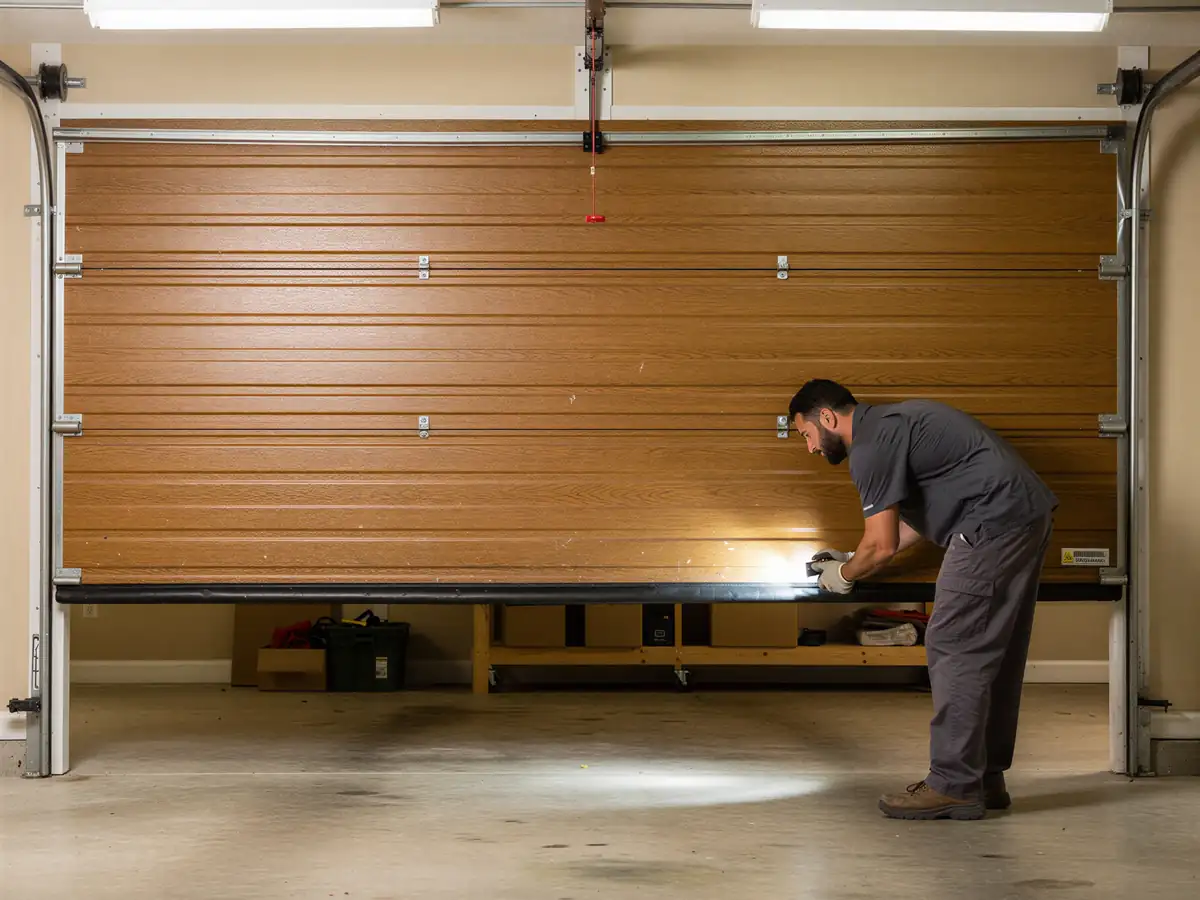
A technician inspects the bottom of a wood-look garage door with a flashlight.

Garage Door Repair

Spring and opener failures in Vista track the city's 1970-2003 housing stock. We fix the torsion springs, cables, and tracks original to these homes.

Learn more
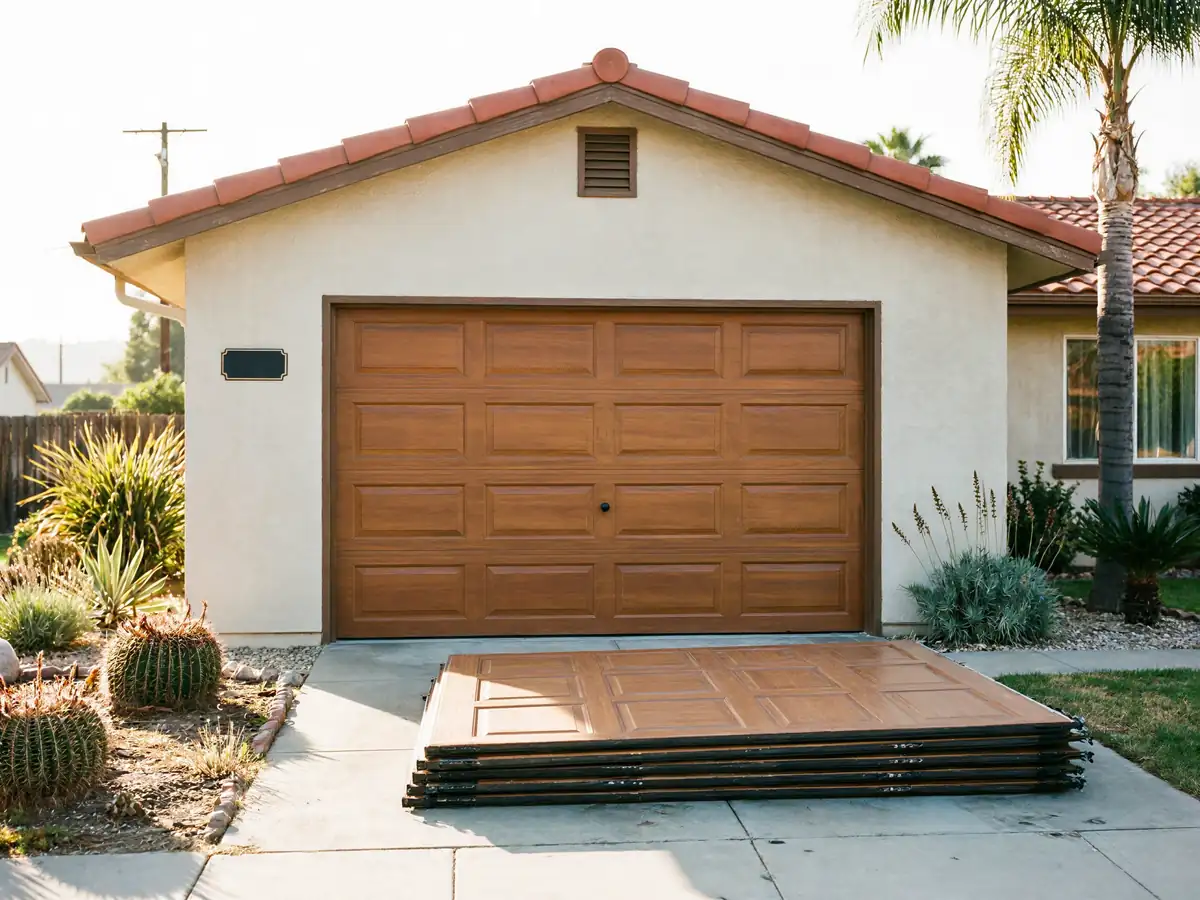
A brown garage door is on a house with stacked brown panels on the driveway.

Garage Door Installation

Vista homes built mostly between 1970 and 2003 are hitting the age where the original garage door and hardware need replacing, not patching. Here's why, and what to expect.

Learn more
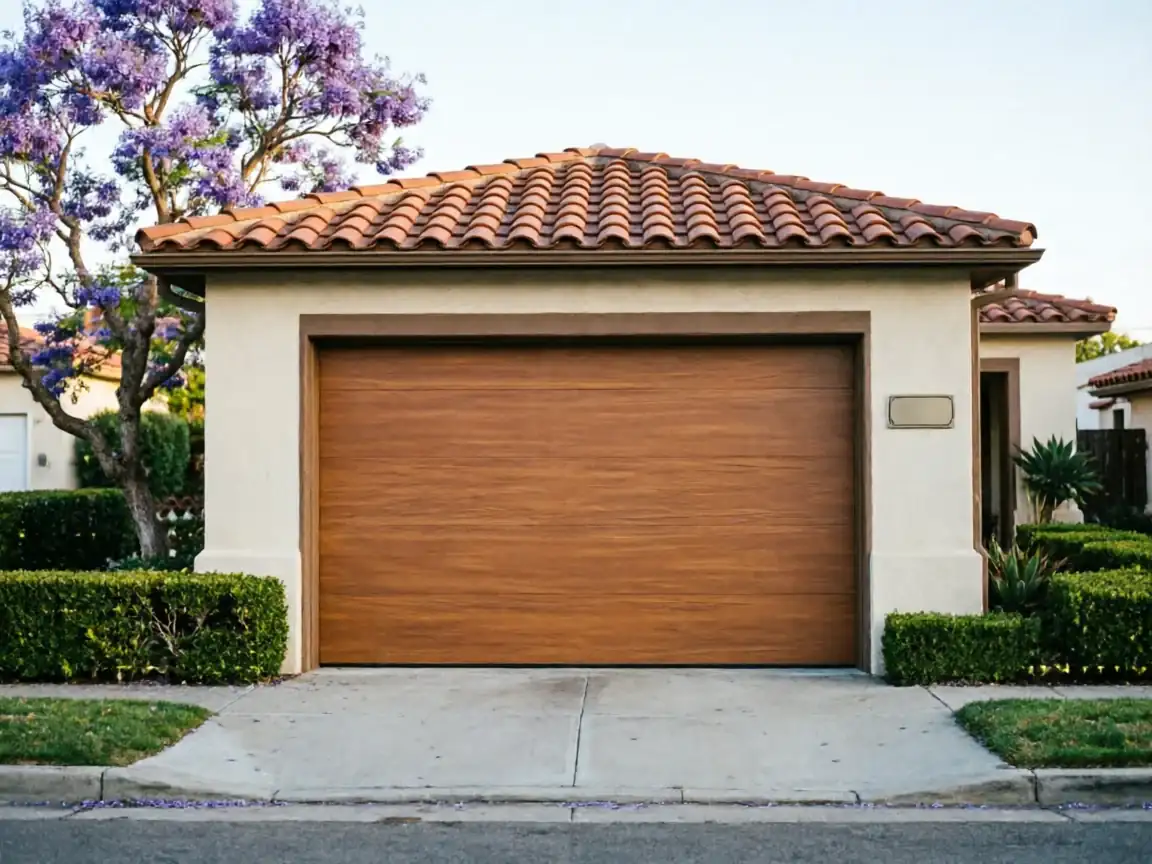
A brown wooden garage door on a stucco house with a tiled roof.

Garage Door Service

Most Vista houses went up between 1970 and 2003, and the springs and openers installed then are nearing the end of their service life. We work on them.

Learn more
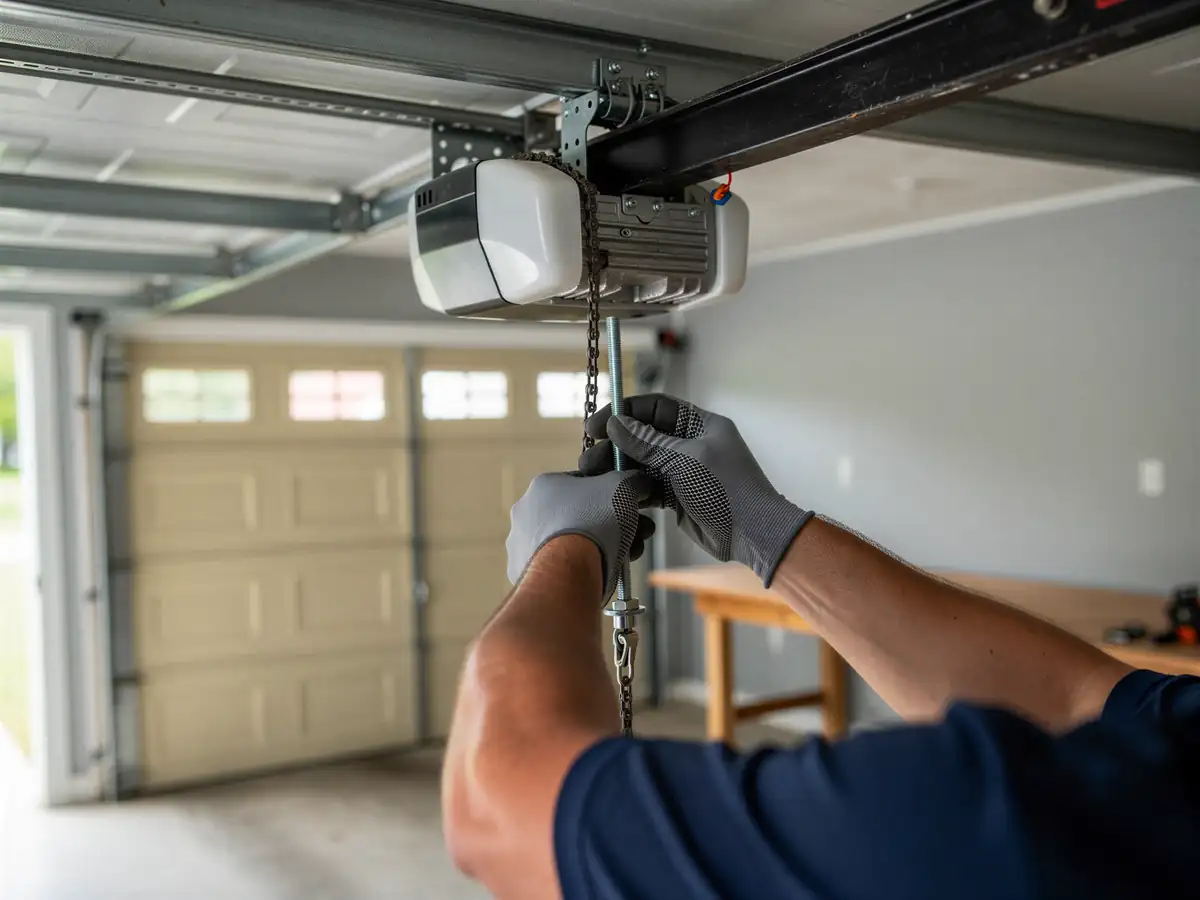
A technician in gray gloves adjusts a garage door opener chain.

Opener Repair

Opener repair for Vista homes built mostly between 1970 and 2003, where original drive systems and aging circuit boards are now failing on schedule. Same service area, straight talk.

Learn more
A technician measures a garage door torsion spring with a tape measure.

Spring Repair

Broken torsion spring in Vista? We explain why 1980s-era Vista homes wear out springs early, what to watch for, and when to call instead of DIY.

Learn more
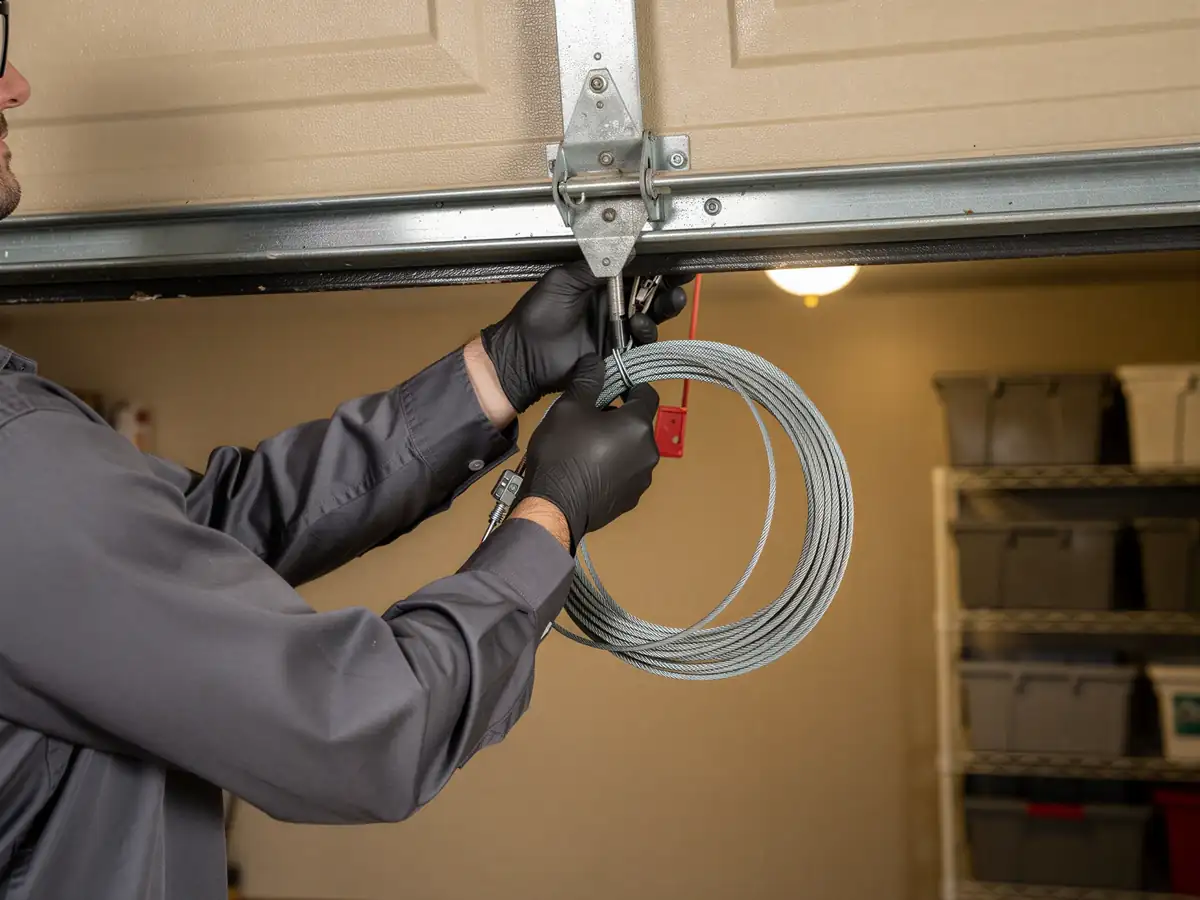
A technician in black gloves holds a coiled garage door cable.

Cable Repair

Frayed or snapped cables on Vista garage doors, tied to the area's 1970s-2003 housing stock. Same-day cable repair across Vista and nearby service areas.

Learn more
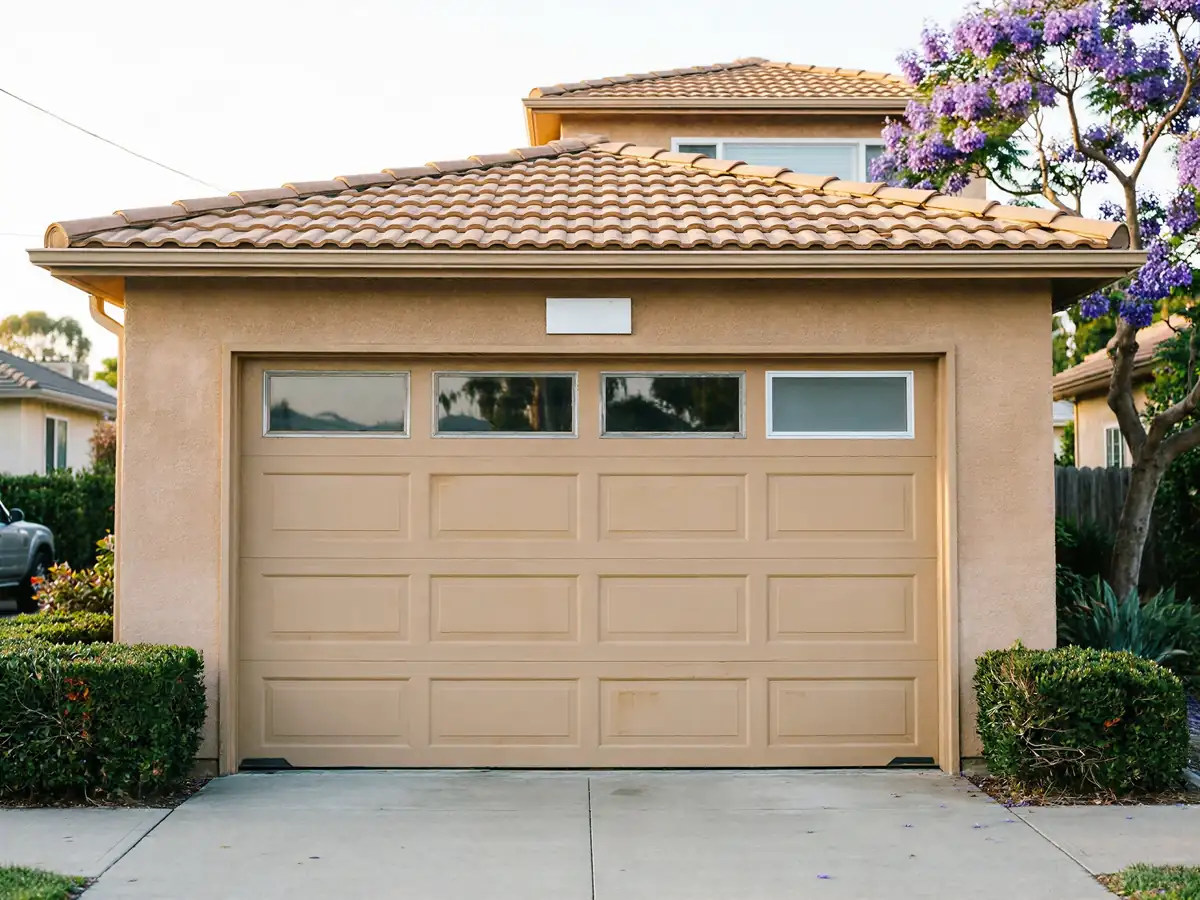
A beige garage door with four windows is on a stucco house.

Panel Replacement

Dented or cracked panels on Vista homes built in the 1980s and 90s. See why this housing stock cracks panels early and what panel replacement actually involves.

Learn more
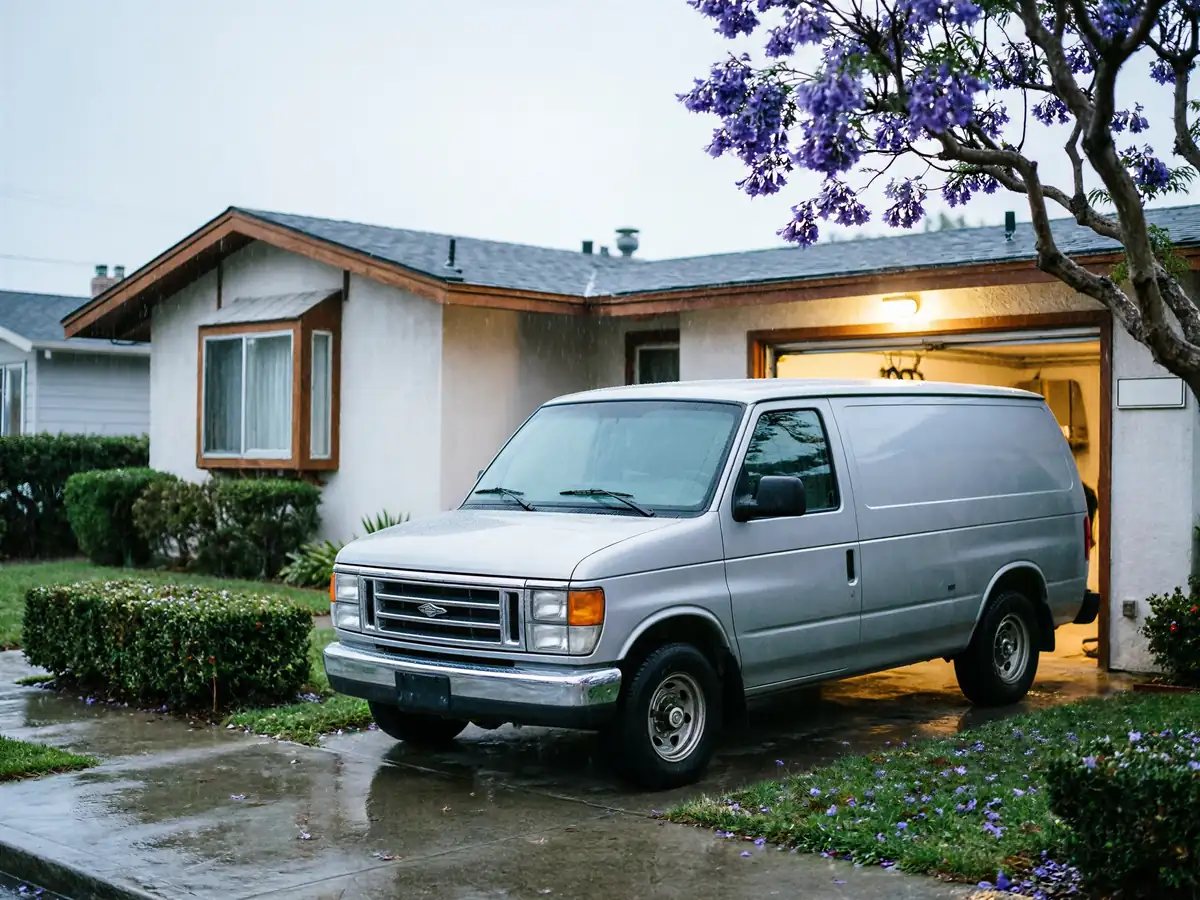
A silver van is parked in a driveway in front of an open garage.

Emergency Garage Door Repair

Broken spring or dead opener in Vista? We explain why older torsion hardware fails here, what the symptoms mean, and when a same-day fix beats a full replacement.

Learn more
Questions

Frequently asked

Straight answers about garage door repair in Vista. Still unsure? Ask us directly.

Why did my spring break on a cold morning when it's never that cold in Vista?

It's not about the cold being extreme - Vista's climate is mild. It's that a spring already worn down by decades of cycling finally hits a temperature drop it can't absorb. The cold is the trigger, not the cause. The real cause is cycle fatigue built up over years of normal use on older hardware.

Is my door's age the reason this keeps happening?

Possibly. Most doors in the Vista service area were built between 1970 and 2003, with a lot from the 1980s and 90s. If your spring is original to a door from that window, it's had decades of cycles, and cold mornings tend to be when a tired spring finally gives out.

Can I just replace the one spring that broke?

Often yes, if the door's tracks, rollers, and panels are still in good shape. If you have a two-spring system, we'd usually recommend replacing both since the second one has had the same years of wear and is likely close behind. We'd confirm that in person rather than guess.

Does Vista's weather mean I need special cold-rated springs?

No. This is a mild temperate area, not a hard-freeze climate, so standard torsion springs rated for normal residential use are appropriate. The issue in most cold-triggered breaks here is spring age, not a need for cold-weather-specific hardware.

Ready to get your garage door sorted?

Tell us what it’s doing and where you are in Vista - we’ll take it from there.

Request a QuoteCall