What Local Conditions Do
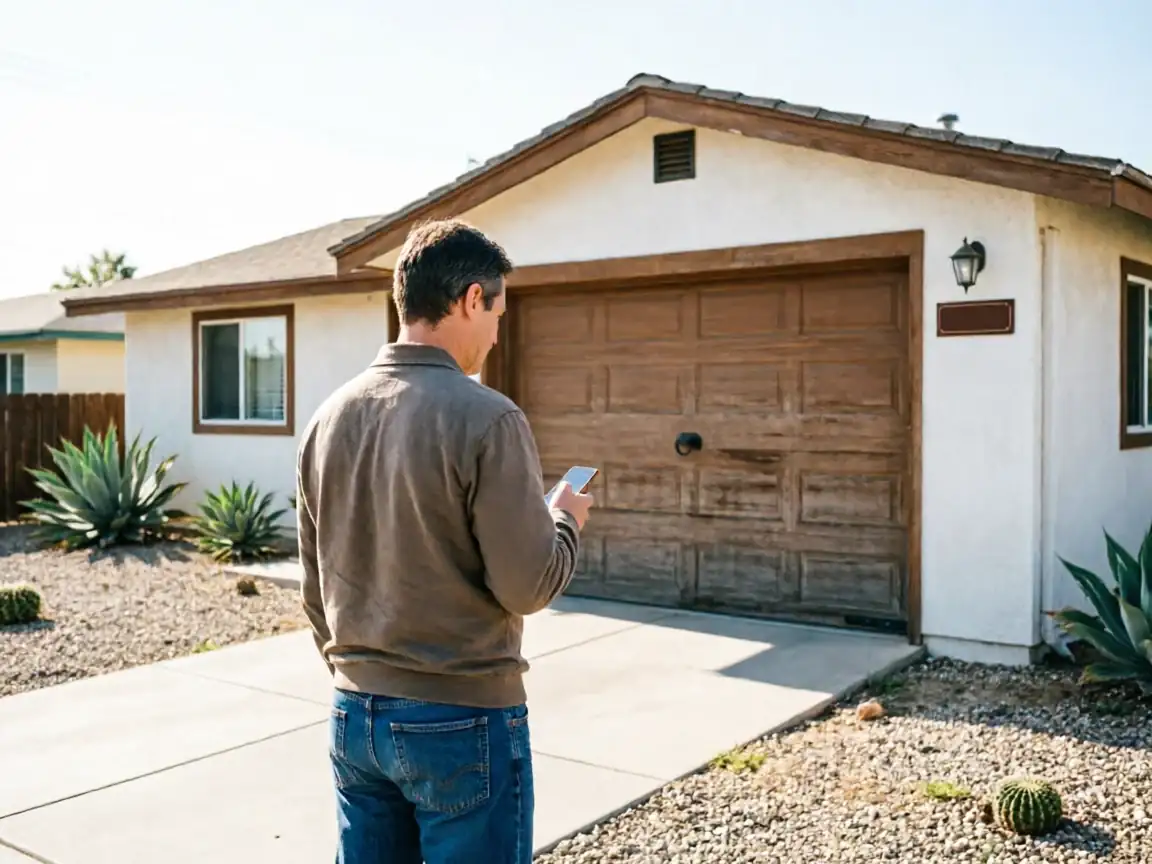
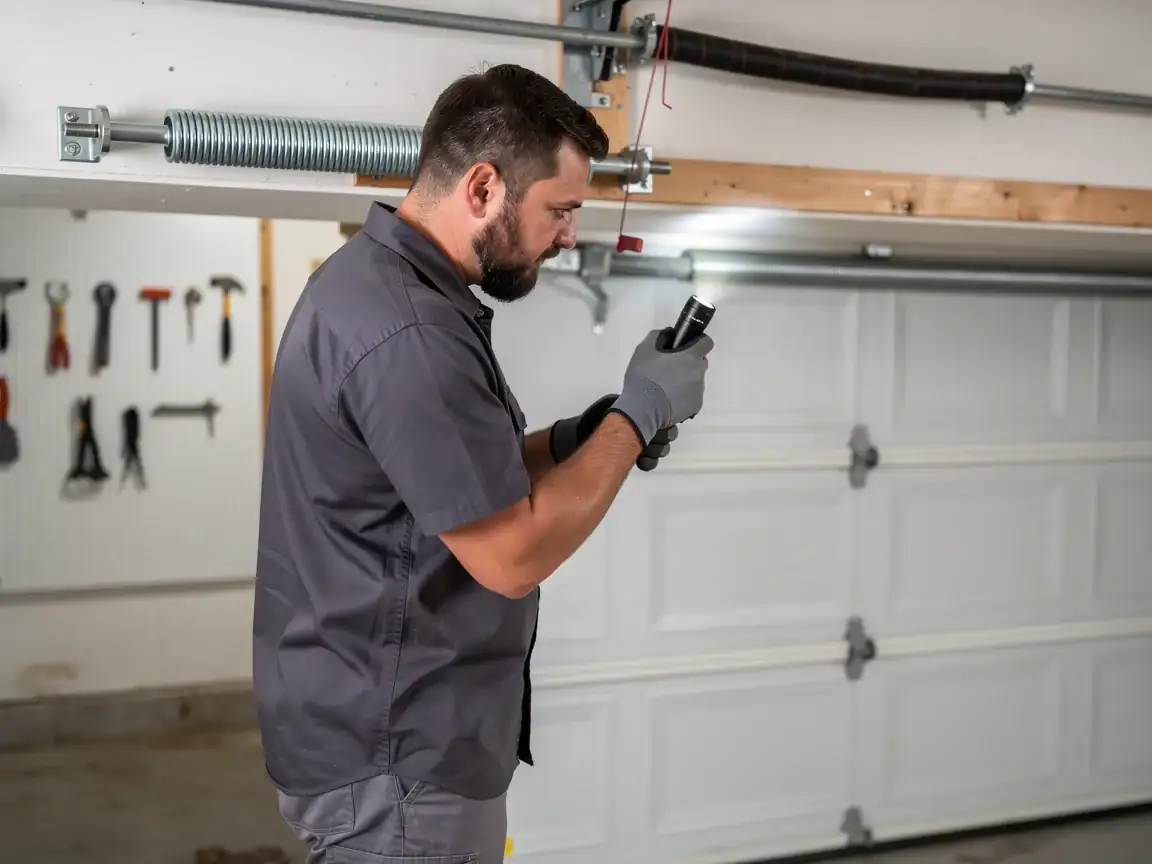
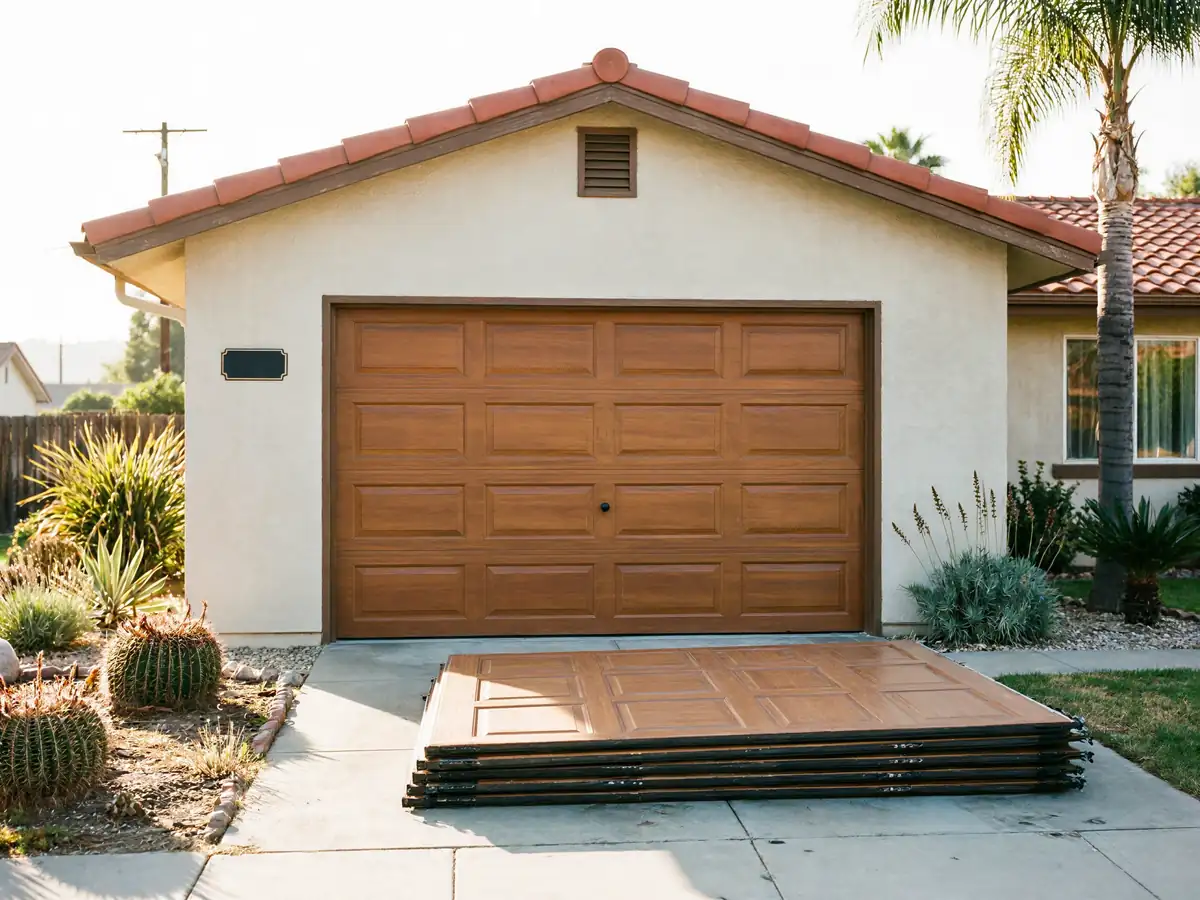
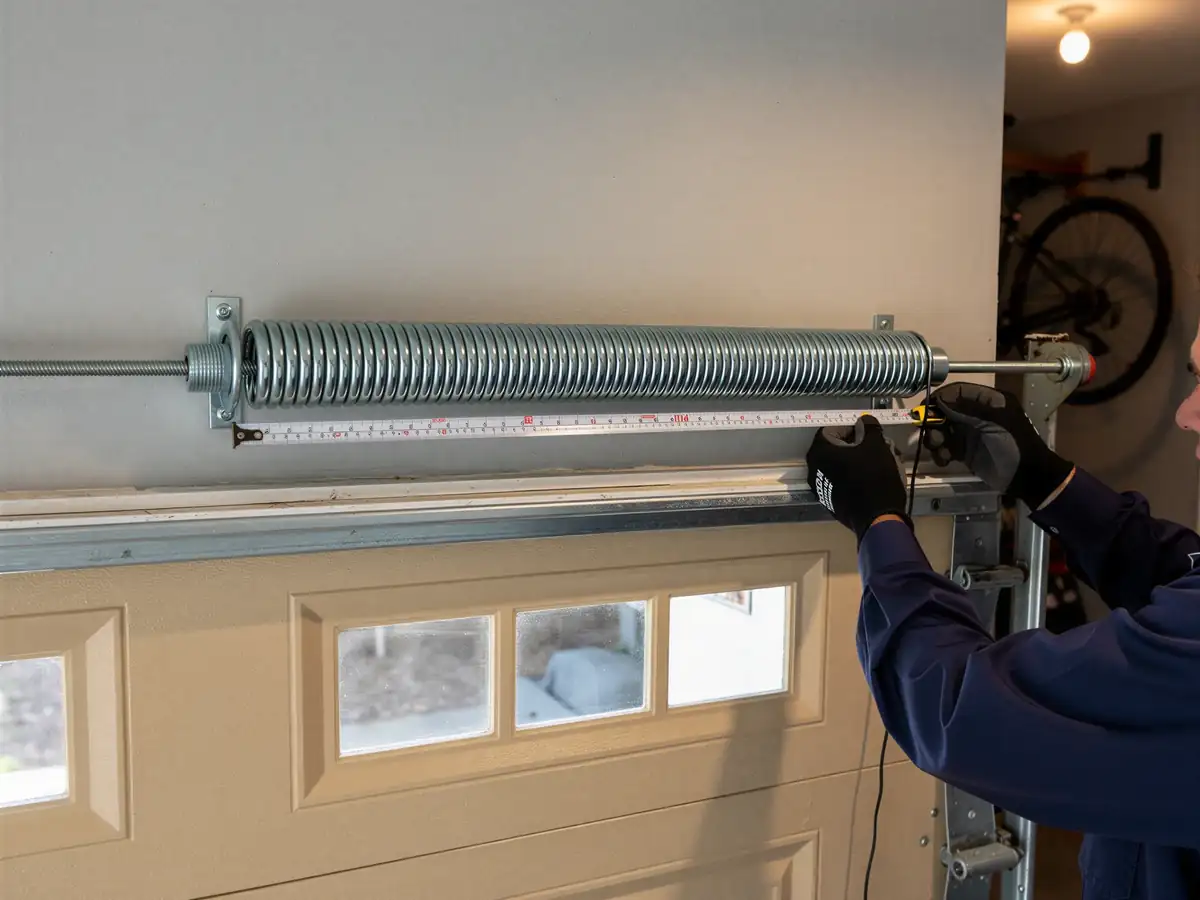
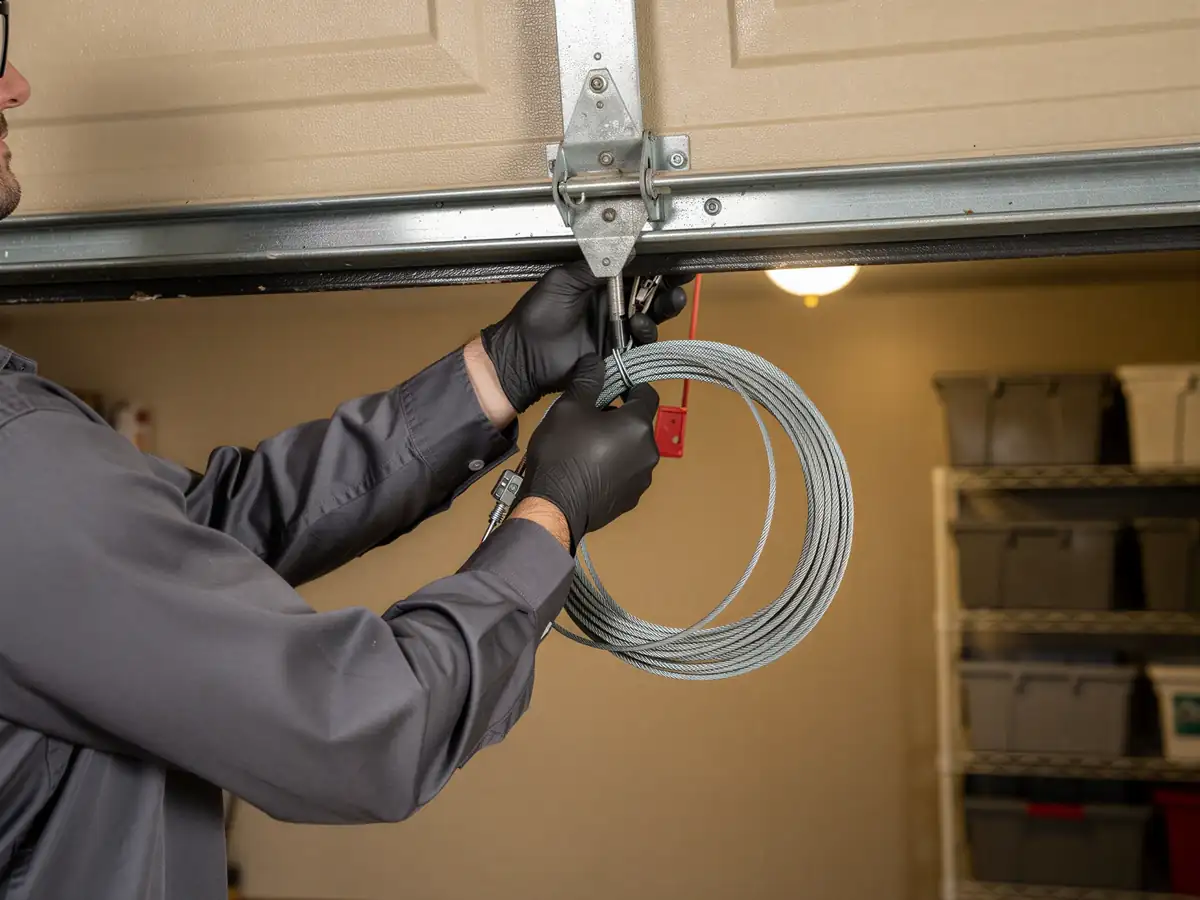
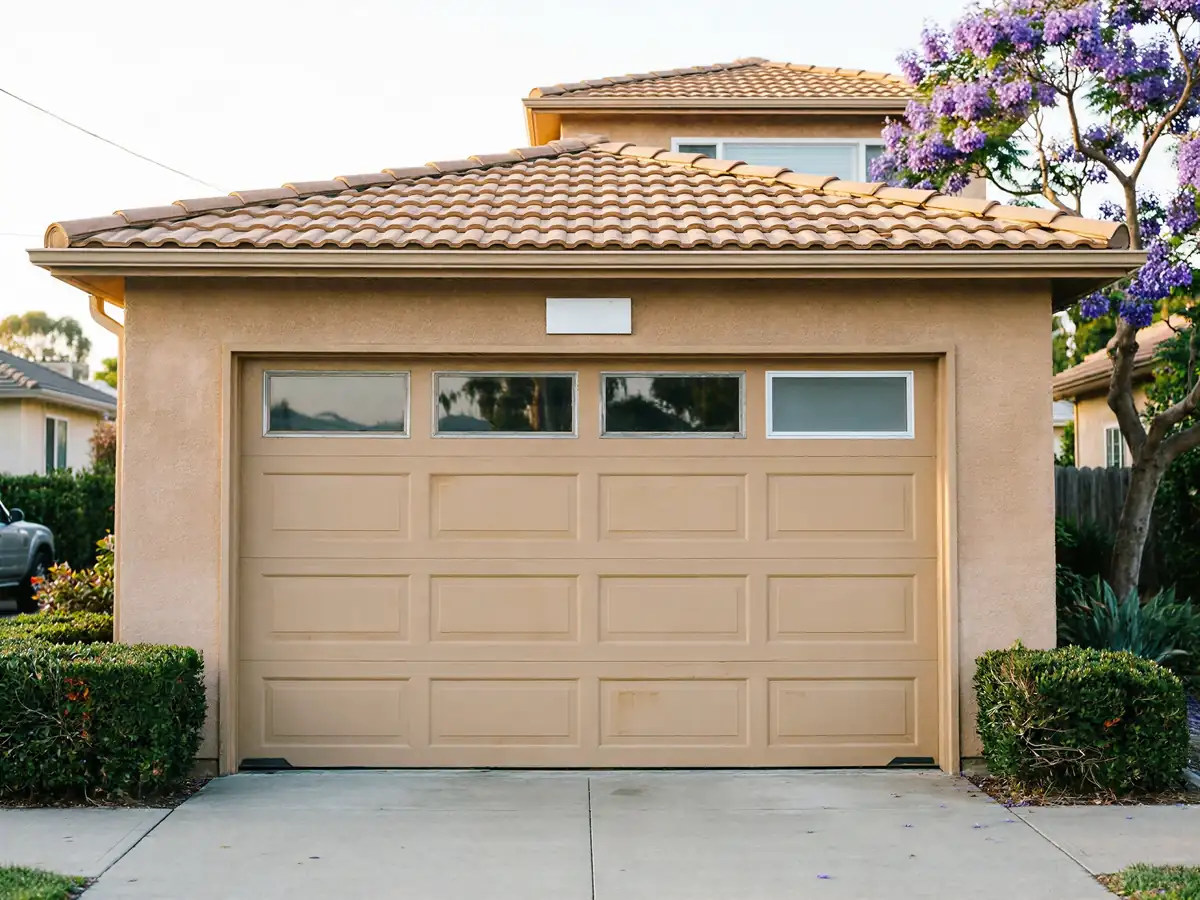
Vista's housing stock mostly went up between 1970 and 2003, with the median build year sitting around 1982. That matters because a door and opener from that era were built to a different standard than what's sold today - thinner steel, single torsion springs sized for lighter sectional doors, openers without rolling-code security or battery backup. Across the thirteen named areas that make up this service territory, most of the stock is 1980s-90s construction, so the hardware we find on a call is fairly consistent: galvanized torsion springs rated for the original door weight, steel tracks mounted on wood jambs that have shifted slightly over four decades. The mild temperate climate here helps - we don't see the spring fatigue that comes from hard freeze-thaw cycles, and the steel doesn't pit the way it does in salt-heavy coastal fog zones. What we do see is UV and heat-cycle wear on nylon rollers and on the rubber weatherstrip at the bottom panel, plus the slow stretch of lift cables that nobody notices until one lets go. A service call starts by figuring out which of these a given door is dealing with, not by assuming it's the same fix as the last house.
When to Call Someone
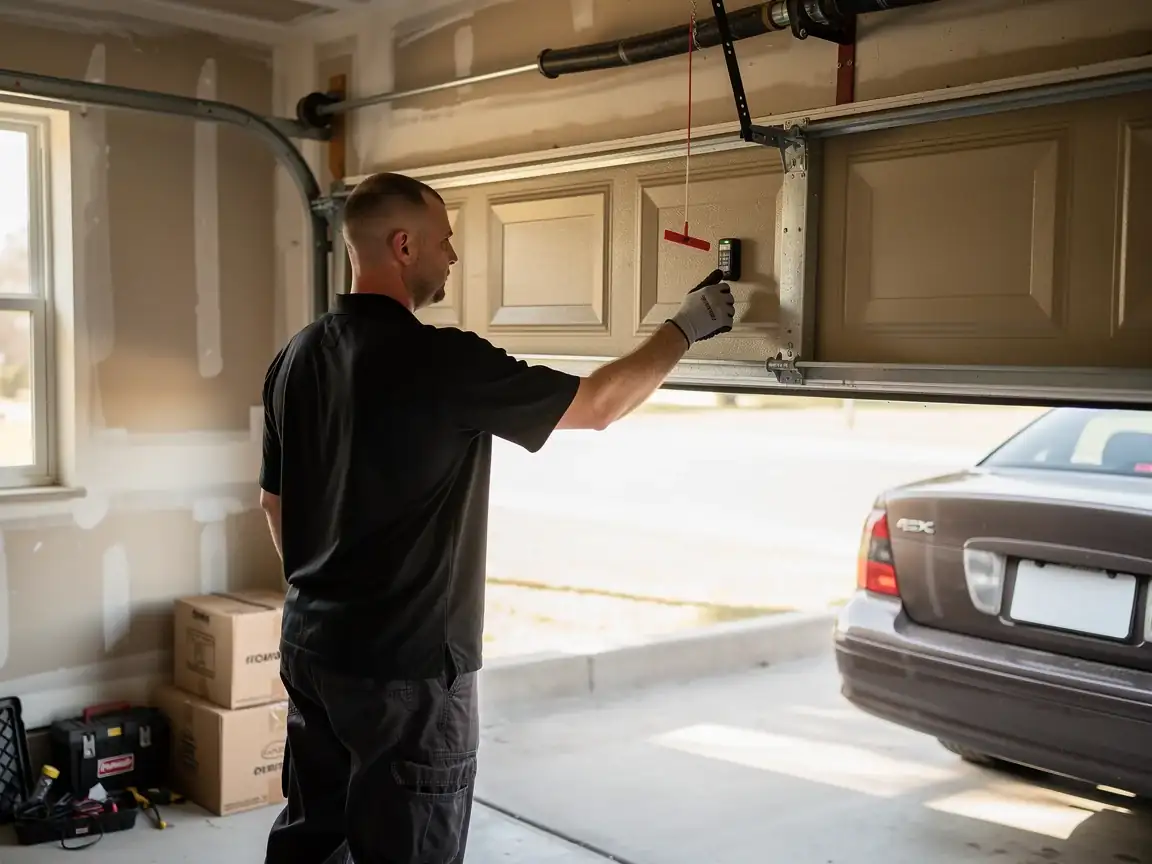
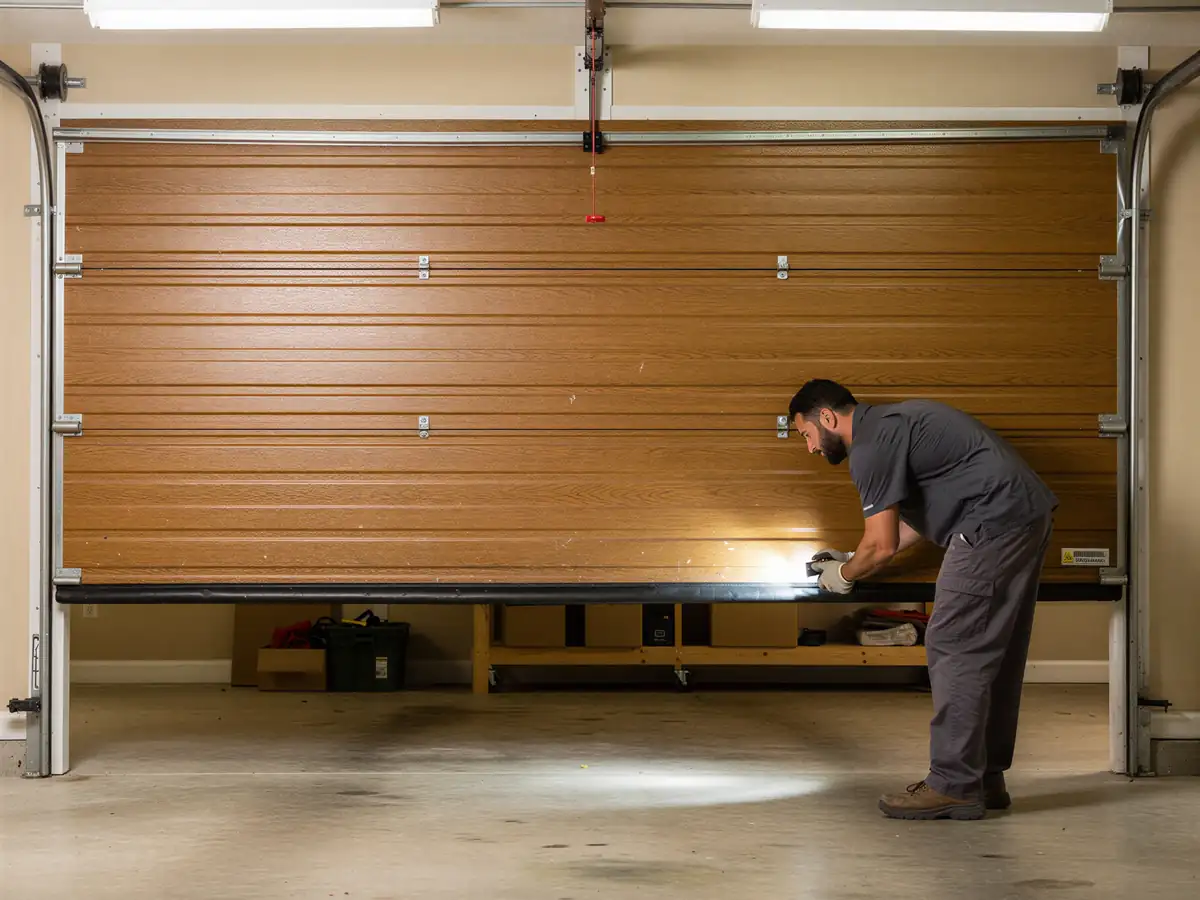
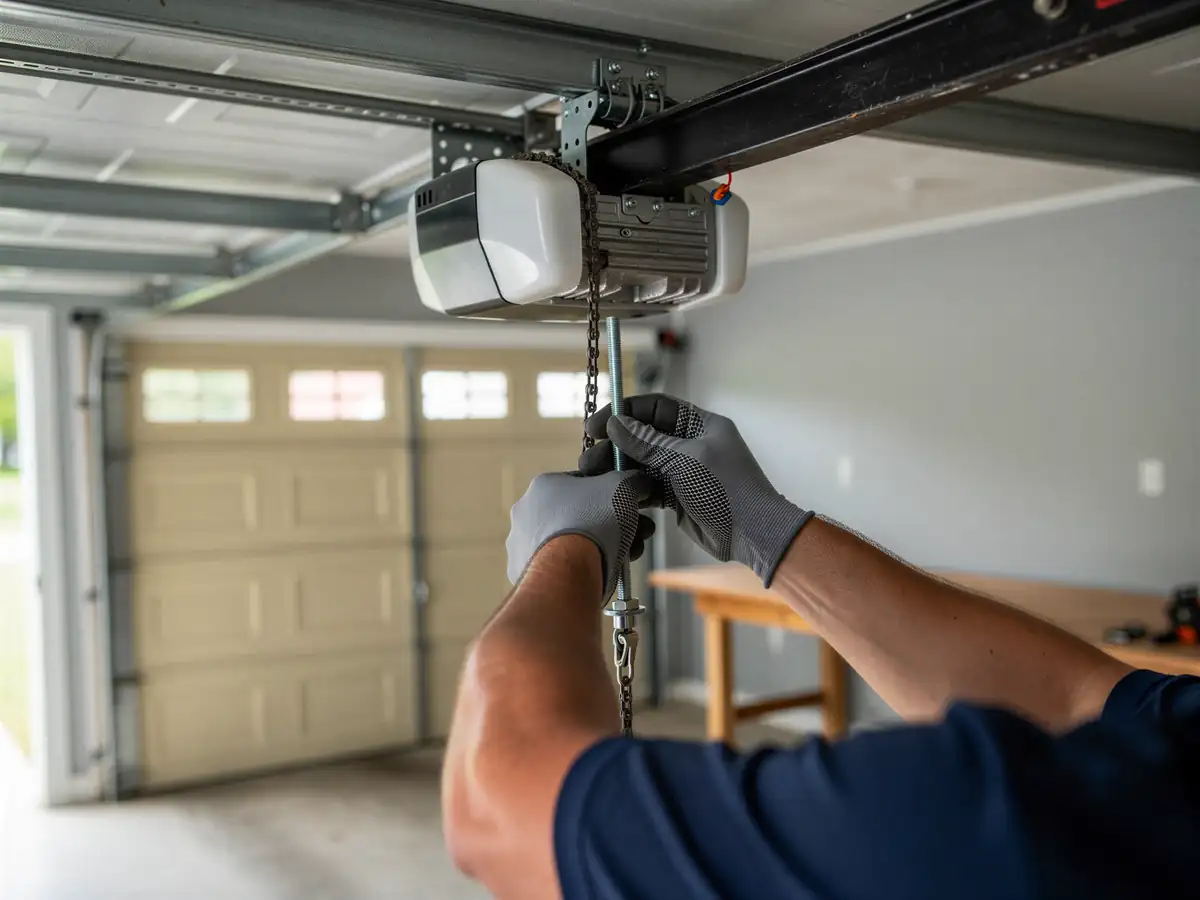
Call when the door won't open or close, when it reverses halfway with no obvious reason, or when you hear a loud bang followed by the door refusing to move - that's almost always a broken torsion spring, and on a door built to 1980s-90s spec it's under real tension. Don't try to open it by hand once a spring has gone; the cable and drum system is still carrying load even with the spring snapped. Also call if a cable has visibly frayed near the bottom bracket, if the opener motor runs but the door doesn't move (stripped gear, common on openers original to this era's houses), or if the door is noticeably off level, which on older jamb-mounted track usually means a bent track or a loose hinge rather than anything electrical. What doesn't need an emergency call: a slow-closing door, a noisy roller, or an opener remote that's lost its signal - those are maintenance items, not safety issues, and they can wait for a scheduled visit instead of a rushed one.
Leaving It Alone
Some things are fine to leave. A door that closes a little slower than it used to, or rollers that squeak but still roll smoothly, aren't worth an emergency visit - lubricate them and move on. We won't tell you to replace an opener that still works just because it's old; if the motor runs quiet and the safety reverse still triggers on contact, there's no reason to swap it out on a house from the 1970-2003 stock just because the unit isn't new. Where we draw the line is safety: a frayed cable, a spring under visible tension with a crack in a coil, or a door that's come off one track - those don't get left for later. One honest limit on our end: if a part is specific to an opener or door system that's no longer made, and nobody in the supply chain stocks it, we'll say so rather than quote a repair that's going to fail again in six months. Across the roughly 25,689 owner-occupied houses in this service area, that's a conversation we have often enough that we'd rather be straight about it upfront.