Why It Happens Here
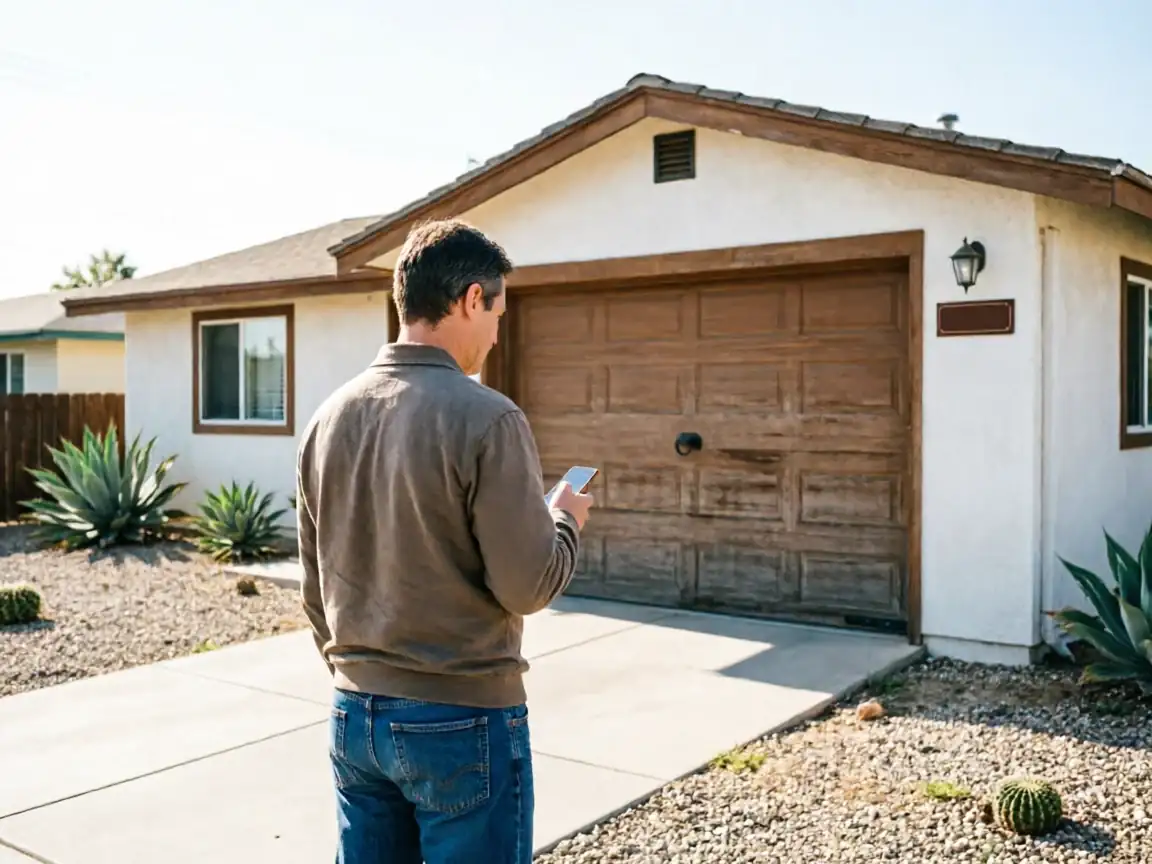
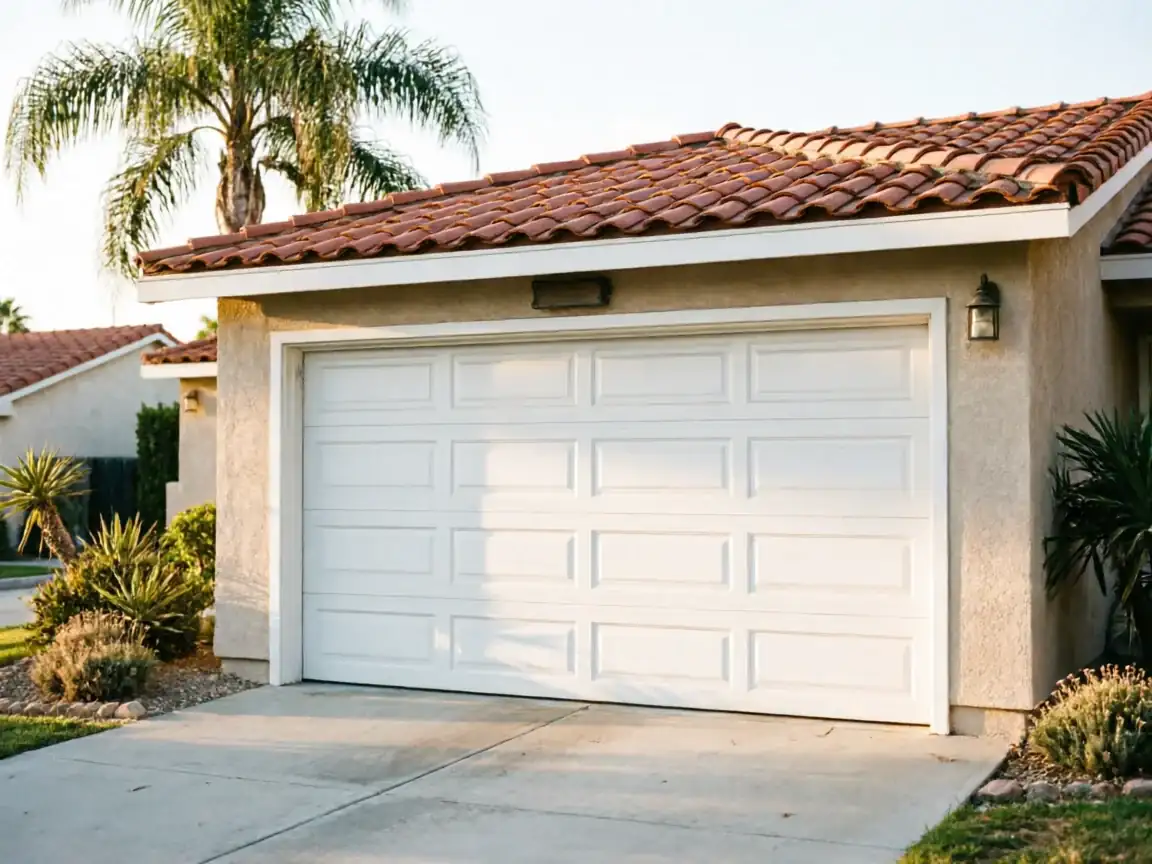
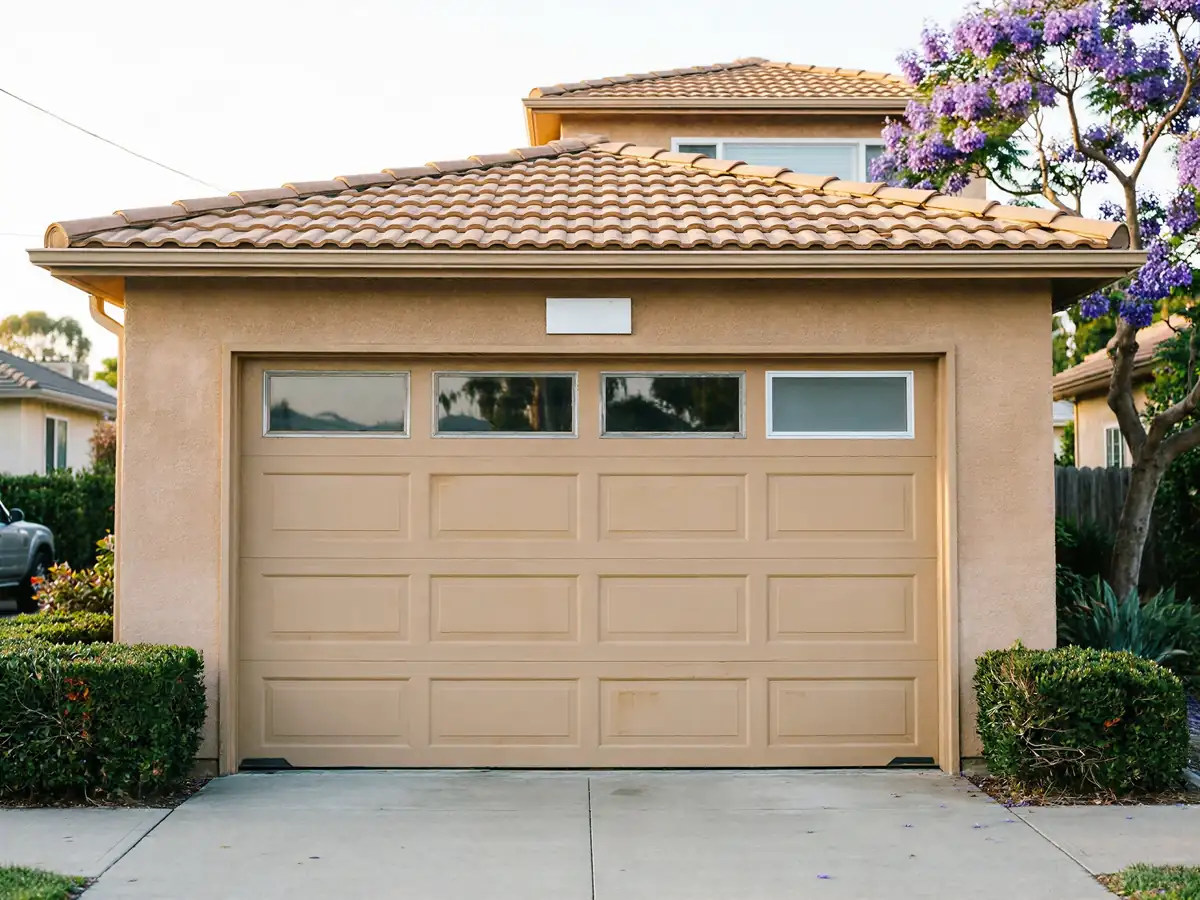
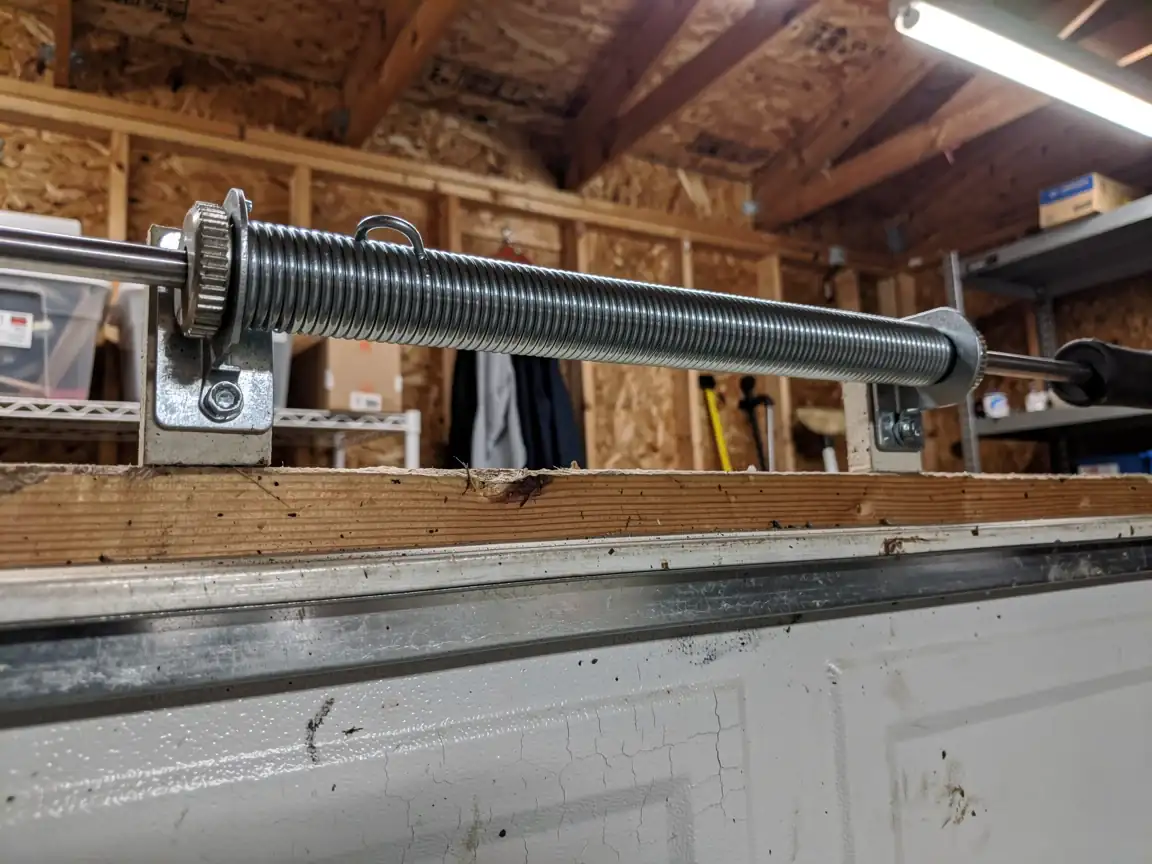
Across the thirteen named areas we work in, the housing stock is mostly 1980s and 90s construction, with a median build year of 1982. That matters for garage doors because torsion springs are rated for a set number of open-close cycles, not a set number of years, and a door installed when a house was built in, say, 1985 has now gone through four decades of daily use. The opener motor, the drive gear, the spring itself - all of it was sized for a door that's lighter and newer than the one it's lifting today if panels were ever swapped.
Vista's climate is mild temperate, so we don't get the freeze-thaw cycling that cracks springs early or the heavy humidity swings that rust cables fast in other parts of the country. That's actually part of the problem: without a hard winter to force a failure, components here wear out slowly and quietly. A spring that would snap outright somewhere with real cold tends to just get weaker in Vista, stretching a little more each month, until a homeowner notices the door is harder to lift by hand than it used to be. The slow failure is the Vista pattern - gradual, not dramatic.
The Symptom
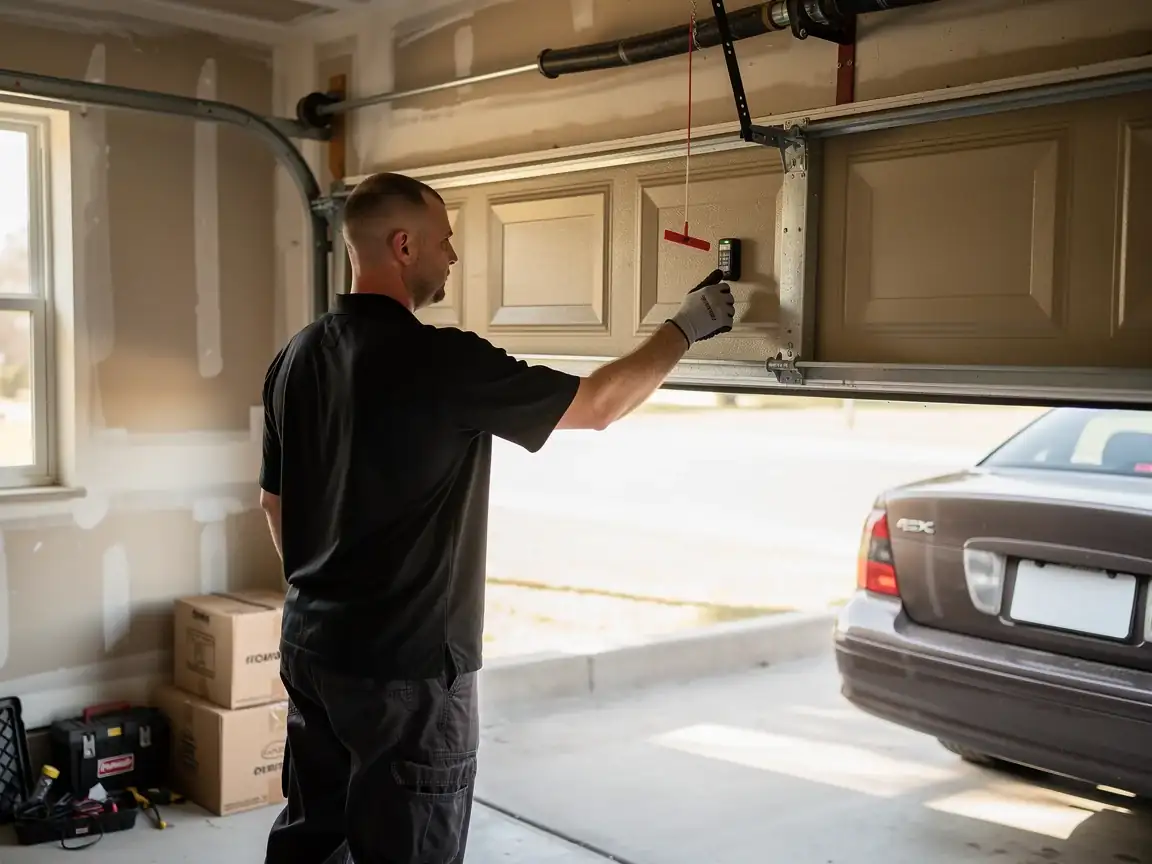
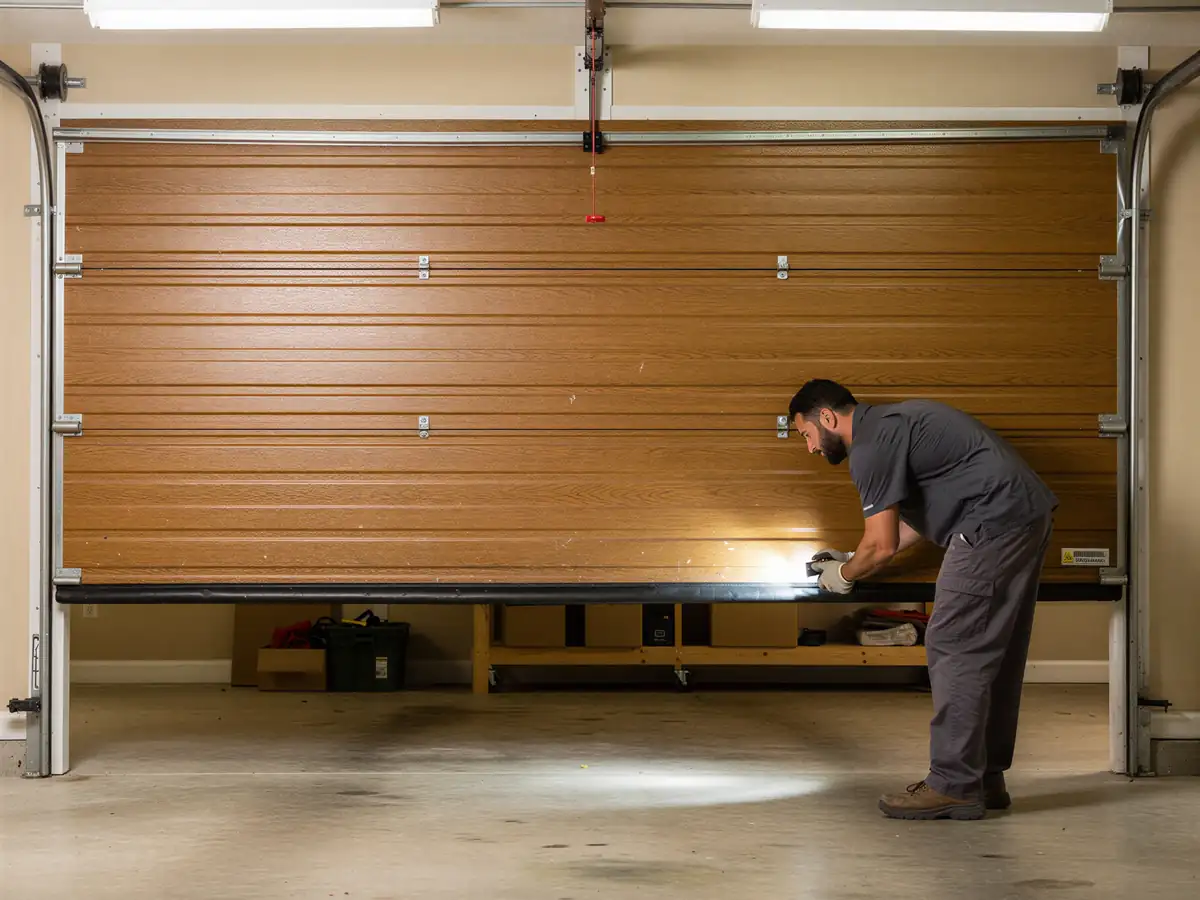
The most common call we get fits a pattern: the door still opens, but something about it feels different. It hesitates for a second before moving. The opener motor sounds like it's working harder - a longer hum before the chain or belt engages. On a close inspection, one side of a double door rises slightly ahead of the other, or the door drifts back down a few inches after the opener thinks it has already stopped moving.
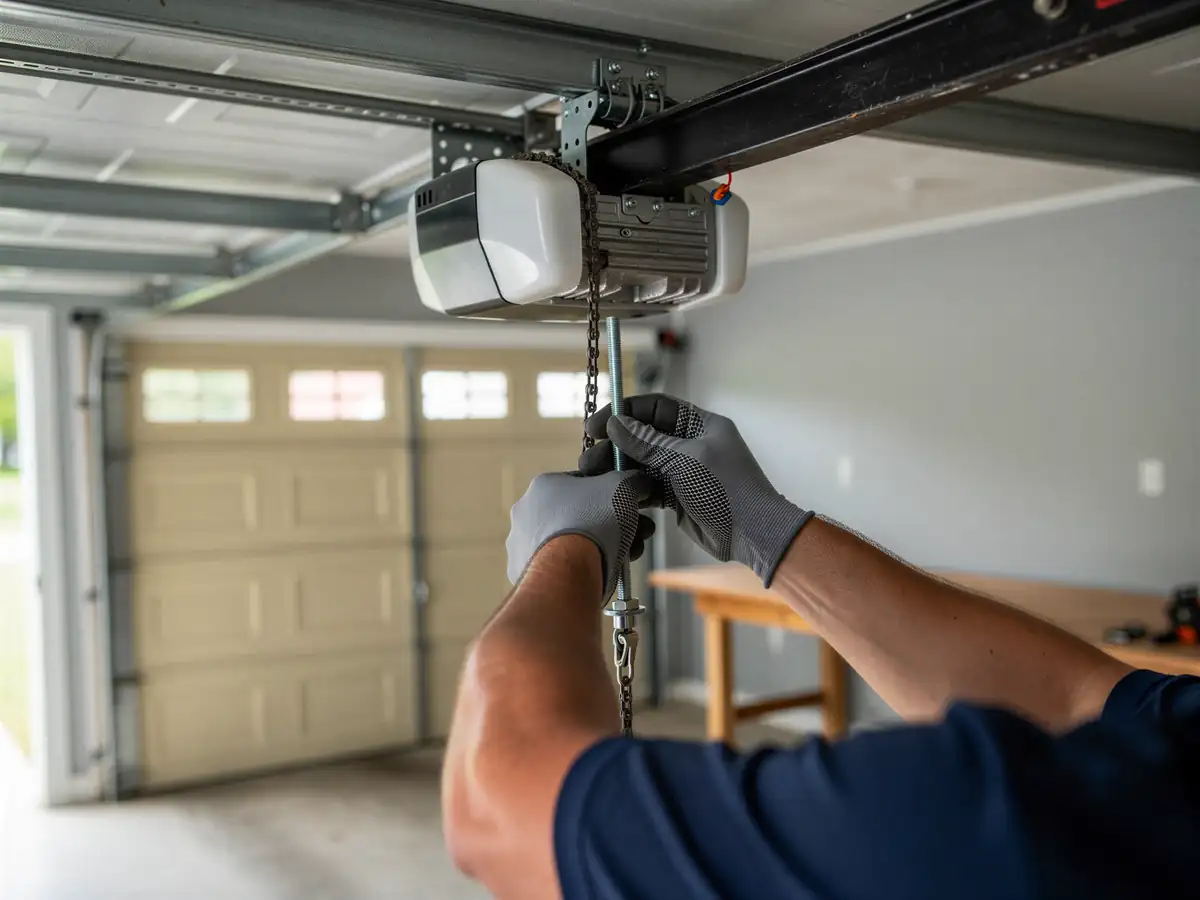
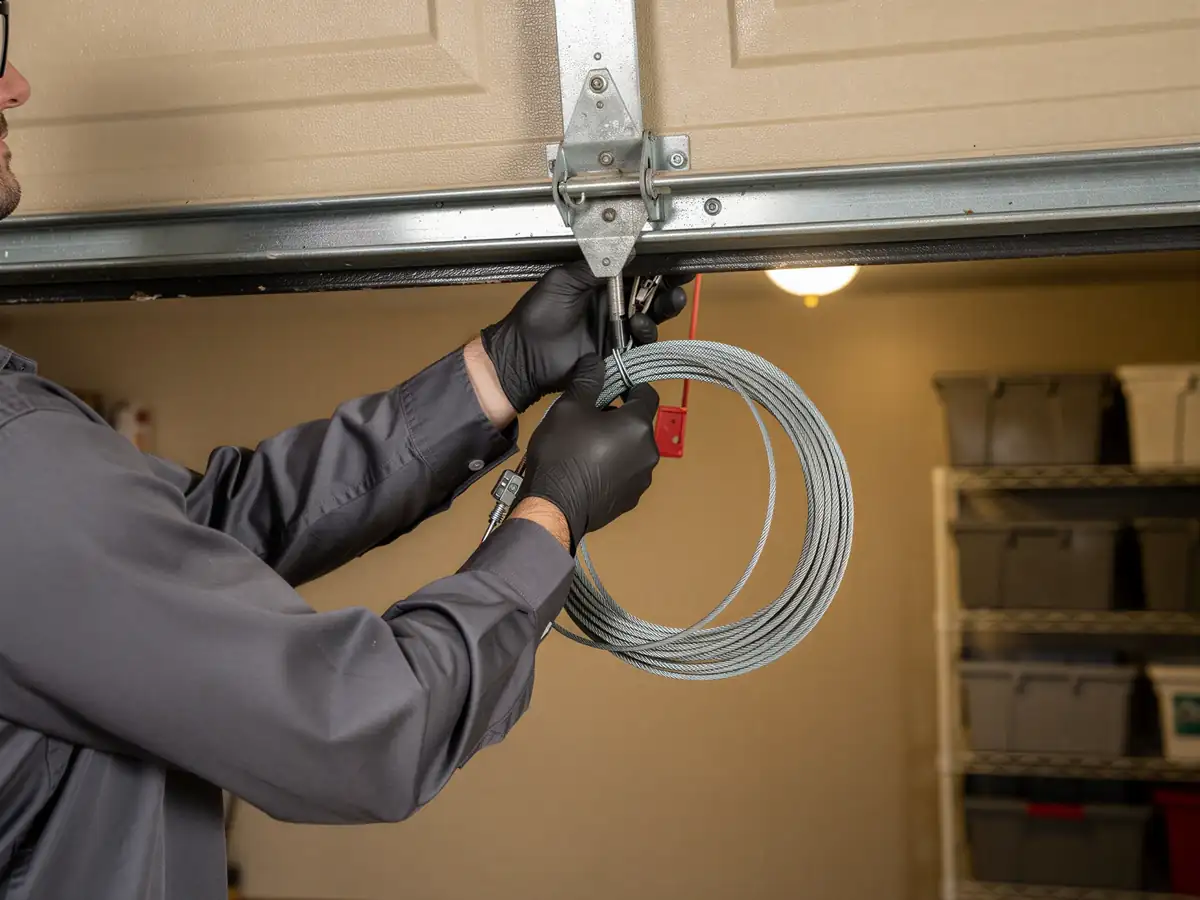
Sometimes it shows up as noise instead of hesitation: a squeak or a grinding sound on the way up, usually from a torsion spring that's lost tension and is no longer carrying its share of the door's weight, leaving the opener to compensate. Less often, the door simply refuses to open at all one morning, with the opener motor running but the door not moving - a sign the spring has let go entirely and the drive system can't lift a door's full weight on its own.
None of these symptoms are unique to Vista, but how often we see them, and at what age of door, tracks closely with the 1970-2003 build window that covers most of the houses here.
The Complications
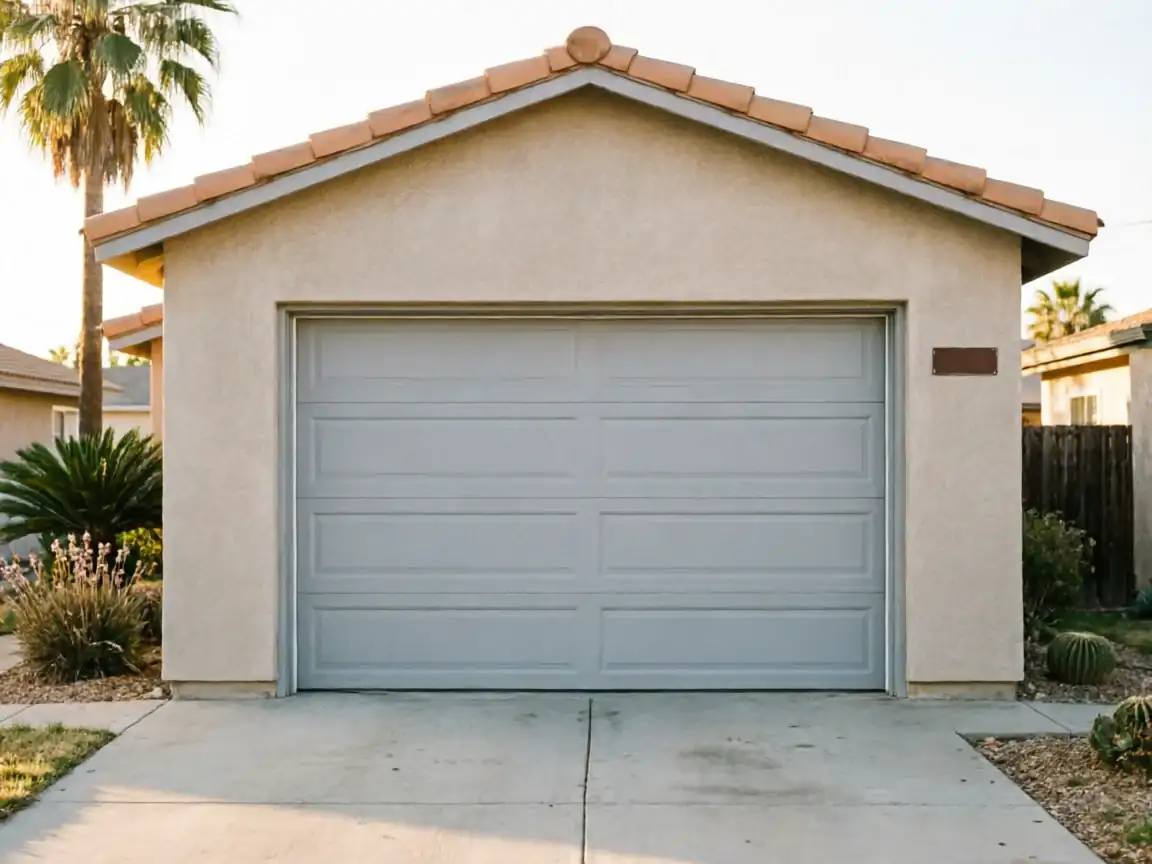
A lot of houses in this build era were fitted with a single torsion spring on a double-wide door rather than two springs
Which was common practice at the time but puts the whole load on one shaft and one set of brackets. When that spring goes, there's no backup carrying half the weight - the door drops hard and fast, and the bracket hardware around it often needs more than just a spring swap.
Openers from this period also tend to run on fixed-code remotes rather than rolling code
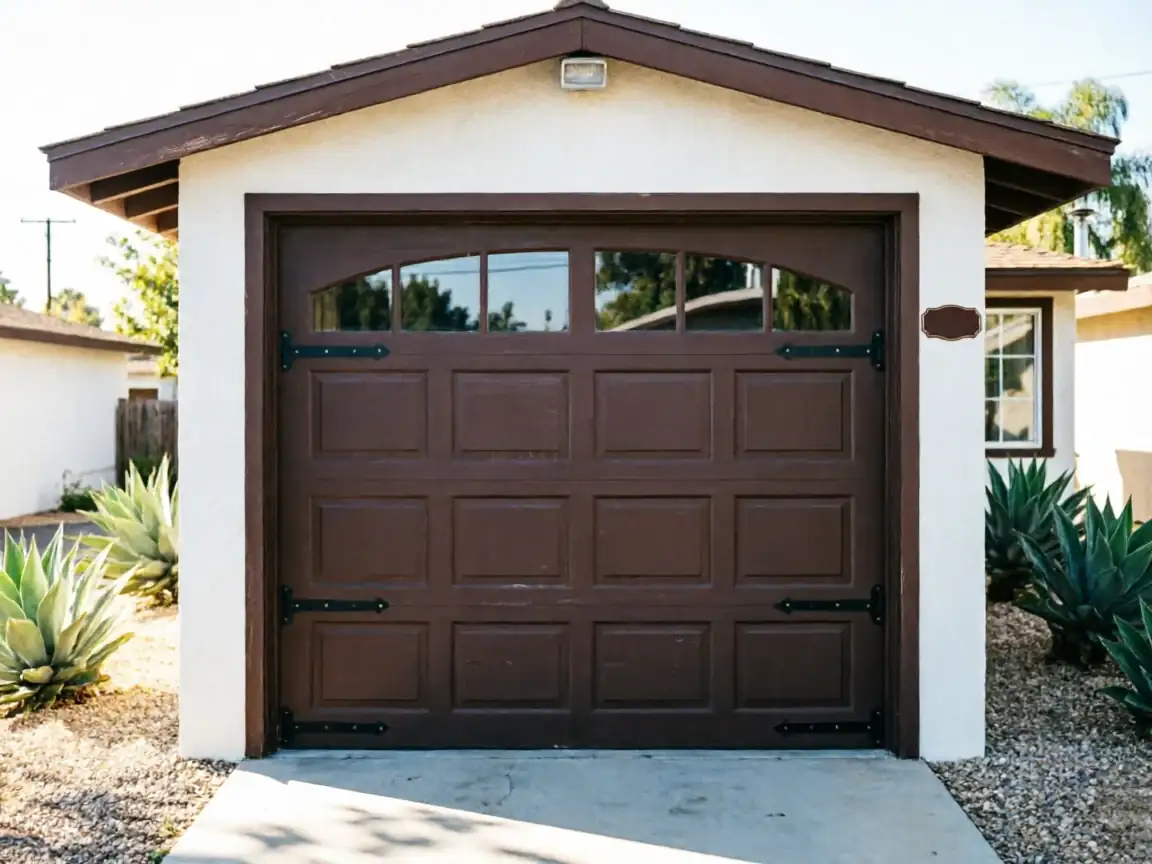
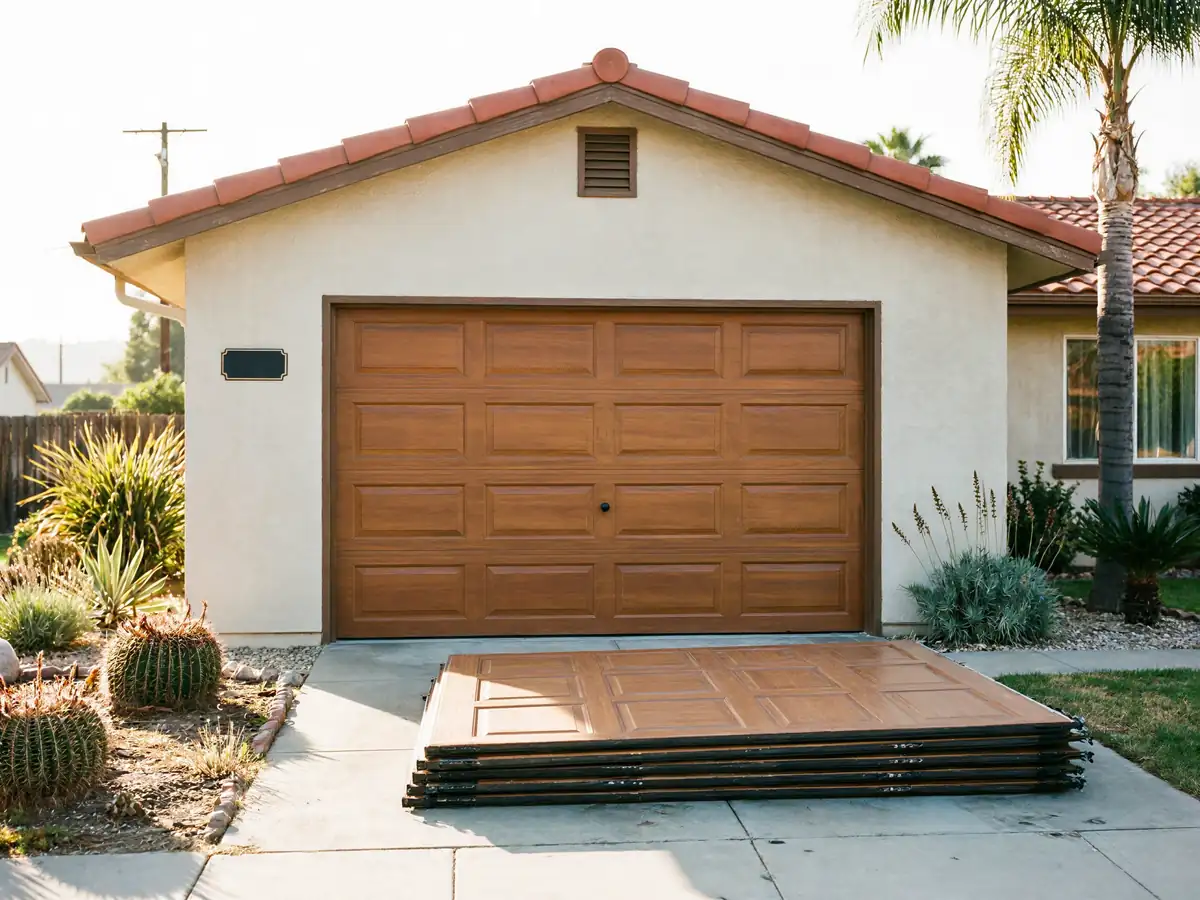
And replacement opener logic boards for some of these older units are no longer made, which means a failed circuit board sometimes forces a full opener replacement rather than a board swap. On the door side, steel panels from the 80s and 90s sometimes used a foam-core construction that delaminates with age; if one panel has started to separate, color and texture matching on a 30-to-40-year-old door usually isn't possible, and the honest answer is a new door section or a full replacement rather than a patch.
The DIY Question
Lubricating rollers and hinges, tightening visible bolts on the track, and clearing debris from the track path are all reasonable for a homeowner to do and won't void anything. If the door is noisy but still balanced and moving correctly, that kind of basic maintenance is often enough.
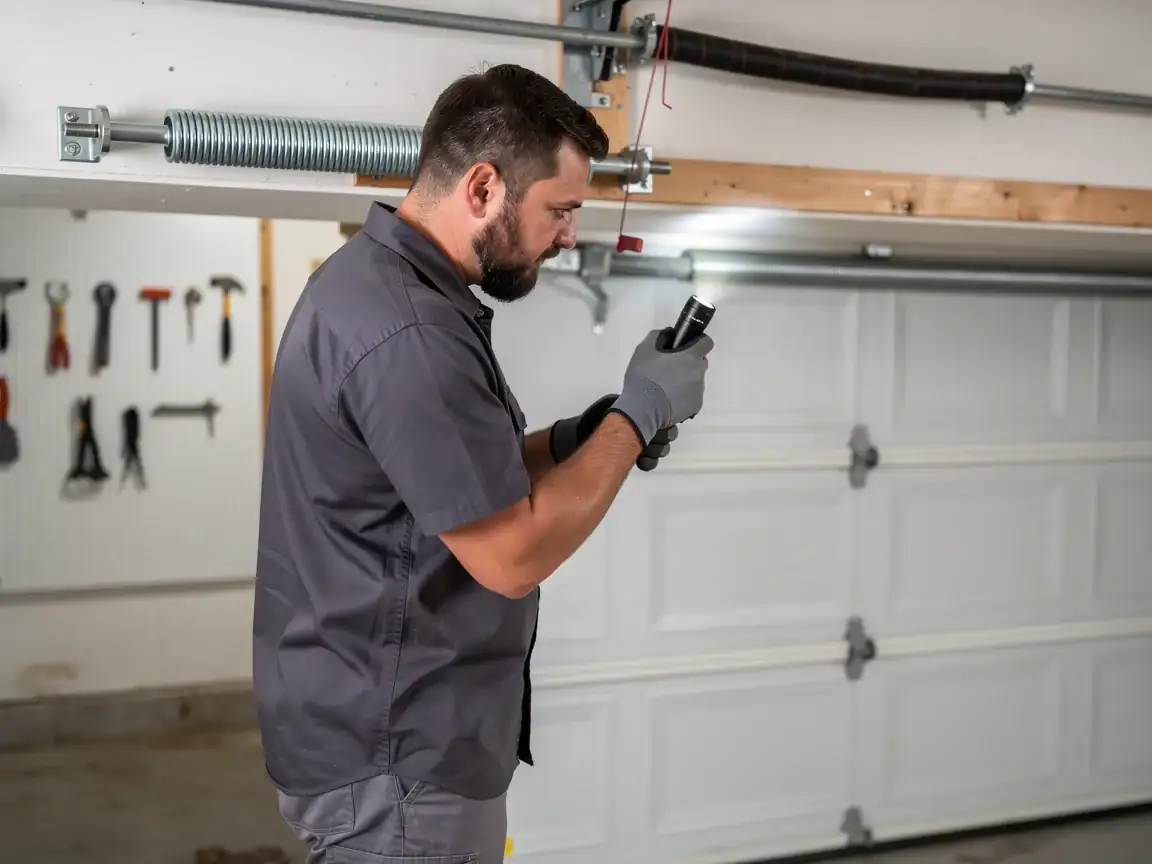
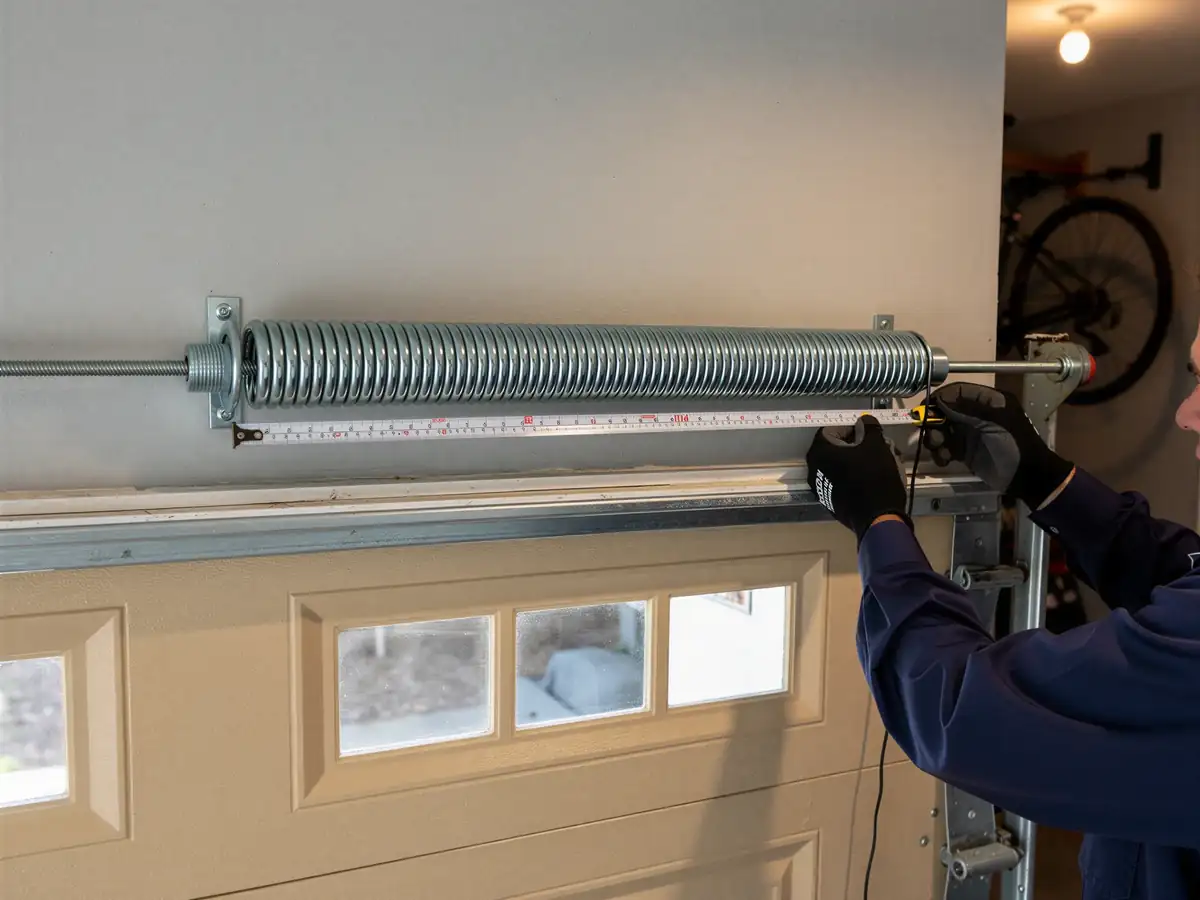
What we don't recommend doing yourself is anything involving the torsion spring itself - adjusting tension, removing the winding cones, or replacing a broken spring. These springs are under enough load to cause serious injury if the winding bars slip, and the tools for doing it safely aren't something most garages have lying around. We also don't recommend DIY opener logic board swaps on older units; getting the wrong board or wiring it incorrectly can damage the motor.
One honest limitation: if a door's panels have delaminated or a discontinued opener board has failed, we can't always match the original part. On doors from the early end of Vista's 1970-2003 build range, replacement is sometimes the more sensible call than trying to keep repairing a door piece by piece.