Why It Happens Here
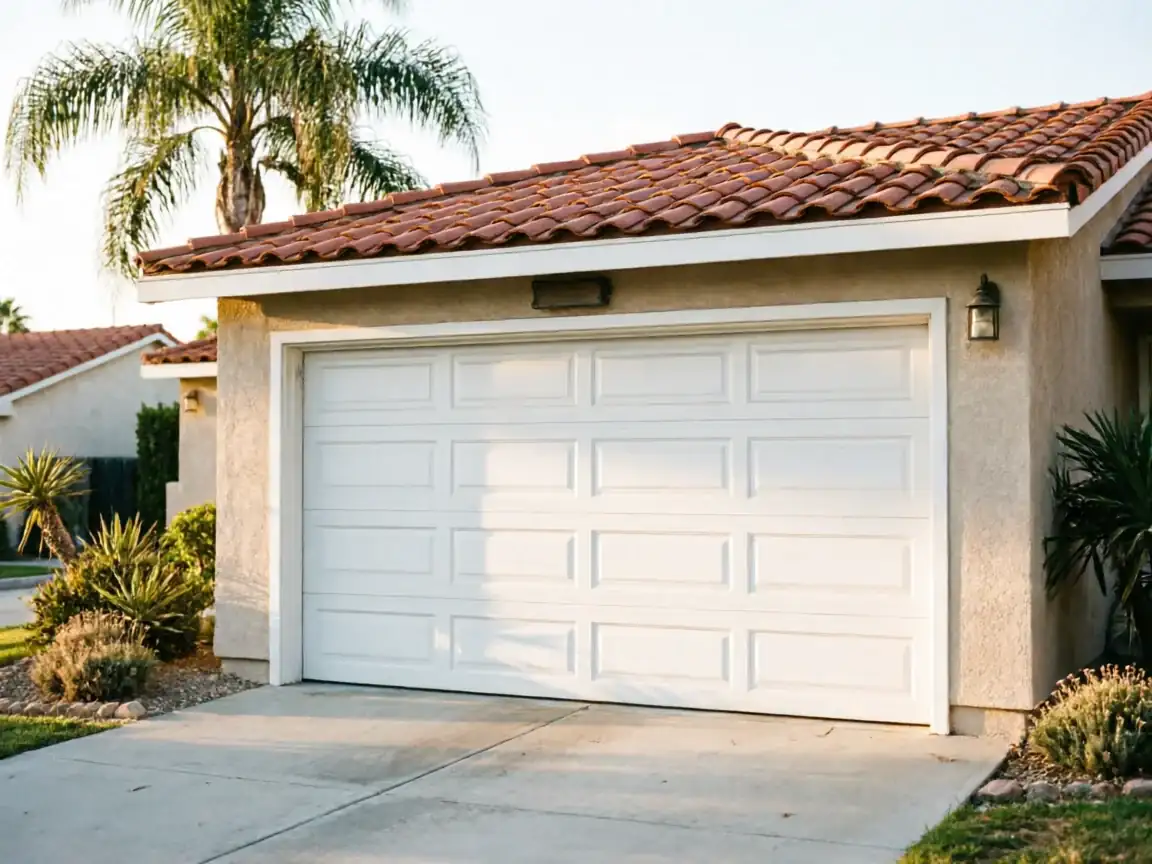
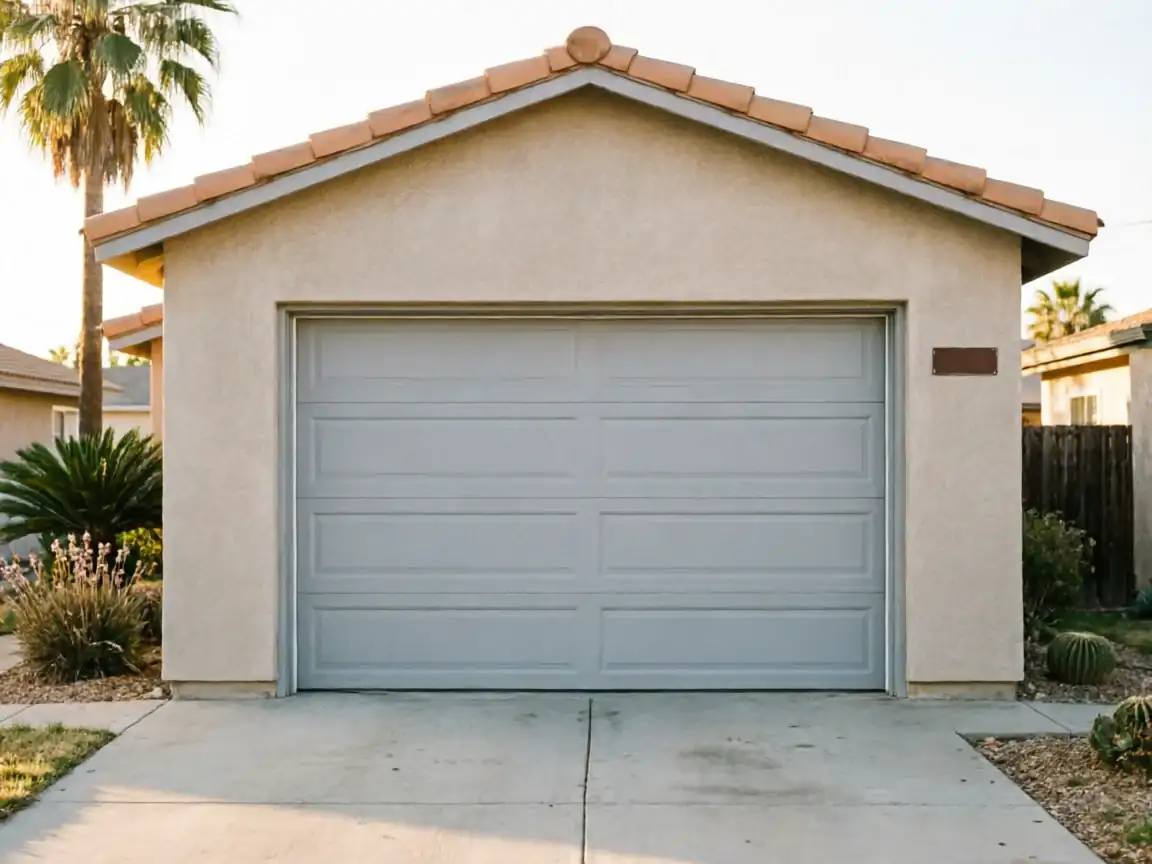
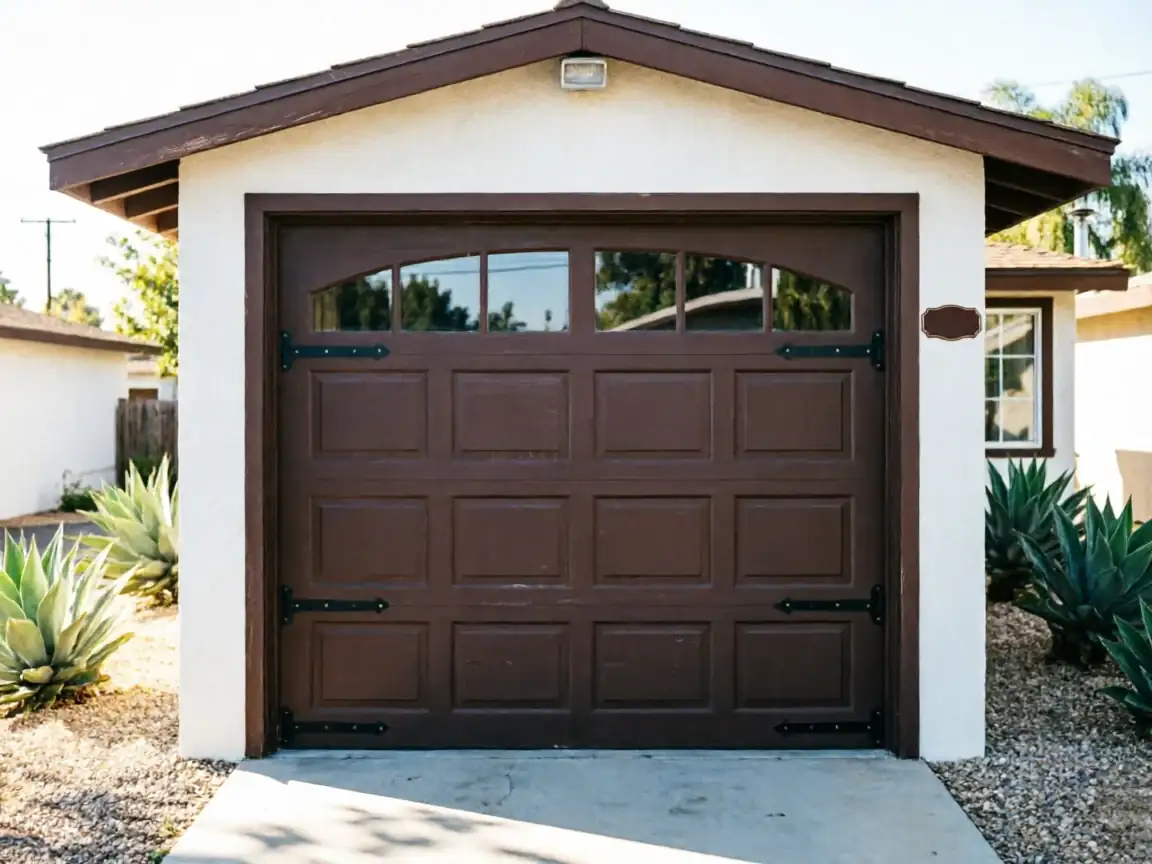
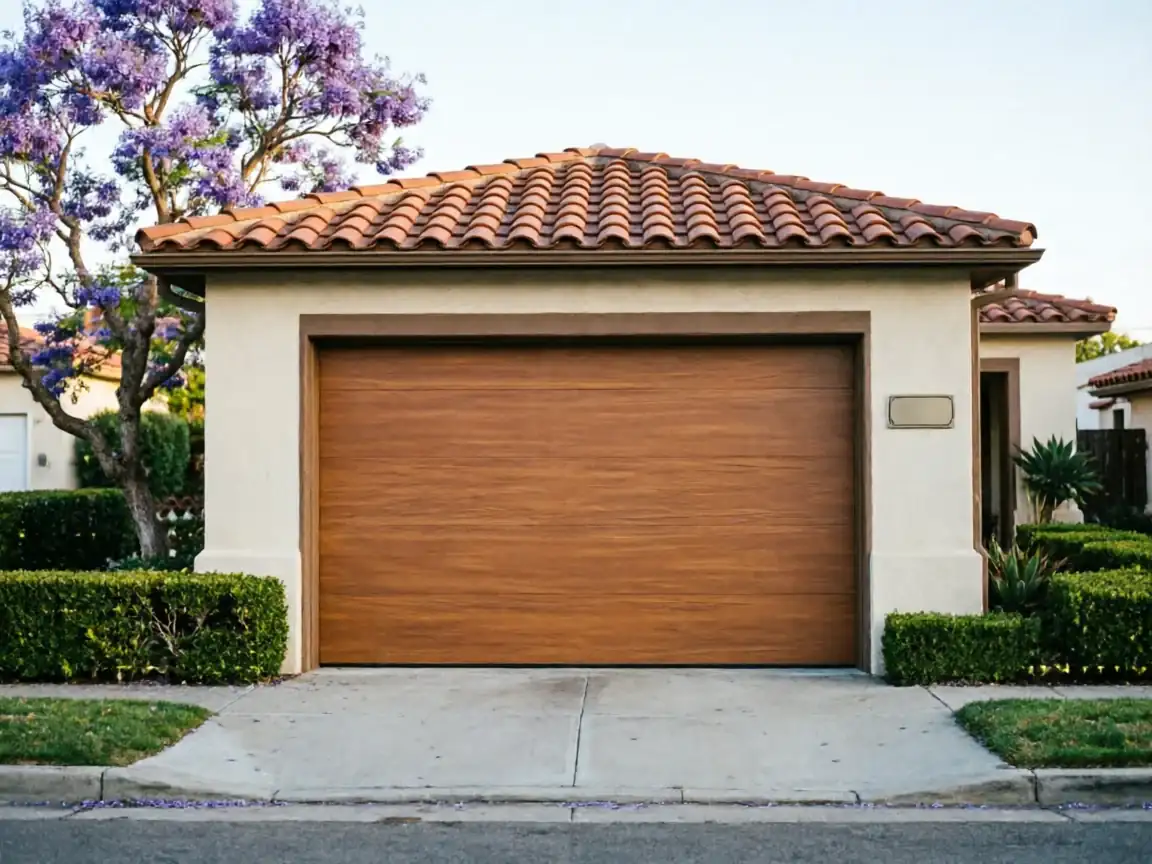
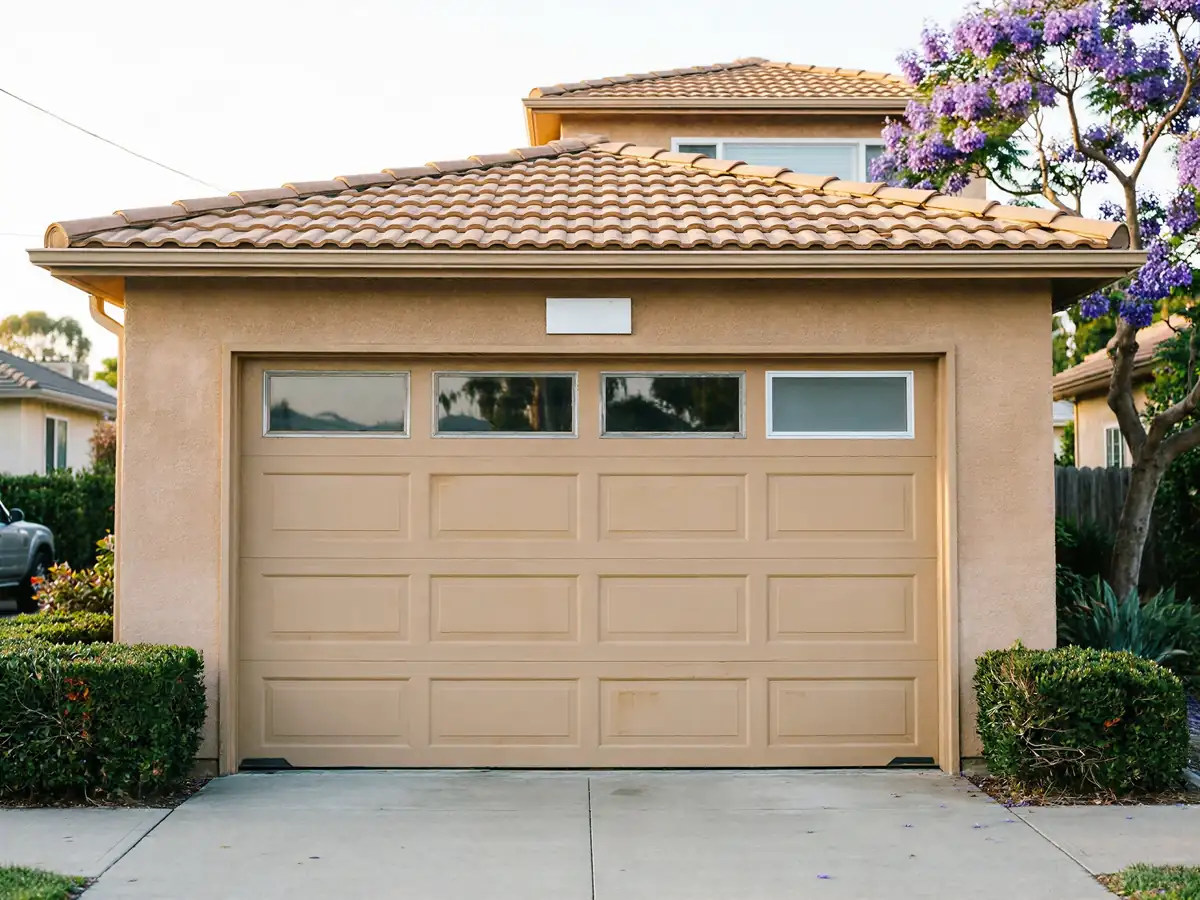
Most of the houses in Vista's mapped neighborhoods went up between 1970 and 2003, with the typical build year sitting around 1982. That means a lot of garages in this town are still running the door and track hardware that came with the house - now 40 to 50 years old. Steel doesn't last forever, and neither does the galvanizing on the track or the finish on the springs.
Vista's climate is mild temperate, so this isn't a story about freeze-thaw cracking a panel or hail denting a skin the way it would be inland or up north. What wears these doors out here is slower and less dramatic: decades of sun and daily heat-cycling on steel that was never insulated in the first place. The door expands and contracts every single day, year after year, and eventually the seams, the rollers, and the hinges give up.
Across the service area's roughly 25,689 owner-occupied houses, the bulk of that stock is 1980s and 90s construction. These openings were framed for a lighter, single-layer door - not the heavier insulated units most owners want when they replace. That mismatch between what the opening was built for and what's available on the showroom floor now is the real driver behind most installation calls we get, more than any single breakdown.
The Symptom
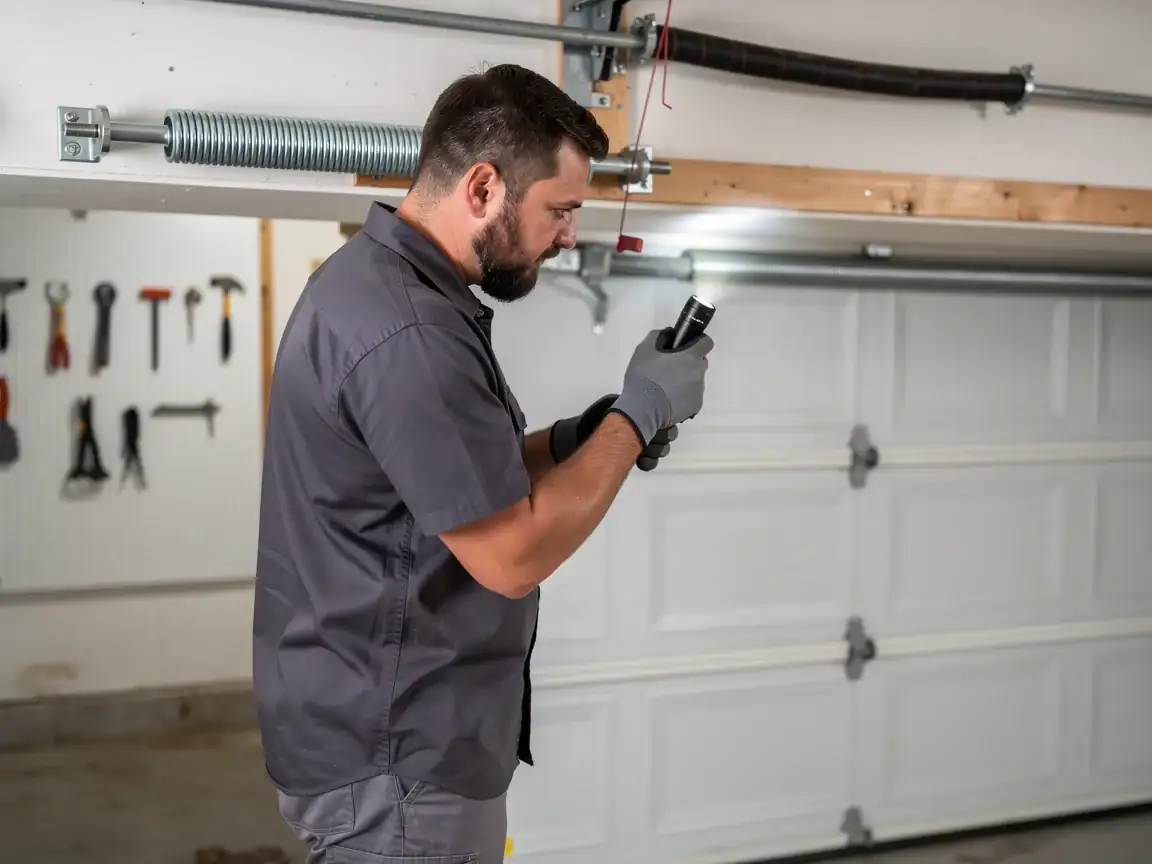
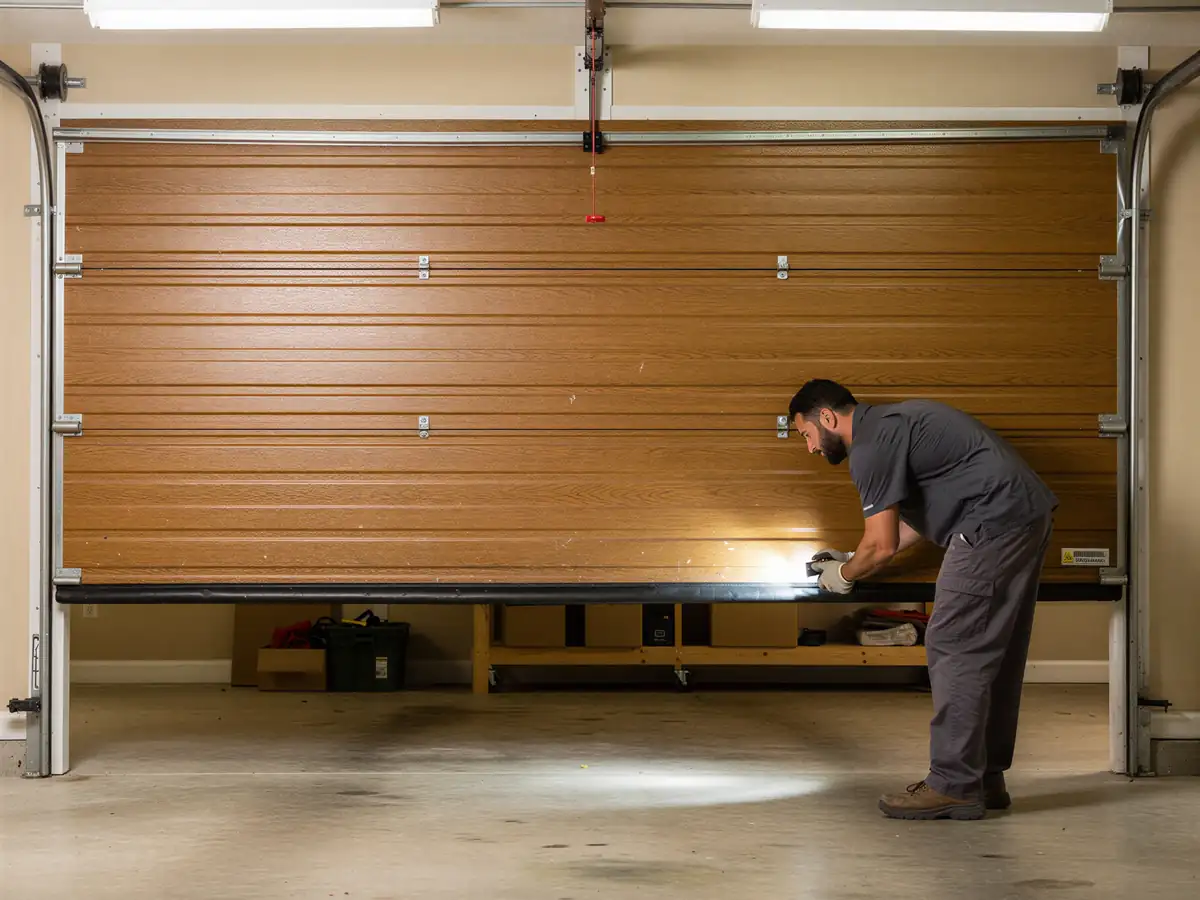
It usually starts small. The door takes a beat longer to close, or it stutters partway down the track before the opener forces it the rest of the way. Some owners notice daylight at the bottom corners that wasn't there before - the door isn't sealing square anymore because the track has shifted slightly on fasteners that have been working loose for years.
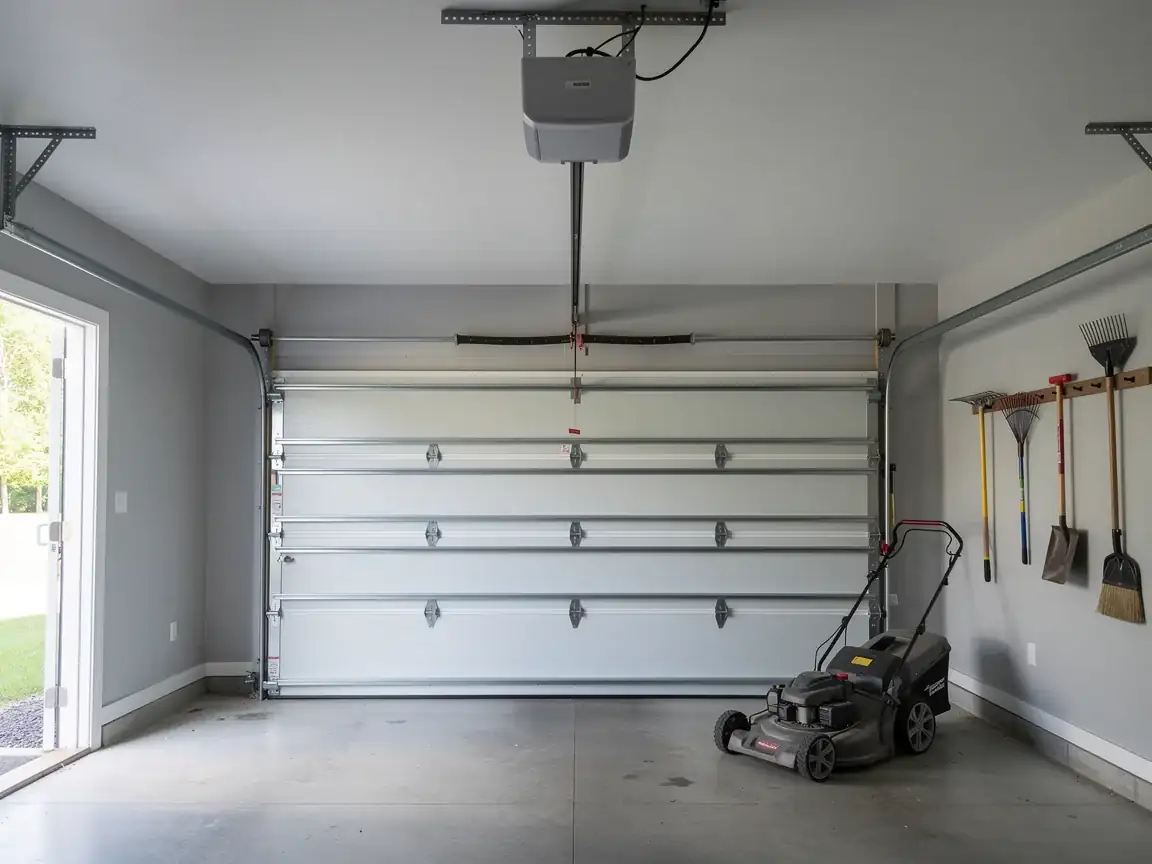
On the older single-layer doors common to Vista's 1980s and 90s stock, you'll also see the skin itself start to show it: faint wave patterns across a panel from years of heat expansion, or a section that sounds different when it opens, a little more hollow, a little looser. None of that is an emergency the way a snapped cable is. It's a door telling you it's near the end of its service life rather than failing outright.
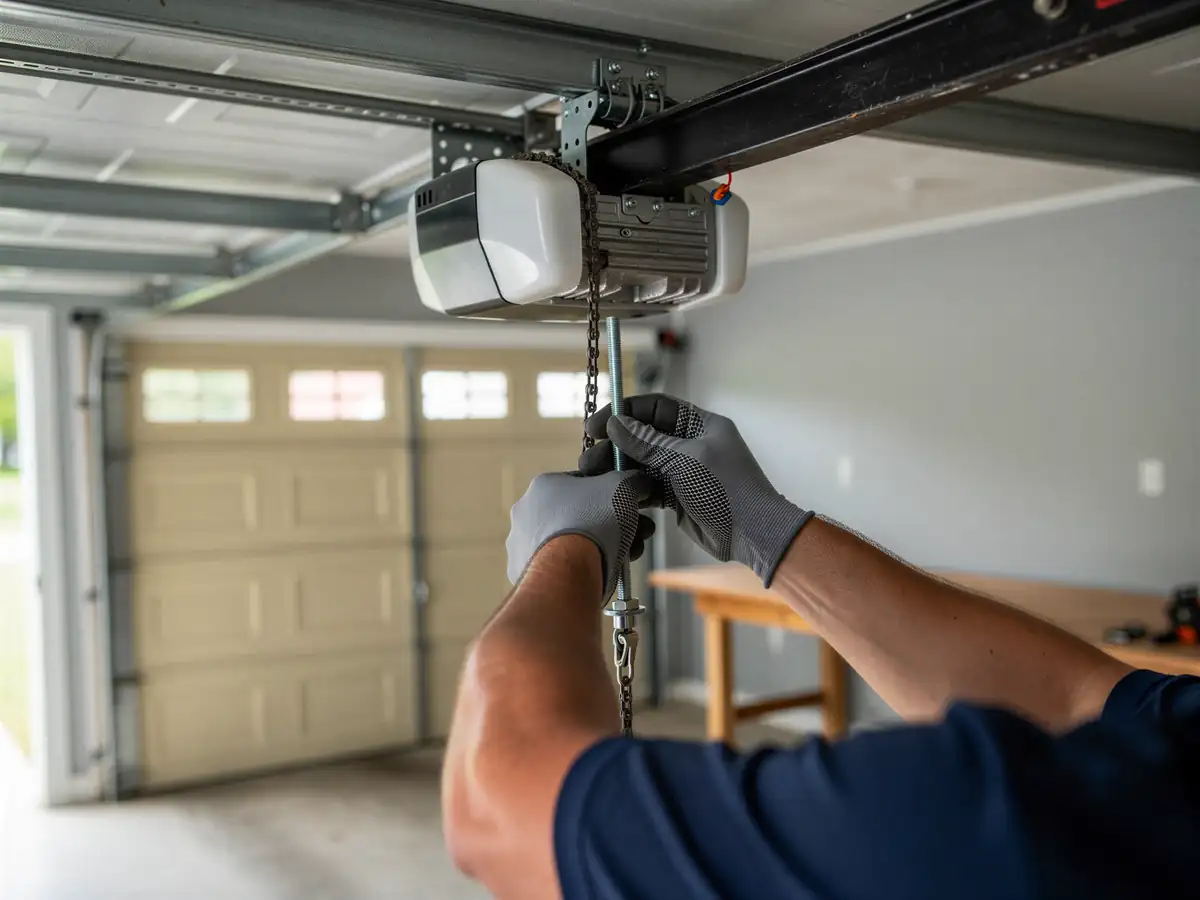
The opener side shows its own version of the same thing. A motor that used to lift the door in three seconds now takes five, or it reverses on the way down because the door is heavier than the opener expects as components inside it fatigue. That's not usually an opener problem - it's the door losing balance as the springs and hardware age out underneath it.
The Complications
The complication with houses from this era isn't the door itself
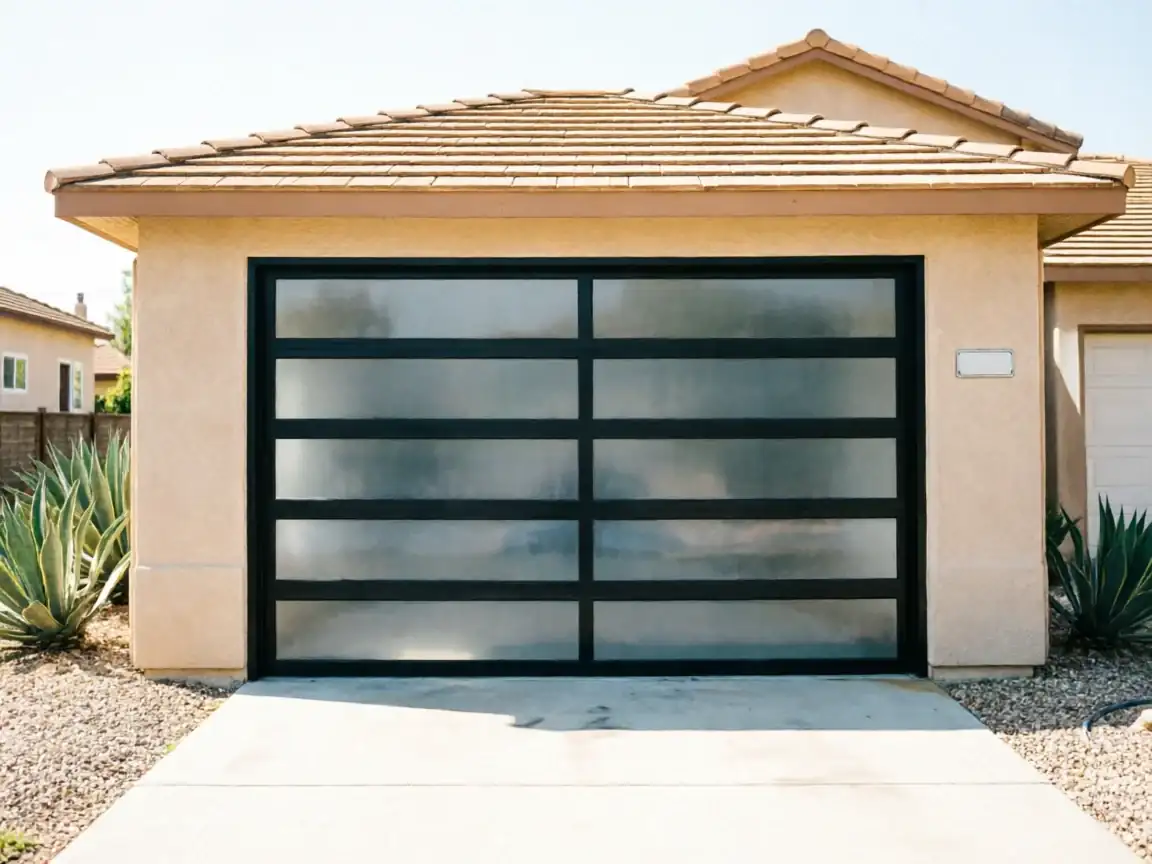
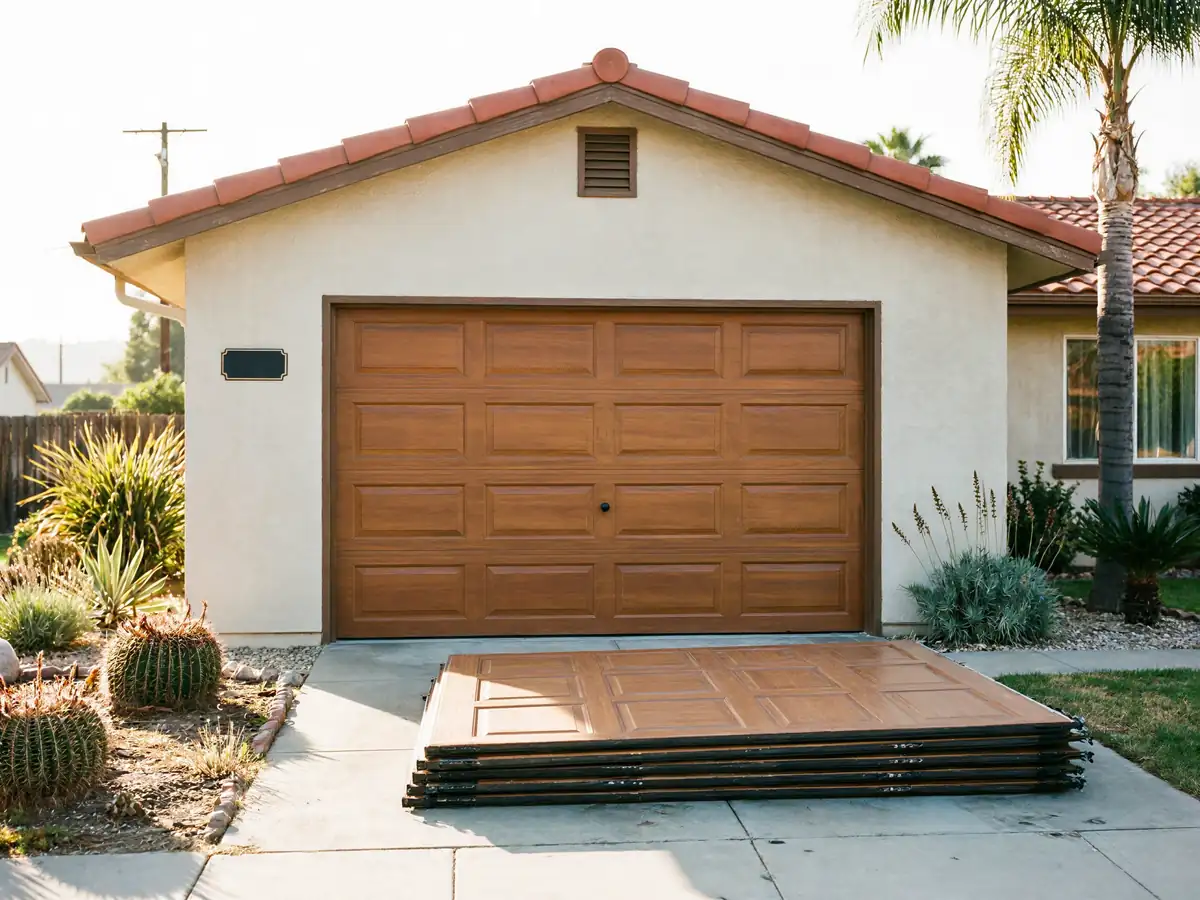
It's everything the door is attached to. A 1980s opening was framed and trimmed for whatever single-layer door the builder spec'd at the time. Swap in a modern insulated door, which is thicker and heavier, and the track, the header bracket, and sometimes the springs all need to be sized up to match, not just bolted on as a direct swap.
Across the service area's roughly 63,814 households
A good share of the owner-occupied houses we see fall into that same build window, so this isn't a one-off - it's the normal condition of an installation job here. With a median household income of $110,316 across the area, a fair number of owners are choosing to upgrade to an insulated, code-current door rather than spend on a repair that patches a door that was already near the end anyway.
- 63,814 households
- $110,316 median household income
The other complication is wiring and sensor placement
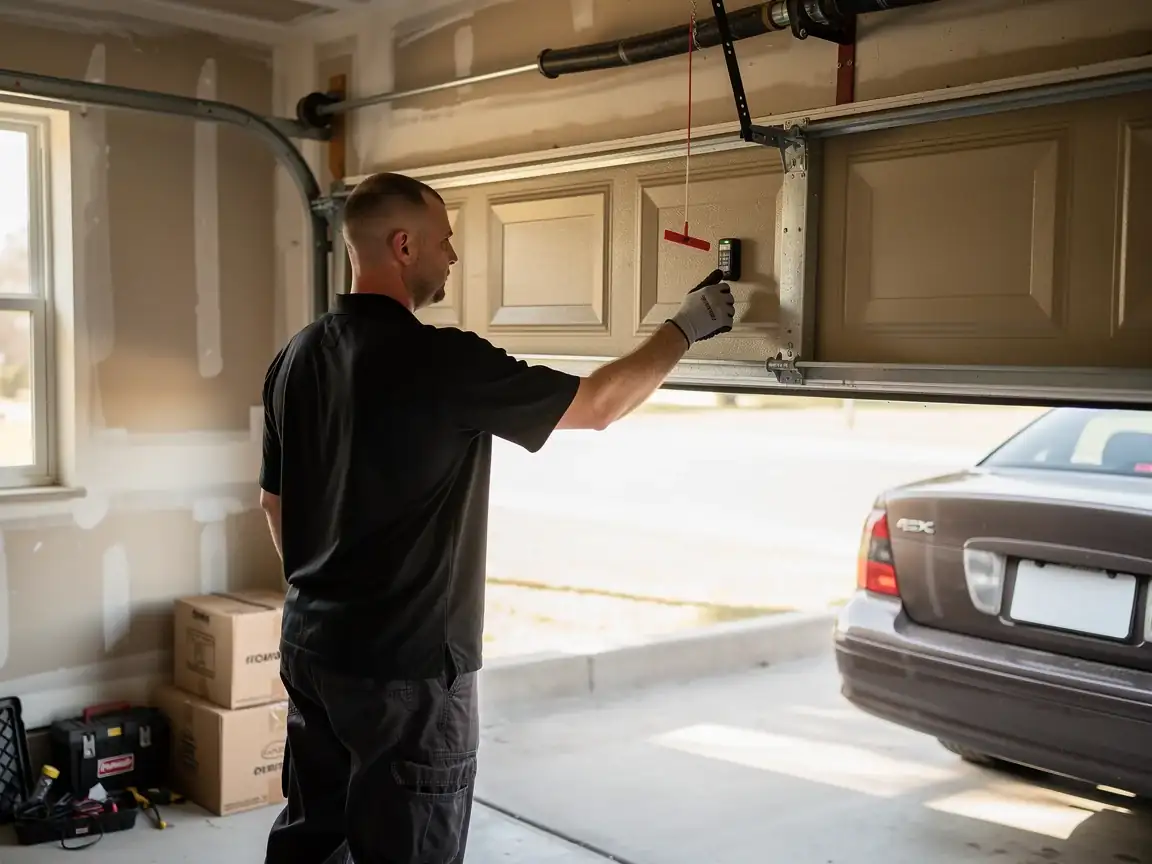
Openers from that era often predate current safety-sensor standards, so an honest installation includes bringing the sensor and reversing mechanism up to current code - not just hanging a new door on old brackets and calling it done.
The DIY Question
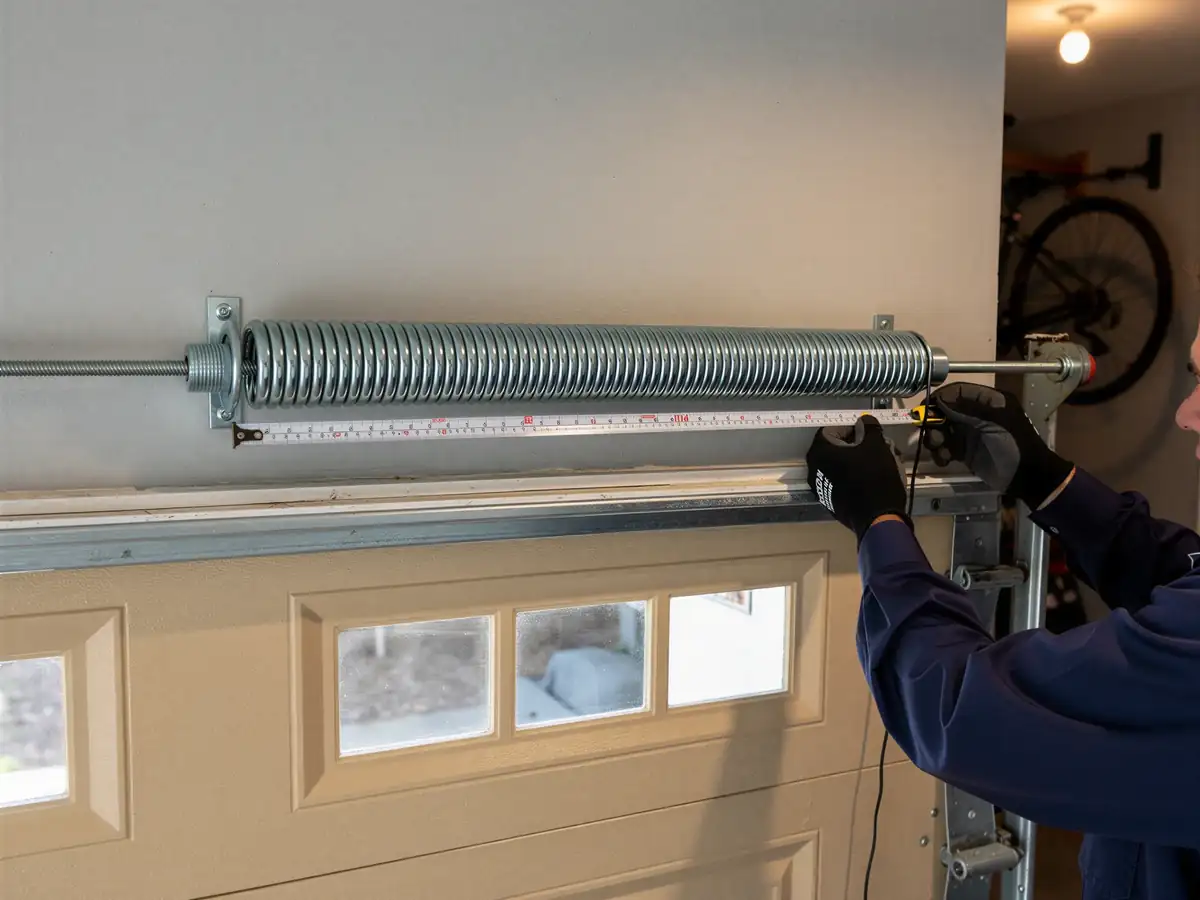
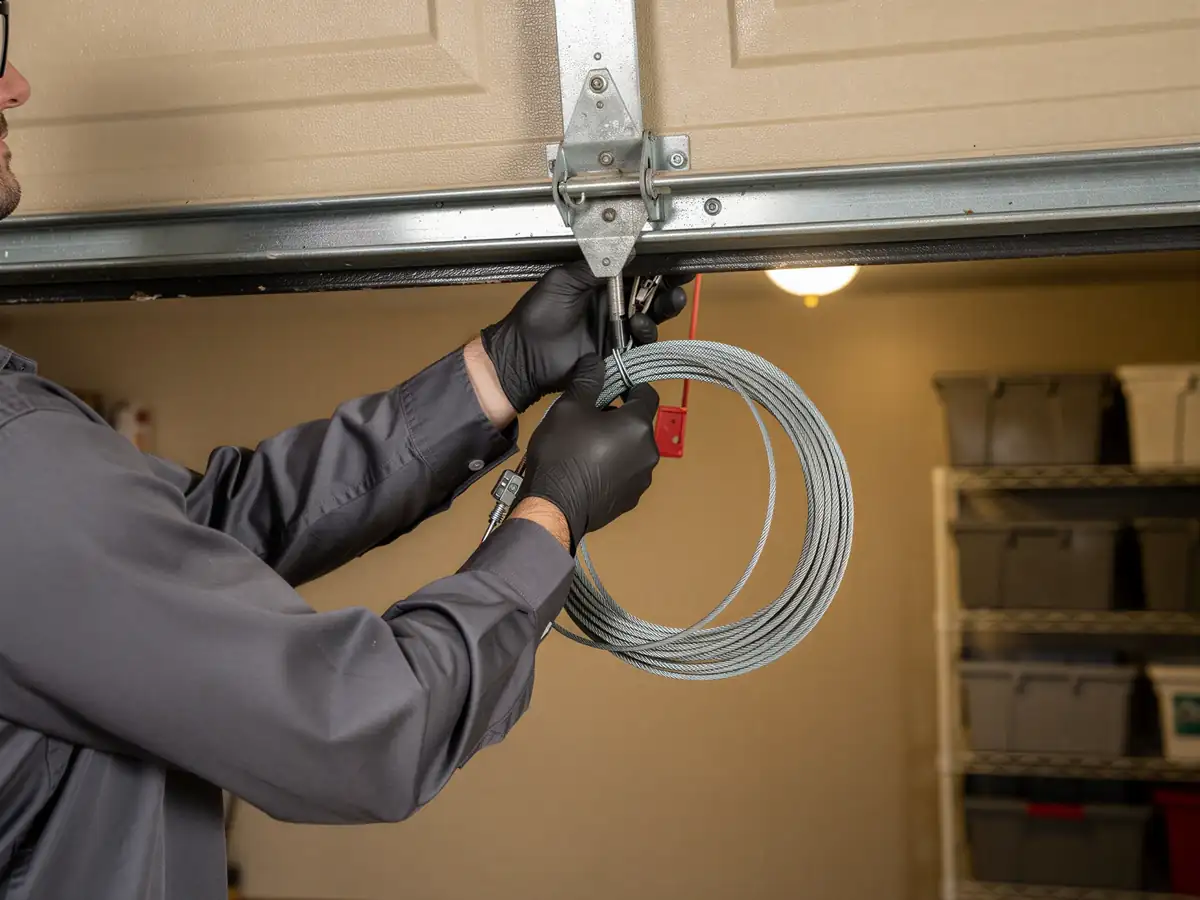
We'll say this plainly: installing a garage door is not a weekend project, and we don't recommend it as one. A torsion spring under full tension can break a hand or worse if it's wound or released wrong, and a 1980s-era door - even a tired one - still weighs enough to do real damage coming off a track unevenly.
There's also a limit on our end worth naming honestly: we install the door, track, and opener hardware, but we don't do structural framing work. If an opening has settled or shifted enough that the header itself needs rebuilding, that's a carpentry job that happens before we come back to hang the door.
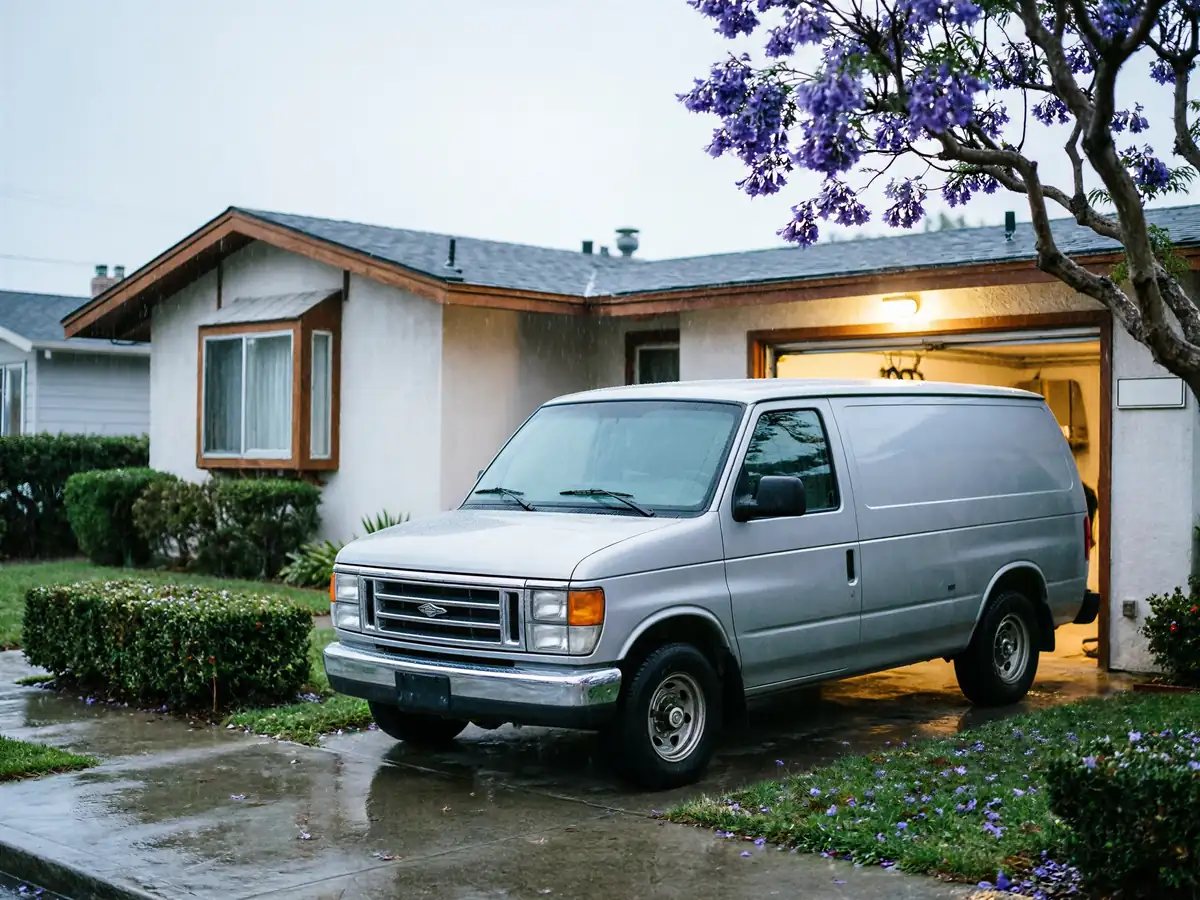
For a straight swap - same rough opening, newer insulated door, updated track and sensors - that's exactly the kind of job suited to the housing stock across Vista, where most openings share the same era and roughly the same dimensions. It's worth getting it measured properly rather than guessing off the old door's size, since even a half-inch mismatch on 40-year-old framing can turn a same-day install into a return trip.