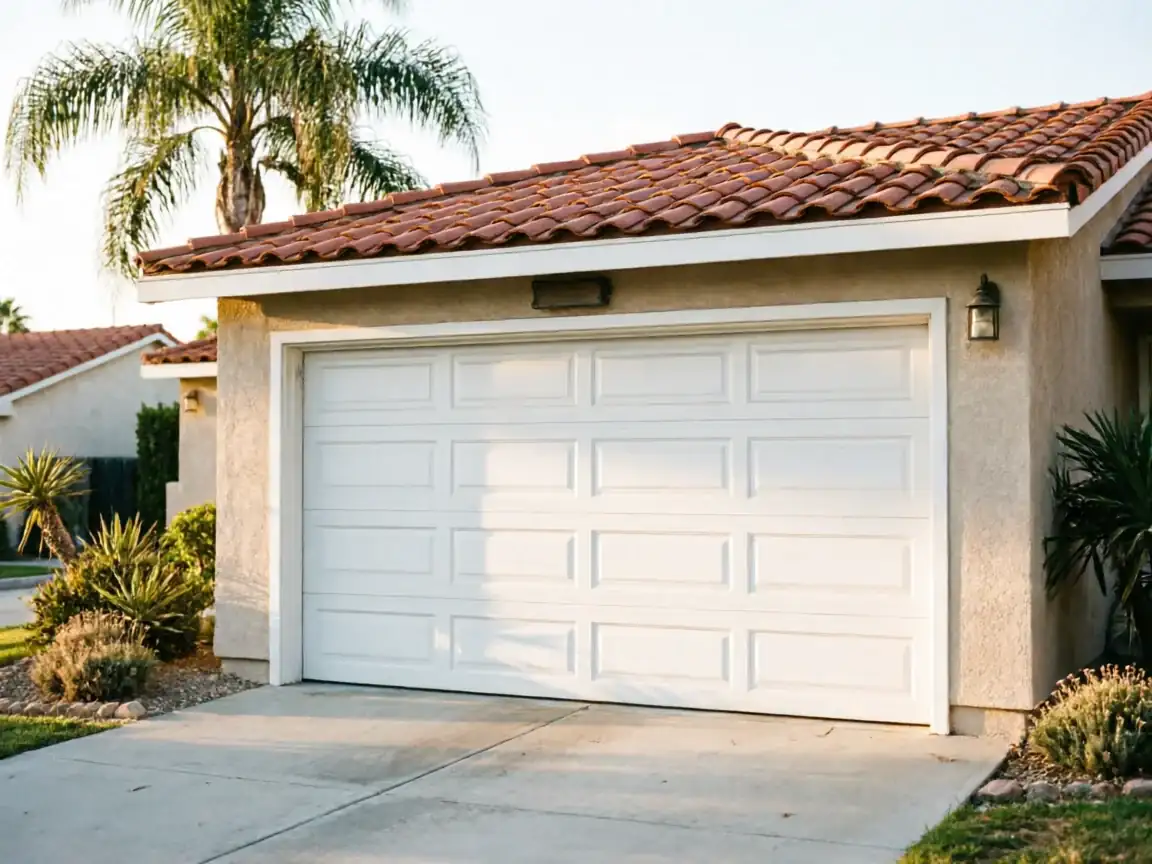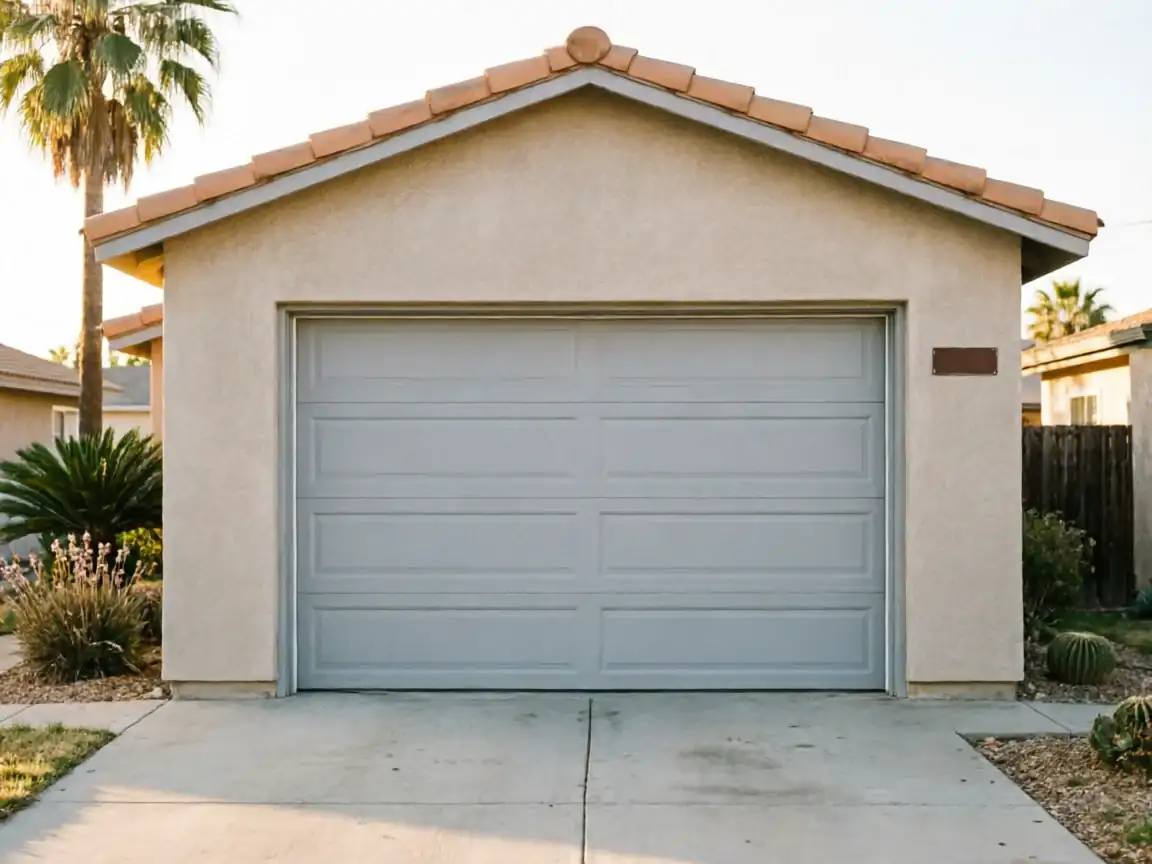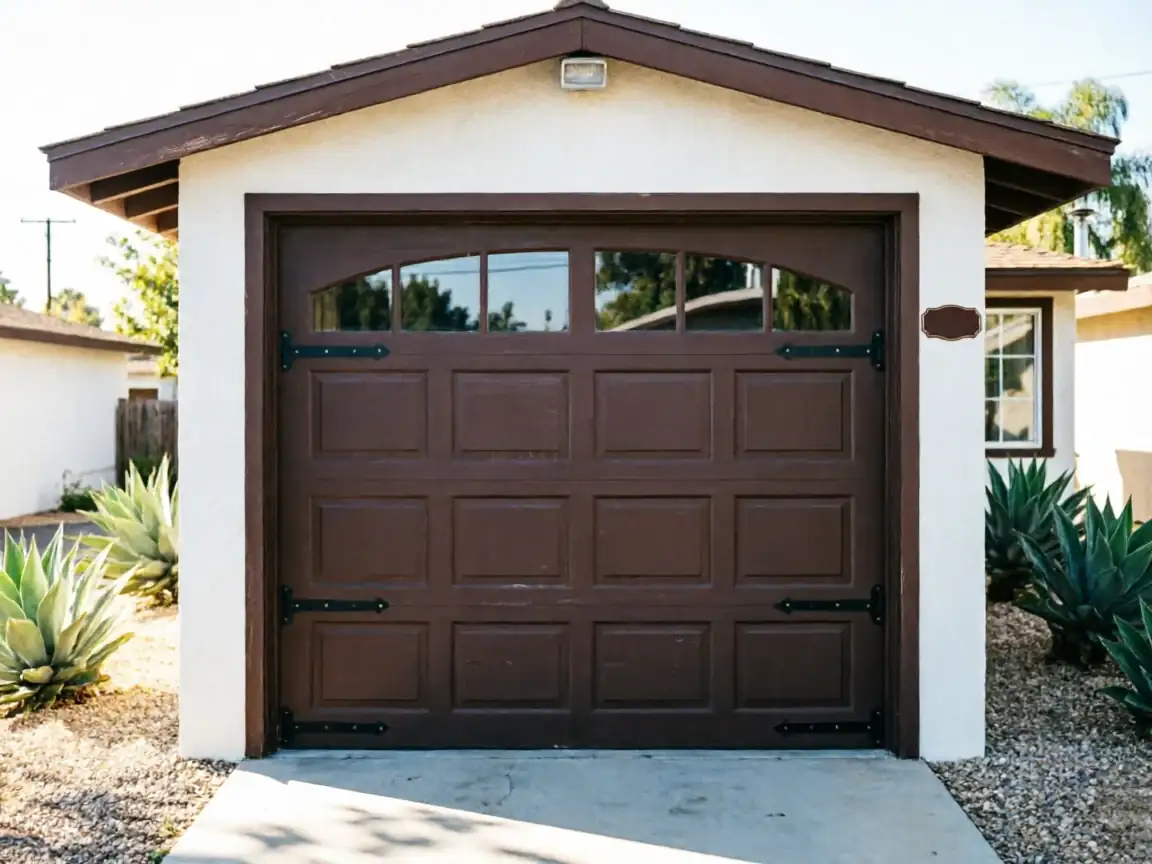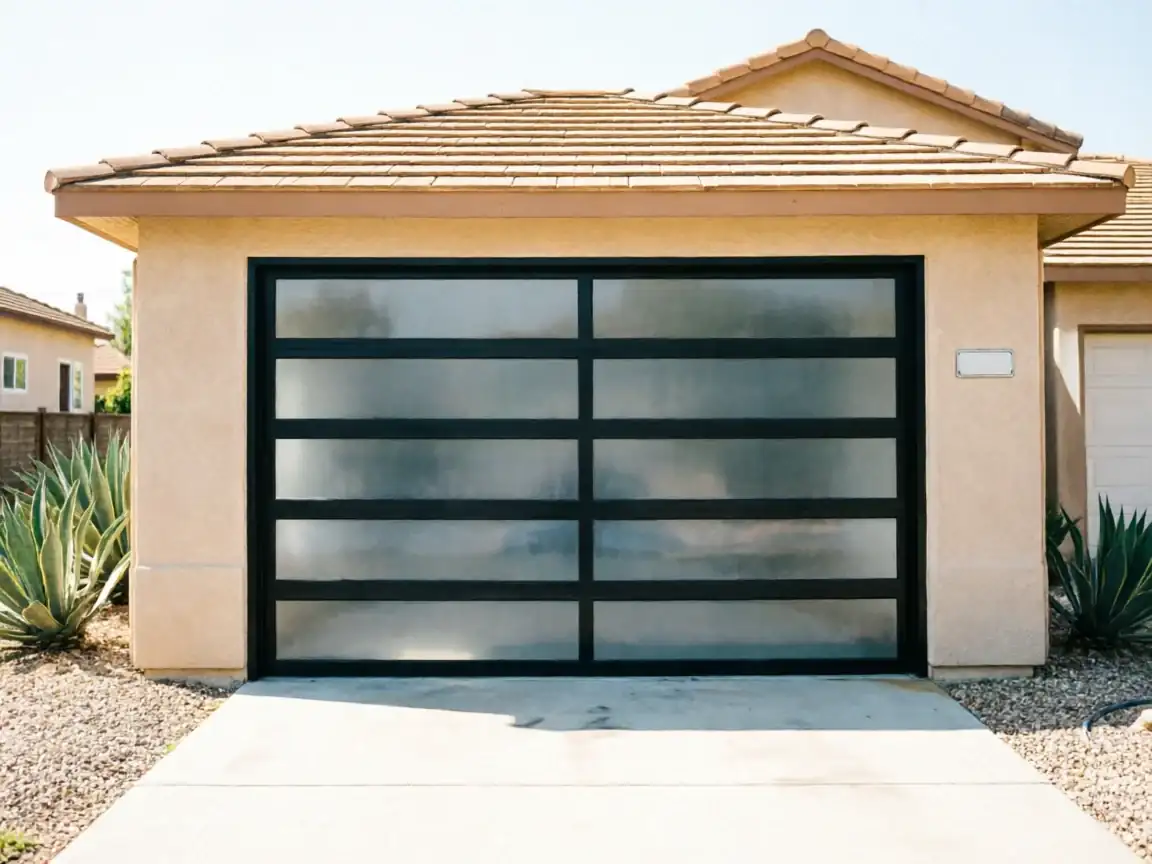
Why It Happens Here
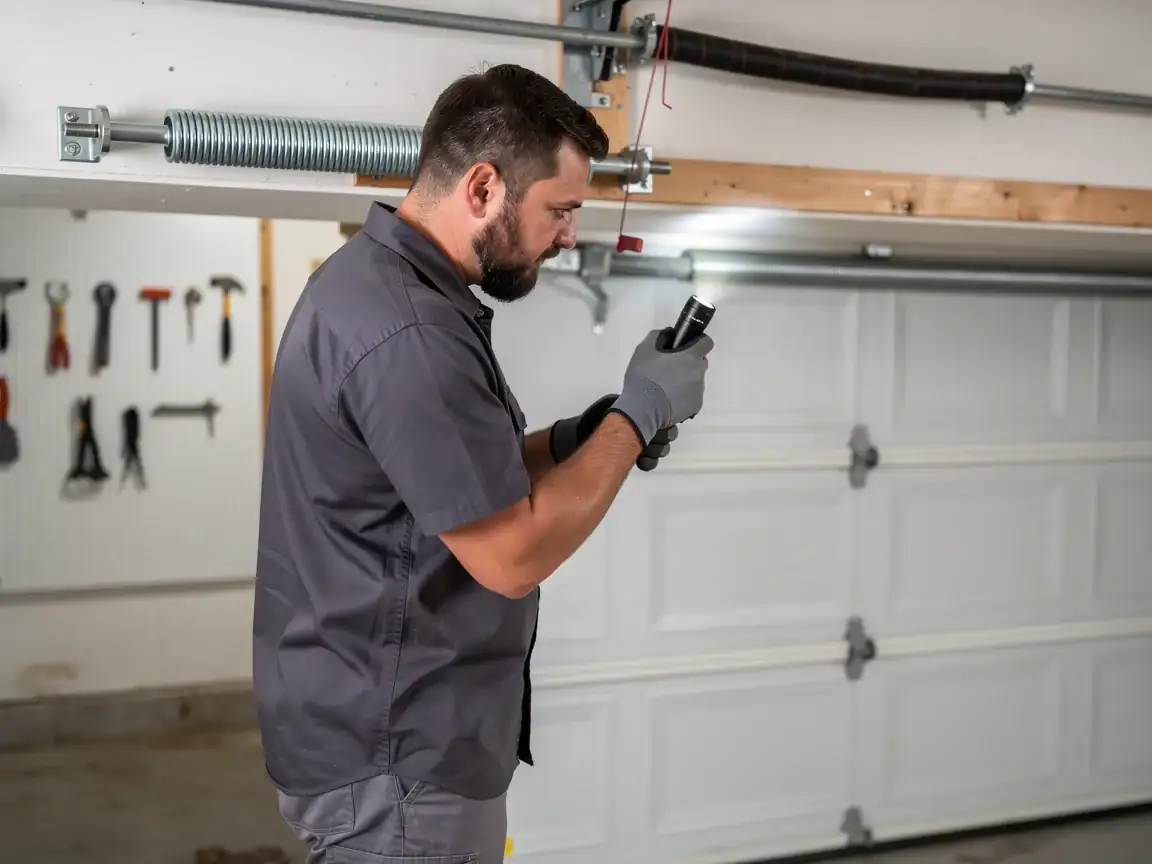
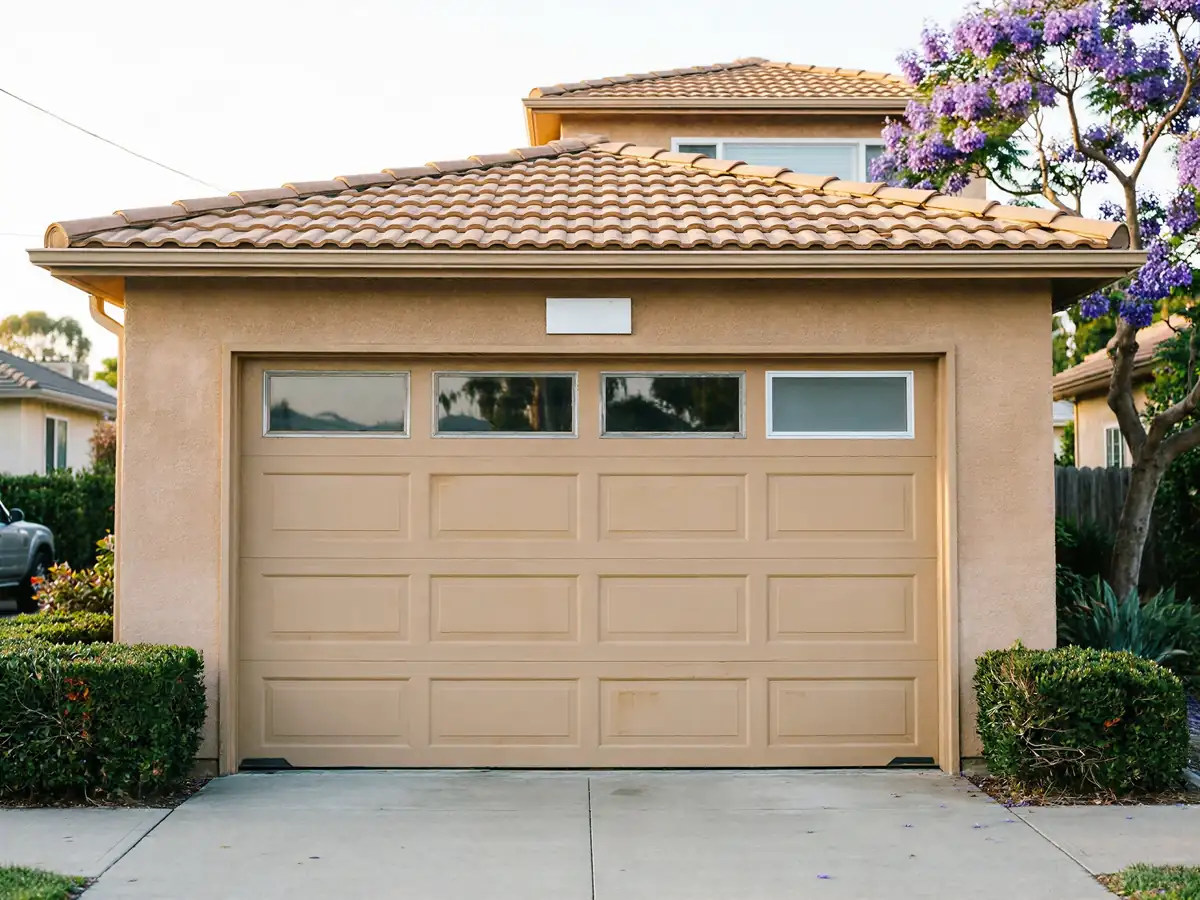
Most of the housing stock across this service area went up between 1970 and 2003, with the median build year landing around 1982. That matters for springs because torsion springs are rated for a set number of open-close cycles, usually somewhere around 10,000, and a door opened twice a day for forty-plus years is well past that number whether anyone's touched the hardware or not. Across the 13 communities we cover, construction clustered heavily in the 1980s and 90s, which means a huge share of the garages out here still have their original spring, or a replacement that's now itself aging out.
The mild temperate climate actually works against an easy explanation here. There's no hard freeze cycling the metal, no major humidity swings corroding coils the way you'd see in other parts of the country. When a spring lets go in this area, it's almost never weather. It's fatigue - the coil has simply flexed itself to the breaking point after decades of normal use. That's a quieter failure mode than storm damage, but it's just as sudden, and it's the single most common reason we get a same-day call.
The Symptom
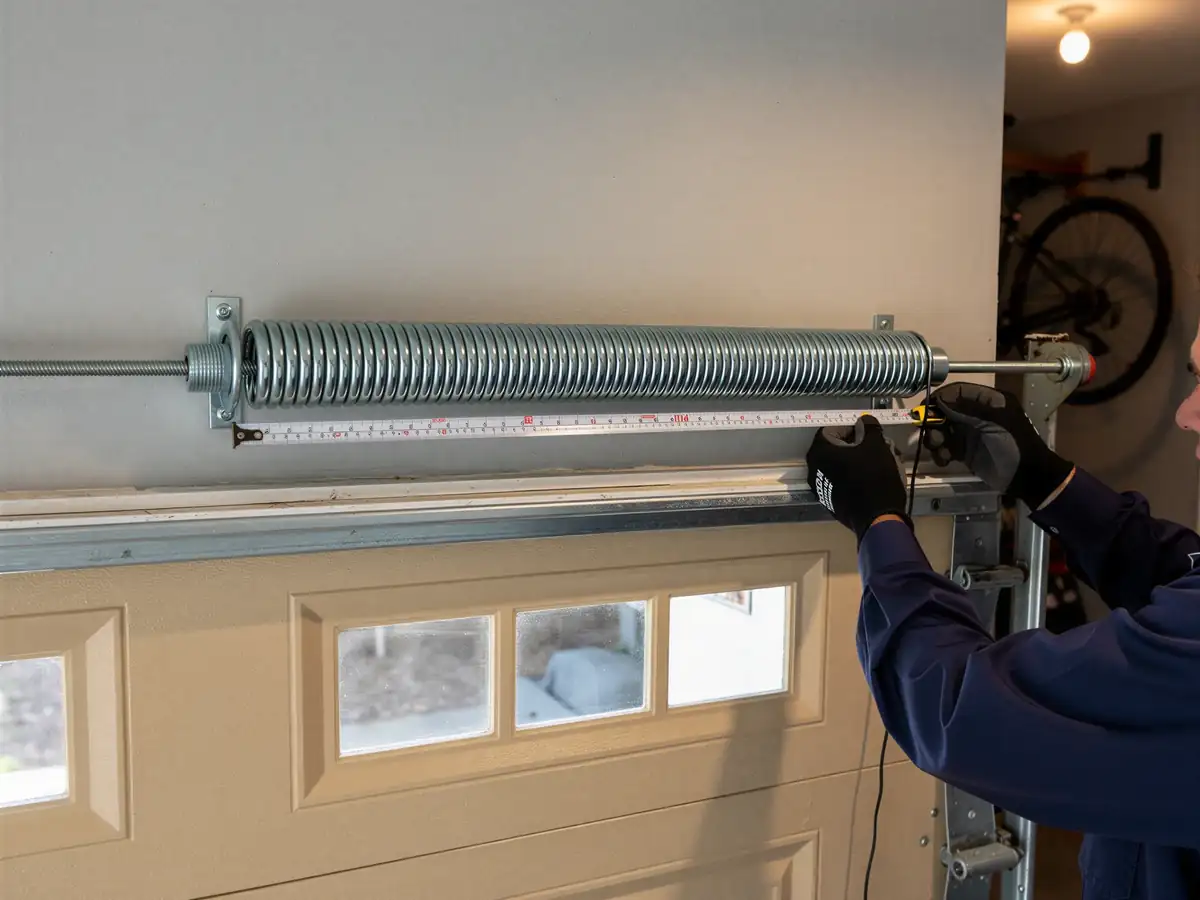
A spring on its way out rarely gives much warning, but there are a few tells. The door feels heavier than it used to when you lift it by hand with the opener disconnected - that's the spring losing tension gradually before it snaps outright. Some owners hear a loud bang from the garage, often mistaken for a car backfiring or something falling in the attic; that's the spring breaking under load, not a slow leak of power.
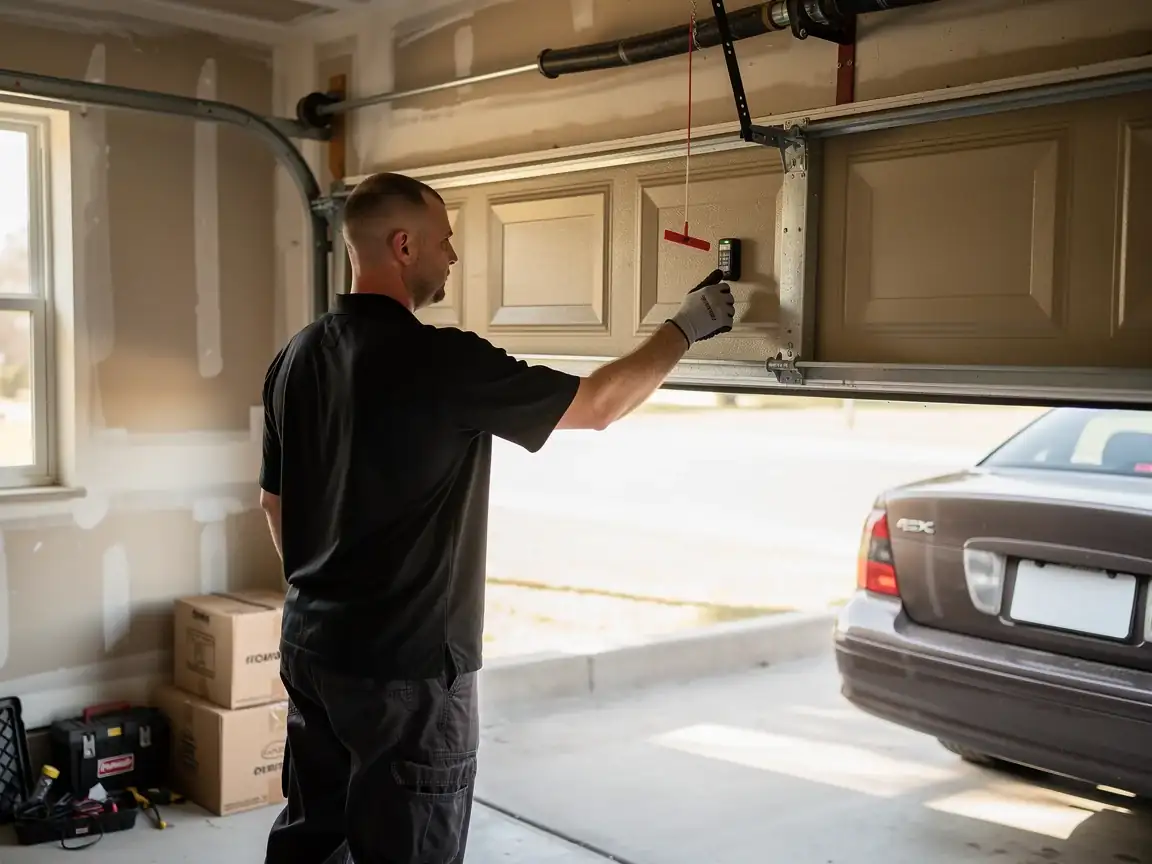
Once it's actually broken, the opener will usually still run the motor, but the door won't lift, or it lifts a few inches and stalls. You might also see the door hang crooked, with one side higher than the other, which usually means one spring broke on a two-spring setup and the other is still holding its side. Don't keep hitting the button hoping it'll clear the jam - that strains the opener's drive gear and the remaining spring, turning one repair into two.
The Complications
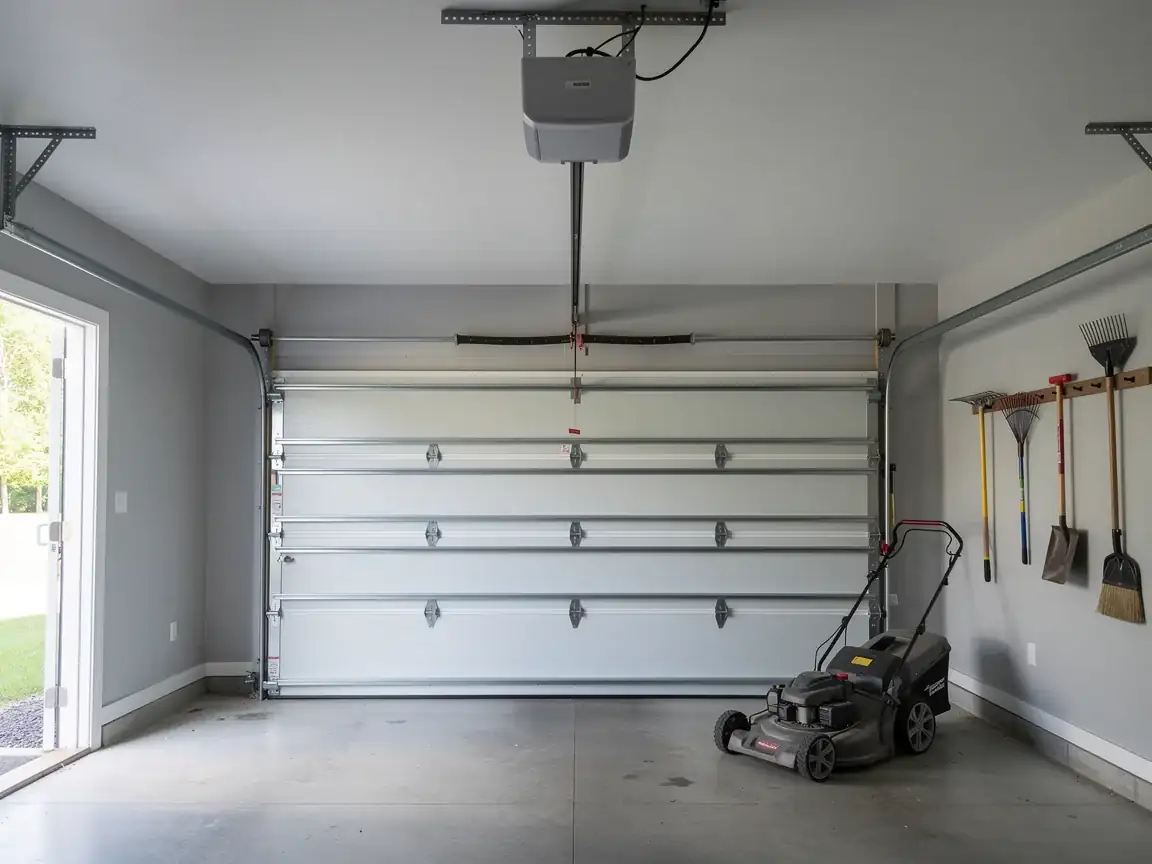
A lot of the two-car garages built in this area during the 80s and 90s run double torsion springs rather than one centered spring
Since wider doors need the extra lift capacity. When one of a pair breaks, the other one is usually close behind it in cycle count, which is why we generally recommend replacing both at once rather than waiting for the second failure a few months later. Doing one at a time also throws off the balance between the two sides, which puts uneven strain on the rollers and track.
Older installs sometimes have springs that were sized for a lighter door than what's currently hanging
Especially if the original door was swapped for an insulated replacement at some point without resizing the spring. That mismatch shows up as a door that struggles even with a brand-new spring installed. It's not common, but it's worth checking before assuming a repair that didn't take was a bad part.
The DIY Question
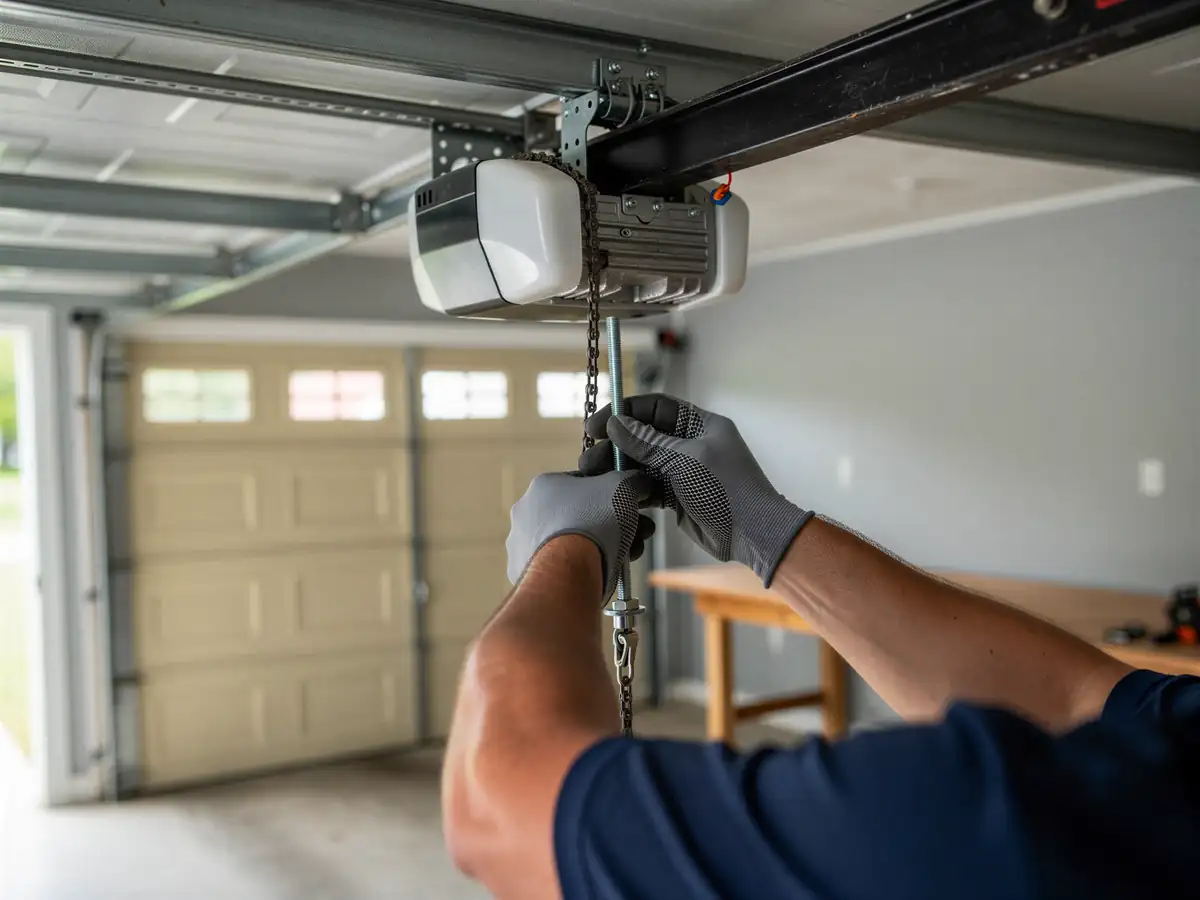
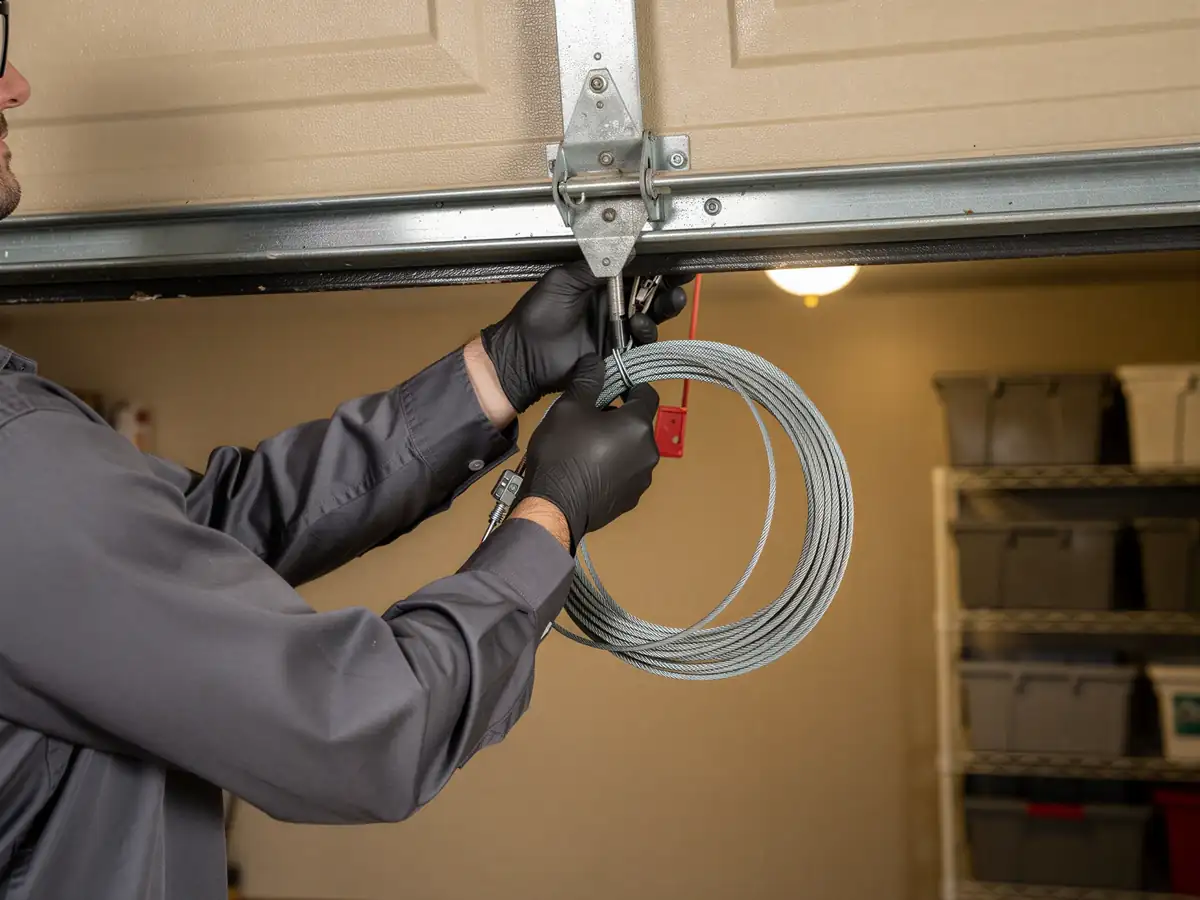
We'll say it plainly: torsion spring replacement is not a reasonable weekend project. The spring is wound under several hundred pounds of stored tension, and the tools to safely unwind and rewind it - proper winding bars, a correctly sized socket, the door clamped and secured - aren't things most garages have lying around. People have lost fingers and worse on this exact job. If you're comfortable with electrical work or plumbing, this isn't the same category of risk.
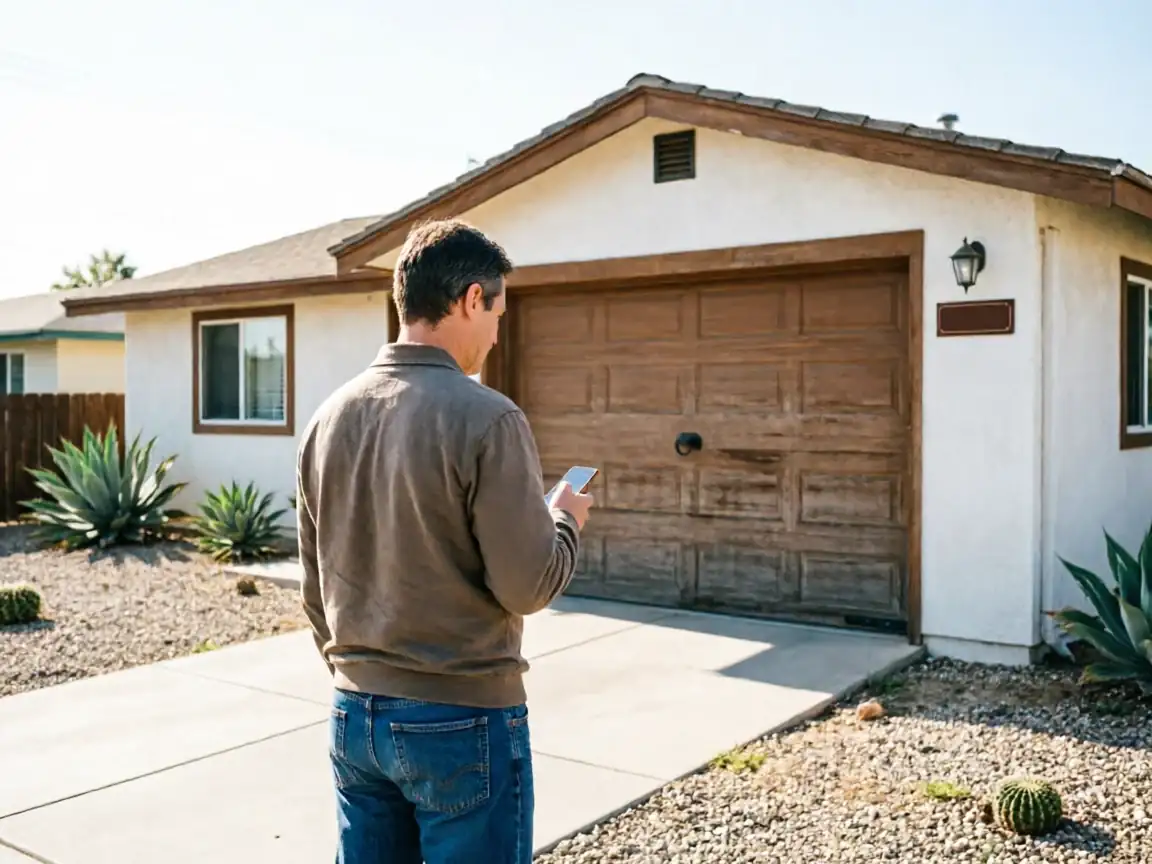
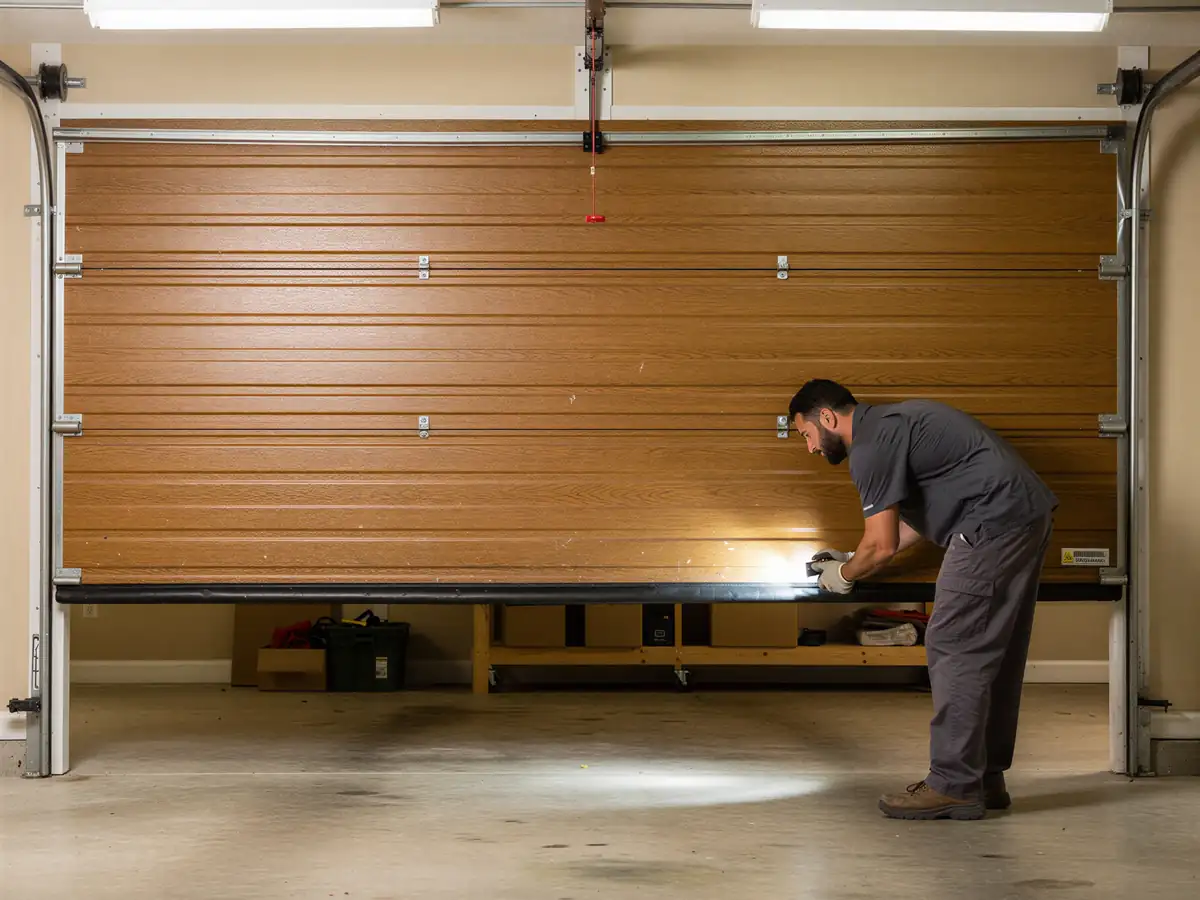
What you can safely check yourself: whether both springs look intact, whether the door is hanging level, and whether the opener is still receiving power. That's useful information to have ready when you call, and it can save a diagnostic trip. But the actual spring swap - winding, tensioning, torque-testing - is where we'd tell you to stop and call rather than push through on a video tutorial.