What Local Conditions Do
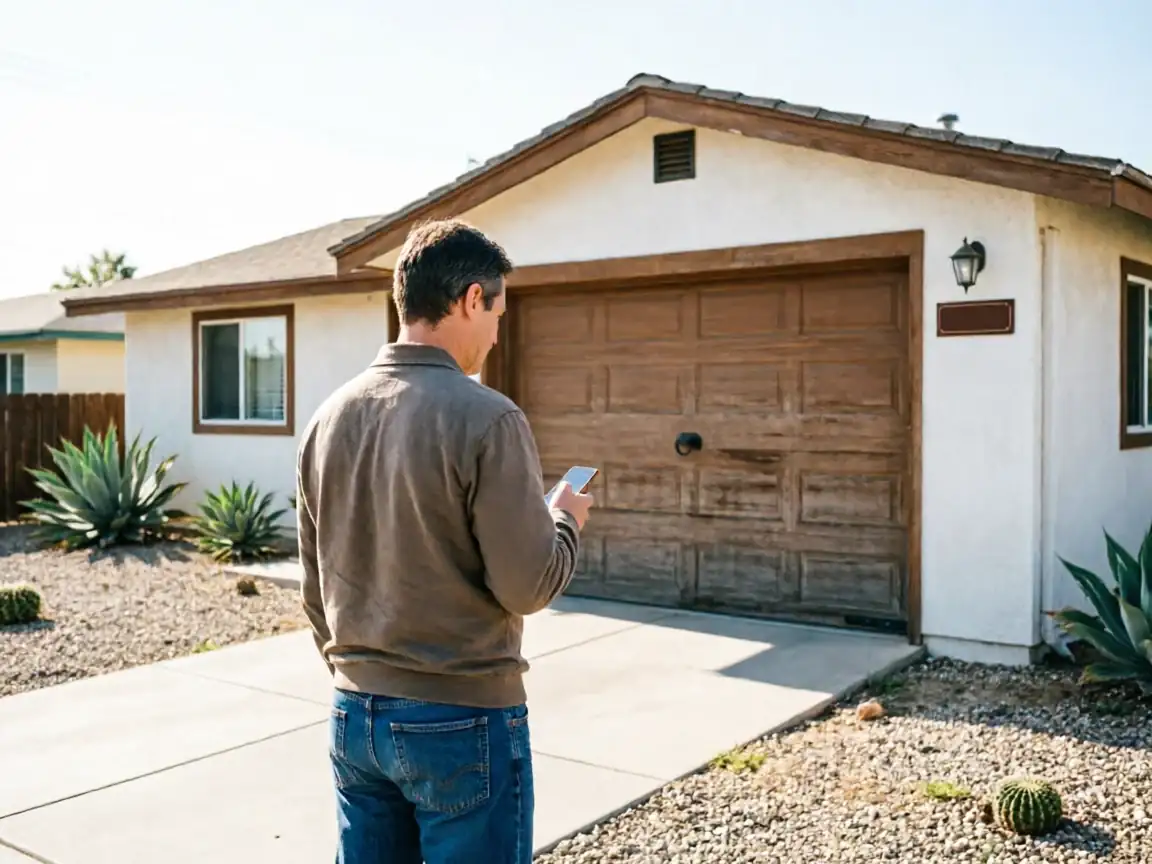
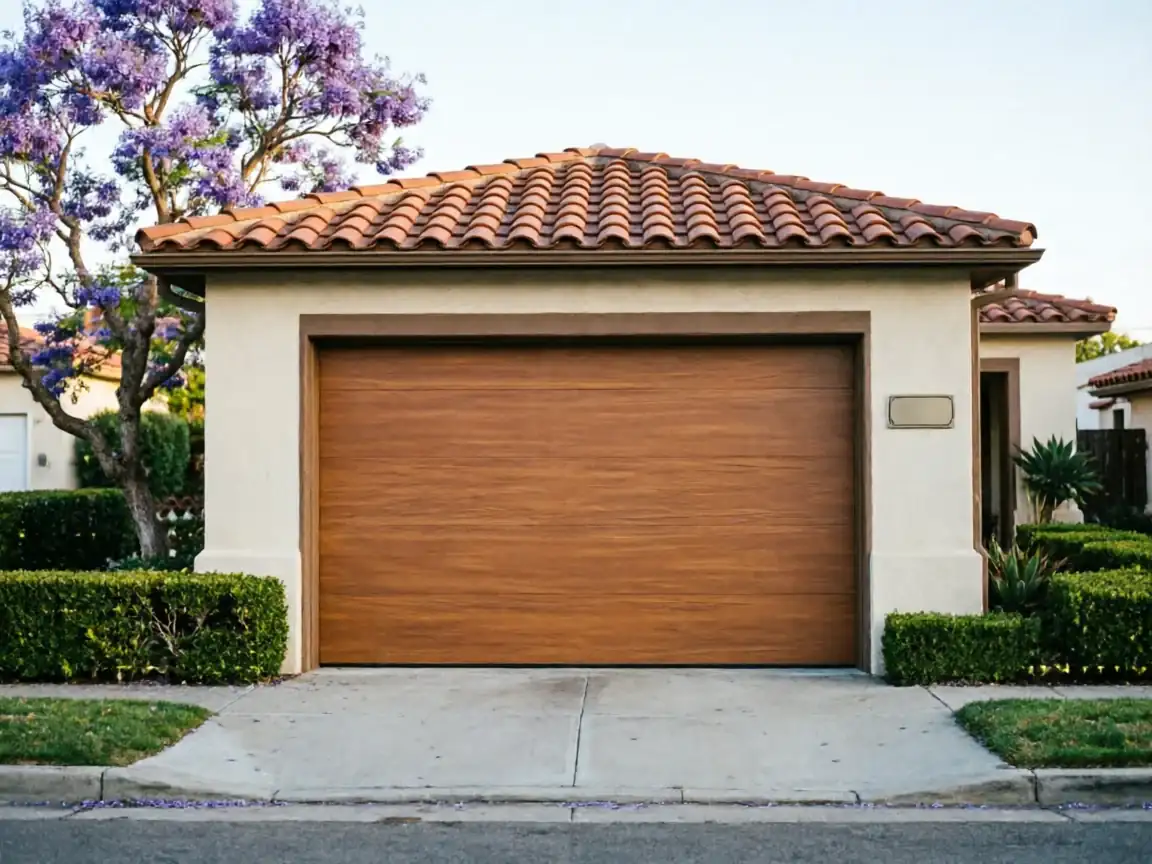
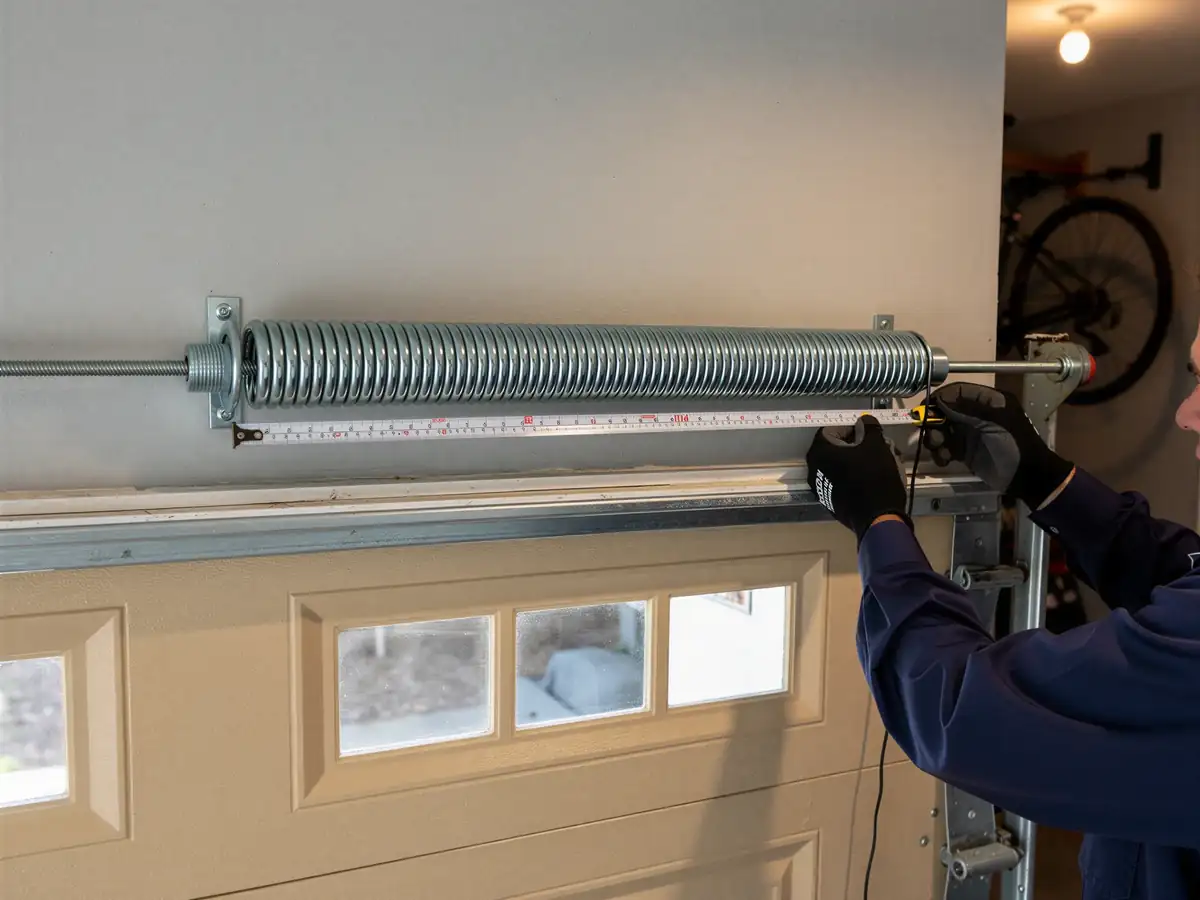
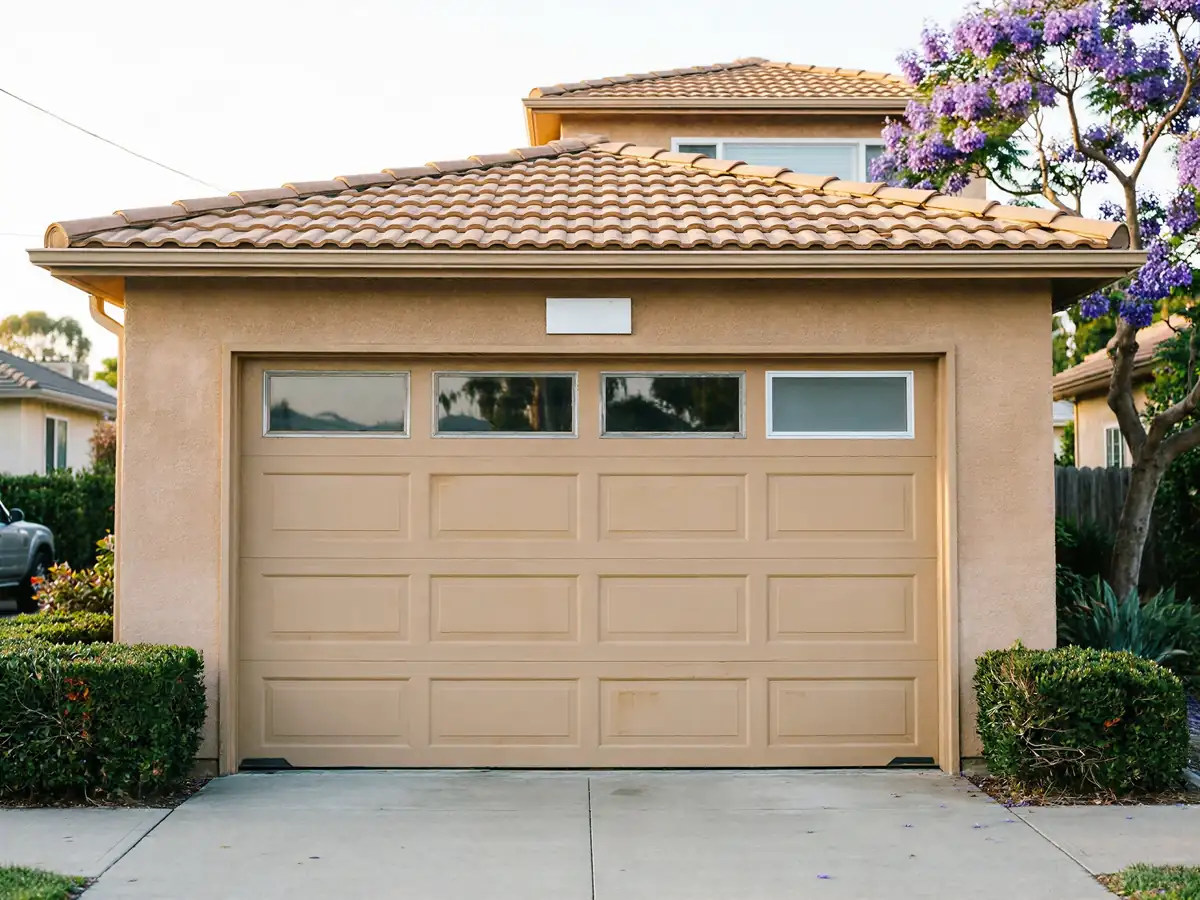
Most of the housing across this service area went up between 1970 and 2003, with the median build year sitting around 1982, and the thirteen named pockets that make up the area lean heaviest toward 1980s and 90s construction. That matters for noise because a door from that era usually still has its original torsion spring sized for lighter, uninsulated panels, paired with steel rollers that were standard before nylon became the default upgrade. Vista sits in a mild temperate band, not a place with big humidity swings or hard freezes, so you're not dealing with the kind of seasonal metal contraction that makes doors groan in places with real winters. When something squeals or bangs here, it's almost never a weather event. It's wear that's been building for decades in a door that's never had a reason to act up before now. A door near a couple of miles southwest, or one out toward Lake San Marcos, five miles out, is working against the same mild air and the same aging hardware. The noise is a mechanical story, not a climate one, and that's actually good news because it narrows down what you're listening for.
When to Call Someone
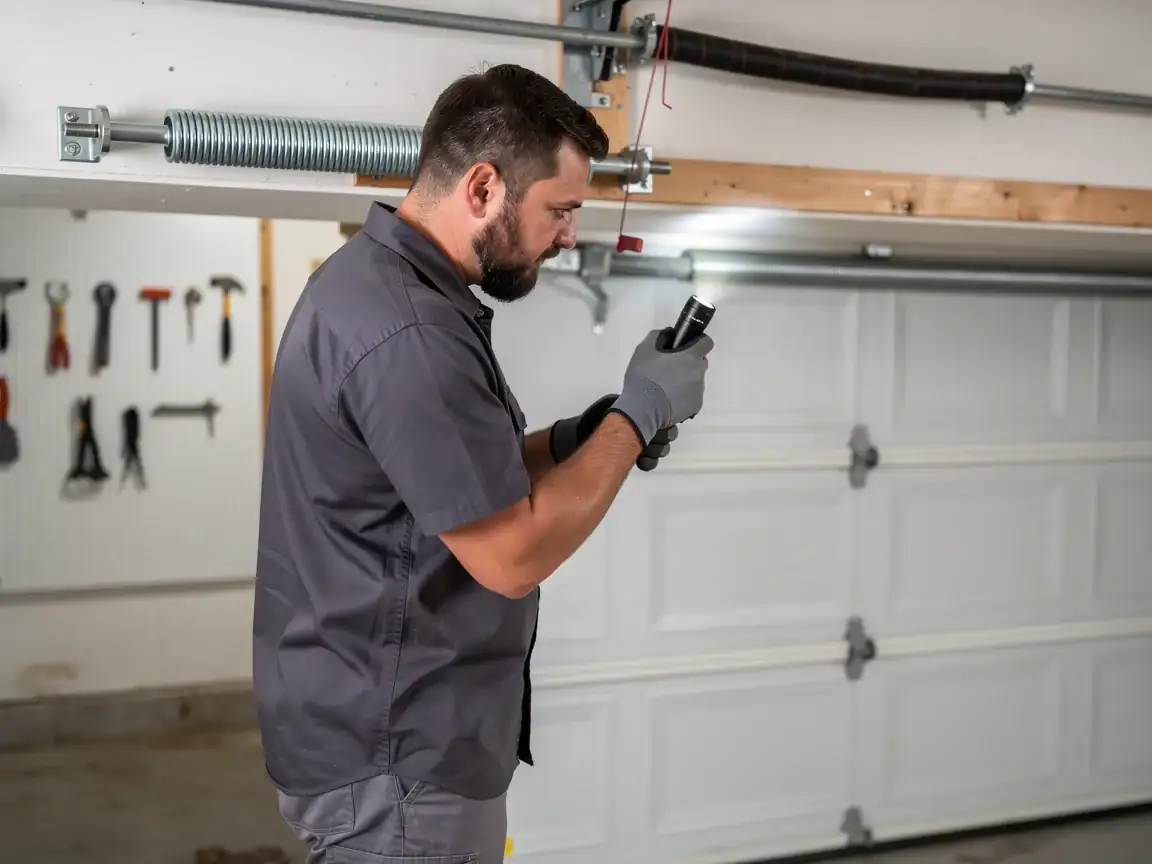
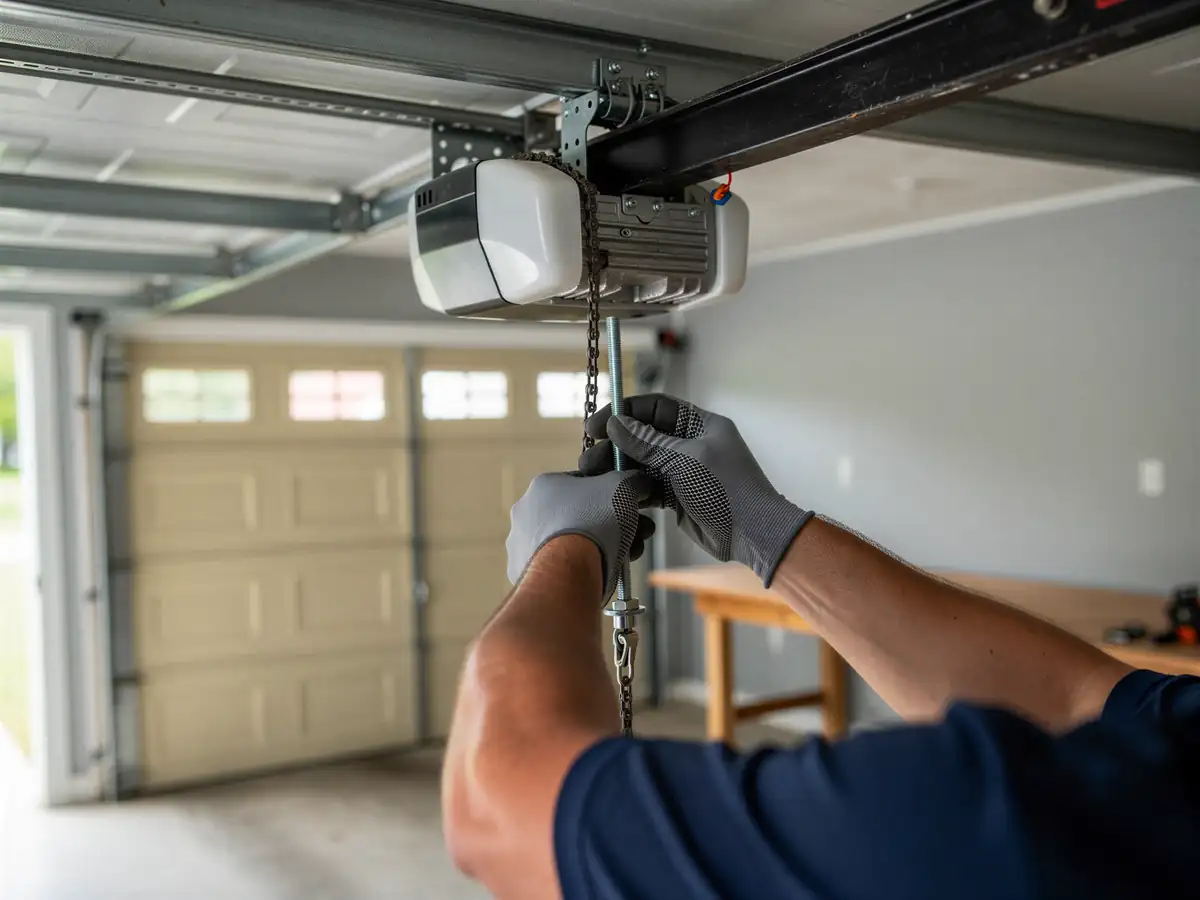
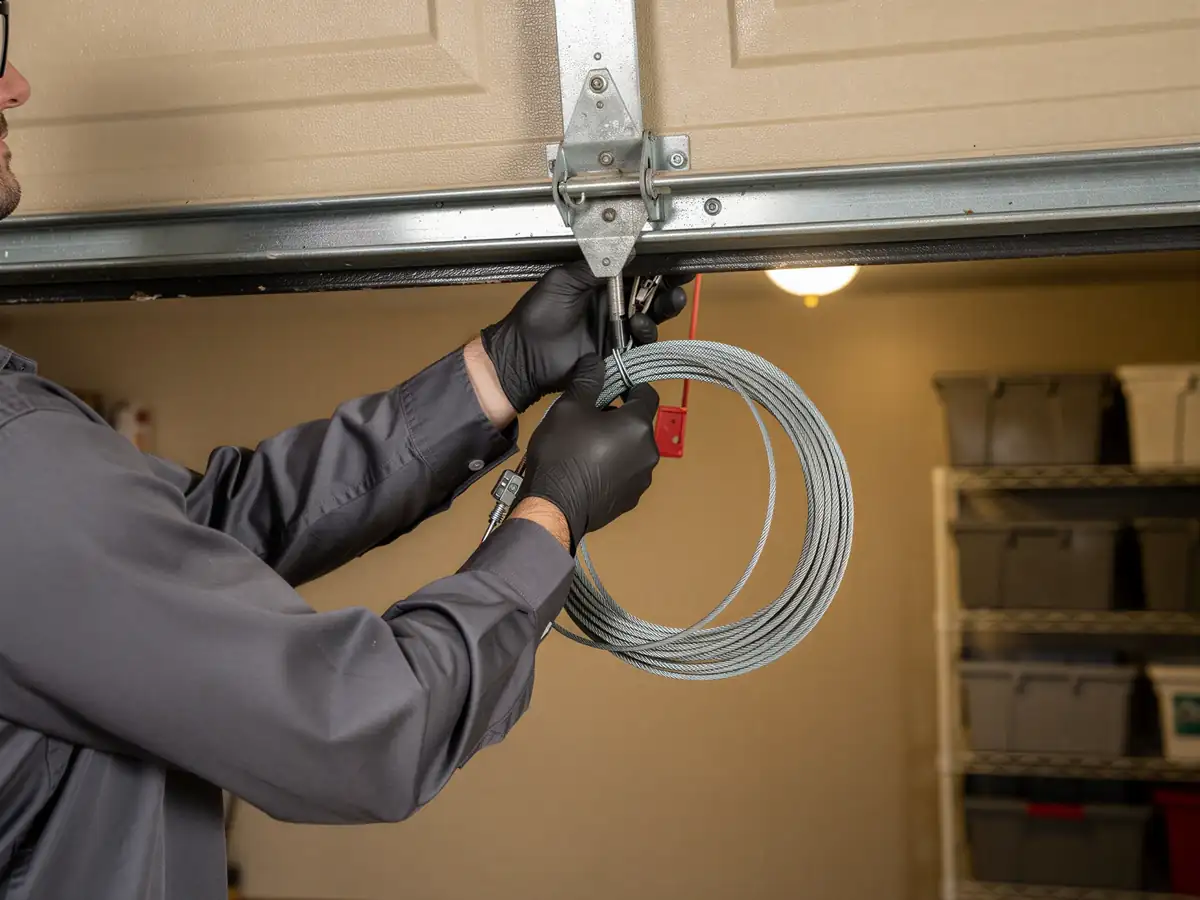
Call if the noise changed suddenly rather than gradually. A door that's always had a little rattle and still has it isn't the same situation as one that was quiet last week and is grinding today. Call if you hear a loud bang followed by the door refusing to move, or moving unevenly on one side. With housing this age, a lot of torsion springs are hitting the end of a multi-decade service life at roughly the same time, and a spring giving out is not a slow process. Call if the opener is straining, meaning it runs longer and louder than it used to to do the same job. That's usually the opener compensating for something else in the system, not the opener itself failing. We can't tell you over the phone whether a sound is a $40 roller or a spring about to let go. That takes a hand on the door and eyes on the hardware. What we can tell you is that in a 1980s or 90s build in this area, the short list of likely causes is short enough that a visit settles it fast rather than dragging into guesswork.
Leaving It Alone
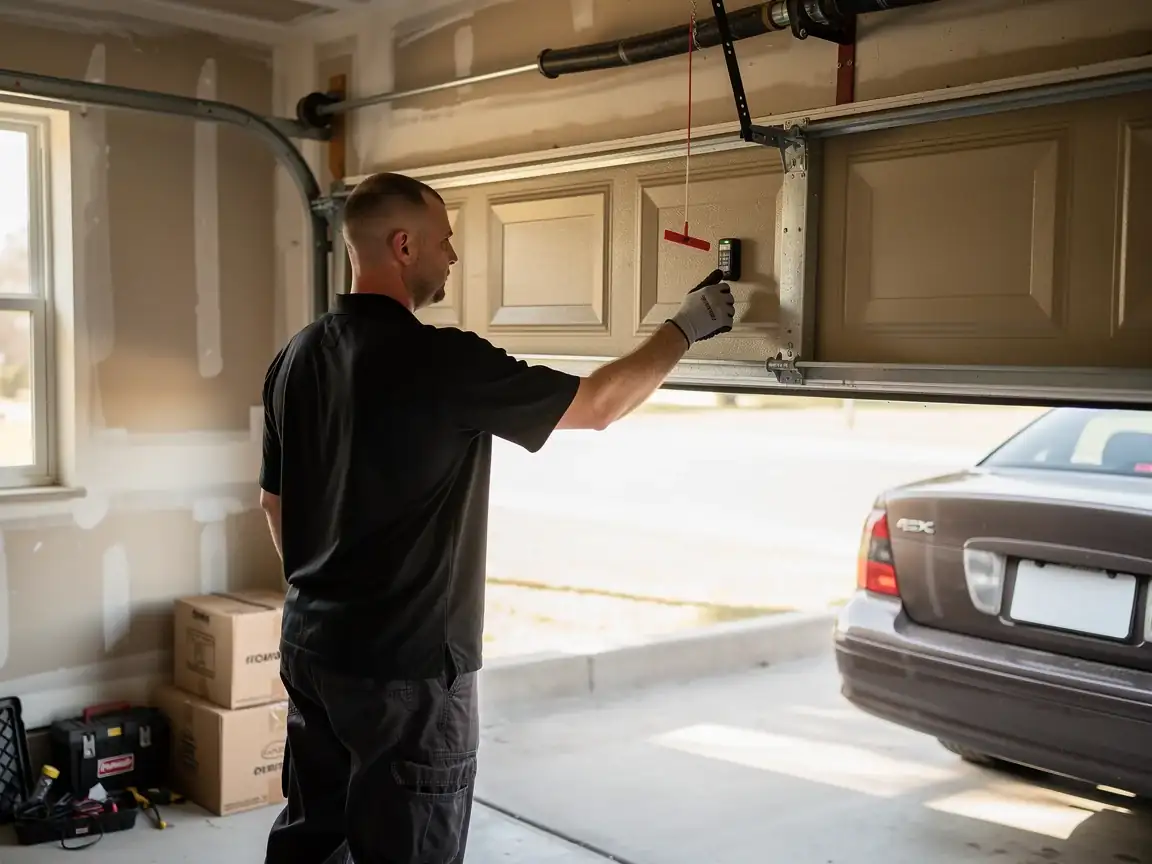
Some noises are fine to live with for a while. A single squeak on an otherwise smooth-running door is often just a dry hinge pin, and spraying it isn't urgent. But a door that's getting louder week over week, on hardware that's original to a house built in the 1970-2003 range common across this area, is telling you a part is approaching the end of its rated cycles, not starting a new phase of normal operation. The honest limitation here: we can't always tell from a description alone whether that grinding opener needs a gear kit or a full replacement, and sometimes the answer only becomes clear once the cover's off. We'd rather say that than guess a price before we've seen the unit. Waiting rarely saves money with a spring, since a spring under full tension that lets go can take a cable, or a finger, with it. Waiting is usually fine with a roller or a dry hinge. The difference is whether the part is load-bearing or just along for the ride, and that's the question worth asking before you decide to ignore a sound.