Why It Happens Here
Most of the housing stock in Vista's service area went up between 1970 and 2003, with the median build year sitting around 1982 and the bulk of it concentrated across 13 named pockets built in the 1980s and 90s. That matters for cables because those decades of construction standardized on torsion and extension spring systems that route lift cables through a drum or pulley setup that was never designed to last 40-plus years without the cable itself fatiguing. A cable doesn't fail because of one bad day - it fails because the strands have been flexing around that drum since the Reagan administration and nobody's replaced them since.
Vista's climate is mild temperate, so we don't get the freeze-thaw cycling that snaps cables in colder regions, and that's actually part of the problem: without a hard winter forcing an inspection or a service call, a lot of these original cables just keep running past their useful life. The failure mode here is slow wear, not sudden cold-shock brittleness. Rust from coastal moisture and UV breakdown on exposed cable near the bottom roller bracket do more damage in this climate than cold ever would. A door built in 1982 with its original cables is carrying four decades of wear on parts rated for roughly a third of that.
The Symptom
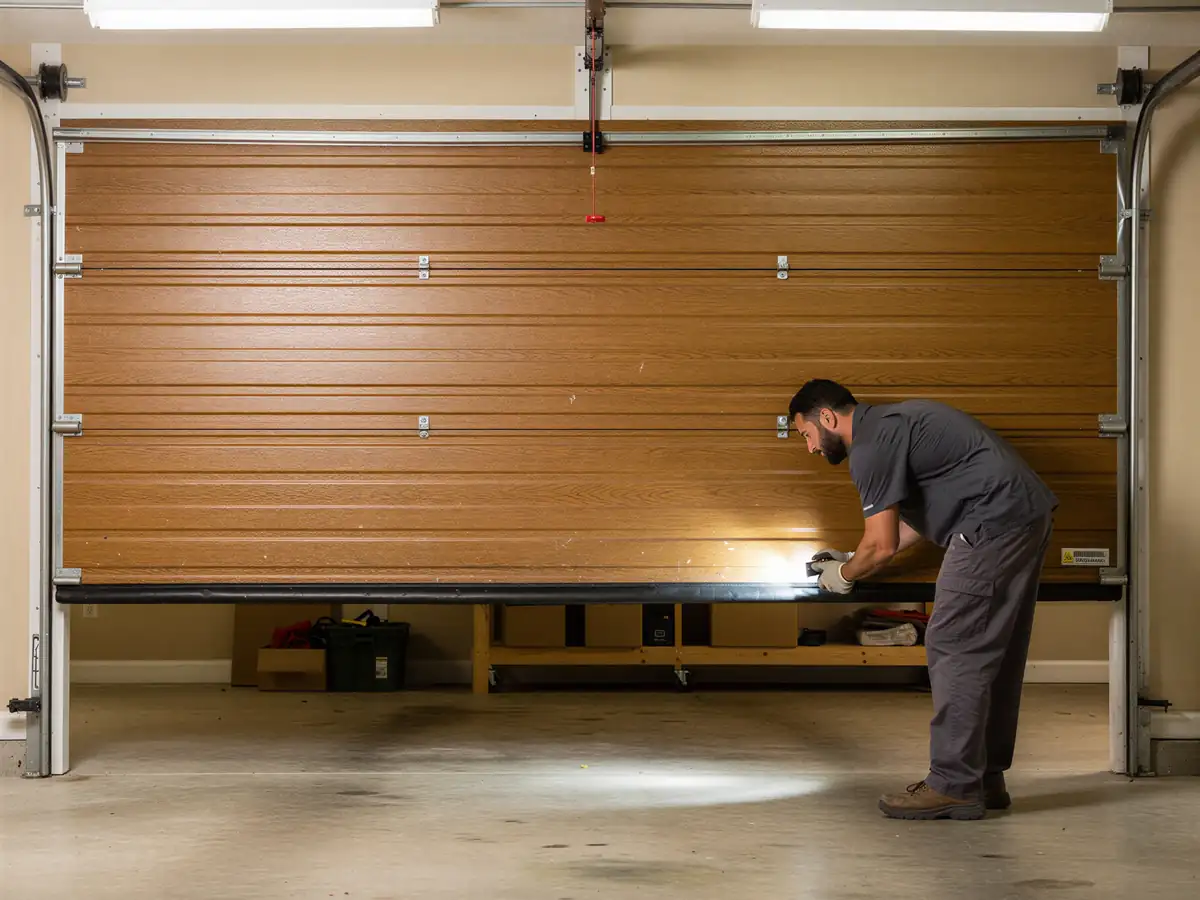
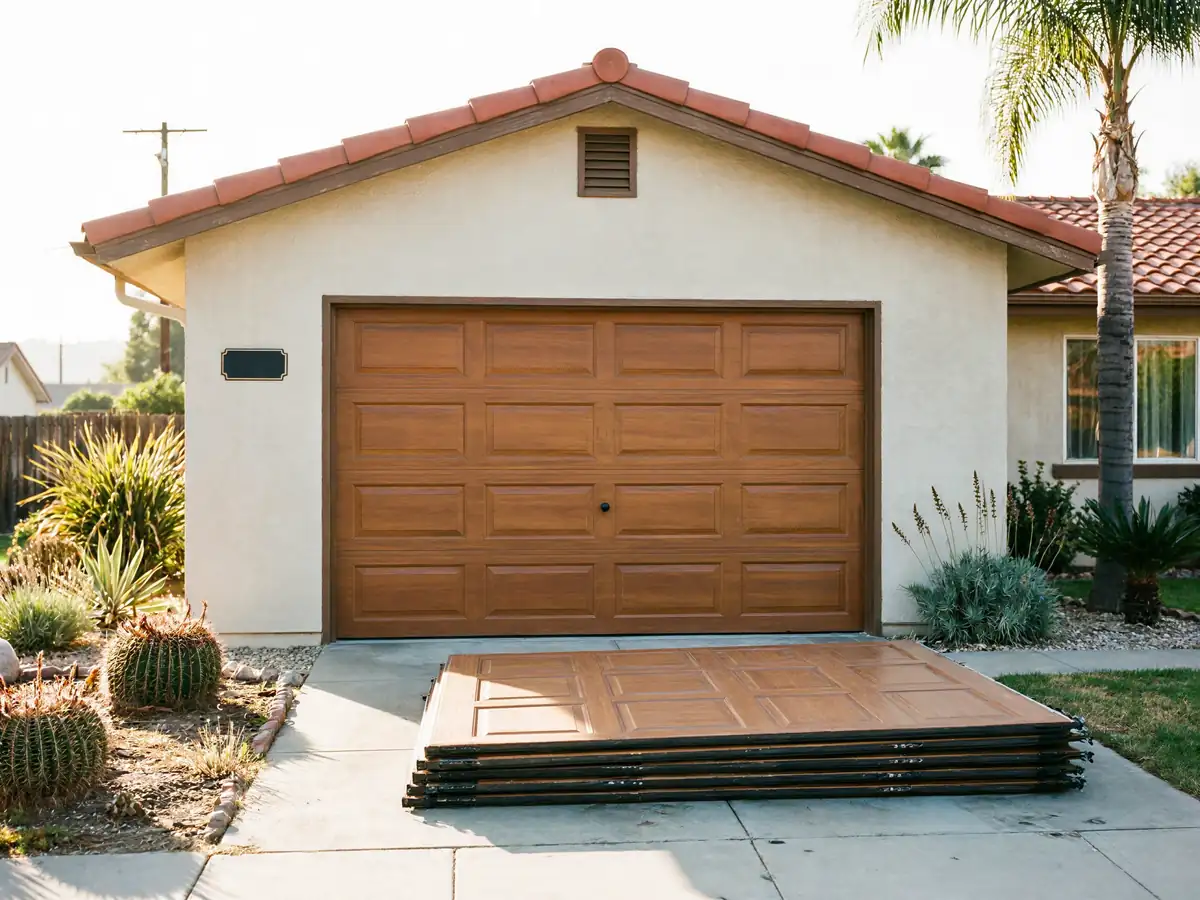
The telltale sign is a door that goes crooked on the way up or down - one side lifts a half-second before the other, or the door hangs lower on one corner when it's fully closed. That's a cable stretching or a few strands giving way on one side while the other side is still pulling evenly. You might also hear a snap followed by the door dropping fast and landing with a bang, which usually means the cable let go entirely while the door was in motion.
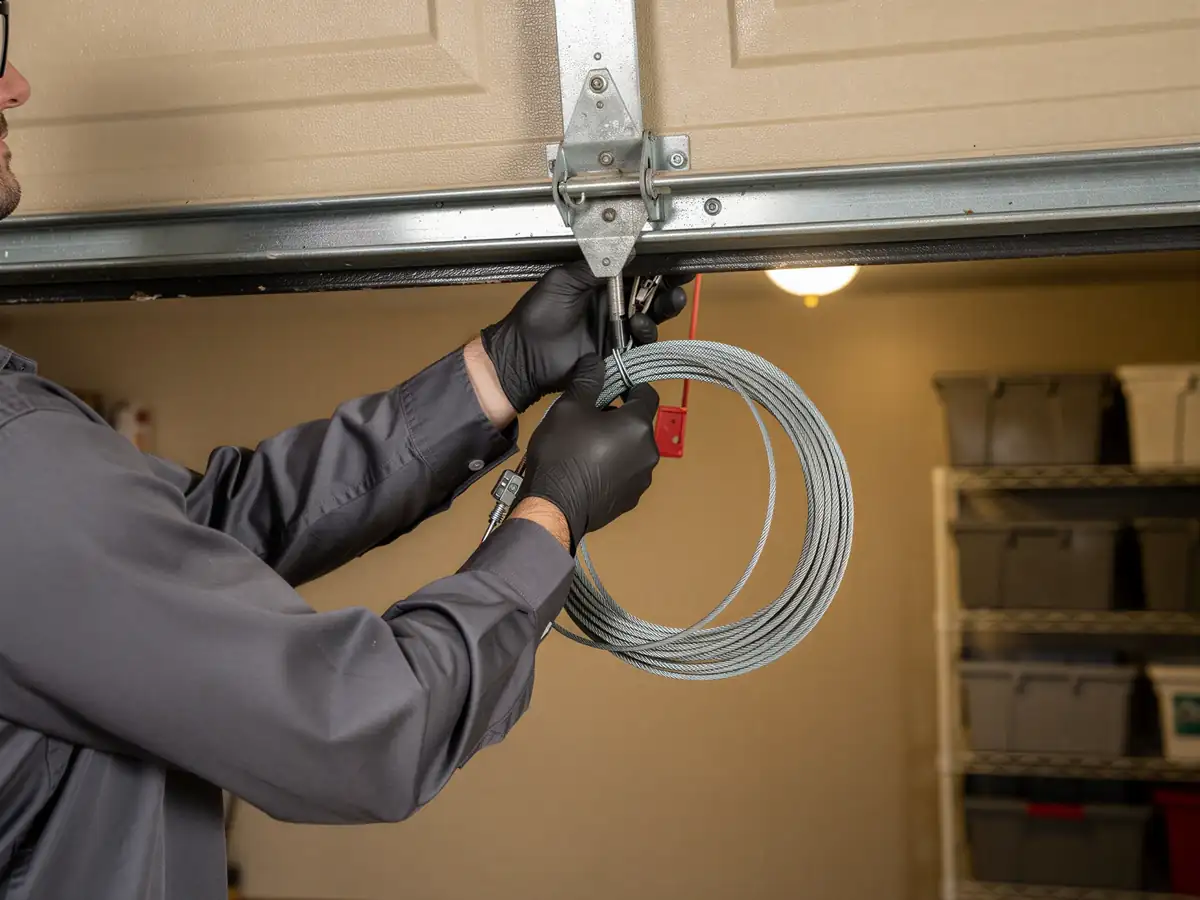
Sometimes the symptom is quieter: a loose cable visibly unspooling off the drum, or the door that used to close flush now sitting with a gap at one bottom corner. Any of these means the cable is no longer carrying even tension across the door, and the opener is fighting a door that's out of balance. Don't run the opener through several more cycles trying to "work it loose" - a cable under partial load that finally snaps can let the door fall, and a door this size coming down on its own weight is not something you want near a hand or a car hood.
The Complications
A snapped cable rarely travels alone
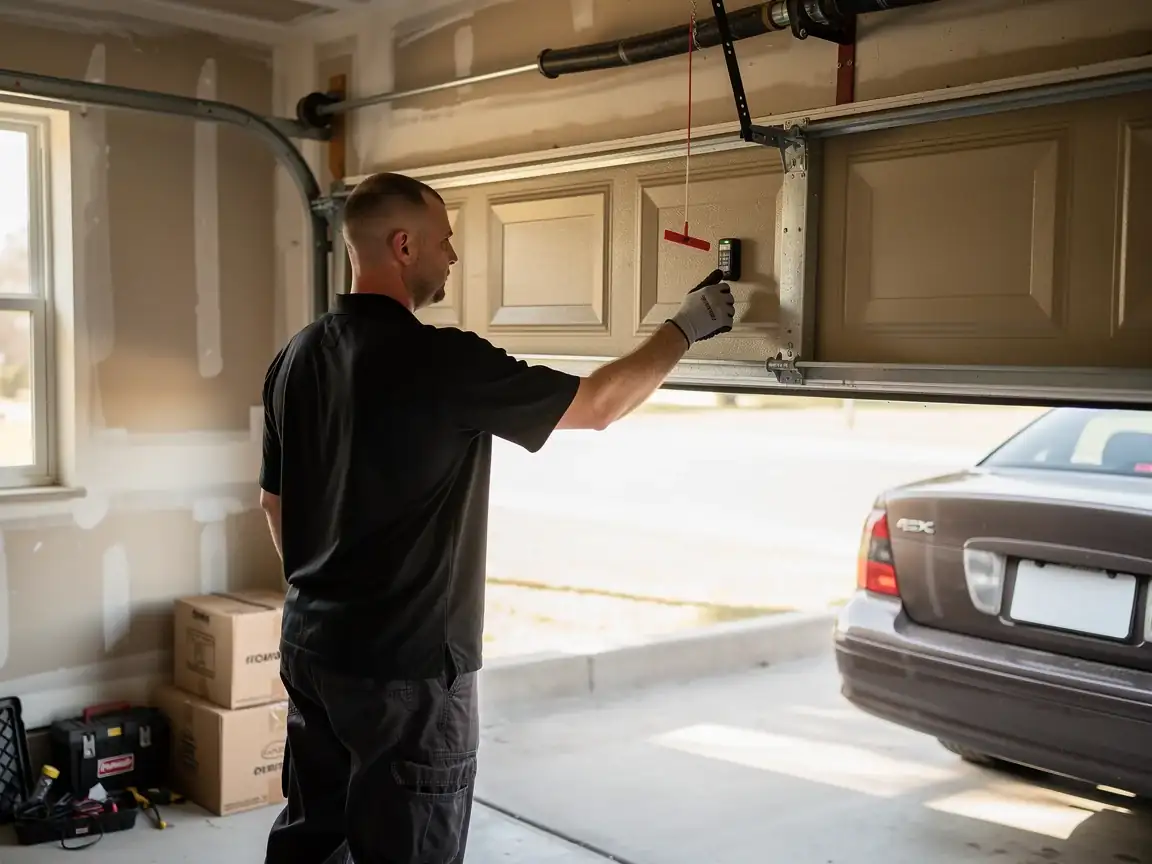
On doors from the 1980s and 90s building boom that fed Vista's housing stock, the drums, rollers, and the opposite-side cable are usually original too, which means if one side failed from fatigue, the other side is close behind it. We've seen jobs quoted as "one cable" turn into both cables plus a drum once the door's actually up on a vise and we can see the wear pattern.
Springs complicate it further
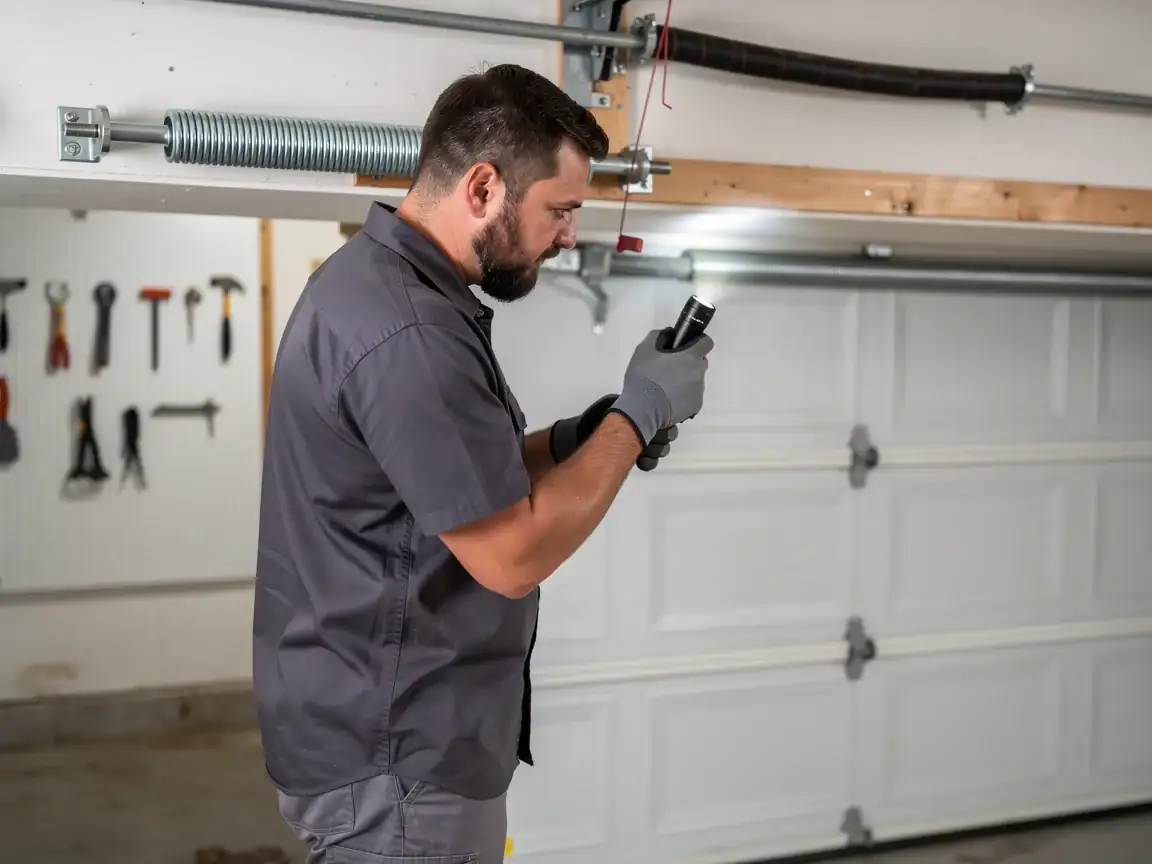
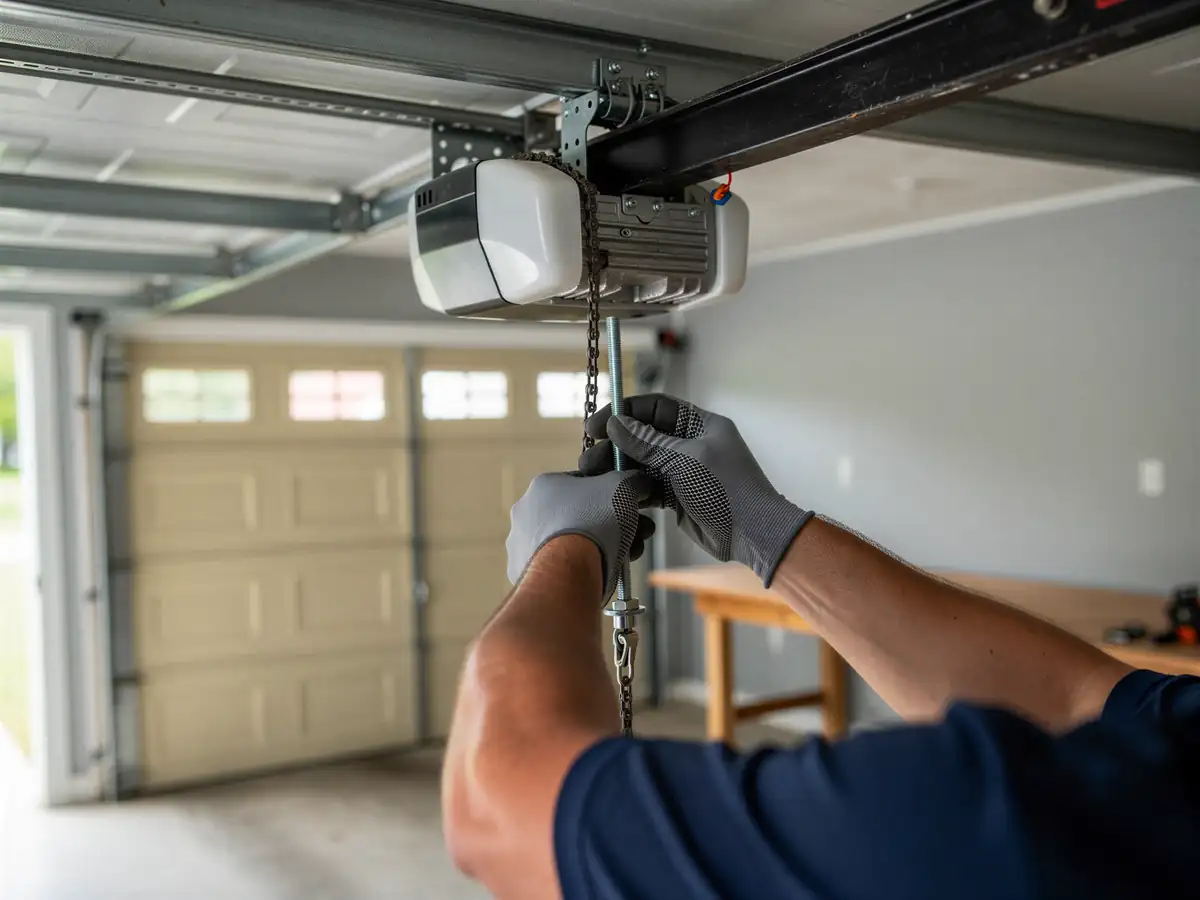
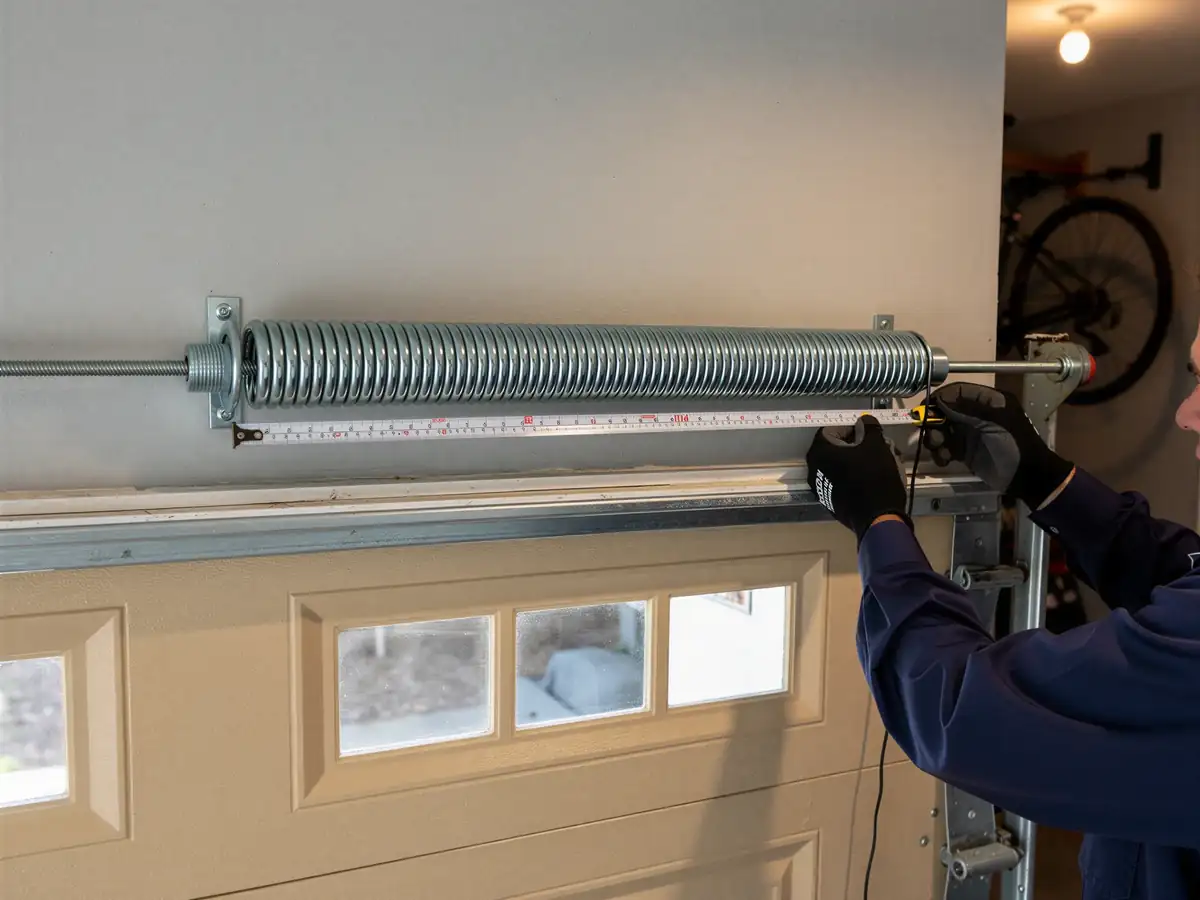
A broken cable under tension can let a spring unwind unevenly or, in rarer cases, damage the spring itself if the door racked sideways before anyone caught it. If your door is original to a house built in the early 80s median-year range for this area, the spring is also near or past its rated cycle count, and replacing a cable without checking the spring just means a second service call in a few months. We check both every time, because doing the cable alone on a door this old is a half-job.
The DIY Question
A lift cable is under real tension even on a door that looks still, and the torsion or extension spring it's wound around can release that energy fast if you disconnect the wrong thing first. This isn't a repair we'd walk a homeowner through over the phone, and we won't pretend otherwise - it's one of the few jobs in this trade where the margin for error involves a cable whipping back or a spring letting go near your hands. If you've got the tools and the experience, that's your call to make. Most people don't, and that's fine.
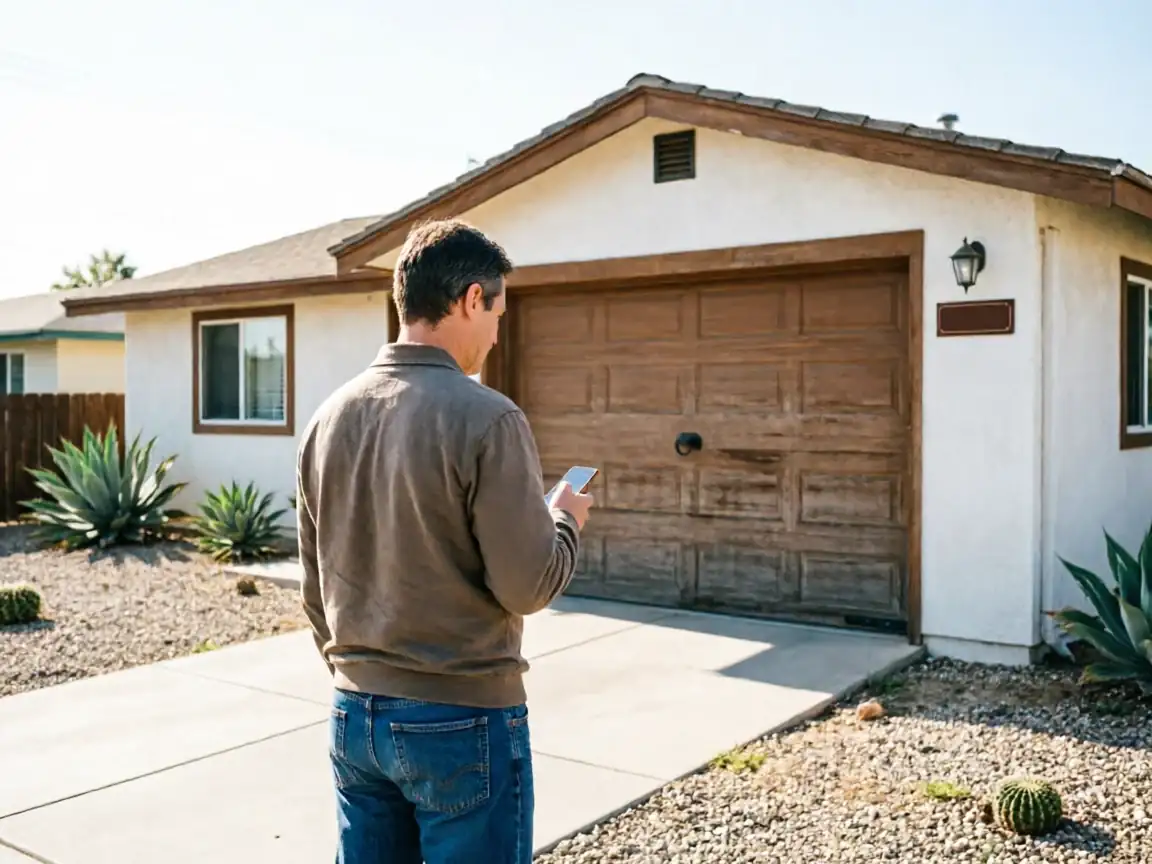
What you can safely do is the diagnosis: look at both bottom corners of the closed door and see if one sits lower, check for a cable that looks frayed or unspooled near the drum, and stop using the opener once you spot it. Note which side looks off before you call - it saves time on the job. We'll be straight about it if a cable repair turns into a bigger repair once we see the drums and springs up close; sometimes replacing both cables and one spring costs less in the long run than fixing the cable twice.