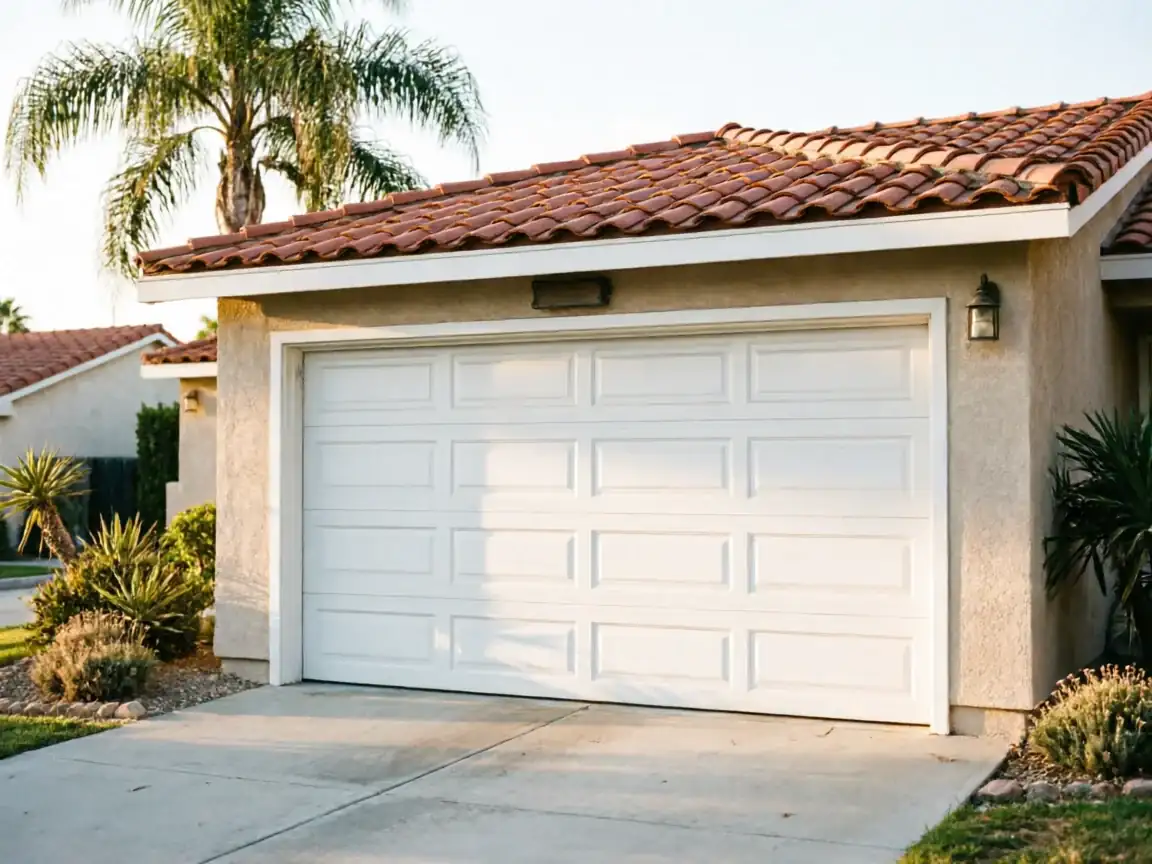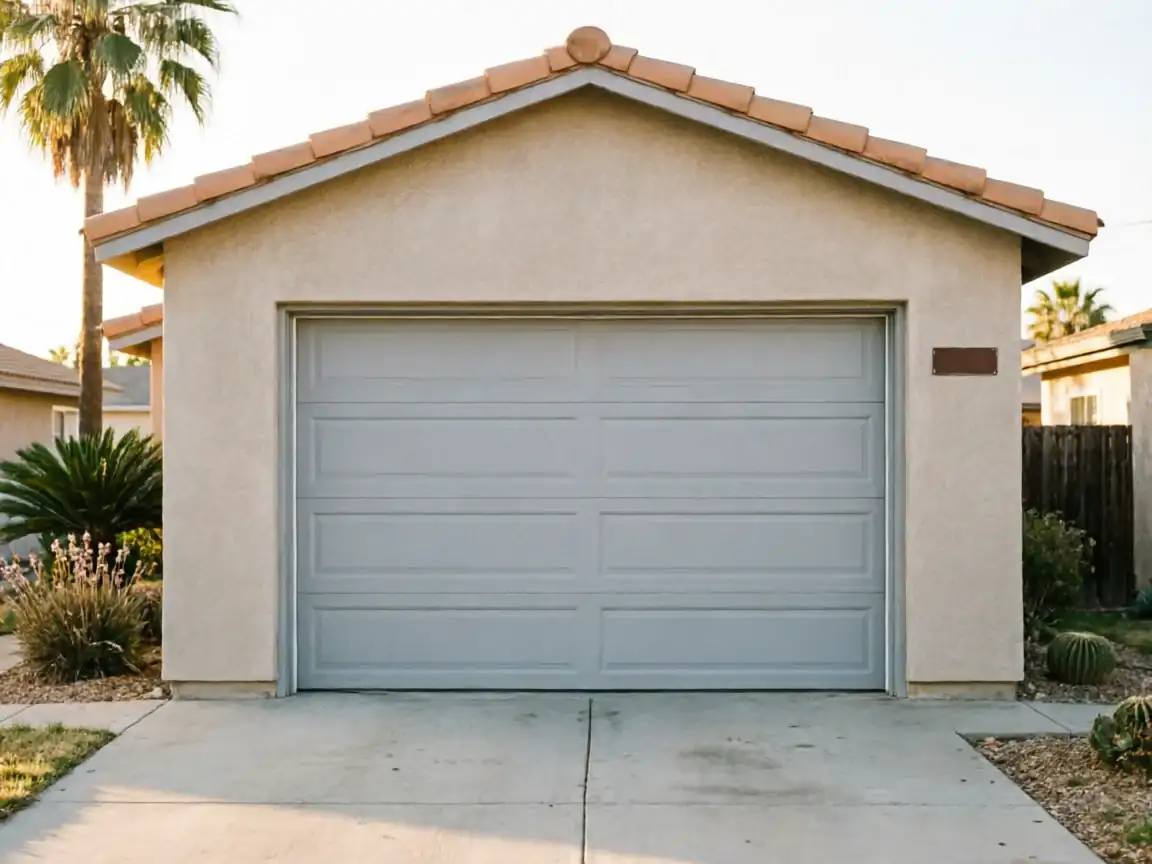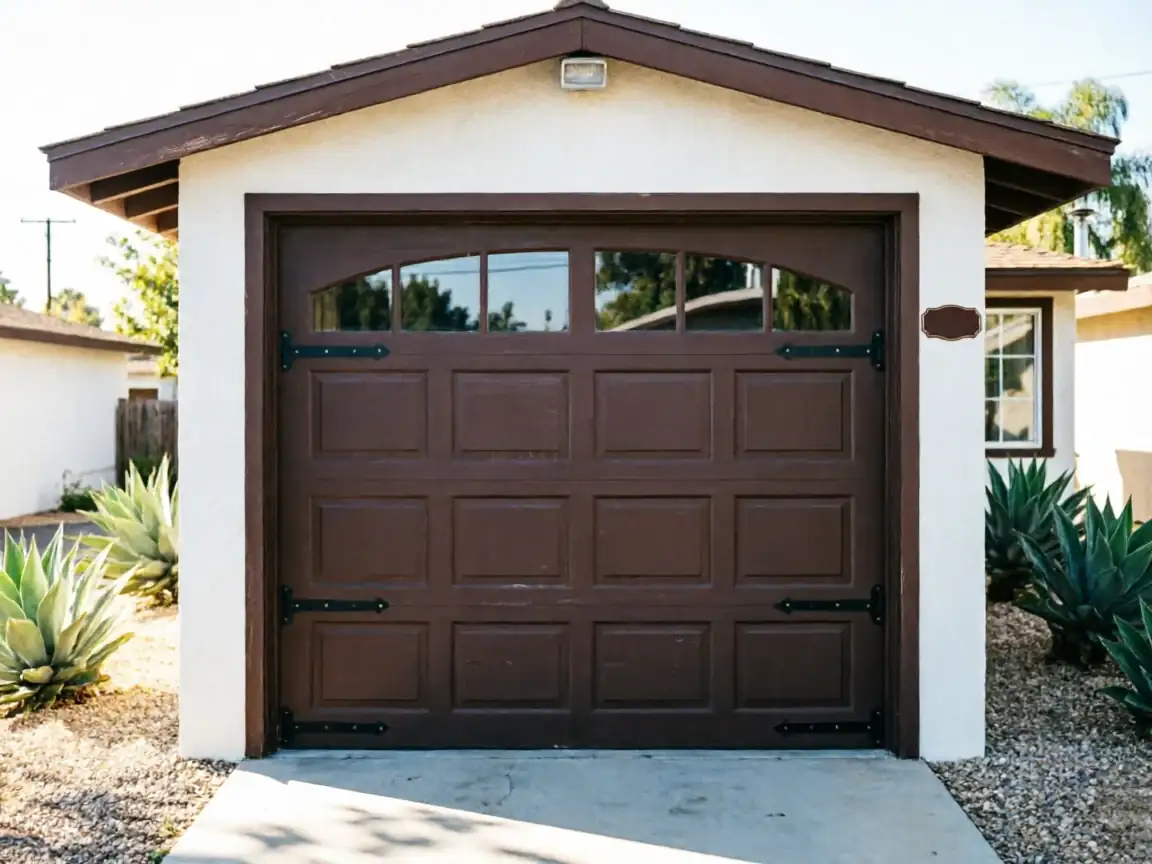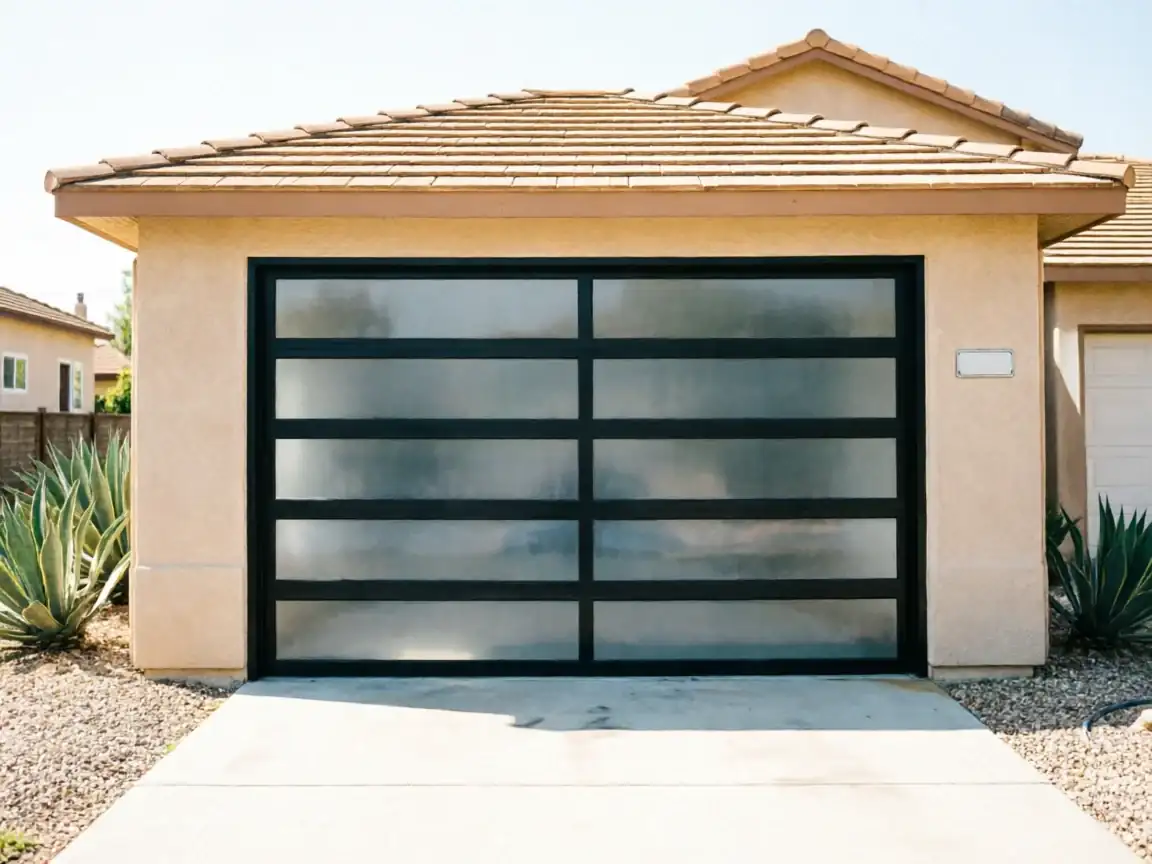
Why It Happens Here
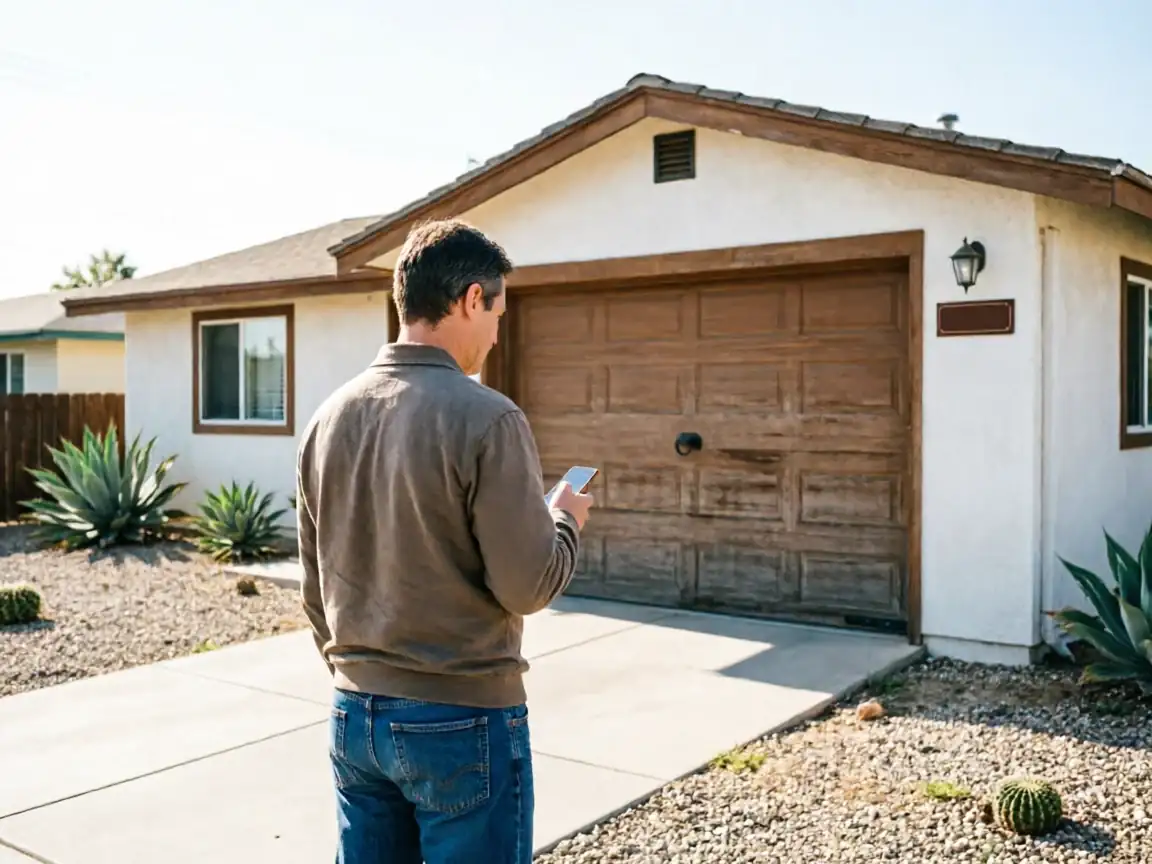
Most of the doors we get called out on across this service area were installed on houses built between 1970 and 2003, with the bulk going up around 1982. That's a long run of steel and fiberglass panel doors from an era when manufacturers used thinner gauge steel than what's sold today. Thirty-plus years in, those panels are at the end of their service life even without damage - the steel fatigues at the hinge points and the foam core starts to separate from the skin.
The mild temperate climate here doesn't cause the kind of panel failure you'd see from freeze-thaw cracking or hail pitting. What it does instead is let a weak panel sit there looking fine for years, with no weather event forcing the issue, until a routine bump - a bike handlebar, a trailer hitch backing in wrong, a kid's basketball - finds the thin spot and the panel folds or splits. We see this pattern across the thirteen named communities in our service area that share that same 1980s-90s building boom, not from storm damage but from age plus one bad knock.
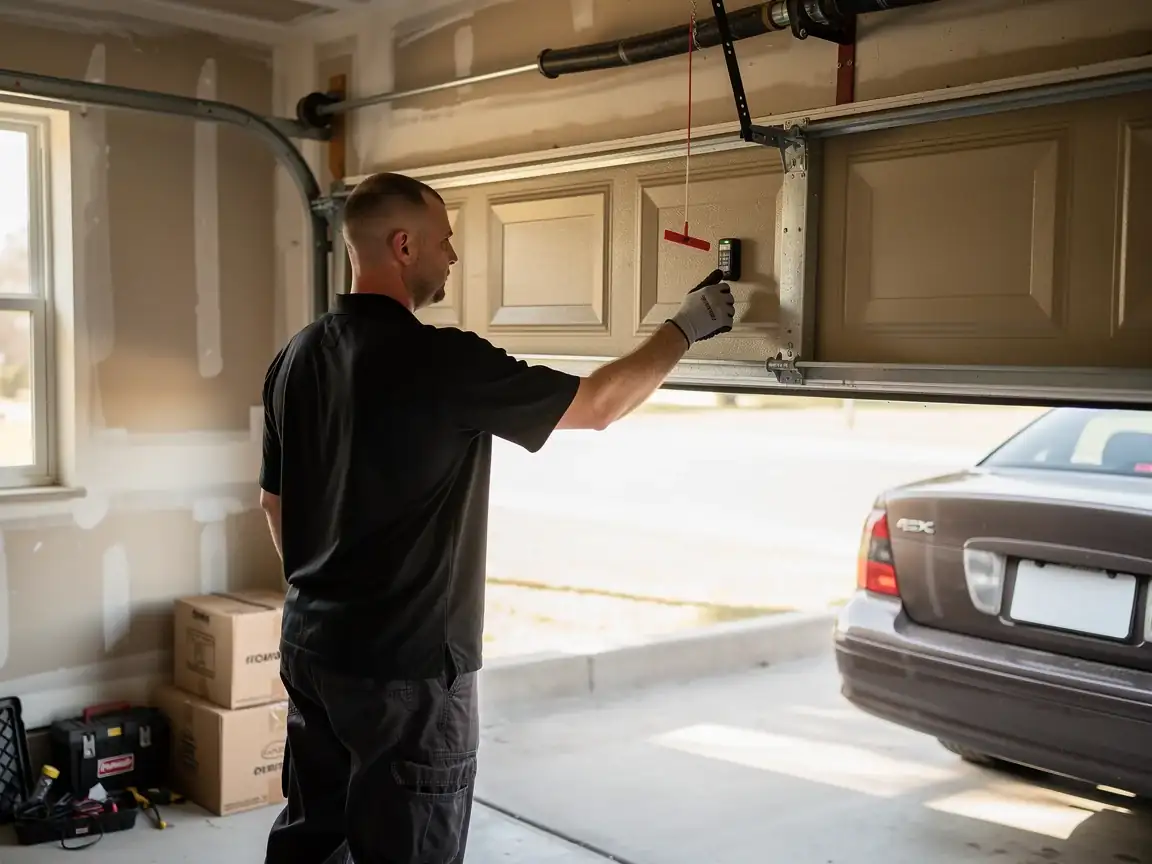
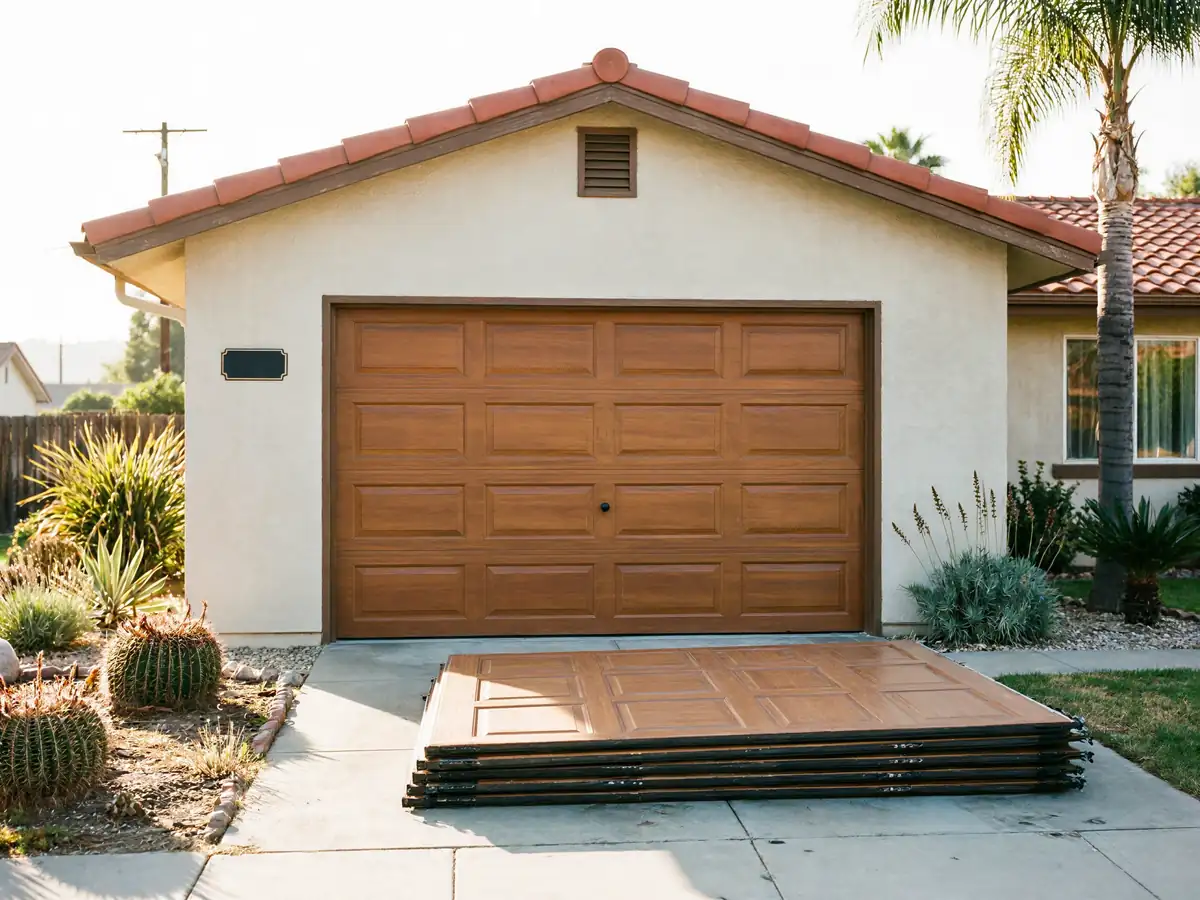
On a sectional door, one bad panel doesn't mean a new door. It means finding a matching panel and swapping it in without throwing the whole section out of alignment.
The Symptom
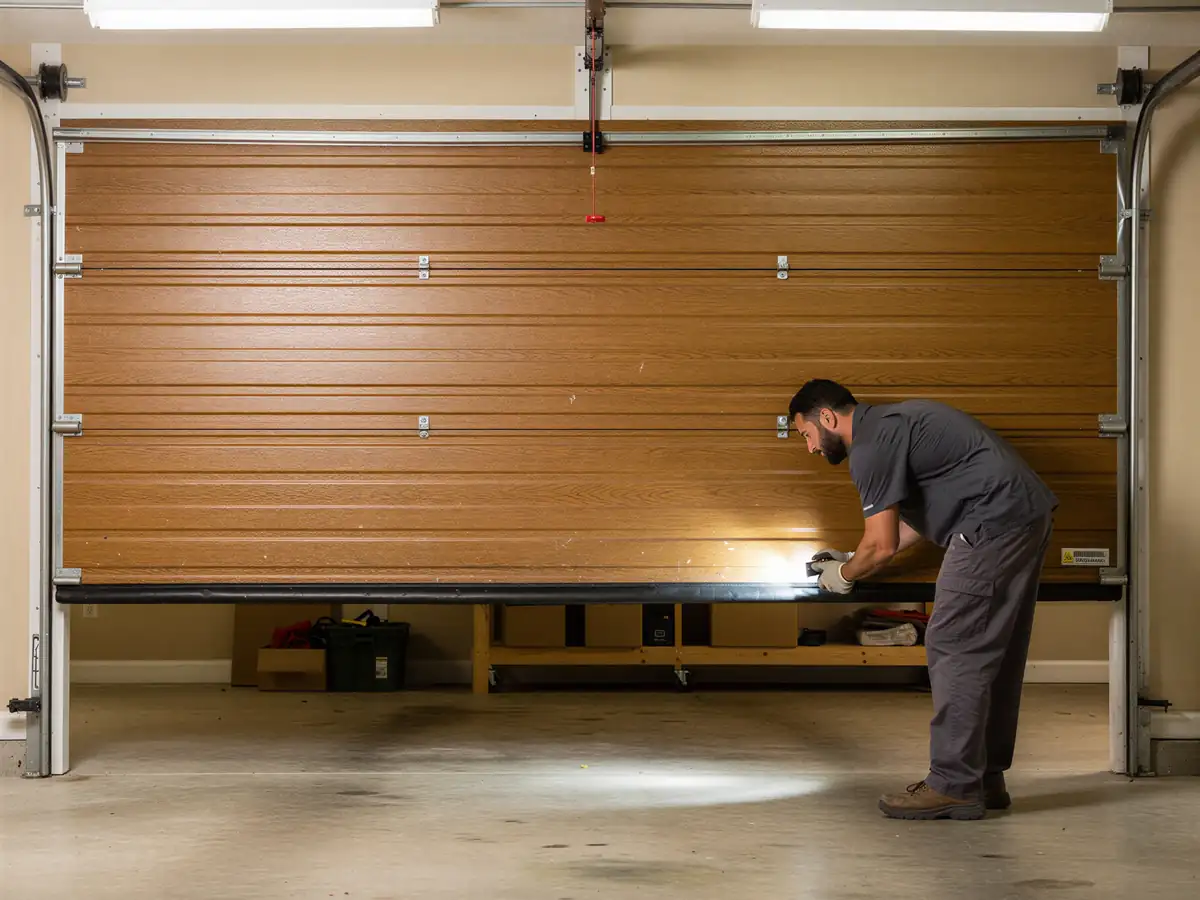
The giveaway is almost always a single section that looks wrong while the rest of the door still tracks fine. A horizontal dent across one panel, a crack along a seam, a corner that's folded in from a backing-into incident - these show up as a visible defect on one section rather than a door-wide problem. Sometimes the panel still closes and seals, just ugly. Sometimes the dent is deep enough that it's pushing against the roller or binding the track on that side, and you'll hear a scrape or a hard stop partway through the cycle.
If the door was pulled off true by a wreck, you might also notice the next panel up or down pulling slightly at the hinge, or a gap at the weatherstrip where there wasn't one before. That's the fatigued steel we mentioned - thirty-year-old panel material doesn't flex back cleanly once it's taken a hit, it transfers the stress to whatever's bolted to it.
Discoloration or fading that doesn't match the rest of the door is cosmetic, not structural, and on its own isn't a reason to replace a panel. The reason to replace is a dent that's compromised the panel's rigidity, a crack that's let moisture or insects behind the skin, or a section that's interfering with the door's travel.
The Complications
The first complication is matching
A sectional door from the early 1980s or 1990s isn't a product line that's still in production, and the panel profile, groove pattern, and color on a thirty-year-old door often aren't a direct match to anything a supplier stocks new. Sometimes we can source a close match from a salvage panel or a compatible profile from the same manufacturer era. Sometimes we can't, and the honest answer is that a perfect match isn't available - you're choosing between a visible seam in color or profile, or replacing more than one section so the mismatch isn't side by side.
The second complication is what's actually holding the panel in place
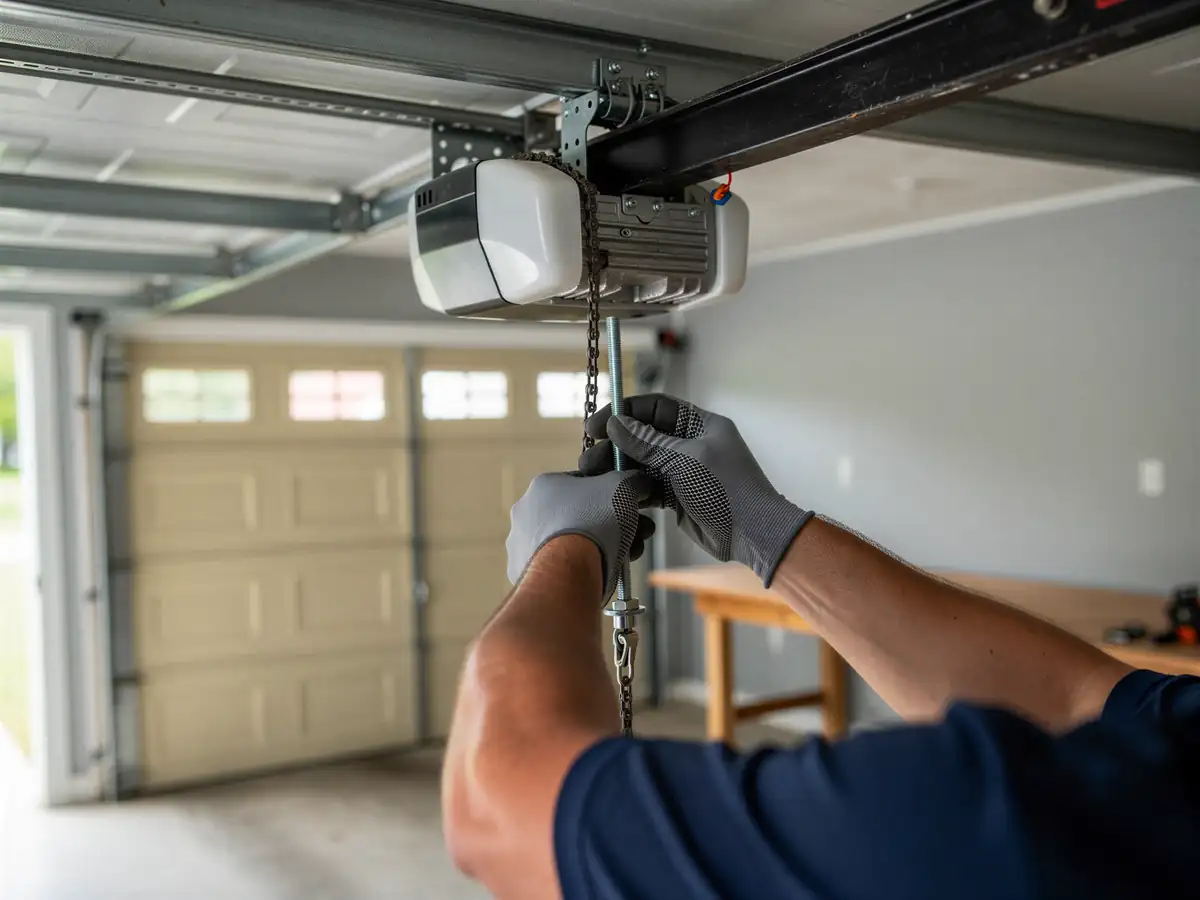
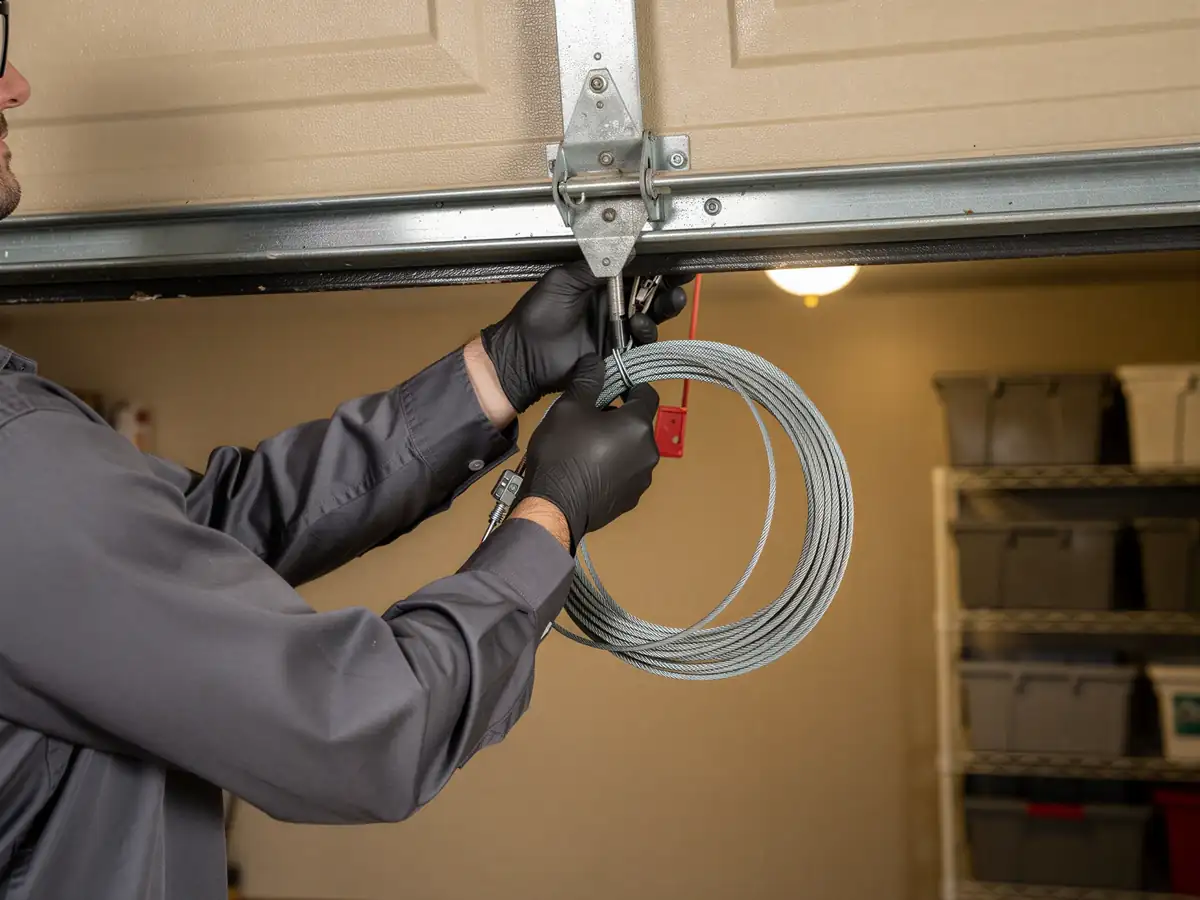
On doors this old, the hinges and rollers carrying that section are often as worn as the panel itself, so swapping the skin and leaving thirty-year-old hardware bolted to it is asking for the same failure again in a year. We price hardware separately because not every job needs it, but on a door from the 1982 era, expect us to flag it.
The area's household makeup
Mostly owner-occupied houses, a wide range of household budgets - means we see both: folks who want the cheapest viable panel fix, and folks who decide a mismatched panel bothers them enough to replace the whole door instead.
The DIY Question
A sectional garage door panel is one of the few garage door repairs where a careful homeowner can reasonably do some of the work themselves - unbolting a damaged section isn't exotic mechanically. The part that trips people up is sourcing the right panel. Order the wrong width, wrong hinge spacing, or a profile that doesn't nest with the sections above and below, and you've spent money on a part that doesn't fit.
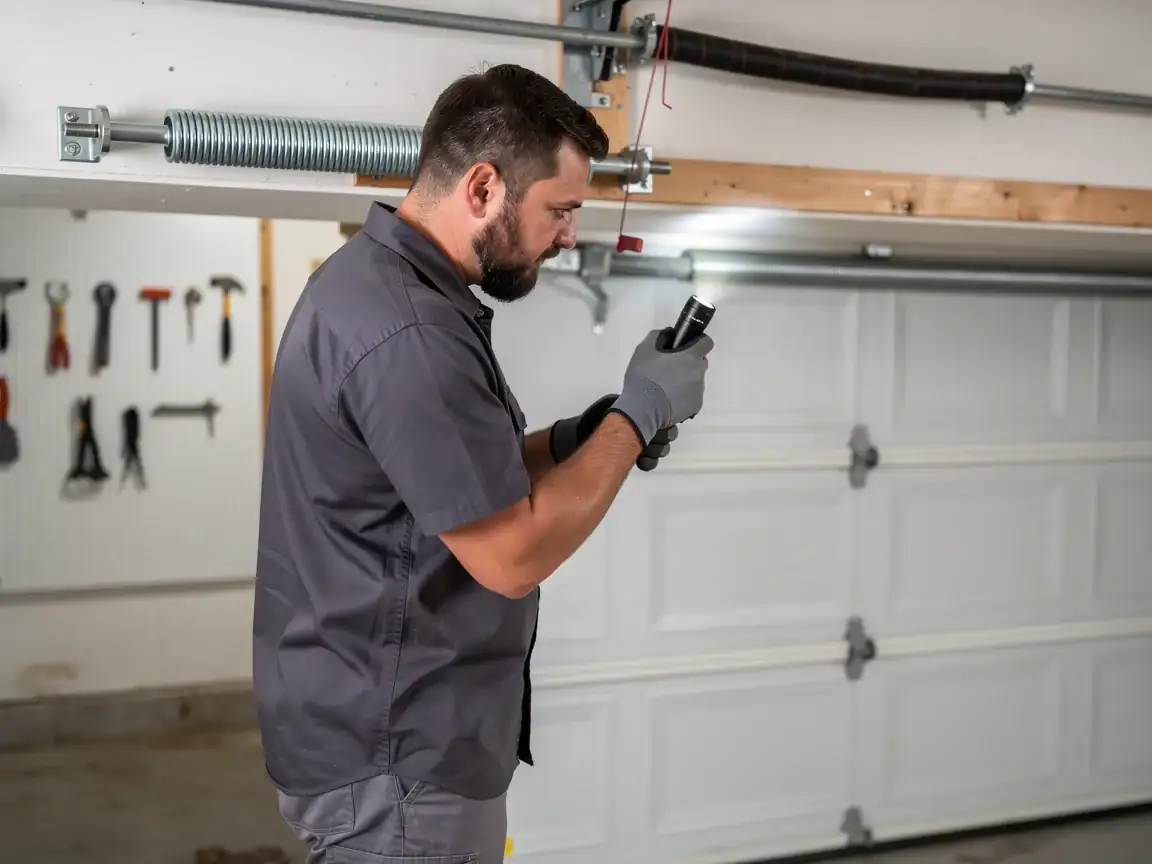
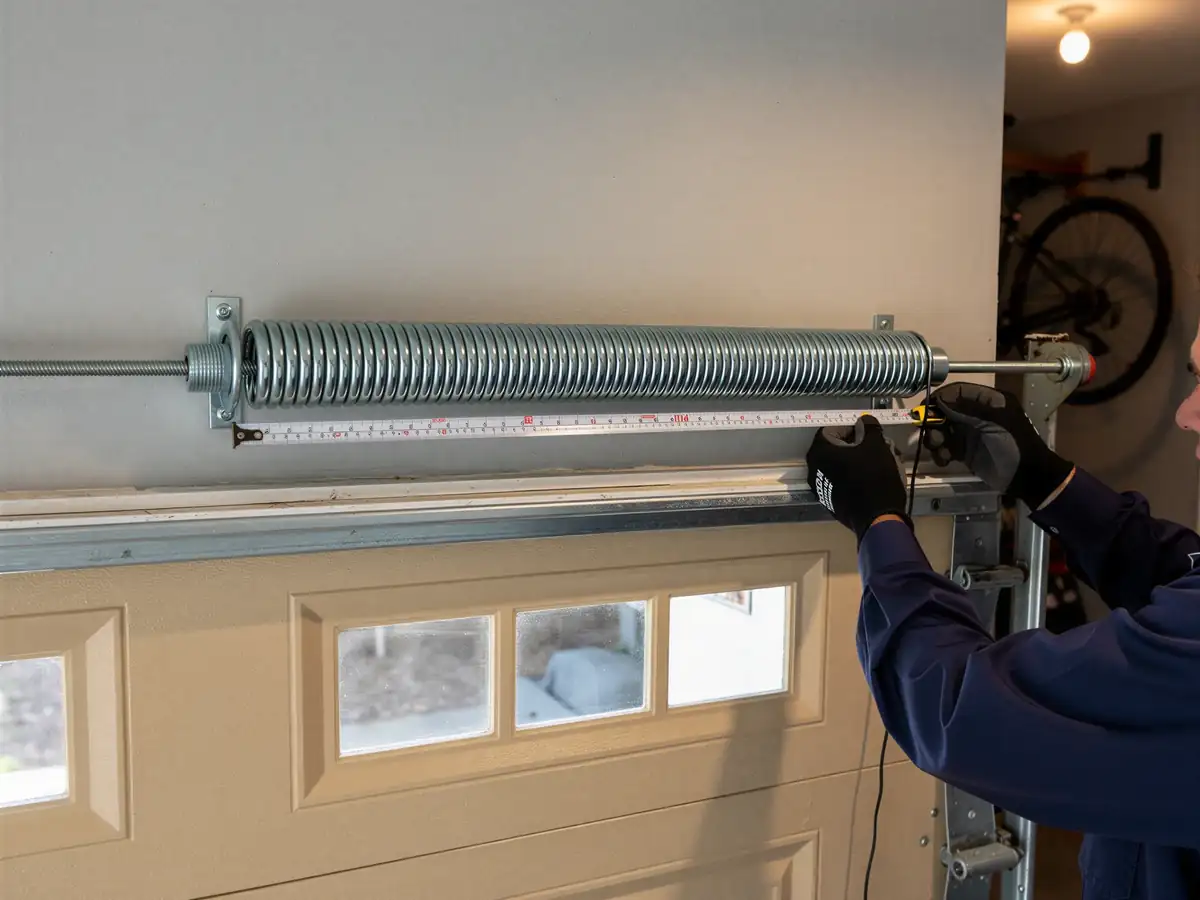
The other risk is the torsion spring system staying under tension while the door is apart. If you disconnect the opener and start removing panels without understanding how the door's weight is distributed across the remaining sections, the door can rack or the track can pull loose from the jamb. That's not a two-person weekend fix if you haven't done it before - it's a way to turn a one-panel repair into a full door replacement.
If the damage is limited to cosmetic dents on an otherwise sound panel, a DIY approach is fine. If the panel's structural, the hardware's original to the house, or you're not sure which panel actually matches your door's year, that's the point where calling in the measurement and the sourcing saves more than it costs. Get a quote.