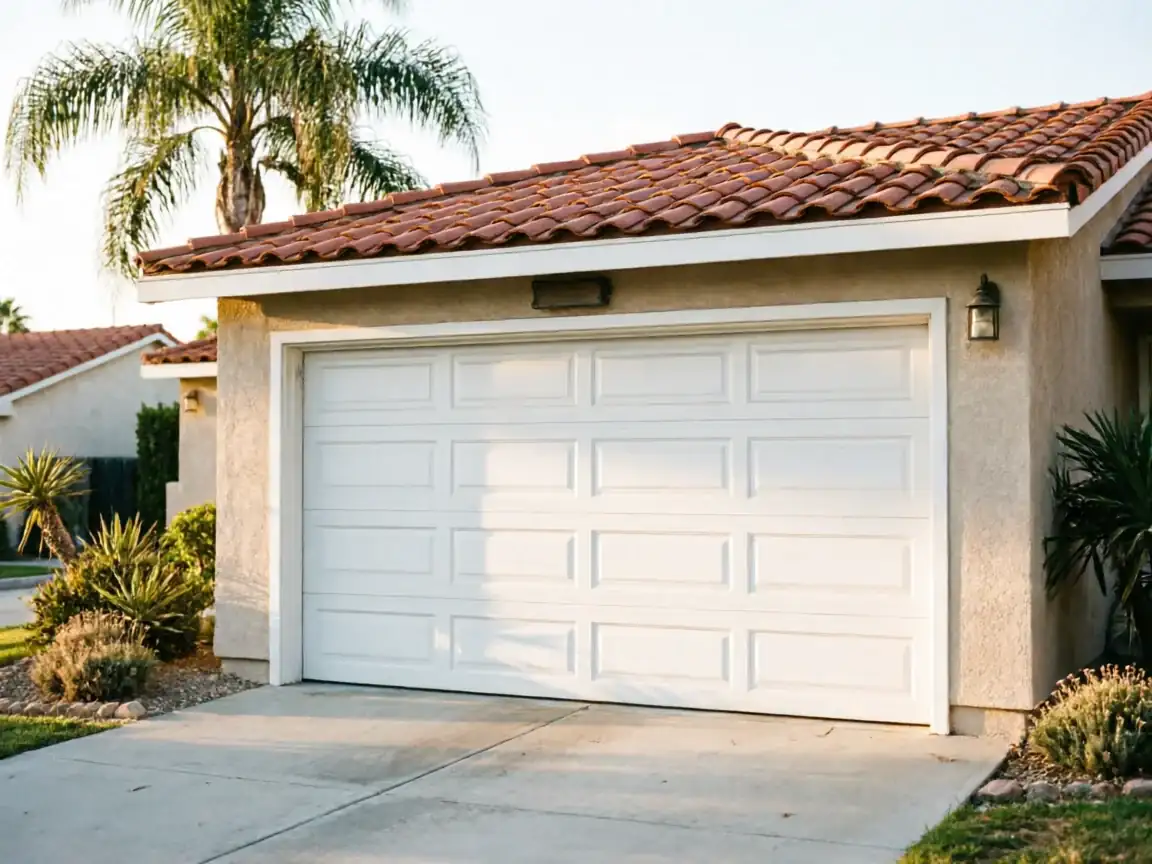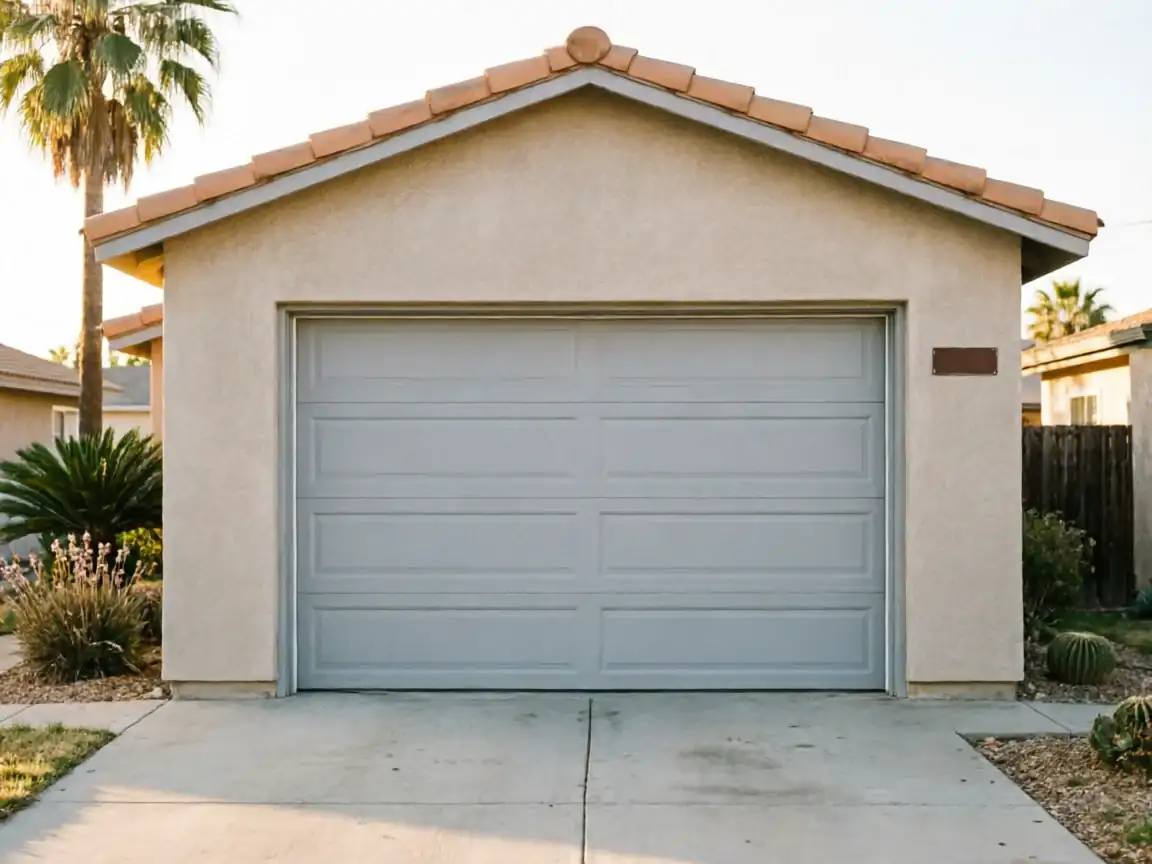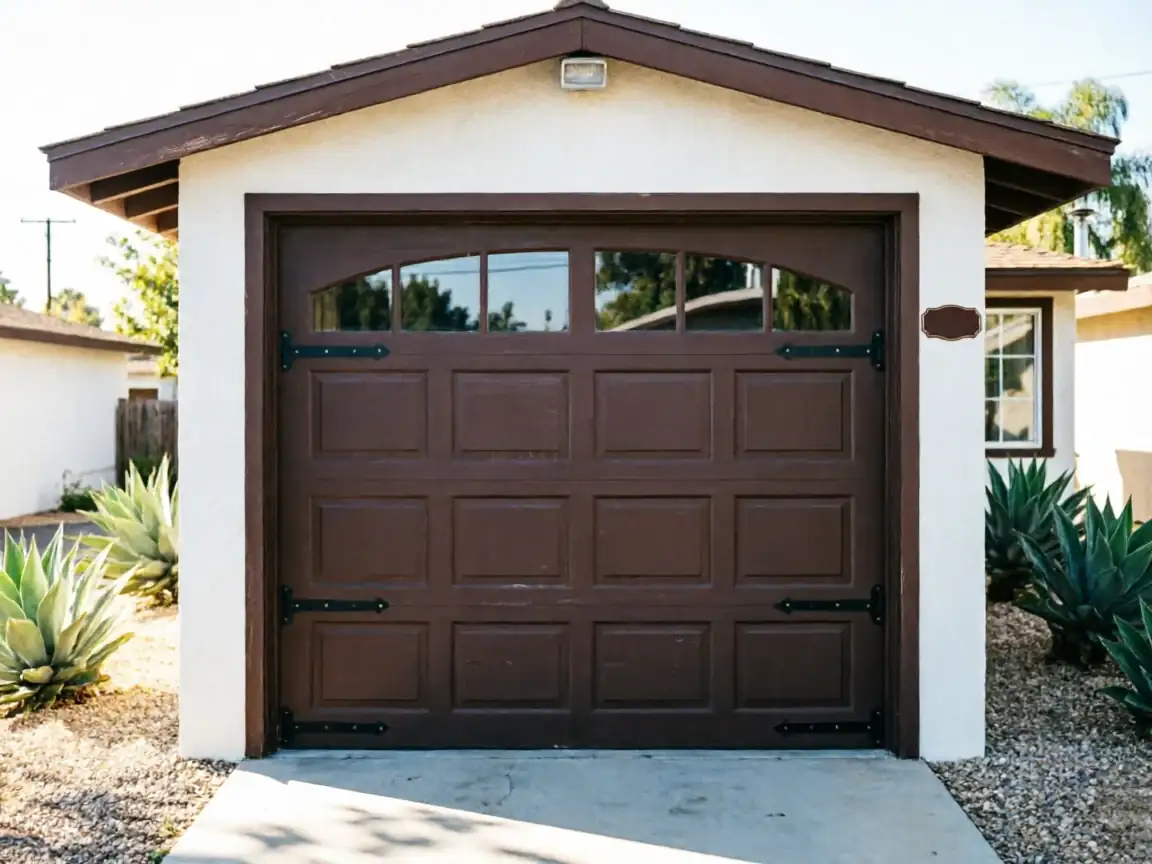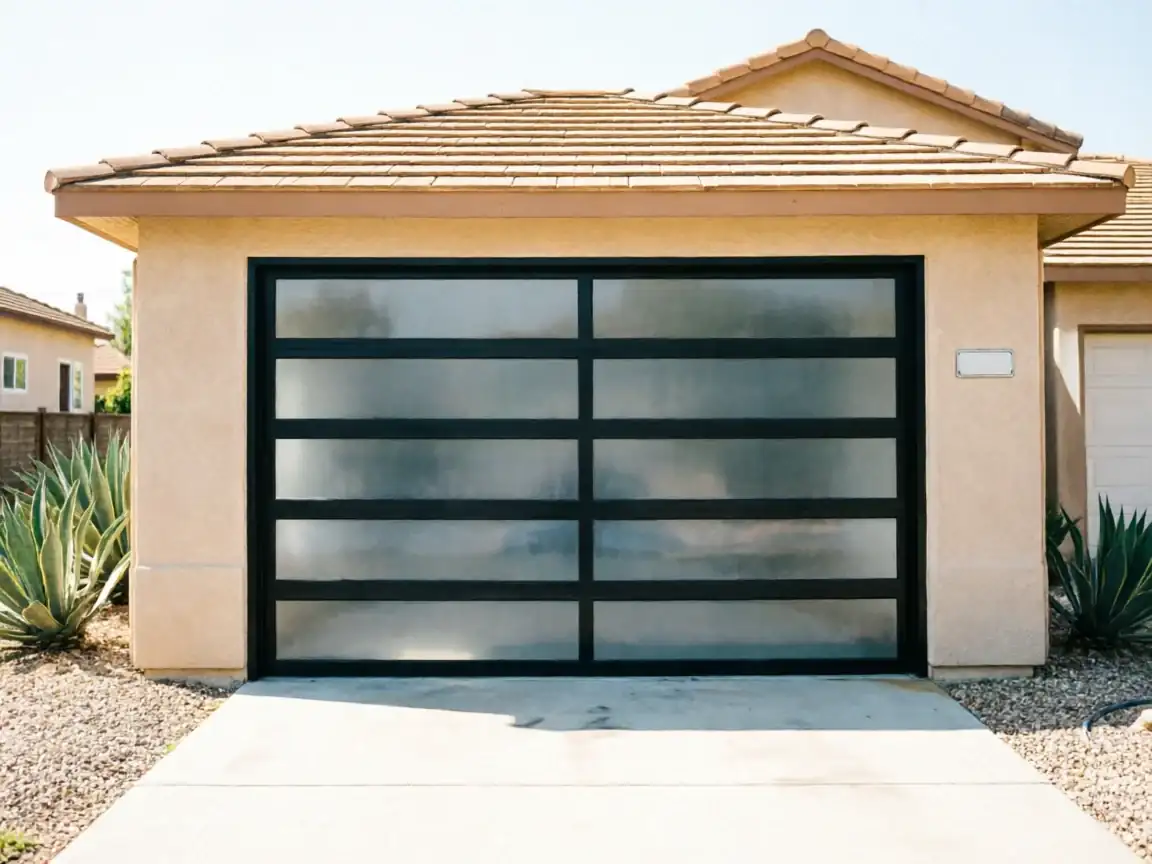
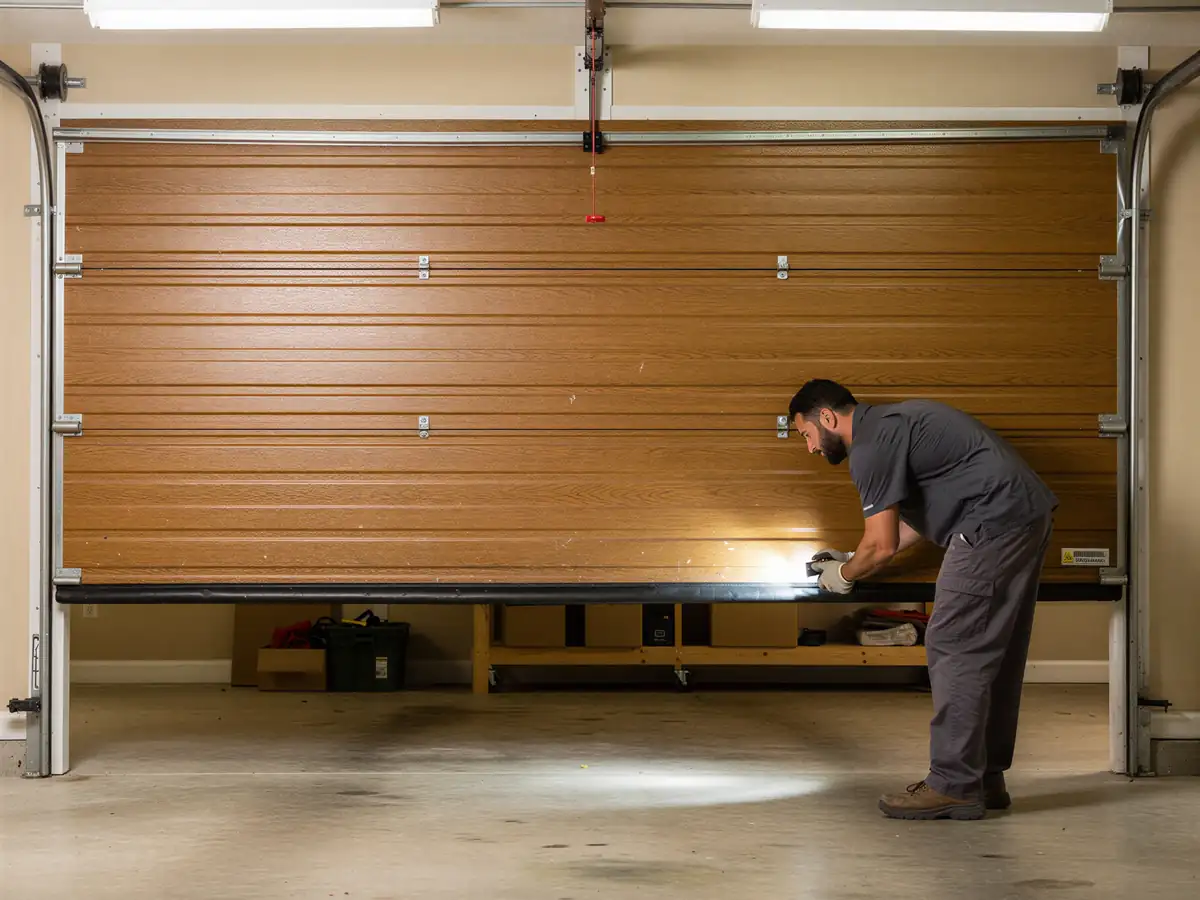
Why It Happens Here
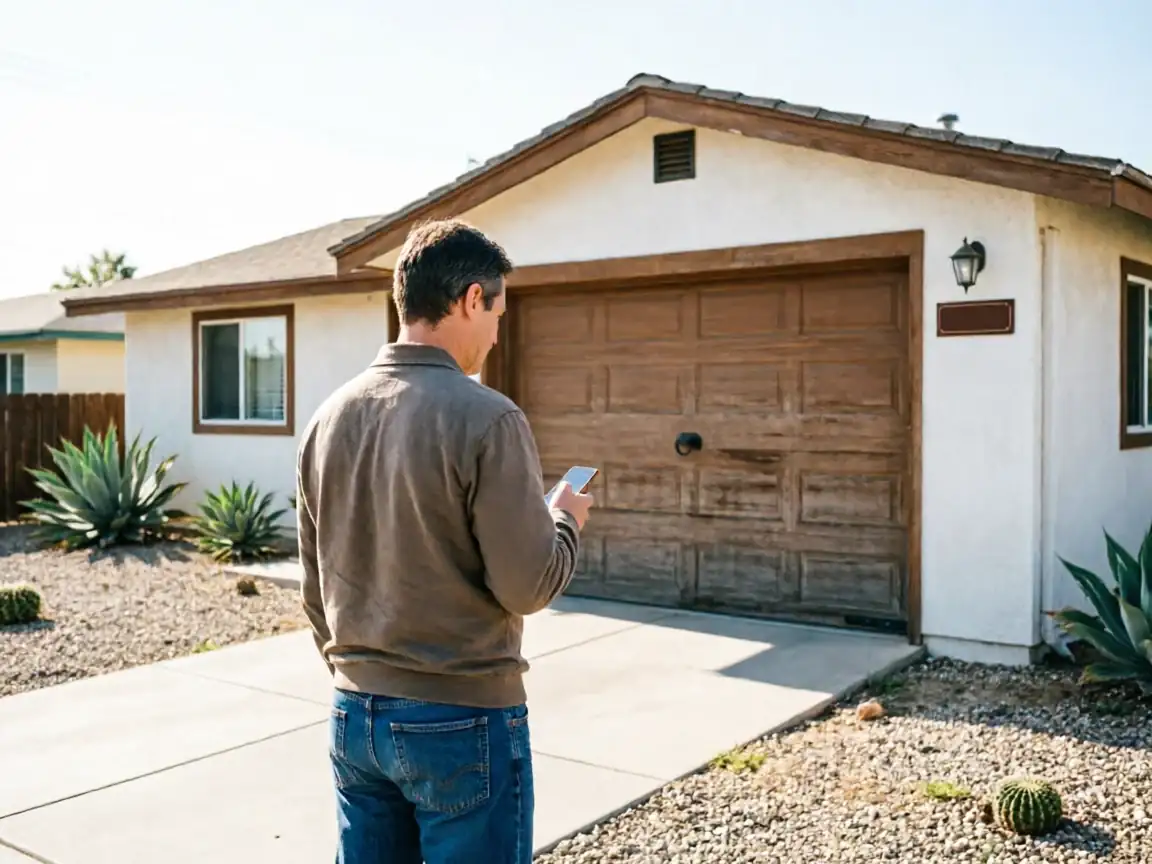
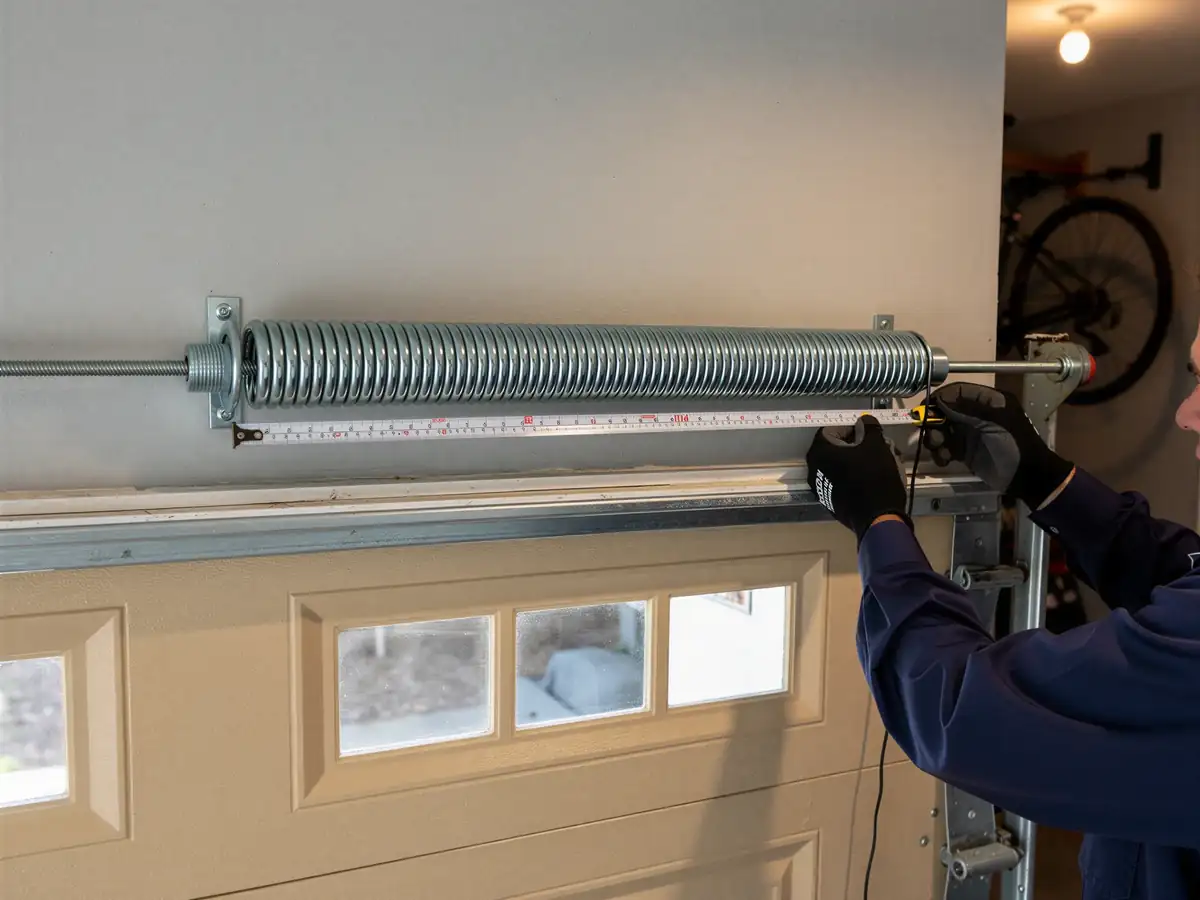
Most houses in Vista's service area went up between 1970 and 2003, with the median sitting around 1982, which puts a lot of original torsion springs well past their rated cycle count right now. A standard torsion spring is built for somewhere around 10,000 open-close cycles. A door opened twice a day for forty-plus years has run through that math a long time ago, and nobody swapped the spring because nothing dramatic happened - it just got tired.
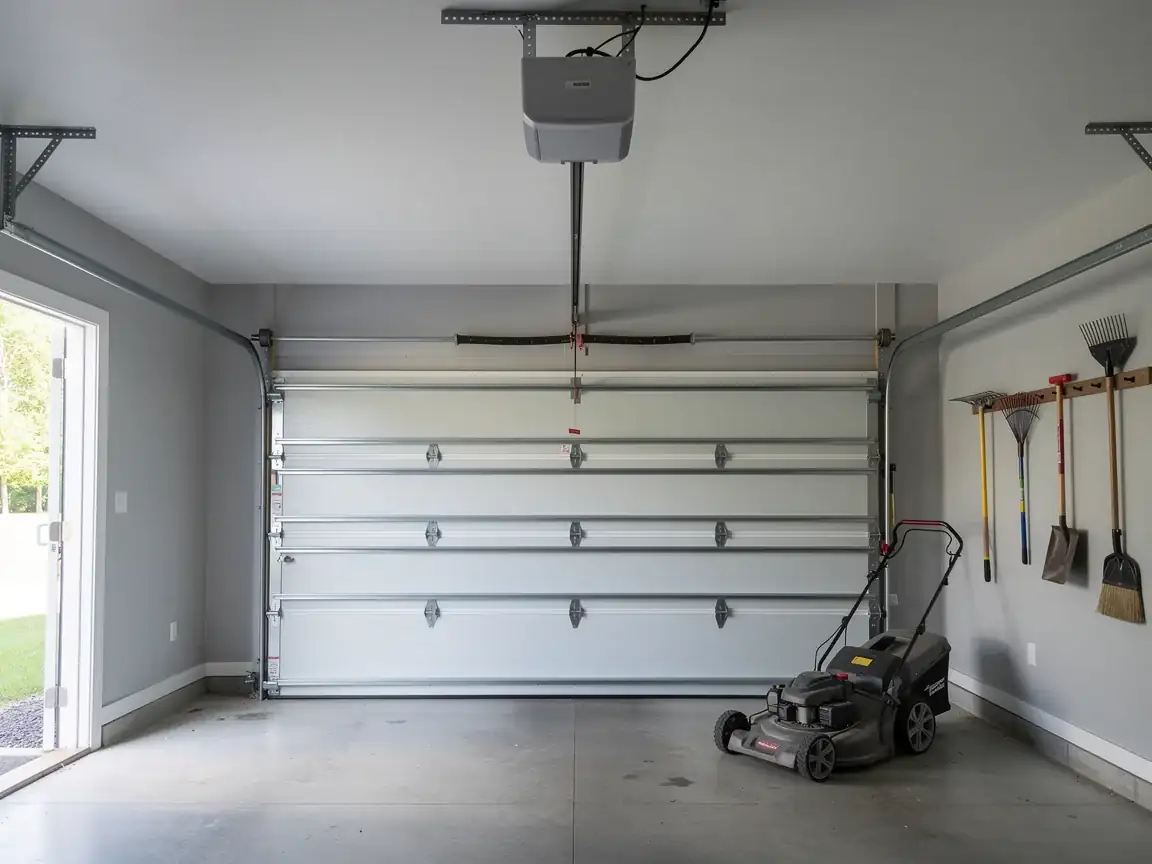
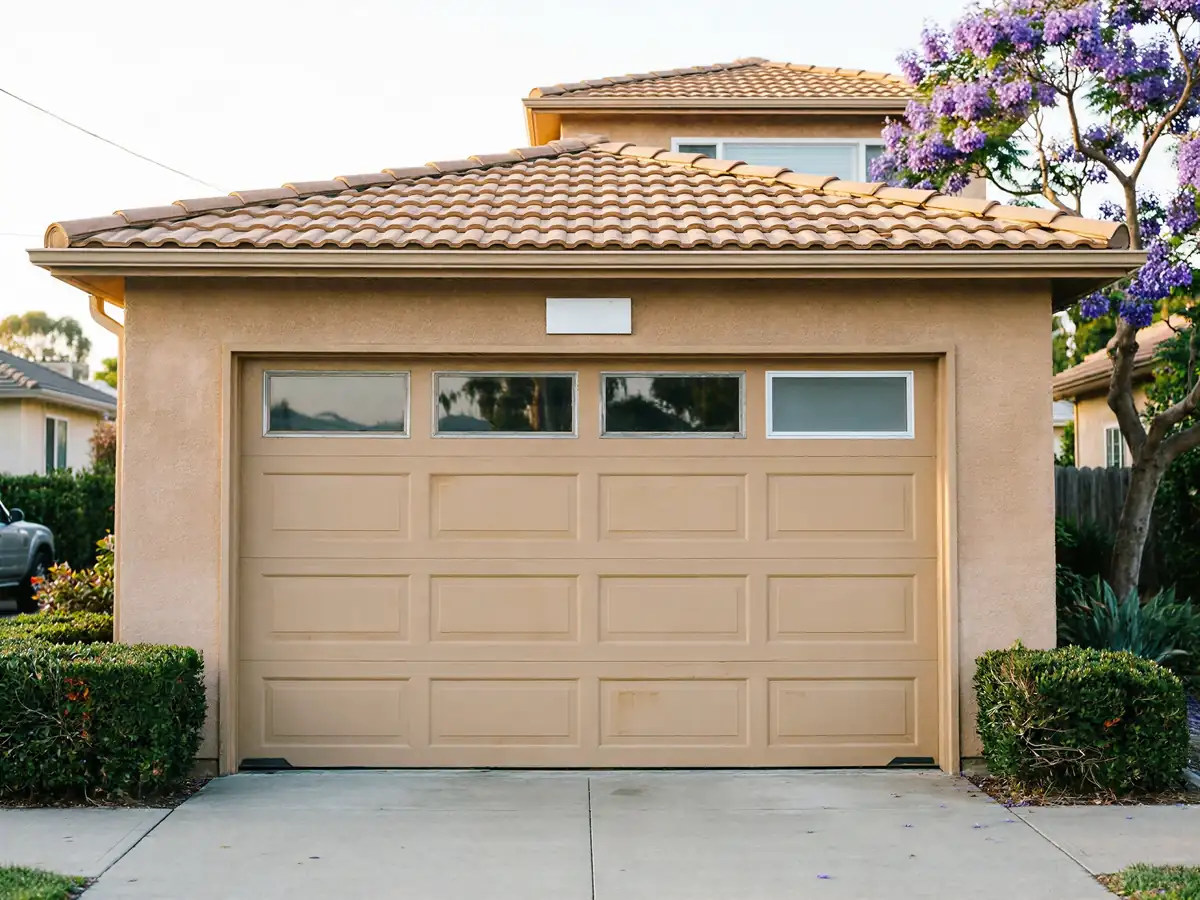
Vista sits inland from the coast - Del Mar is about 16 miles away - so the mild temperate climate here runs without the salt air that eats hardware in beach towns. That's actually part of the problem: springs here don't rust and announce themselves early. They fatigue quietly from use and heat-cycling in the garage, then let go all at once, usually without warning. Across the 13 named communities in this service area, the bulk of the stock is still 1980s and 90s construction, which means the springs, brackets, and spring sizing you'll find behind most Vista garage doors are original to that era, not whatever a big-box store stocks today.
The Symptom
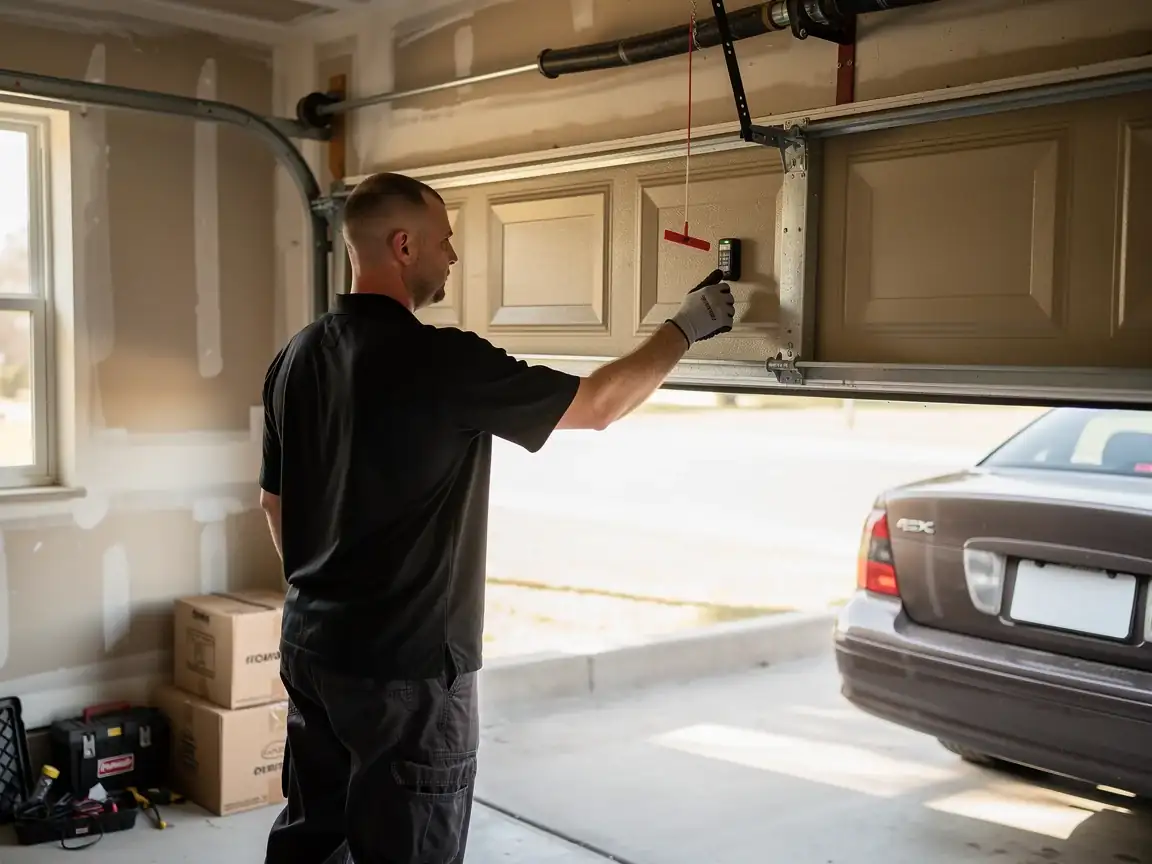
The classic version: you hit the opener button and the door doesn't move, or it jerks up a few inches and stalls. Sometimes there's a loud bang from the garage first - that's the spring itself breaking, not the opener. If only one spring on a double door lets go, the door will sit crooked, heavier on one side, and the opener will strain and may burn out trying to force it.
A slower version shows up first: the door feels heavier than it used to, closes with a thud instead of a smooth seat, or the opener's remote works but the wall button doesn't lift it past halfway. That's a spring losing tension gradually before it finally snaps. Either way, once a torsion spring is gone, the door is not safe to operate - the opener alone was never built to lift that door's full weight, and running it that way is how you burn out a motor or snap a cable next.
The Complications
With 25,689 owner-occupied houses in the service area
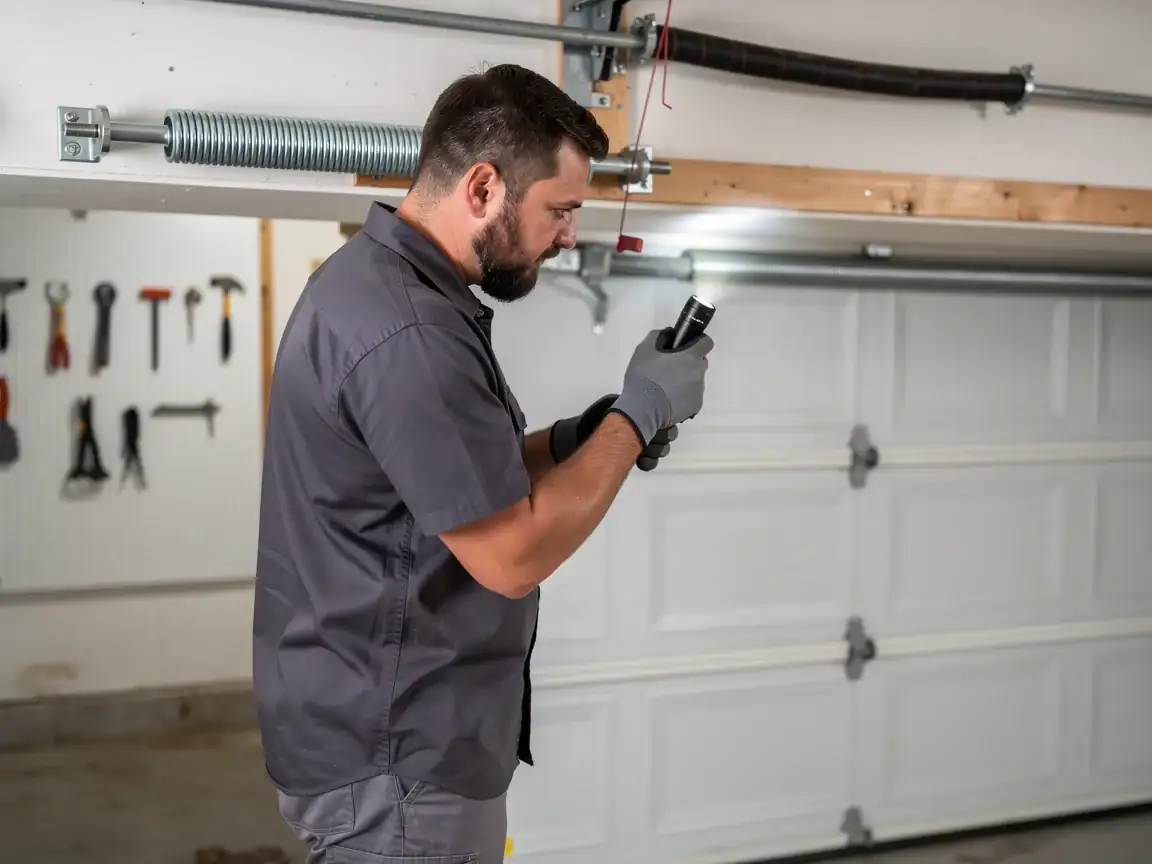
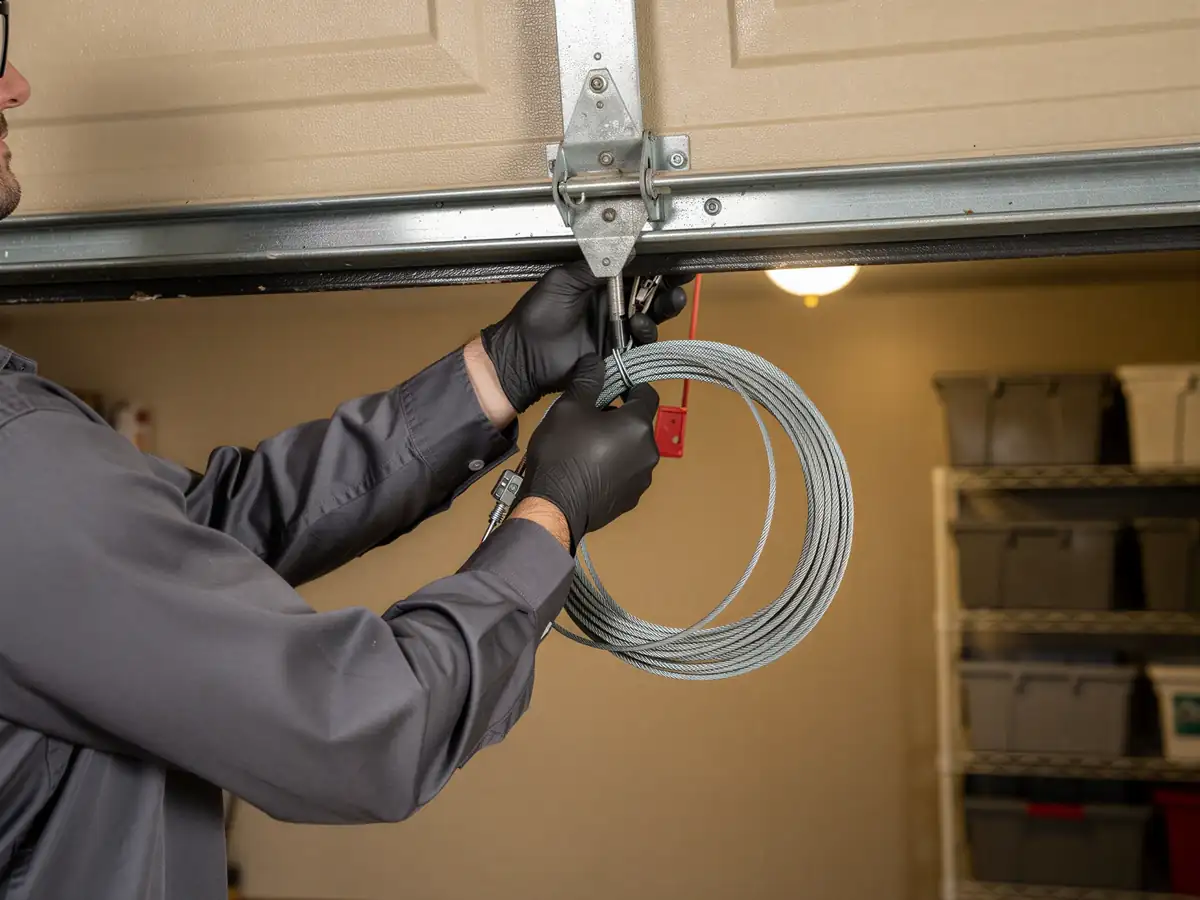
A lot of them built in that same twenty-year window, spring failure here isn't tied to a cold snap or a storm - it's every door built between 1970 and 2003 hitting the same cycle-count wall around the same time, independent of each other. That means when we're out on a spring call, we're also checking the cable drums, end bearing plates, and track alignment, because on a door that old, one worn part often means its neighbors are close behind.
- 25,689 owner-occupied
Older brackets from that era aren't always sized the same as current stock
So matching a spring to the existing drum and shaft sometimes takes more than grabbing an off-the-shelf part. We carry what covers most of what we see out here, but a less common bracket or a discontinued low-headroom kit can mean a short wait on a part instead of a same-visit fix. We'll tell you straight if that's the case rather than force a mismatched spring onto your door.
The DIY Question
We'll say this plainly: a broken torsion spring is not a reasonable DIY repair. The spring is wound under several hundred pounds of tension, and the tools to safely unwind and reset it - winding bars, a properly anchored ladder position, knowing which way the shaft is loaded - aren't things most homeowners have lying around or should improvise with. People lose fingers and worse on this exact job every year.
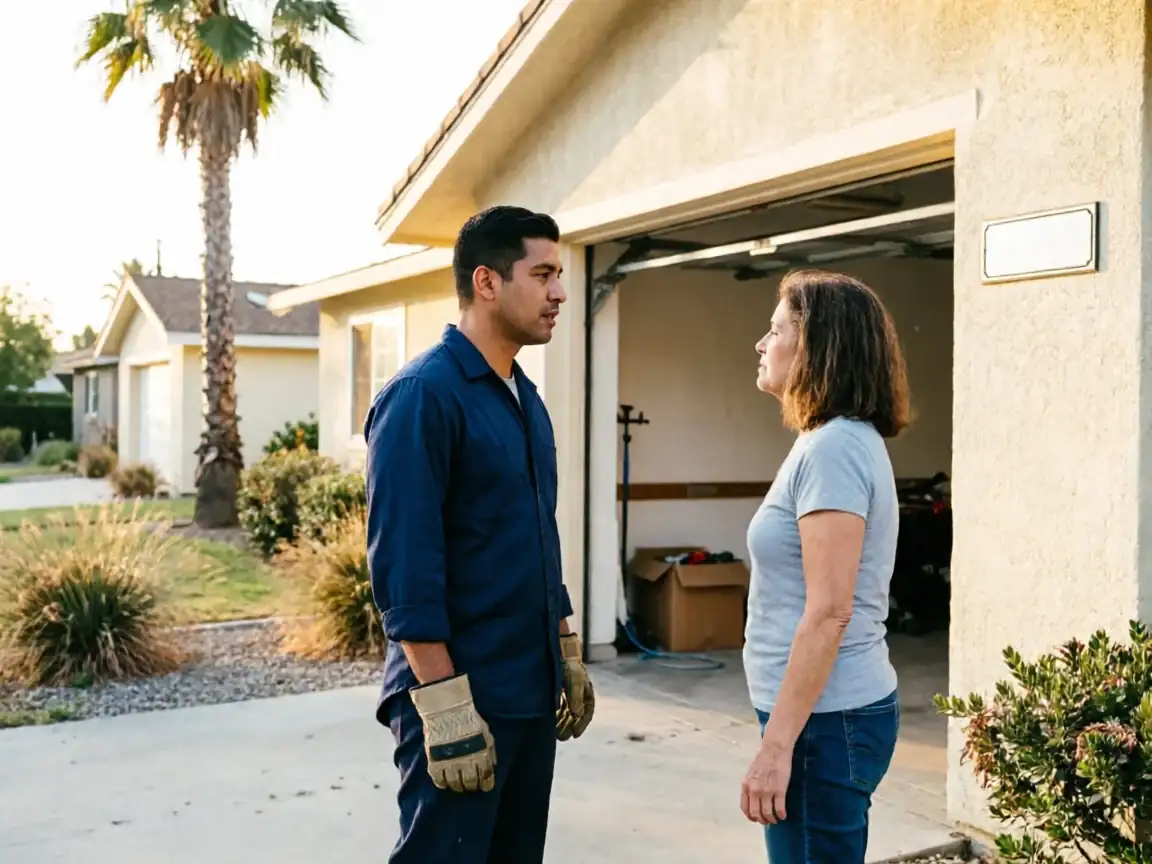
At a median household income of $110,316, more owners here call for a spring swap instead of pricing a full door replacement, and that's usually the right math - a spring job is a fraction of a new door. What you can safely check yourself: whether the opener light is blinking an error code, whether the tracks are visibly bent, or whether the door is binding on one side. Those observations help us bring the right spring and bracket size on the first trip instead of a second.