Getting Here
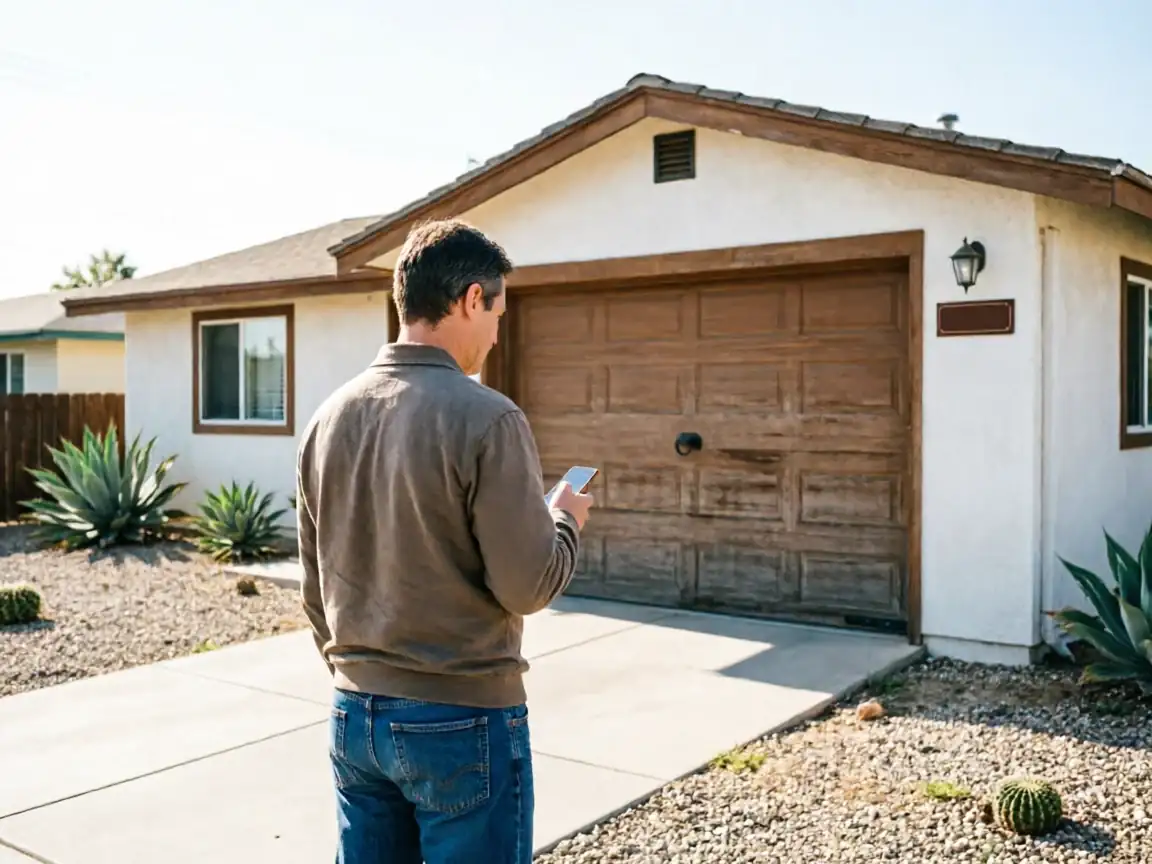
We run out of Vista, about 7 miles from Hidden Meadows. That's a straightforward trip, not a special trip, which matters when you're trying to get a truck out same-day rather than waiting on someone who has to cross the county first. We don't keep a depot in Hidden Meadows itself - we say that plainly because some companies imply a local yard they don't have, and we'd rather you know exactly what you're getting: a crew that comes from Vista every time, not one that happens to be already parked on your street.
The drive matters less than what's waiting at the other end of it. Hidden Meadows sits far enough from the coast that the mild temperate swings here don't beat up hardware the way salt air does closer to the water, but the neighborhood's age does its own kind of work on a door over three or four decades. That's the part worth talking about before anything else.
What Neighbours Usually Call About
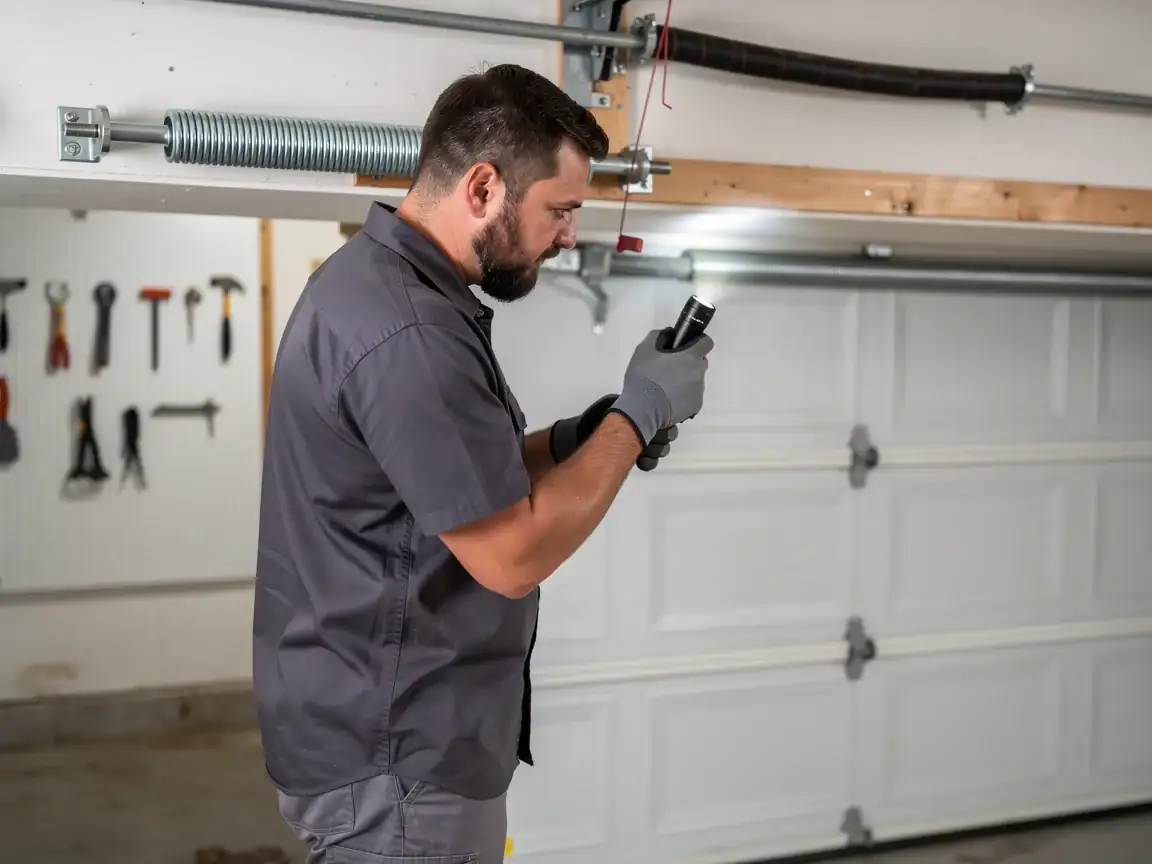
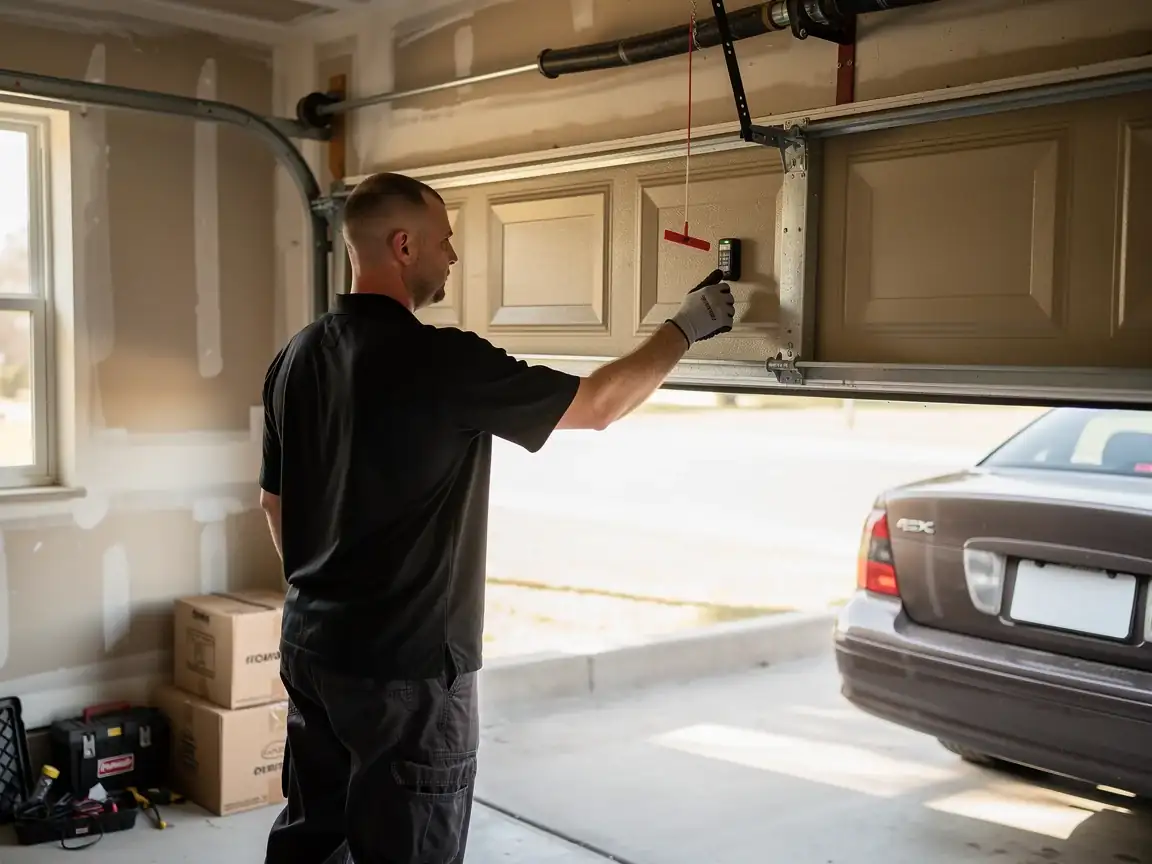
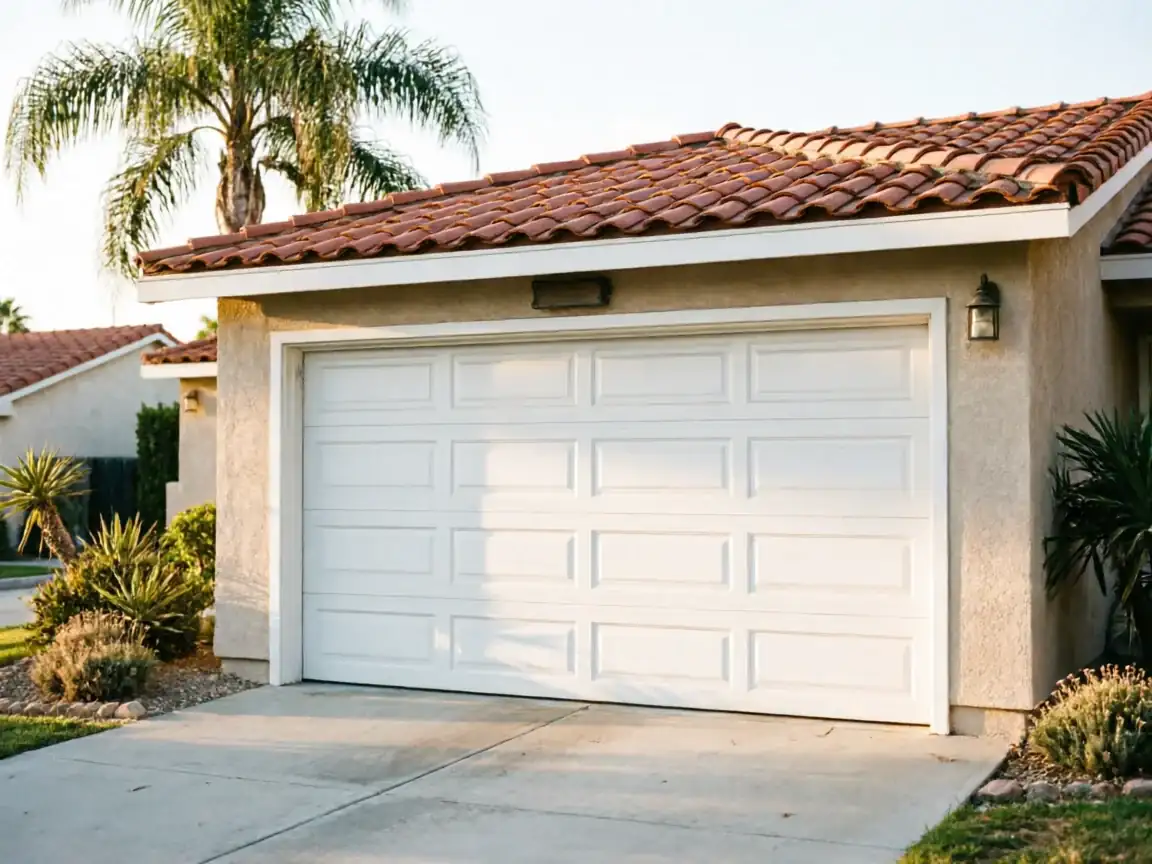
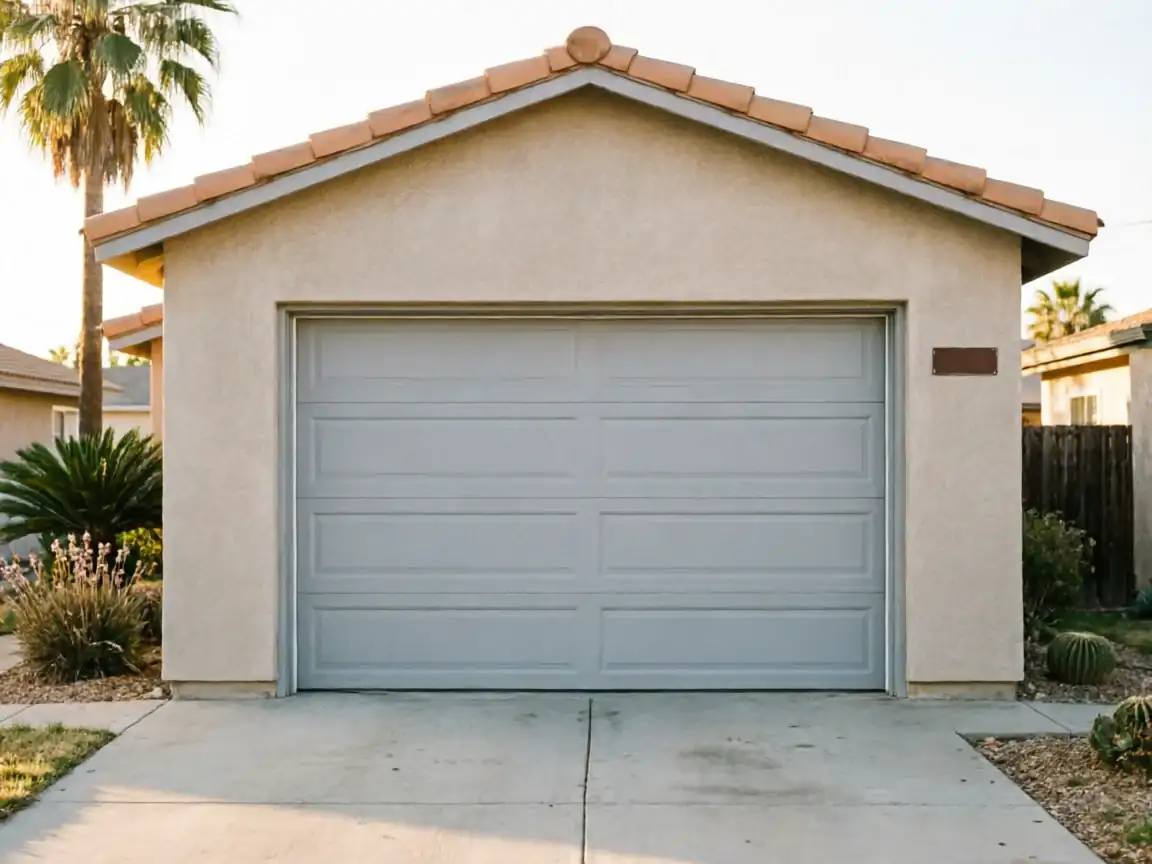
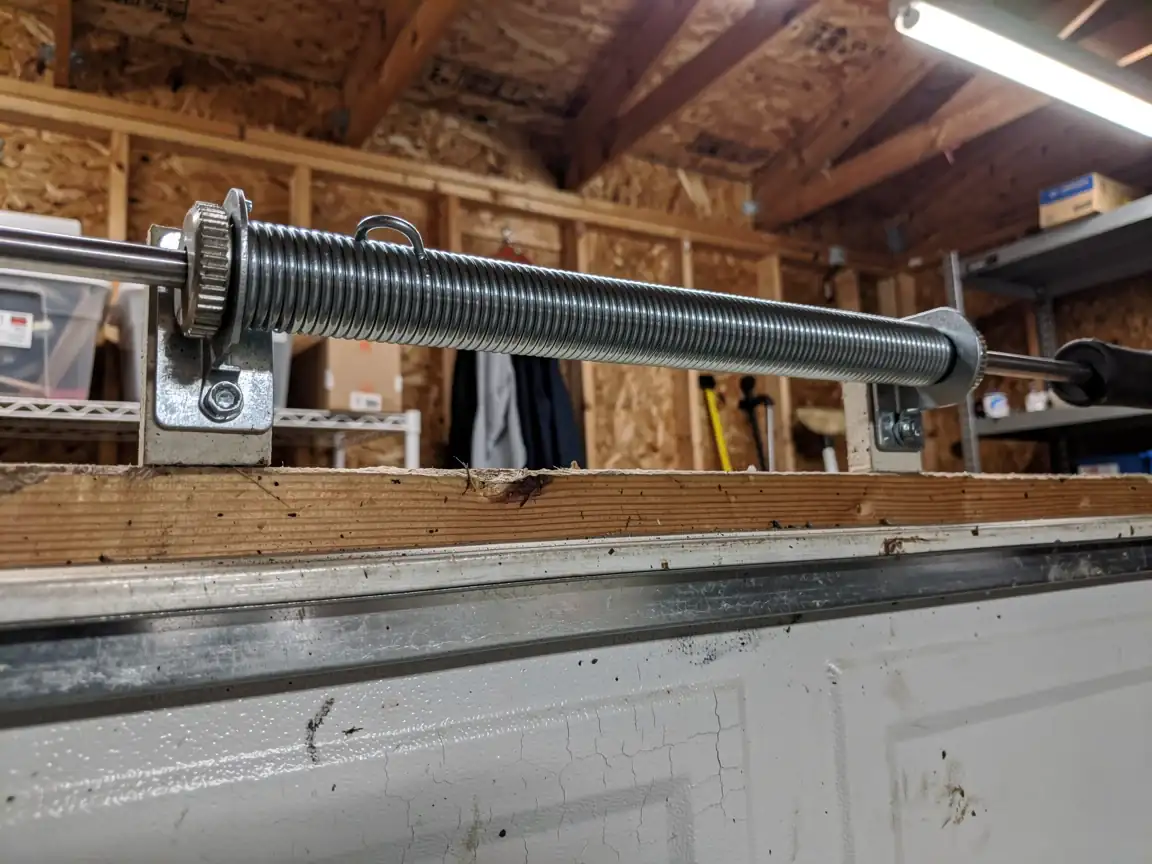
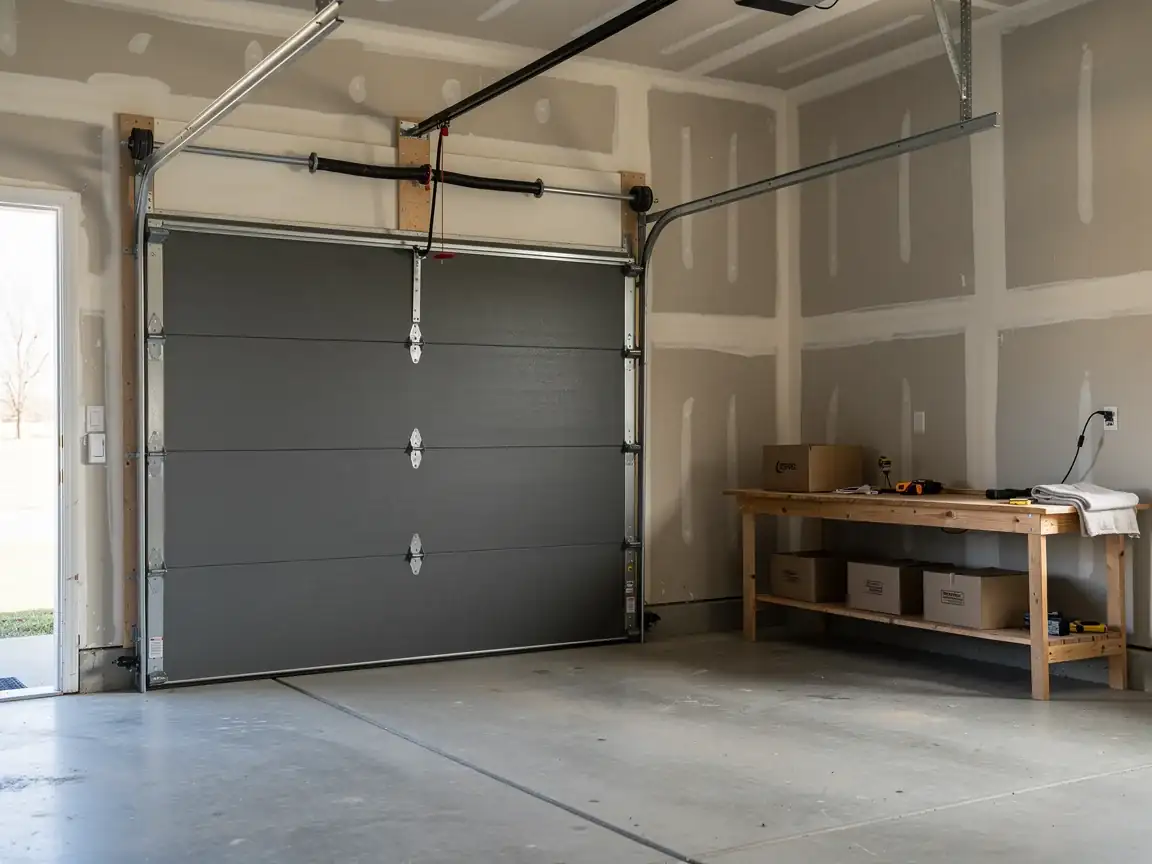
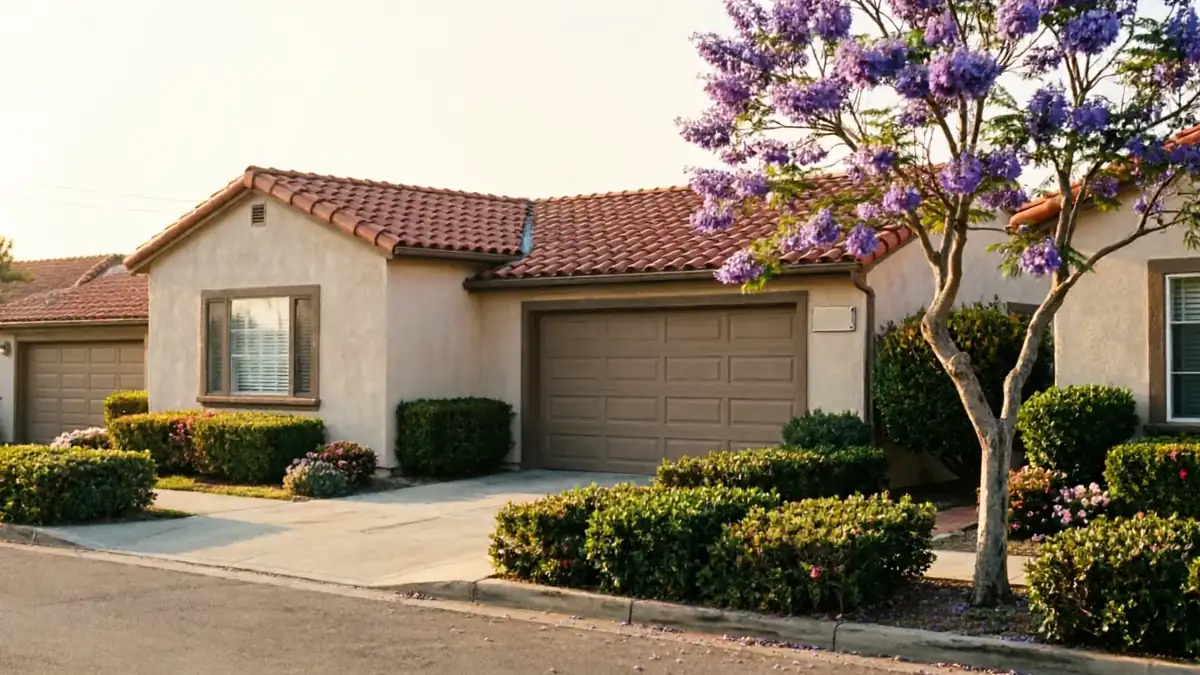
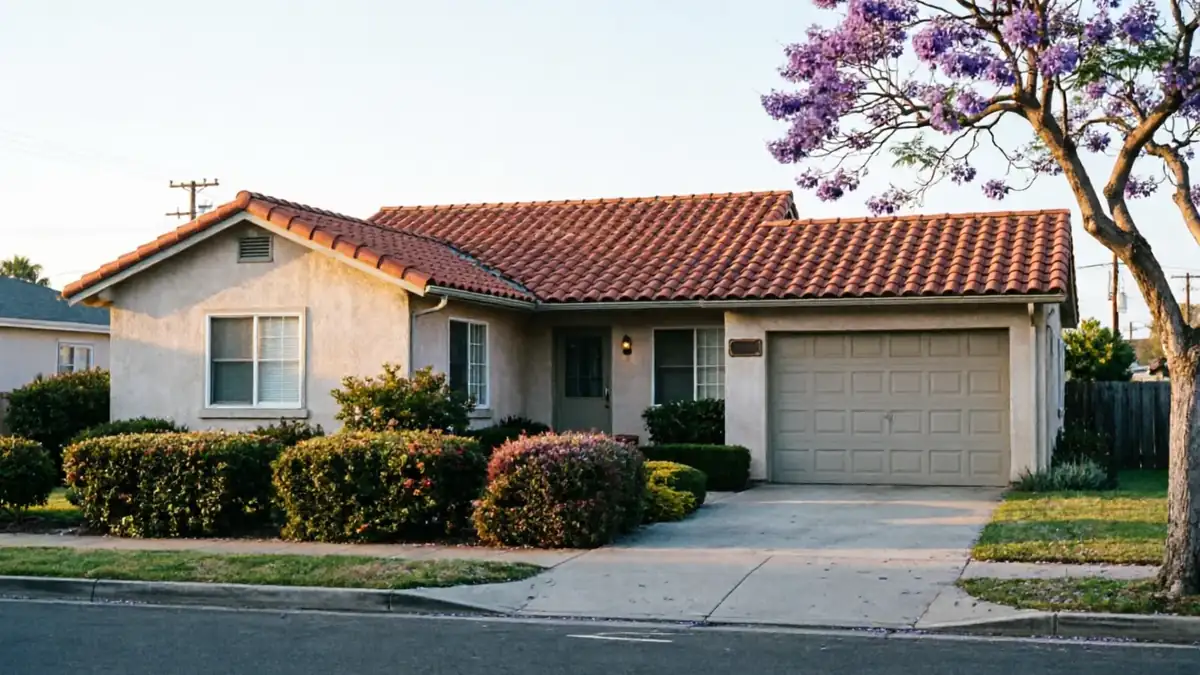
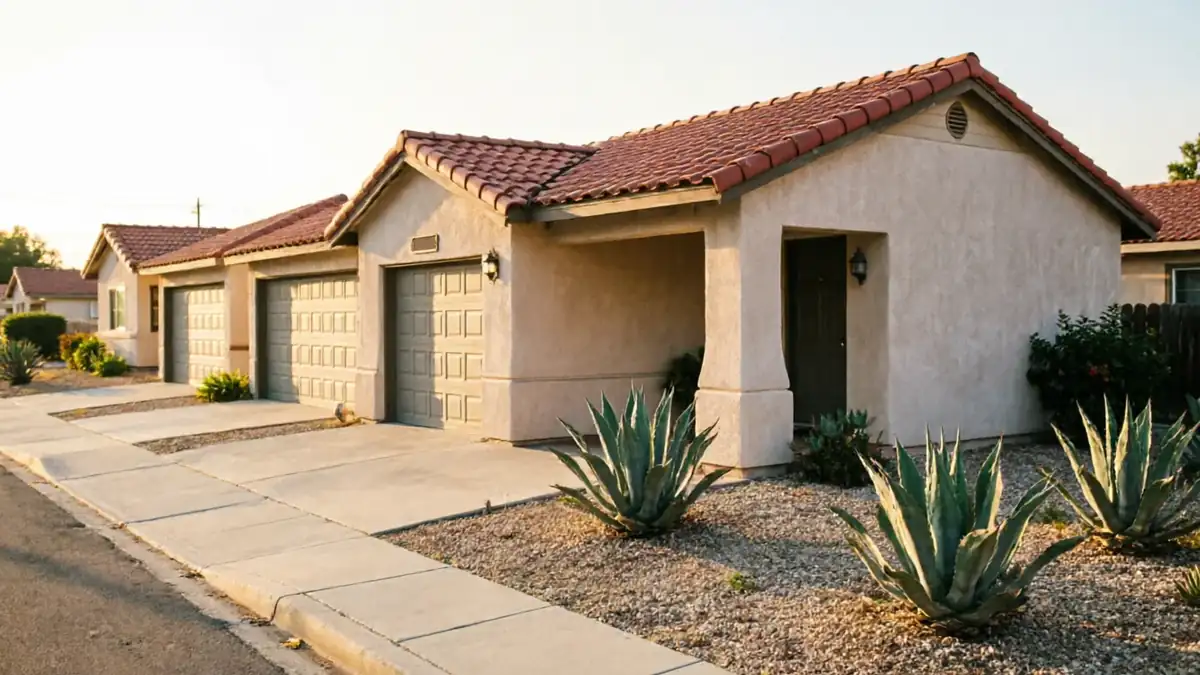
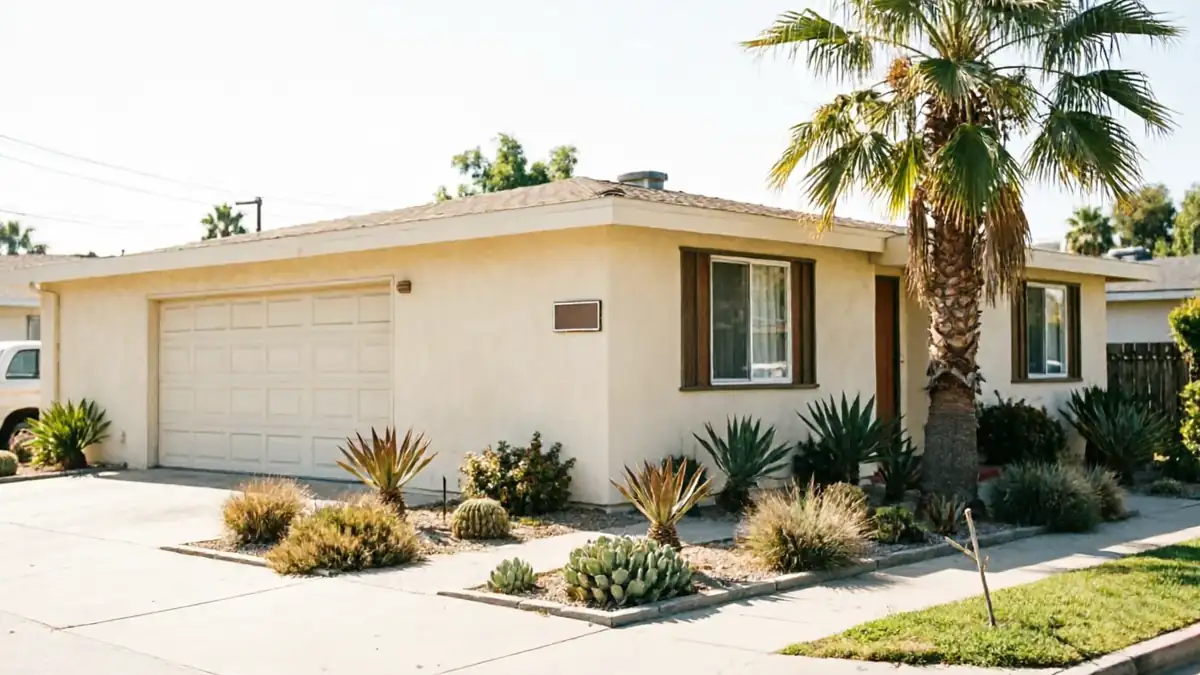
Most of the calls we get from this area trace back to one thing: these houses are roughly 40 years old, built around 1984, and the garage door hardware installed then has been quietly wearing out ever since. Torsion springs rated for a 20-25 year cycle are well past due in a lot of these driveways. Original openers from that era - chain-drive units with aging gear sets and worn-out logic boards - are still running in plenty of garages, and when they finally give out, the fix usually isn't a quick part swap, it's a full replacement.
We also see a fair number of track and roller issues that come from decades of use rather than any one bad day - bent track from a door that's been slightly out of alignment for years, rollers that have gone from steel-and-nylon smooth to grinding. None of this is dramatic. It's just what happens to a mechanical system that's been opening and closing a few thousand times a year since the mid-1980s.
What the Housing Means for Your Door
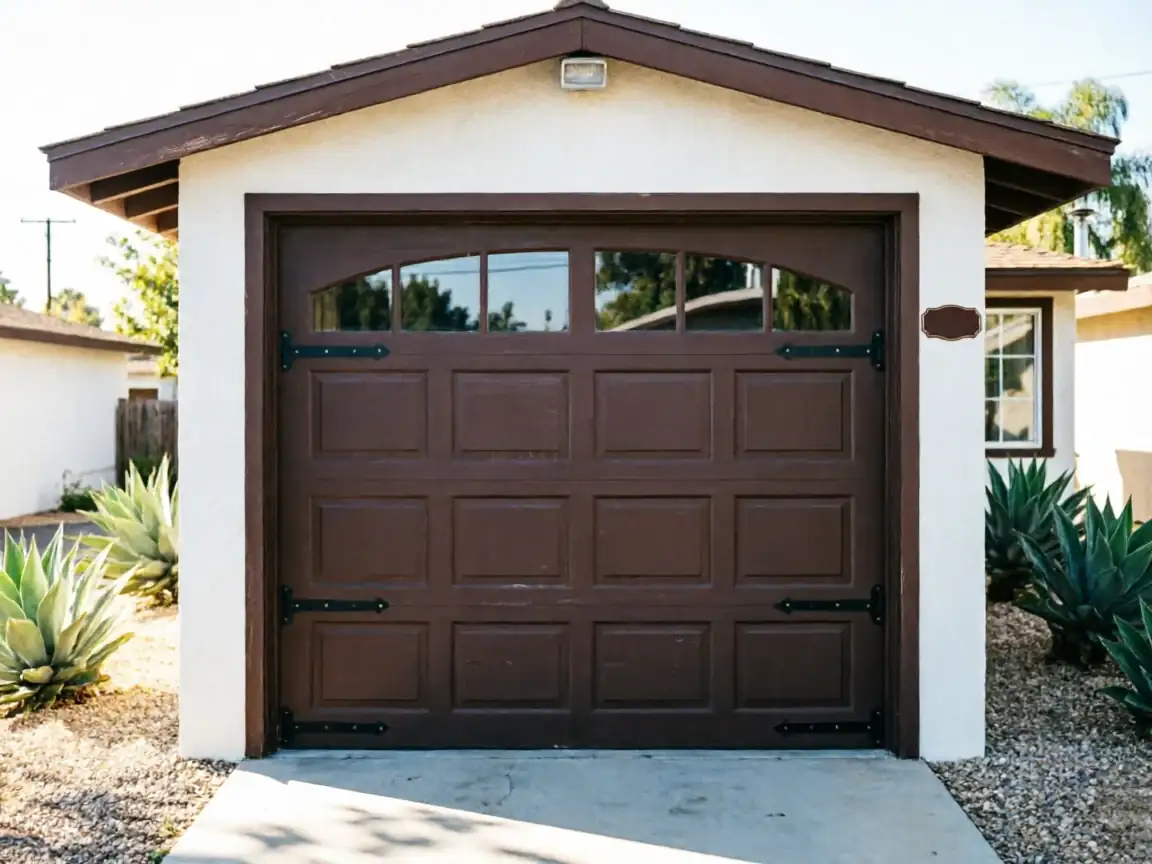
A door installed when a house was built in 1984 is not the door you'd get today
And that's the honest limitation worth naming: parts for some of that original hardware simply aren't made anymore. Panel sizes, track gauges, and spring winding specs have shifted enough over 40 years that a repair on an original door sometimes means sourcing a compatible part rather than an exact match - and sometimes it means the repair isn't worth it compared to replacing the unit outright.
- 40 years
That's not a sales pitch for replacement; it's just the math
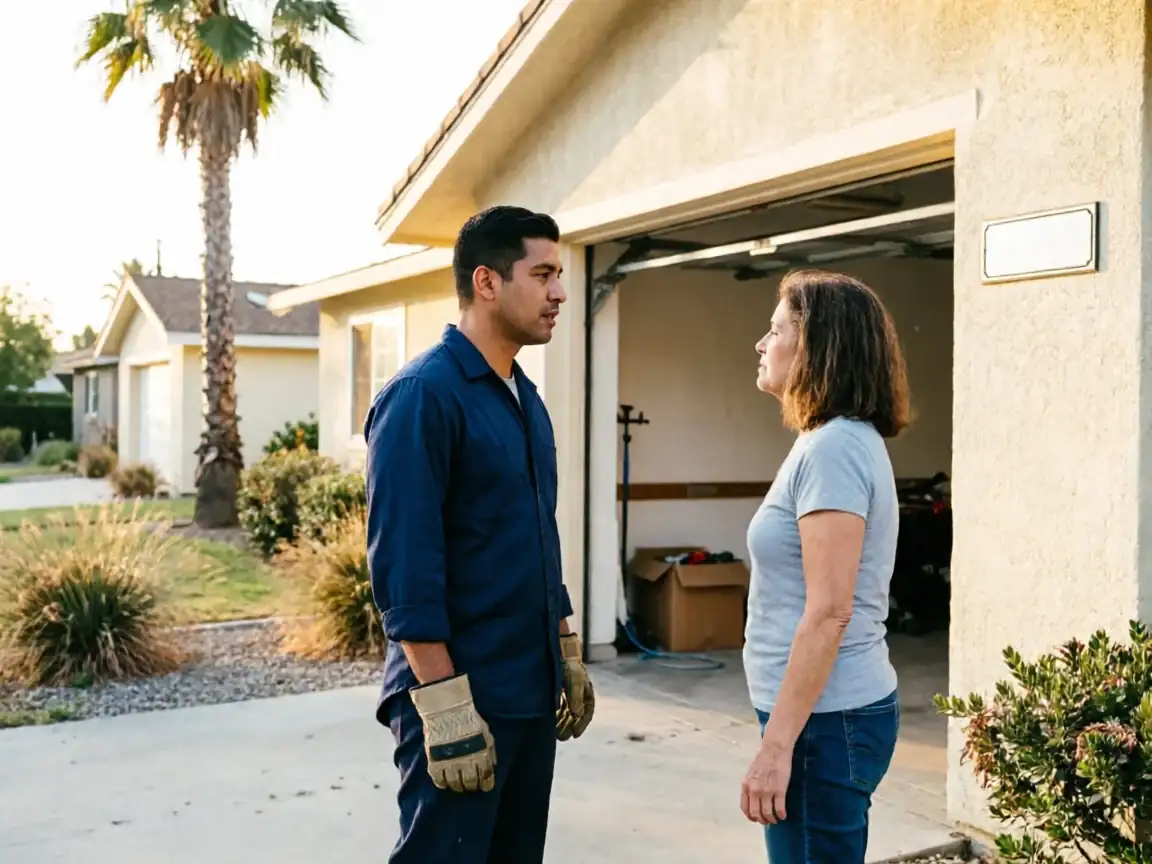
A new torsion spring and a tune-up on a door that's otherwise sound is almost always the right call. A door with a tired opener, warped panels, and original rollers all failing around the same time is a different conversation, and we'll tell you straight which one you're looking at before we quote anything.
The Houses Here
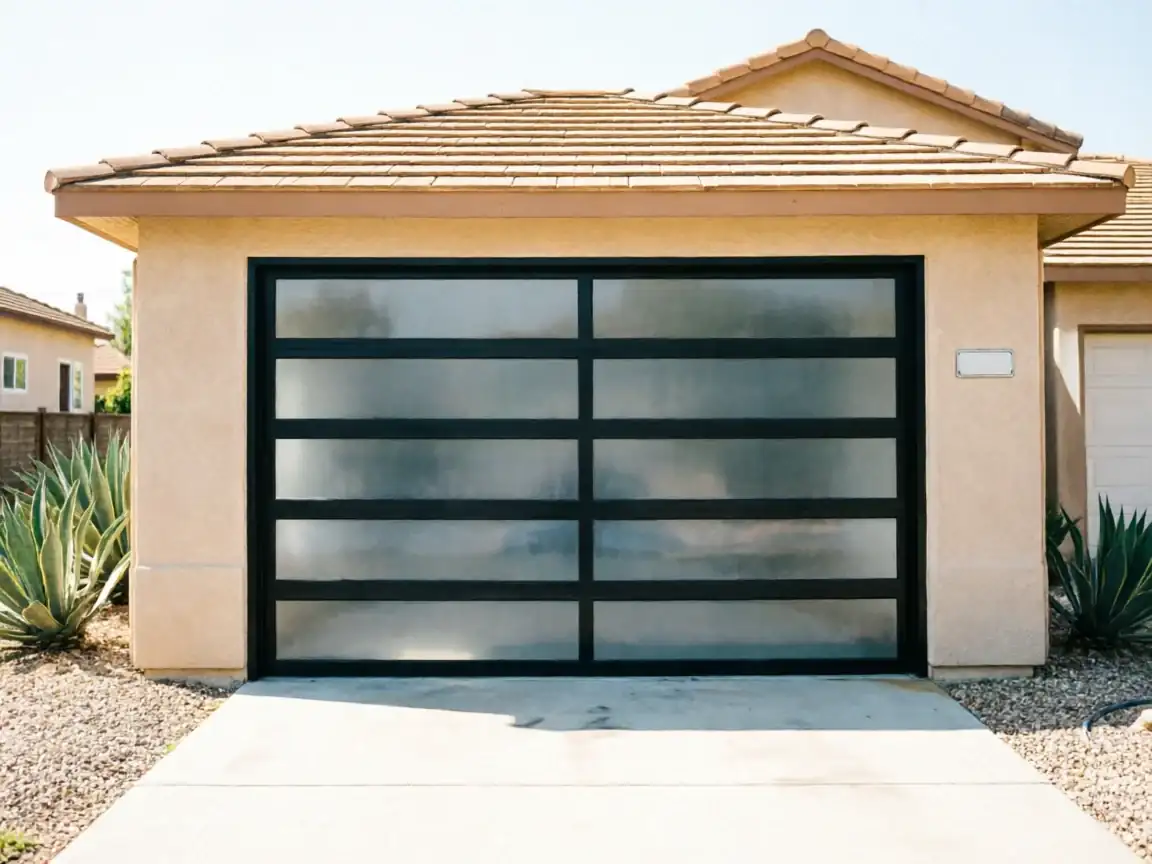
Hidden Meadows is a smaller pocket than most of what Vista Garage Door Pros covers - around 1,786 households, with a median income near $119,394, both noticeably higher than the broader service area's roughly 63,814 households and $110,316 median. That matters less for the mechanics of a door and more for what people tend to choose once theirs needs work: owners here more often go for a full opener upgrade with battery backup or a quieter belt-drive unit rather than patching the original chain-drive unit one more time.
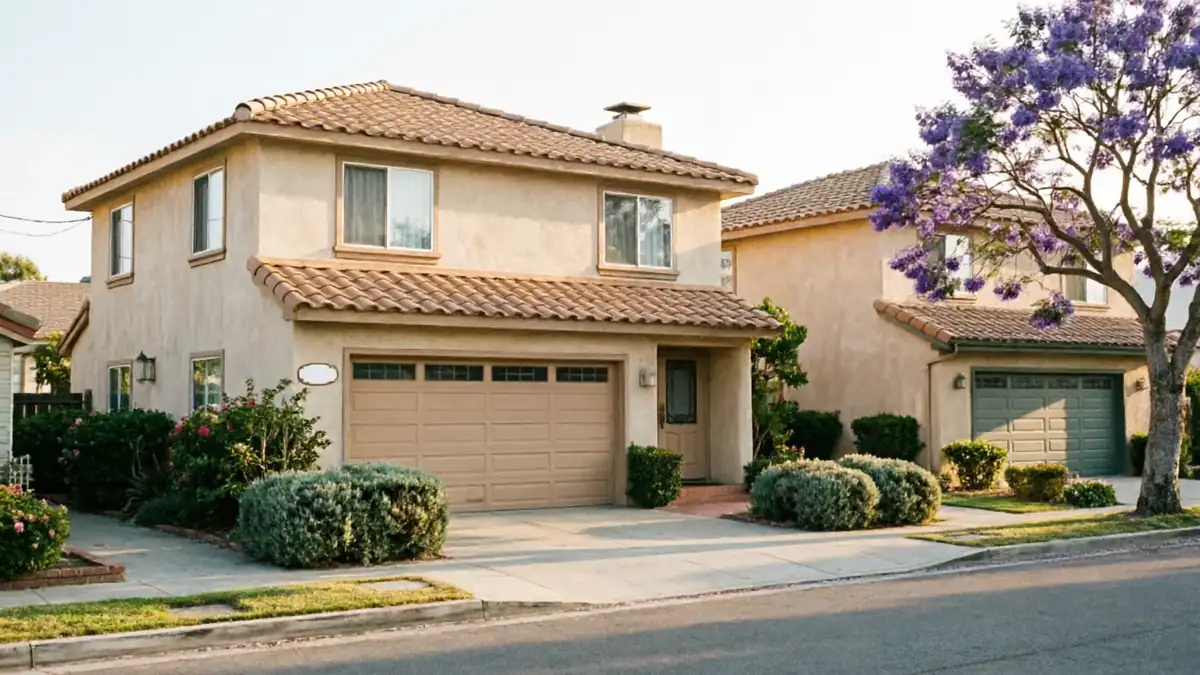
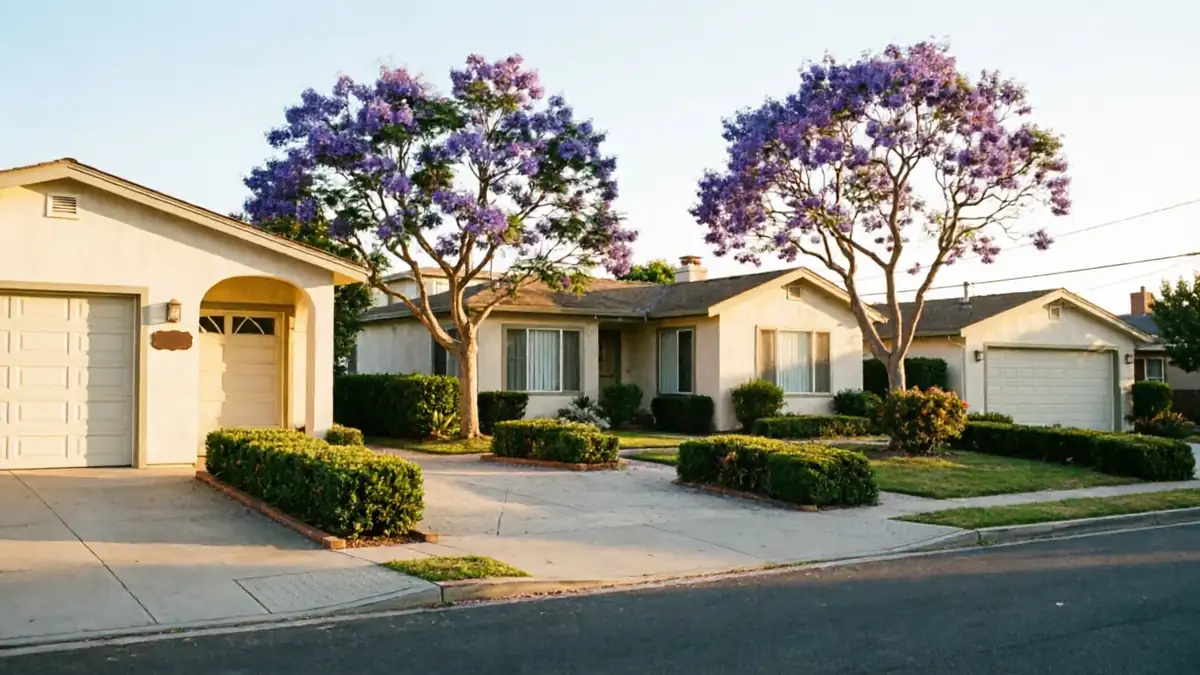
The housing stock sits a touch newer than the service area's overall 1970-2003 range with its 1982 median - Hidden Meadows itself centers closer to 1984 - but the gap is small enough that the same generation of hardware problems applies. If your neighbor three doors down just replaced their spring or opener, there's a decent chance the reason will look familiar when it's your turn.