What Local Conditions Do
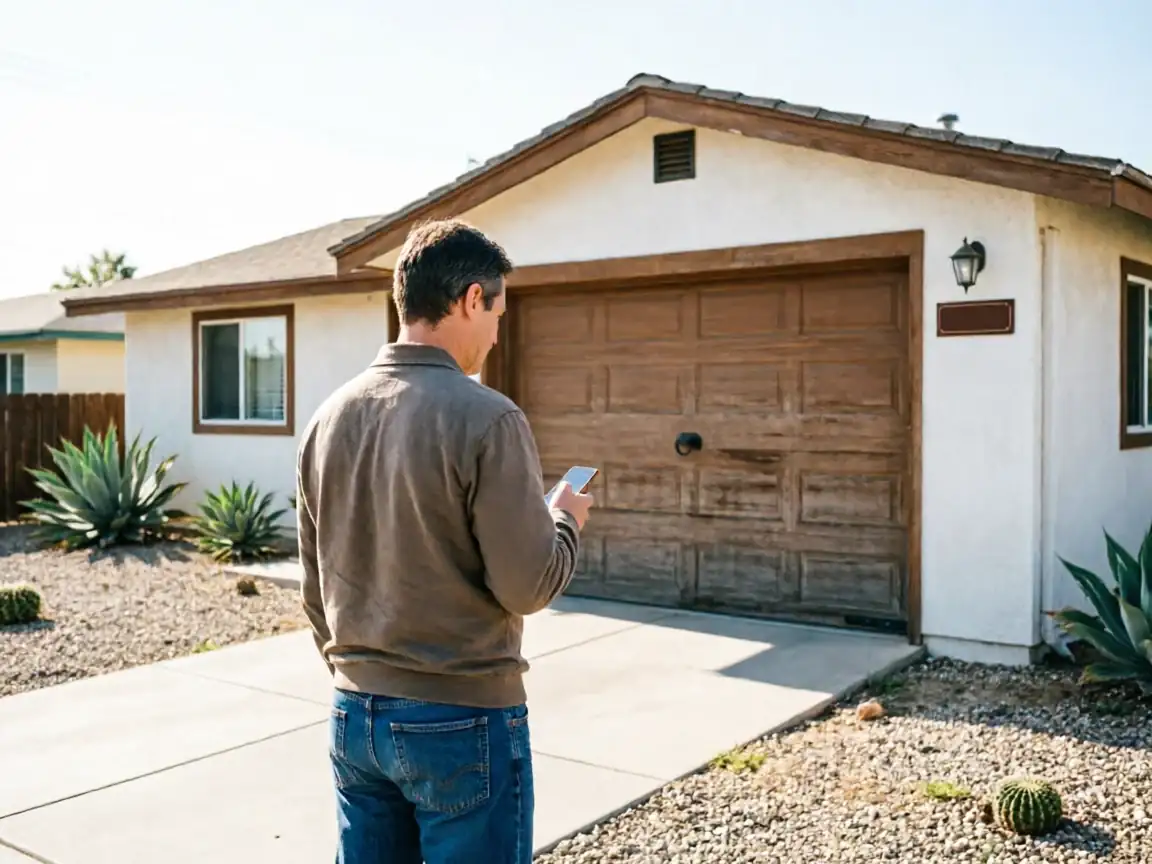
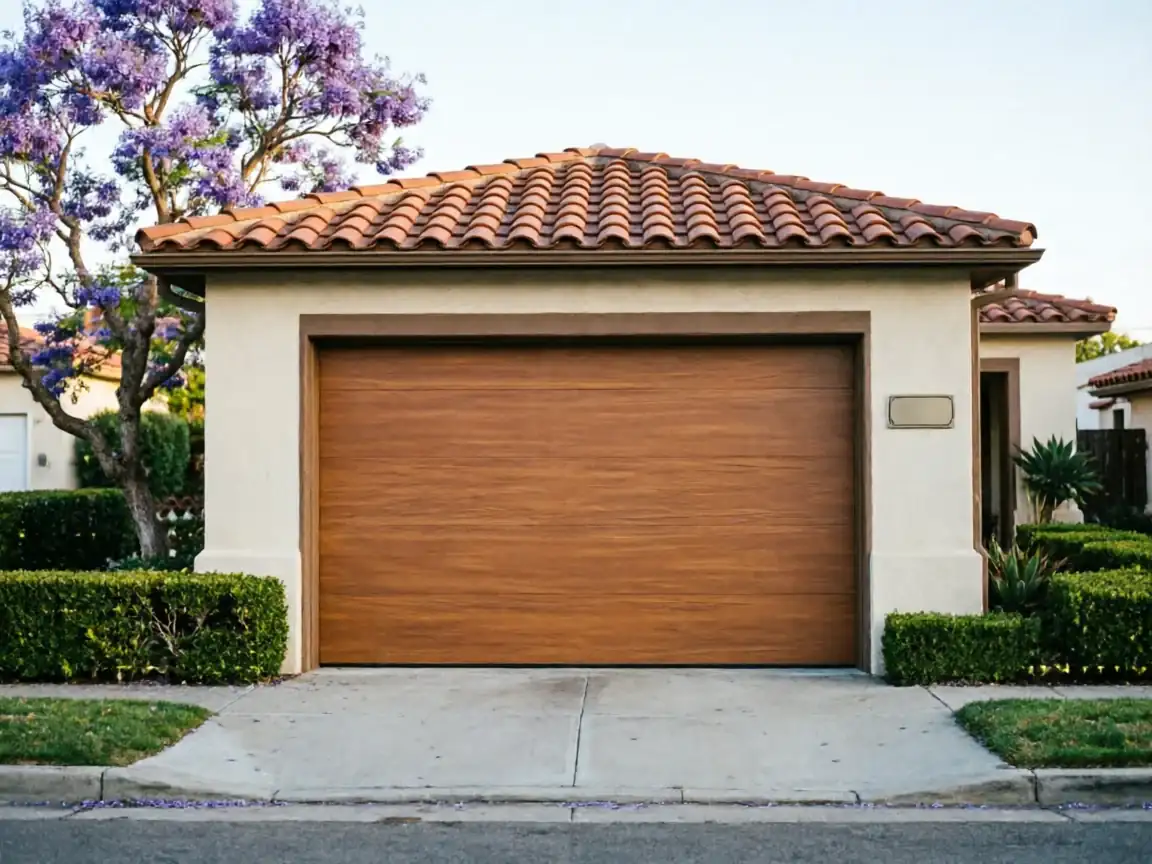
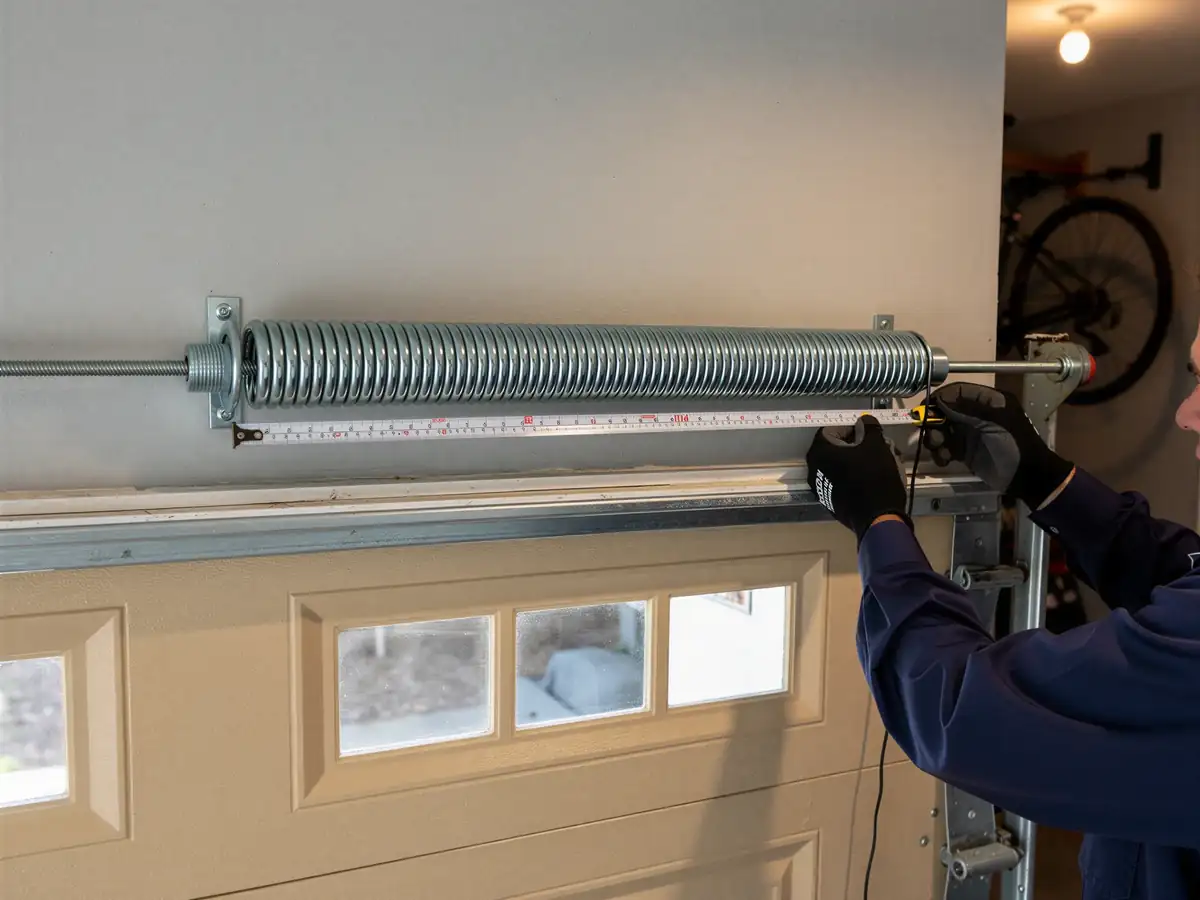
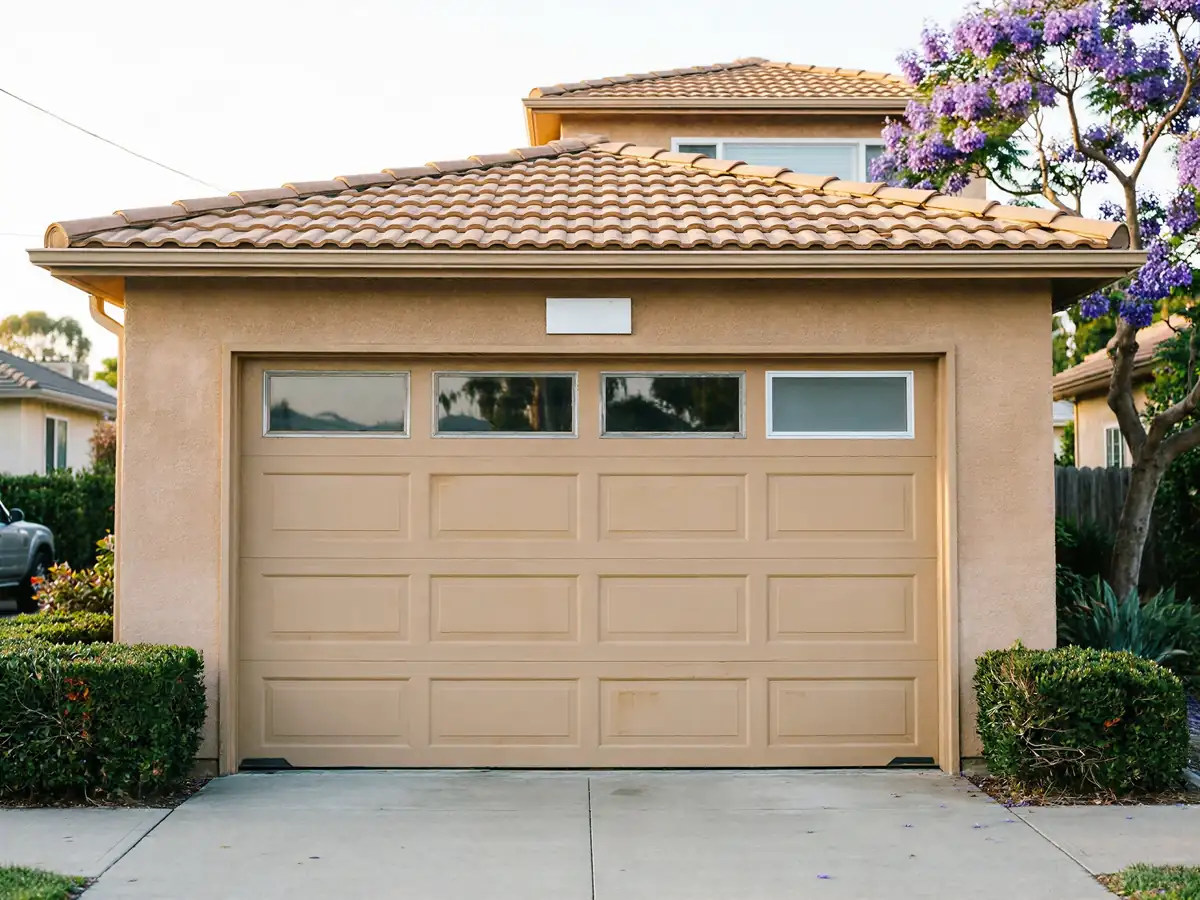
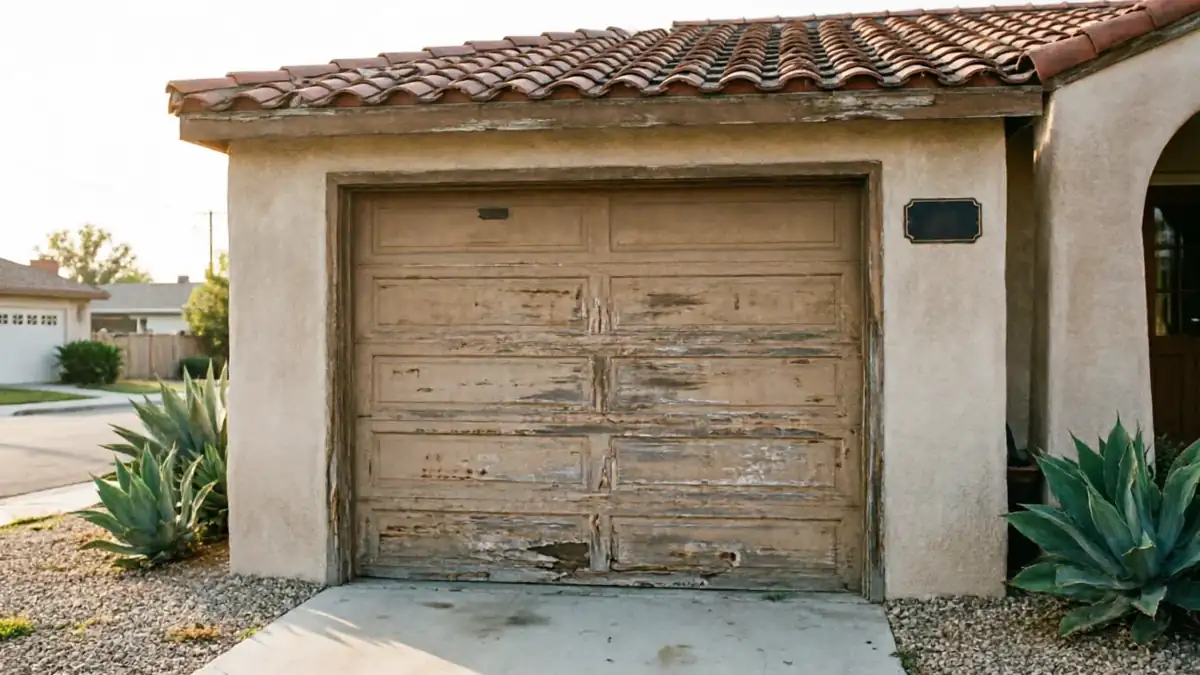
Most of the housing in this service area went up between 1970 and 2003, with the median landing around 1982. That means a lot of the doors we look at are original equipment, not replacements - steel panel doors and torsion or extension spring setups that were standard hardware for that build era. The mild temperate climate here works in your favor on this one. There's no freeze-thaw cycle to crack panel seams, no salt air chewing through galvanized coating the way it would near a coastline, and no deep winter cold making steel brittle. What the mild climate doesn't stop is UV. Years of sun on a west-facing door fade and chalk the paint and can dry out wood trim pieces faster than the hardware itself wears out. So the shell often looks tired before the mechanism actually fails. We can't tell you which specific parts are worn on your door without seeing it - a visual check from the driveway only tells you so much, and a lot of 1980s-era torsion springs look fine right up until they let go.
When to Call Someone
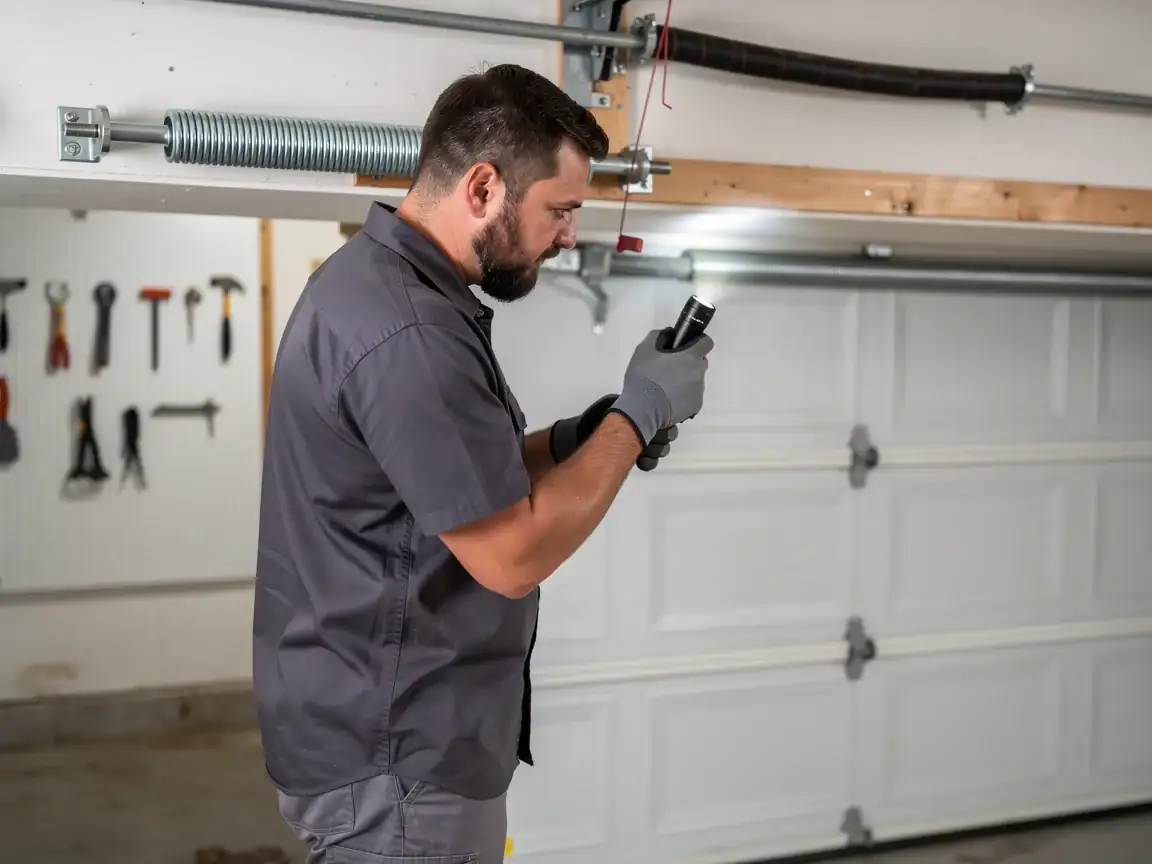
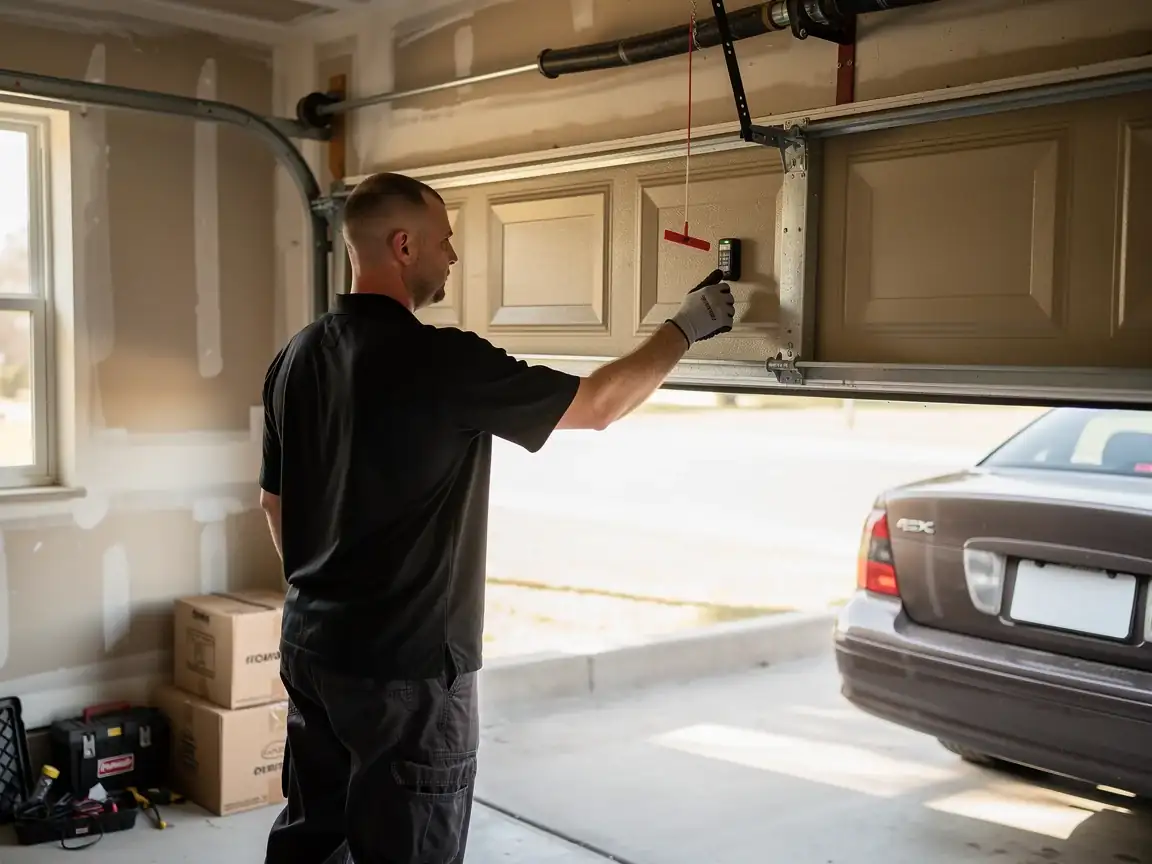
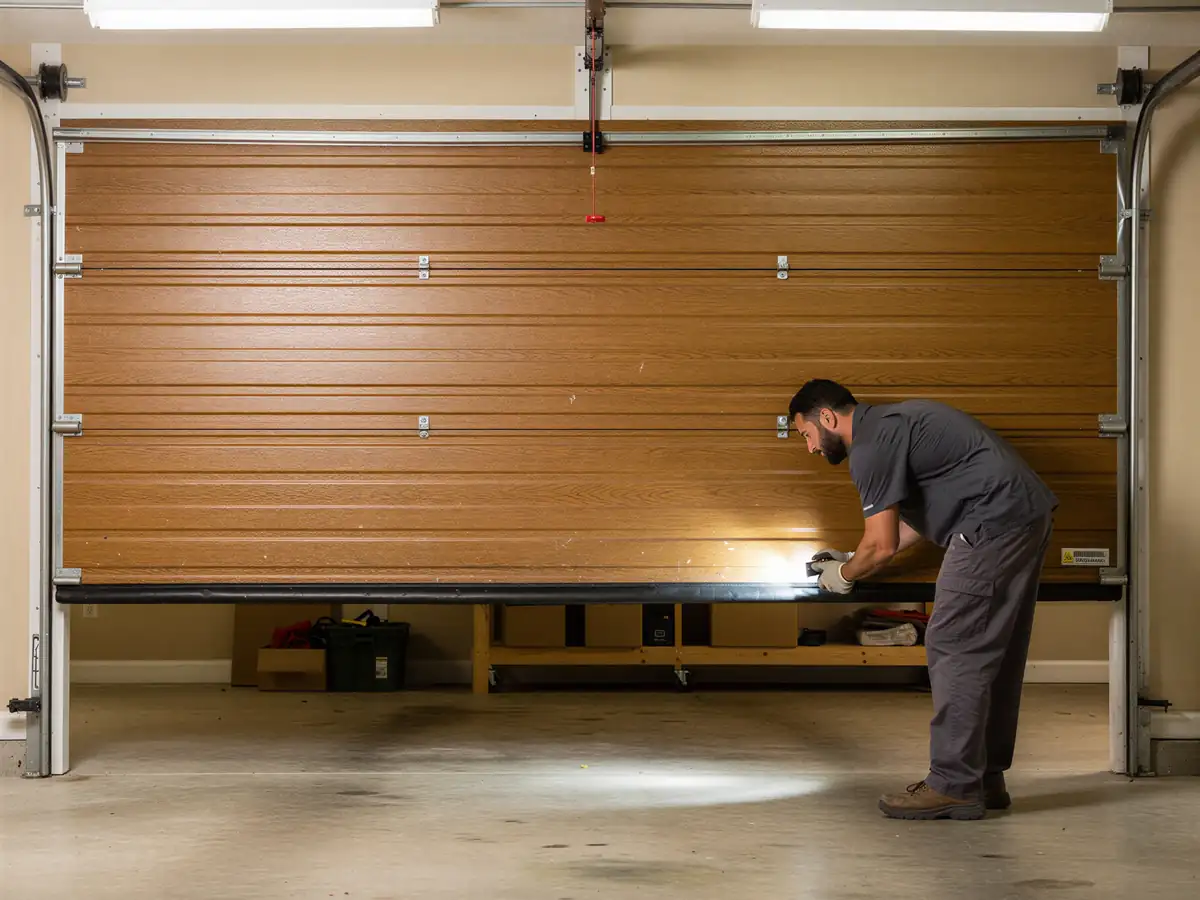
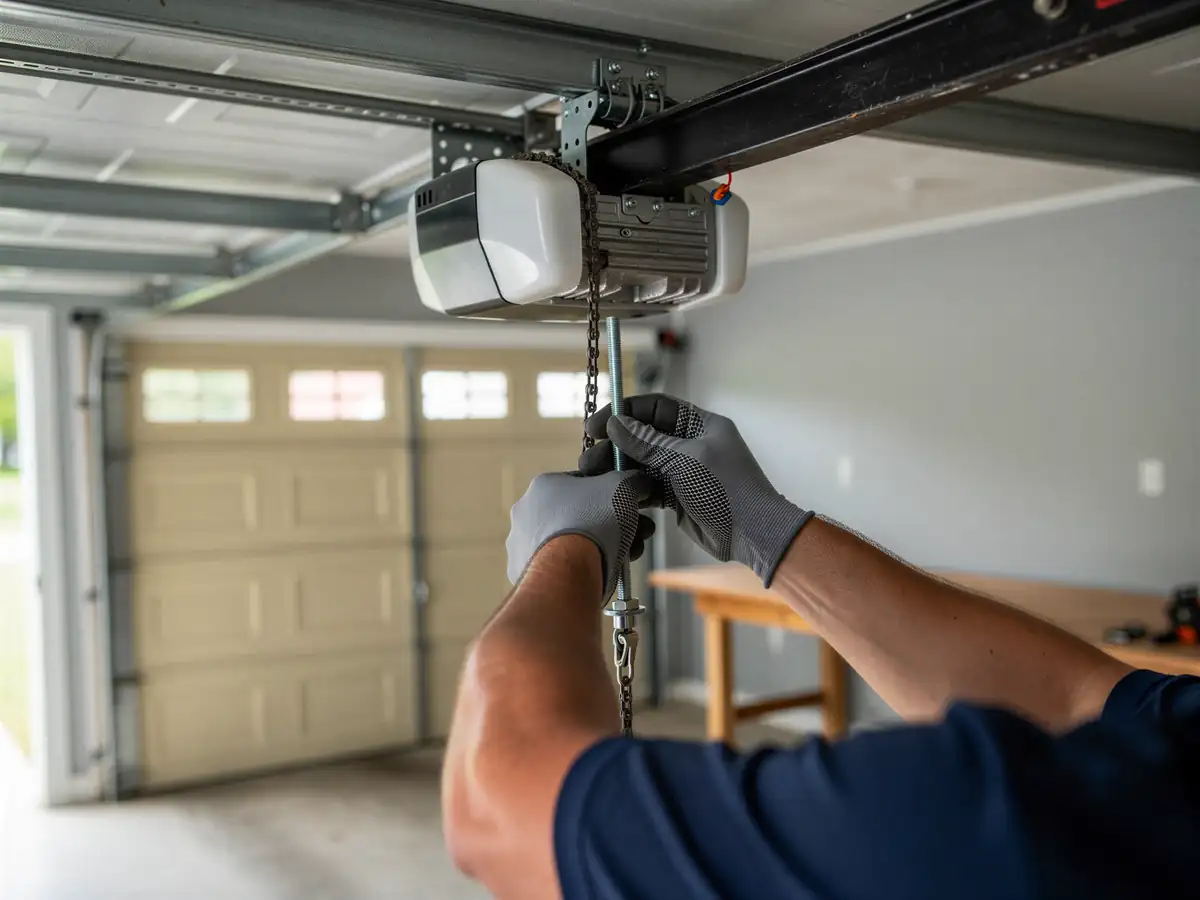
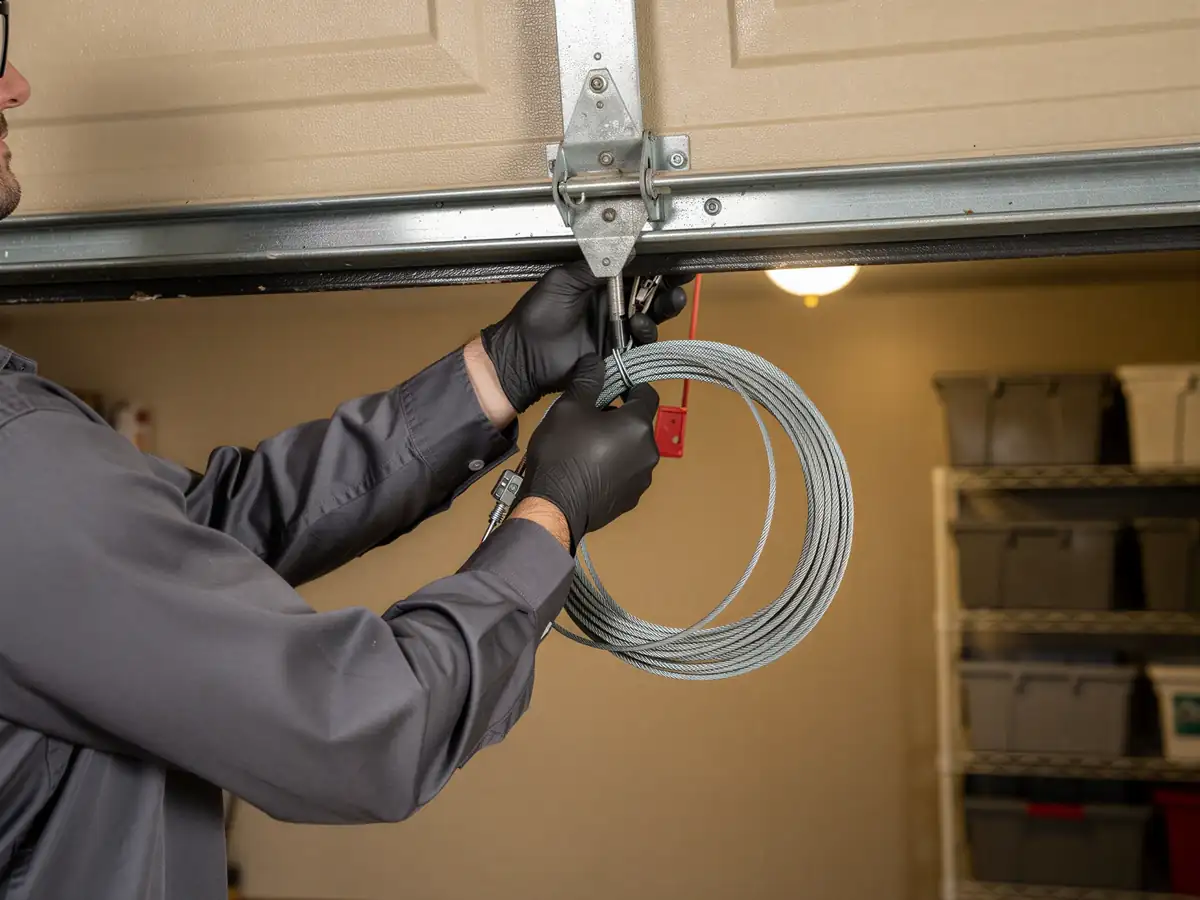
Call when the door is doing something it wasn't doing last month. A door that used to run quiet and now grinds, a door that jerks instead of gliding, cables that look frayed at the drum - those are mechanical, not cosmetic, and they're the kind of thing that gets worse fast on a door hitting 40-plus years of use. If the opener is straining - motor working harder, chain slapping, door hesitating partway up - that's usually a spring that's lost tension, not an opener problem, and it's common on original hardware from the 1980s and 90s stock that makes up most of this area. A door that's stuck shut or stuck open is worth a same-day call rather than a wait-and-see, since a spring under the wrong load can do real damage to the track or the opener trying to compensate for it. If it's just cosmetic - faded paint, a dented bottom panel from a bumper tap - that's a lower-priority call, and there's no harm waiting on it.
Leaving It Alone
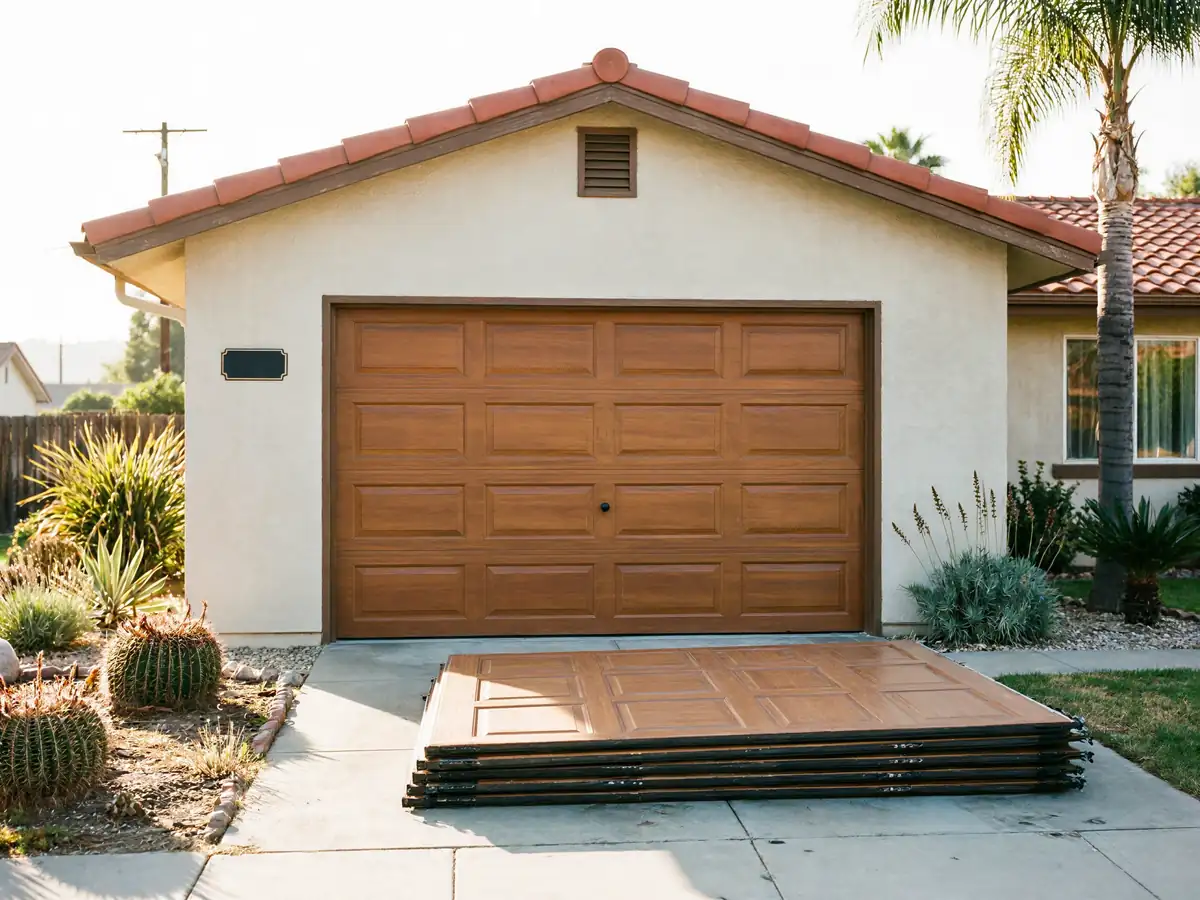
Not every older door is worth chasing parts for. If the panels are warped or rusted through from a roofline leak rather than age alone, or if the track is bent badly enough that adjustment won't hold, you're often throwing money at a door that'll need the same call again in a year. Original hardware from the 1970-2003 era can also mean sizes and spring wind specs that aren't stocked anymore, which turns a simple spring swap into a longer special-order job - we won't pretend that part is quick. With household incomes in this service area running well above the regional median, a lot of owners end up choosing to replace rather than keep feeding an old door one repair at a time, and that's a reasonable call once you're past two or three separate fixes in a short span. We'd rather tell you a door's not worth it than run up a bill chasing a frame that's already given up.