How Long You Are Without the Door
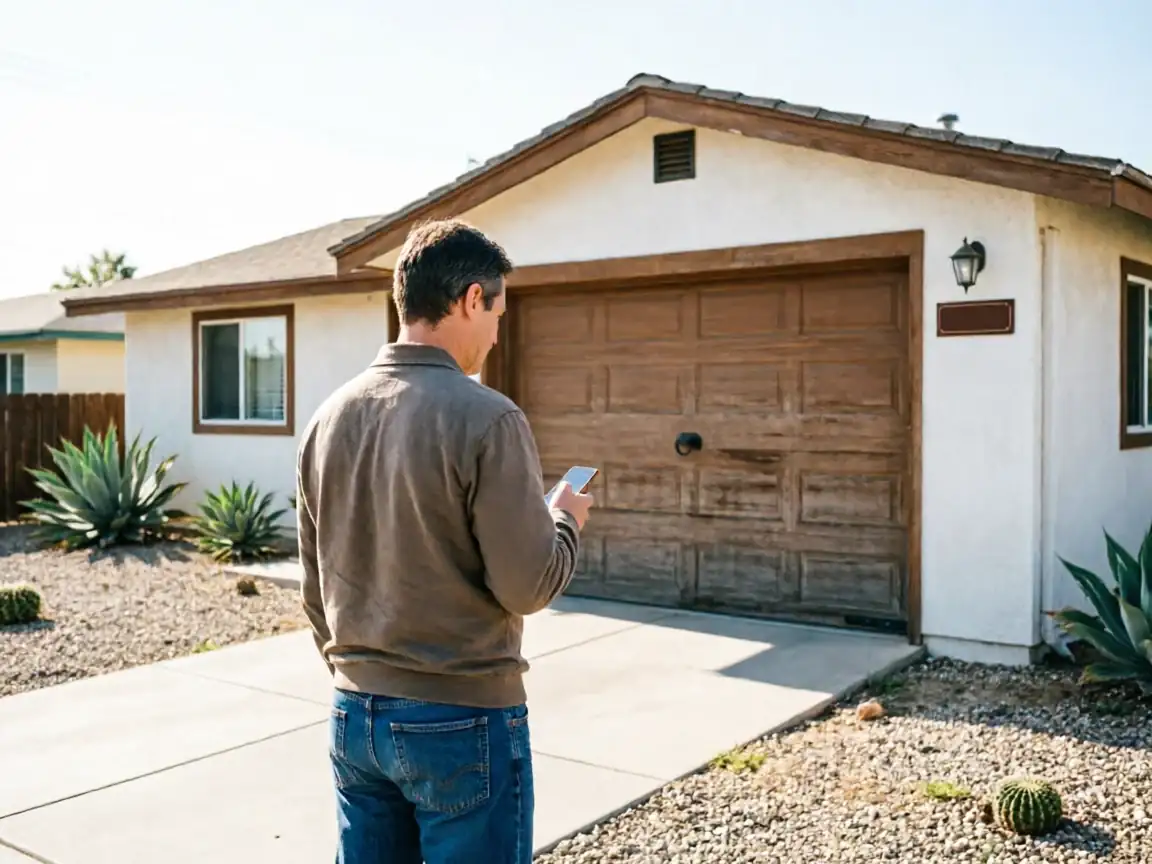
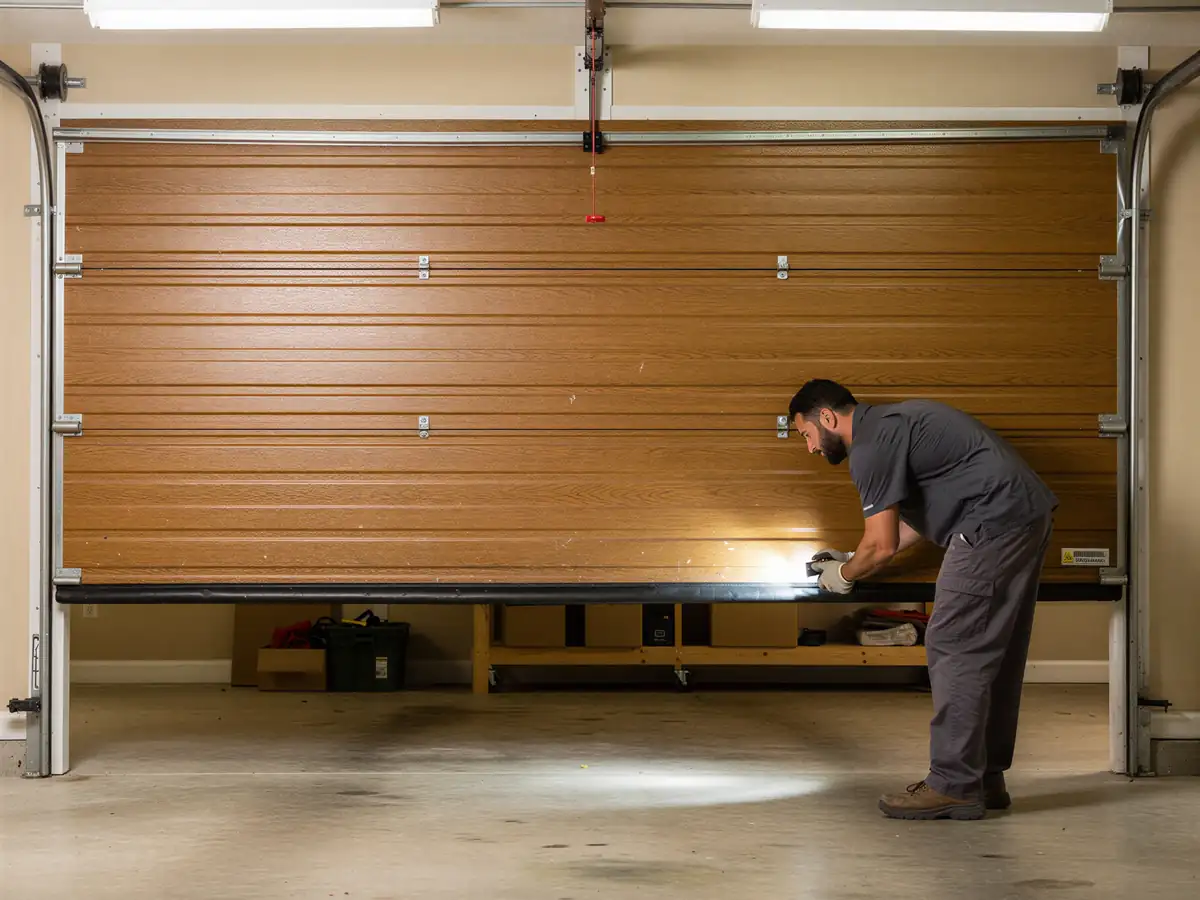
Fairbanks Ranch is 14 miles out from our shop in Vista, farther than most of the towns we cover. That distance changes how we schedule the job, not just how long the drive takes. We don't send a crew out to eyeball an opening and then come back a second time with the door in the truck - on a job this far, we measure once, order against those measurements, and bring the finished door on install day. That means the quote visit and the install are two separate trips no matter what, and we plan both around that 14-mile run rather than treating it like a quick add-on between closer jobs. If you're replacing a door that's already failed and you're stuck without a working garage in the meantime, say so when you call - we'll tell you honestly whether we can get the new unit built and delivered faster than the standard turn, but we're not going to promise a same-day fix just because the job is nearby other work that week. The travel time is real and it's part of why we don't do walk-up quotes here.
The Complications
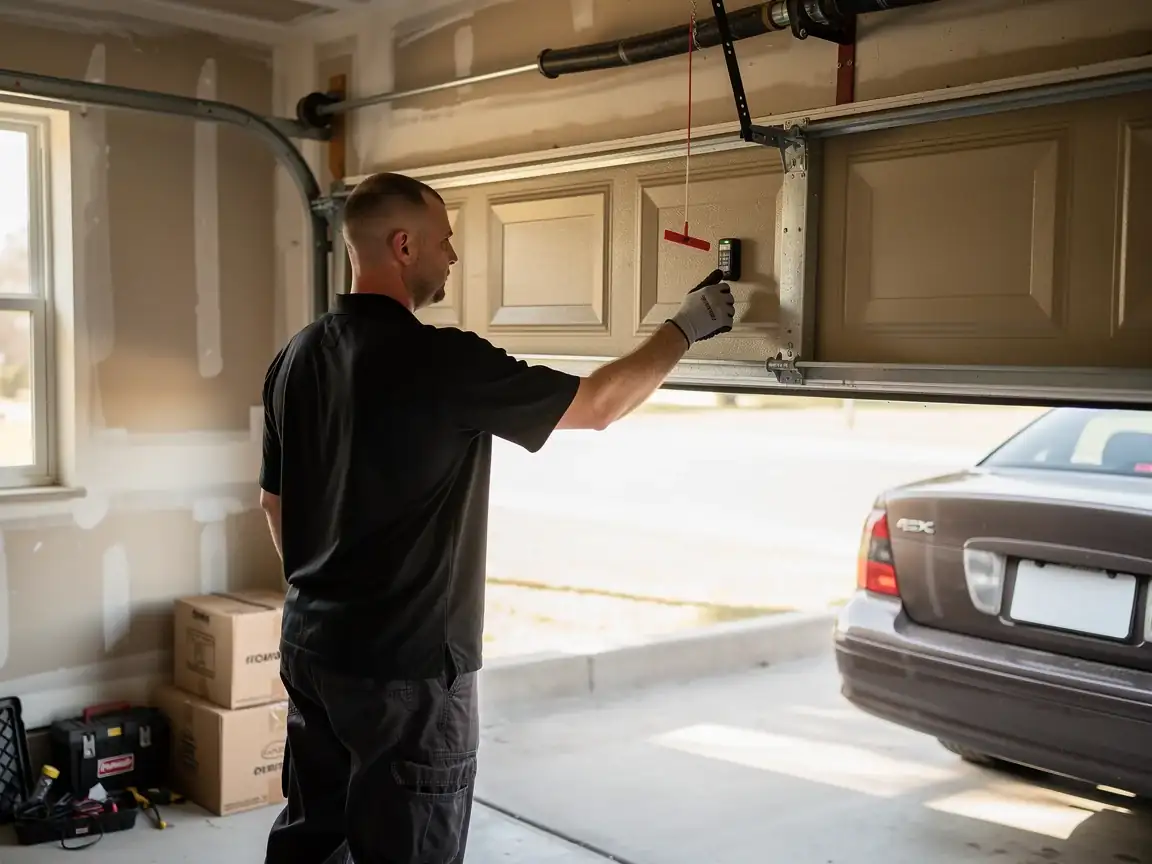
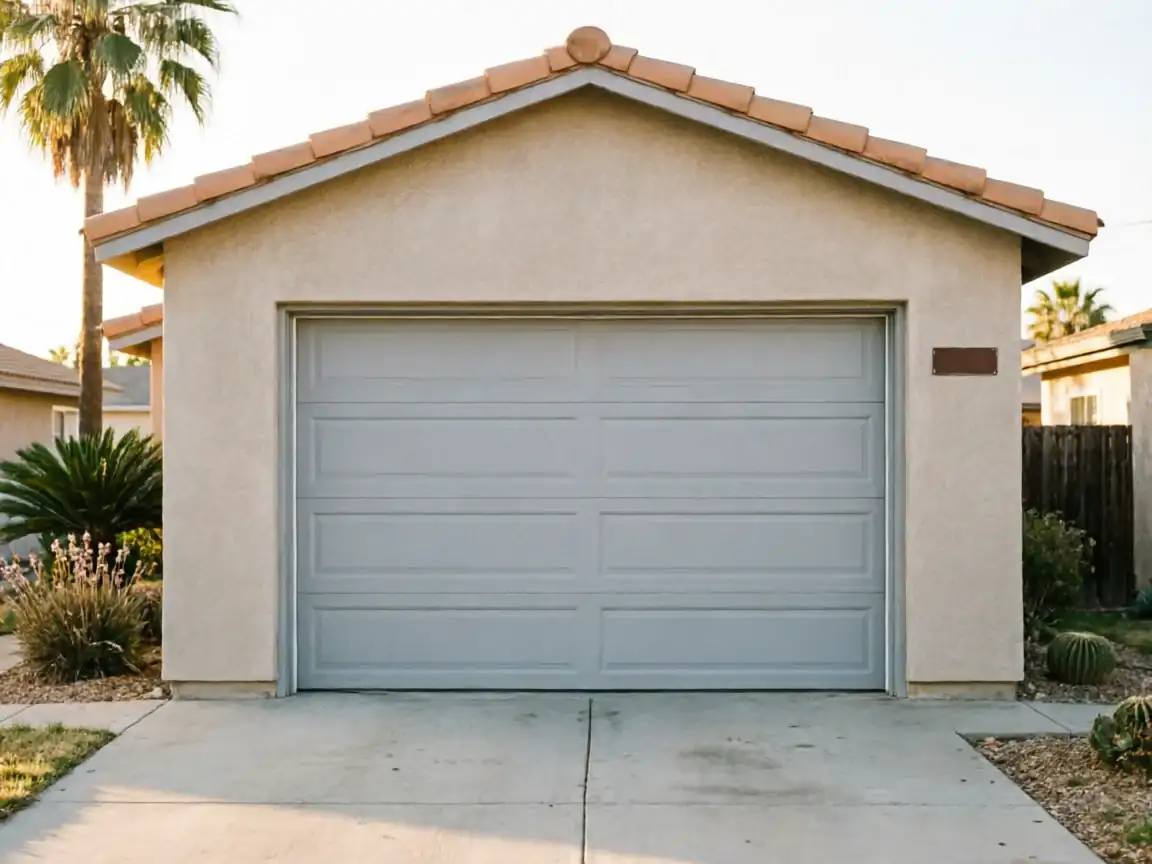
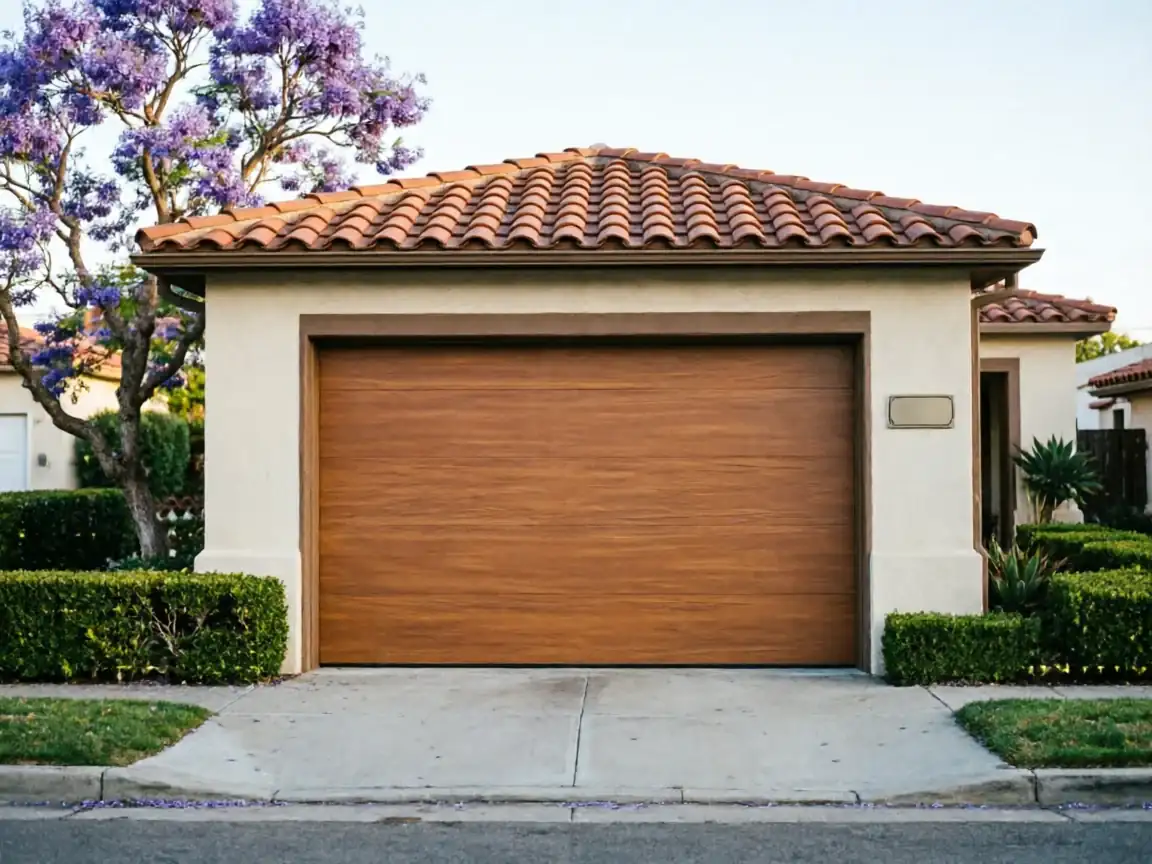
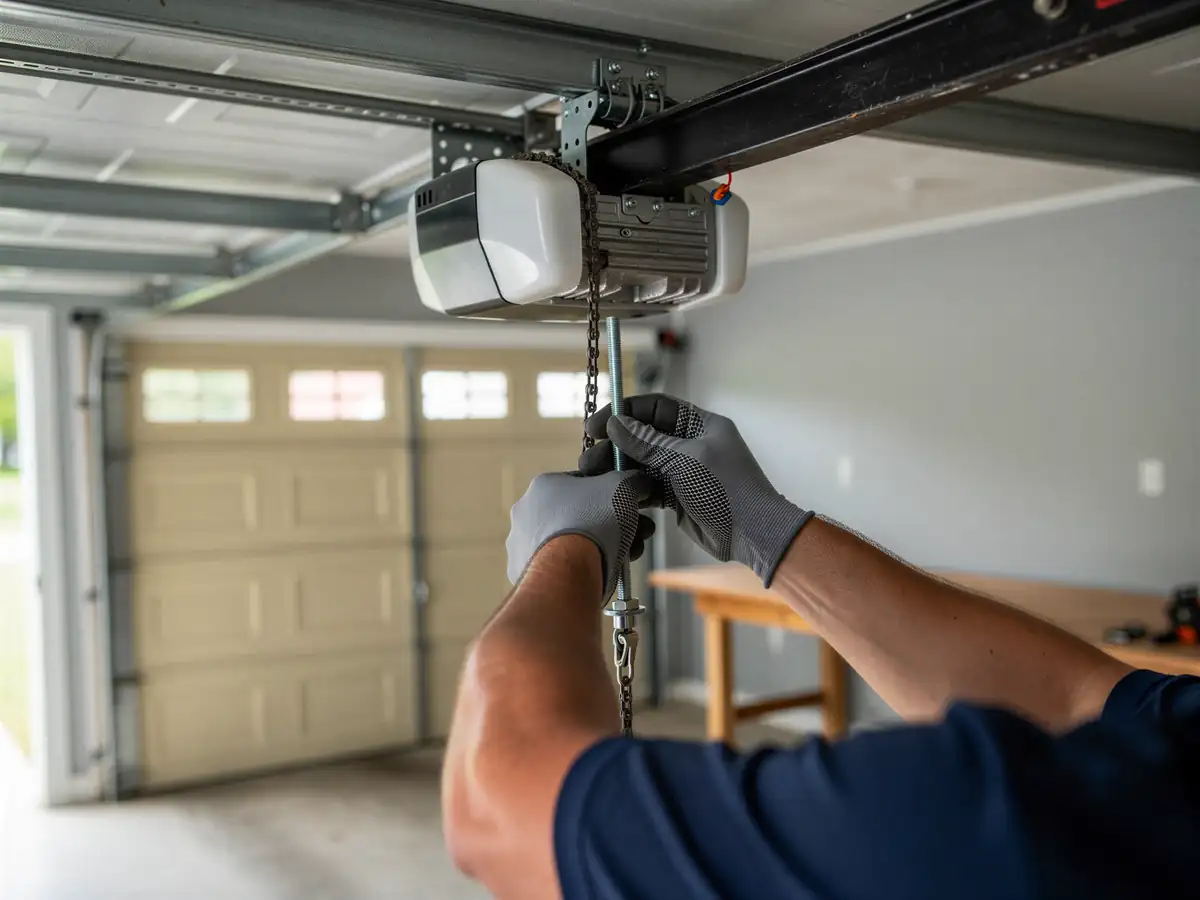
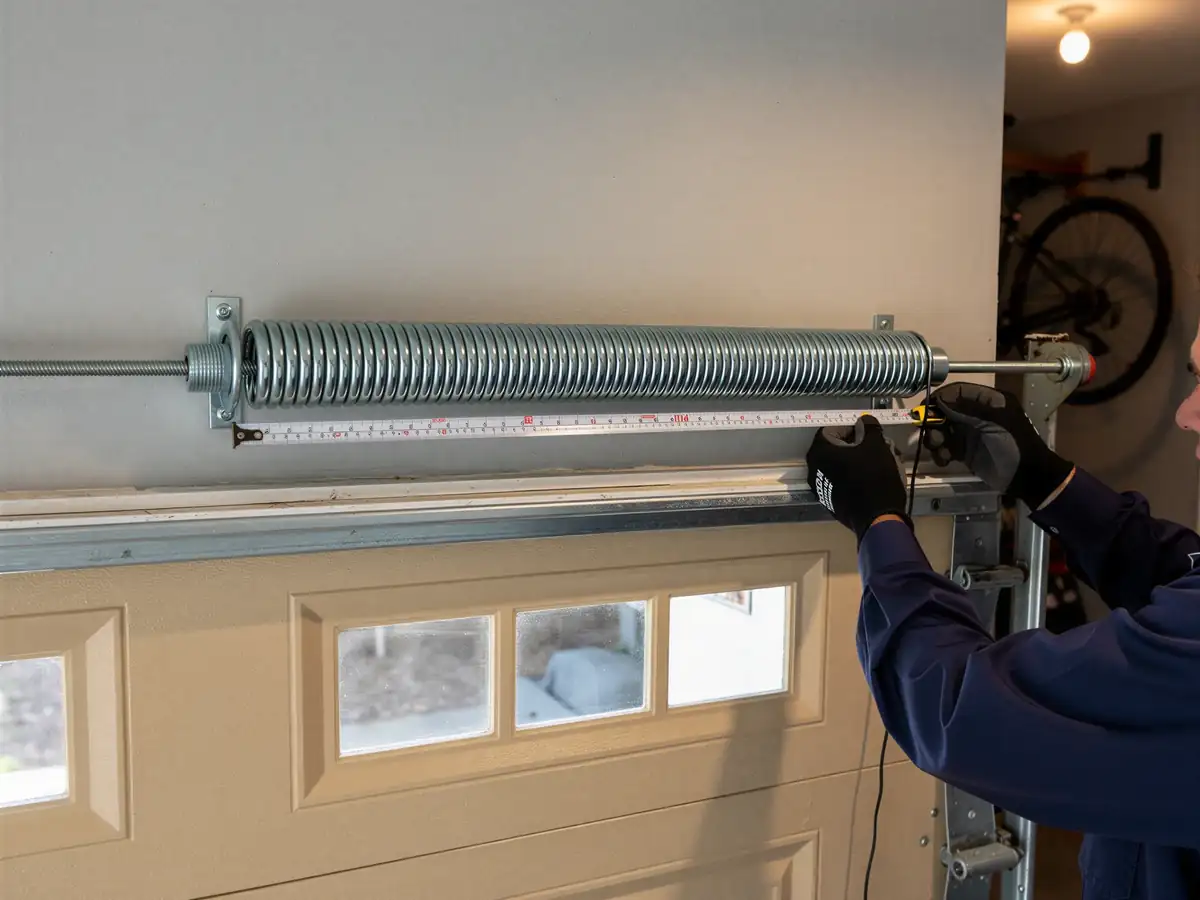
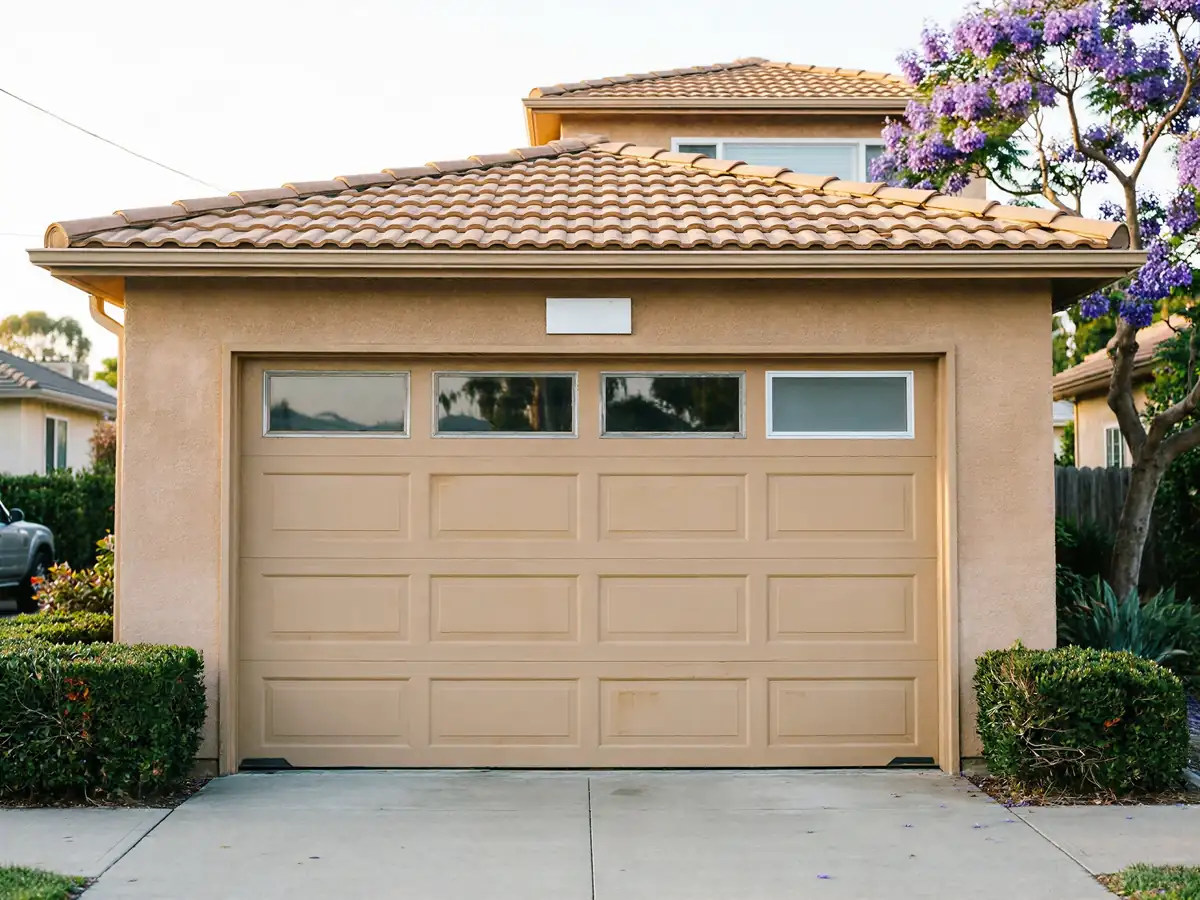
The houses here mostly date to around 1992, which puts Fairbanks Ranch toward the newer end of the broader service area - across the territory we cover, homes run from 1970 to 2003 with a median around 1982, and most of that stock is 1980s and 90s construction. A door going in here is more likely replacing an original or first-replacement unit from that early-90s build wave, not the older one-piece, side-mount hardware you find in the oldest tracts. That usually means standard torsion spring setups and openers that were common garage-door packages of the era, which is good news for parts availability. The complication is the opposite one: homes built in this window sometimes used non-standard rough openings to match custom elevations, and we won't know the exact width and height split until we're at the property with a tape measure. We don't guess at that over the phone, because a door ordered to the wrong opening size sits in the shop for weeks waiting on a remake - and on a 14-mile round trip, that's a mistake nobody wants to make twice.
Why It Happens Here
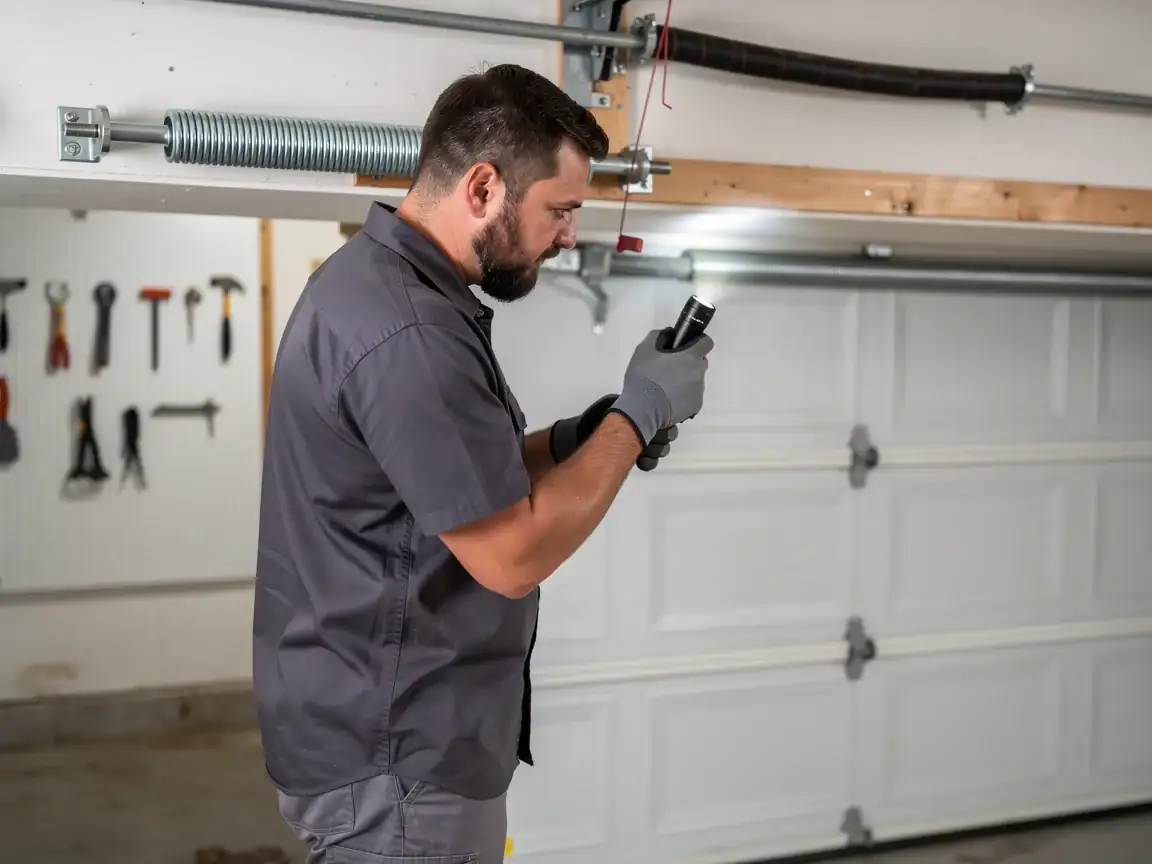
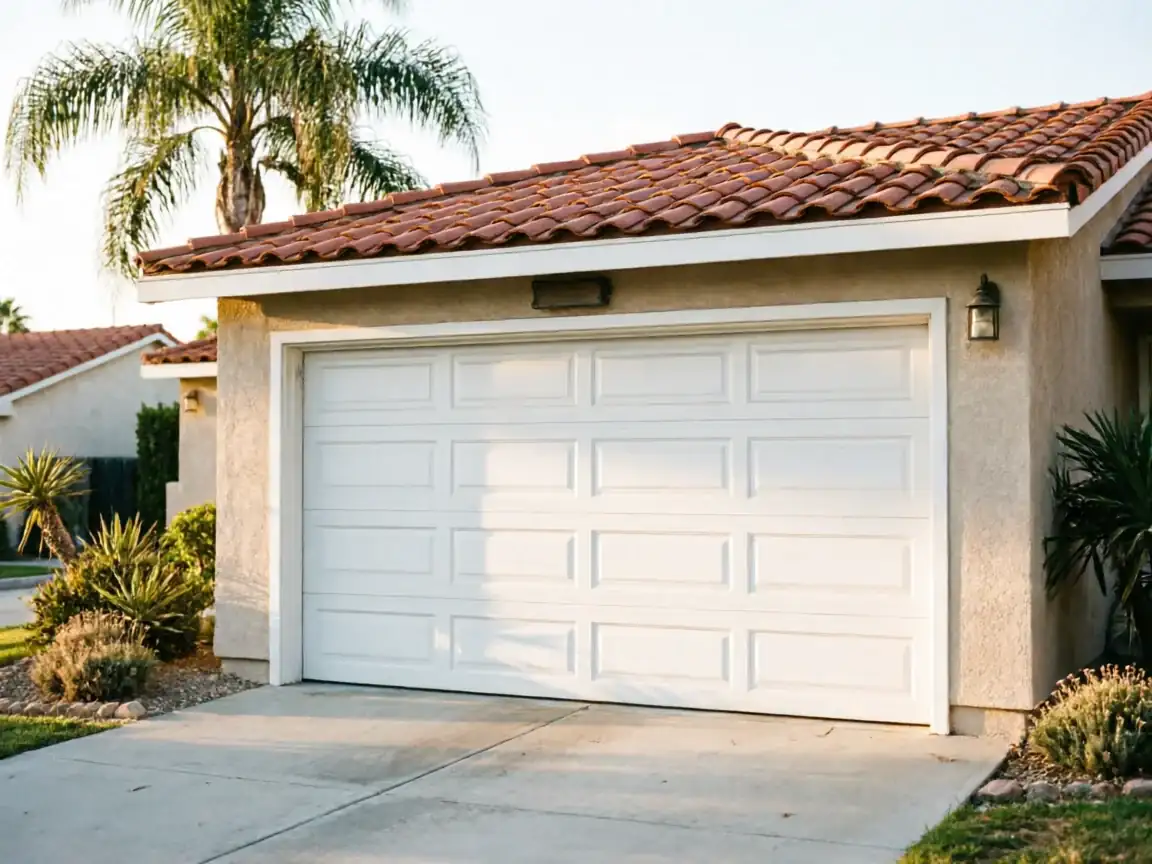
This part of the service area sits in the mild temperate band we deal with region-wide, which is generally easy on garage door hardware - no hard freezes to seize bearings, no heavy humidity swings to warp panel cores. But mild and sunny isn't the same as gentle. Steel doors from the early-90s build era often carry finishes and foam-core insulation that weren't built for three decades of direct sun exposure, and in a climate with this many clear days a year, UV wear shows up as chalking paint and brittle weatherstripping well before the door's moving parts give out. So the failure pattern here tends to start cosmetic and finish mechanical: a faded, stiff-sealing door that then starts binding in the track because the warped weatherstrip is catching instead of sealing. It's a slower failure than the sudden snapped-spring call you get elsewhere, which is part of why owners here often wait longer before replacing than they should.
The Cost of This Job
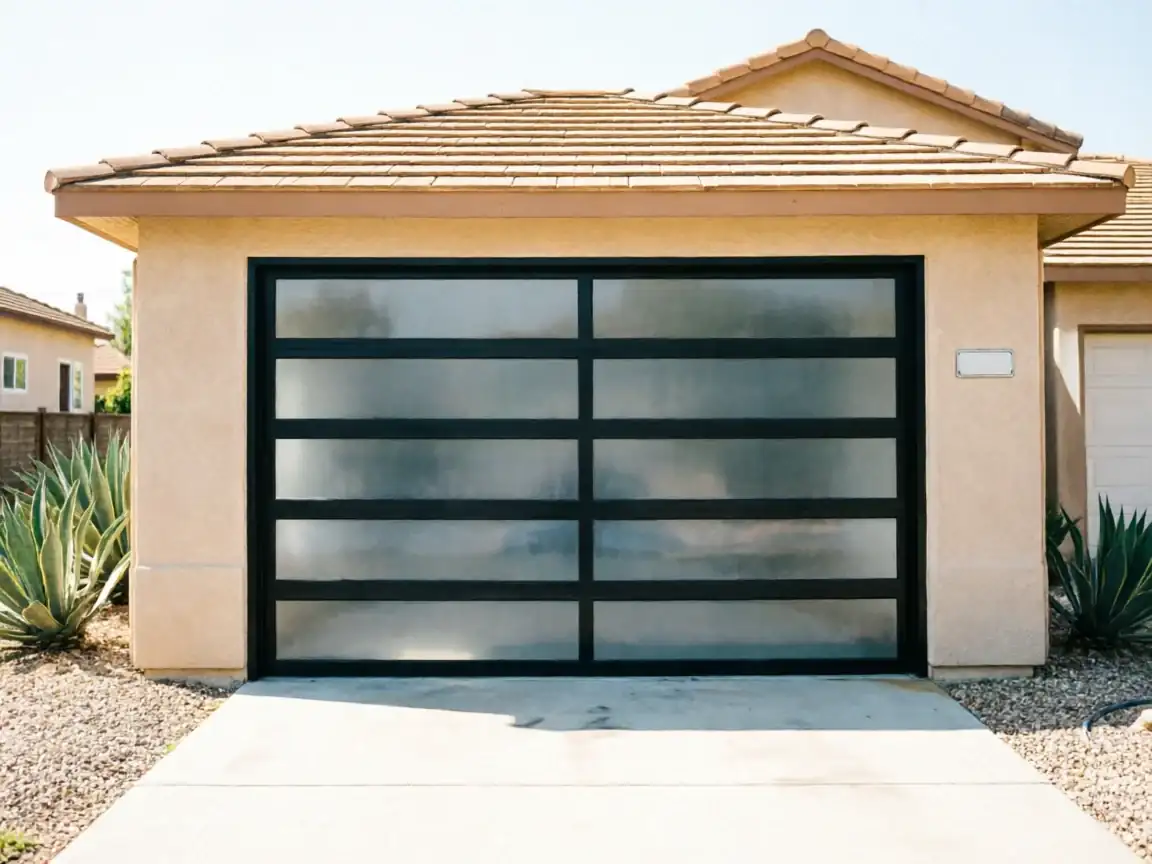
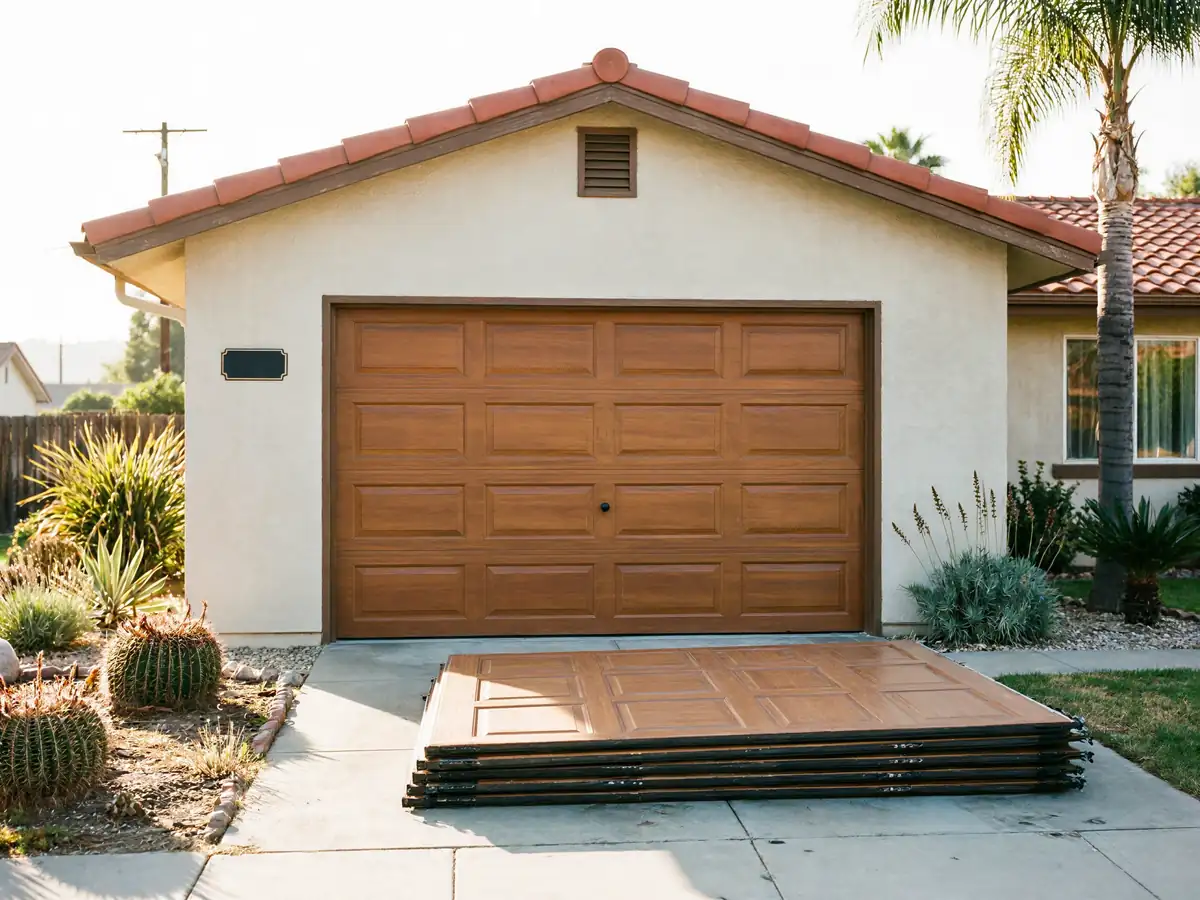
We won't post a number here, because nothing in a door's final cost - size, insulation level, opener type, trim - gets decided until we're standing at the opening. What we can say is that household income in this part of the territory runs well above the broader service-area median, and in practice that shows up as more requests for insulated steel or composite doors with upgraded hardware packages rather than the builder-grade replacement that's common elsewhere. That's a preference, not a requirement - a standard steel door does the job fine on a house this age, and we'll quote that option every time someone asks, even when the upgraded version is sitting right next to it on the order sheet. The one honest limit: custom widths or heights outside standard stock sizes add lead time before the door even ships to us, and that lead time is the same whether the house is five miles from our shop or fourteen.