The Symptom
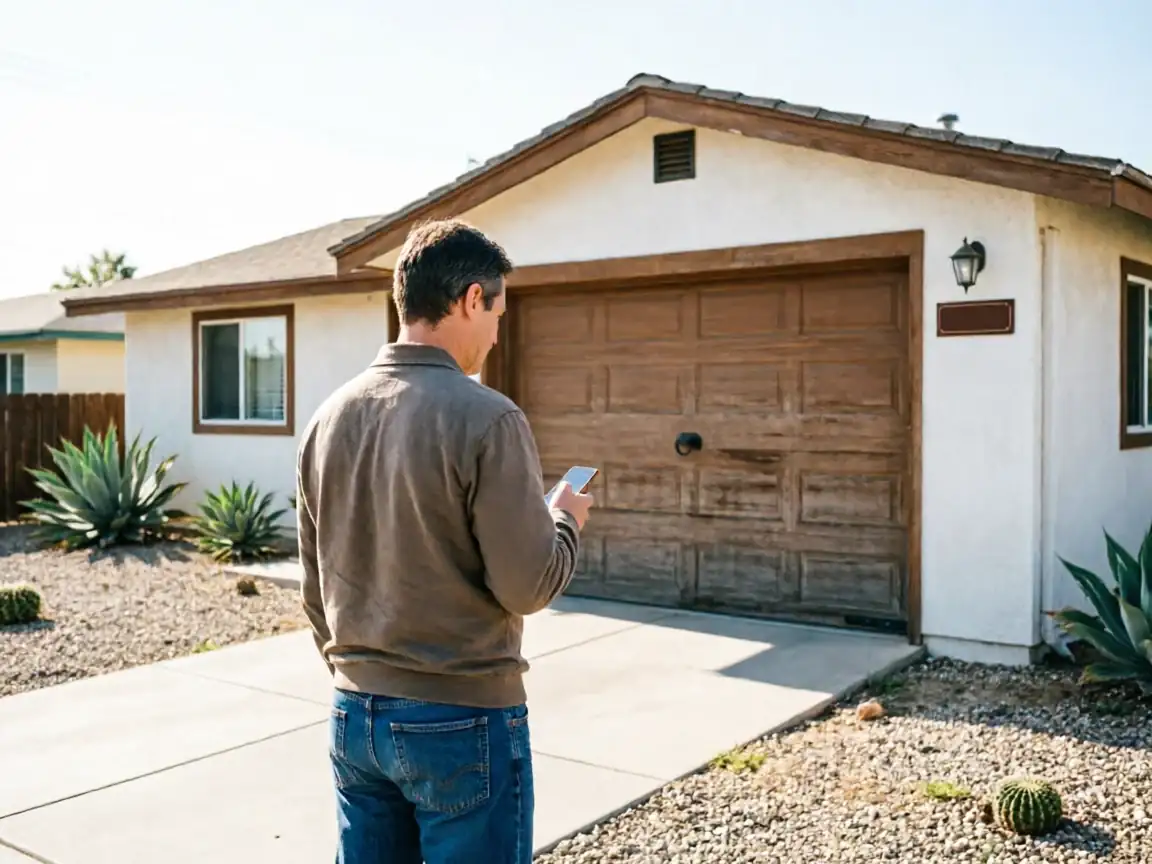
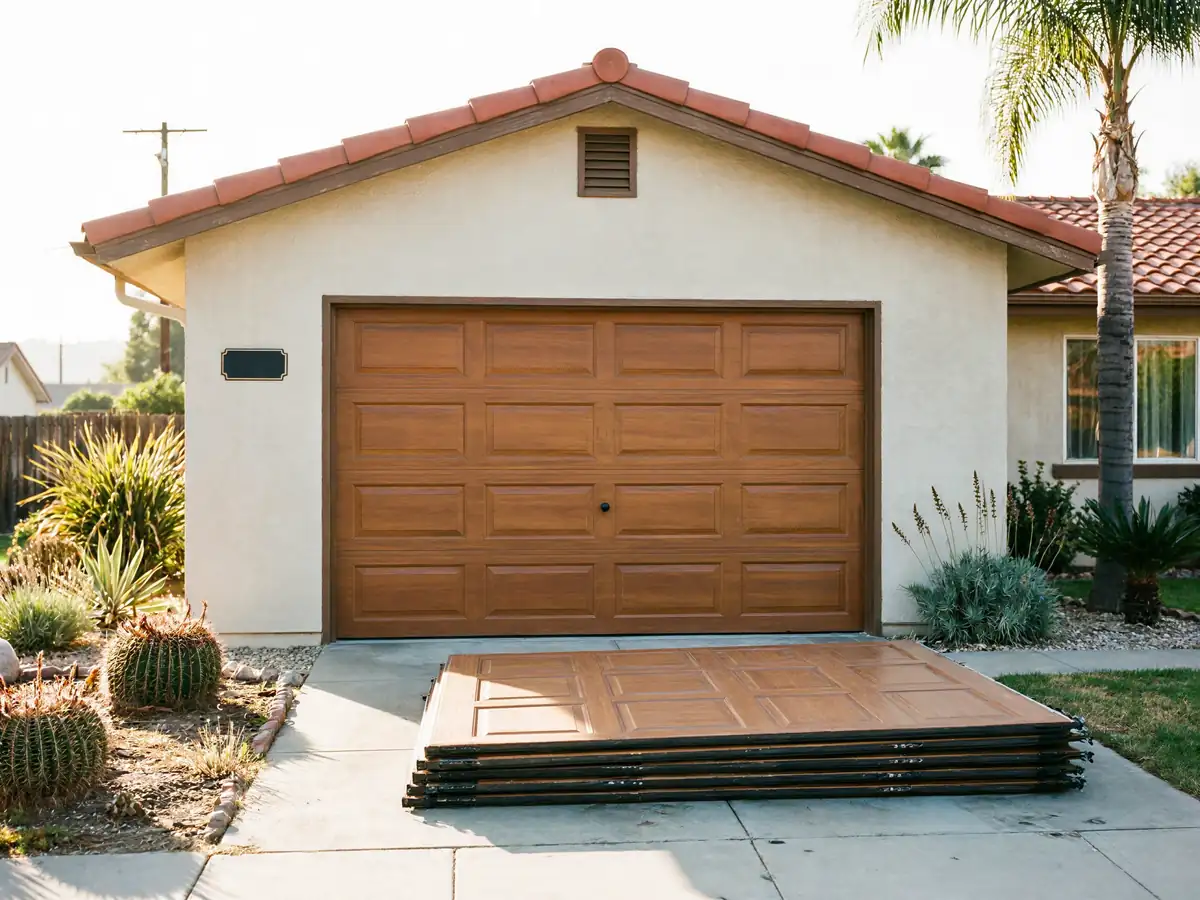
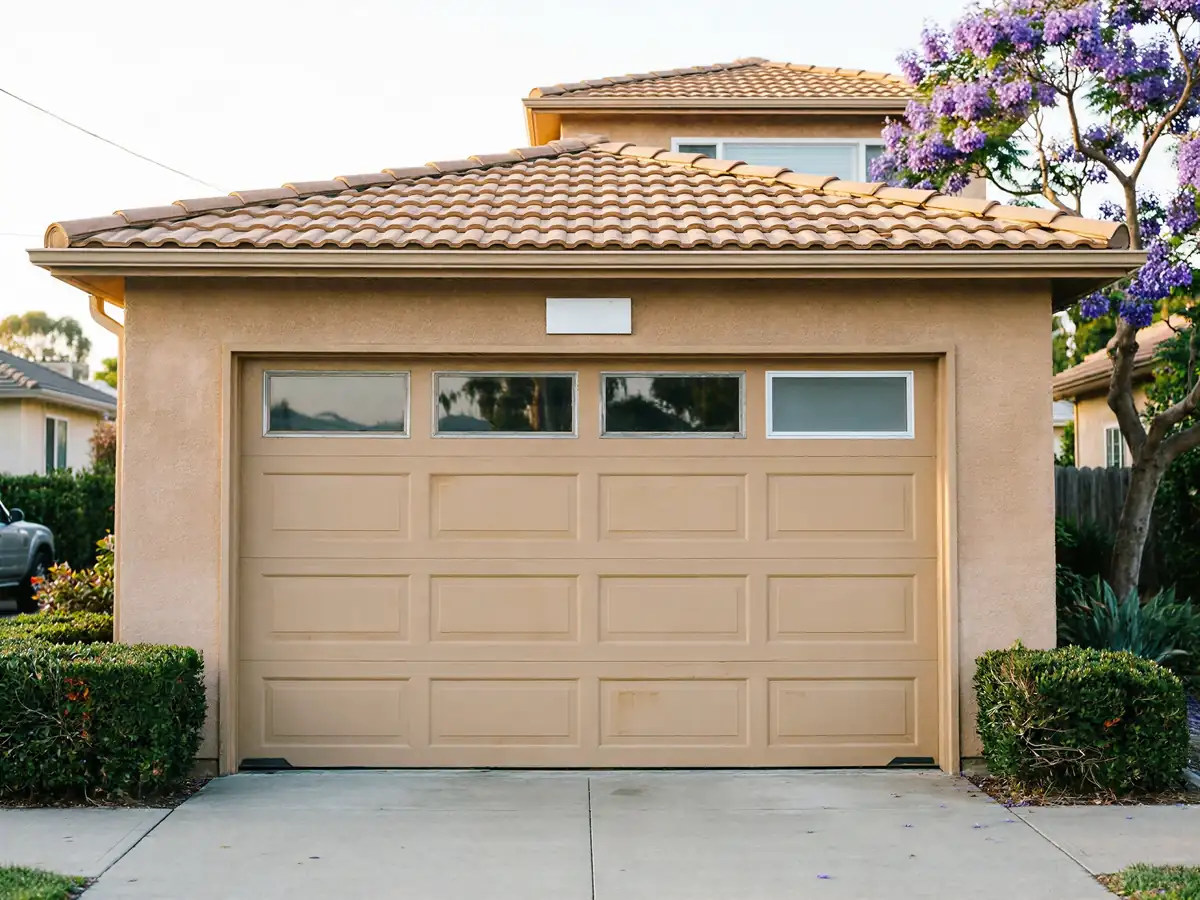
Fallbrook's housing stock centers on 1980, a touch earlier than the 1982 median across the rest of our service area. That gap of a couple years matters more than it sounds like, because it lands right in the transition period between older extension-spring setups and the torsion systems that became standard through the rest of the 1980s and 90s. When a Fallbrook homeowner calls about a door that won't budge, or one that slammed down on its own, we're often looking at a spring type that's less common on newer builds closer to Vista. The symptom is usually the same everywhere - a loud bang, a door stuck halfway, a cable hanging loose - but what's behind the panel depends on when the house went up. We come out from Vista, about 13 miles each way, so when you call we're asking a few questions up front: age of the door, whether it's ever been replaced, and whether the opener is original. Knowing that before we load the truck means we show up with the right spring and the right drum instead of guessing.
What the Fix Involves
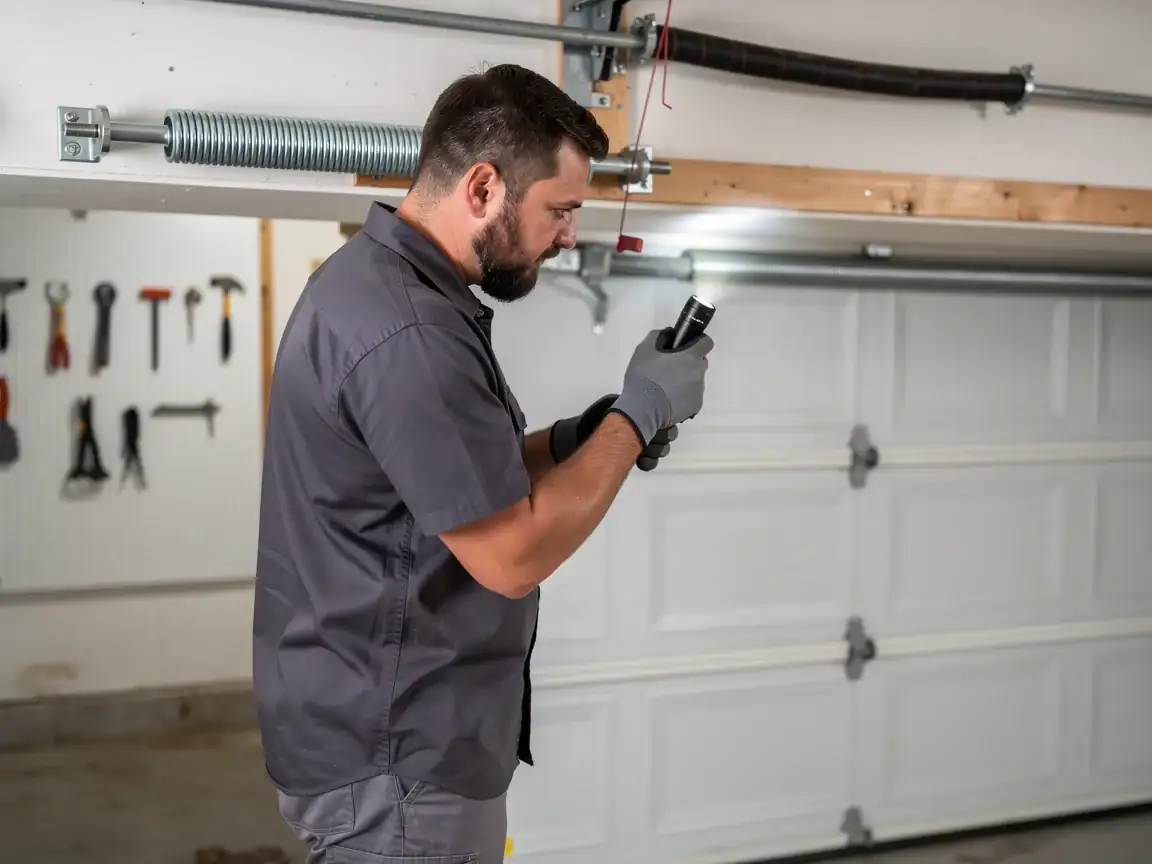
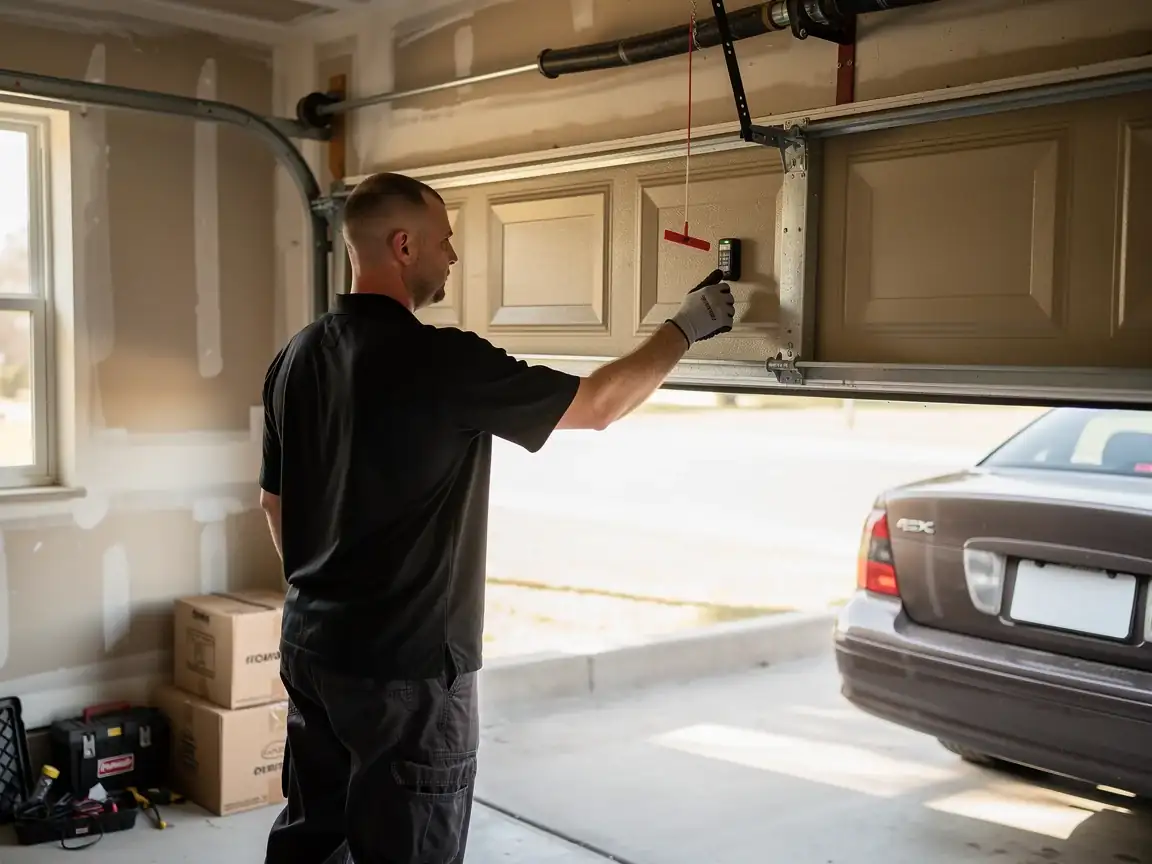
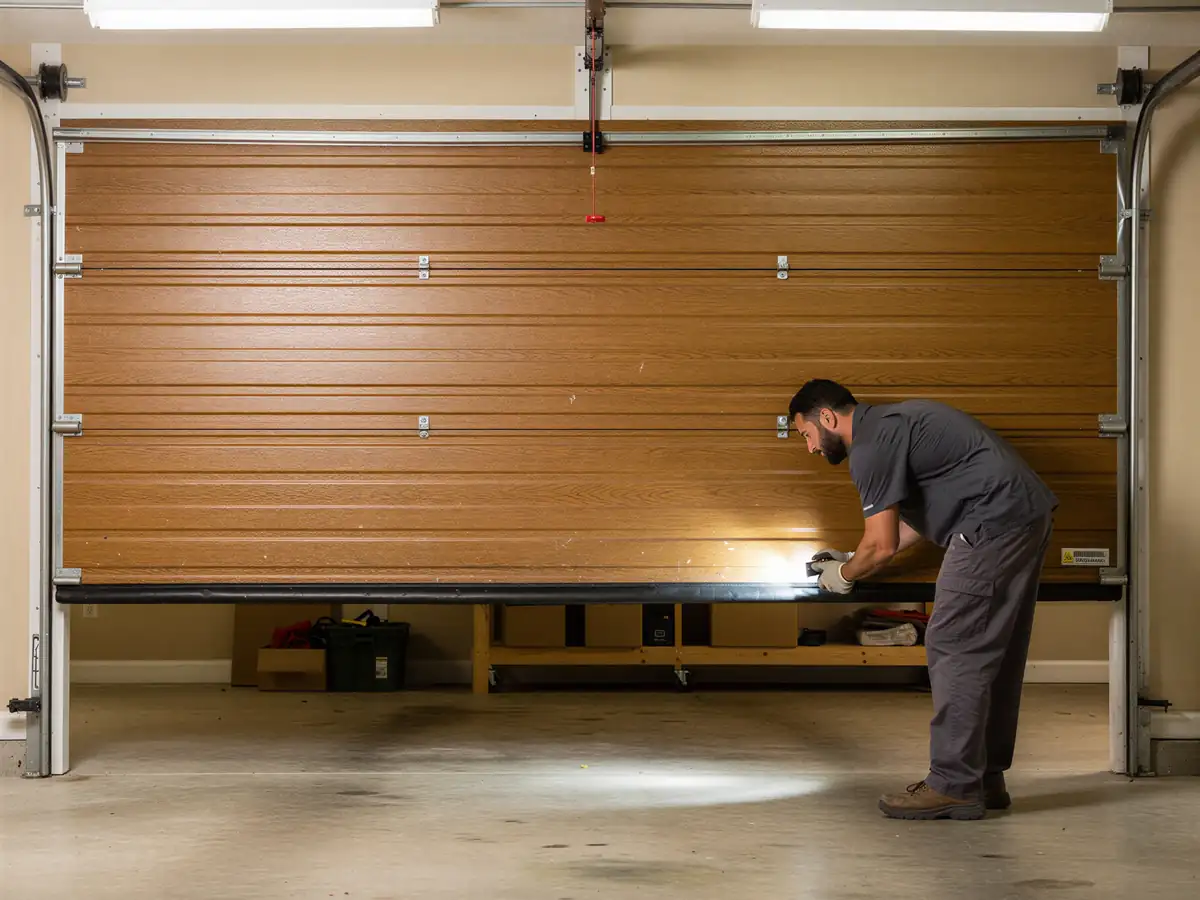
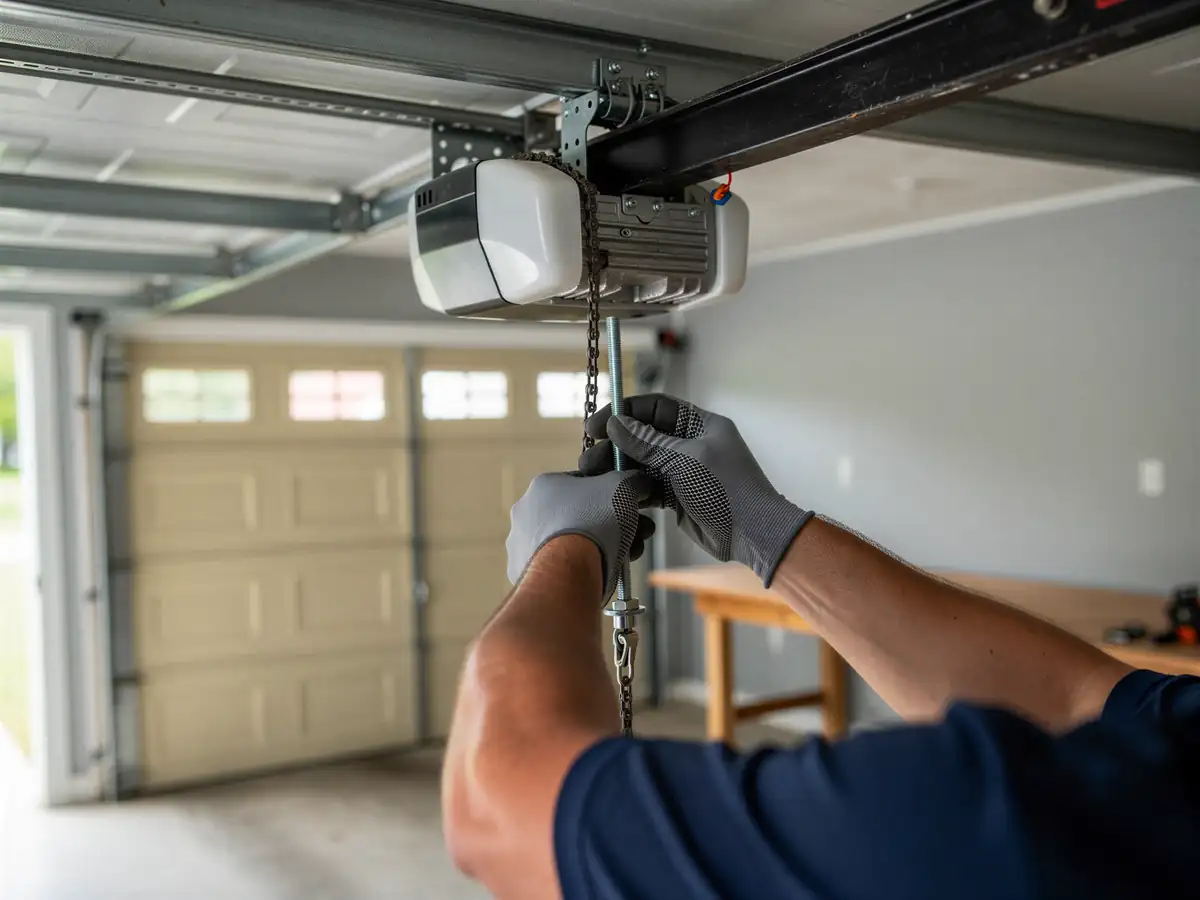
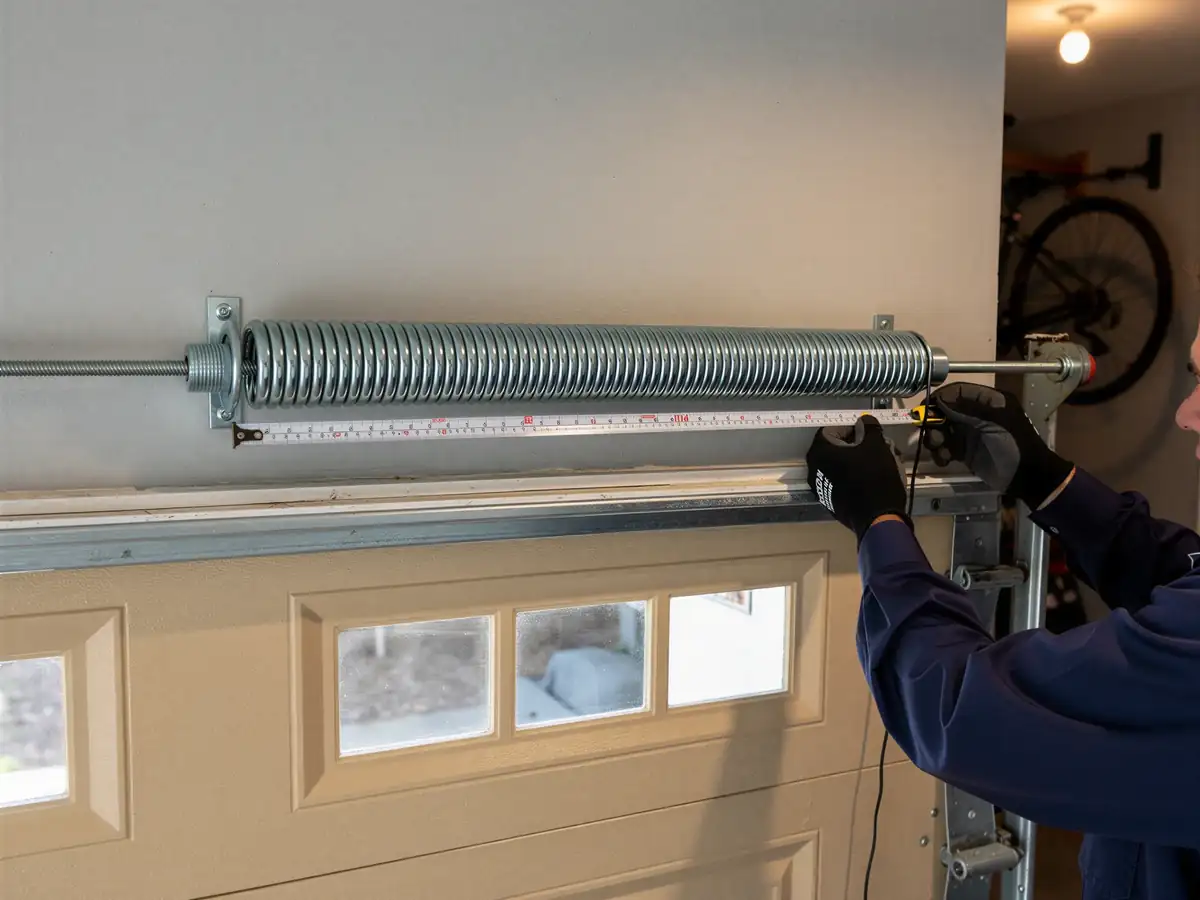
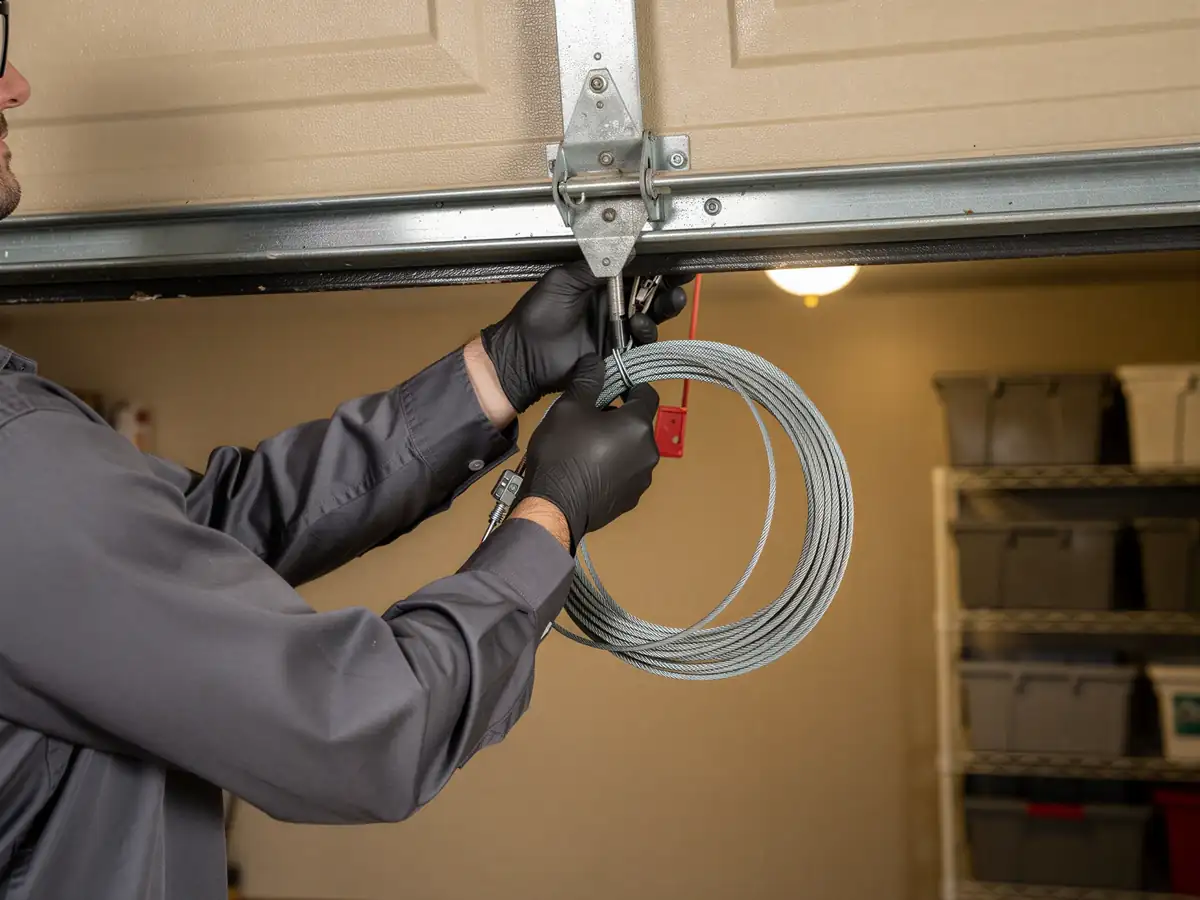
On a stuck or slammed door, the first job is making the door safe - blocking it so it can't drop further, then identifying whether it's a broken torsion spring, a snapped cable, or a jumped track. Torsion spring work means winding down residual tension safely before anything else happens; that's not a step to shortcut. If the opener is original to a 1980-era build, the gears inside are often worn plastic that strips rather than slips, so a repair sometimes turns into an opener swap mid-visit once we're inside the unit. We also check the track alignment, since older steel can develop warps that newer galvanized track resists better. Each of these is a distinct repair, not a package - we fix what's actually broken, not what's convenient to sell. One honest limitation: if a part is obsolete enough that nobody stocks it, including us, that visit becomes a replacement conversation rather than a same-day fix, and we'll tell you that plainly instead of stretching a repair past where it belongs.
The DIY Question
A broken torsion spring is not a DIY repair, full stop - the stored tension can cause real injury, and this is true whether the house is in Fallbrook or anywhere else. What you can check yourself before calling: whether the opener is unplugged and the manual release cord has been pulled, whether the track has visible gaps or bends, and whether the door is binding on one side only, which often points to a roller or track issue rather than a spring. If the door is original to a 1980-built house and has never been serviced, don't force it with the opener - that's how gears strip and motors burn out. Snap a photo of the spring and send it along when you call; it saves a diagnostic step once we're there.
Why It Happens Here
Fallbrook sits about 13 miles from our Vista base, and most of its housing dates to right around 1980 - slightly ahead of the broader 1982 median across the 13 named areas we cover. That earlier build date means a larger share of original hardware that's now 40-plus years old and due for the kind of fatigue failure that shows up as a spring snap rather than a slow decline. Mild temperate conditions mean the doors aren't fighting freeze-thaw cycles or heat-warped panels the way they might elsewhere, so when something fails here it's almost always wear, not weather. Combine an older build year with a household income below the service-area median, and you get more owners stretching a repair as long as possible rather than replacing early - which is a reasonable choice, but it means springs and cables here tend to fail closer to the end of their life than get swapped preemptively.