The Symptom
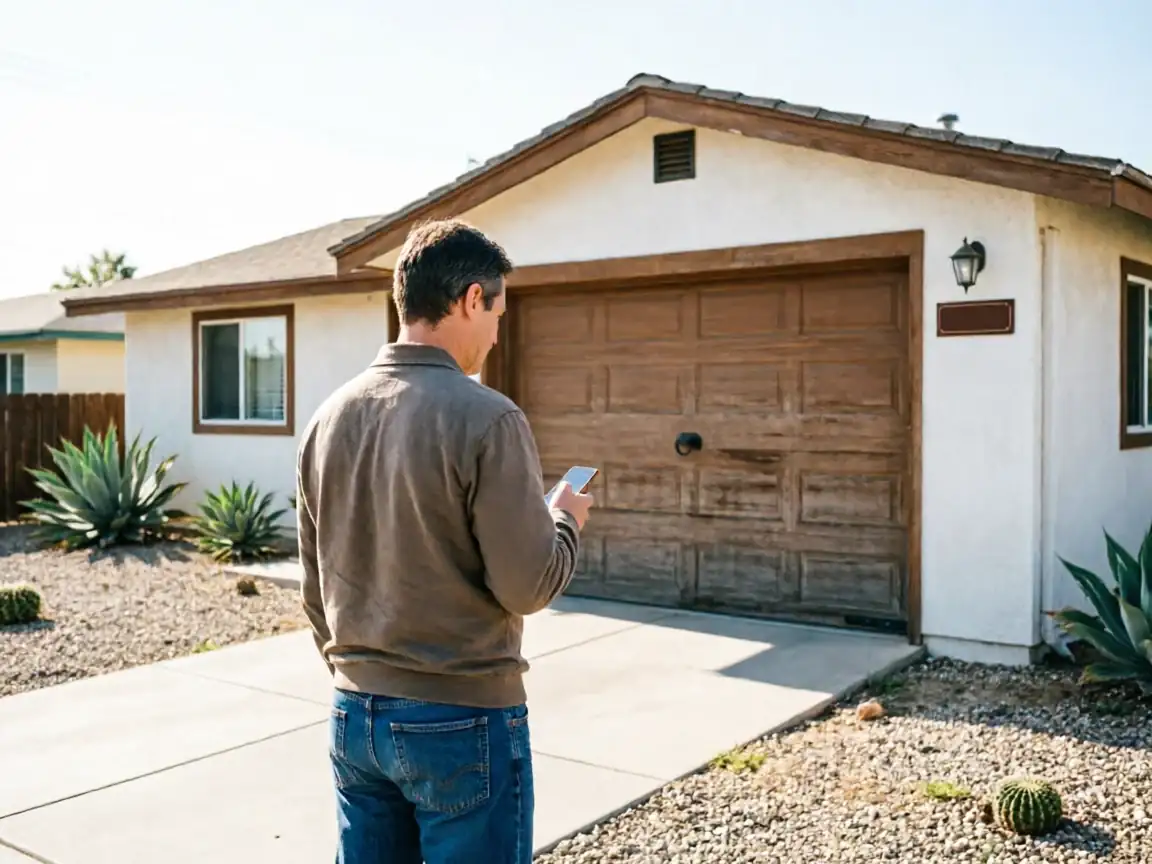
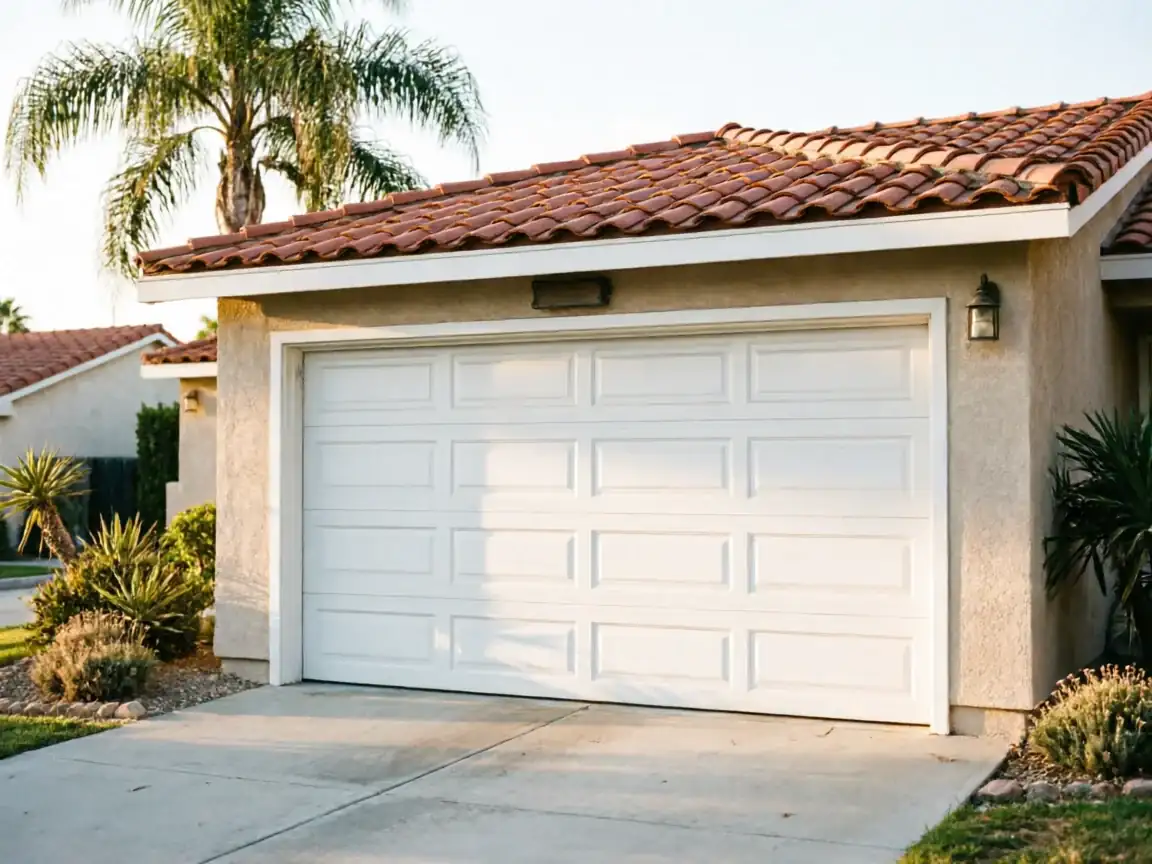
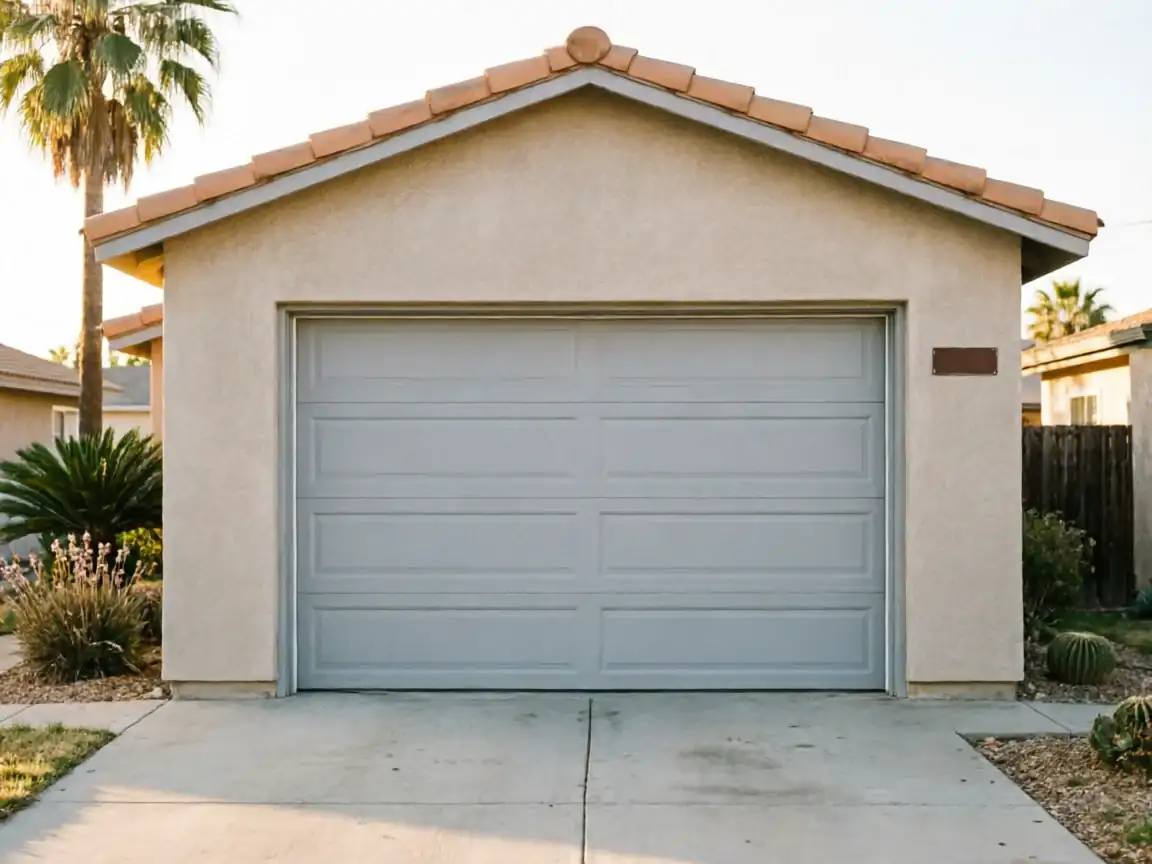
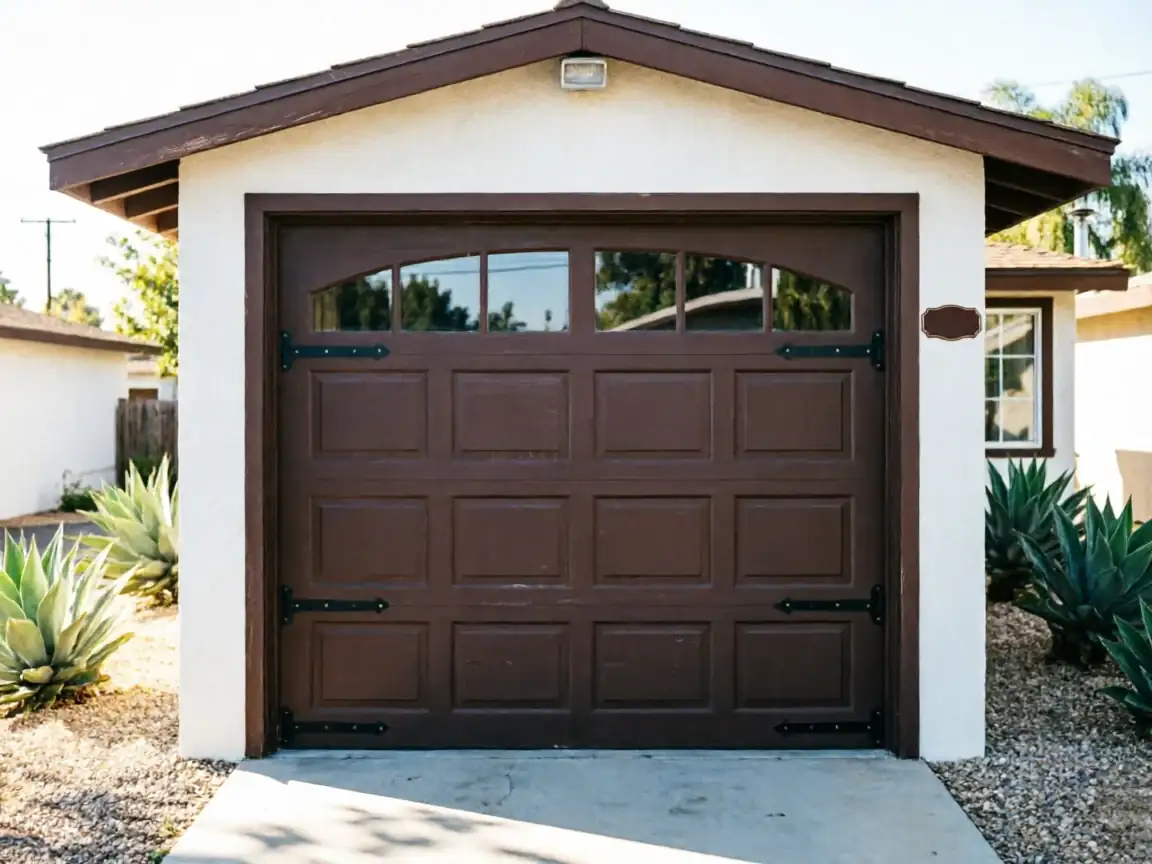
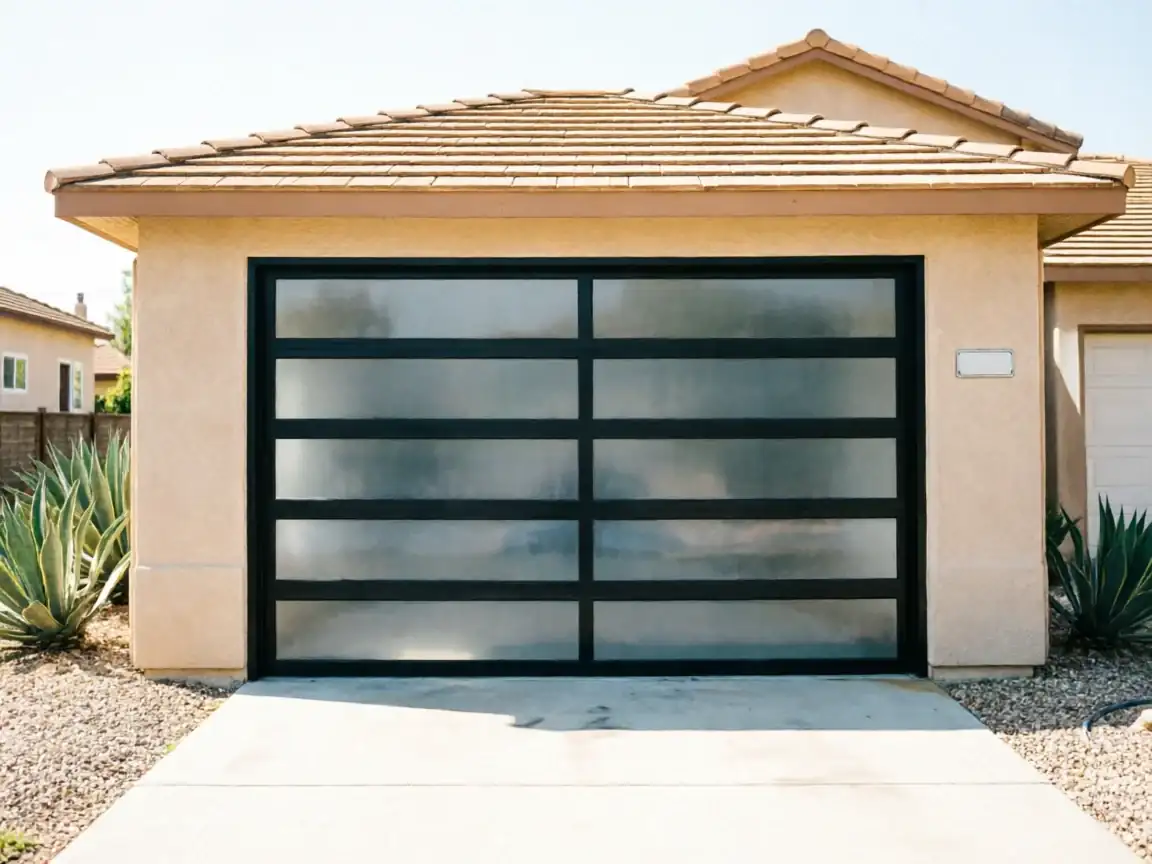
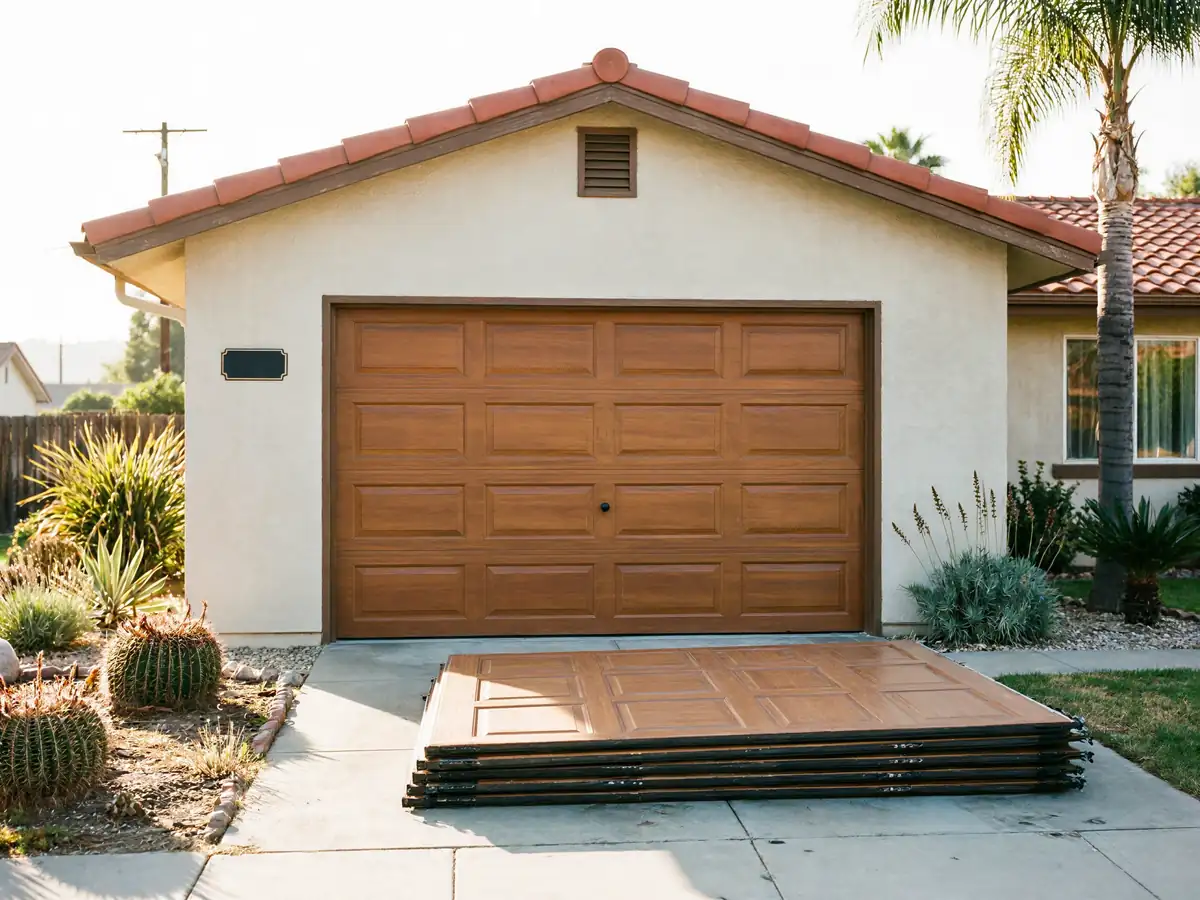
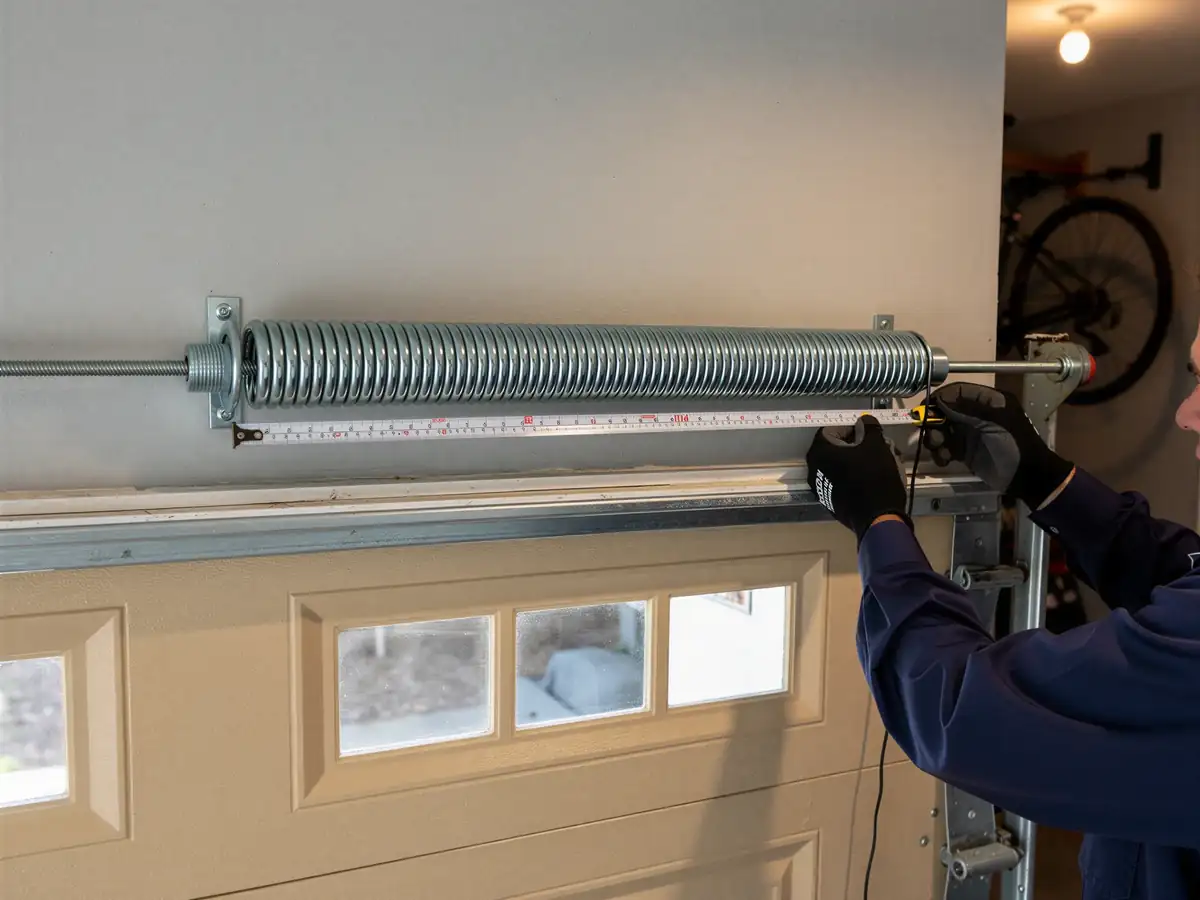
If your garage door in Fallbrook is sagging on one side, grinding when it opens, or stopping halfway, the cause usually traces back to when the house was built. Most homes out here went up around 1980, and builders in that era leaned on extension springs over the horizontal tracks rather than torsion springs mounted above the opening. That setup ages differently - the pulleys wear, the safety cables (if they were ever added) fray, and the springs stretch out instead of fatiguing cleanly like a torsion spring does. A door that bounces or drops unevenly on a 1980-era Fallbrook house is often telling you the extension spring system has reached the end of its working life, not that something was installed wrong.
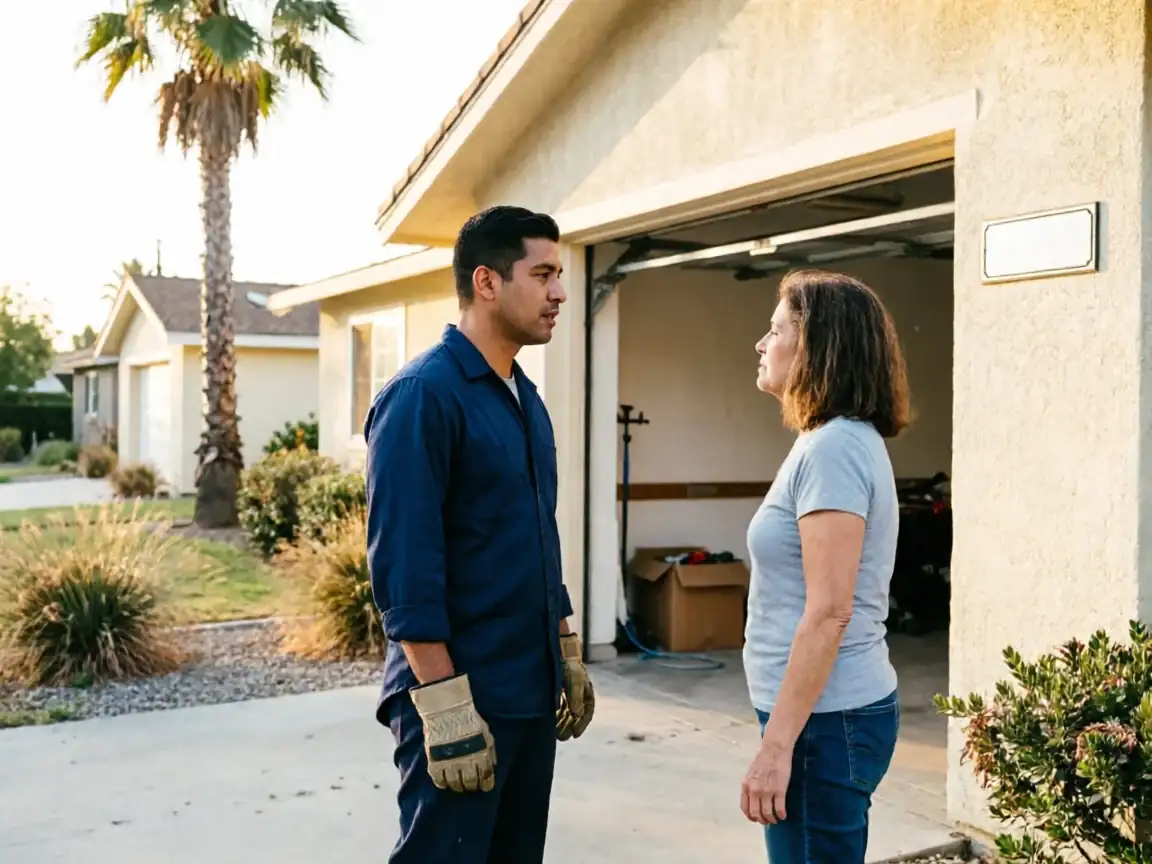
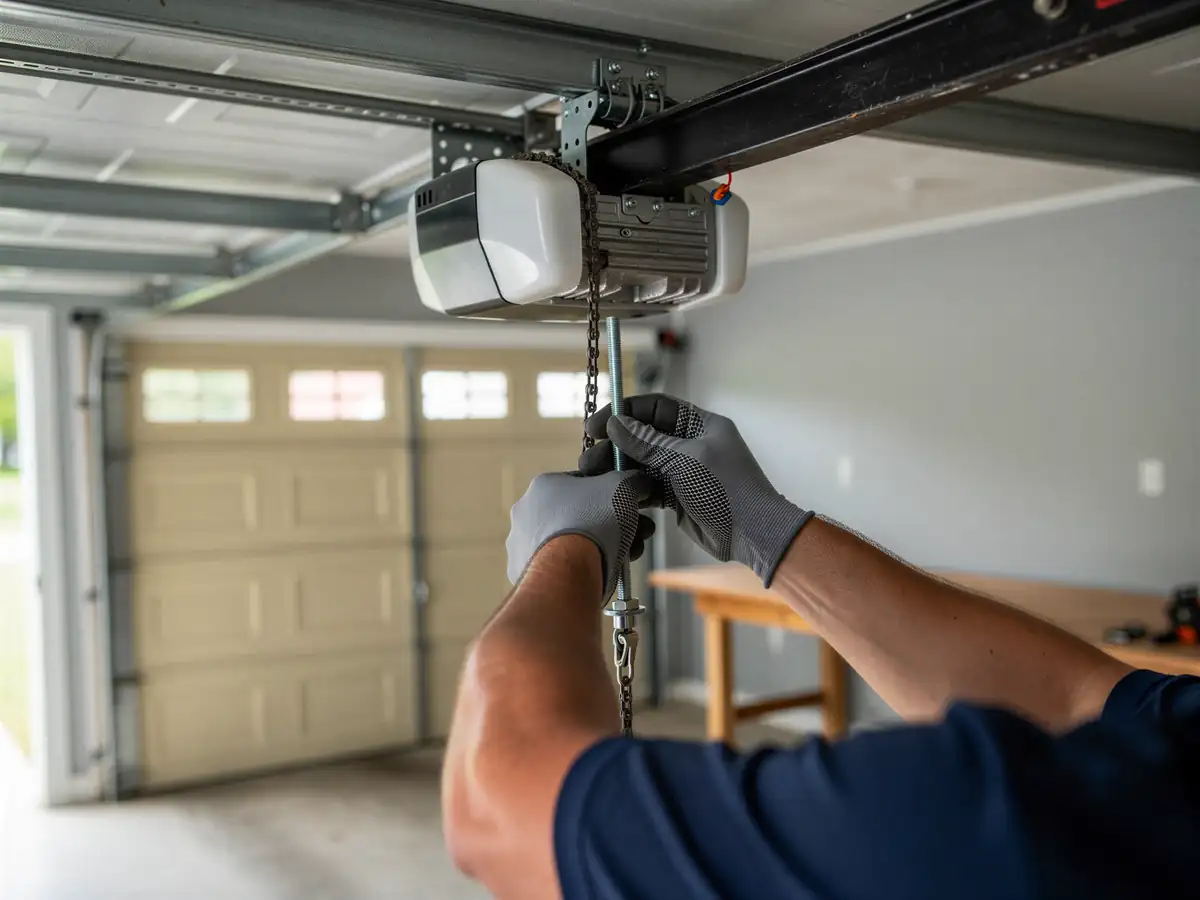
Another common symptom: openers from a remodel decades later fighting against original hardware that was never upgraded. You get a door that opens fine by hand but strains or reverses under power. That mismatch shows up a lot in houses built in this window, where the door itself predates the opener by twenty years.
What the Fix Involves
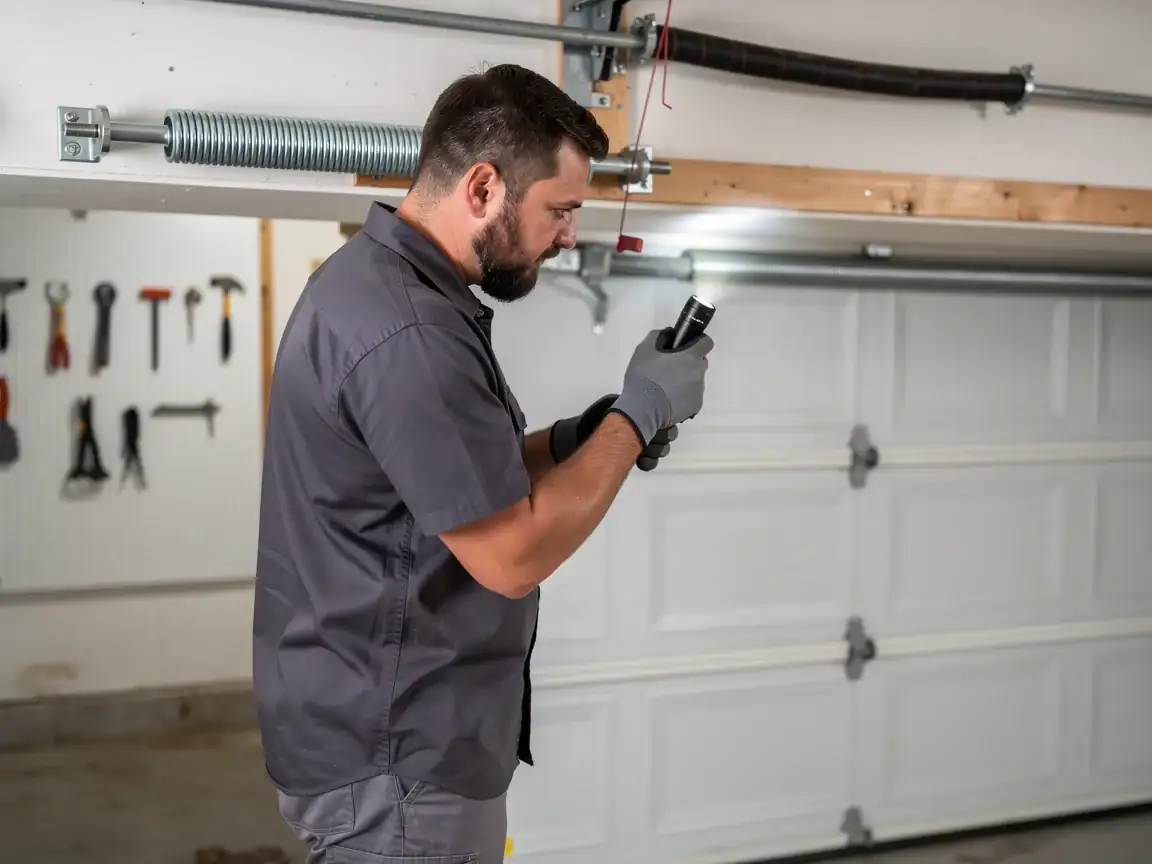
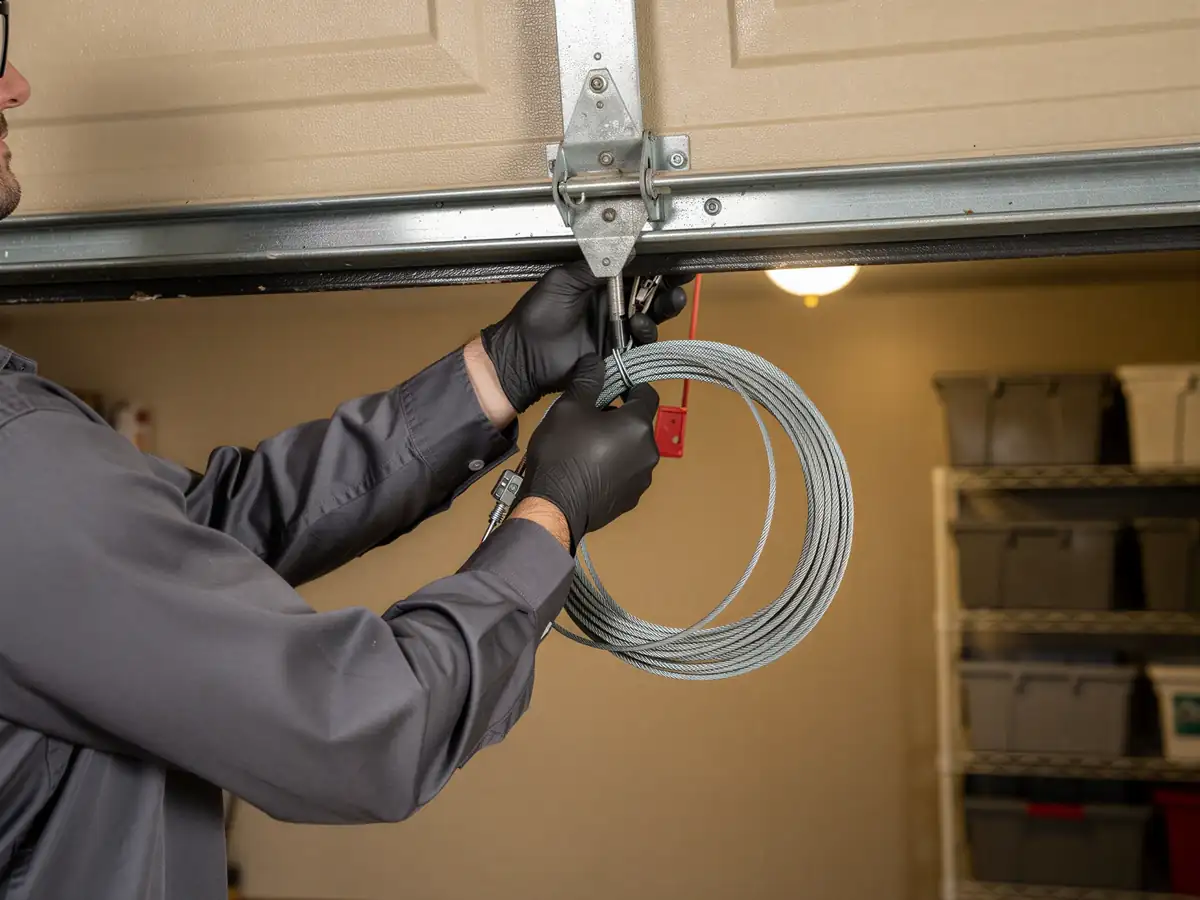
For an extension-spring door, the fix is rarely just swapping the spring. We check the pulleys and the stationary cable pulley bracket, since those wear alongside the spring and get skipped in a quick repair. If the door is original to a 1980-built house, we also look at whether safety cables were ever run through the springs - many houses from that era didn't have them, and it's worth adding when we're already in there.
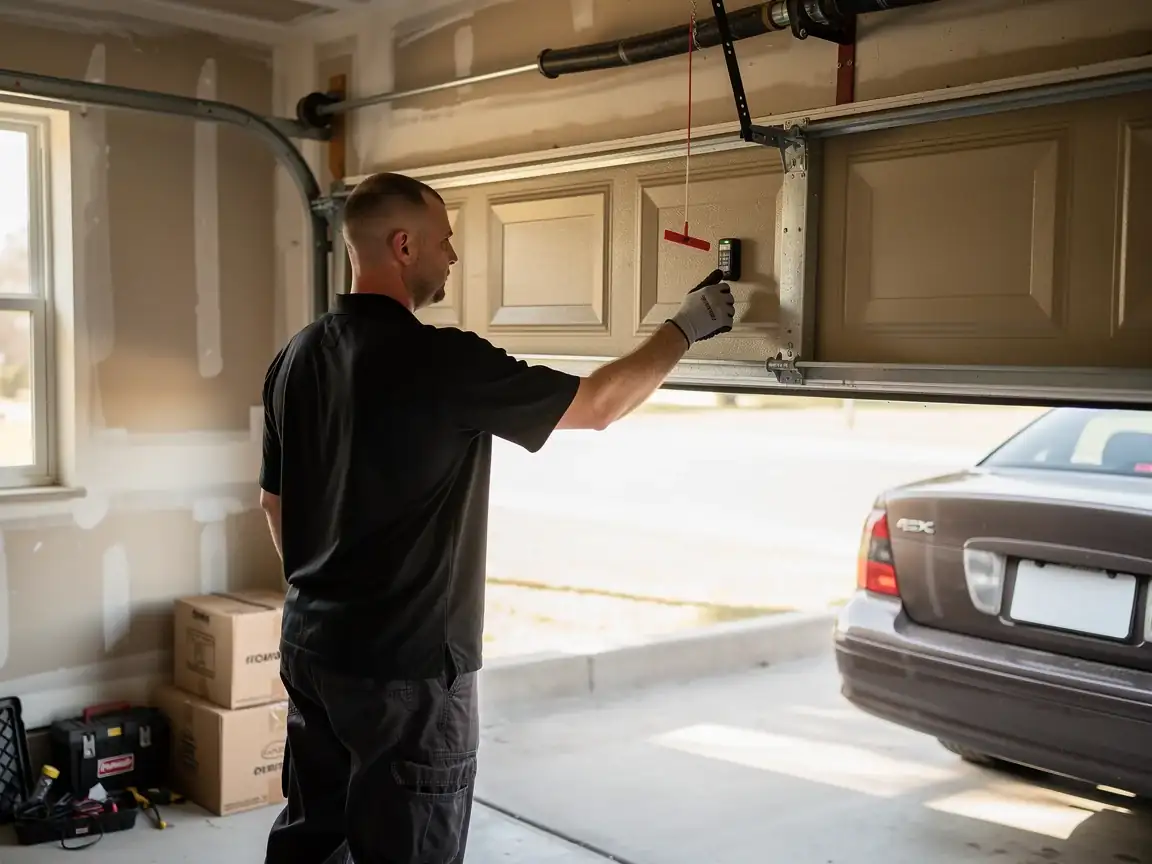
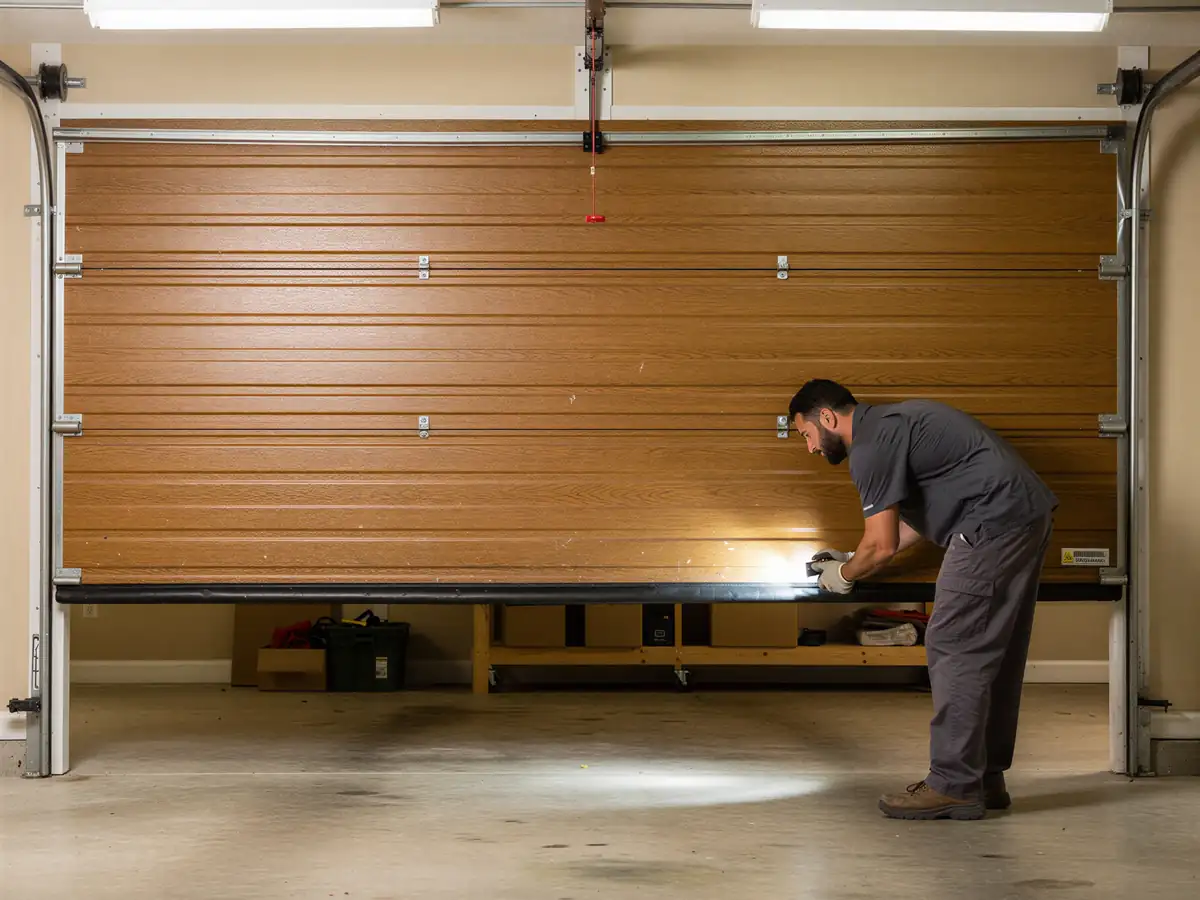
For doors that have been upgraded to torsion hardware since, the job looks more like a standard spring or cable replacement, and we size the spring to the door's actual weight rather than guessing off the old one. Either way, we test the balance by hand before we touch the opener, because an opener straining against a poorly balanced door will burn out its gears no matter how new it is.
The DIY Question
Extension springs are under less tension than torsion springs, which makes them look safer to handle. They're not. A stretched extension spring under load can still whip hard enough to break a finger or put a hole in drywall, and the stationary cable pulley systems common on these older Fallbrook setups aren't intuitive to reassemble correctly on the first try. If your door is just noisy - a dry hinge, a roller that needs grease - that's a fair weekend job. If a cable has come off a pulley or a spring has visibly separated, that's a call, not a project.
Why It Happens Here
Fallbrook sits in the mild temperate band that covers this whole service area, so you're not dealing with the freeze-thaw cycles that crack hardware elsewhere - that's not what's wearing these doors out. It's age and design. A door built around 1980 has had roughly four decades of daily cycling on hardware that was standard for its time but isn't what gets installed today. Add in a household income here that runs lower than some of the newer-build areas closer to Vista, and a lot of Fallbrook owners are keeping original hardware running longer rather than replacing the whole door at the first sign of wear - which is a reasonable call, but it means the springs and pulleys are often original, not refreshed.