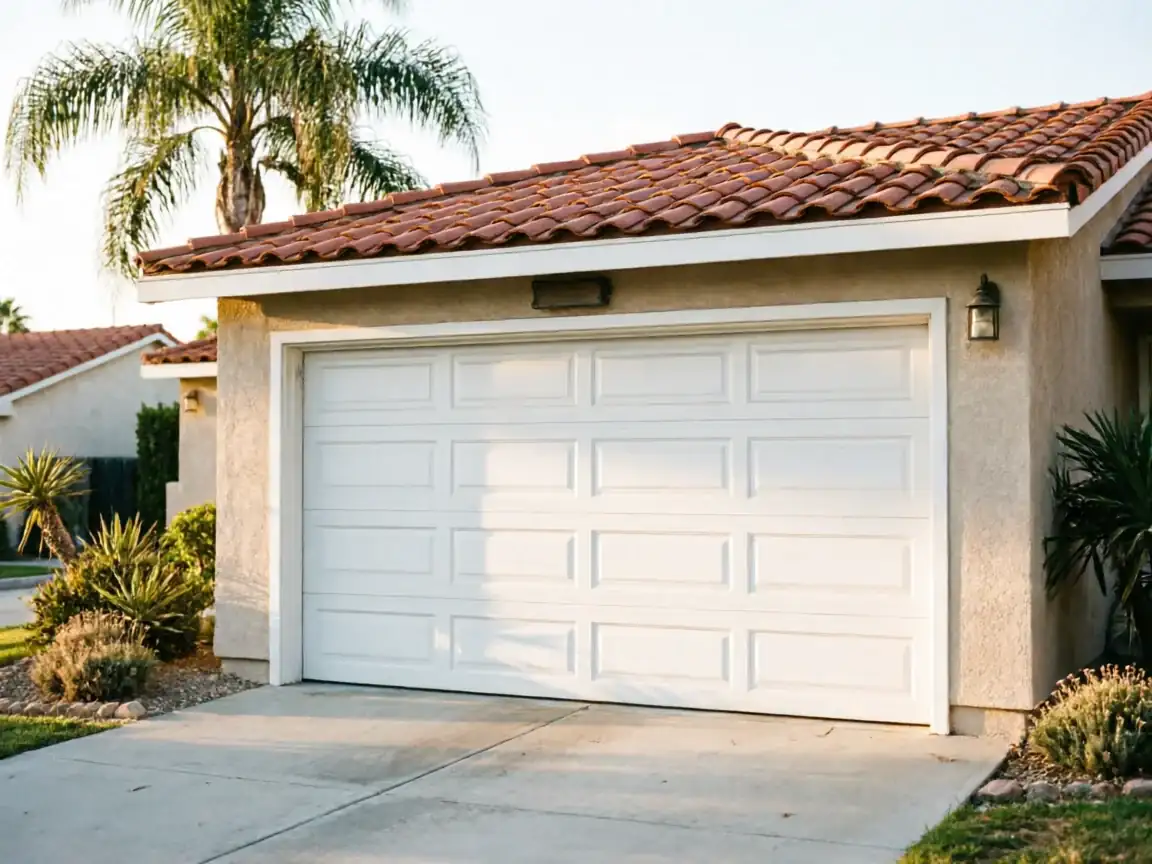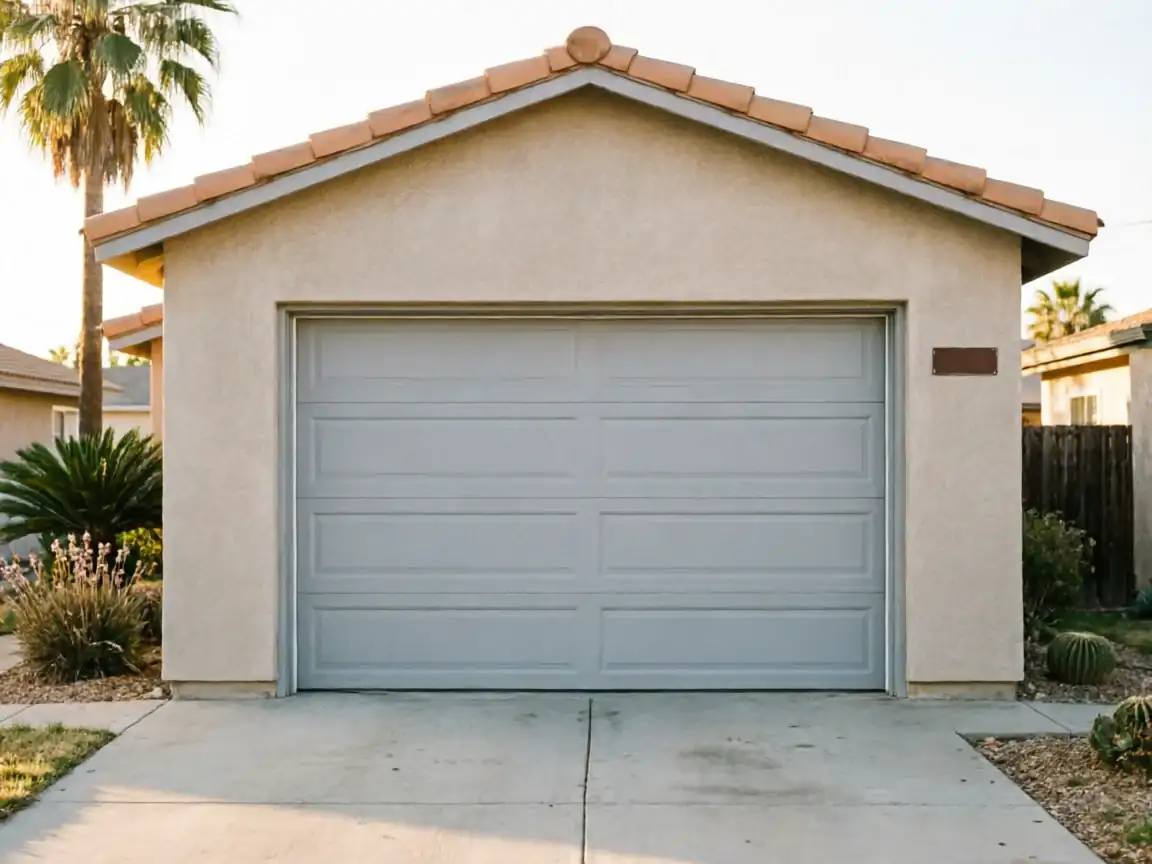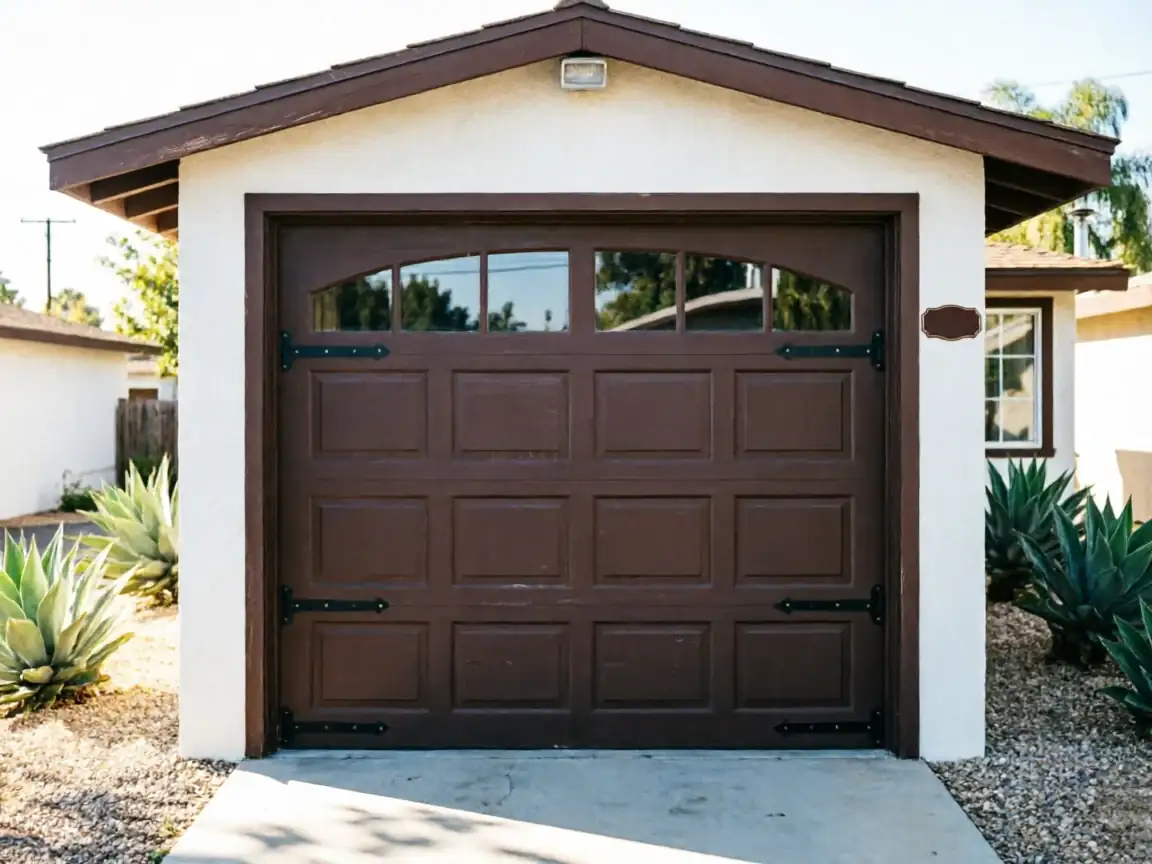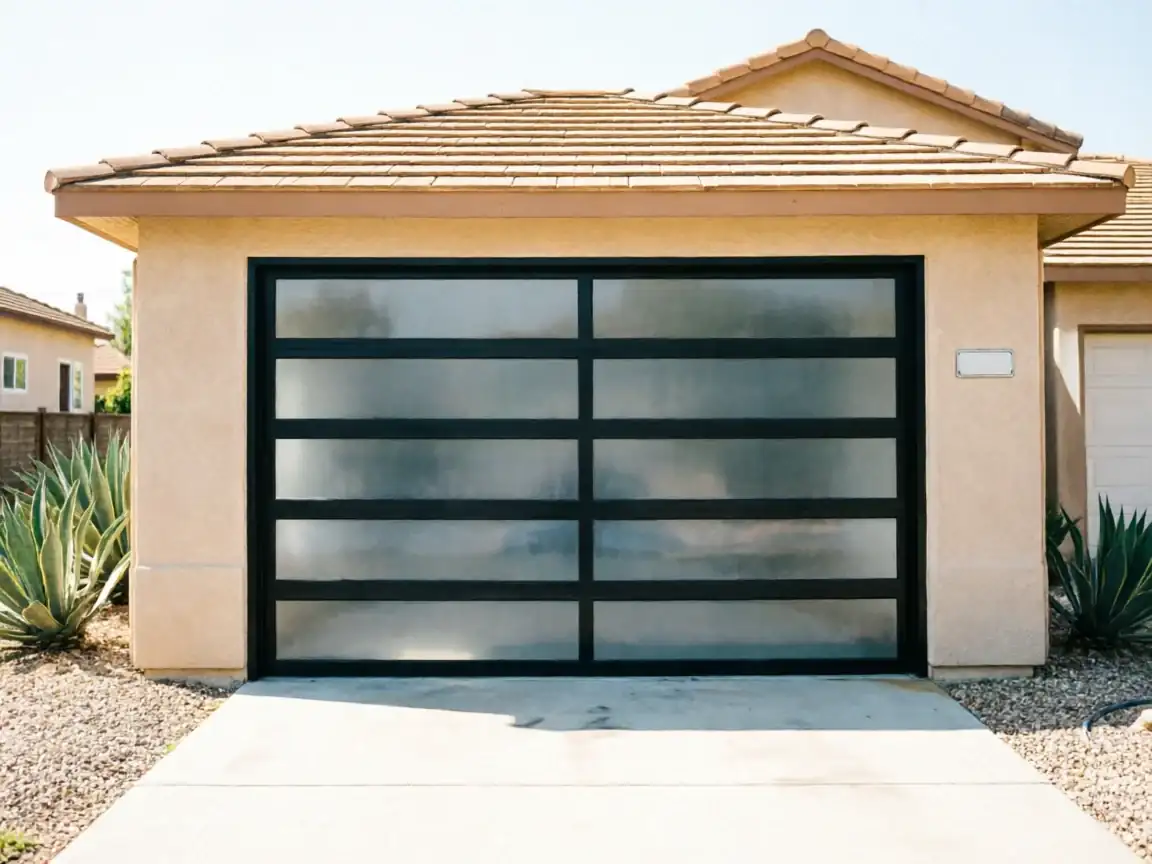
The Symptom
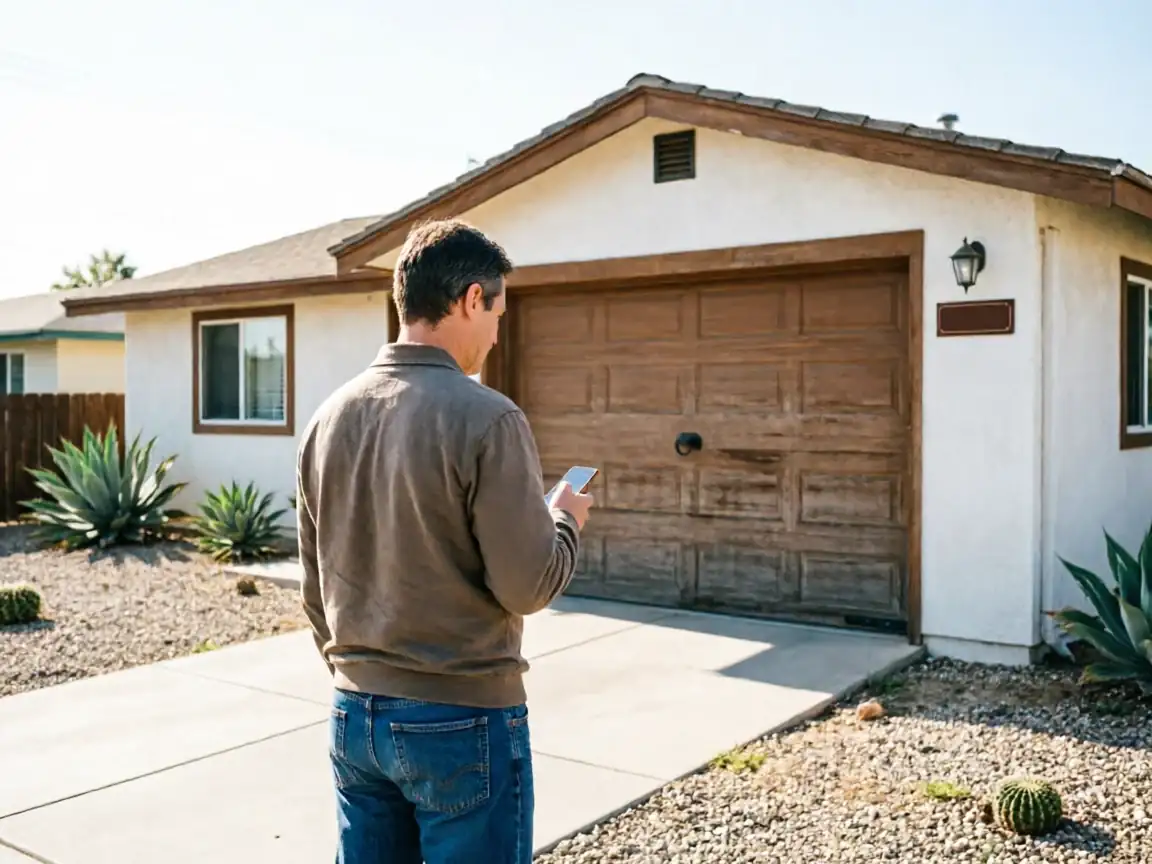
Fallbrook sits 13 miles out from our Vista shop, the longest run on our list of towns we cover. That distance changes how a call here gets handled - not the quality of the work, but the shape of the day. We don't bundle a Fallbrook job in between two Vista stops without planning for it; a spring job here gets its own slot on the truck's route, not a squeeze-in.
What that means for you: when you call, we ask a few more questions up front - what the door's doing, what year the house went up if you know it, whether the opener grinds or just hums - so the right parts are already in the truck before it leaves Vista. A loose track roller is a different trip than a snapped torsion spring on a double door, and with 13 miles between us, guessing wrong costs real time. We'd rather ask twice on the phone than drive out once with the wrong cable.
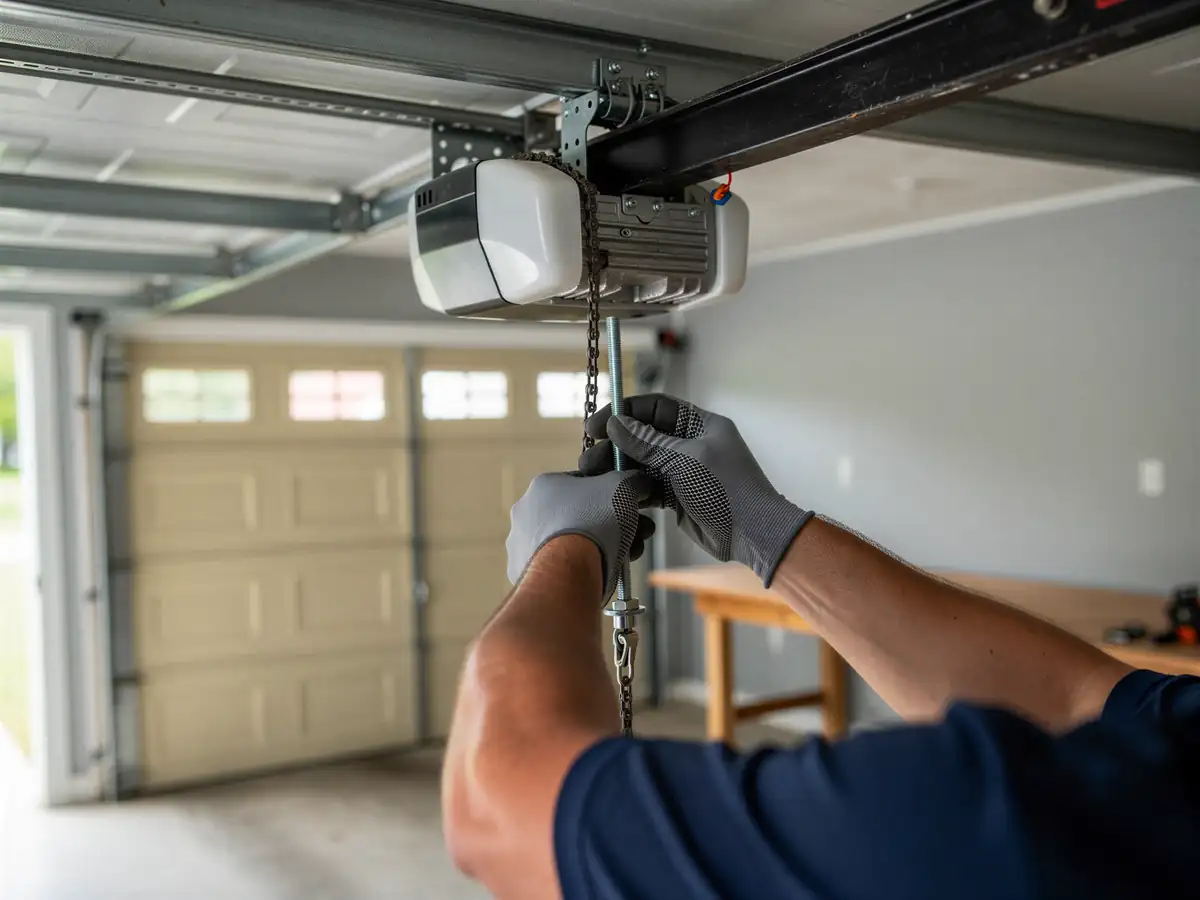
For most of Fallbrook's housing stock, the symptom pattern is steady: springs that have done their 10,000-plus cycles, openers original to a mid-80s build starting to lag on the open command, and torsion hardware that's never been touched since the house was framed.
What the Fix Involves
Fallbrook's median home dates to around 1980, two years ahead of the 1982 median across the broader area we serve from Vista. Houses from that build era were framed with garage openings sized for the torsion spring systems standard at the time, which is mostly what we find intact and mostly what we replace in kind rather than redesign.
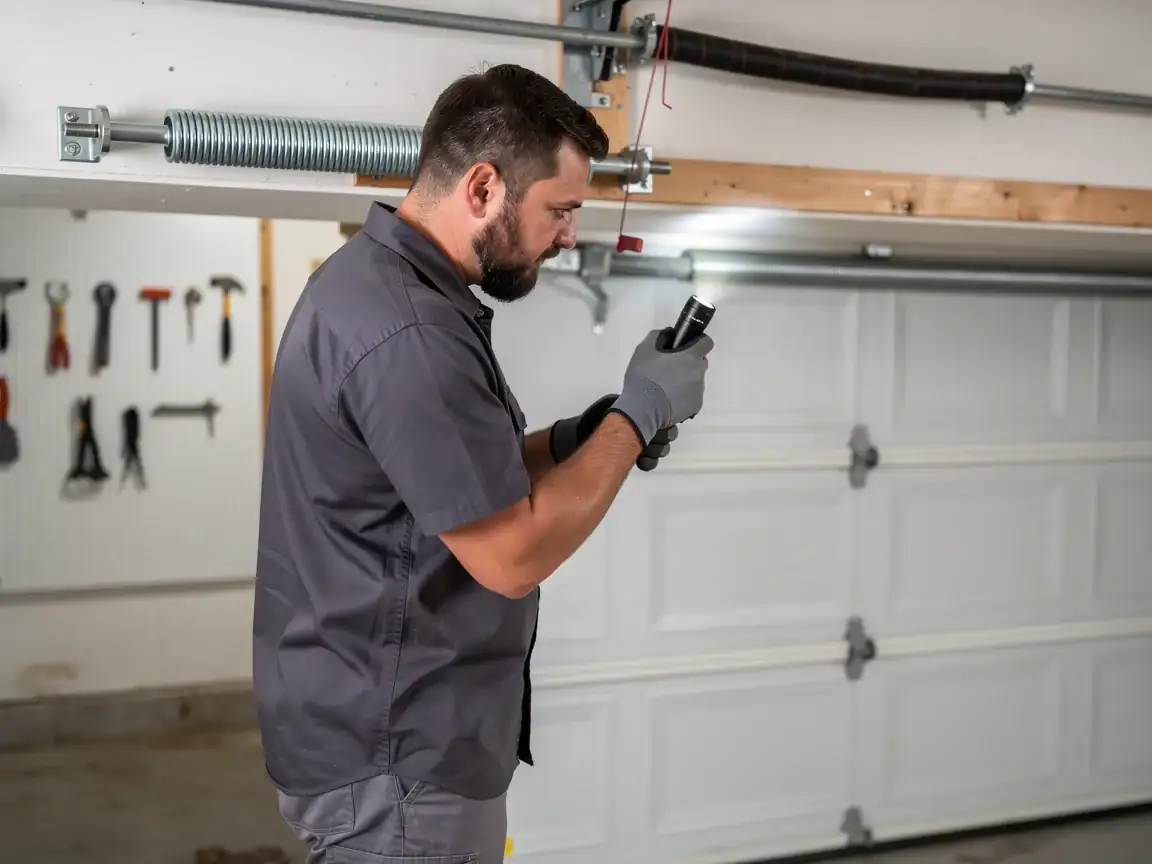
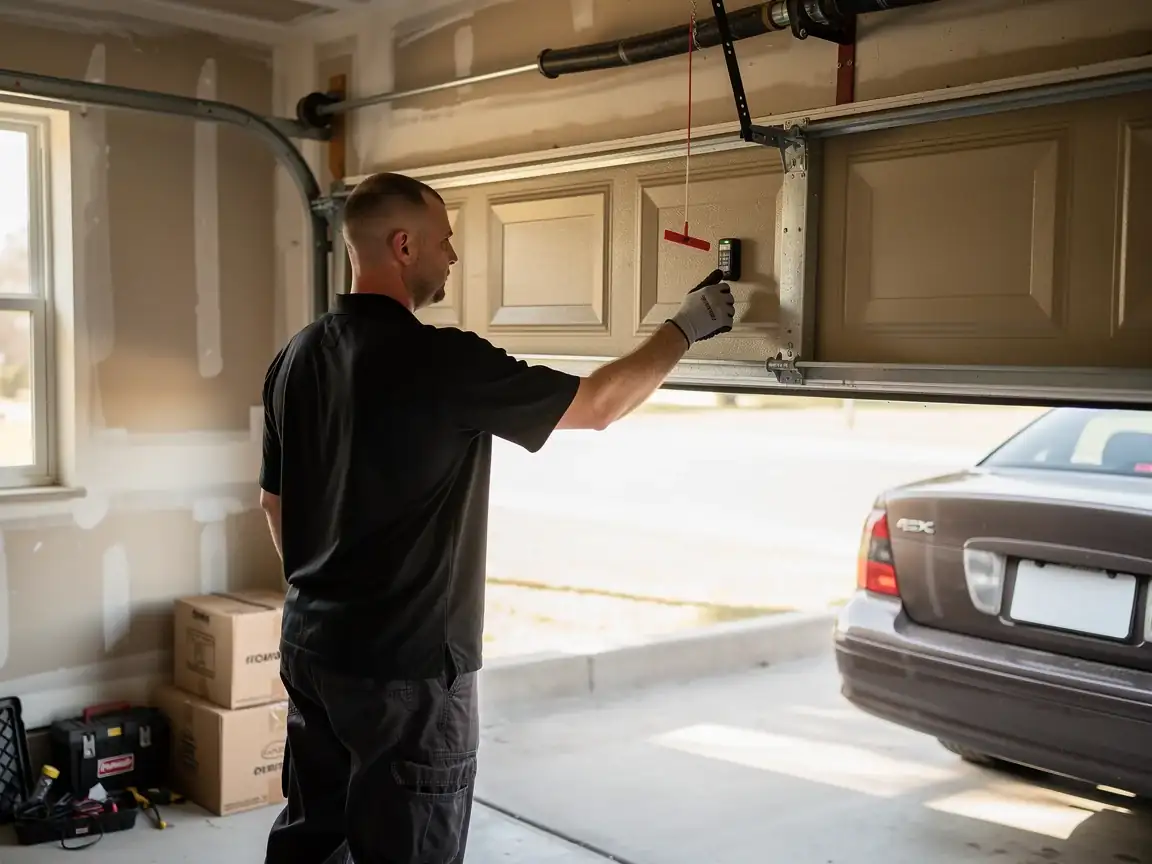
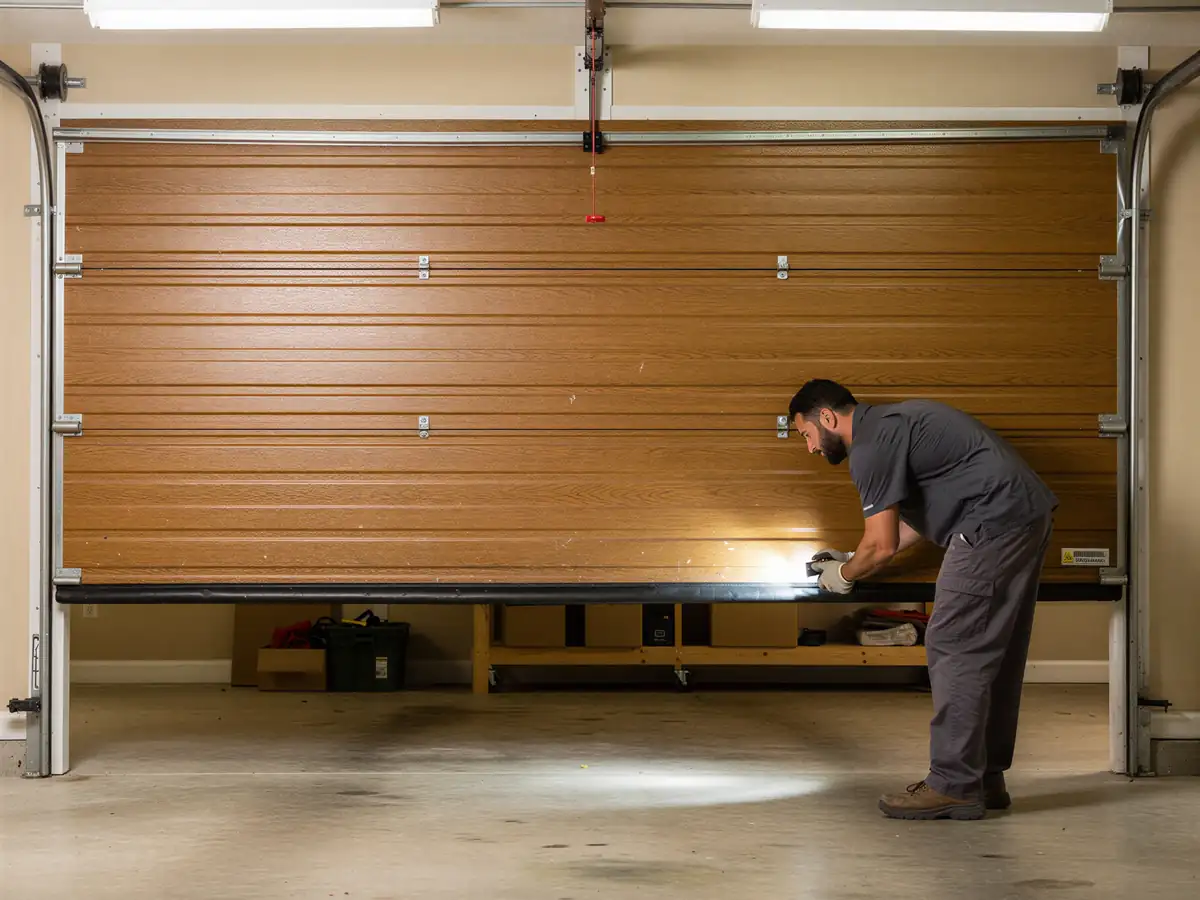
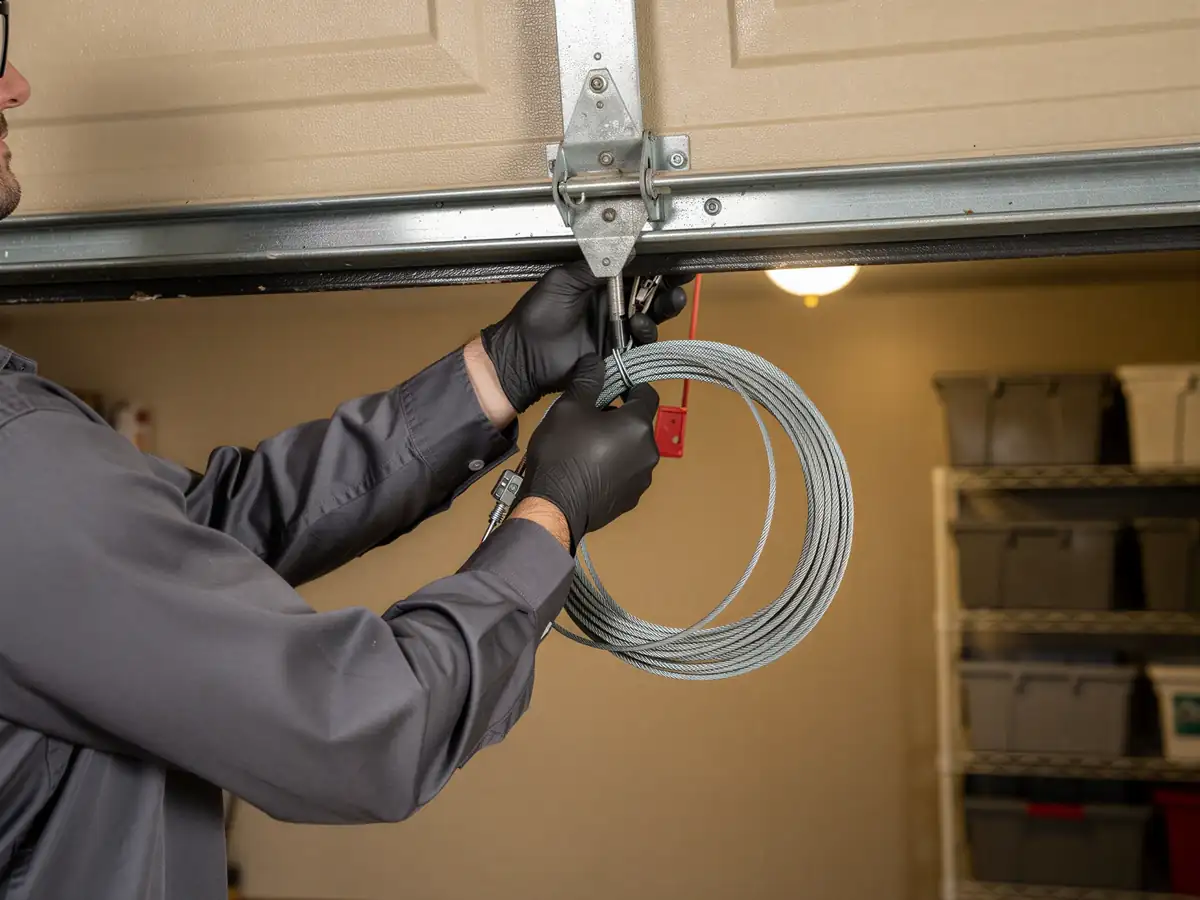
A typical fix starts with pulling the door panel off its track to check for rust or bent hinges, since a door that's sat through 40-plus years of regular use often has wear nobody's looked at because the door still technically opens. We check cable fray at the drum, torsion bar deflection, and whether the opener's force settings have drifted - a common issue once the spring tension itself has sagged with age.
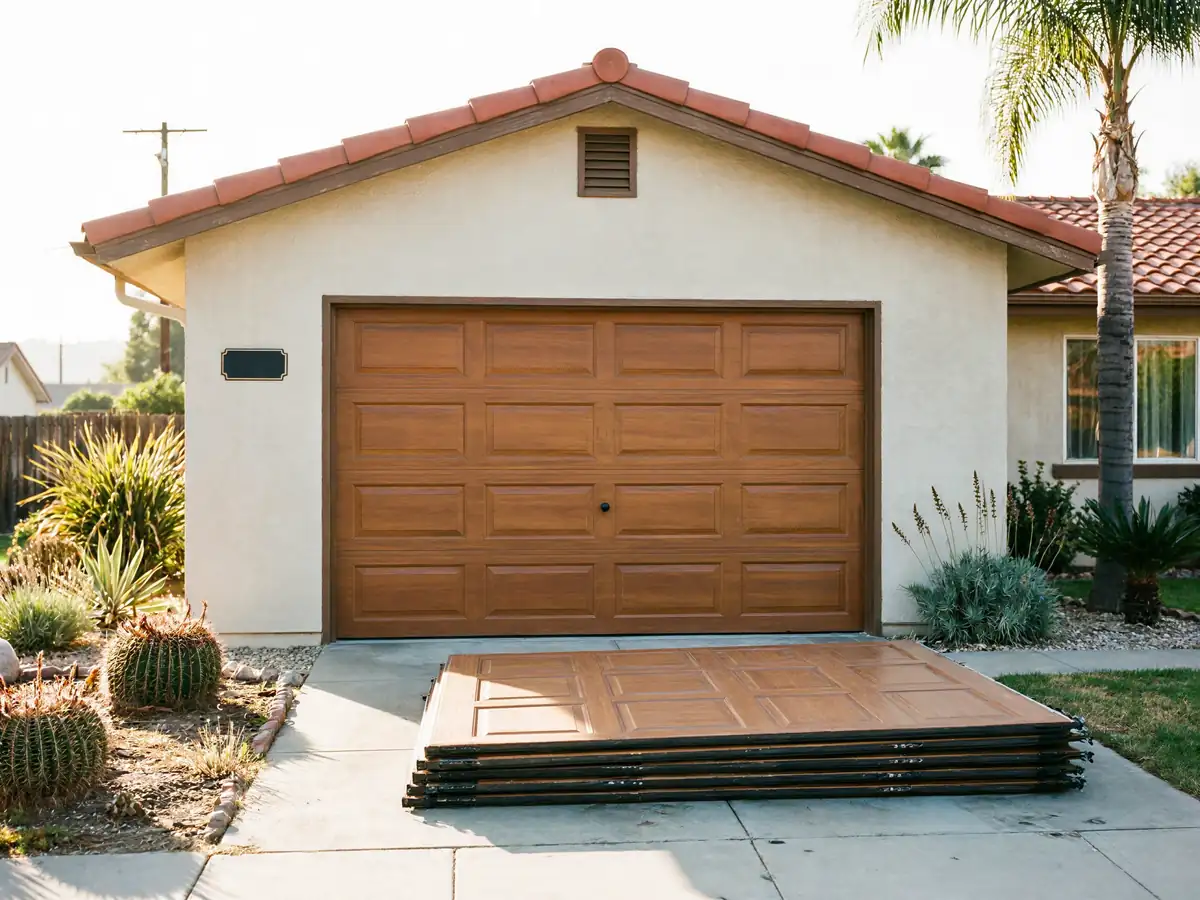
One thing we're upfront about: if the door's wood panel has delaminated from moisture over the decades, we're not going to patch veneer. At that point a new panel section or full replacement does more for the door's lifespan than a repair would, and we'll say so instead of billing for a fix that won't hold.
Parts We Carry
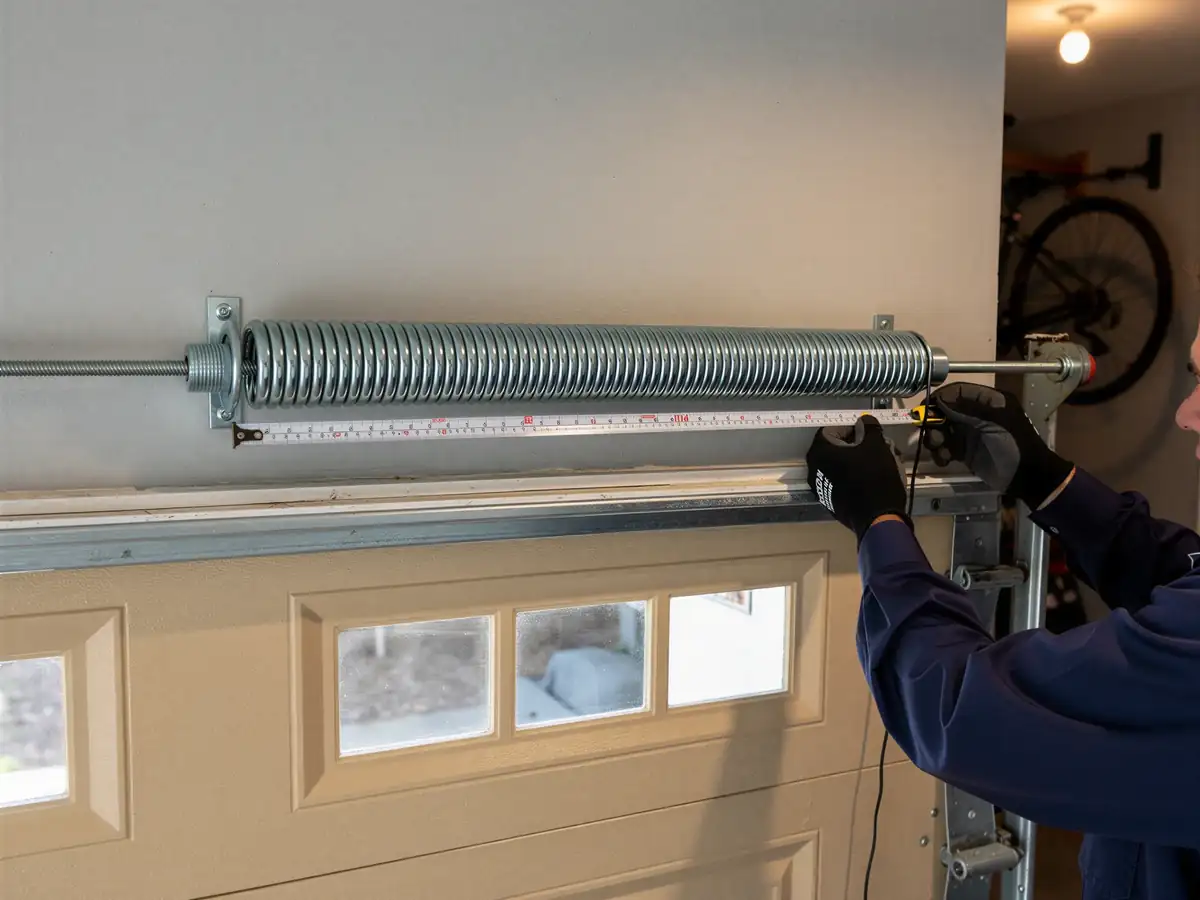
For a build era centered on 1980, the hardware on the truck leans toward standard torsion springs sized for single and double doors from that period, steel roller sets, and the extension spring kits still found on some of the older openings in this part of the county
We carry common cable gauges and drum sizes that match 1970s-90s track systems, since that's the bulk of what's still on the wall in houses this age.
What we don't stock on the truck
Specialty or custom-width panels, and certain discontinued opener logic boards from openers original to this build era. If a part falls into either category, we order it and come back - we won't claim a same-visit fix on something we don't have in hand, and we'd rather tell you that on the phone before the drive out than after.
Our mild temperate climate here means we're not chasing rust the way a wetter region would
So hardware tends to outlast its rated cycle count more than it fails outright - which is part of why original-to-house springs this old are still common, and still due.
The DIY Question
A torsion spring under tension is not a weekend project, full stop, regardless of how old the door or house is. That part of the answer doesn't change by town. What does change here is what you're likely dealing with: a door this age, from a house built around 1980, is more likely to still have its original spring and cable than a newer build would, and original hardware from that era has had four decades to fatigue in ways that aren't visible from the garage floor.
What's reasonable to handle yourself: lubricating rollers and hinges, tightening loose hardware on the track, clearing track debris, and testing the auto-reverse safety feature. What isn't: touching the torsion bar, adjusting spring tension, or removing a cable under load. We'd rather walk you through the safe half of that list over the phone than have you attempt the other half and call us from the floor of the garage.
Why It Happens Here
Fallbrook's 9,978 households sit well under the 63,814 we track across the full area served from Vista, and median household income here runs $87,293 - more than $23,000 below the $110,316 median for the broader service area. That gap matters less for whether a door breaks and more for how owners here tend to handle it: a repair that keeps an original 1980 door running another decade is often the better math than a full swap, and we treat that as the default recommendation rather than the upsell.
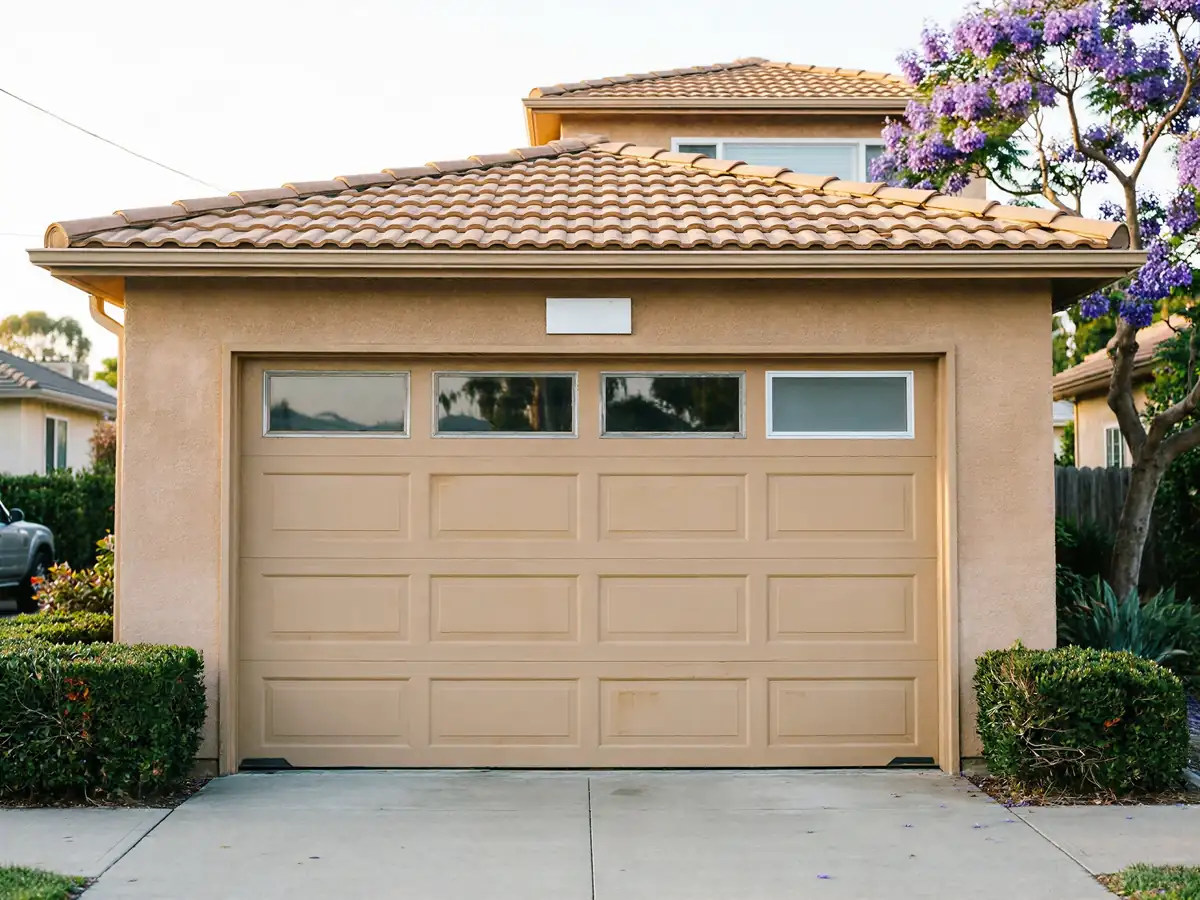
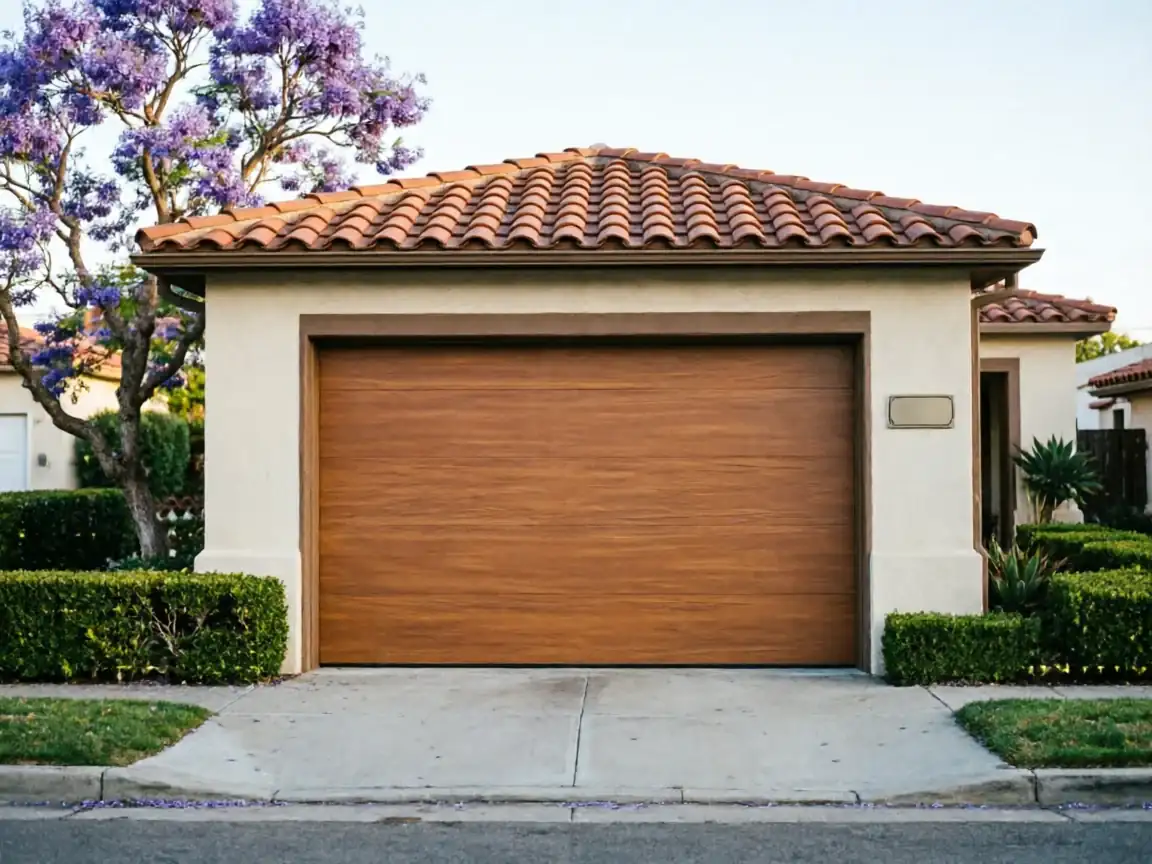
The housing stock itself is consistent enough to predict from the street: double-door garages built for two cars, torsion systems rather than the extension-spring setups common in older construction, and openers that in many cases are the second or third installed since the house went up. The mild temperate climate across this whole region means weather isn't driving the failure pattern - age and cycle count are, and a door installed when the house was built has now logged more open-close cycles than most of its original hardware was rated for.
Booking a Visit
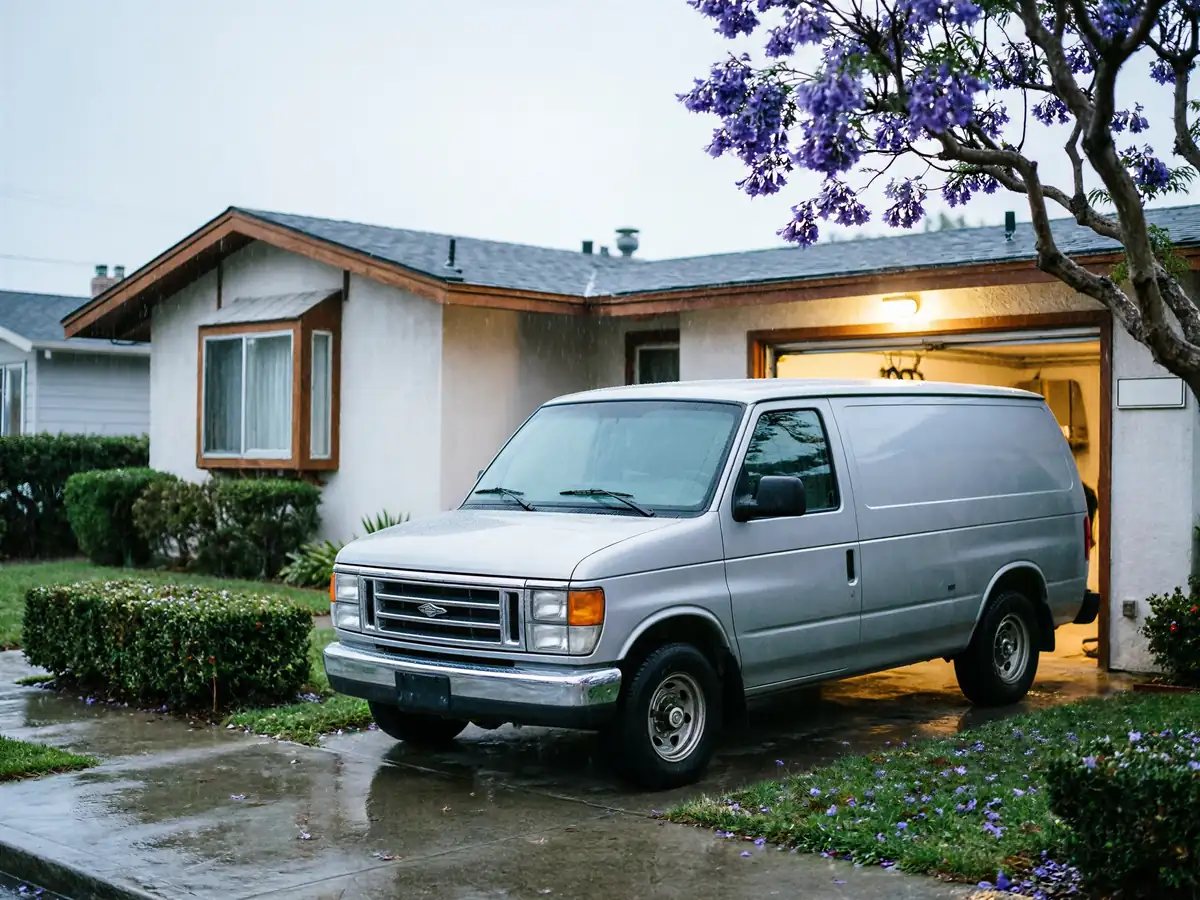
When you call for a Fallbrook address, we're scheduling around a 13-mile drive from Vista
So we ask for the details that let us load the right parts before leaving - door width, whether it's one panel or an original multi-panel setup, and roughly when the house was built if you know it. That one piece of information narrows down spring size faster than almost anything else we ask.
We don't run a branch or drop-off counter in Fallbrook itself
Every job here is a dispatched trip from Vista, which is part of why we try to get the diagnosis right on the first call instead of the first visit. If a part turns out to be something we don't carry on the truck - a discontinued opener board, say - we'll tell you that on the spot rather than let a service call turn into a guessing game at your garage.