The DIY Question
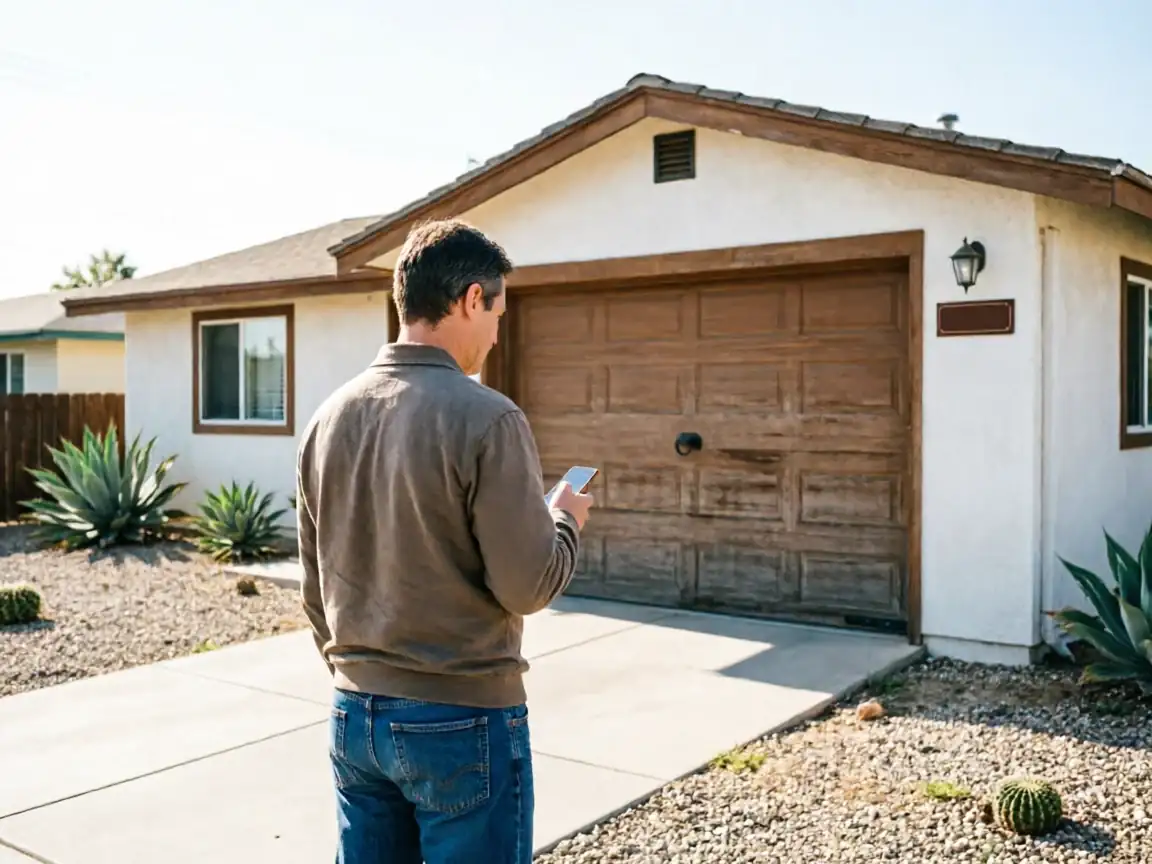
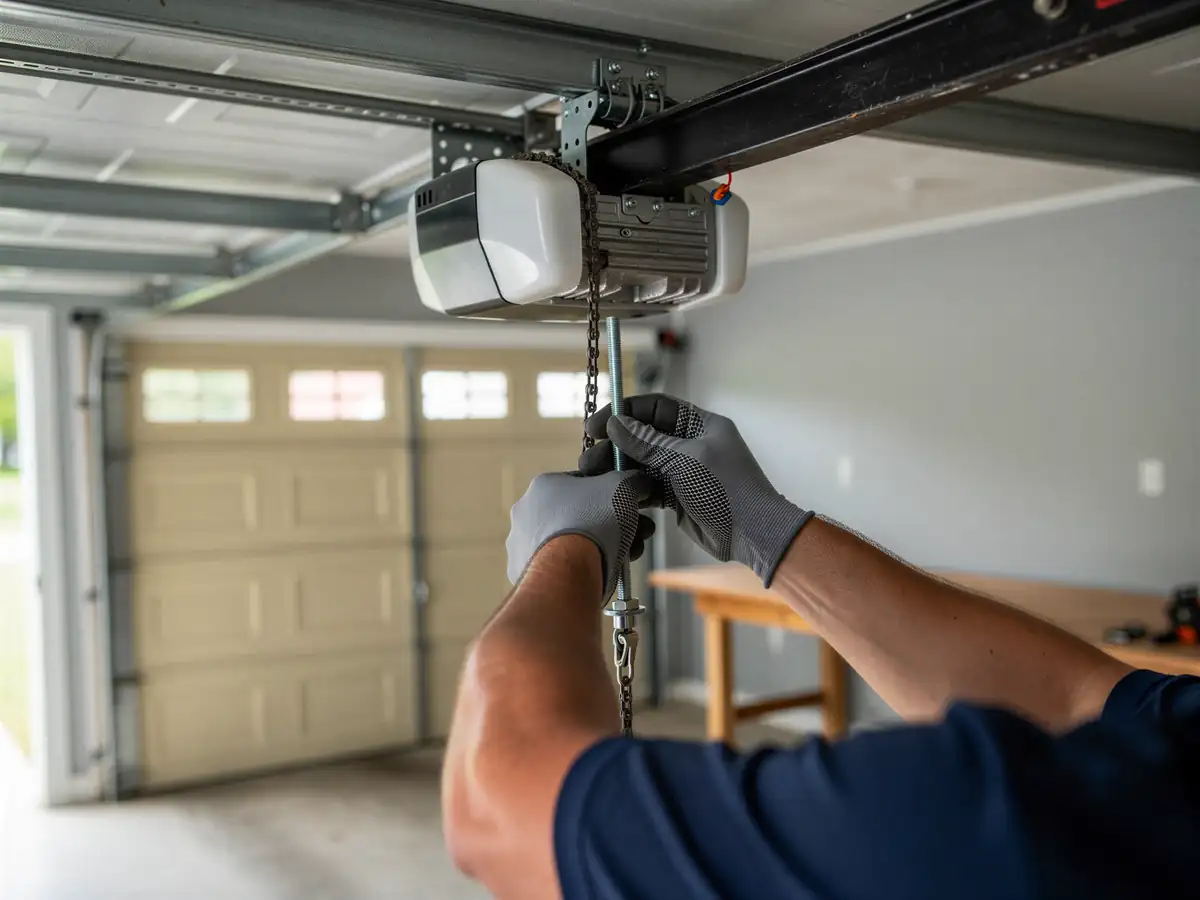
Most garages in Valley Center went up around 1983, and a good share of them are still running the torsion spring, the steel rollers, and in some cases the original chain-drive opener that came with the house. Forty years on a spring is a long time, and if nobody's touched that hardware since the slab cured, you're not dealing with a quick fix - you're dealing with metal fatigue plus whatever corrosion crept in from four decades of temperature swings.
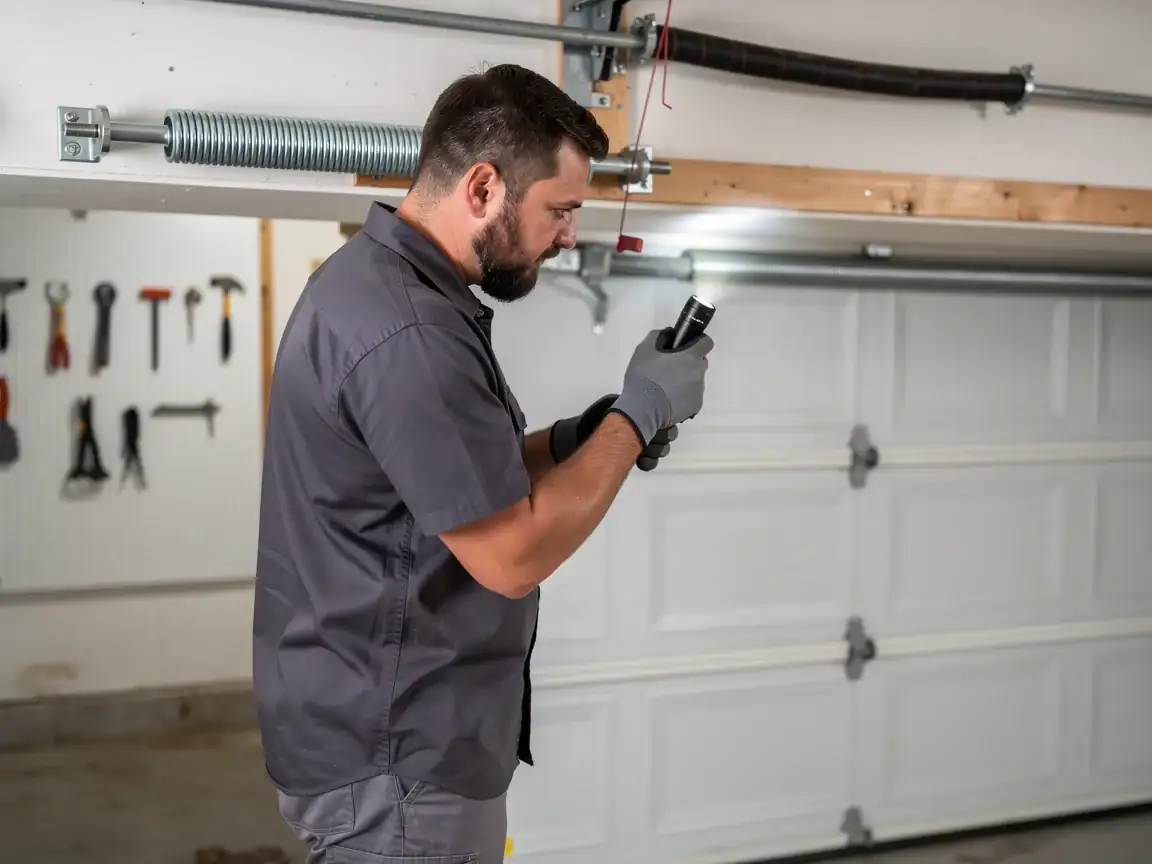
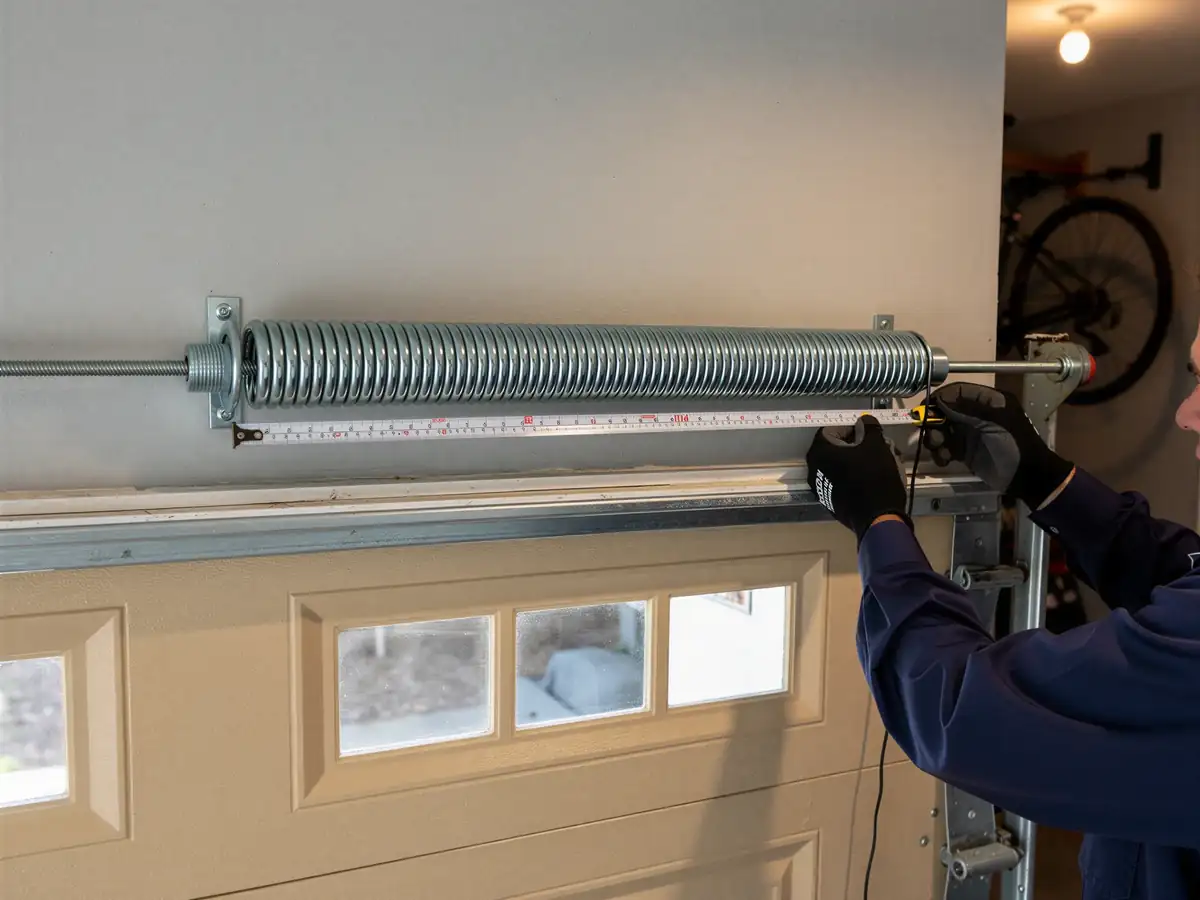
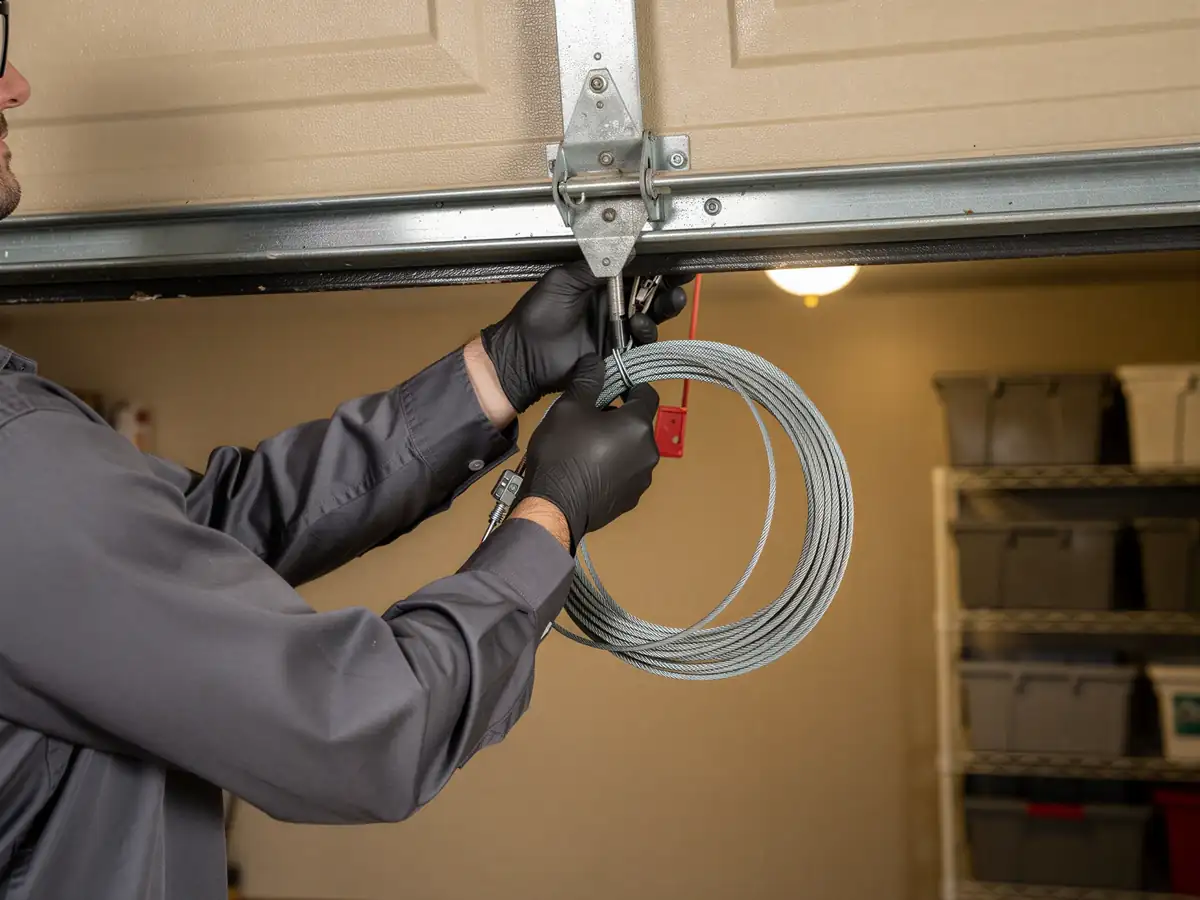
Can you do some of this yourself? Sure - lubricating hinges, tightening loose bolts on the track, swapping a remote battery. What you should not touch is the torsion spring itself. It's wound under enough tension to break a wrist or worse, and on a door this old the spring may be a size that's hard to match without measuring the original wire gauge and wind direction first. If the door won't open, won't stay open, or slams down the last foot of travel, that's spring or cable wear talking, and it's not a weekend project.
We're straight about this: if your opener is the original unit from the build year, parts for it may simply not exist anymore. At some point replacing the opener outright costs less than chasing parts for one nobody stocks.
The Cost of This Job
We don't quote prices sight unseen, because a worn roller job and a snapped torsion spring on a 1983 door cost very different amounts, and a door that's been limping along on mismatched hardware from past patch jobs can hide a second problem under the first. What we can tell you is what drives the number: spring size and count, whether the drum or cable needs replacing alongside it, and whether the opener is original or already a replacement.
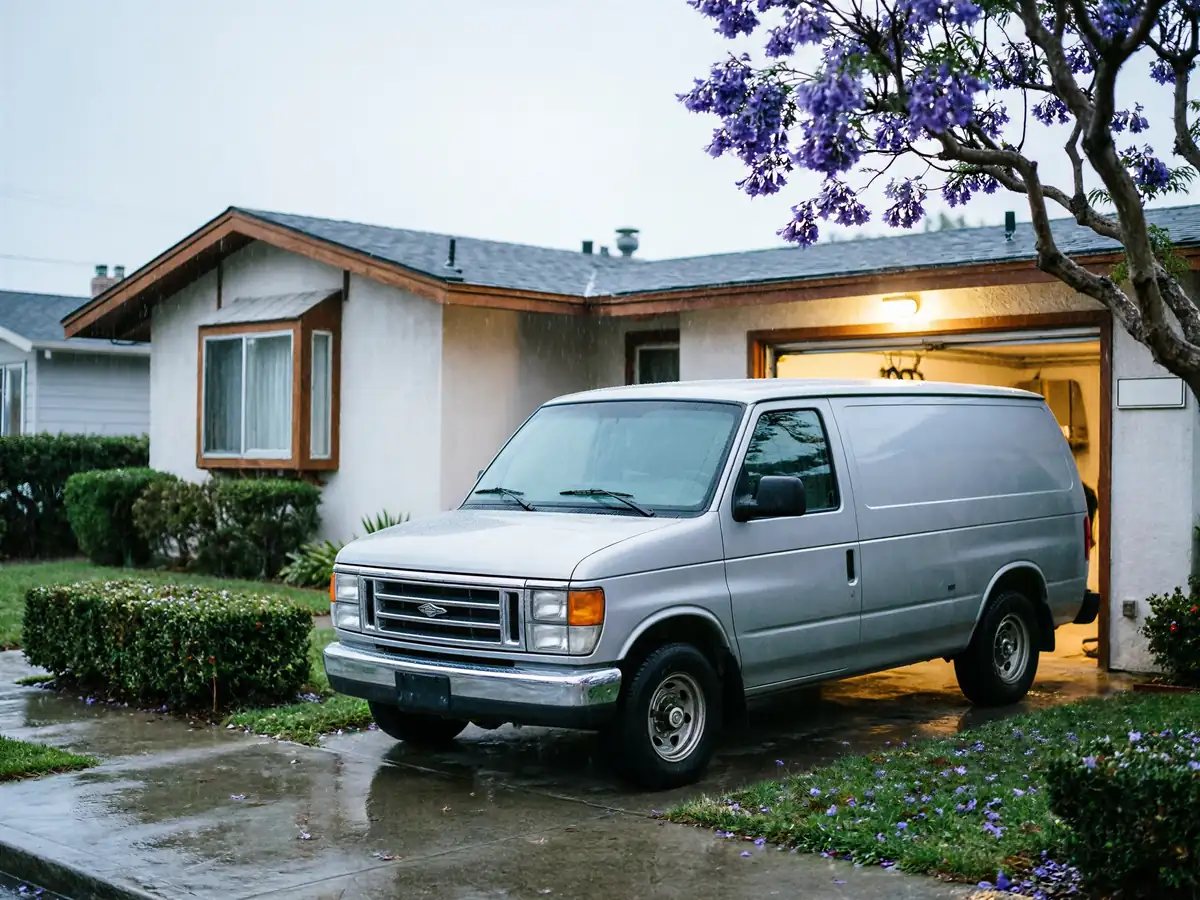
One honest note on cost: because we run out of Vista, there's a drive built into every visit here - it's about 13 miles each way. That's not a surcharge line item, it's just part of why we ask for the symptom up front rather than guessing over the phone. The more you can tell us about what the door is doing before we load the truck, the fewer trips it takes to get it right.
The Symptom
The door that's heavy to lift by hand
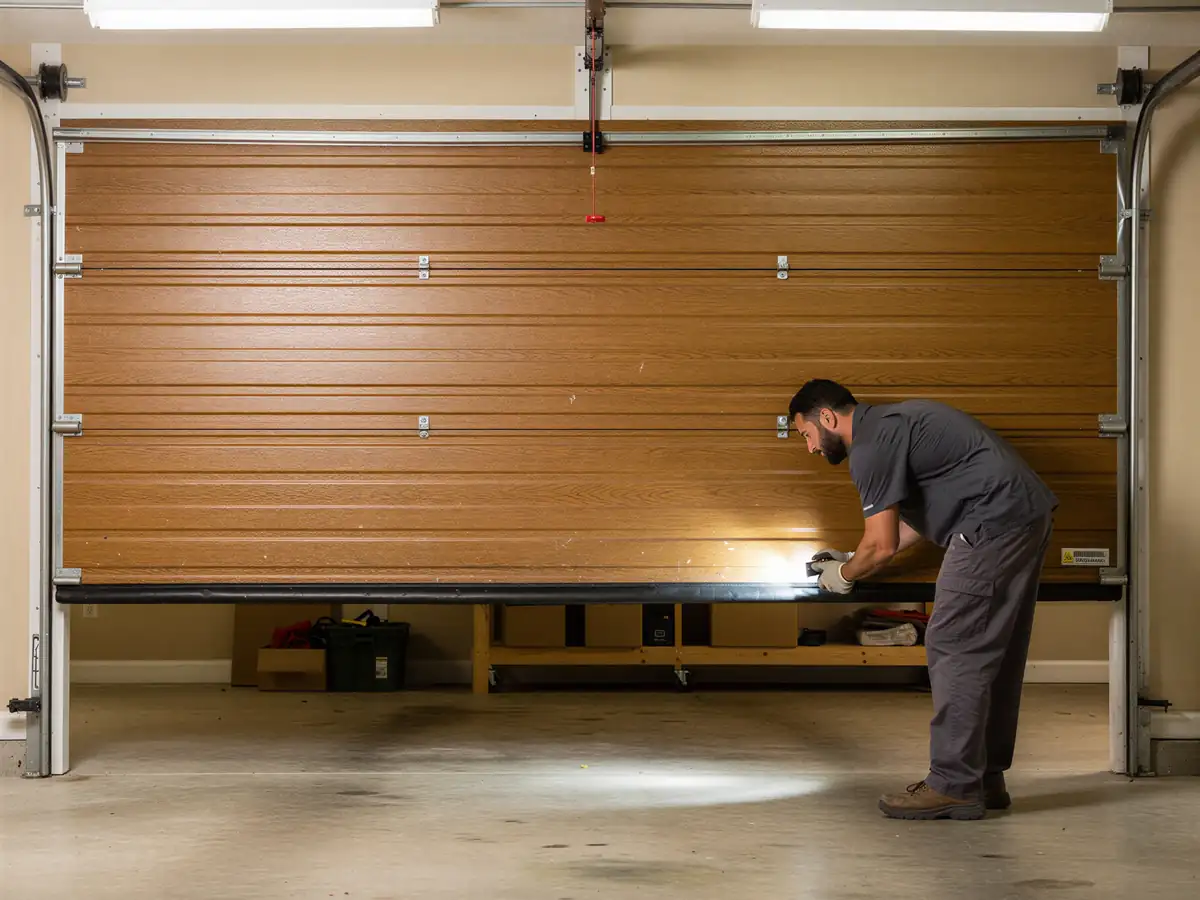
Or drops fast in the last two feet, is almost always a spring that's lost tension - common on a door running its original hardware from the early 80s. A door that shudders or jumps as it travels usually points to rollers that have worn oval instead of round, which happens gradually over that many years of use and is easy to miss until the door starts making noise about it.
If the opener grinds, reverses on its own, or just quit responding to the remote
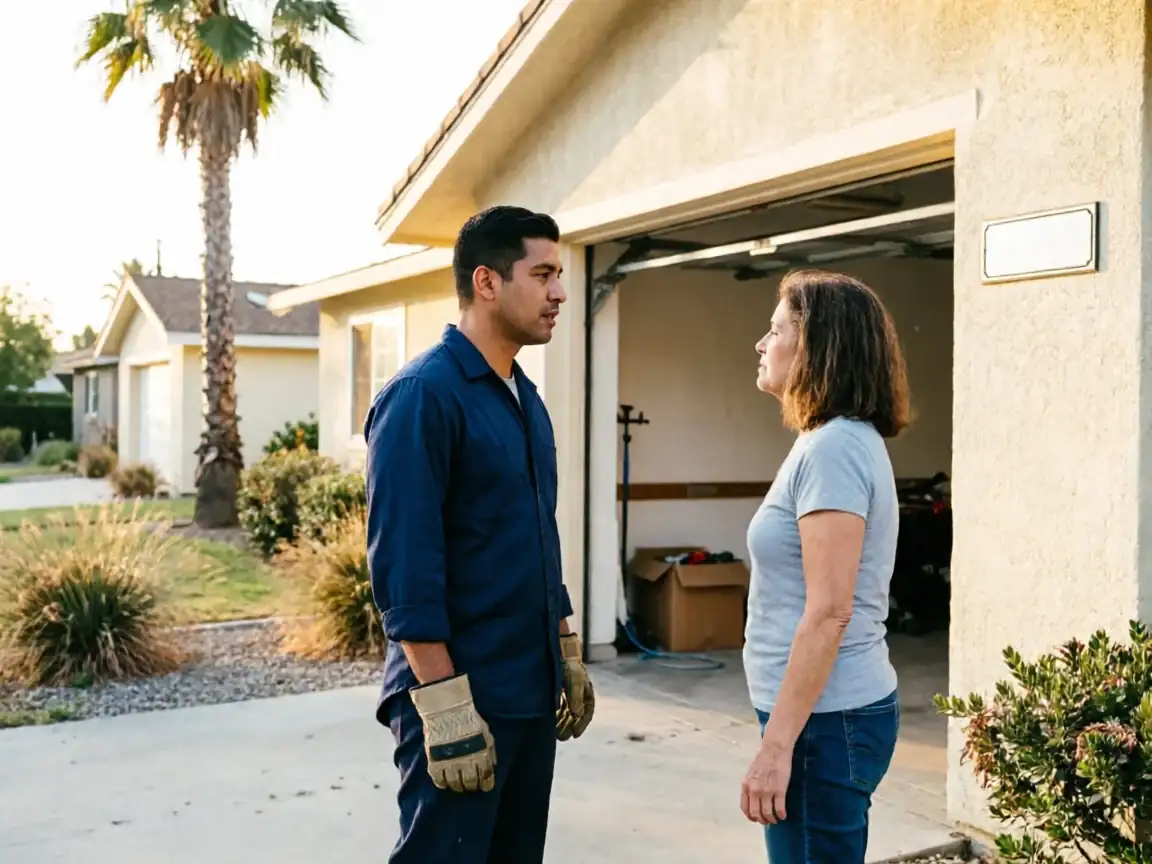
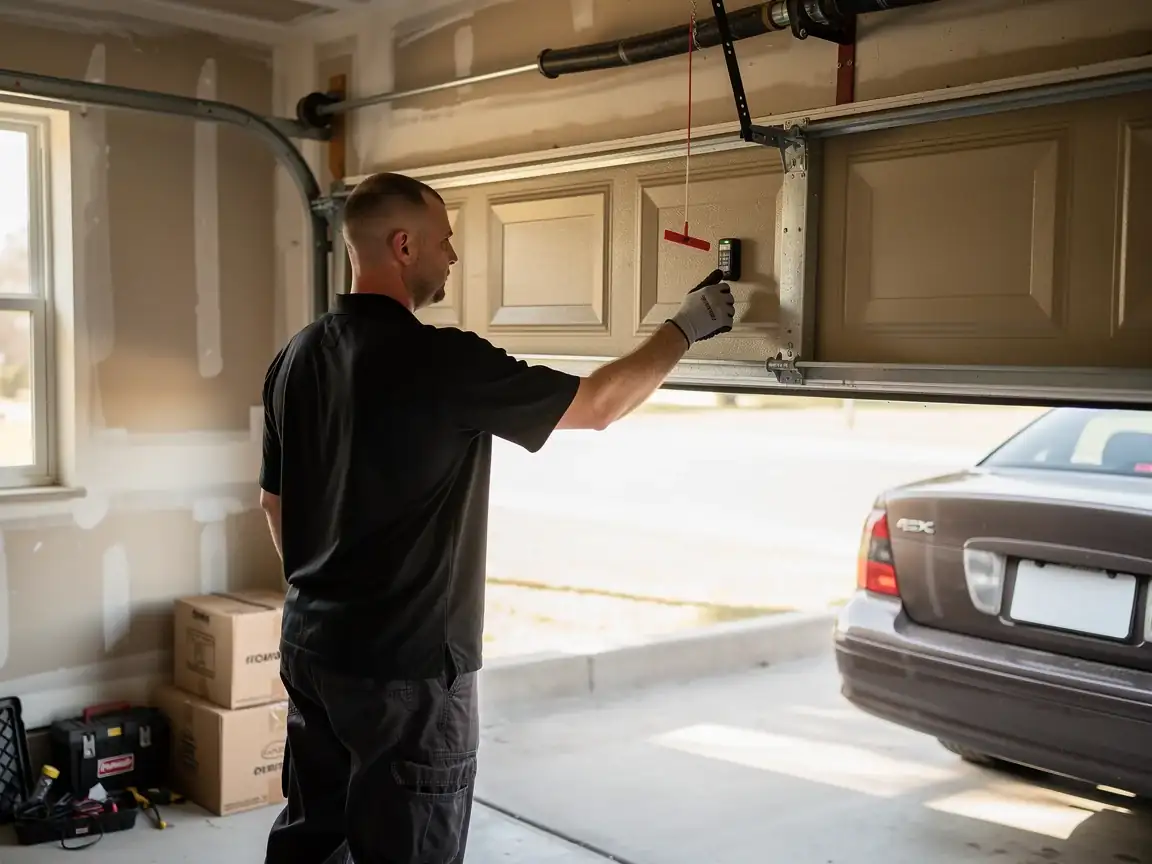
That's a separate conversation from the spring - could be the gear set inside an aging chain-drive unit, could be the logic board giving up after years of exposure in an unconditioned garage. Either way, tell us exactly what the door is doing - which direction it fails, what sound it makes, whether it's one symptom or several - before we drive out.
Why It Happens Here
Valley Center sits in a mild temperate band - no hard freezes, no real humidity extremes - so the springs and tracks here aren't fighting rust the way they might somewhere wetter or colder. That's the good news. The less good news is that mild weather means nothing failed these doors into retirement; the original hardware from 1983 just kept running, year after year, with no climate event forcing a replacement. A lot of households here are still on first-generation springs and rollers simply because nothing ever broke hard enough to replace them - until now, when metal fatigue alone is enough.
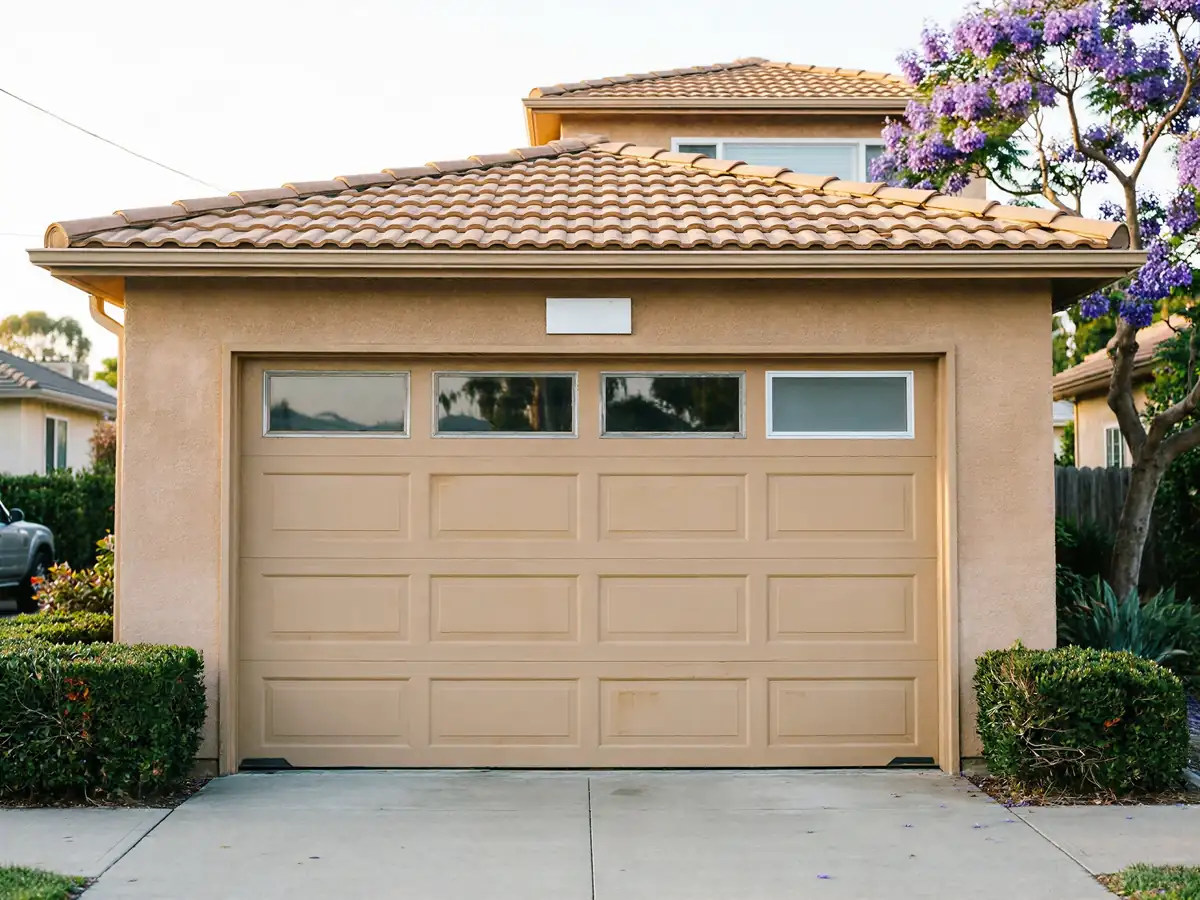
Valley Center is also a lower-density area than some of the other towns we reach from Vista, and most of these are single-family houses with original attached garages rather than later additions or conversions - which means the opener and track configuration tends to match what shipped with the house, not a patchwork of upgrades.
Booking a Visit
We cover Valley Center out of Vista, about 13 miles out, so we ask for a clear description of the problem when you call - what the door does, when it started, and whether it's happened before. That lets us bring the right spring size or roller stock on the first trip instead of a second one.
If you're not sure whether your garage needs a repair or a full door replacement, that's a fair question to ask on the call too - on a door this age, sometimes replacement is the more honest answer than another repair.