The DIY Question
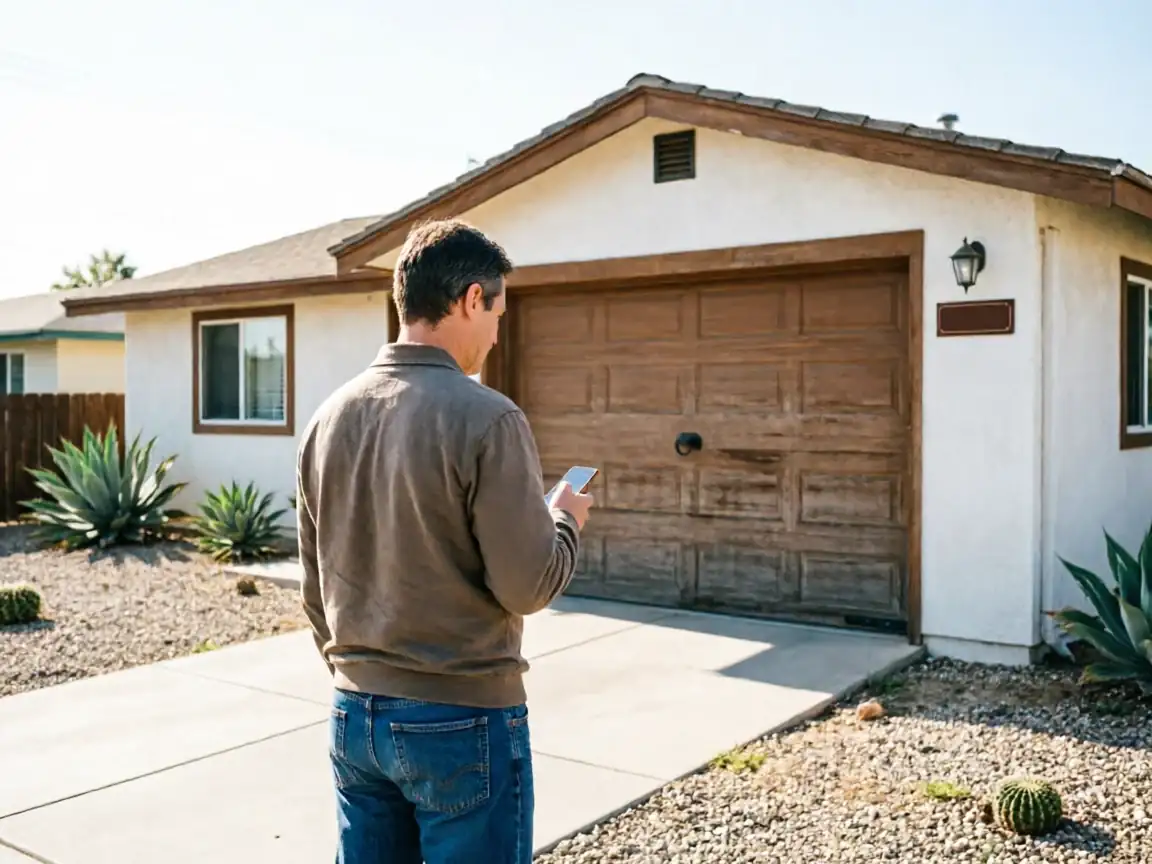
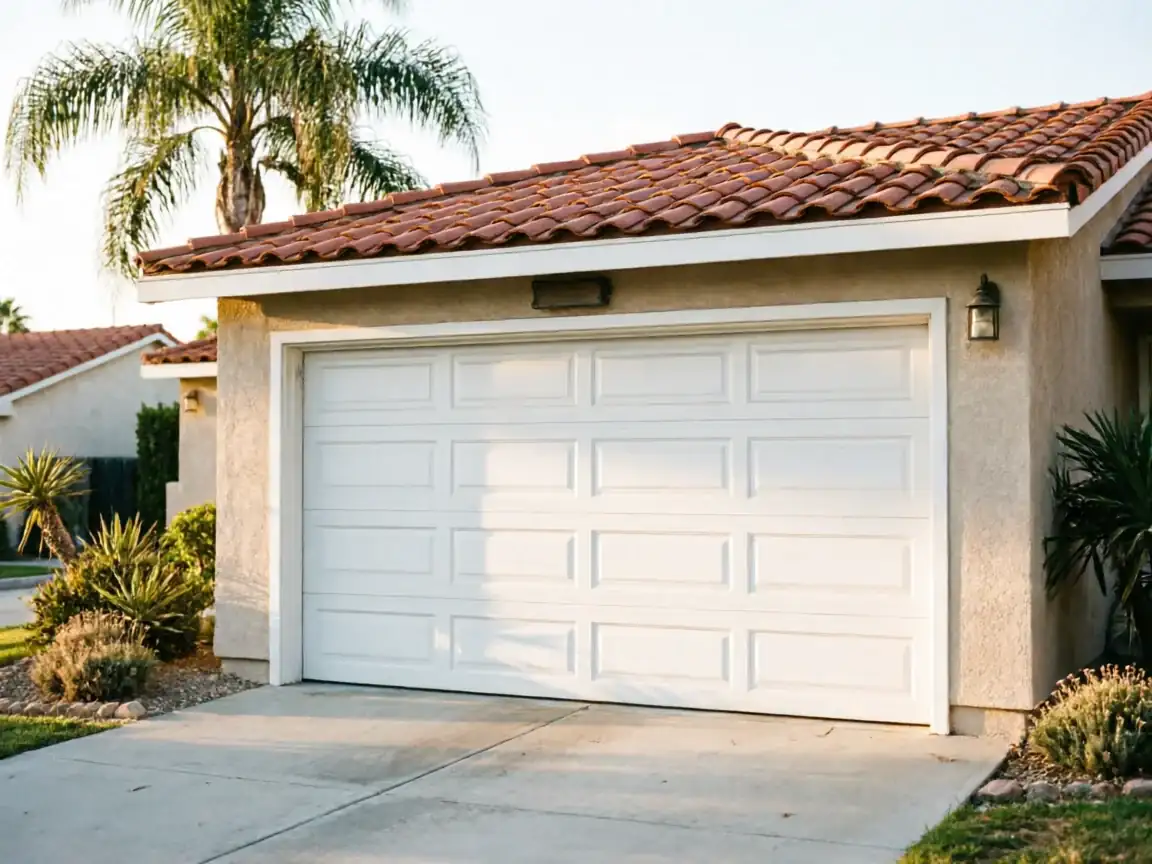
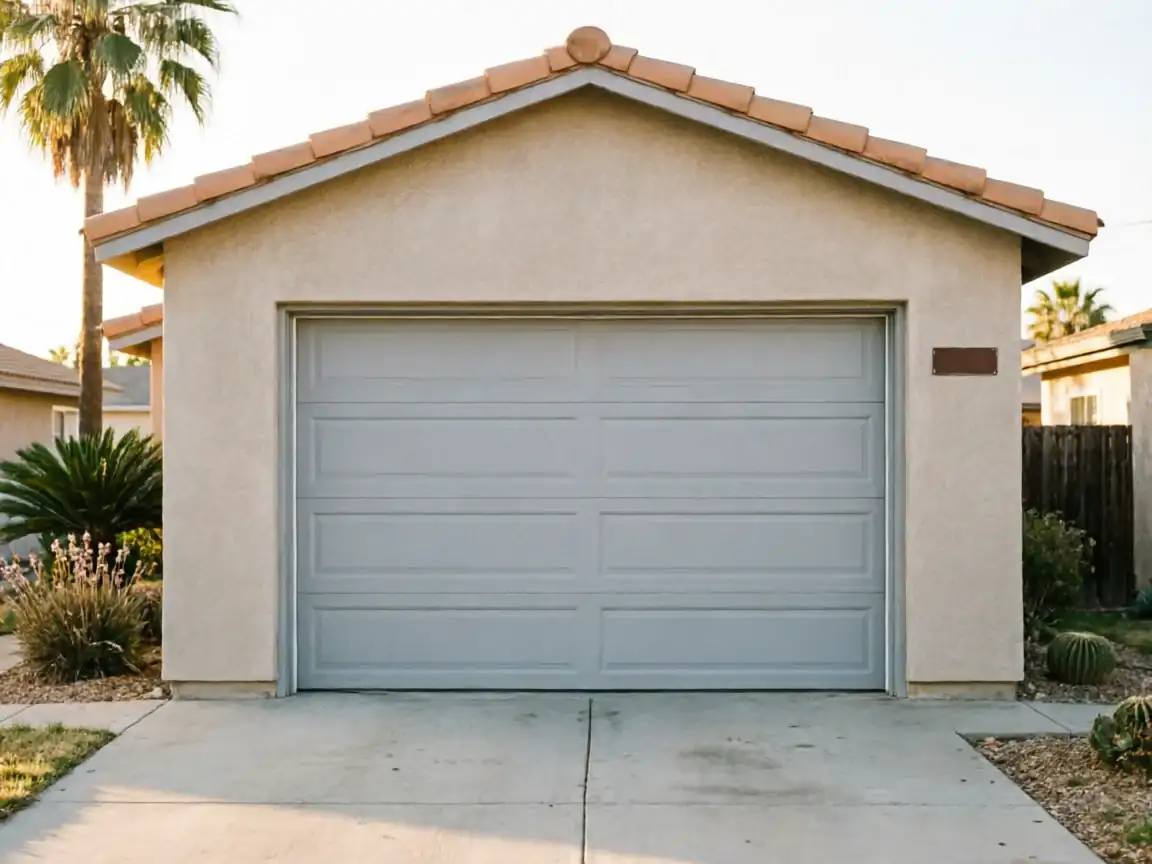
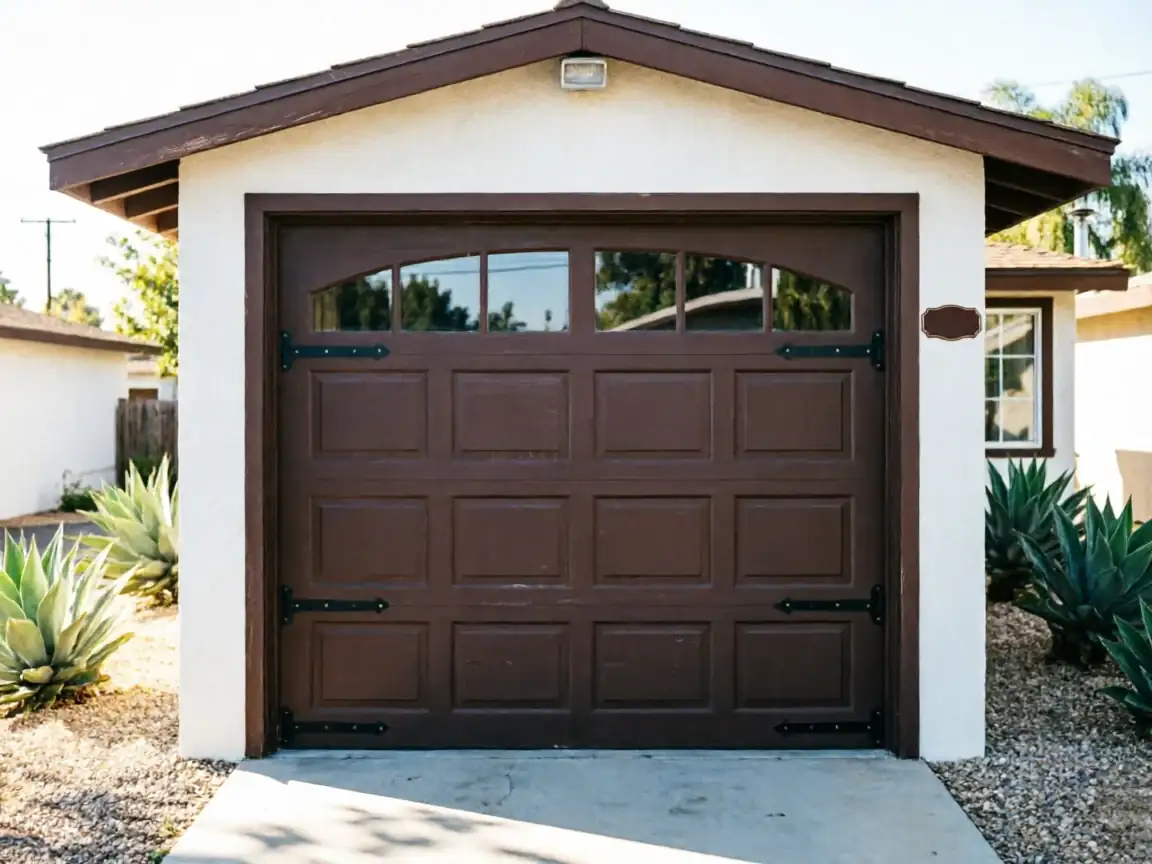
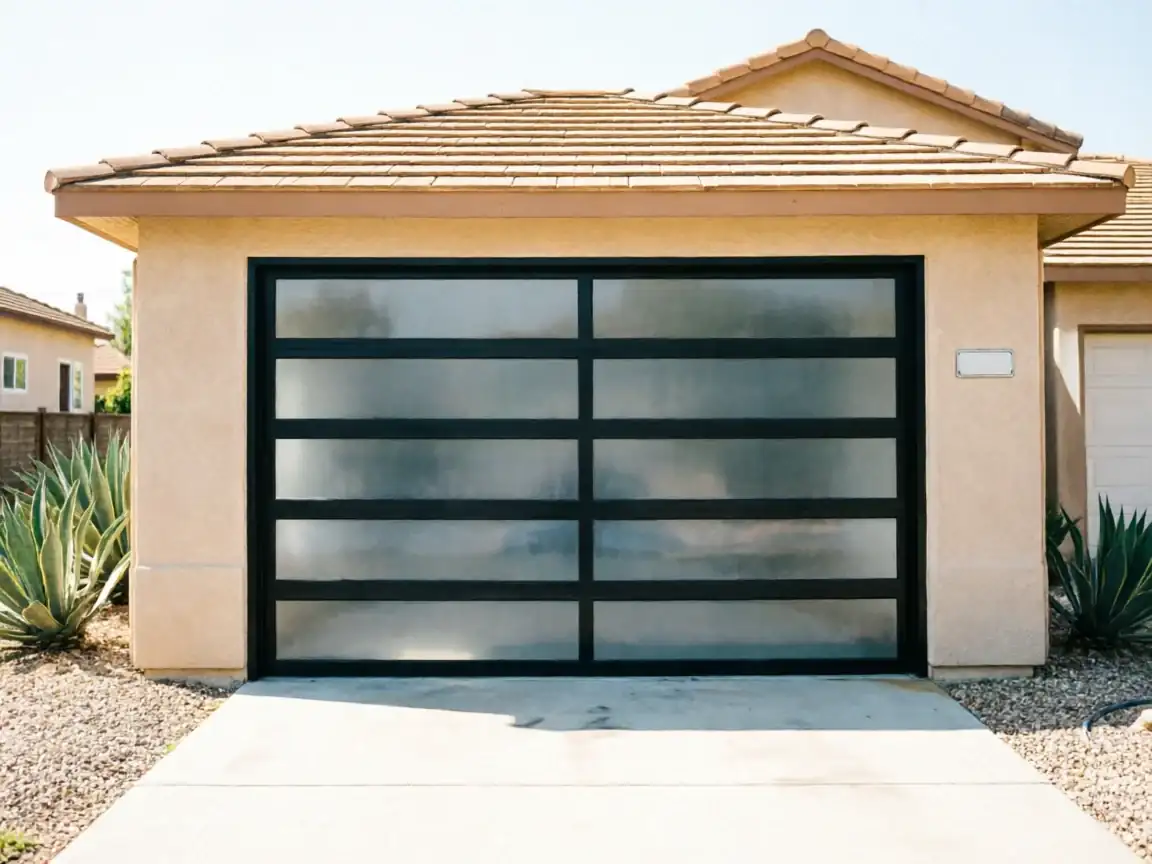
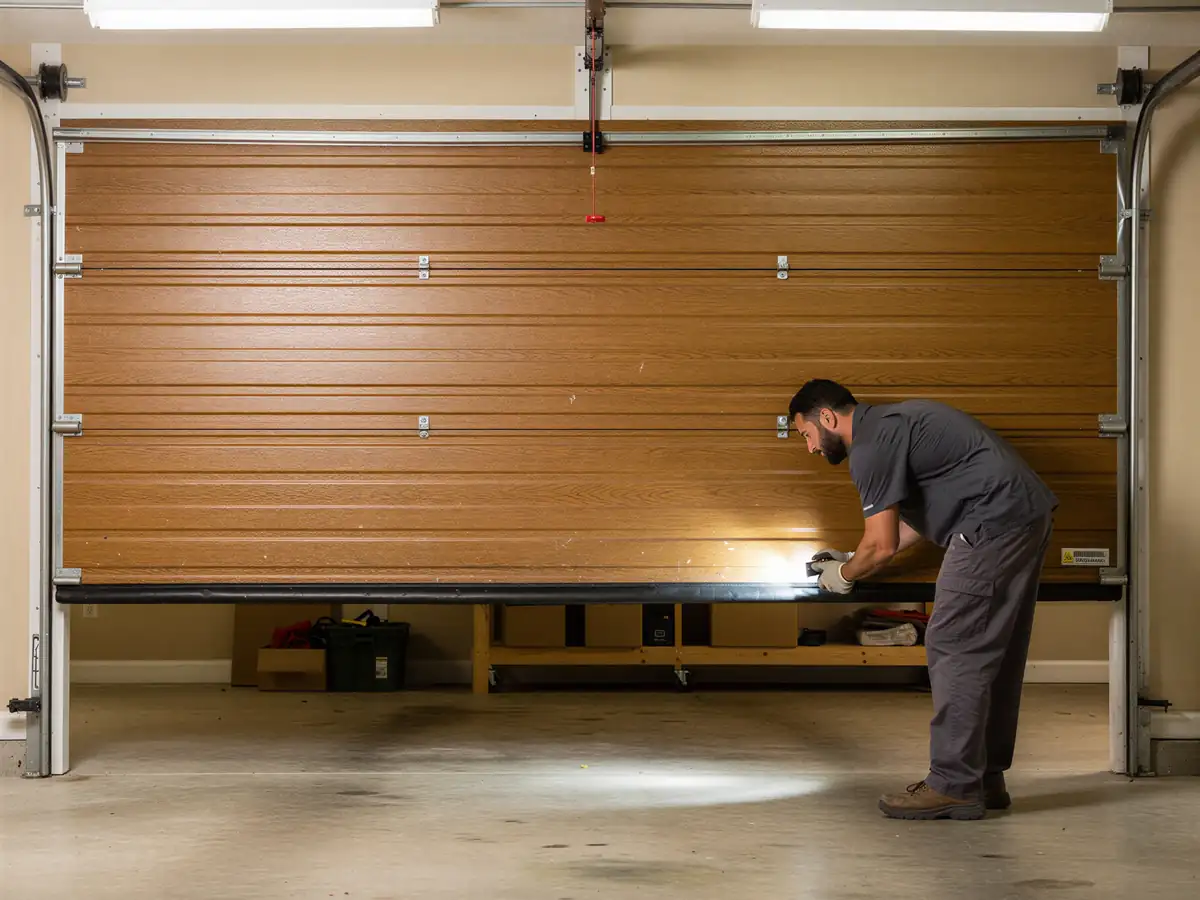
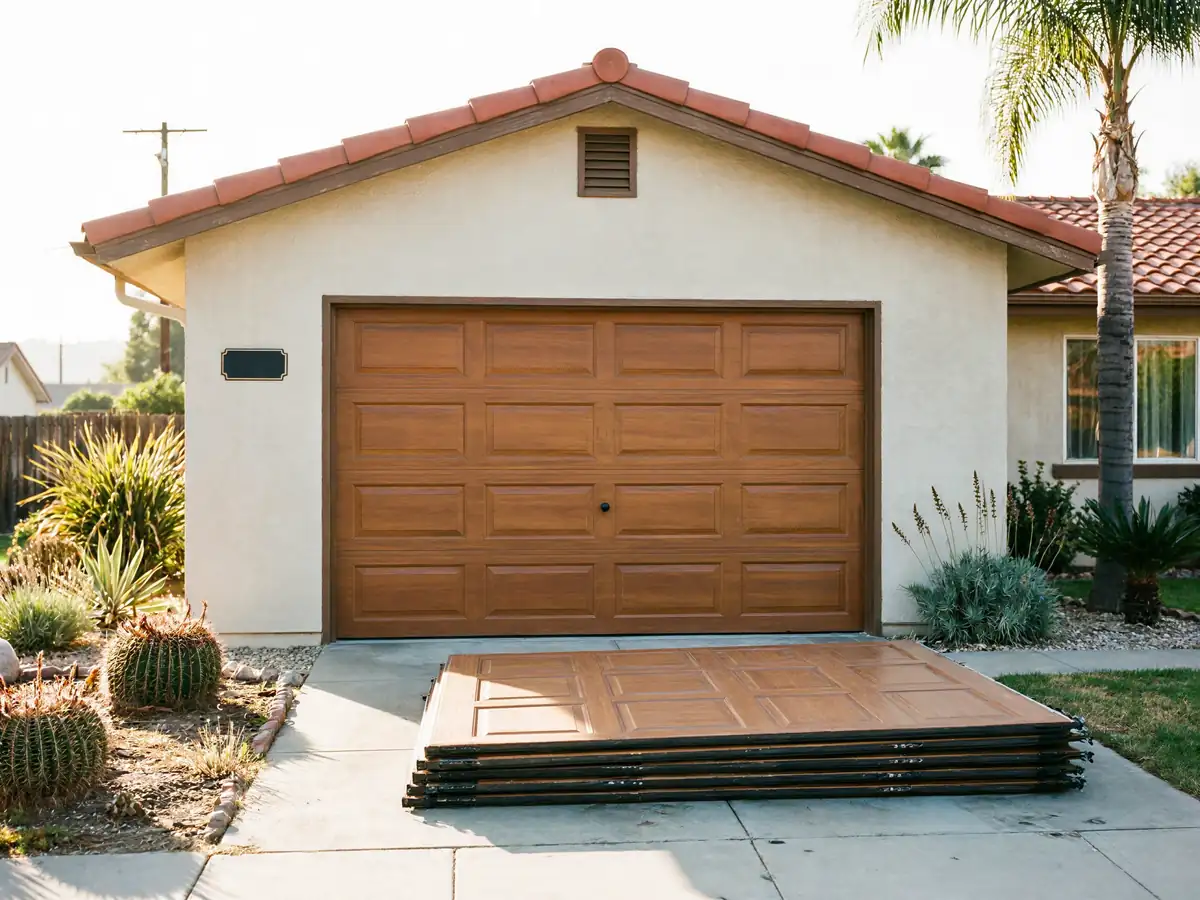
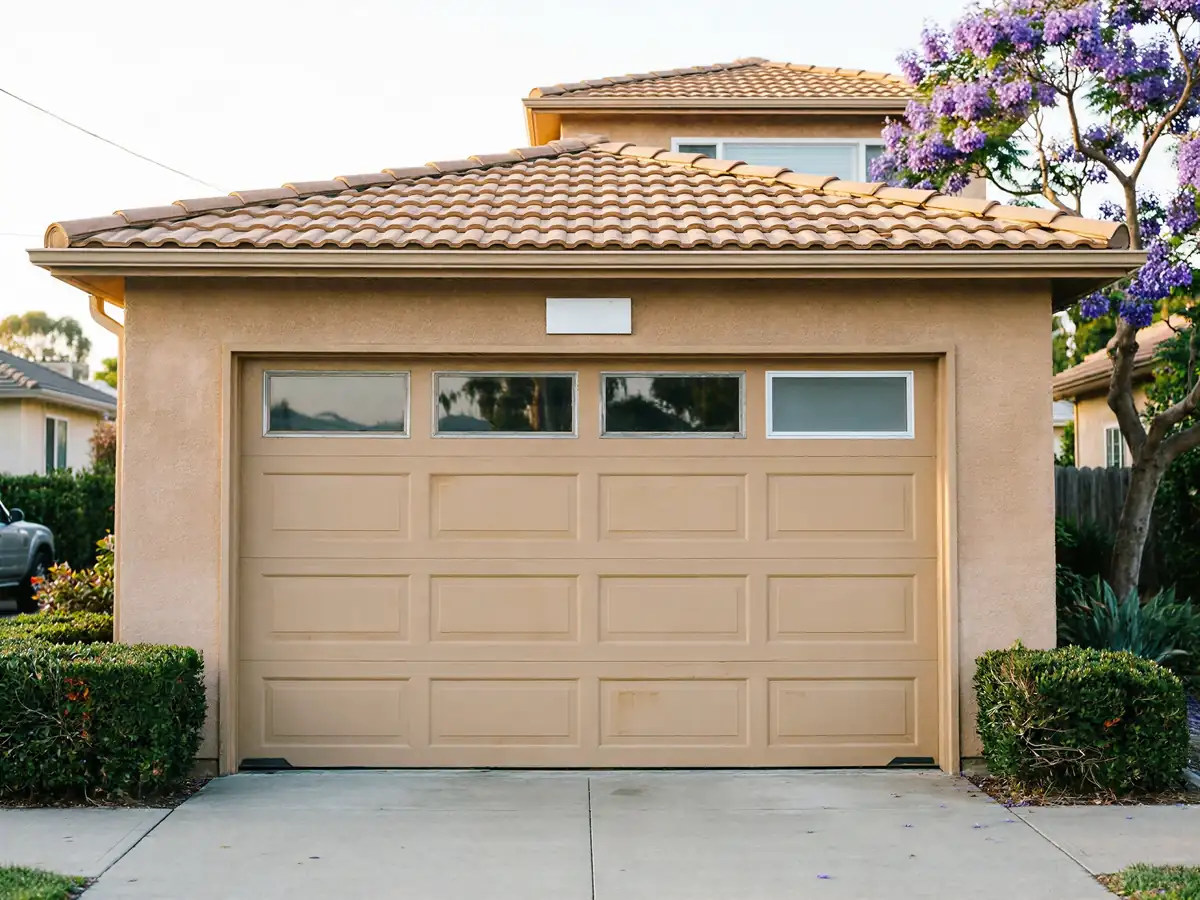
Valley Center is 13 miles out from our Vista shop, and that distance changes how we think about a panel job before we even load the truck. Across the broader service area, houses run anywhere from 1970 to 2003, with a median around 1982. Valley Center itself centers tighter, right at 1983. That narrower window matters: a dented or cracked panel on a door from that specific year usually means a steel sandwich panel with foam core, bolted to a track system that hasn't changed much in forty years. If you're looking at one bent panel on an otherwise sound door, swapping just that section is realistic for a patient homeowner with the right clamps and two free hours. What trips people up isn't the panel itself, it's matching the panel profile and color to a door that's been sun-exposed for four decades. Order the wrong rib pattern and it sits there looking like a patch, not a repair. If the door is a single continuous piece rather than sectioned panels, there's nothing to swap, and you're into a full replacement conversation instead. We'll tell you straight if that's the case rather than sell you a panel job that won't hold.
The Cost of This Job
We don't quote a number sight unseen, and we won't invent one here either. What we can tell you is what drives the estimate up or down. A single panel on a common width door, matched to an existing color, costs less than a multi-panel swap on a custom or oversized door - and Valley Center's larger lots mean we see wider doors out here more often than in tighter subdivisions closer to Vista. Median household income in the broader service area runs $110,316; Valley Center alone comes in higher at $116,620, which tends to track with homeowners choosing to replace rather than patch when a panel's been hit more than once. Travel is part of the quote too - at 13 miles each way, we fold that into the visit rather than padding it as a separate line item. Ask for the breakdown when we're on site; we'd rather show you where the money goes than have you guess.
Why It Happens Here
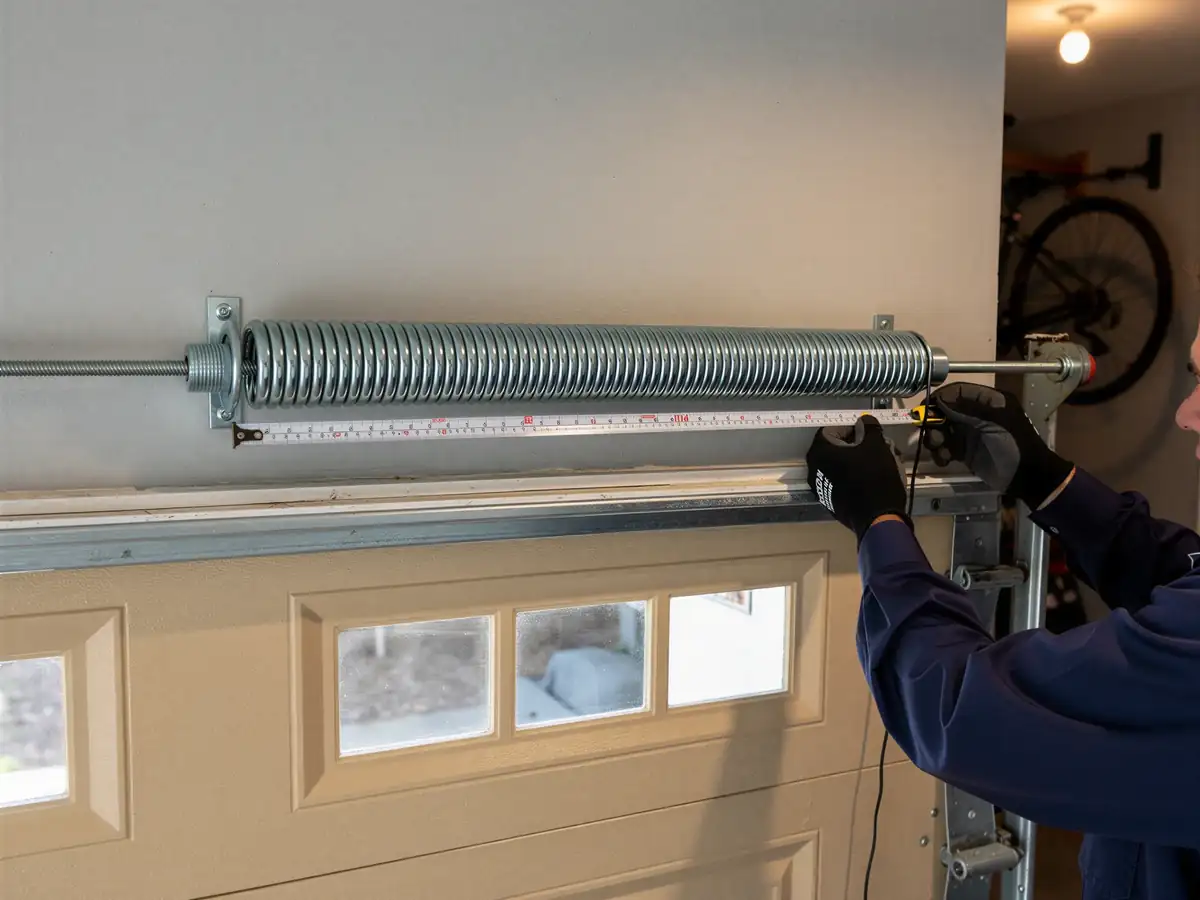
Valley Center's housing stock sits right around 1983, which puts a lot of these doors squarely in the era of steel panel doors with foam insulation and side-mounted torsion hardware - solid builds, but forty-plus years old now, with hardware and finishes that don't always match what's sold off the shelf today. The area's climate band is mild temperate, so we're not dealing with the freeze-thaw cracking or snow-load stress that pushes panels to fail elsewhere. Out here, failure is almost always mechanical impact or UV fatigue on the finish, not weather. With roughly 3,016 households in Valley Center and a good share of them on acreage rather than tract lots, driveways tend to be longer and doors see more vehicle traffic at odd angles - trailers backing in, trucks turning tight - which shows up in our panel calls more than it does in denser parts of the service area.
Booking a Visit
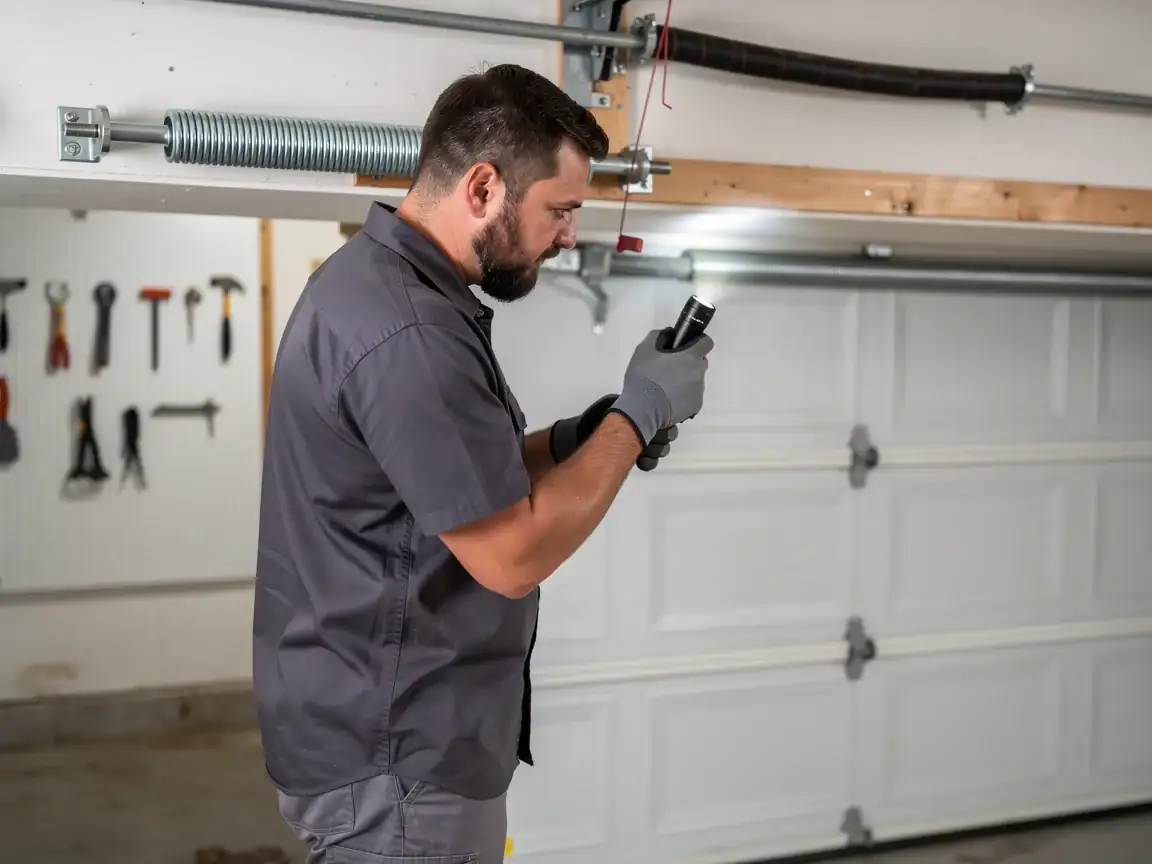
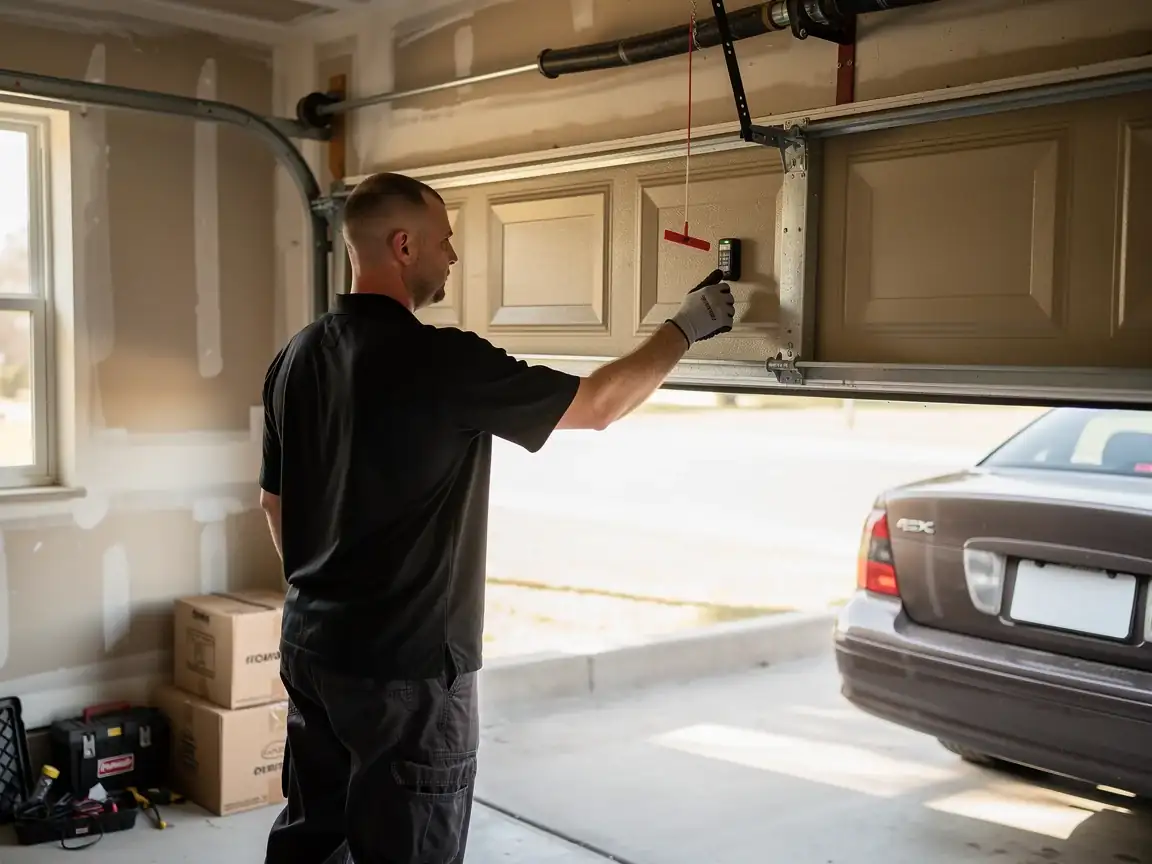
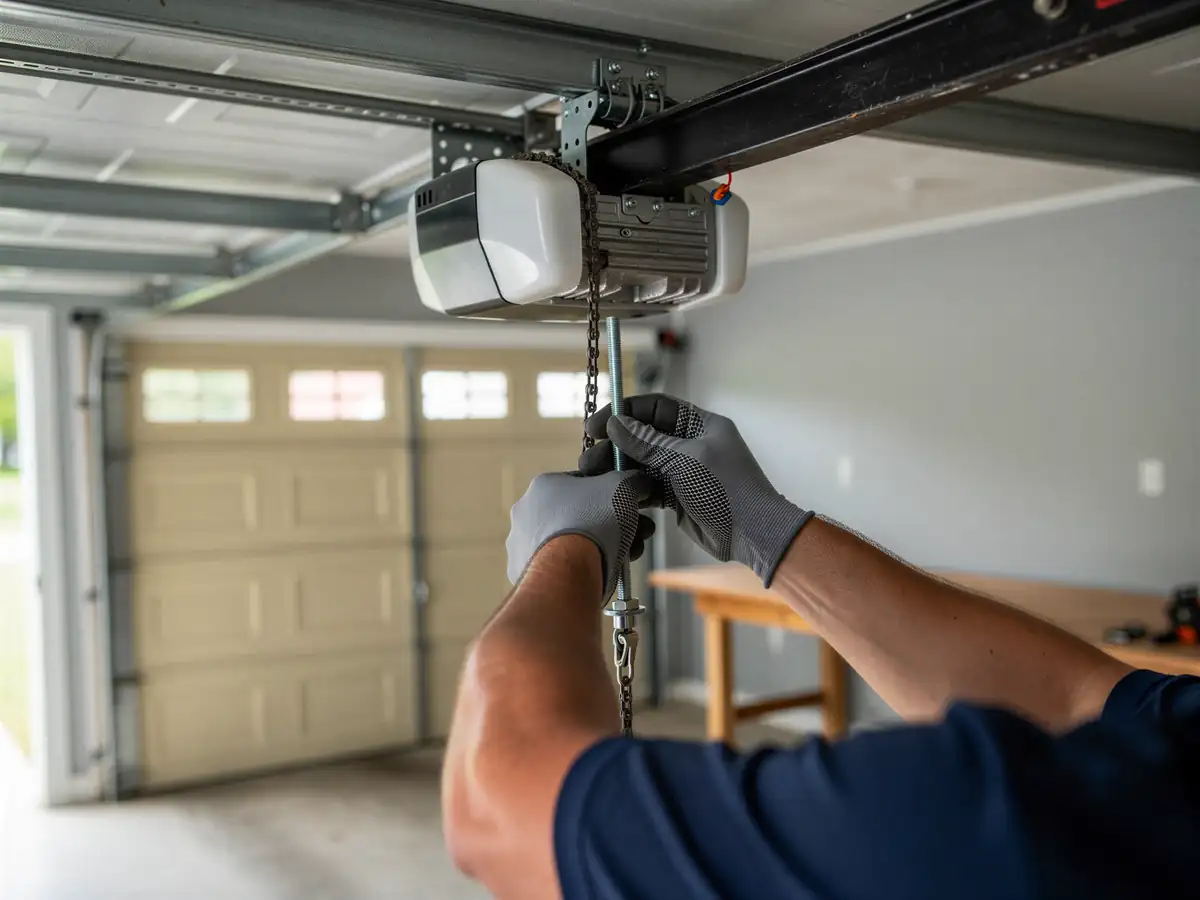
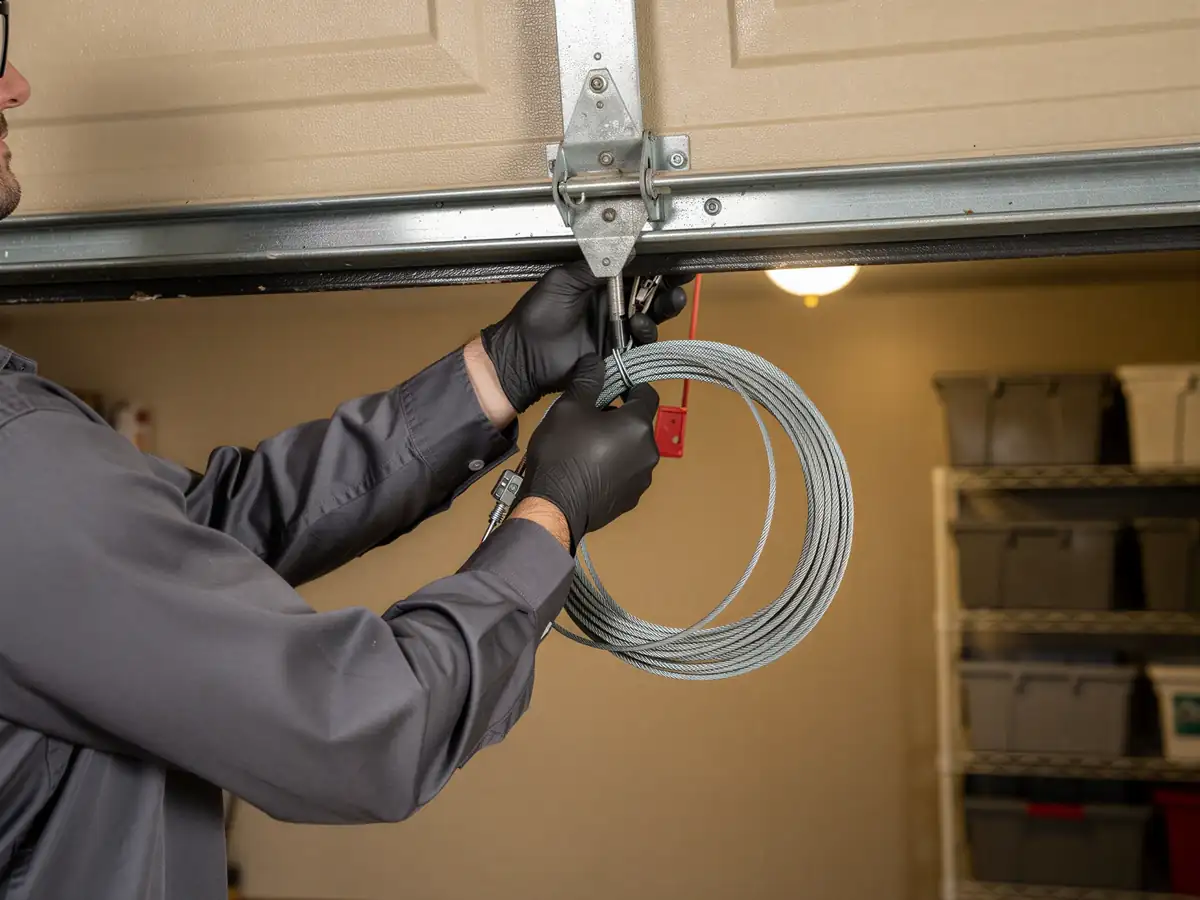
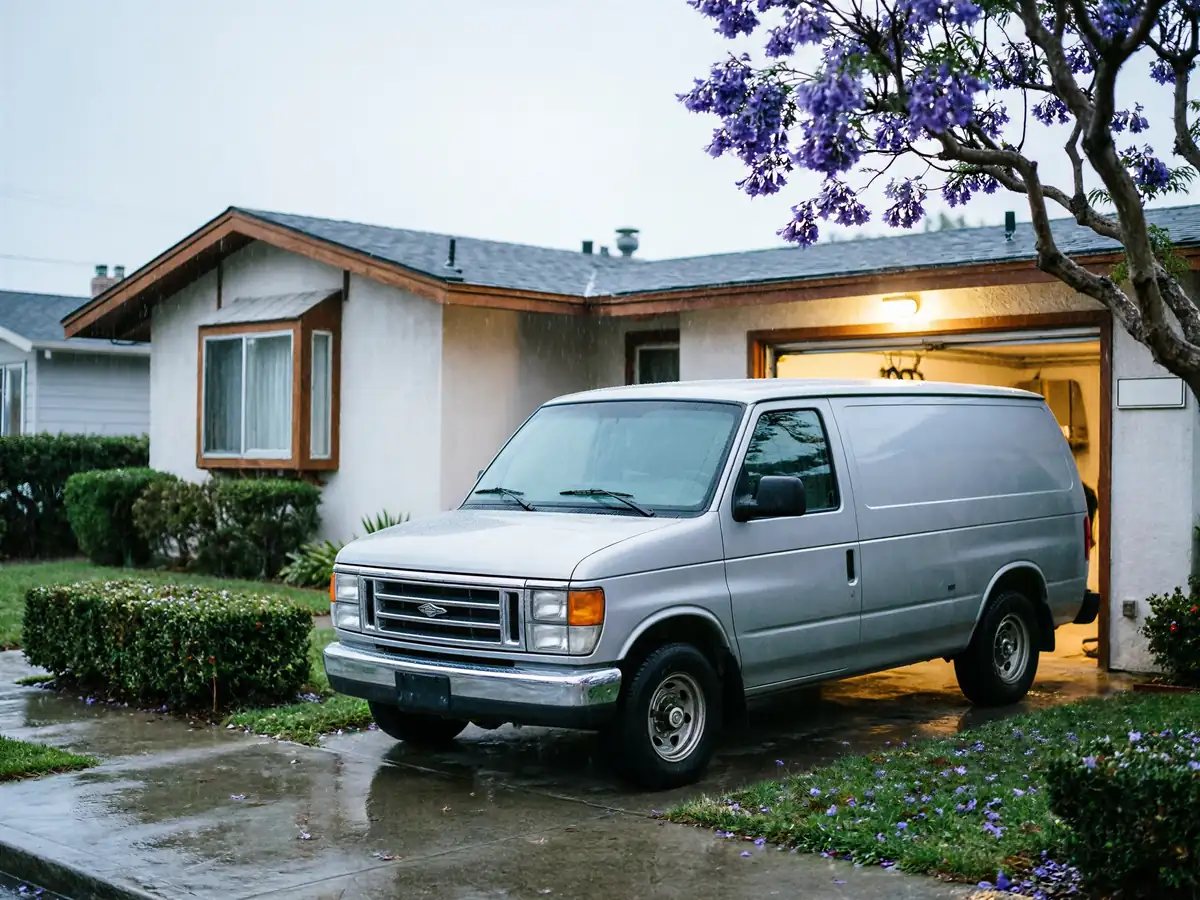
We run this job out of Vista, and Valley Center is a 13-mile drive for us, so we schedule the visit rather than drop by on a whim. Bring us a photo of the damaged panel and the door's approximate age if you know it - that 1983 window helps us bring the right hardware the first time instead of making a second trip for a part that didn't fit. We'll look at the whole door while we're there, not just the dented section, because a panel swap on a door with worn rollers or a tired spring is a short-term fix dressed up as a long-term one.