The DIY Question
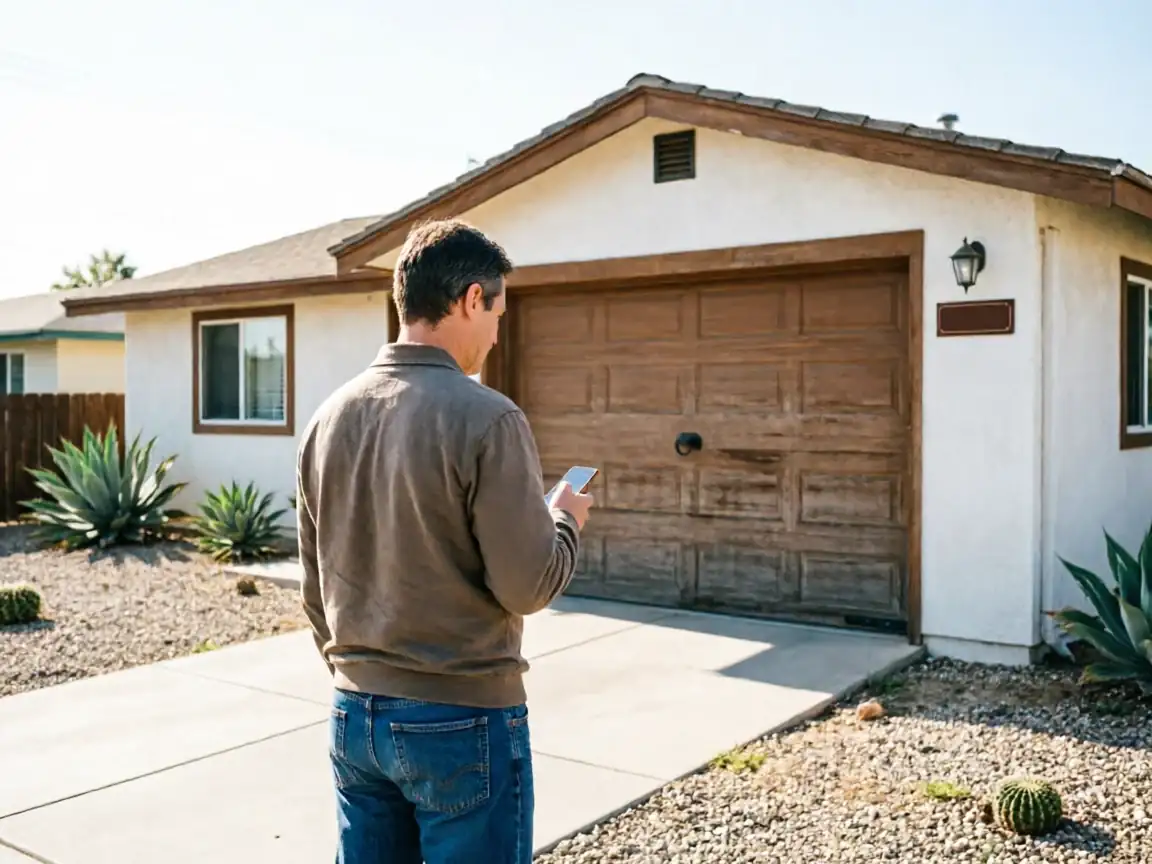
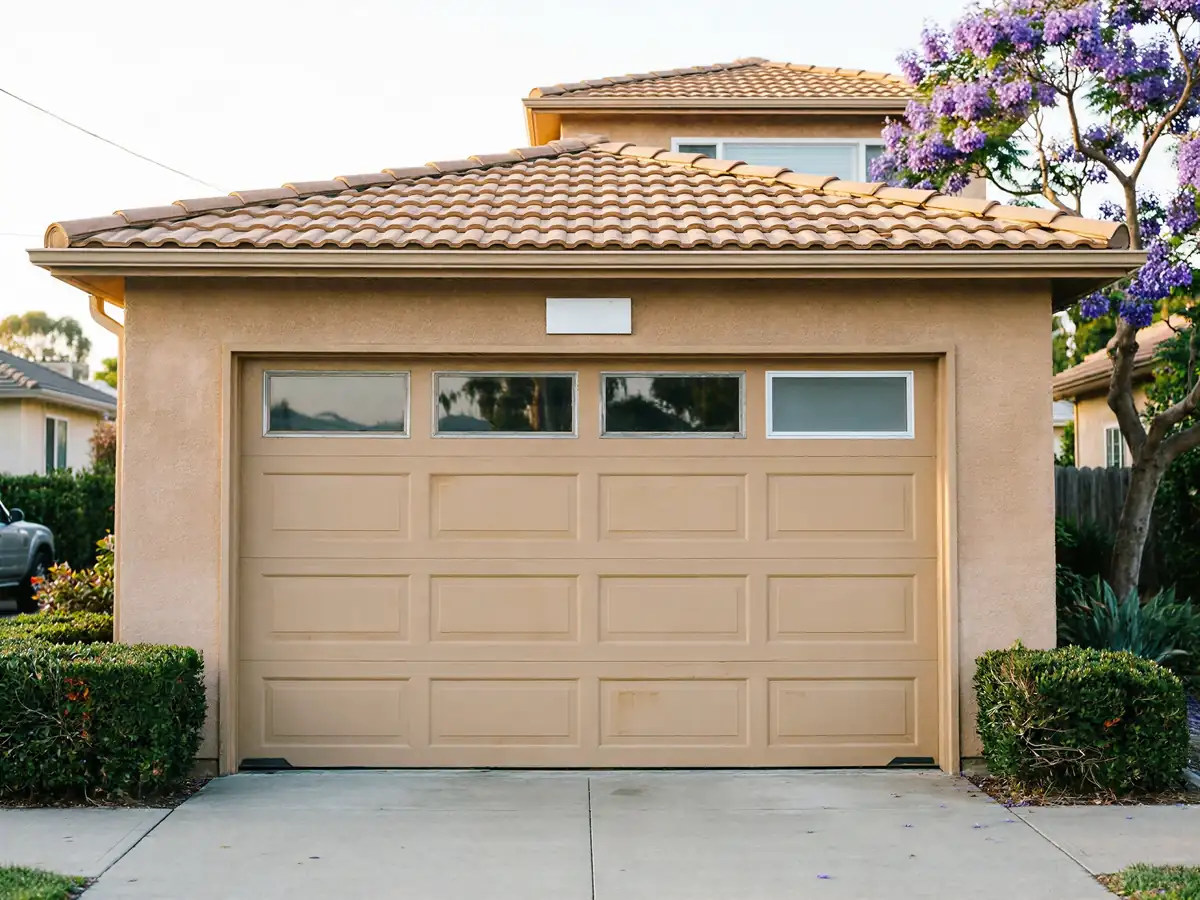
A lot of the doors we see out here are steel sectional units that went in when the house did, sometime around 1983 - the median build year for Valley Center. These are usually 16x7 double-car steel panels on torsion springs mounted above the opening, or single 9x7 doors on the smaller garages. That's the hardware you're dealing with before you even get to what's wrong with it.
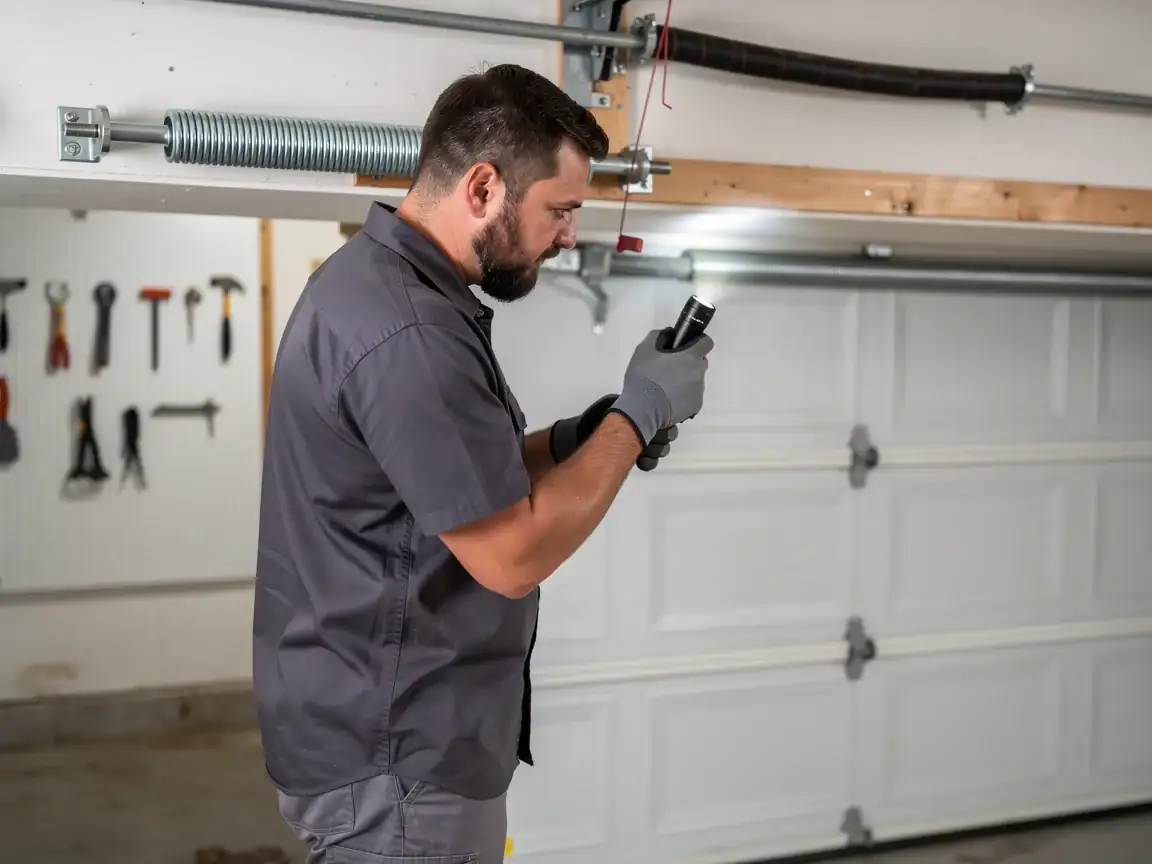
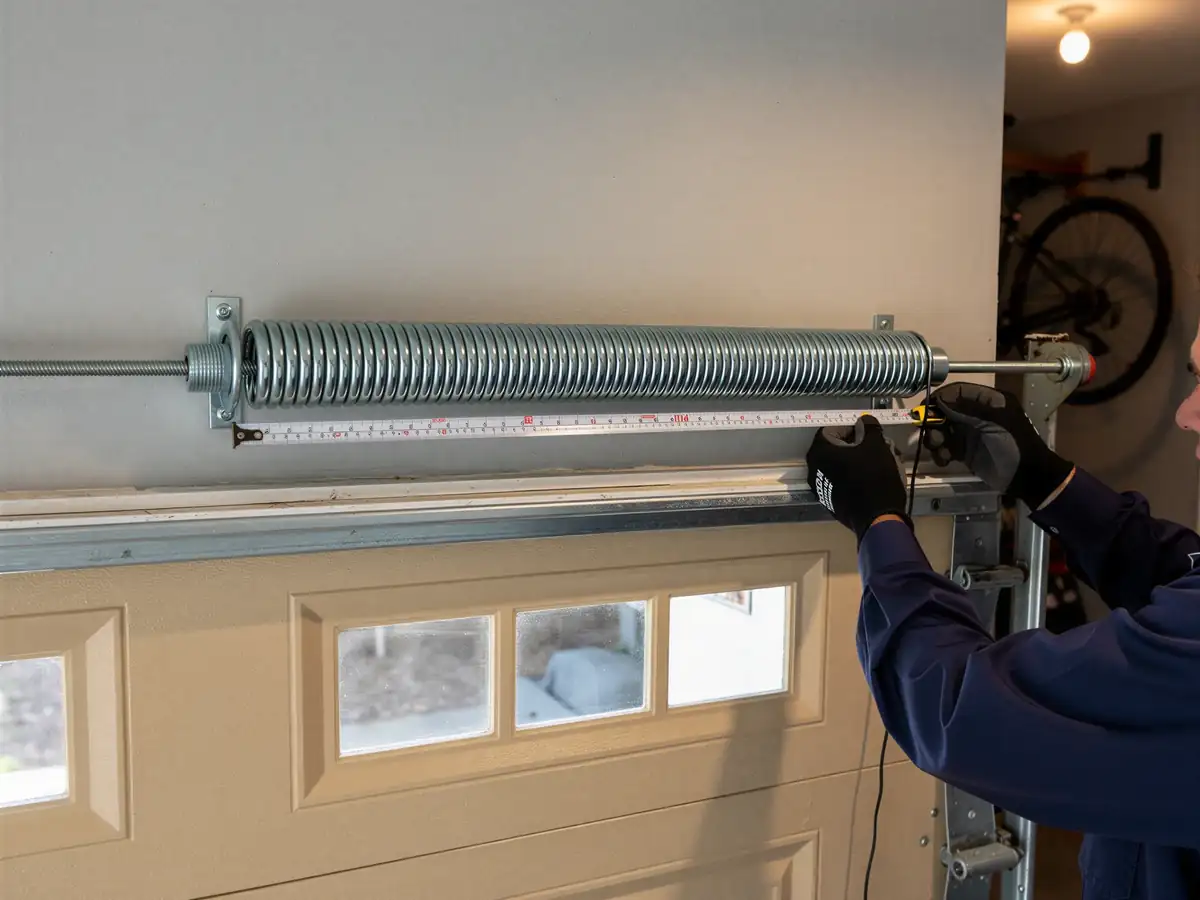
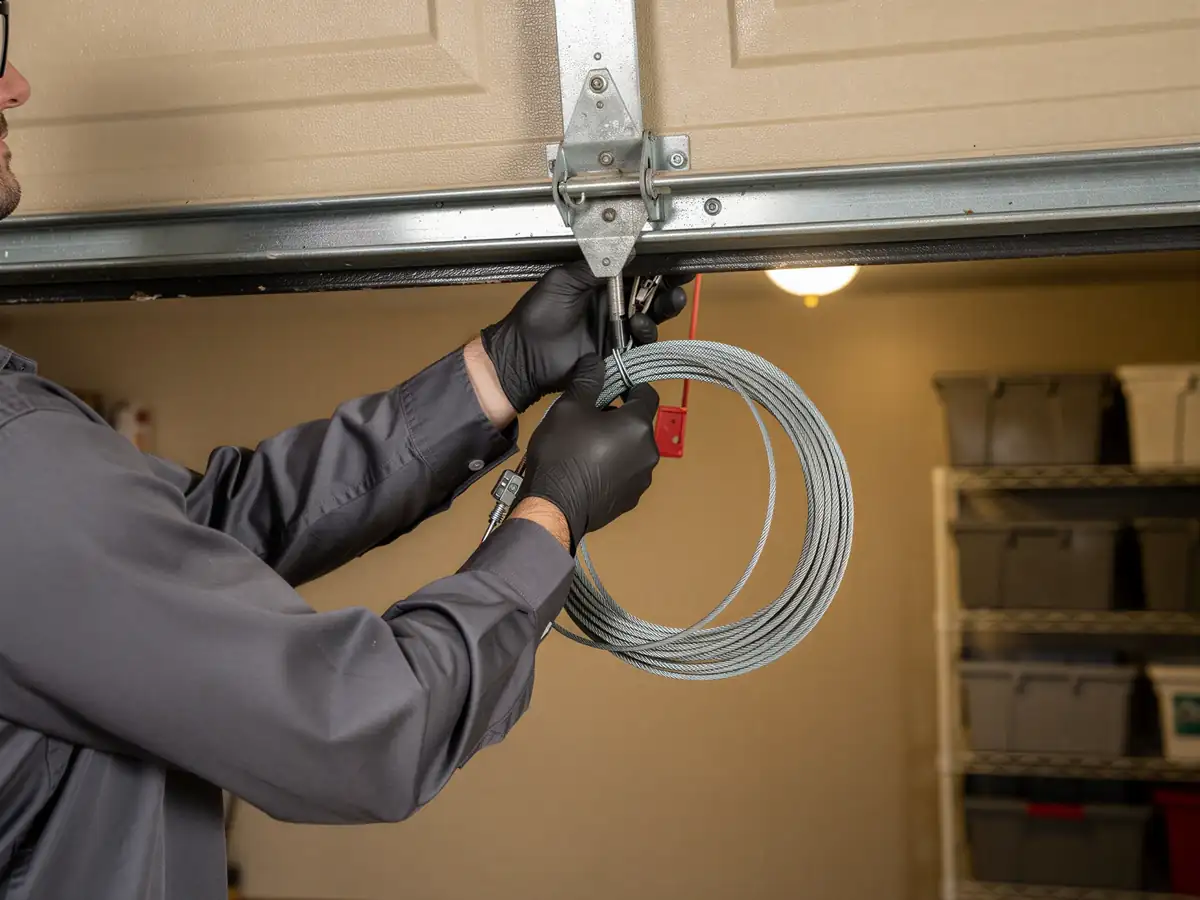
Swapping a torsion spring on a door that old isn't a job to learn on. The spring is wound under enough force to break a bone or worse if the winding bars slip, and the parts on a door this age - end bearings, cable drums, sometimes the track brackets - are often a different gauge than what's on the shelf at a box store. Tightening a loose roller bracket, lubricating hinges, or swapping a remote battery - fine, do that yourself. Anything that touches the spring, the cable, or the torsion tube, call it in. We'd rather talk you out of a repair you can do than let you take on one you can't.
The Cost of This Job
We don't publish a flat price here because what it costs depends on what's actually on the door - and on a 1983-era house, that varies more than people expect. Some owners have replaced springs and openers once or twice since the house was built; others are still running the original hardware, which can mean we're sourcing a part that isn't a standard stock size anymore.
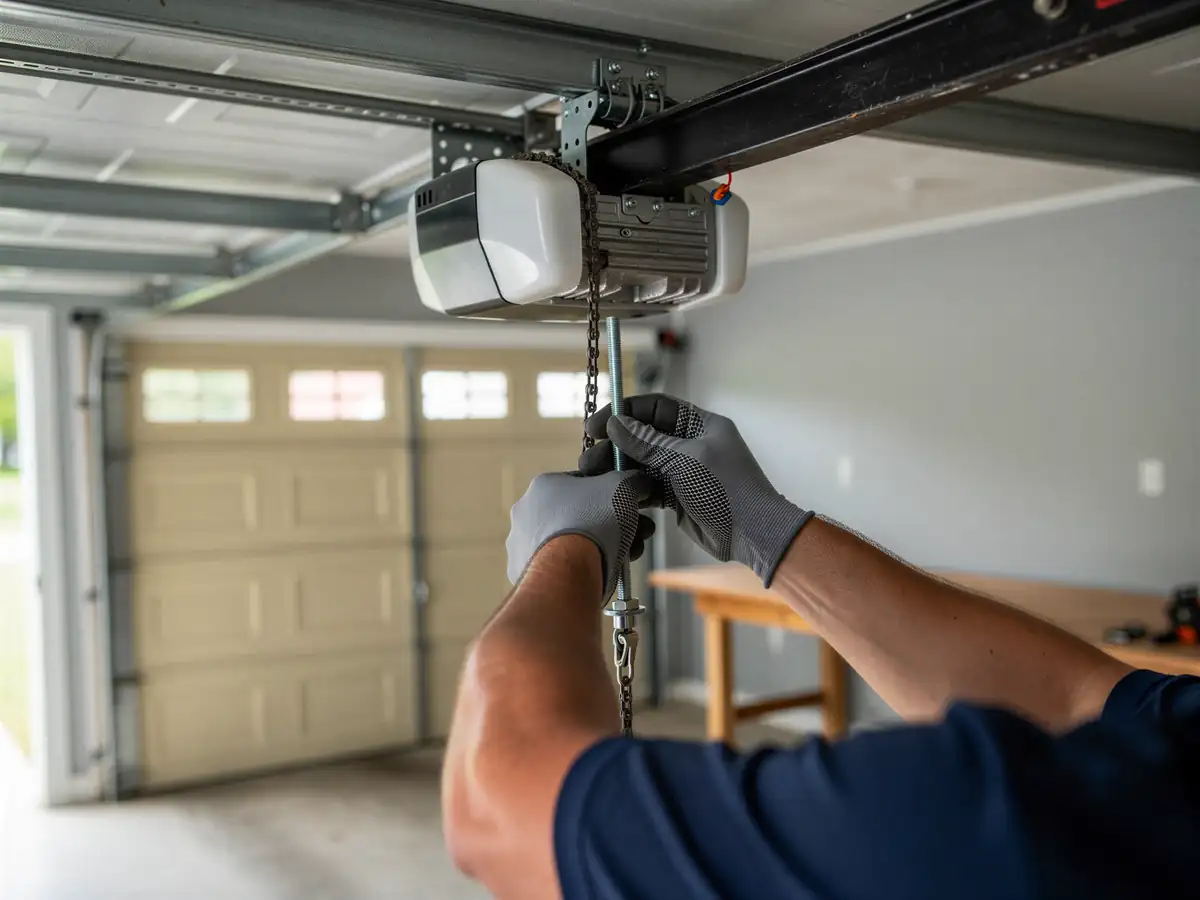
The honest version: a torsion spring swap on a double door is a different job and a different bill than a full door and opener replacement, and we won't know which one you need until we've looked at the door in person. What we can tell you is that older hardware sometimes costs more simply because it takes longer to match, not because the labor is harder. If a part needs to be special-ordered, we'll say so before we start, not after.
The Symptom
The complaint we hear most from this part of the service area is a door that's gotten heavy
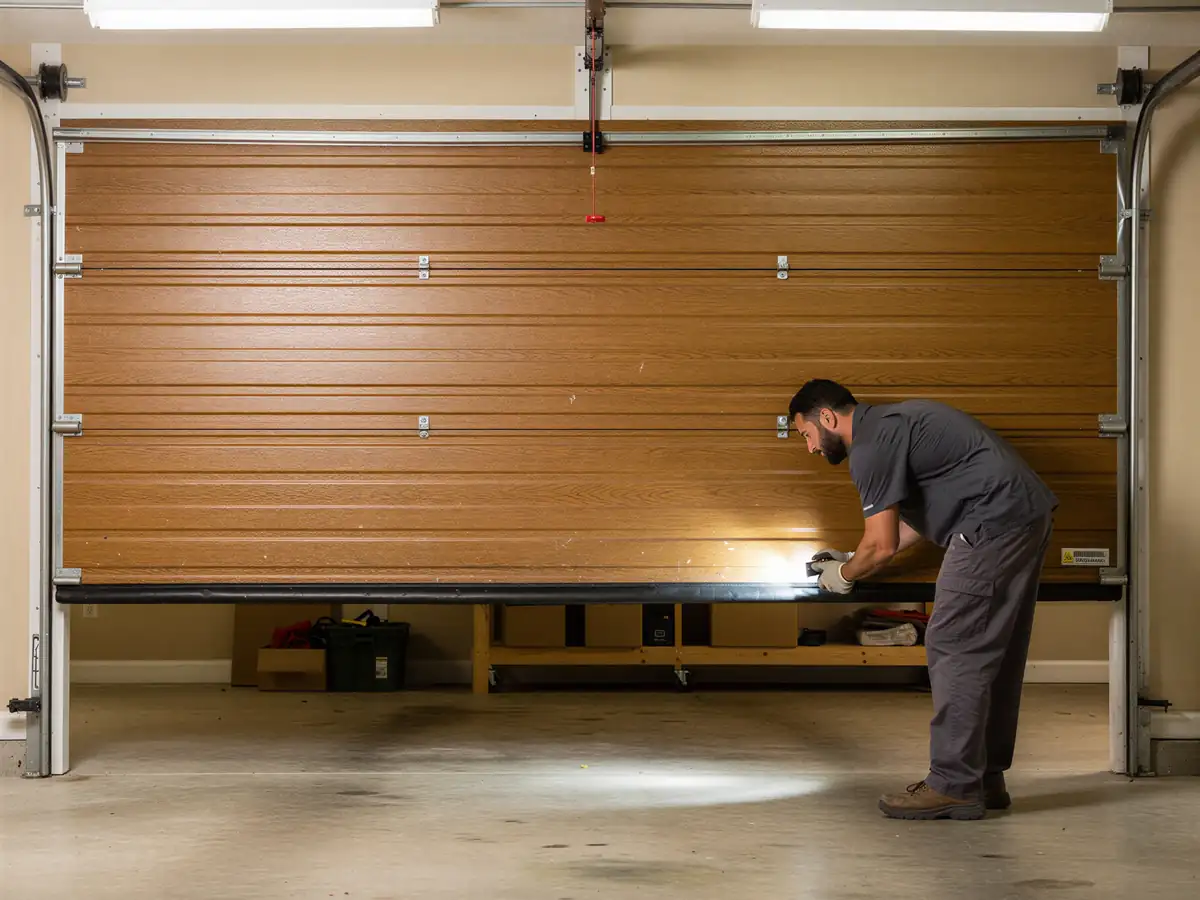
It used to lift with one hand and now it takes two, or the opener strains and reverses partway up. That's a torsion spring losing tension, and on a door built around 1983, that spring has had roughly four decades of cycles to wear out. It doesn't usually snap without warning; it loses a little lift every year until one day it's obviously wrong.
The other common one is a door that's started drifting off-track or banging on the way down
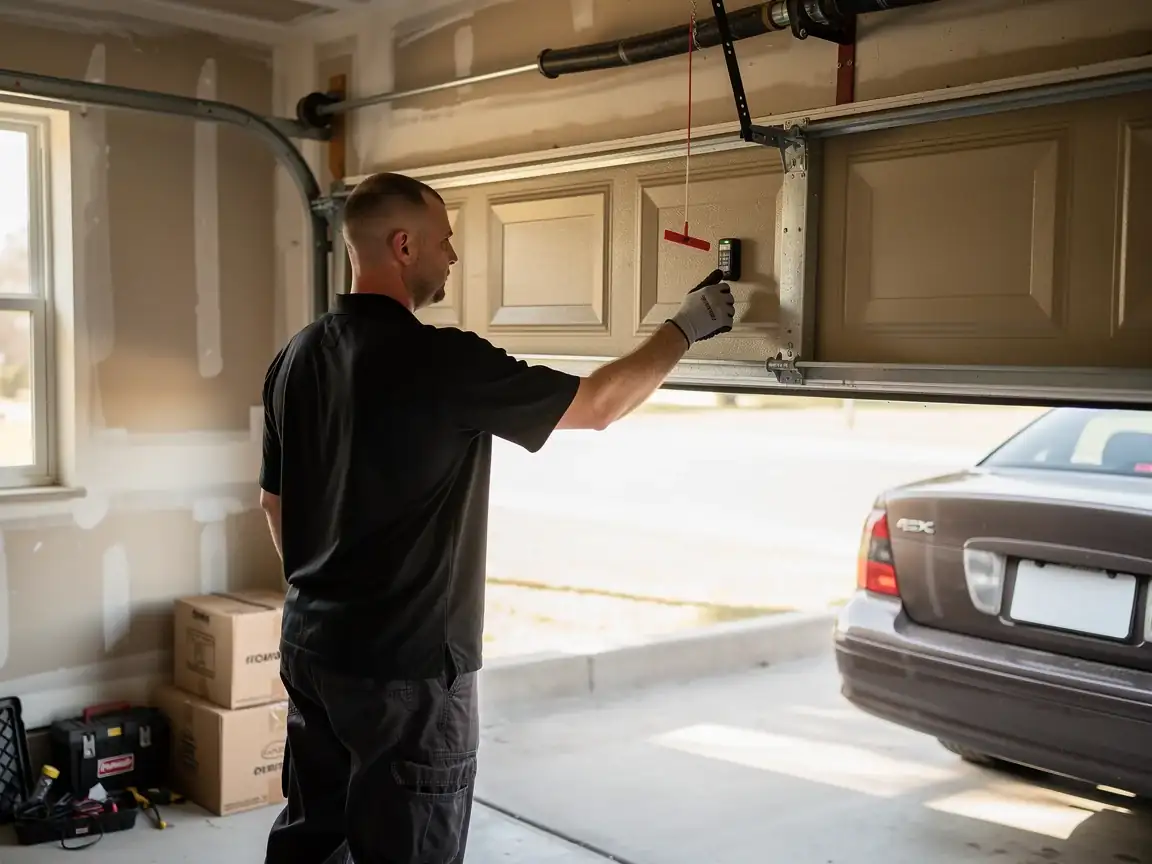
Which on older hardware is often a worn roller or a bent track bracket rather than anything electrical. Either way, these are mechanical faults tied to age and cycle count, not a sudden failure - which is why catching the slow-down before the spring actually breaks saves you from an opener motor that's been fighting a bad spring and burning itself out in the process.
Why It Happens Here
Valley Center sits in the same mild temperate band as the rest of the service area, so this isn't a weather story - no hard freezes to crack seals, no extreme heat cycling to warp panels. What's doing the work here is simply age. With a median build year of 1983, a lot of these doors and their original springs are operating decades past where that hardware is rated to perform well.
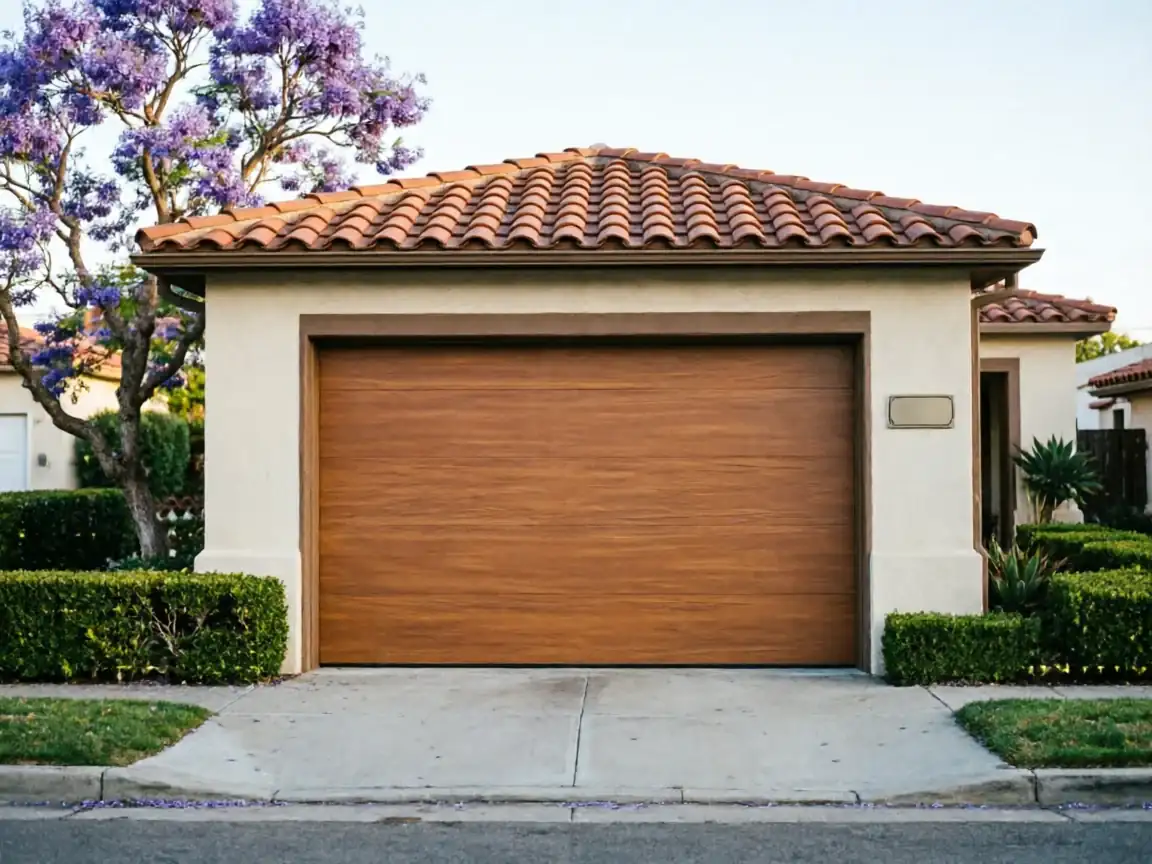
The area's households - about 3,016 of them - sit on larger, more rural lots than you'll find closer to Vista, and that often means detached garages or outbuildings with doors installed around the same time as the main house, sometimes with less frequent use. Less frequent use doesn't mean less wear - springs and seals degrade on a clock, not just a cycle count. Median household income here runs $116,620, above the $110,316 median across the broader service area, which tends to mean owners replace a failing opener or door before it fully quits rather than running it into the ground.
Booking a Visit
We run out of Vista, and Valley Center is about 13 miles out - one of the longer drives on our route, so when you call, tell us what the door is doing and we'll plan the visit accordingly. We're not a branch out here and we don't pretend to be; it's one truck making the trip from Vista to your garage.
If you want more on the kind of door service we do in this specific area, there's a page for that. If you're trying to figure out whether Valley Center is actually part of our coverage, or you want the broader rundown of services out of Vista, that's a separate page too - this one is about the door itself, not the company behind it.