The DIY Question
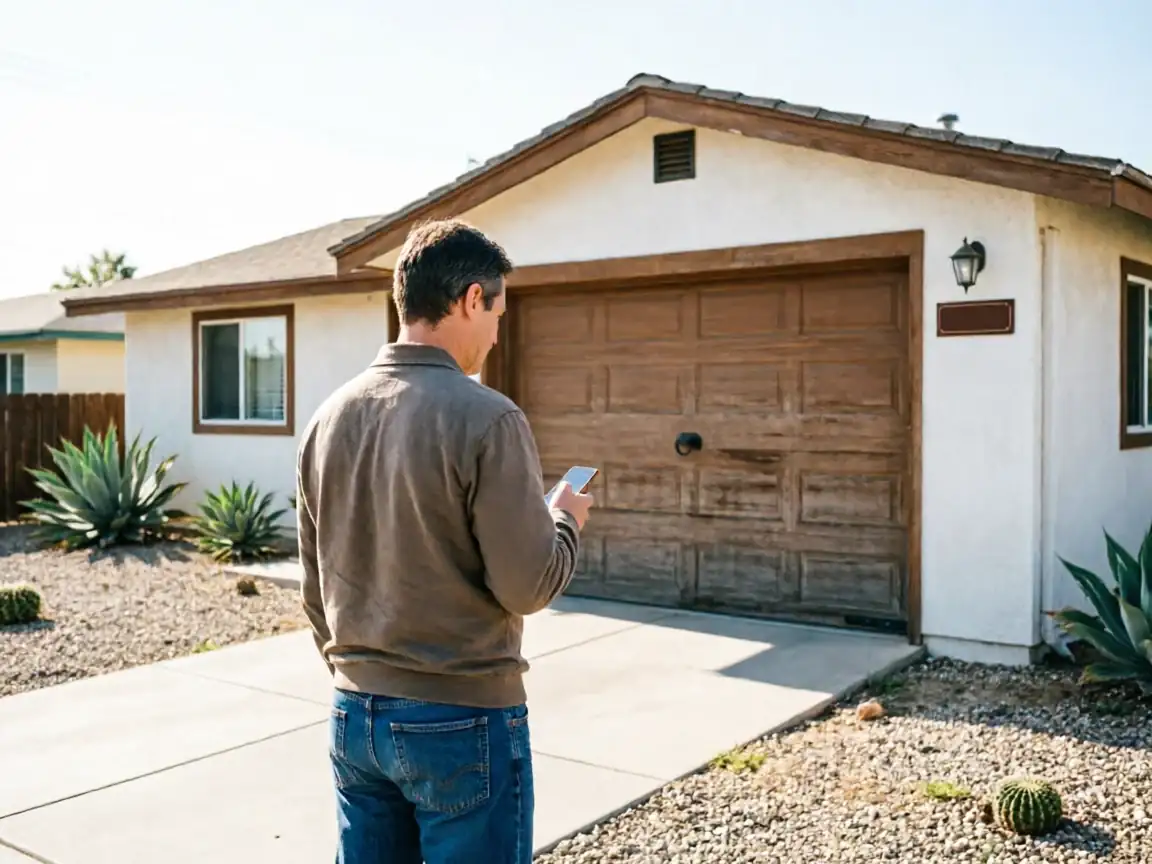
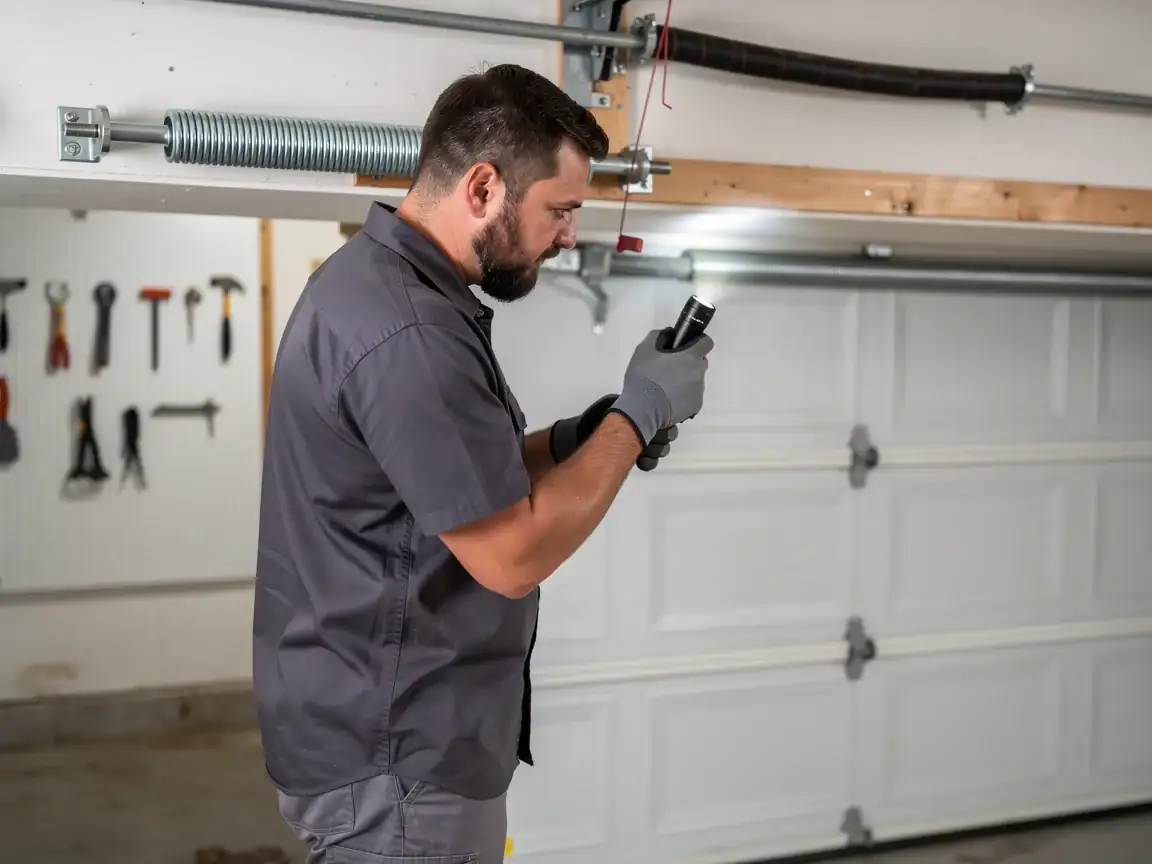
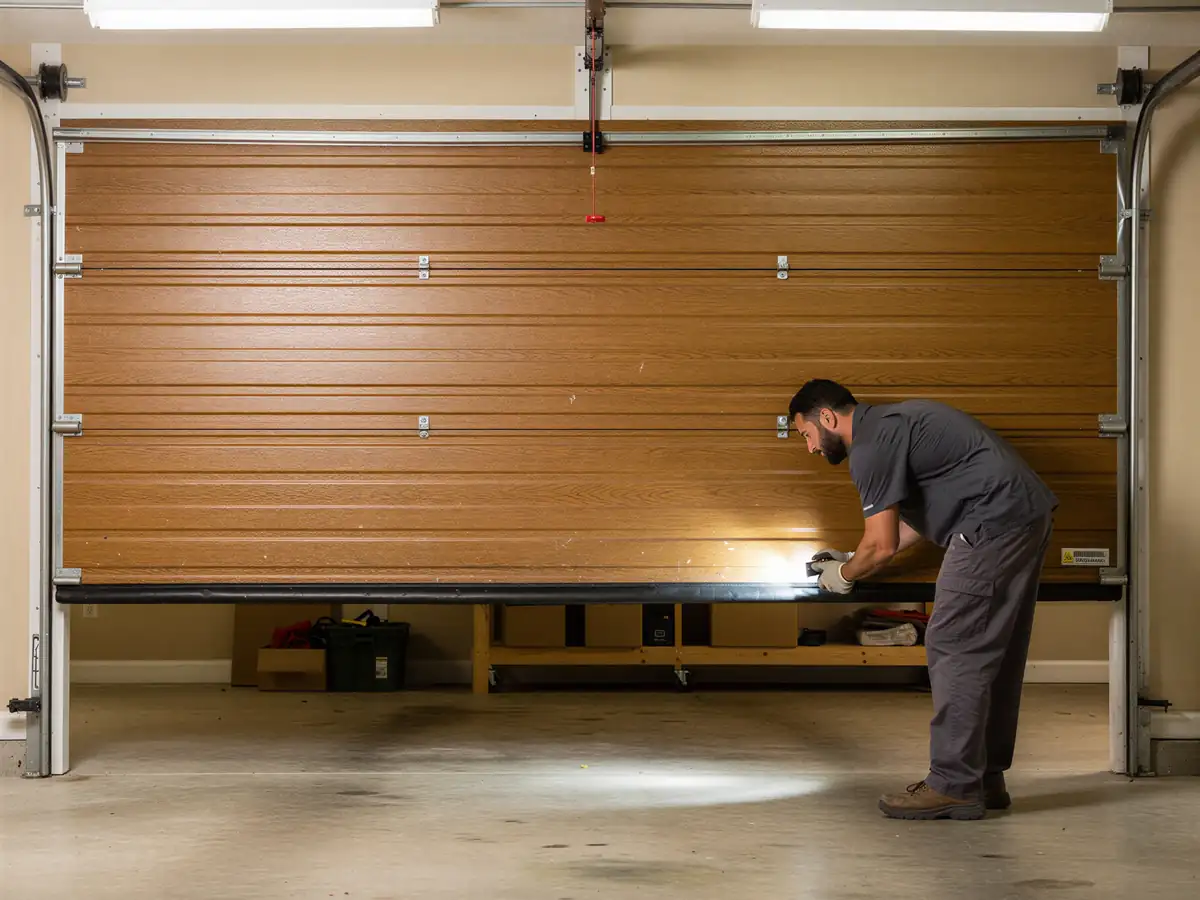
A broken torsion spring is not a weekend project, and we'll say that before anything else. The spring above your door is wound under enough tension to break a bone or worse if the winding bars slip, and on the torsion hardware common to houses built in Valley Center's main building years, the shaft, cable drums, and center bracket all have to come apart in the right order to do this safely. We're not saying that to upsell you. We're saying it because the failure mode here is specific: a spring that's been doing 10,000 cycles a year since the early 1980s doesn't just squeak and slow down, it lets go all at once, and the door comes down on whatever's under it. If you've already got the door propped up with a 2x4 and you're reading this on your phone in the garage, call someone before you touch the bars. If the door is down and stuck and nothing is under immediate strain, you have time to read the rest of this page first.
The Cost of This Job
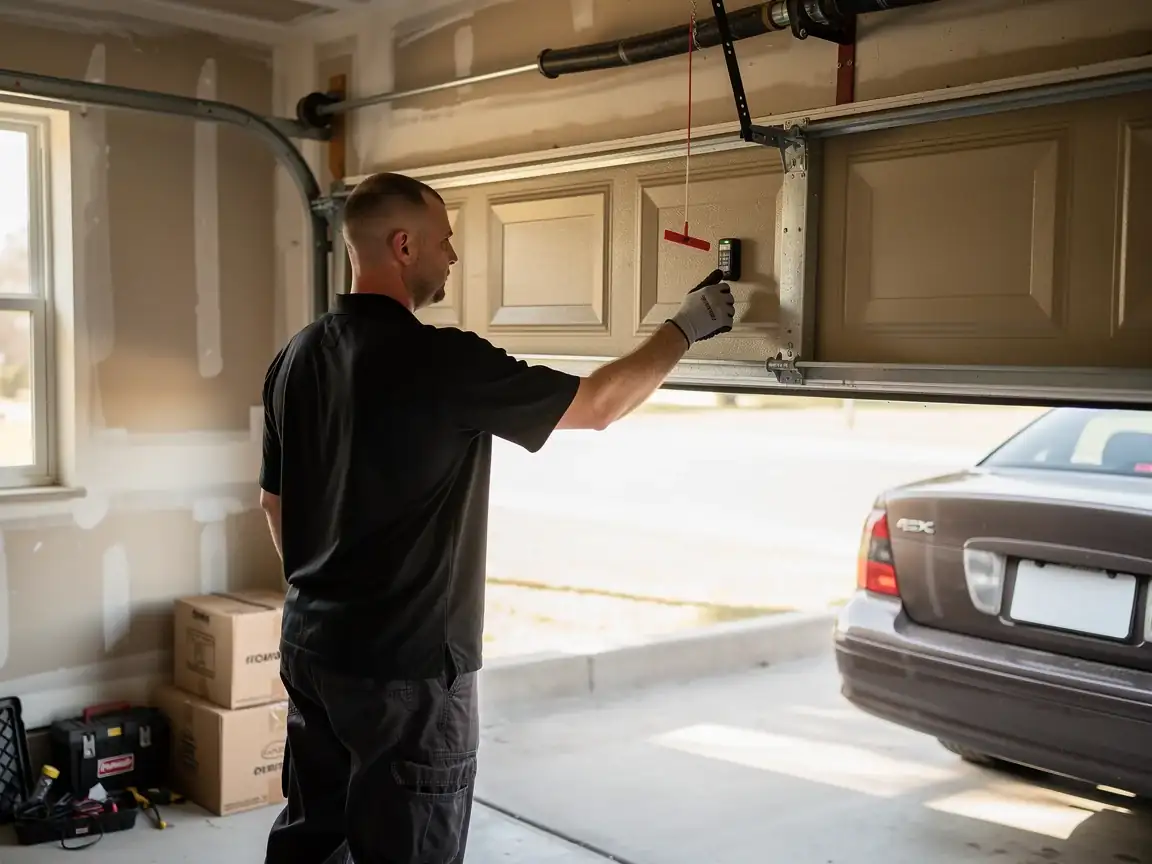
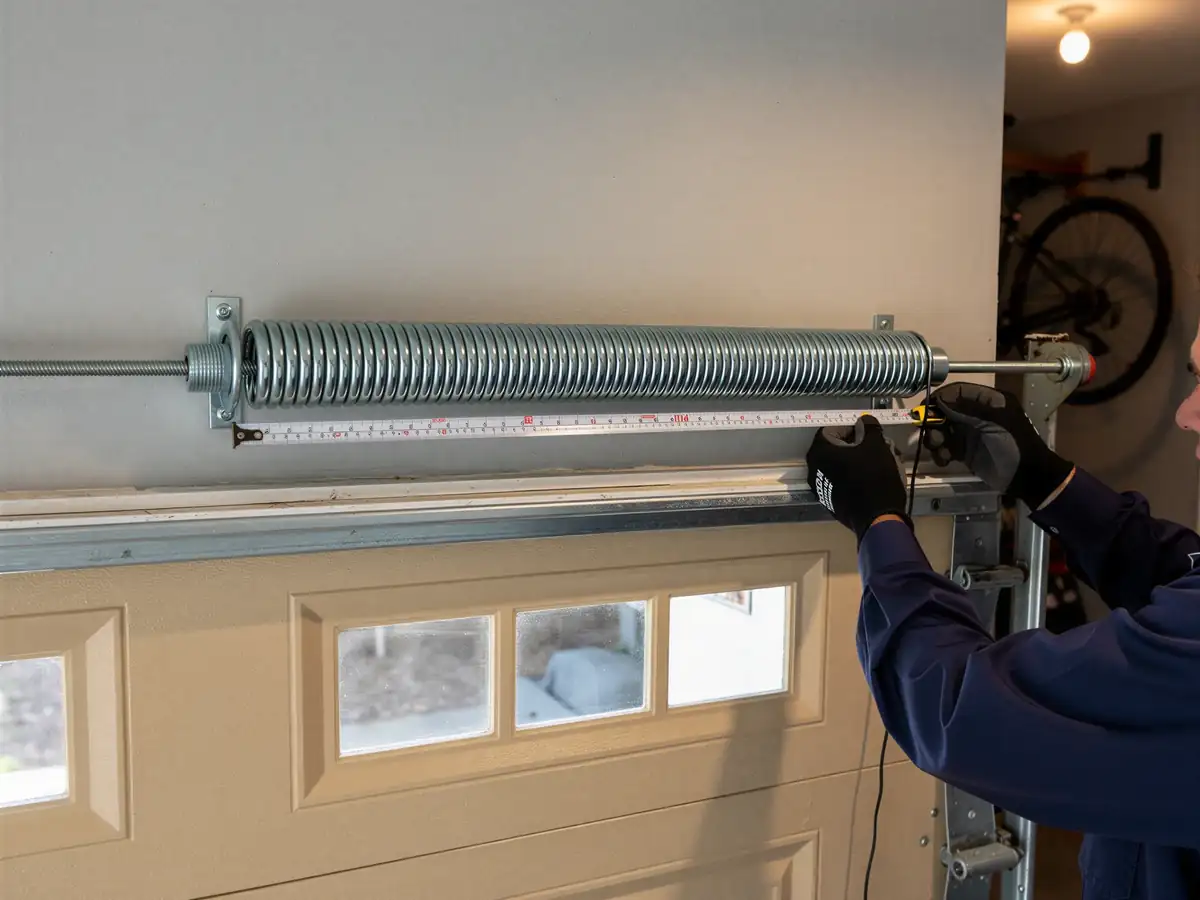
We don't post a flat number here because spring sizing depends on door weight, wind rating, and whether you've got one spring or two, and guessing a price before we've seen the door does nobody any favors. What we can tell you is what drives the number: single-spring setups on older steel doors cost less to fix than the dual-spring systems that came standard on the heavier insulated doors installed in newer construction. If your door was put in anywhere near the 1983 median build year for this area, it's more likely running older-style hardware, which can mean parts aren't the same off-the-shelf size as what's gone into Vista houses built a decade or two later. We quote on-site once we've measured the spring and checked the door weight, not over the phone from a guess.
Why It Happens Here
Valley Center's housing stock centers on a median build year of 1983, which puts a meaningful share of garage doors here past the age where original torsion springs are still doing their job reliably. A torsion spring is rated in cycles, not years, and a spring installed when a house went up in the early 1980s has had four decades to rack up open-and-close cycles, regardless of how well the door itself has held up. The mild coastal-influenced climate here doesn't add rust or temperature-swing stress the way a harsher climate would, so when these springs fail, it's almost always plain cycle fatigue rather than weather damage. With roughly 3,016 households in the area and a good number of them built in that same window, the pattern repeats: the door looks fine, the track is fine, and the spring is simply past its working life.
Booking a Visit
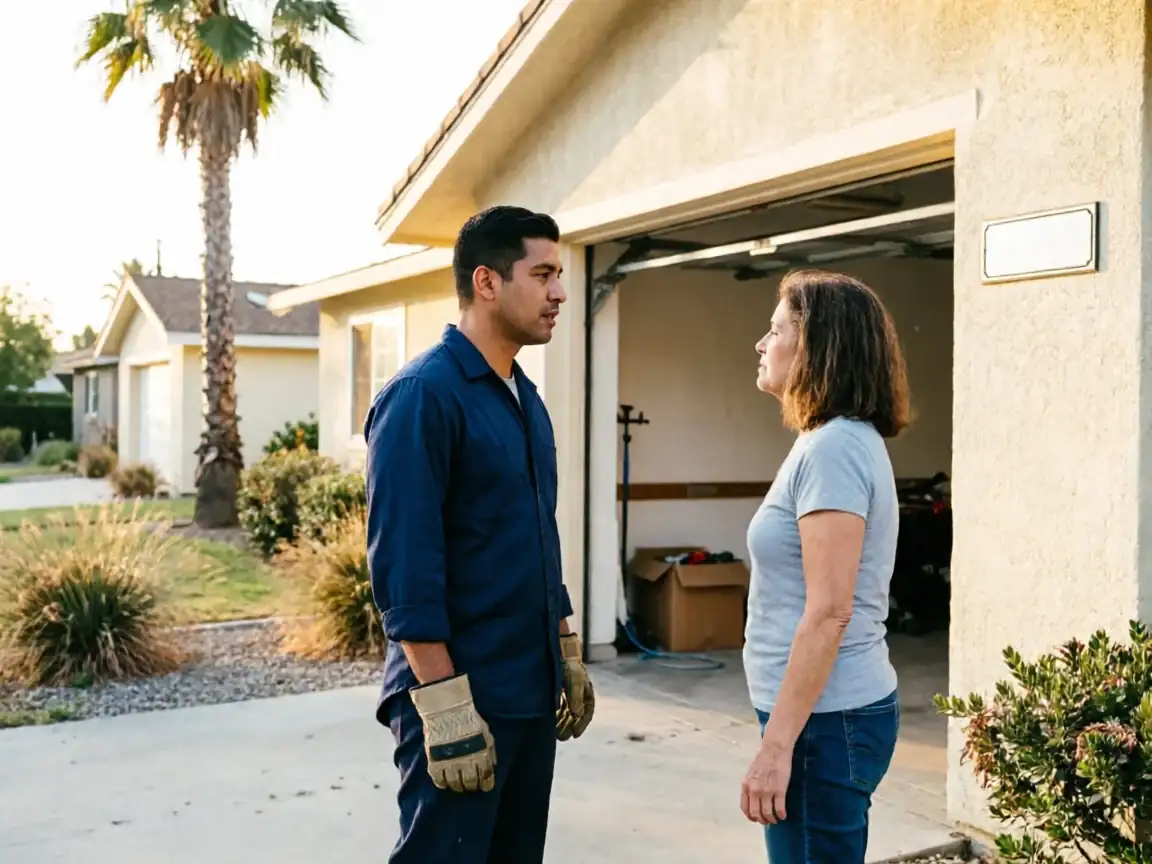
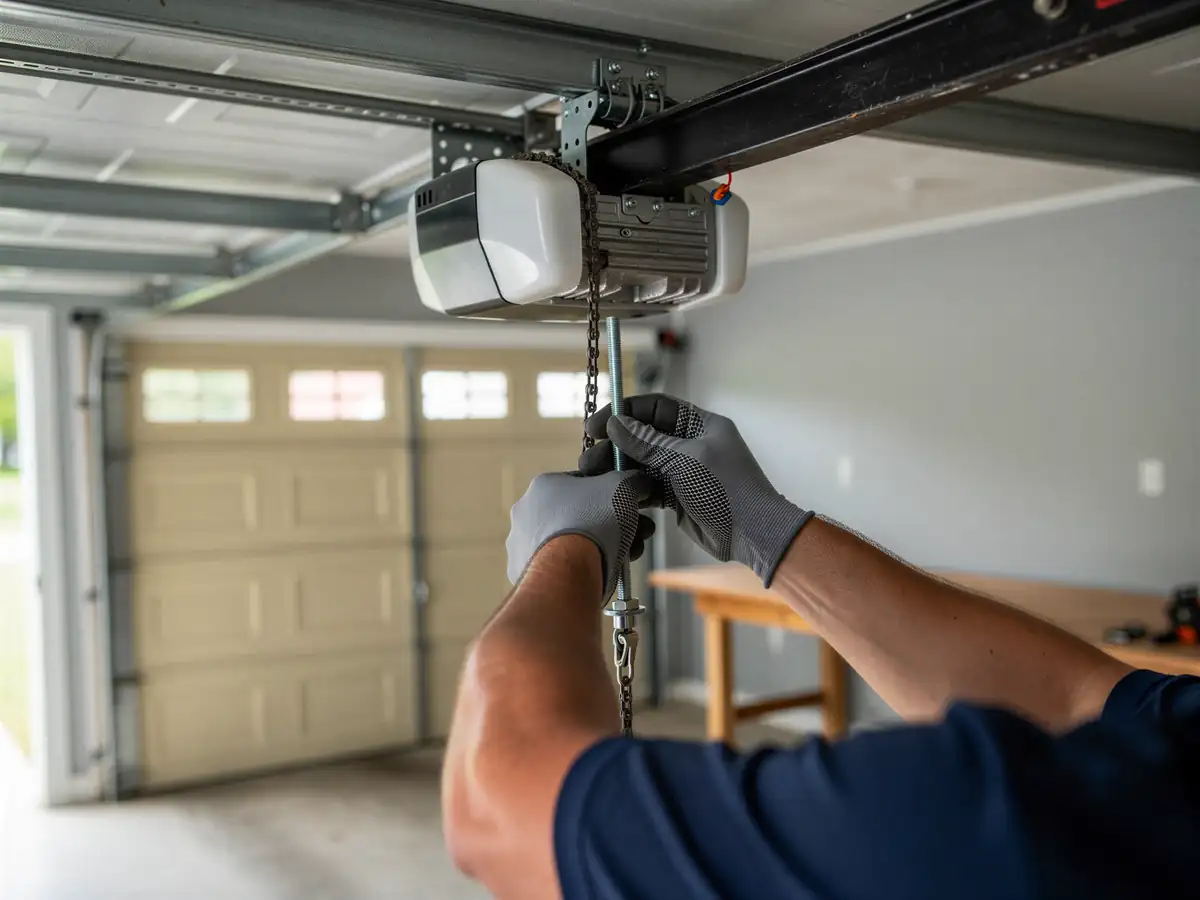
We cover Valley Center out of Vista, about 13 miles away, so we schedule the trip rather than dispatch from around the corner. That means we ask a few questions up front, spring type, door size, whether it's one spring or two, so the truck that shows up has the right part on it instead of a second trip. We don't keep a branch in Valley Center and we're not going to pretend otherwise, but the drive doesn't change how the repair gets done once we're on-site. If you want to see the rest of what we handle in the area beyond spring repair, that's on our Valley Center garage door page; if you're actually in Vista proper, the Vista spring repair page is the one built for that job.