What the Fix Involves
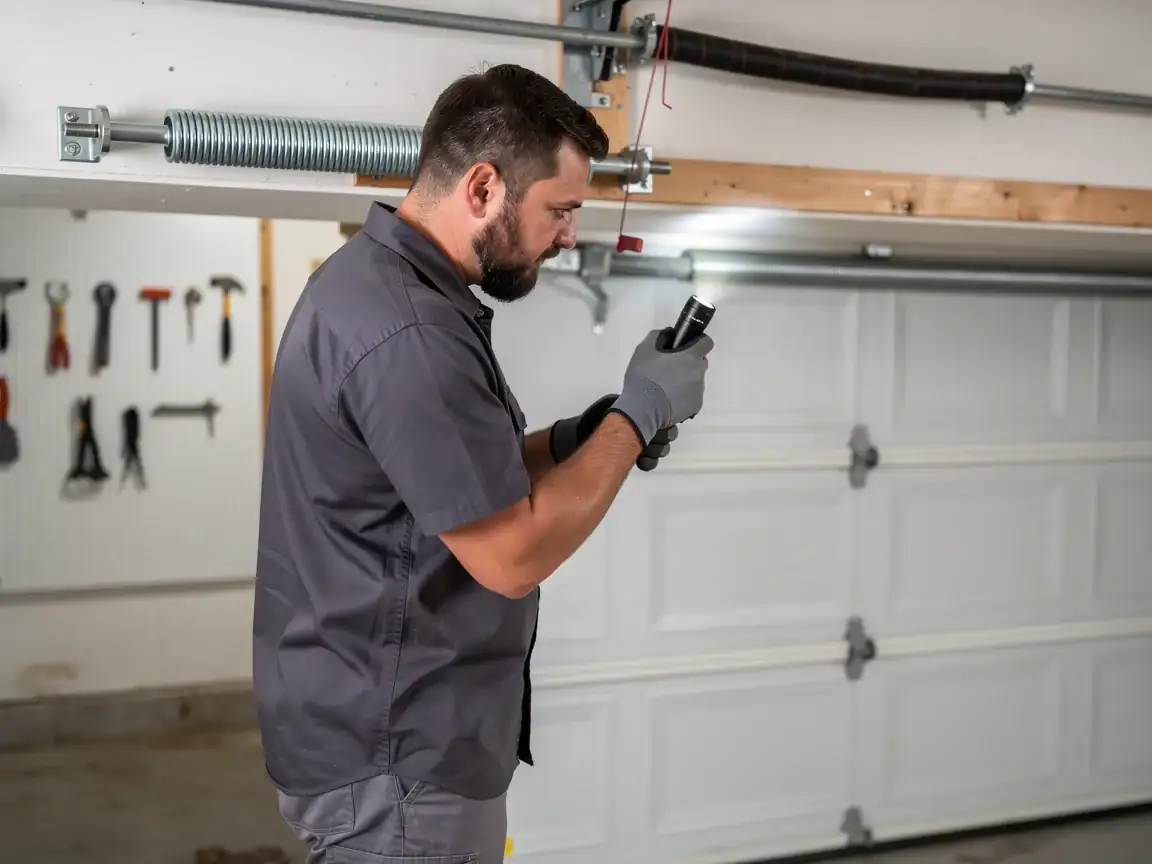
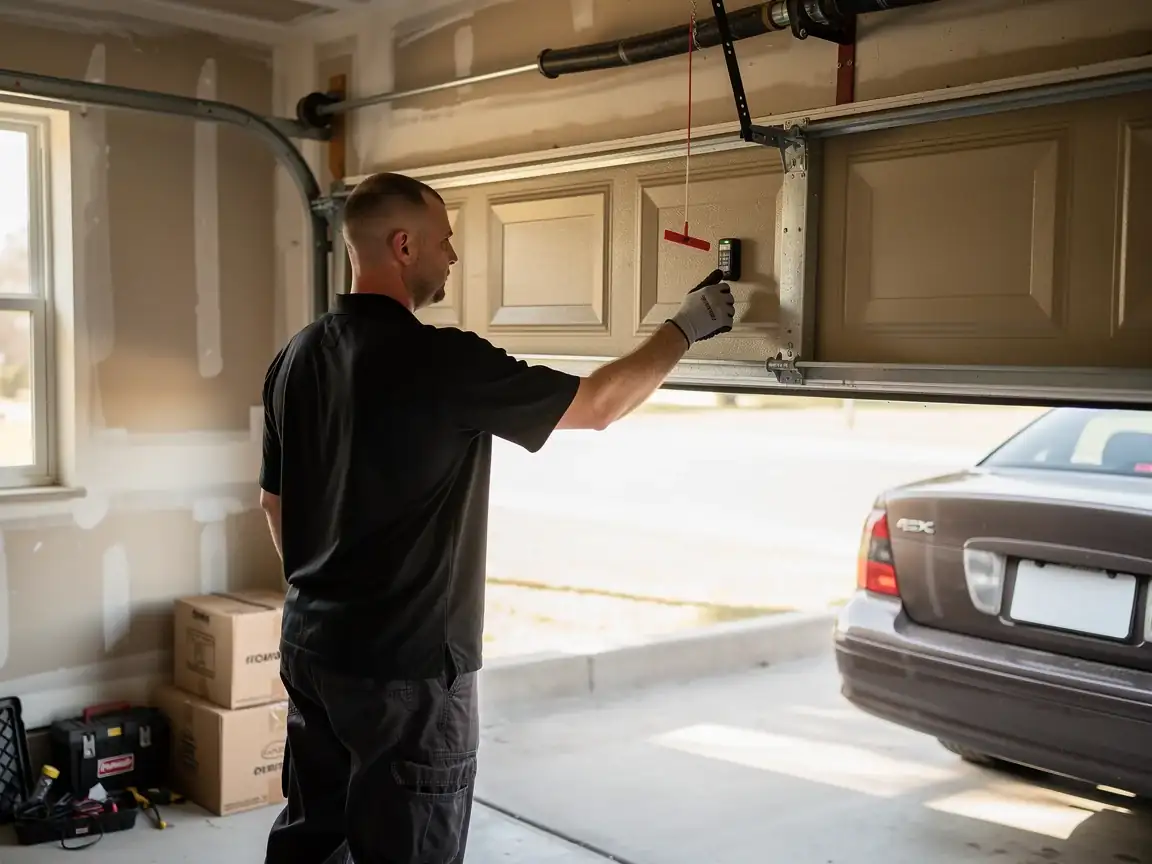
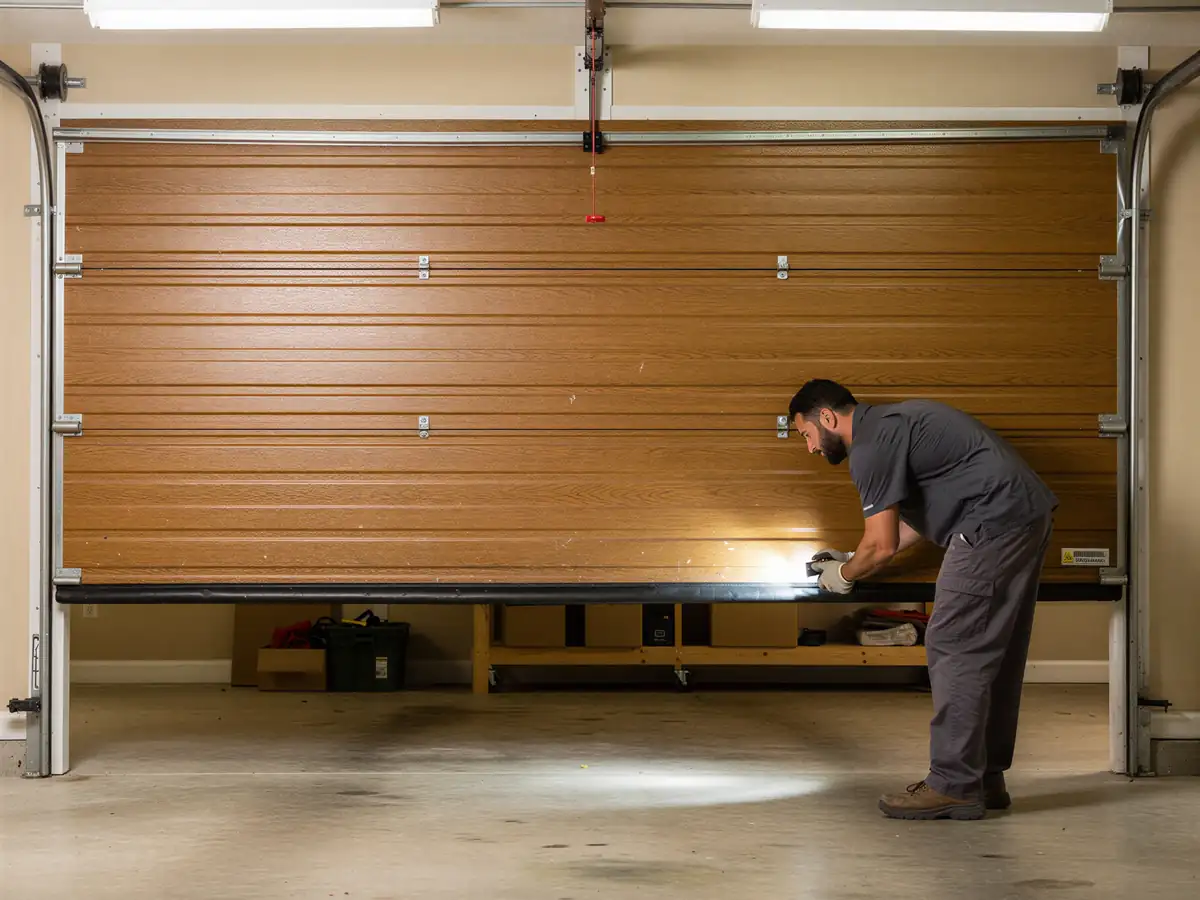
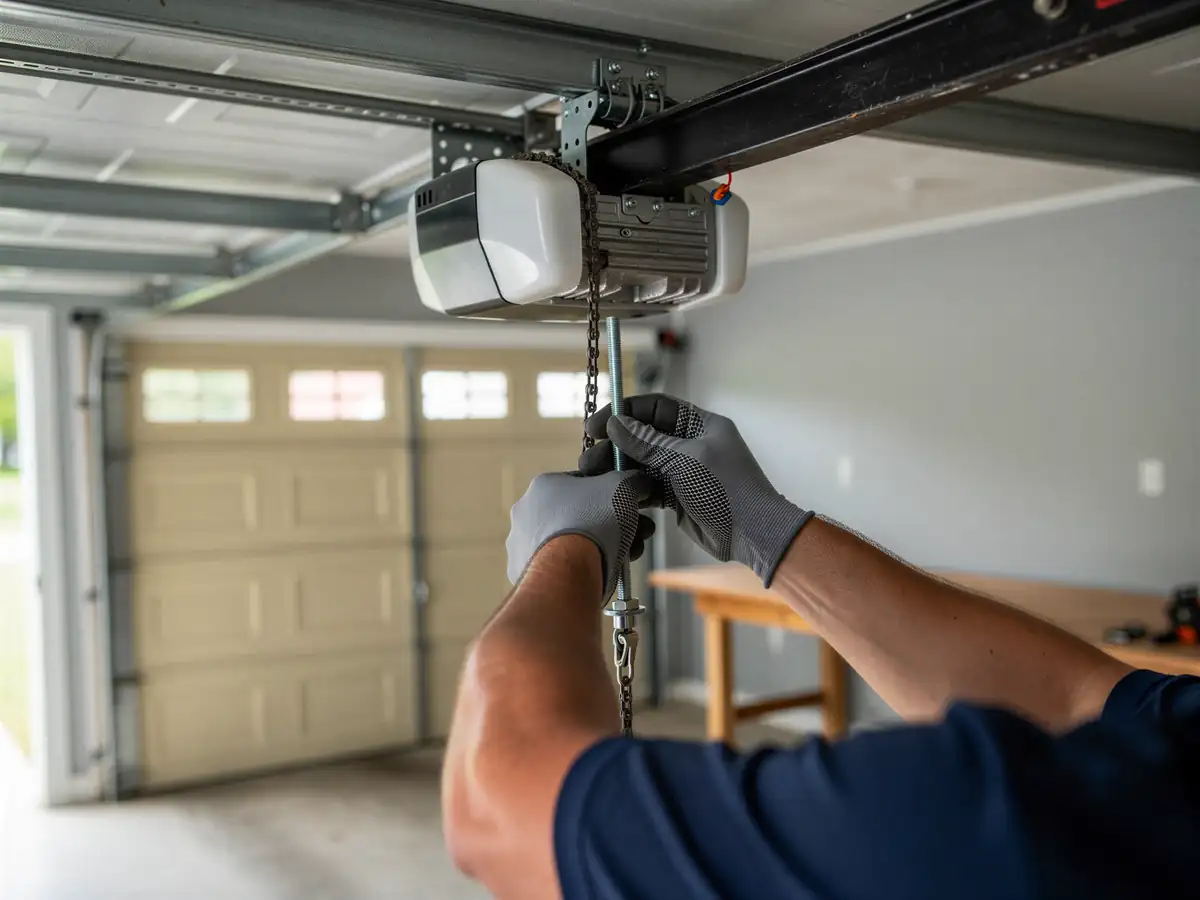
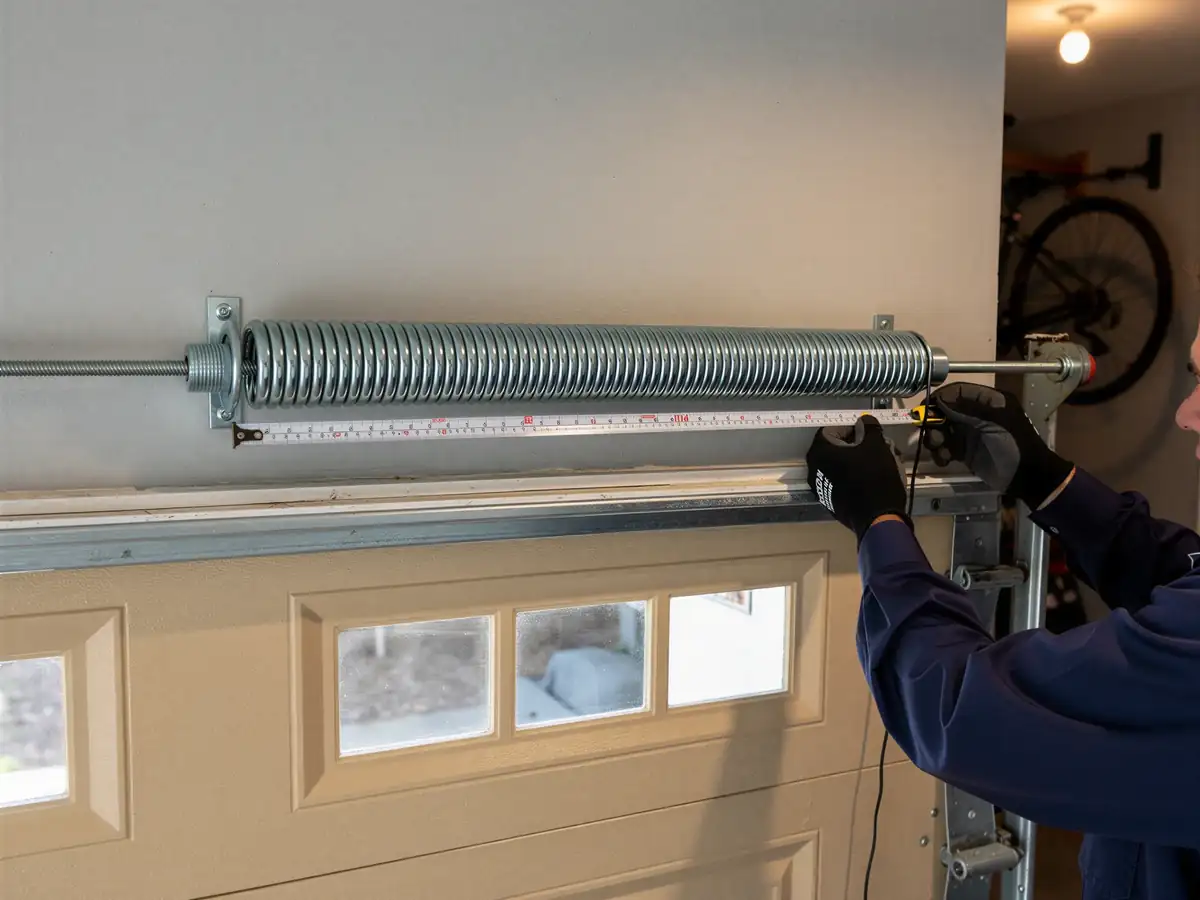
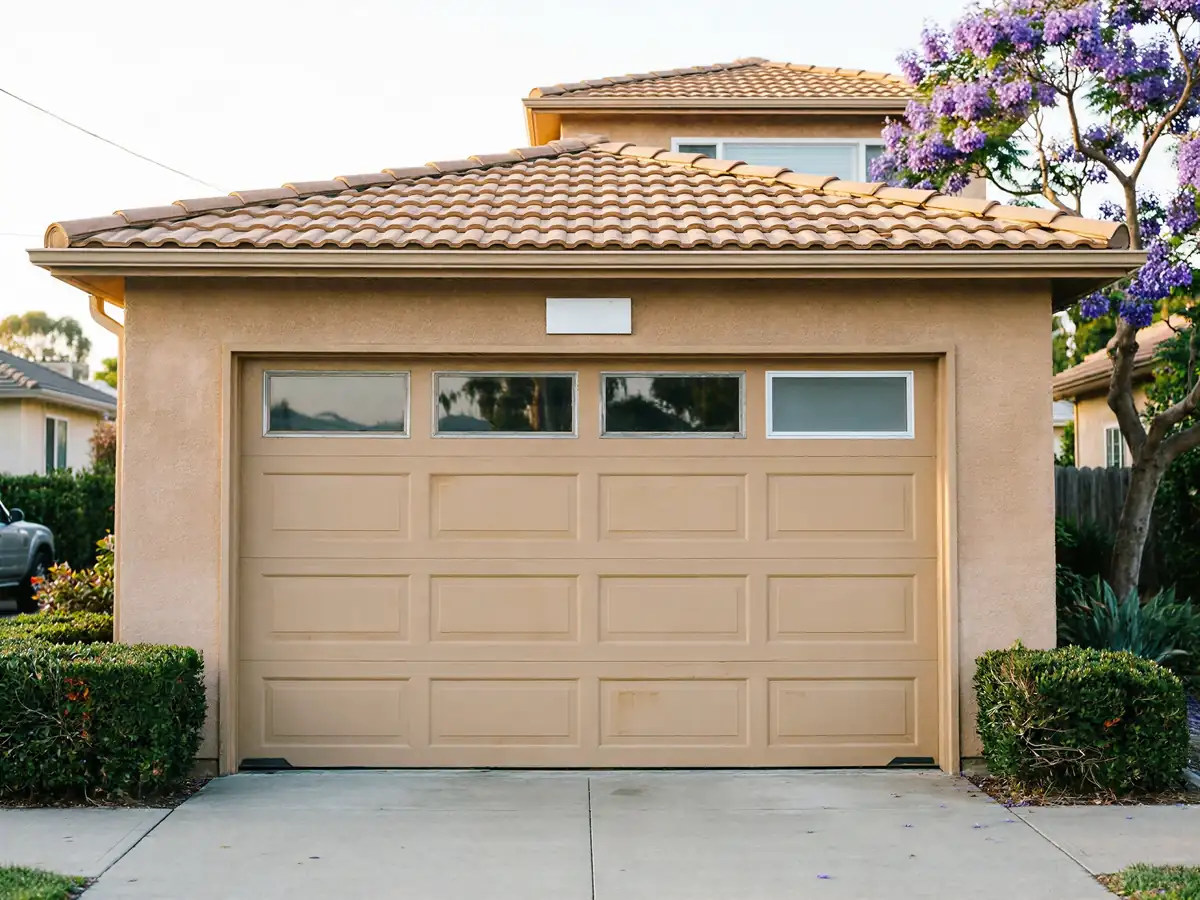
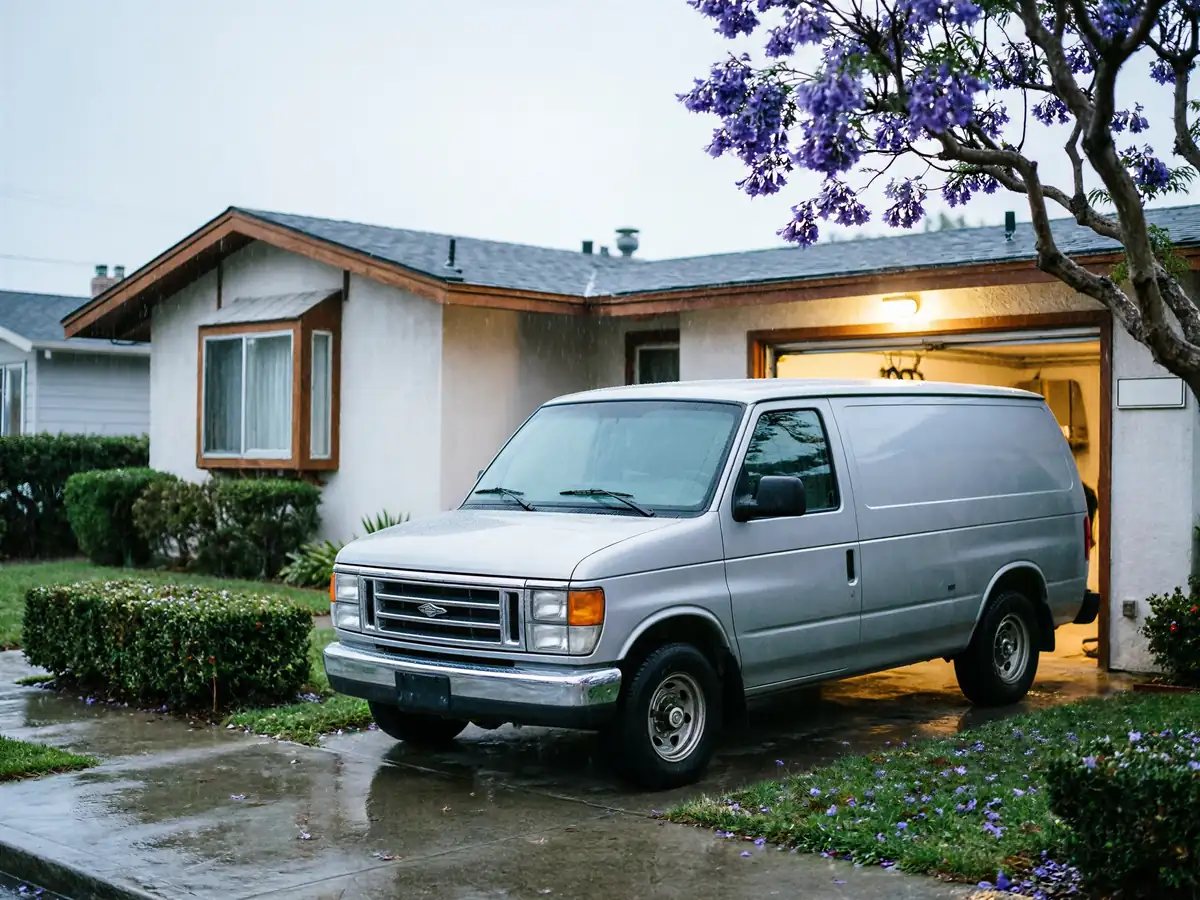
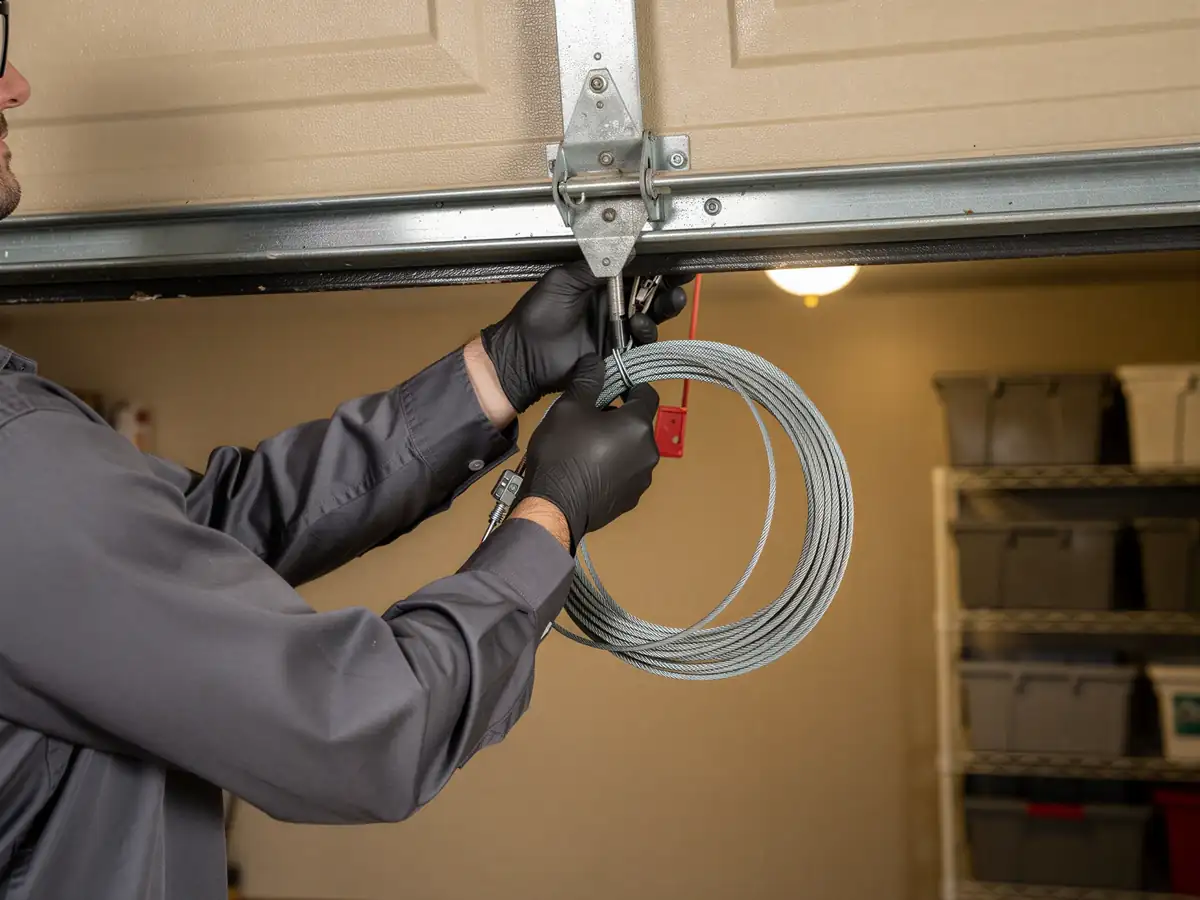
San Marcos sits about 6 miles from our Vista shop, and the houses we open up here skew newer than what we see back home. Vista's housing stock centers on 1982; San Marcos homes typically date closer to 1994. That gap matters on a cable call. A door from the early 90s is more likely to run factory-spec galvanized cable on a standard extension or torsion drum, not the older, thinner wire some pre-1980s builds still carry. The fix itself is routine: we pull the broken cable off the drum or pulley, check the drum groove and pulley bearing for wear that caused the snap in the first place, then run a matched replacement cable at the correct length and tension. If one cable broke from age, the other is usually close behind, so we inspect it and tell you straight if it needs replacing the same visit rather than making you call us back in a month. We also check the bottom brackets, since that's where fraying starts on doors with lift cables routed through stamped steel brackets rather than nylon rollers. None of this requires pulling the opener or replacing track - it's a cable and drum job, not a full teardown, unless the spring let go with it.
The DIY Question
A broken garage door cable is under spring tension even when the door looks dead still, and that's the part people underestimate. The cable runs from the bottom bracket up to a drum that's wound tight by the torsion or extension spring. Cut that connection wrong, or unwind a drum without a winding bar seated right, and the stored energy has nowhere to go but into your hands or face. We're not going to walk you through doing this yourself, because the honest answer is that it's one of the few garage door jobs where the risk-to-savings ratio doesn't favor the homeowner. If the door is already down and won't move, leave it down. If it's stuck halfway, don't force it with the opener - that just strips the opener's drive gear on top of the cable problem you already have.
Booking a Visit
Tell us when you call whether the door is stuck open, stuck shut, or hanging crooked on one side - that tells us if it's a clean cable break or something tangled with the spring or track. We'll ask the rough age of the house too, since San Marcos homes built in the 1990s commonly carry different drum and cable hardware than older stock, and knowing that before we load the truck means we show up with the right parts the first time instead of a second trip.
The Symptom
The giveaway is almost always a loud bang followed by the door refusing to move, or moving only on one side while the other corner drops and jams in the track. Sometimes it's quieter - a slow fray you notice as a visible kink or a few broken strands near the bottom bracket before the cable actually lets go. Either way, a door that's open and won't close, or closed and won't open, with visible slack or a hanging loop of wire at one corner, is a cable problem, not an opener problem. Don't mistake it for a dead opener and start troubleshooting the remote - that wastes time on the wrong fix.