What the Fix Involves
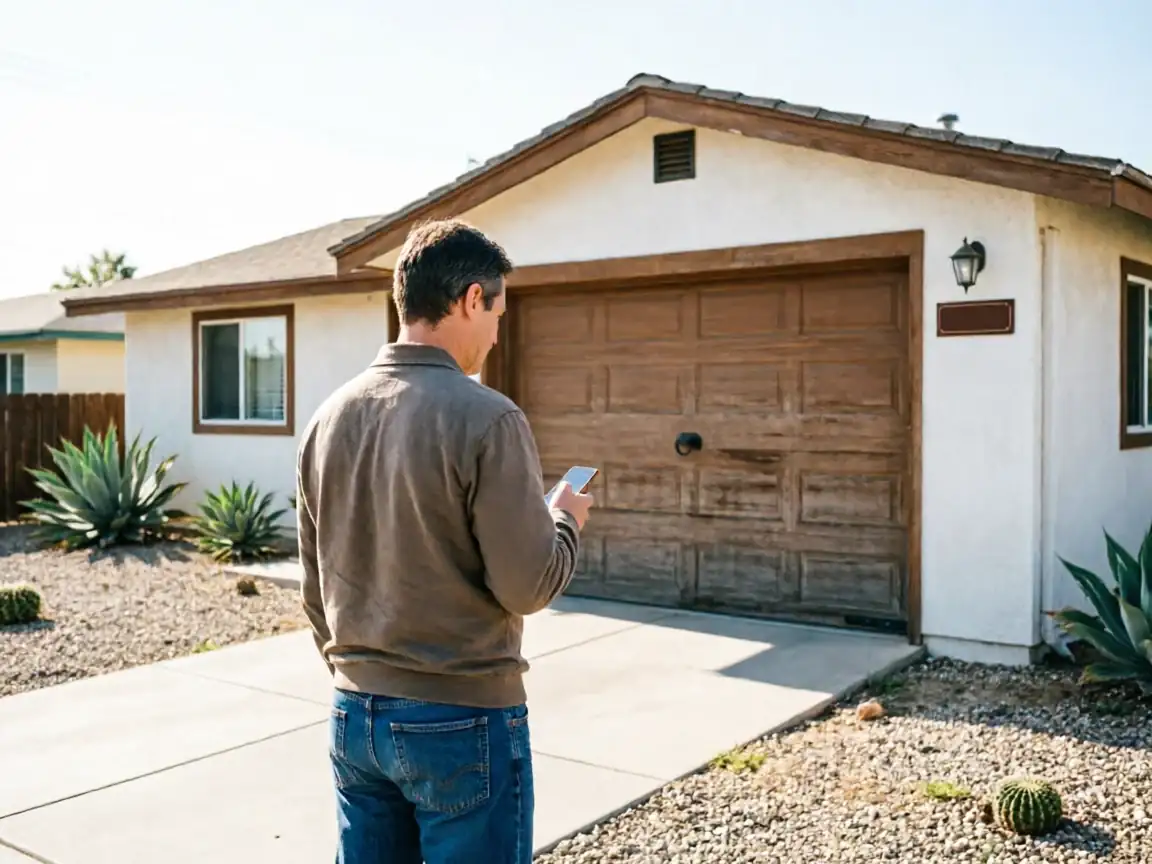
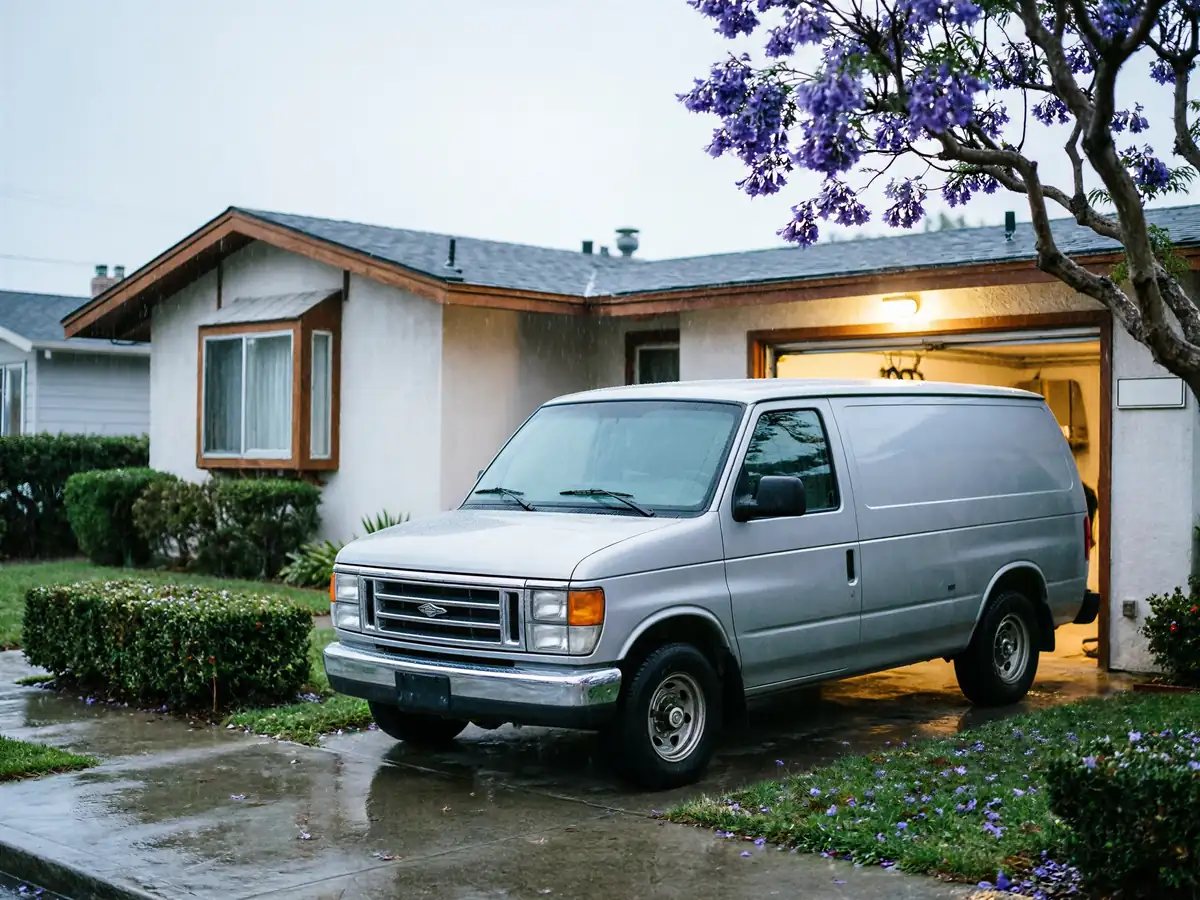
The drive from Vista to San Marcos is about 6 miles, and that stretch matters more than it sounds like it should. It's a short enough run that a truck isn't sitting in traffic for an hour before it even gets to your driveway, but it's far enough that nobody here gets a 'we were already in the neighborhood' call. Every visit is planned, not improvised.
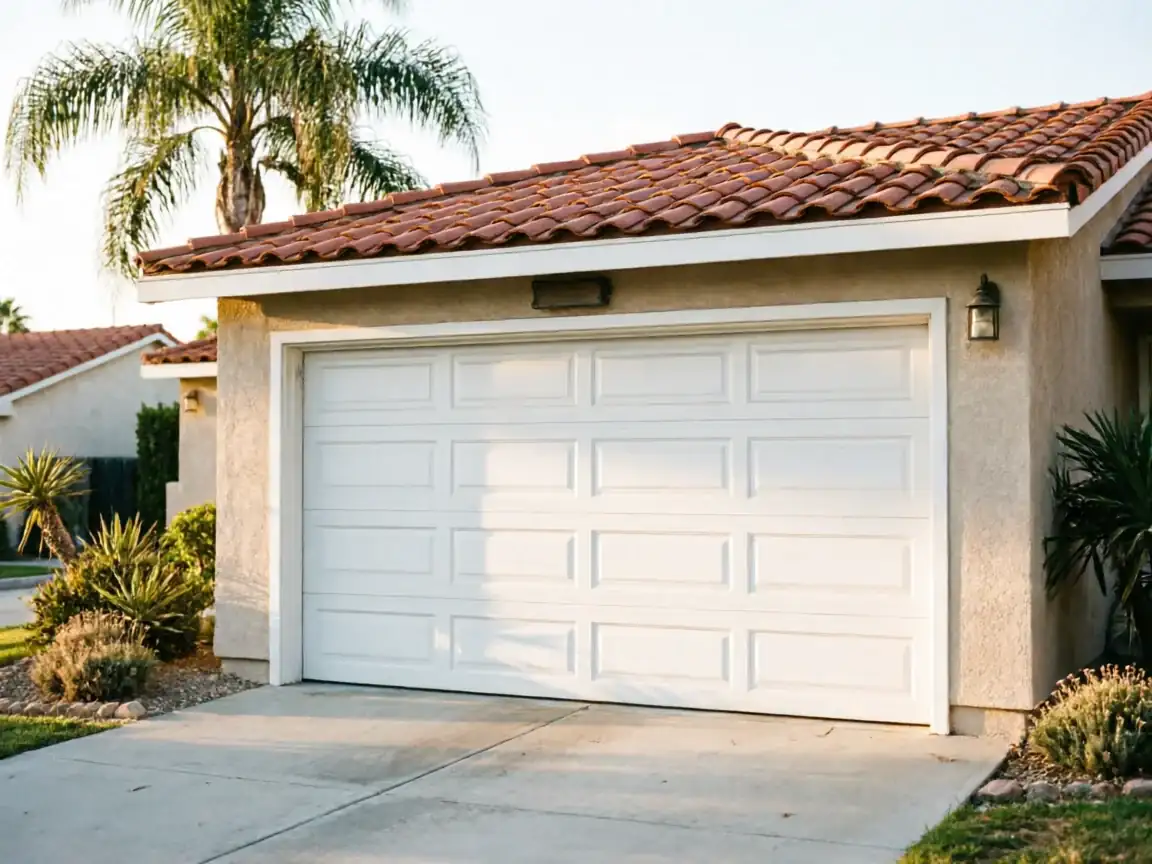
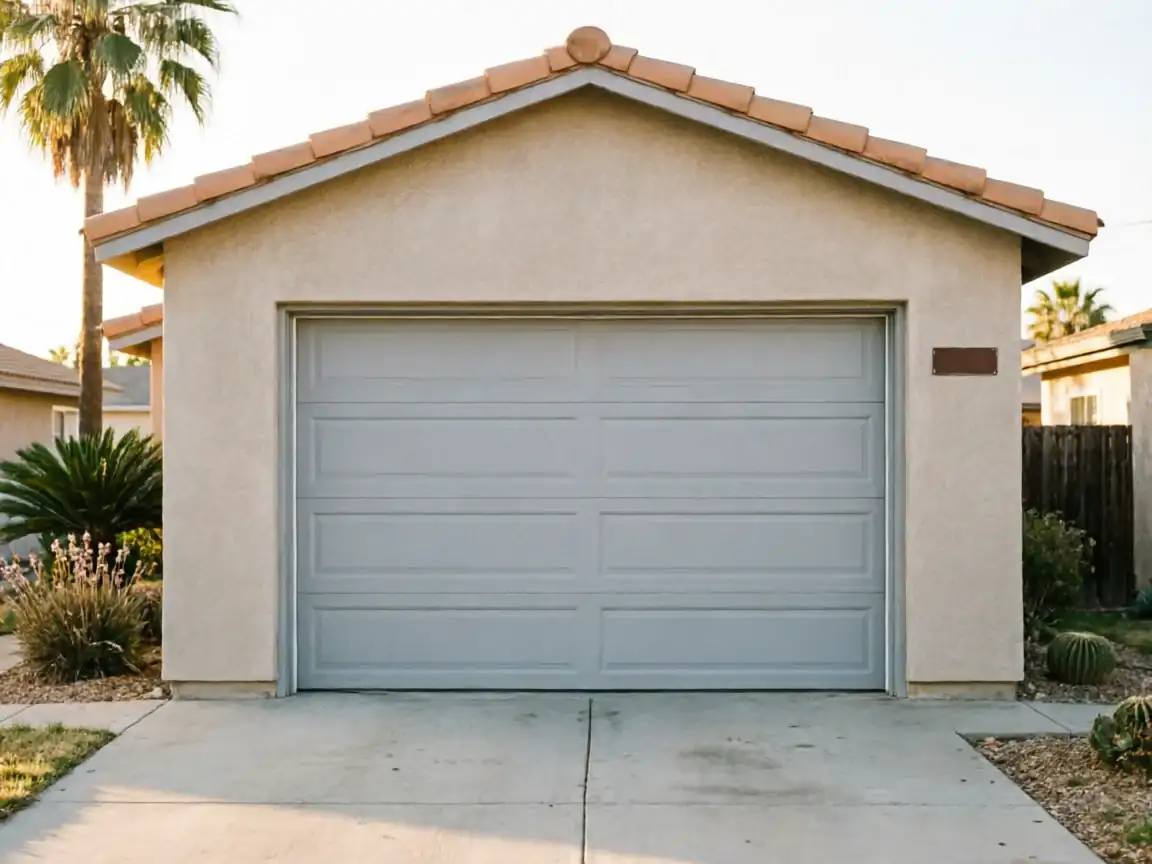
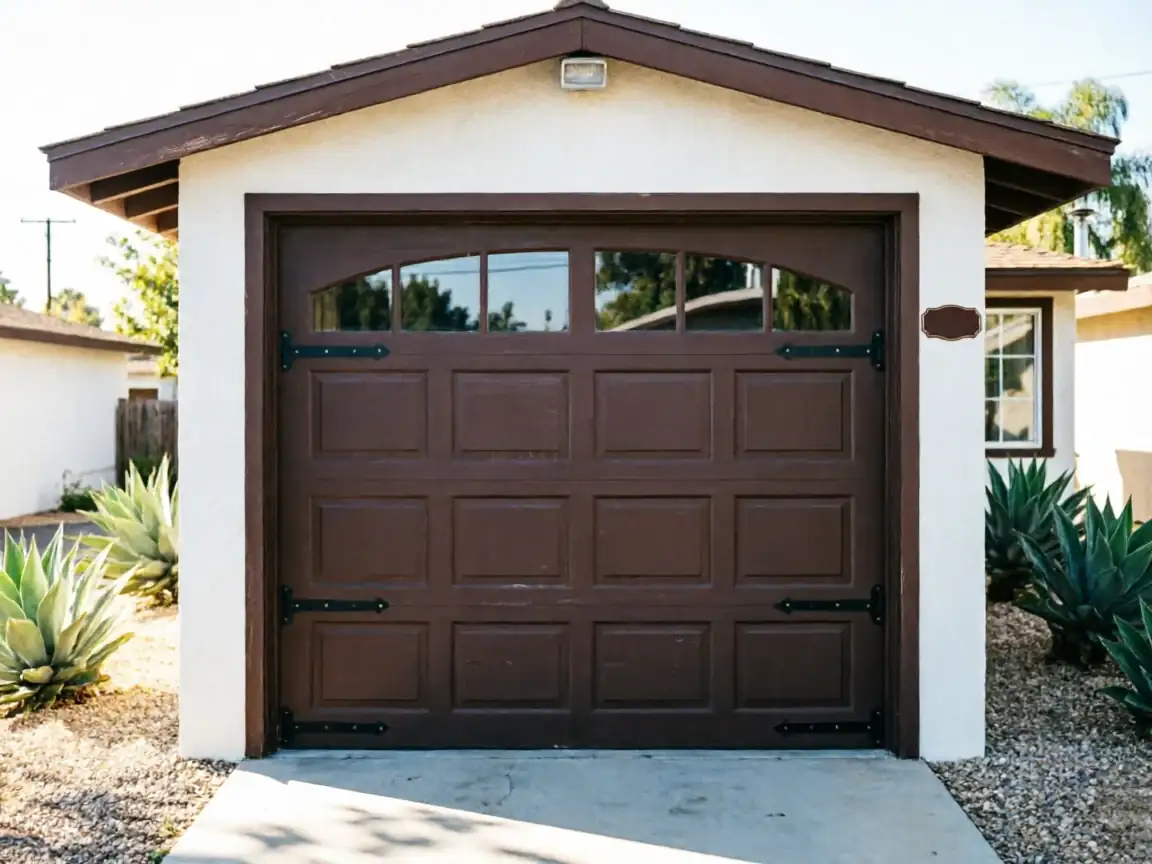
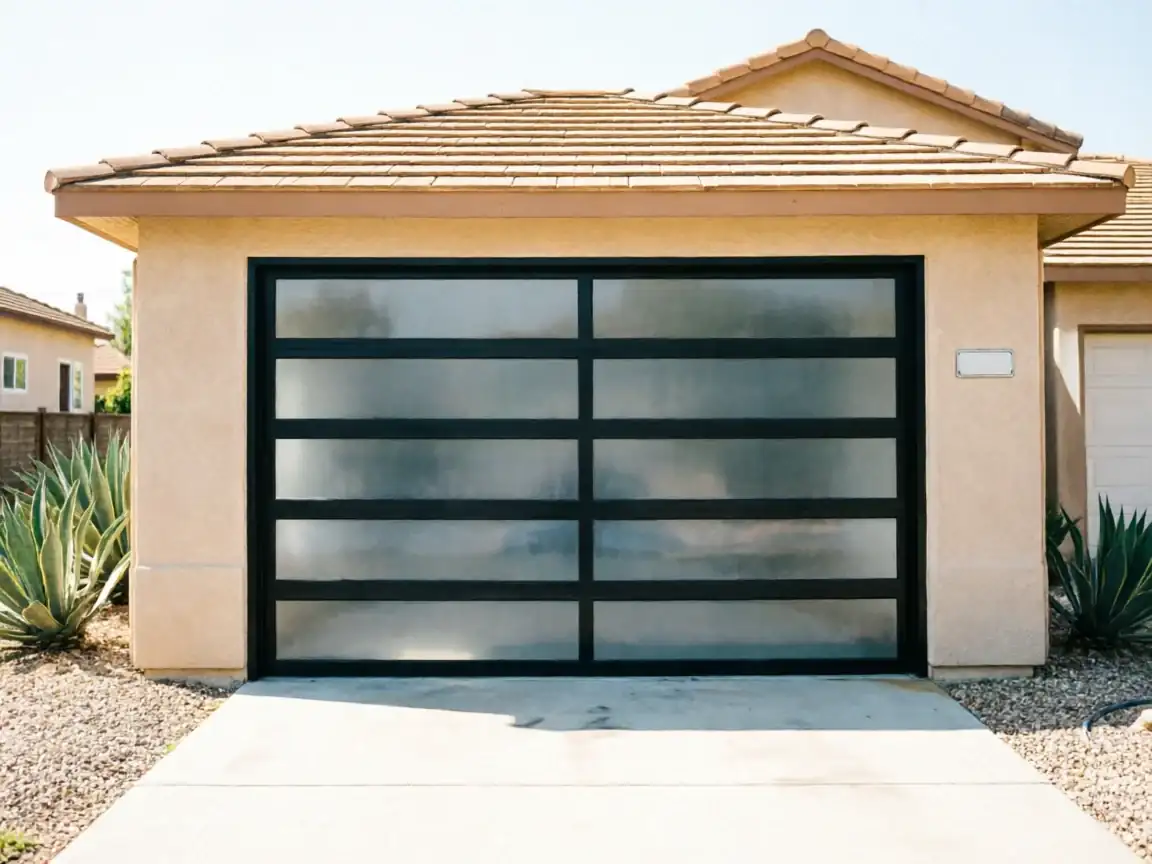
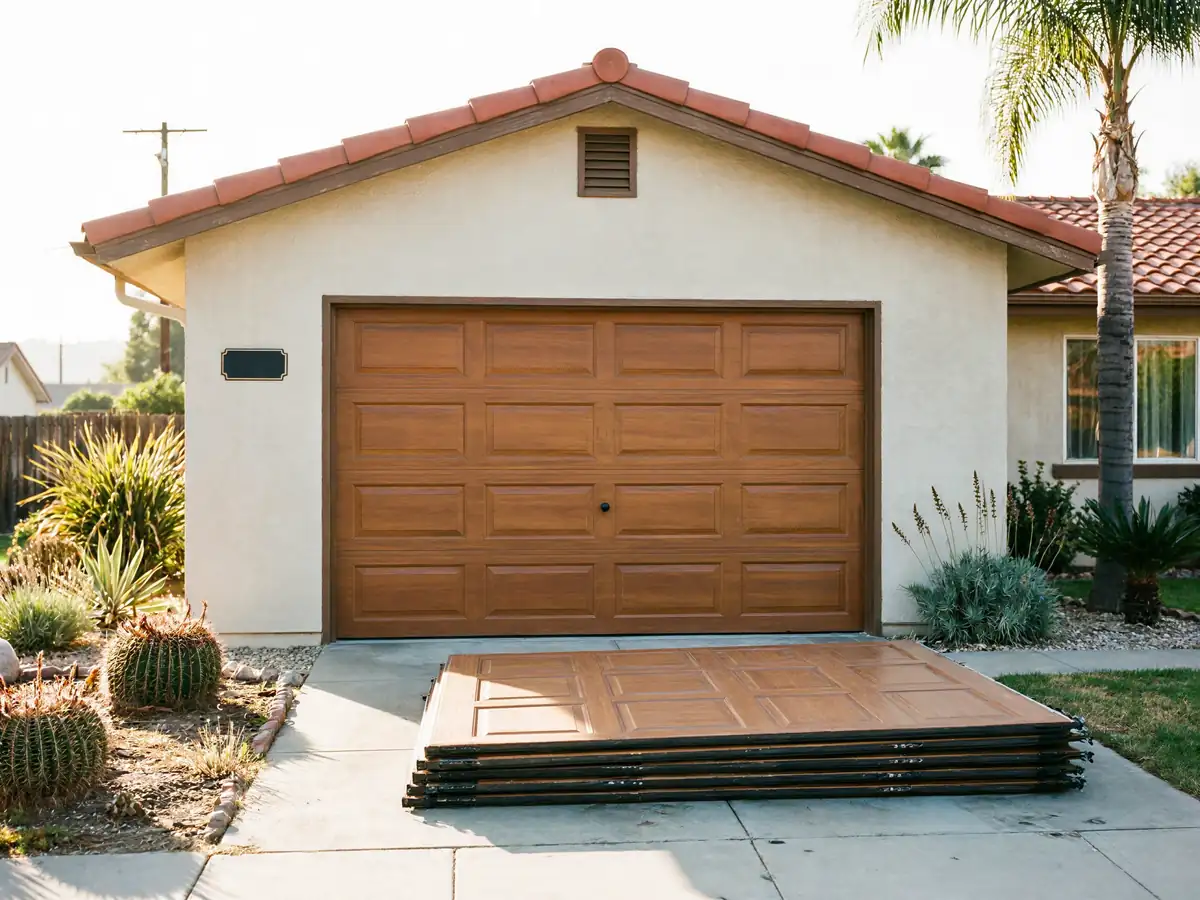
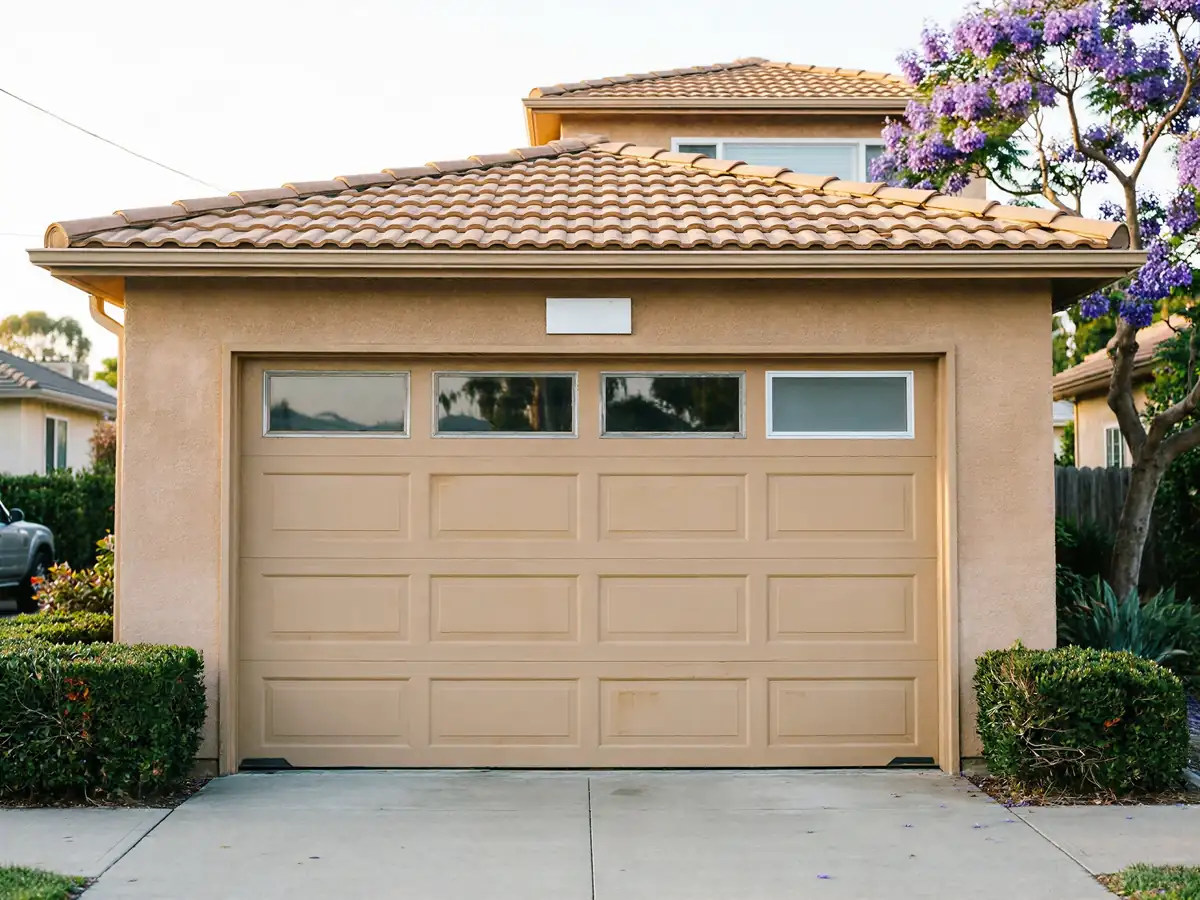
What we're fixing once we arrive tends to look different from what we see on an older block back in Vista. A lot of San Marcos went up around 1994, which puts most garage doors and openers here on steel roller doors with torsion springs rated for a mid-90s door weight, and chain or belt-drive openers from that same build era if they haven't been swapped out since. That's newer gear than the 1970s-through-2003 spread you see across the wider service area, and it behaves differently when it fails. A spring on a 1994 door usually snaps clean rather than stretching out of shape the way an older oversized spring does, and the fix is a straight swap rather than a hunt for a part nobody stocks anymore.
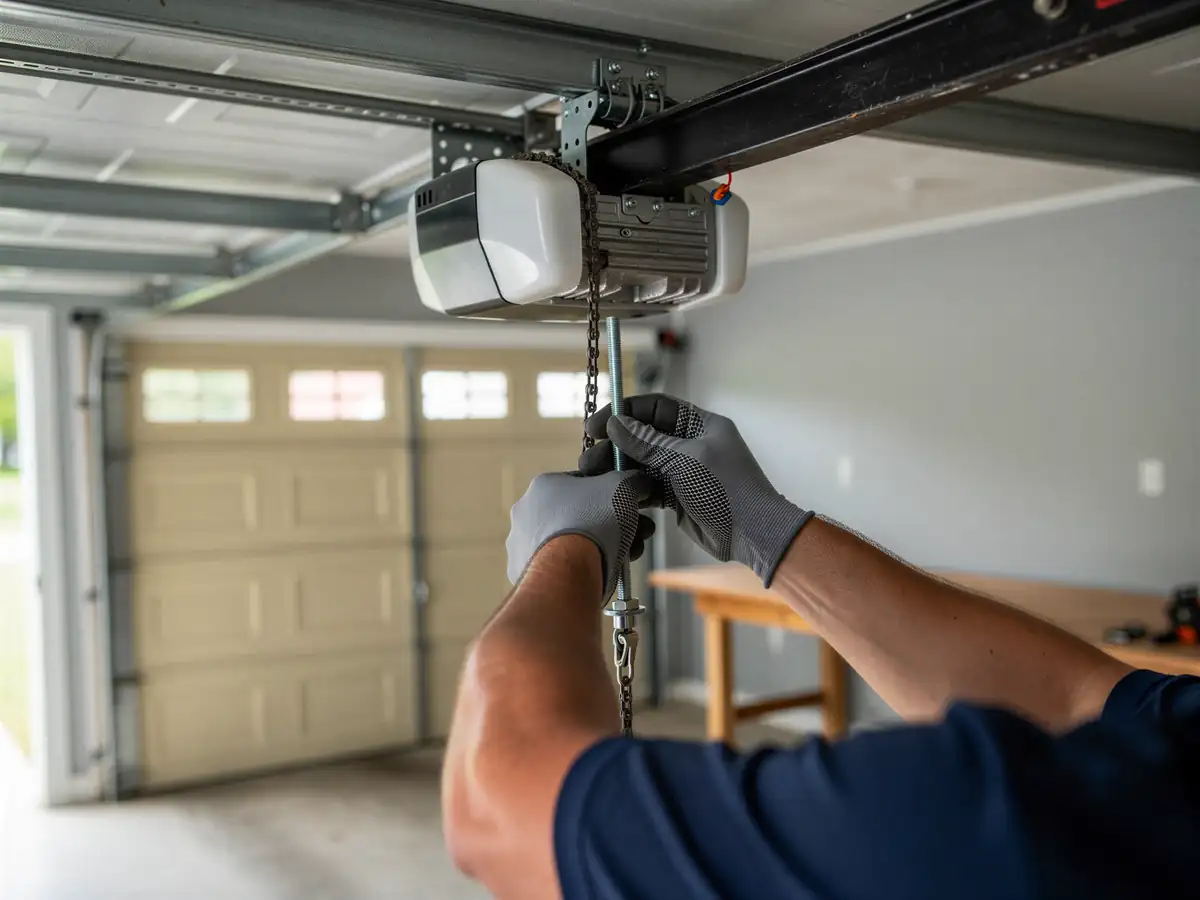
Opener boards from that era are starting to fail on logic rather than on the motor itself - the board can't talk to newer remote protocols cleanly, which looks like a broken opener but is actually a compatibility problem with a cheap fix if caught early.
The DIY Question
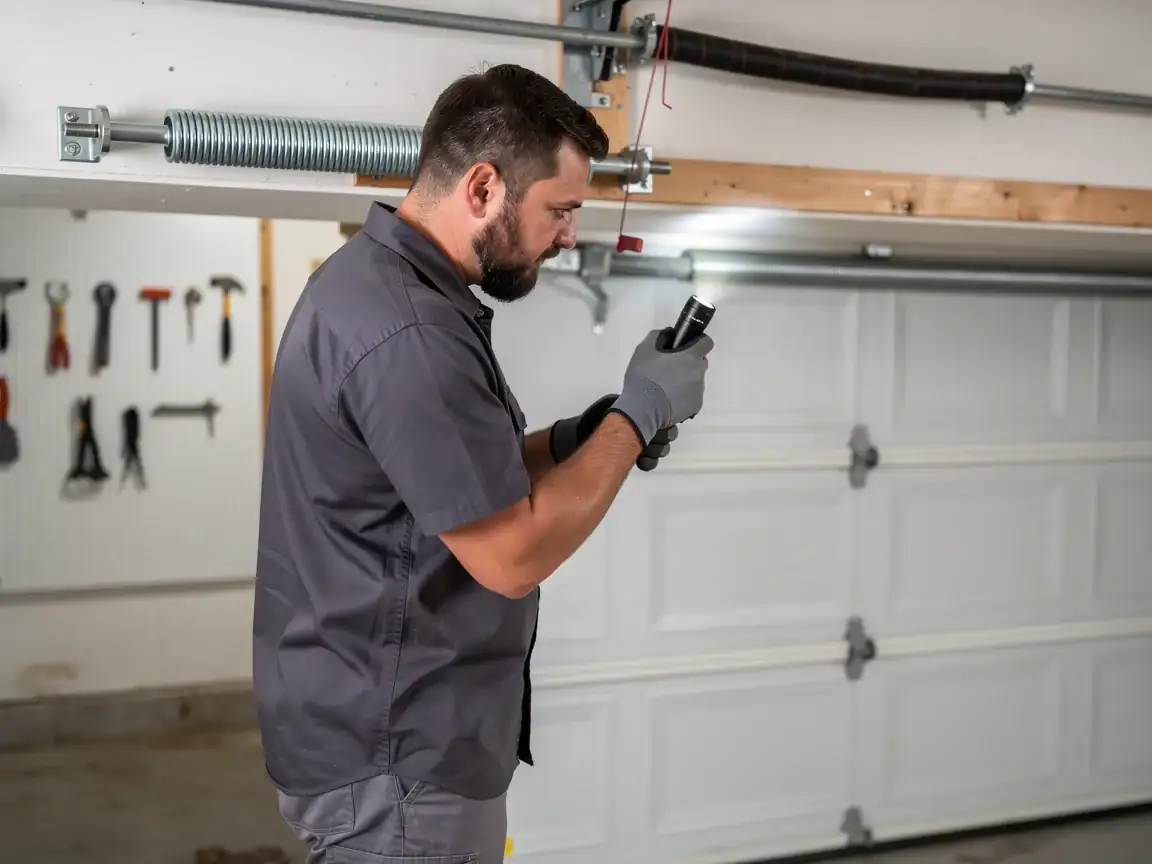
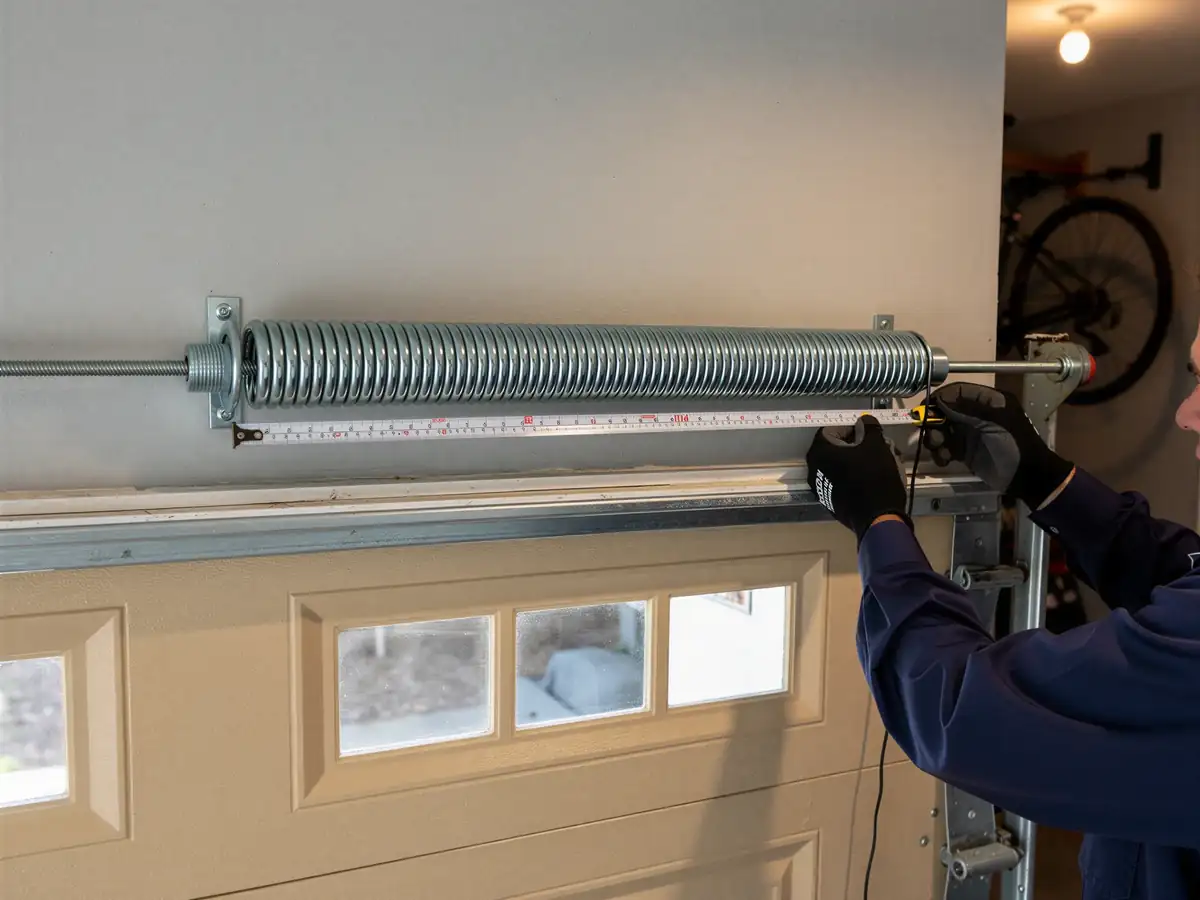
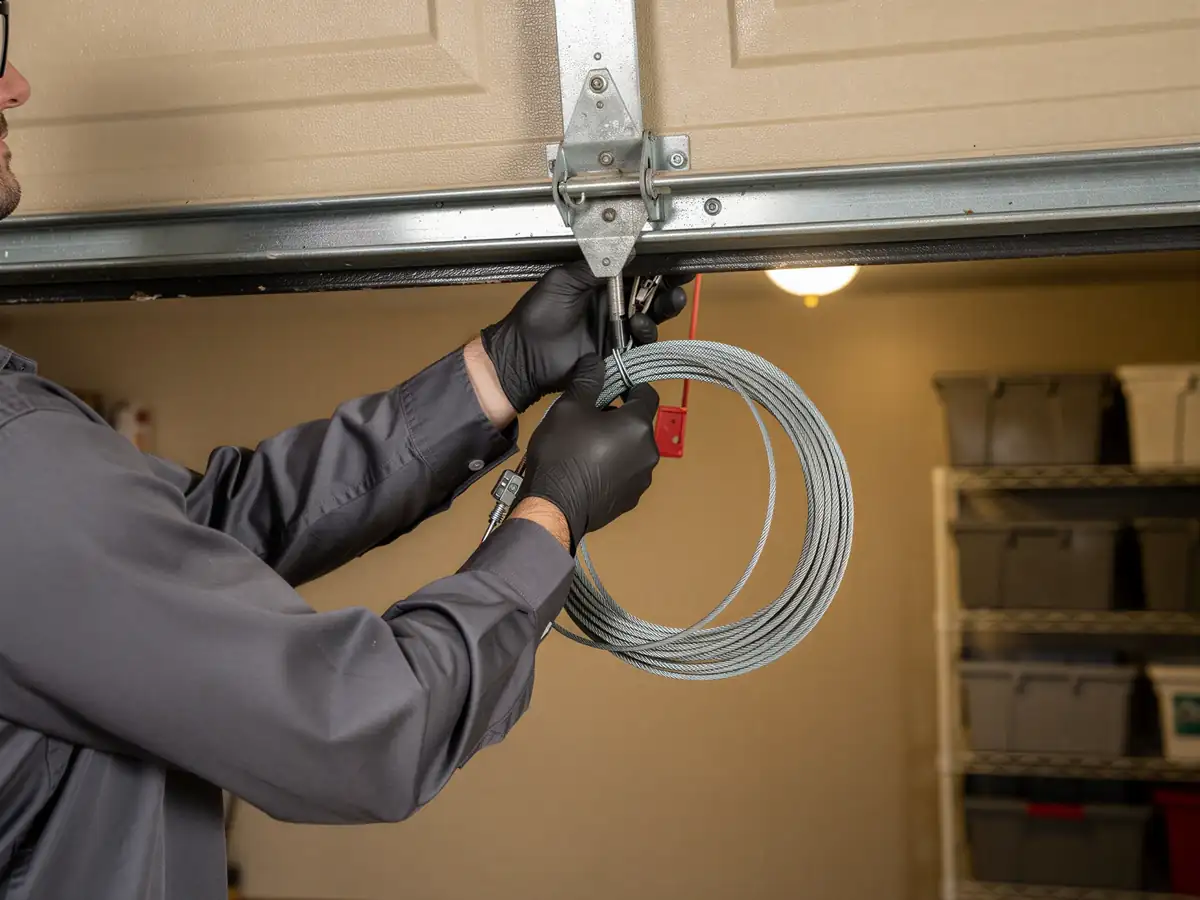
A broken torsion spring on a double door is not a weekend project, and that's true whether the door is in San Marcos or anywhere else - the spring is wound under enough tension to break a finger or worse, and it needs the right bar and the right gauge wire, not a general-purpose tool kit. If you're hearing a loud bang and the door won't budge, that's almost always this.
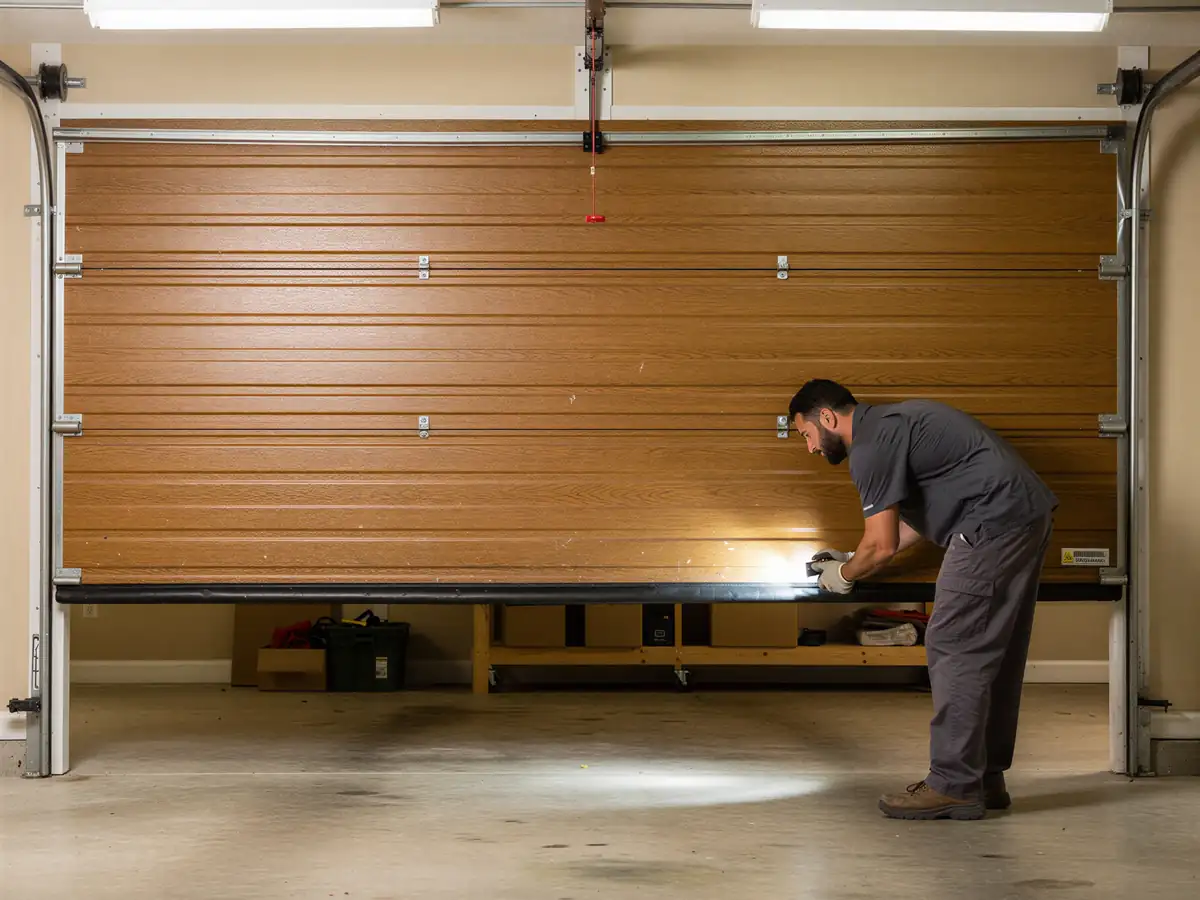
What you can handle yourself: tightening loose hardware, clearing a track of leaves or debris, lubricating rollers and hinges, and checking that the photo-eye sensors near the floor are aligned and not covered in dust. San Marcos sits in a mild temperate band, so you're not dealing with the kind of temperature swings that crack plastic housings or freeze lubricant - which means most of what goes wrong here is mechanical wear and age, not weather damage. That's one less thing to diagnose yourself.
Where we draw the line: anything involving the spring, the cable, or the opener's internal gearing. Those jobs call for a tech who's done the wind-down a hundred times, not a first attempt with a borrowed winding bar.
How Long You Are Without the Door
We don't carry a dedicated depot in San Marcos
The truck comes from Vista, and that's the honest limitation worth saying out loud rather than glossing over. It means we can't promise the same-day window you'd get from a company sitting five minutes away. What we can tell you is that the 6-mile drive itself rarely adds real time to a job; it's scheduling around other calls that does.
Once a tech is on-site, most spring and cable repairs on a standard double door close out in one visit
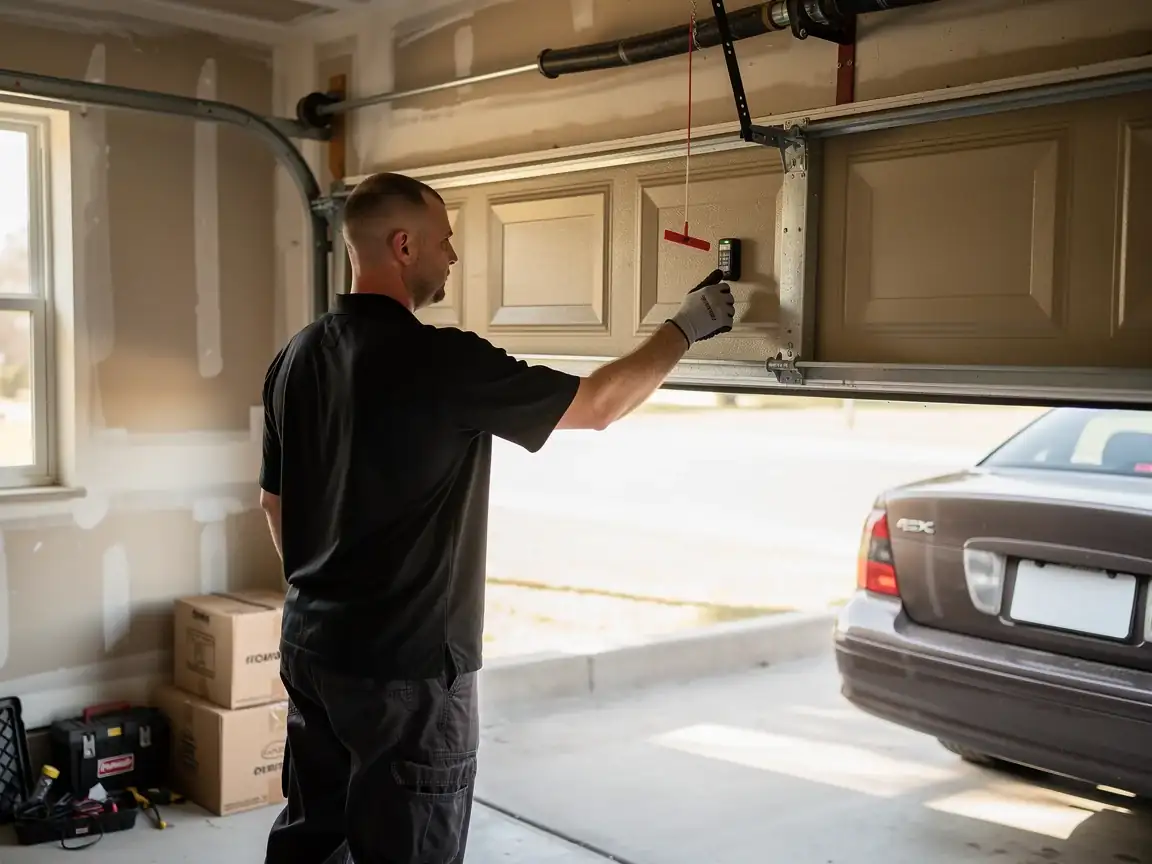
Opener board or logic issues on 1990s-era units sometimes take longer if the part has to be sourced rather than pulled off the truck, since boards from that period aren't always kept in standard stock the way current models are.
If your door won't close and it's a security concern
Kids, pets, a car you need in the garage - say so when you call. We can usually get a door manually secured even before the full repair happens, which buys time without leaving the house open.
Booking a Visit
Tell us what the door is doing before we get there: won't open, won't close, makes a bang, grinds, or the opener runs but the door doesn't move. That detail changes what gets loaded on the truck before it ever leaves Vista for the 6-mile drive out.
Households in this part of the service area sit at a median income around $105,286, noticeably above the roughly $110,316 figure for the broader territory - a sign that San Marcos runs a bit leaner on income than some of the surrounding patches we cover, which is worth mentioning only because it's the kind of area-level fact that shapes whether we quote a repair versus a full replacement. A cracked panel on a 1994 door is often cheaper to patch than replace outright, unlike a door from the older end of the regional stock where full sets of matching panels have stopped being made.
Bring the model number if you have it - it's usually stamped on the inside of the top panel or on the motor unit - and the visit moves faster from the first minute.
The Symptom
The most common call out of this part of town is a door that slams down the last foot of travel instead of closing smooth, paired with an opener that still hums like it's working. On a house from the 1994 era, that's almost always a torsion spring losing tension unevenly, not an opener failure - the motor is doing extra work to compensate and it's only a matter of weeks before it either strips a gear or the spring finishes failing outright.
Second most common: a door that reverses right before it touches the floor. That's the safety sensor reading a false obstruction, usually from the photo-eye being bumped out of alignment rather than anything actually blocking the door. Easy fix, but it mimics a scarier problem and that's why people call before trying to fix it themselves.
Less common but worth naming: a door that's dead silent, no hum, no movement at all. Across the roughly 30,880 households in San Marcos, that one usually traces back to a tripped breaker or a disconnected safety switch rather than a burned-out motor - cheaper than it sounds, but you won't know until someone checks the panel.