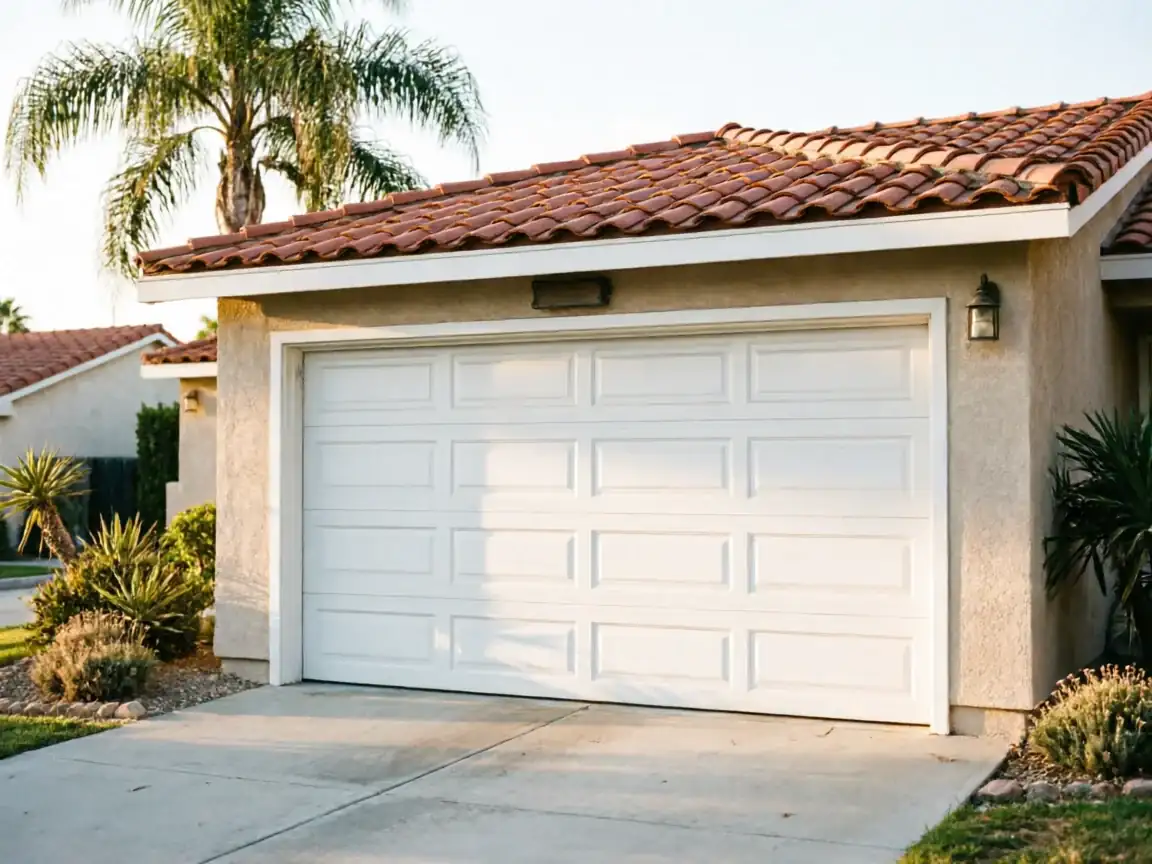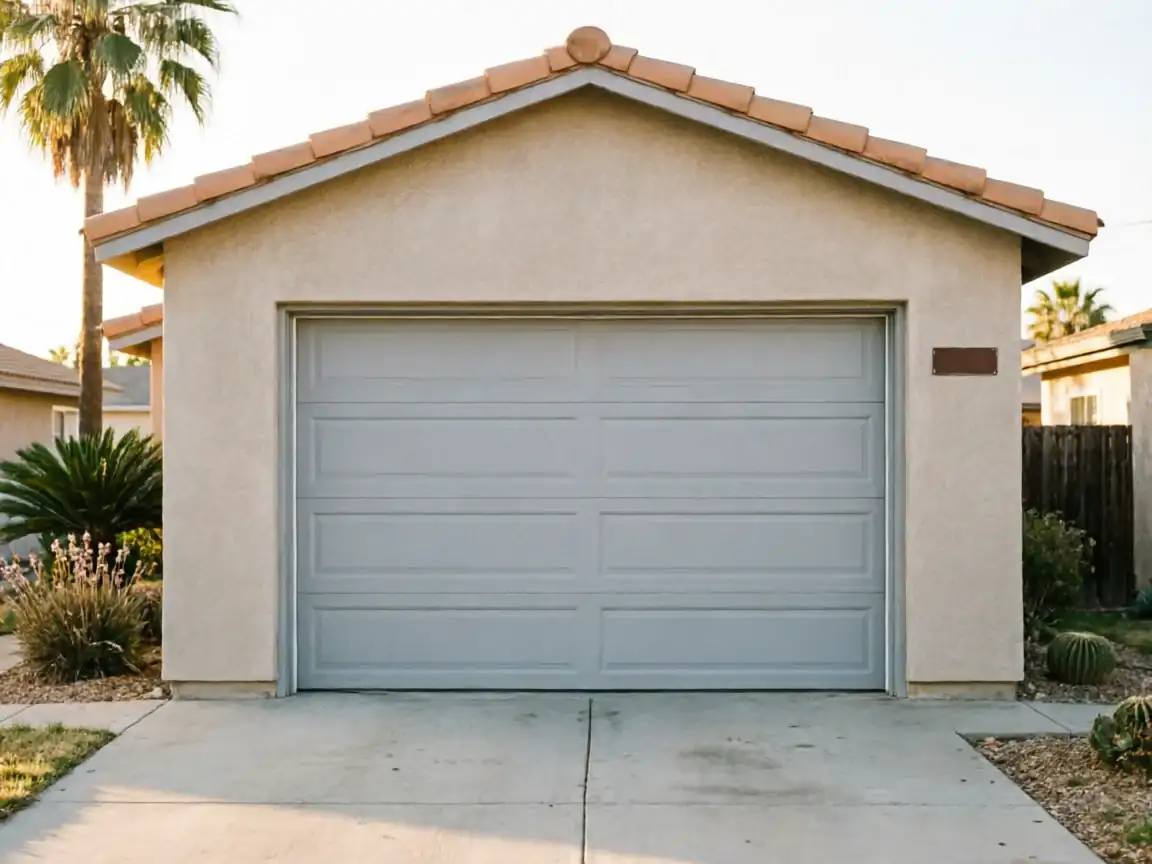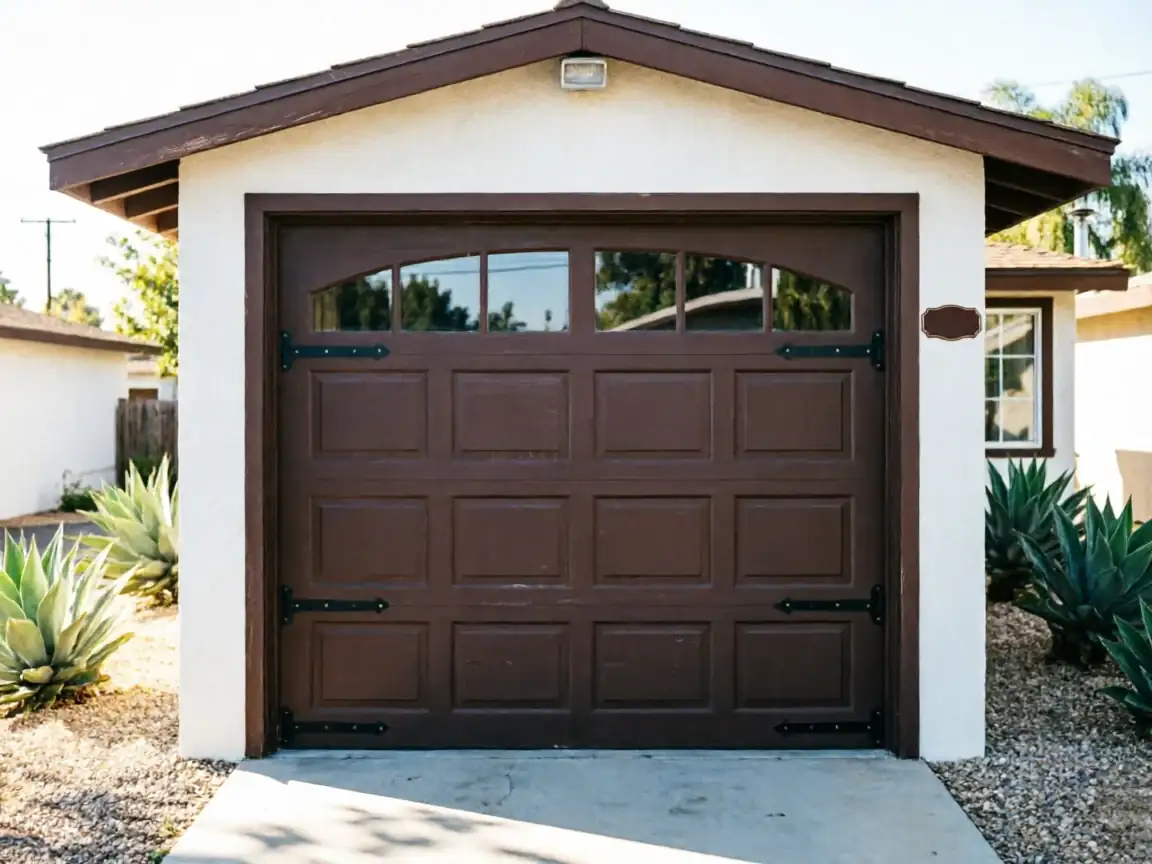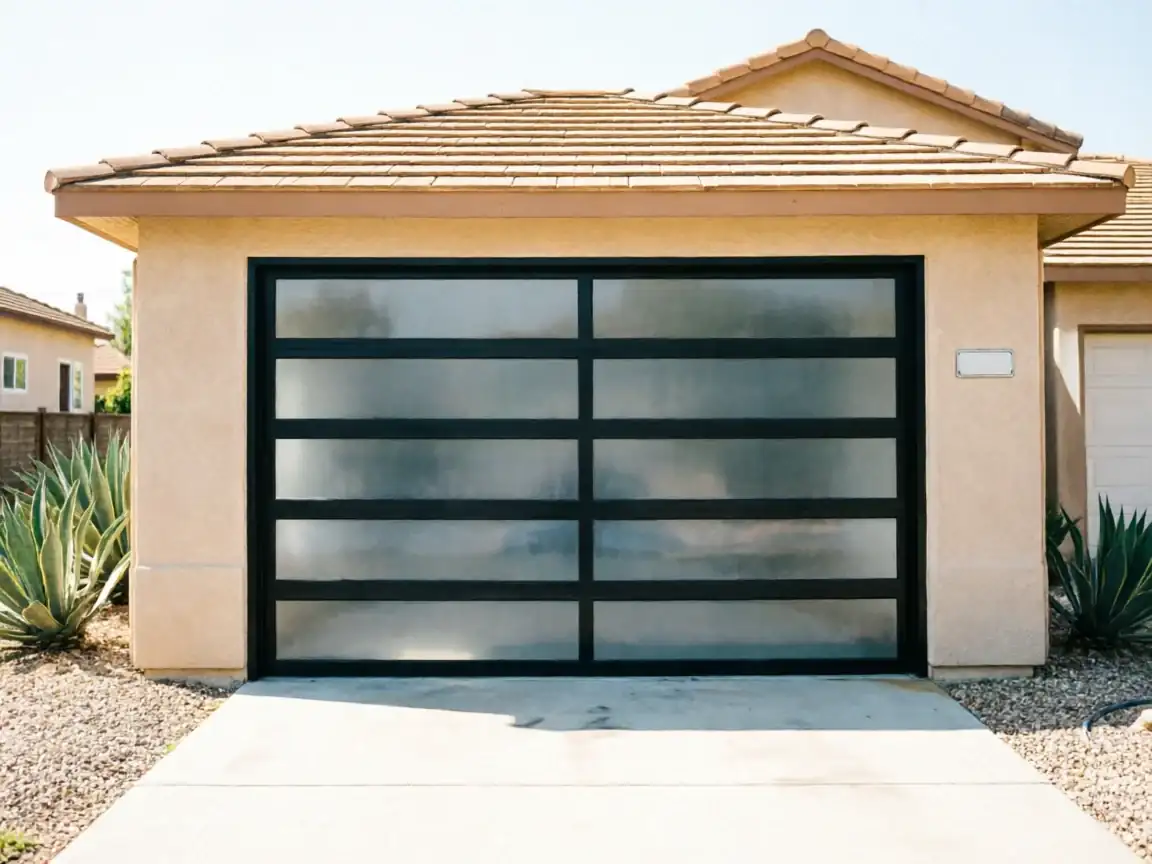
What the Fix Involves
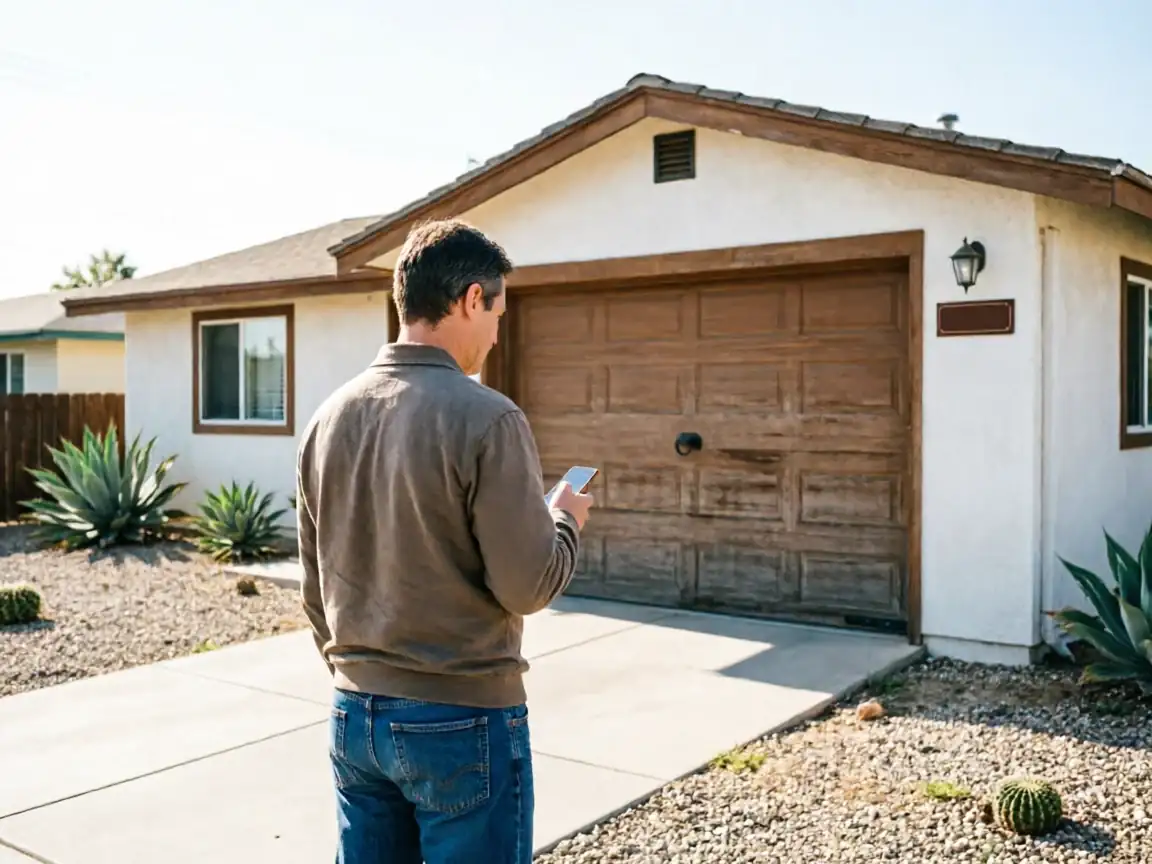
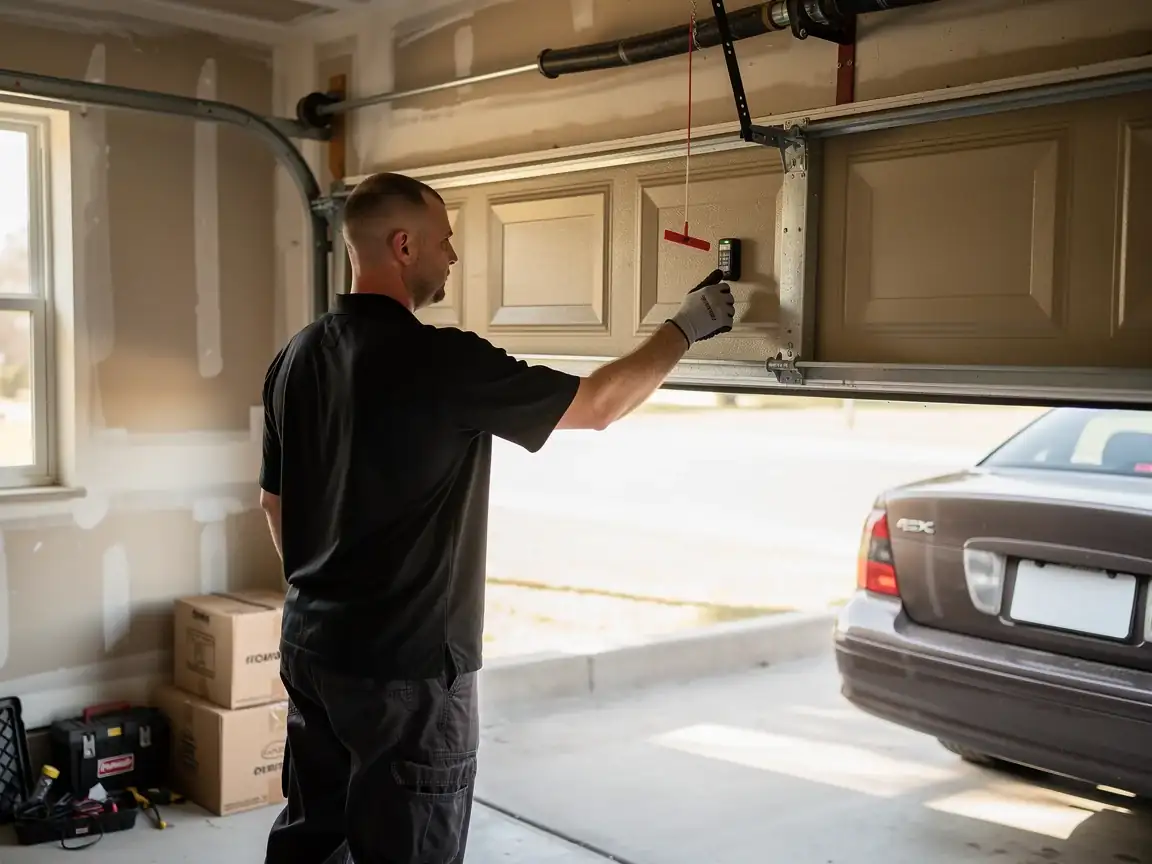
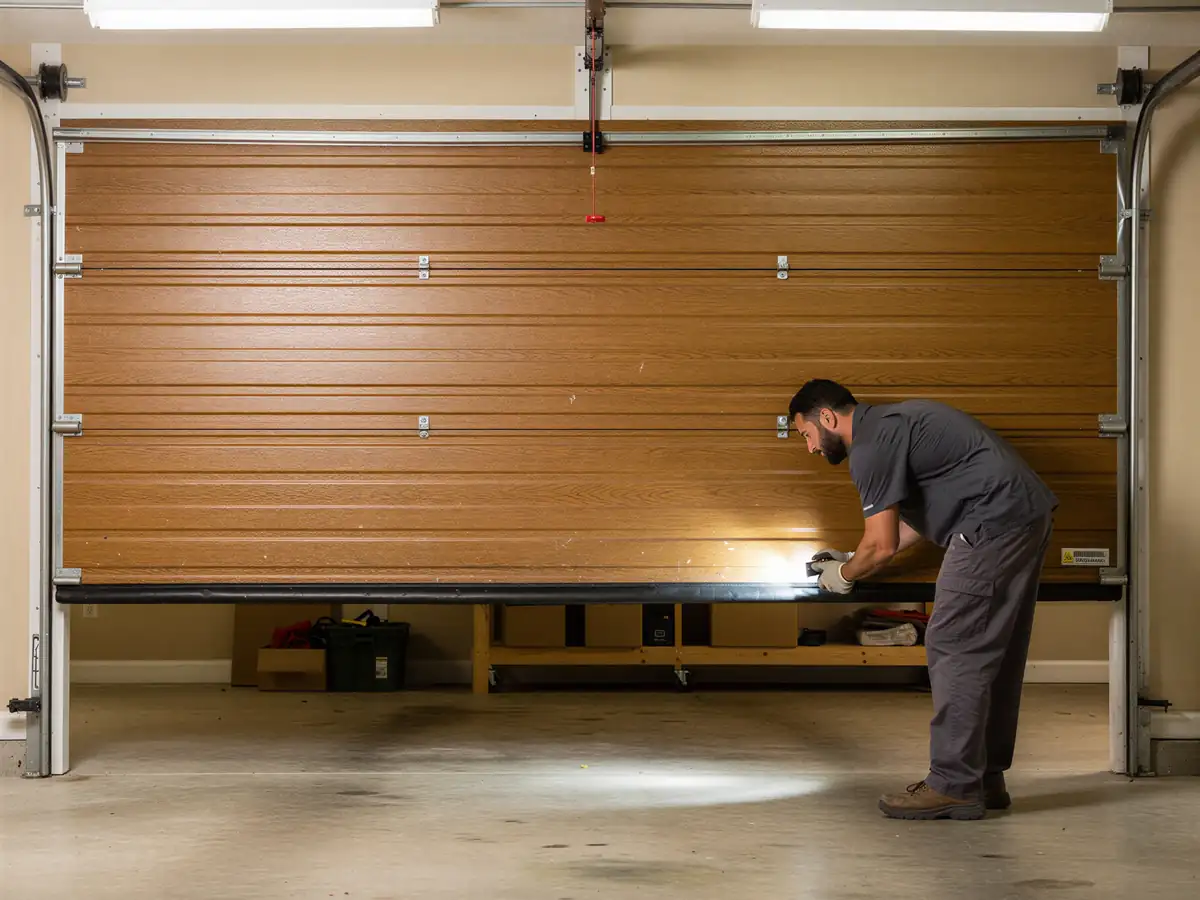
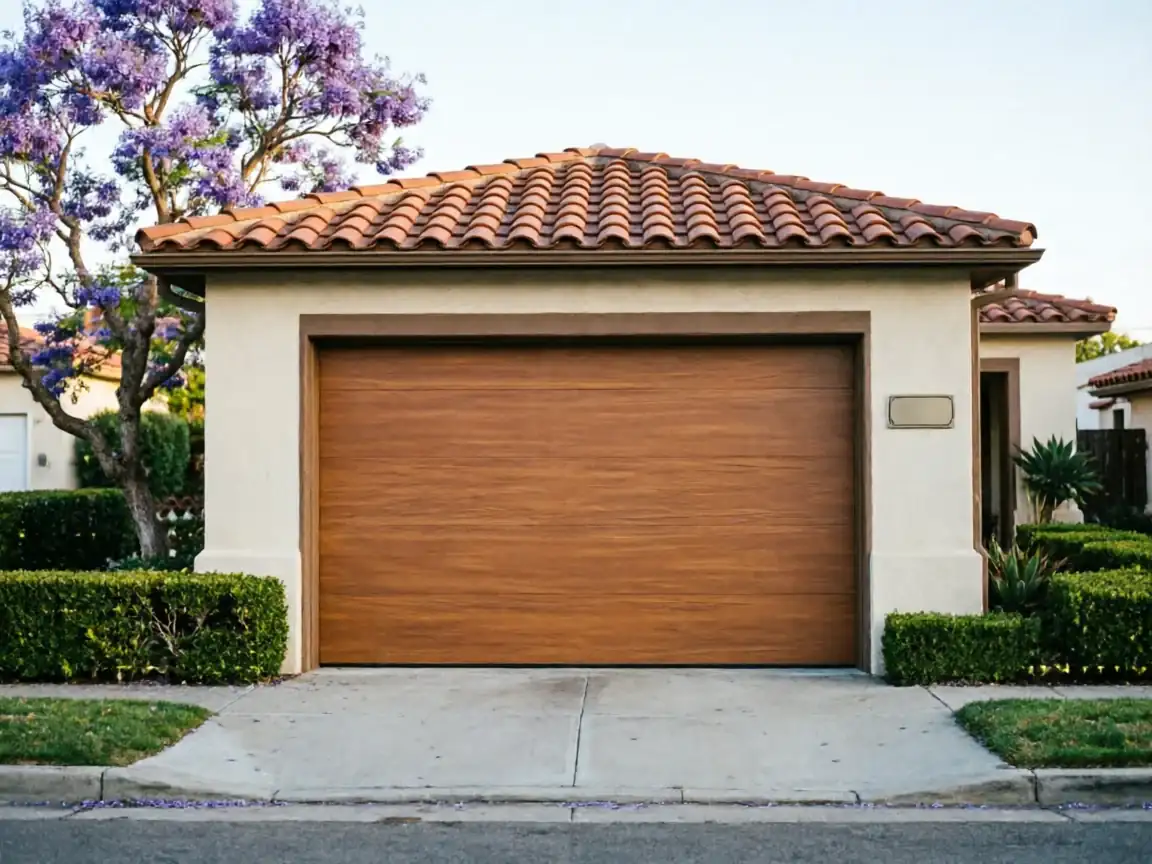
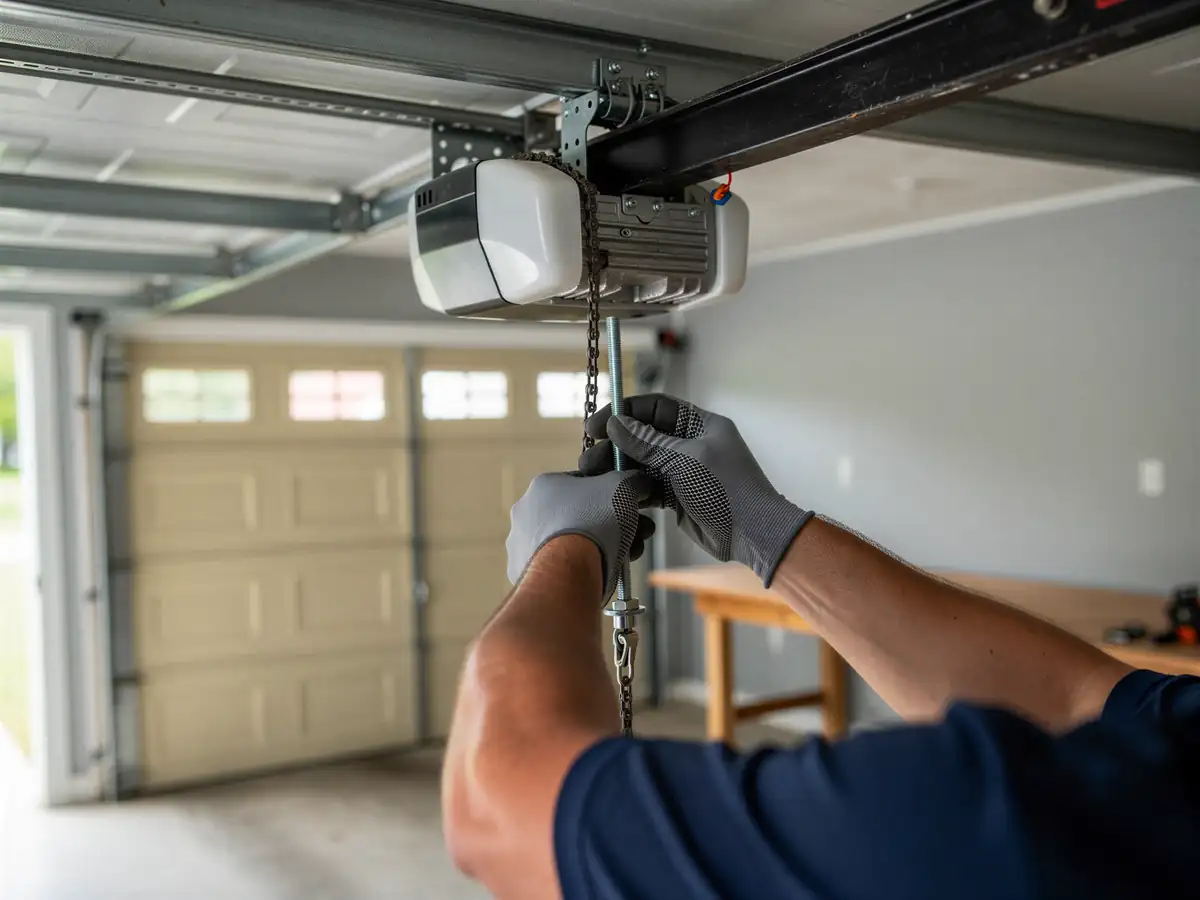
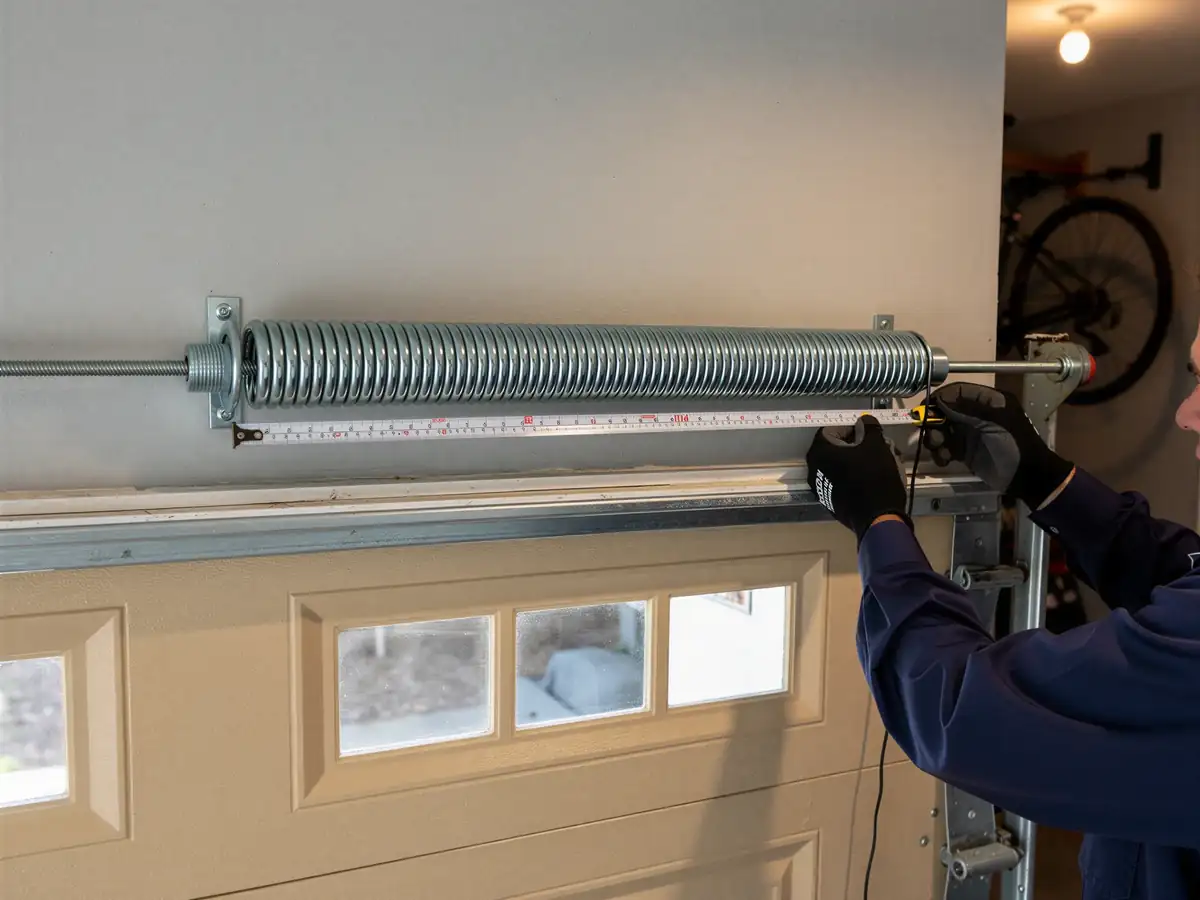
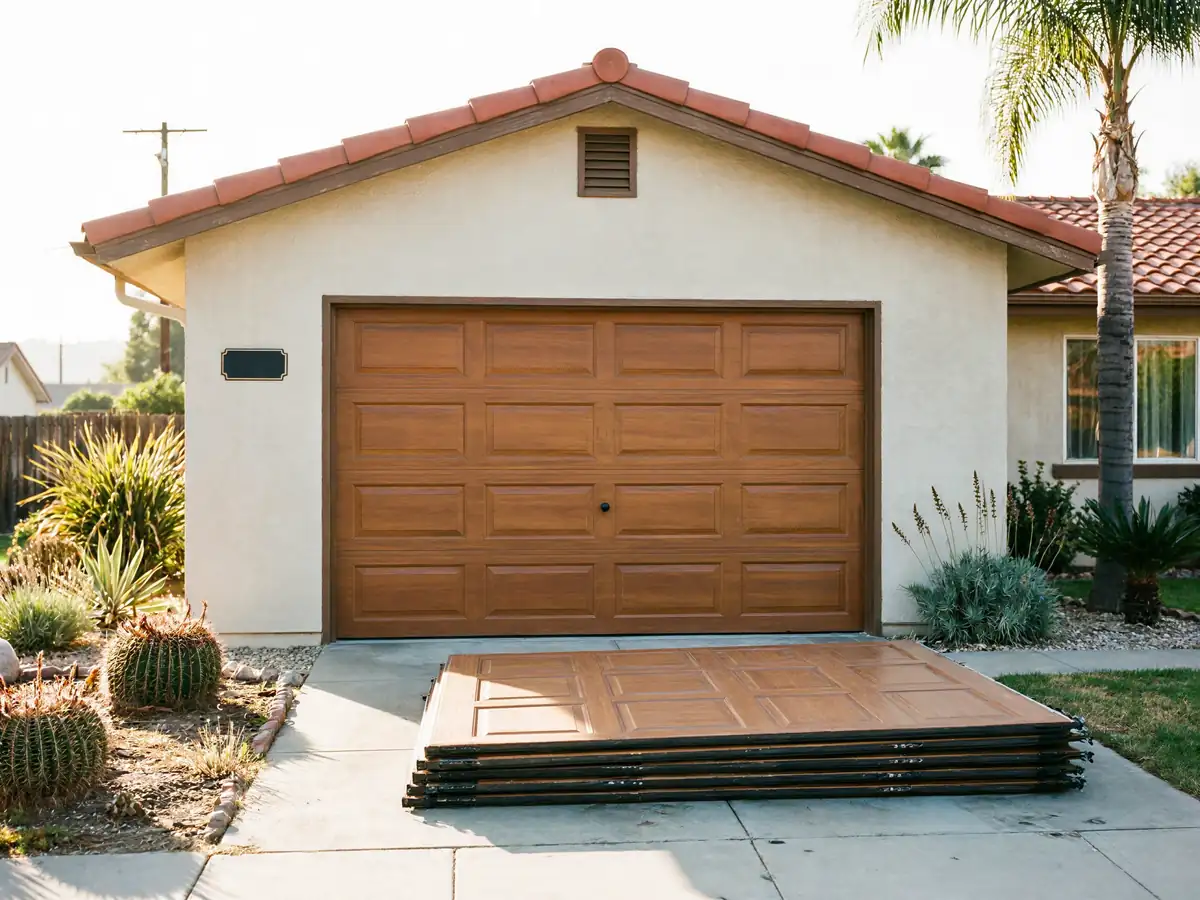
Most houses in San Marcos date to around 1994, which puts the original garage door somewhere past the 25-to-30-year mark on springs, rollers, and in a lot of cases the opener too. A new installation here usually isn't about a door that quit overnight - it's about hardware that's been slowly wearing since the house was framed. We pull the old door, inspect the track and jambs since 1990s builder-grade framing sometimes needs shimming for a new door to seat right, and set new torsion springs sized to the door weight you're putting up, not the one that was there. At a median household income of $105,286 in this part of the service area, we see a lot of owners choosing a mid-weight steel door with better insulation over patching a door that's already had two or three spring jobs. That's a reasonable call at this price point - it's not the only right one, and we'll tell you if your existing door still has life in it instead of pushing a sale you don't need.
The DIY Question
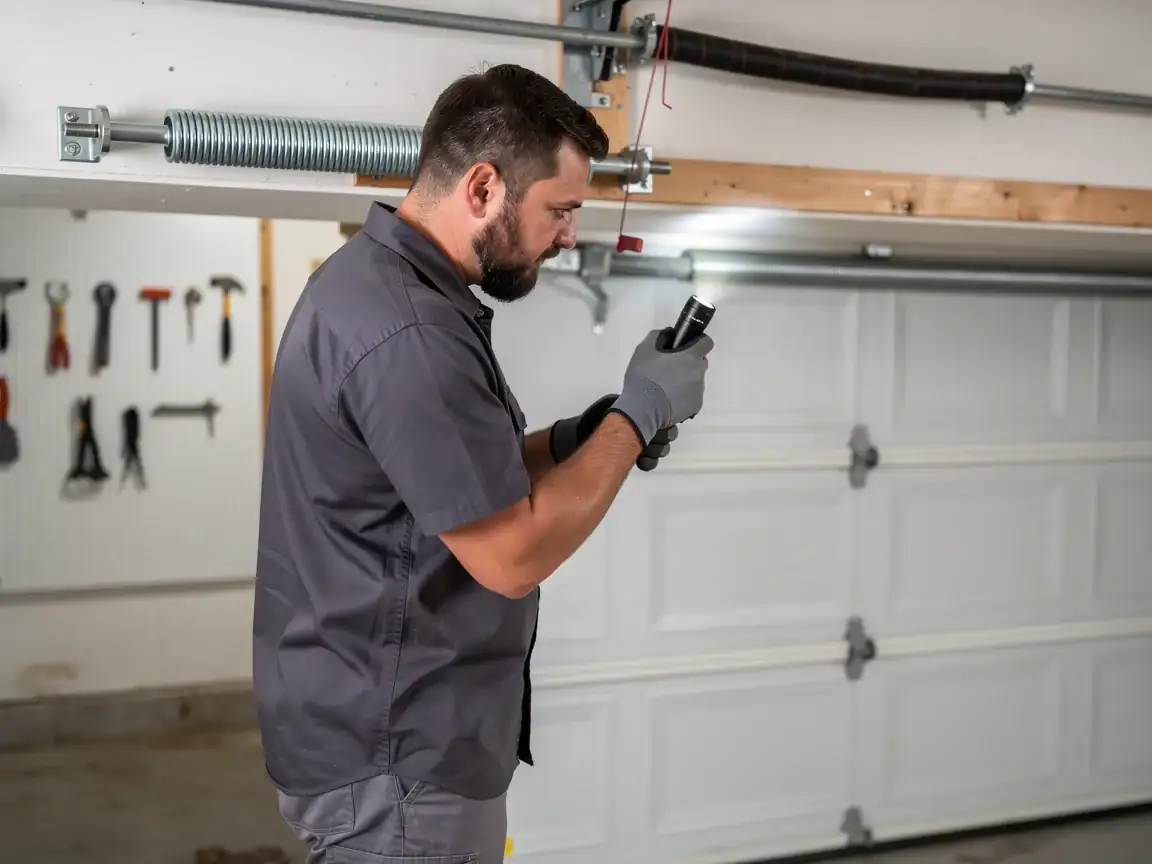
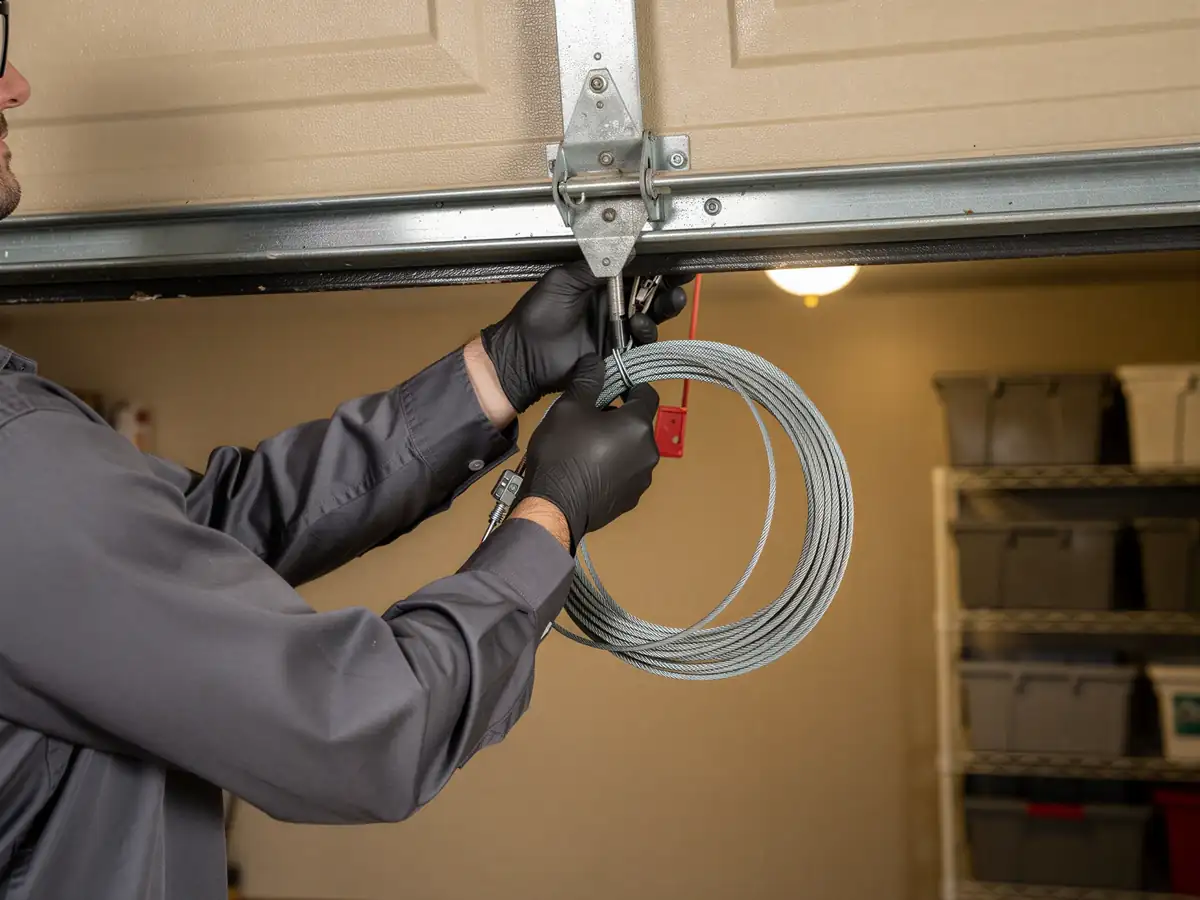
A torsion spring holds enough stored energy to break a hand or worse, and most big-box doors come with instructions that assume you've done this before. We're not going to tell you it can't be done - some owners manage a basic panel swap on a lighter door. Where it gets genuinely dangerous is the spring and cable work: winding bars, tension, cable drums under load. If you're comfortable swapping a non-tensioned part like a weatherseal or a hinge, go ahead. Springs, cables, and anything that touches the torsion system is where we'd ask you to call instead of youtube-ing it at the opening to a 30-year-old garage.
Booking a Visit
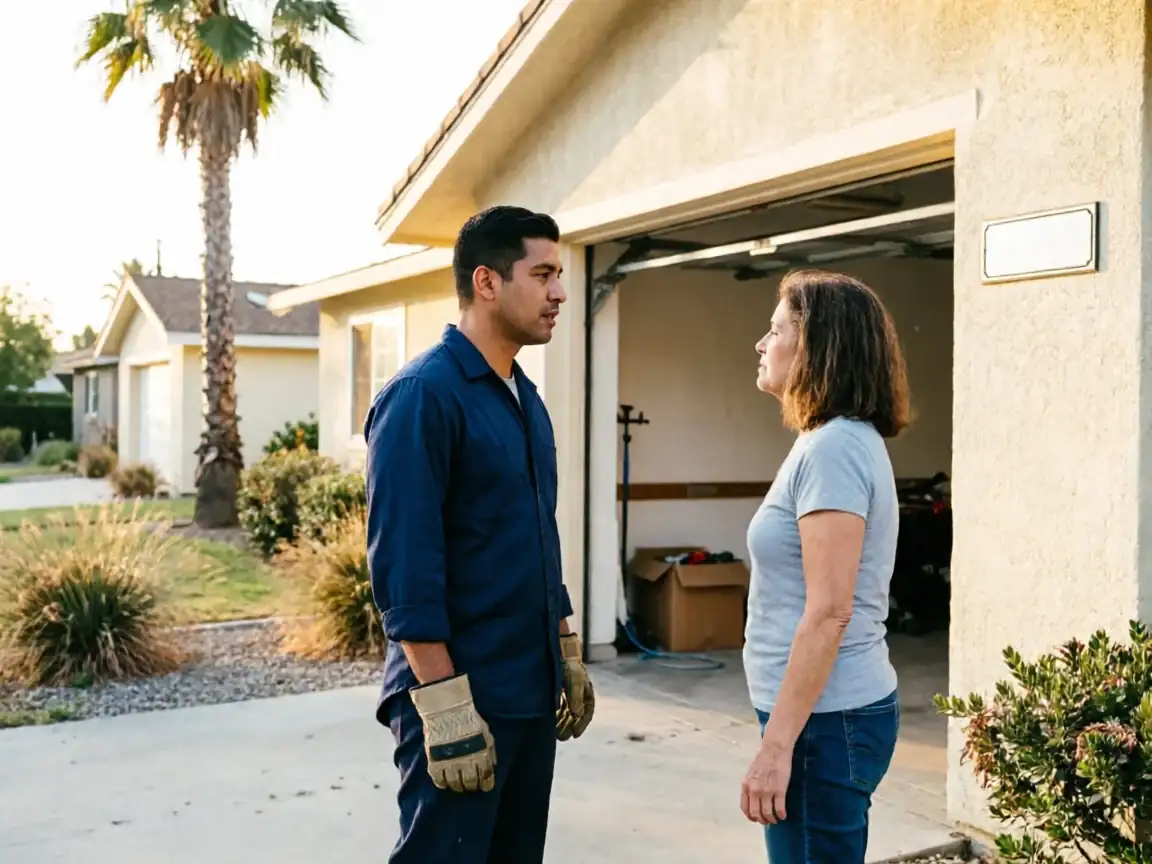
We run out of Vista, about 6 miles from San Marcos, so a visit here means a short drive for us, not a dispatch across the county. That keeps scheduling straightforward for a job like a full door replacement, where we need to actually see the opening, the framing, and the current spring setup before quoting anything. You can see the rest of what we cover in San Marcos on our garage doors San Marcos page, and if you're closer to Vista itself or want to see how we handle installation on that side, the Vista installation page covers that service directly.
The Symptom
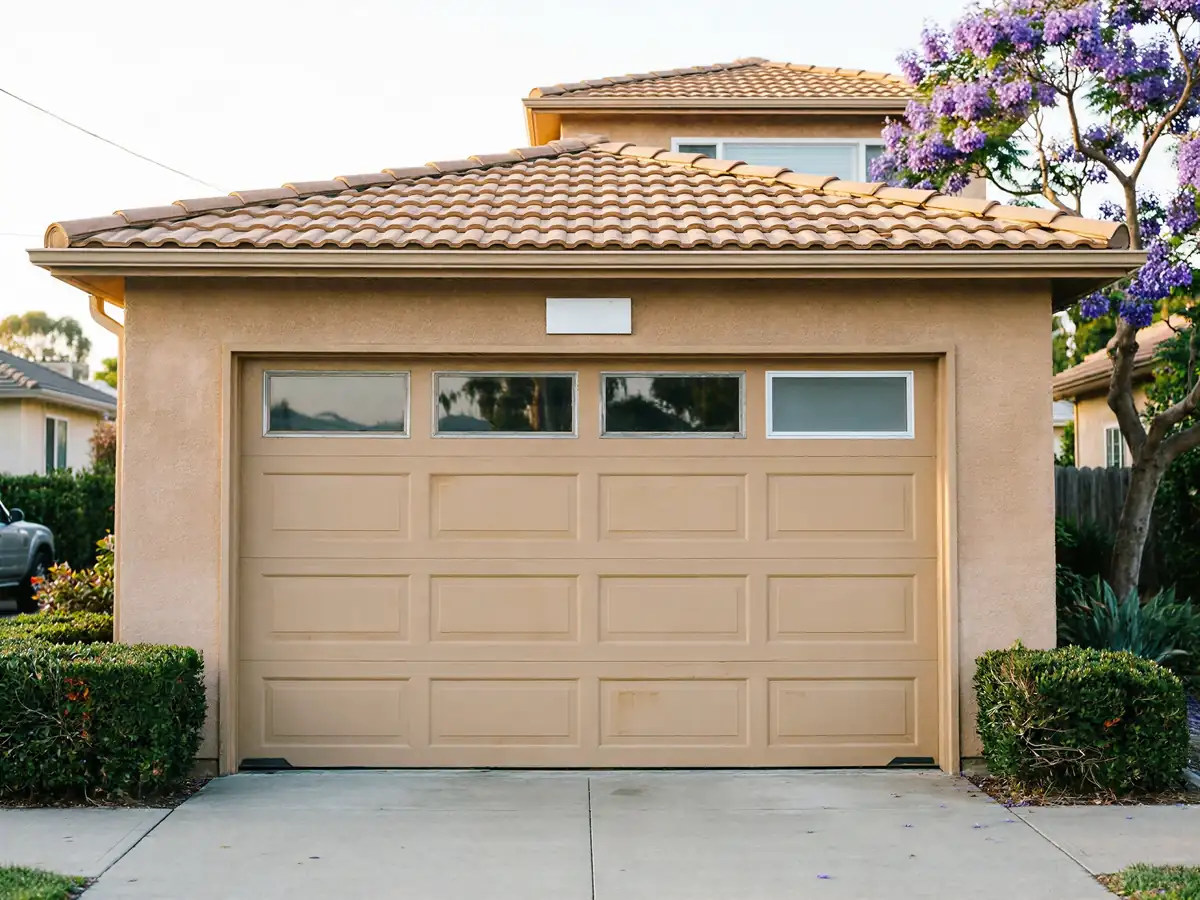
The usual tell in a house built around 1994 isn't a door that won't open at all - it's a door that's gotten loud, that sags visibly at one corner when it's down, or that the opener strains to lift even though nothing looks obviously broken. Chalky or peeling paint on an original steel door and rust starting at the bottom panel seam are both signs the door's original run is ending, especially once a house in this area passes the 25-year mark. None of that means the opener is dead or the track is bent - sometimes it's just a worn spring making the whole system work harder than it should. We'll look at the actual symptom before we talk about a new door, because a repair is the right call more often than people expect.