The DIY Question
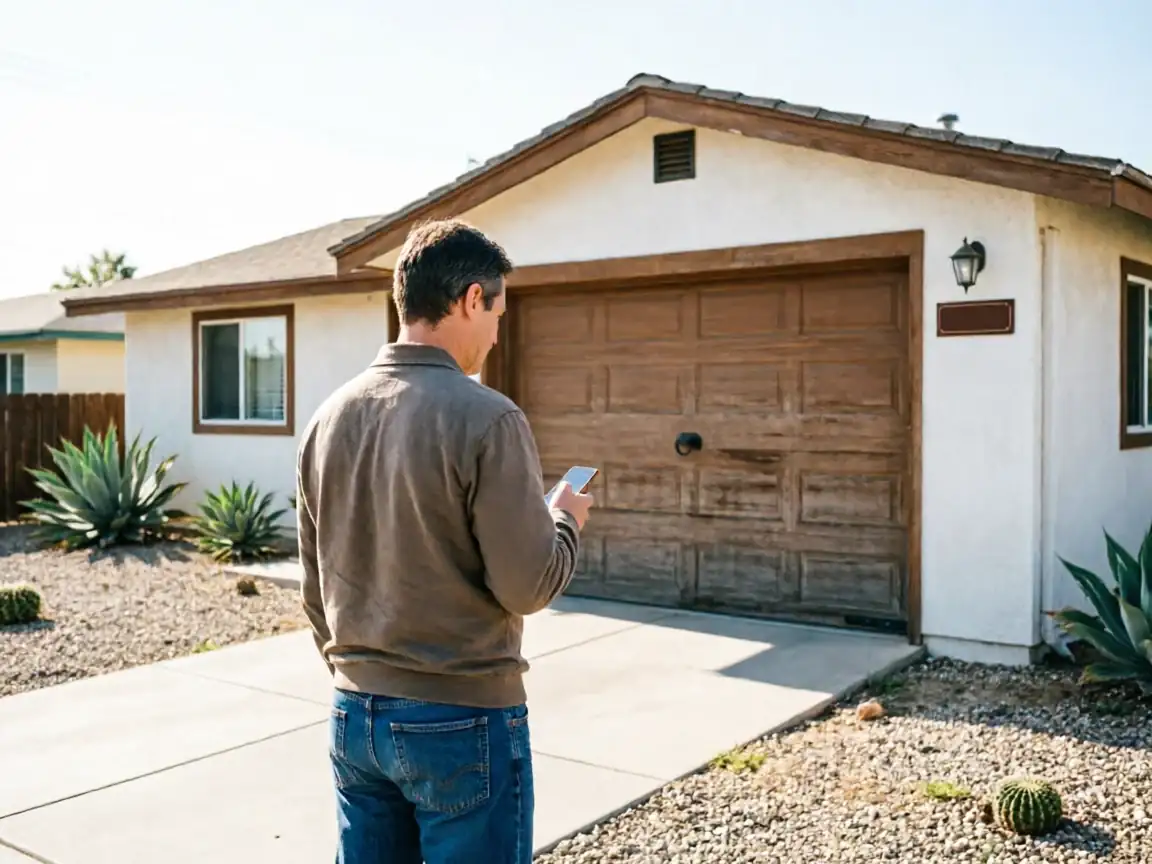
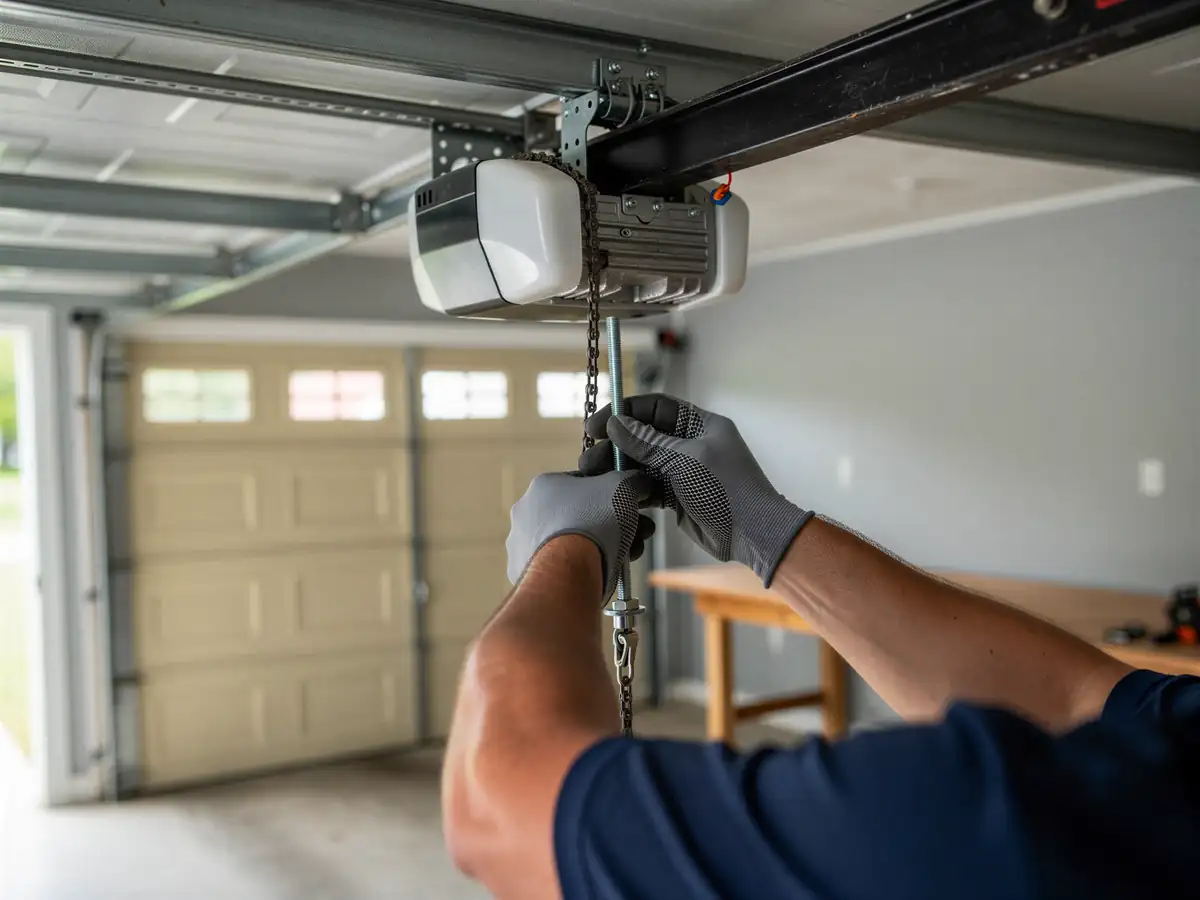
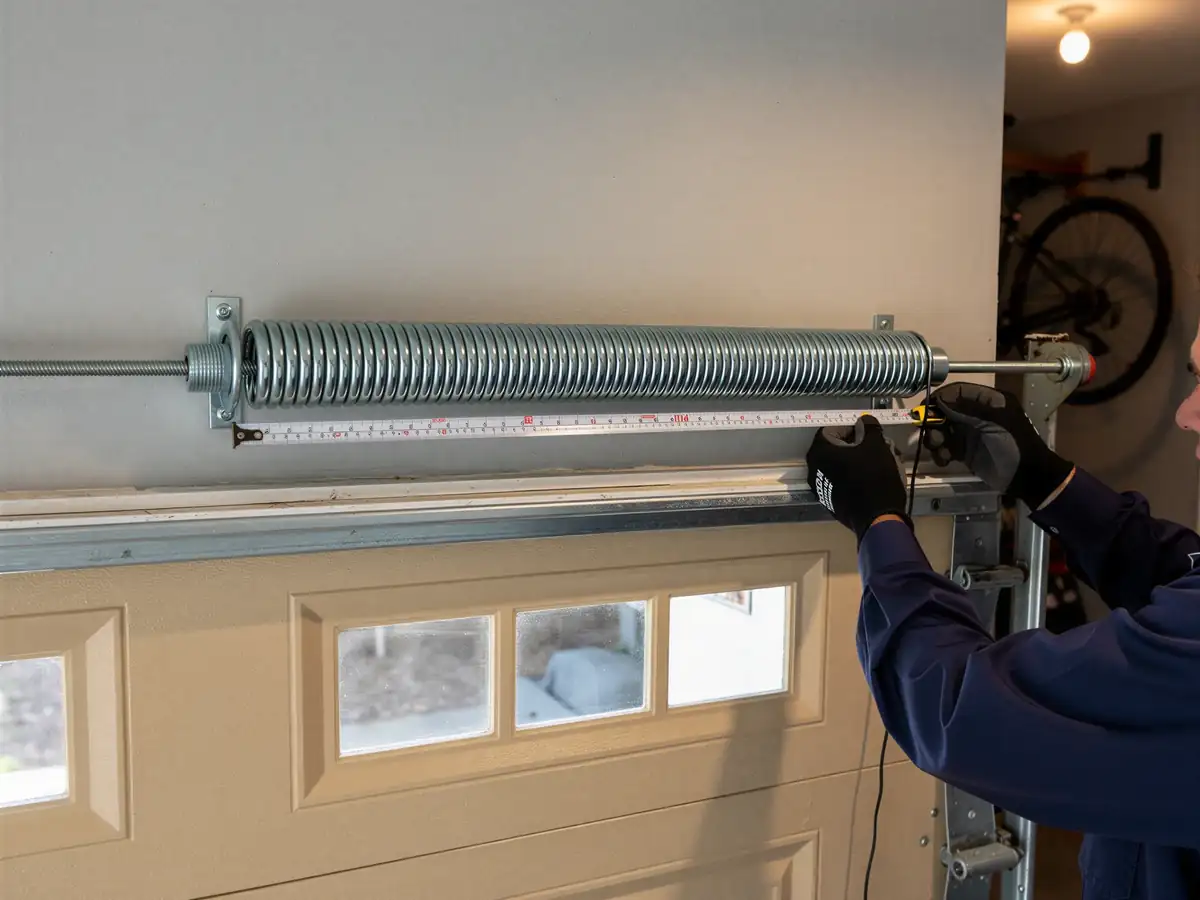
Most houses up here went up around 1984, and a lot of them are still running the spring, track, and opener that came with the build. That matters for what you can safely do yourself. A roller swap or a loose-bracket tightening on a door that age is fine for a homeowner with a ladder and patience. A torsion spring on original hardware is not. Forty years of sun and use means the winding cone and the stationary cone have likely never been off the shaft, and they can be seized, rusted, or simply undersized for a door that's had panels replaced over the decades without the spring being re-rated. We've seen homeowners open the wrong side of a stuck spring and get hurt doing something that looks simple from the outside. If the opener is original too - and in this neighborhood it often is - you're dealing with a chain-drive unit that predates modern safety reversal sensors, which is a separate reason not to guess at it. Tightening hardware, lubricating hinges, clearing the track: do that yourself. Anything involving the spring, the cable, or the opener's internal gearing, call it in.
What the Fix Involves
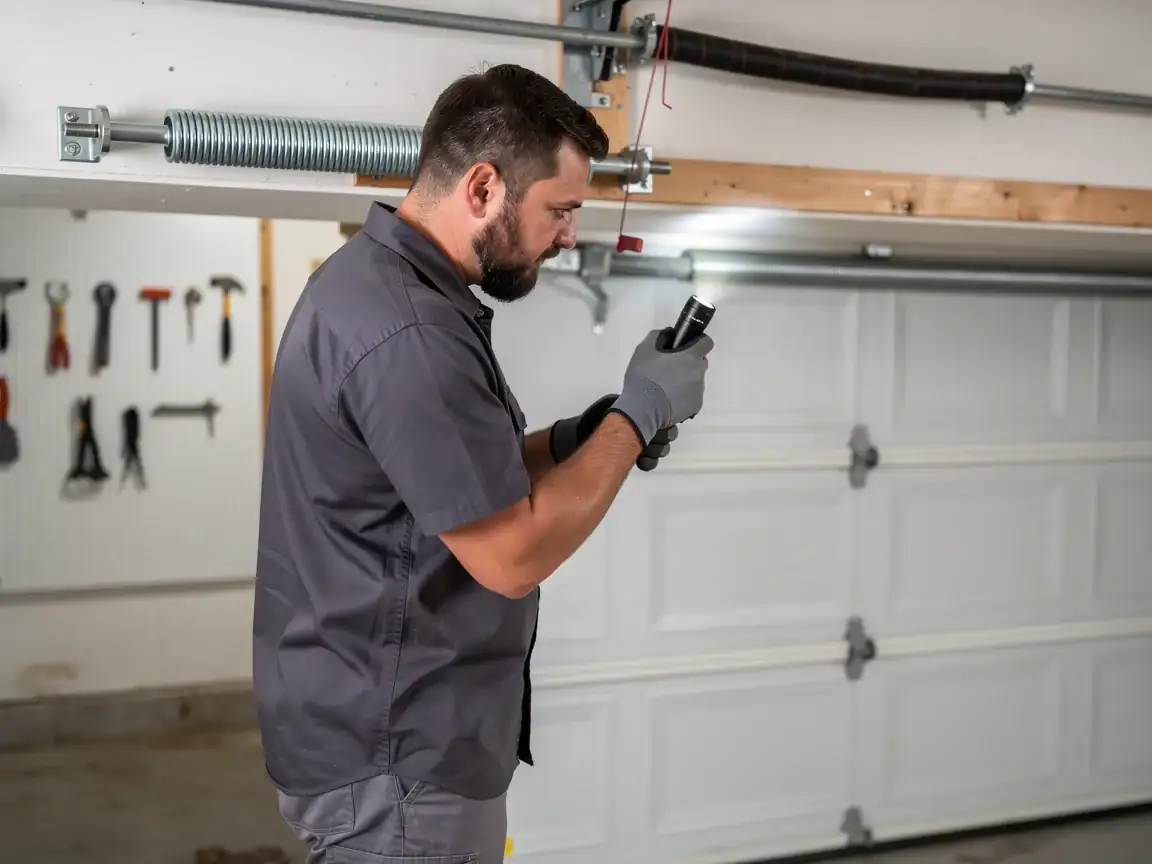
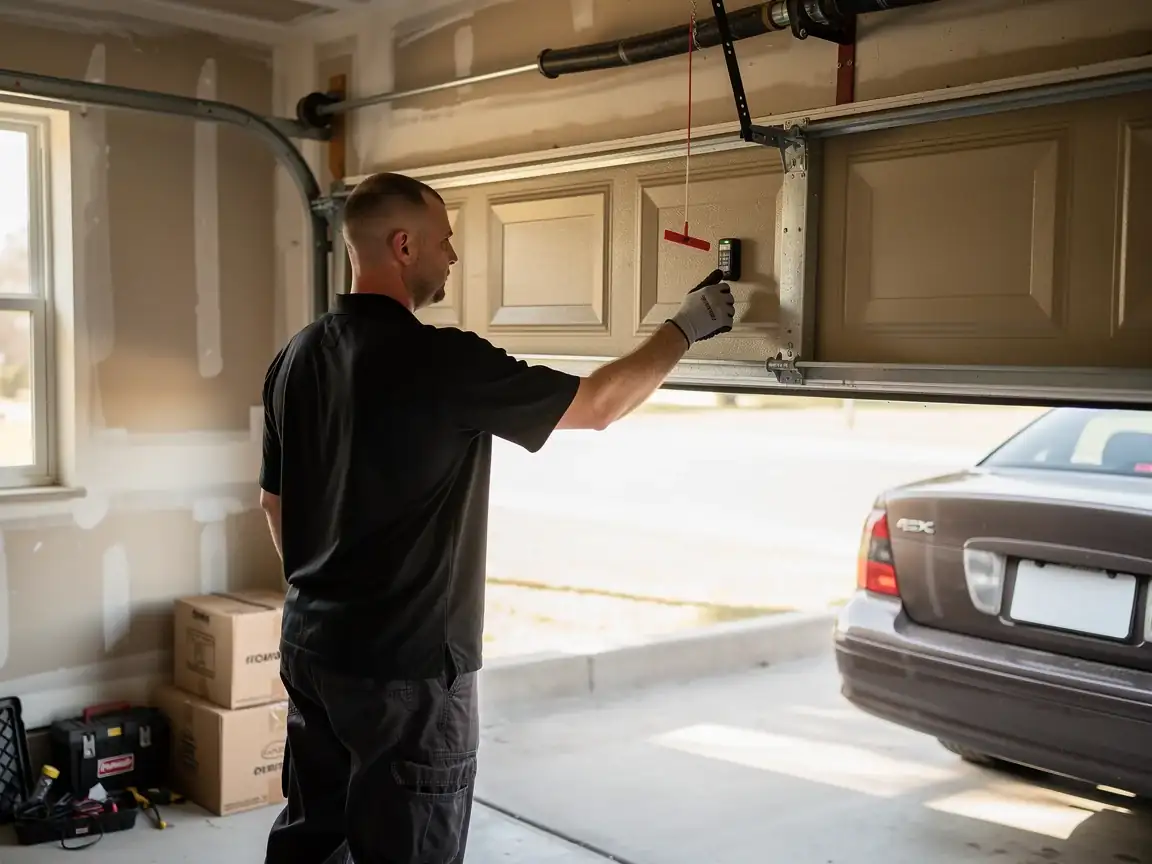
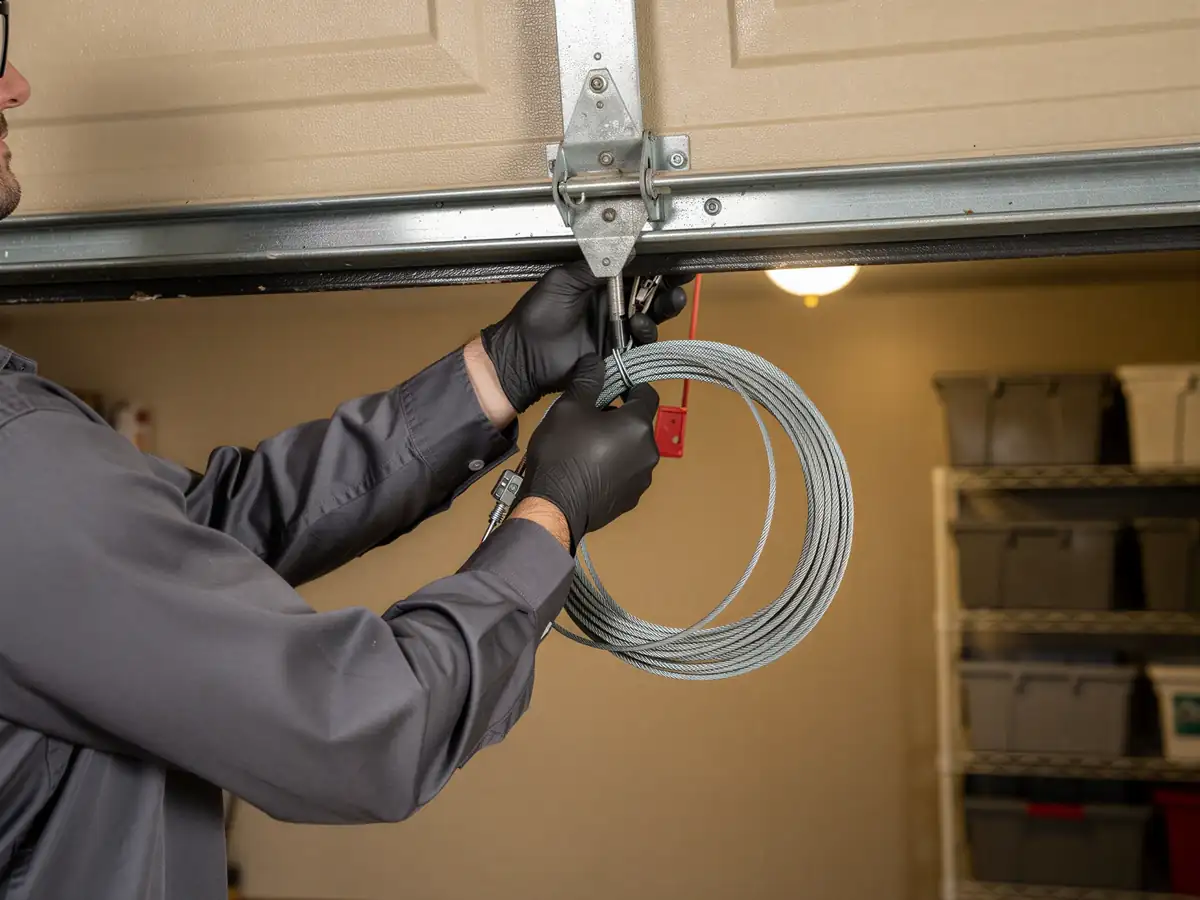
On a door built in 1984, the first thing we check isn't the symptom you called about - it's what else on that door has never been touched. A broken cable on a 40-year-old torsion system usually means the drum and bearing plate are original too, and we inspect those before closing the job, not after a callback. If the opener is original, parts for that generation of unit are getting harder to source, and sometimes the right fix is a new opener rather than chasing a part for a motor that age. We bring spring sizes and cable gauges that match the standard setups from that build era, since most of these homes used a handful of common configurations. The work itself - spring replacement, cable run, opener swap, track realignment - takes an hour to half a day depending on what's actually failed versus what just looks failed.
How Long You Are Without the Door
A single spring or cable job on a standard door, once we're on site, usually closes the door back up the same visit - an hour or two, not an overnight wait. Where it stretches is if the opener's original and needs full replacement rather than a part swap; we carry common units on the truck, but if yours needs something less standard we may need a day to get the right one in. Either way, we don't leave a door that won't close and won't lock open overnight without securing it first.
The Symptom
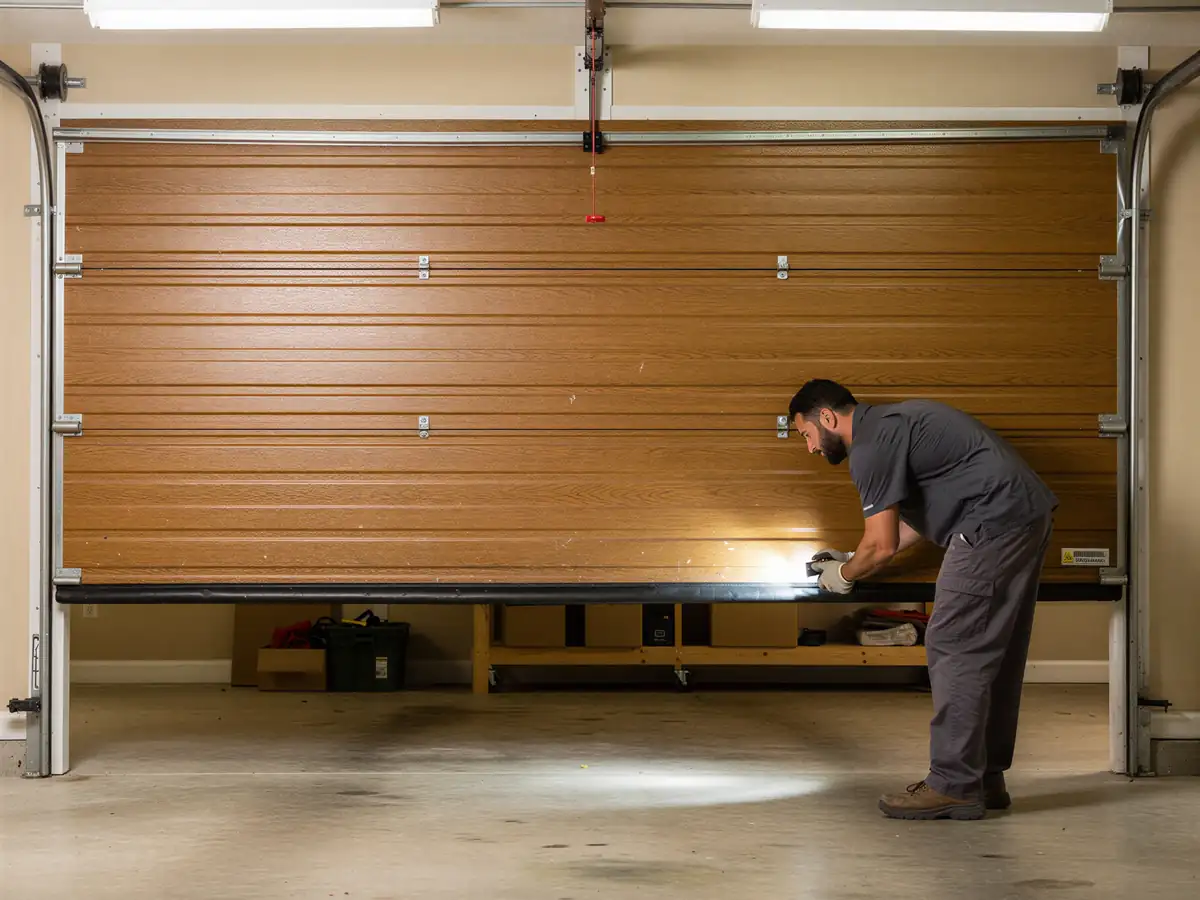
The call we get most from this pocket of town is a door that's suddenly heavy - it used to lift with one hand and now it takes two, or the opener strains and reverses partway up. On a house from 1984 that's almost always the torsion spring losing tension or snapping outright, not the opener dying. A close second is a door that shudders or jumps partway along the track, which on original hardware usually traces back to a worn roller or a bent track bracket that's been slowly working loose for decades rather than failing all at once.