The DIY Question
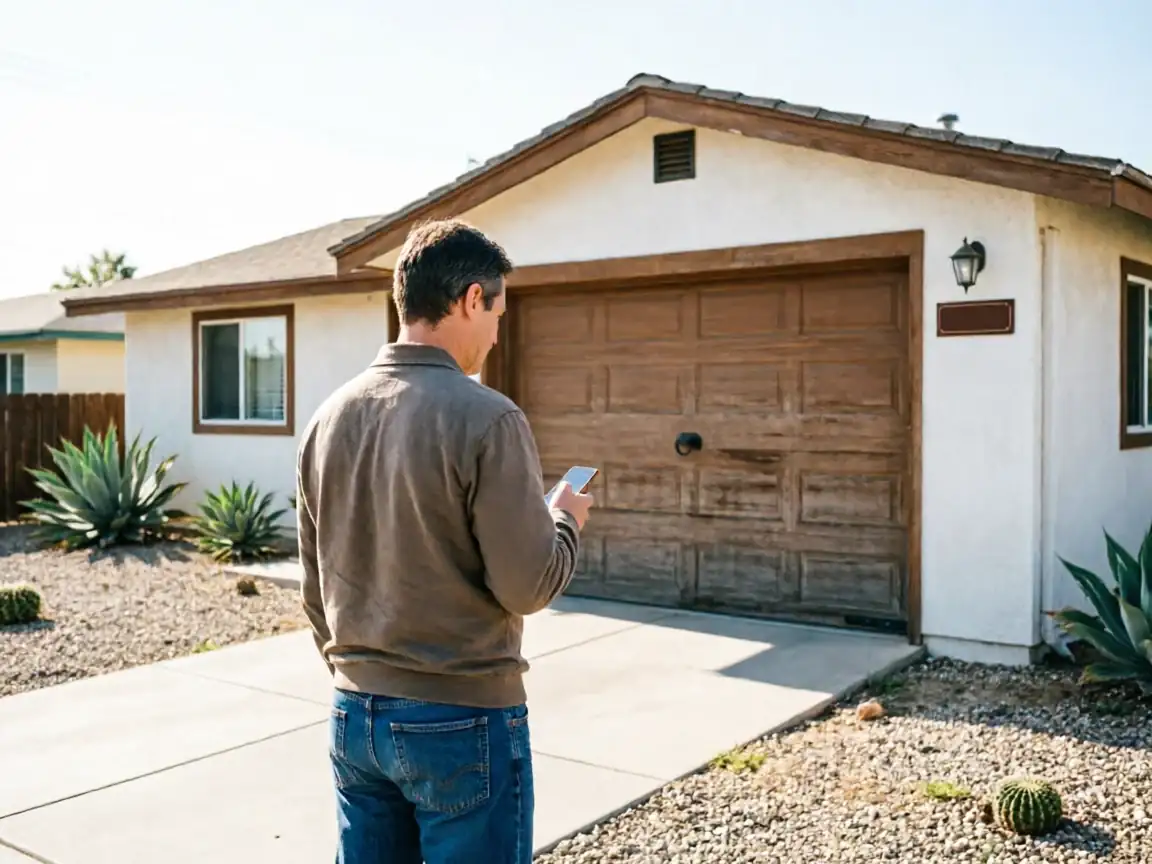
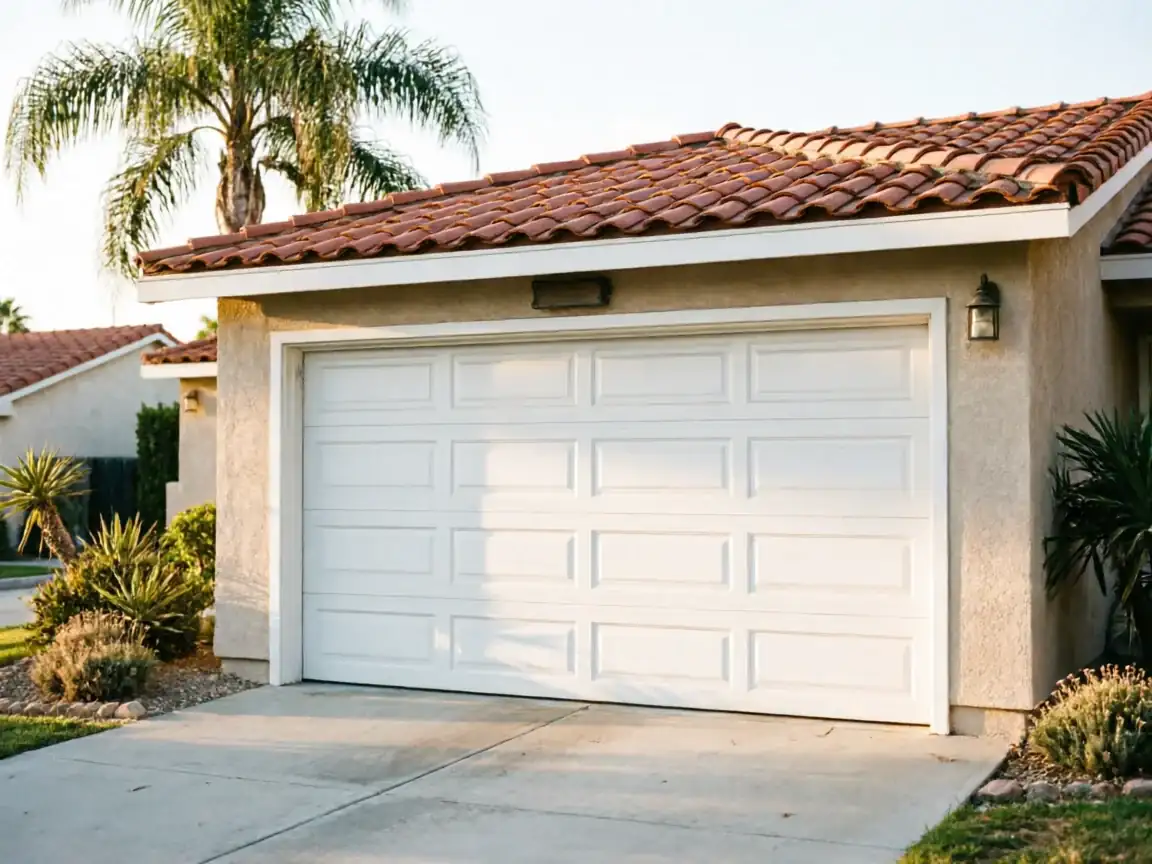
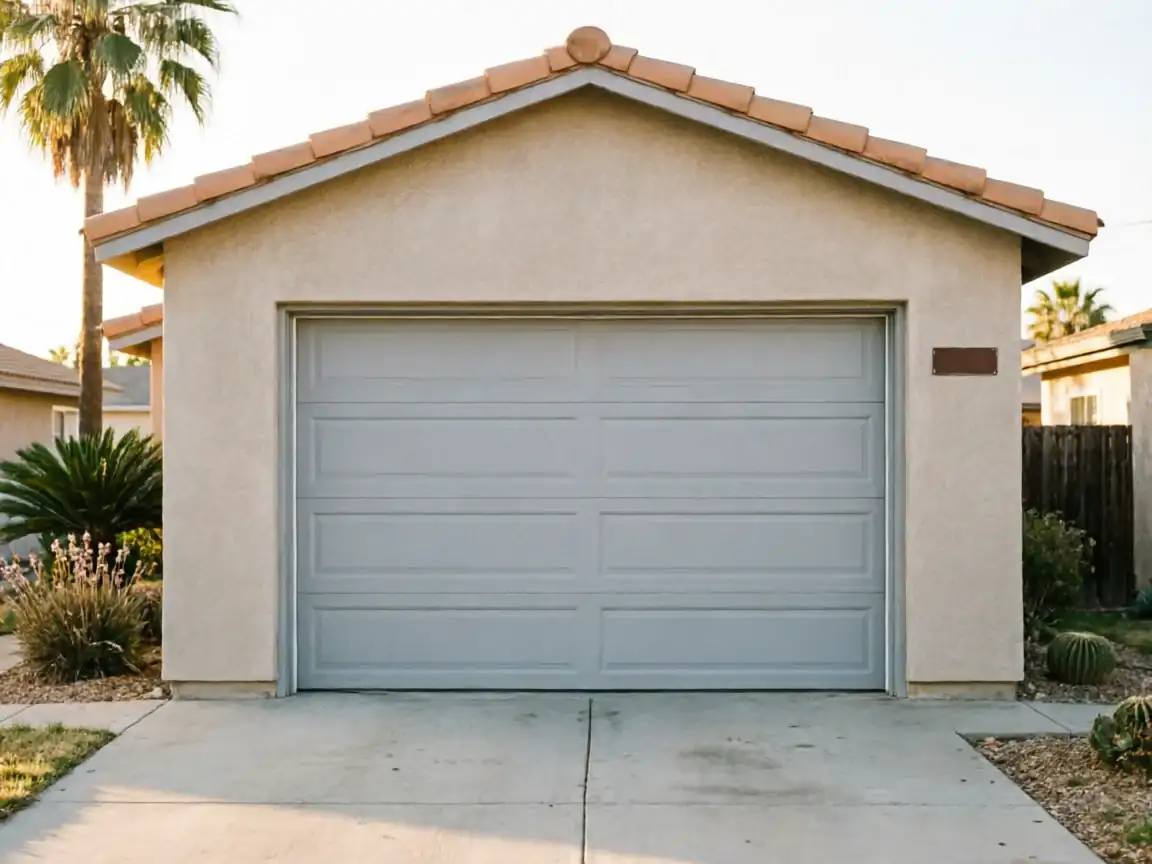
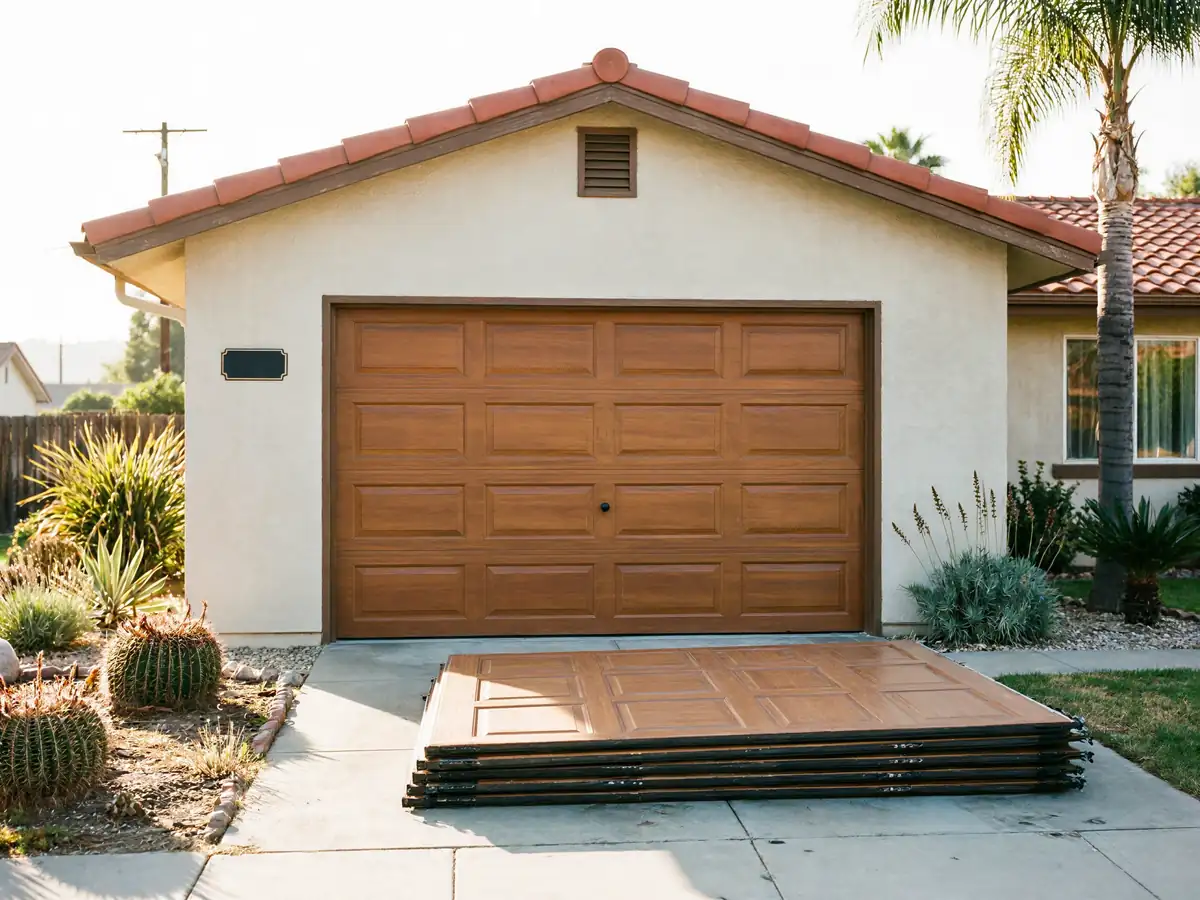
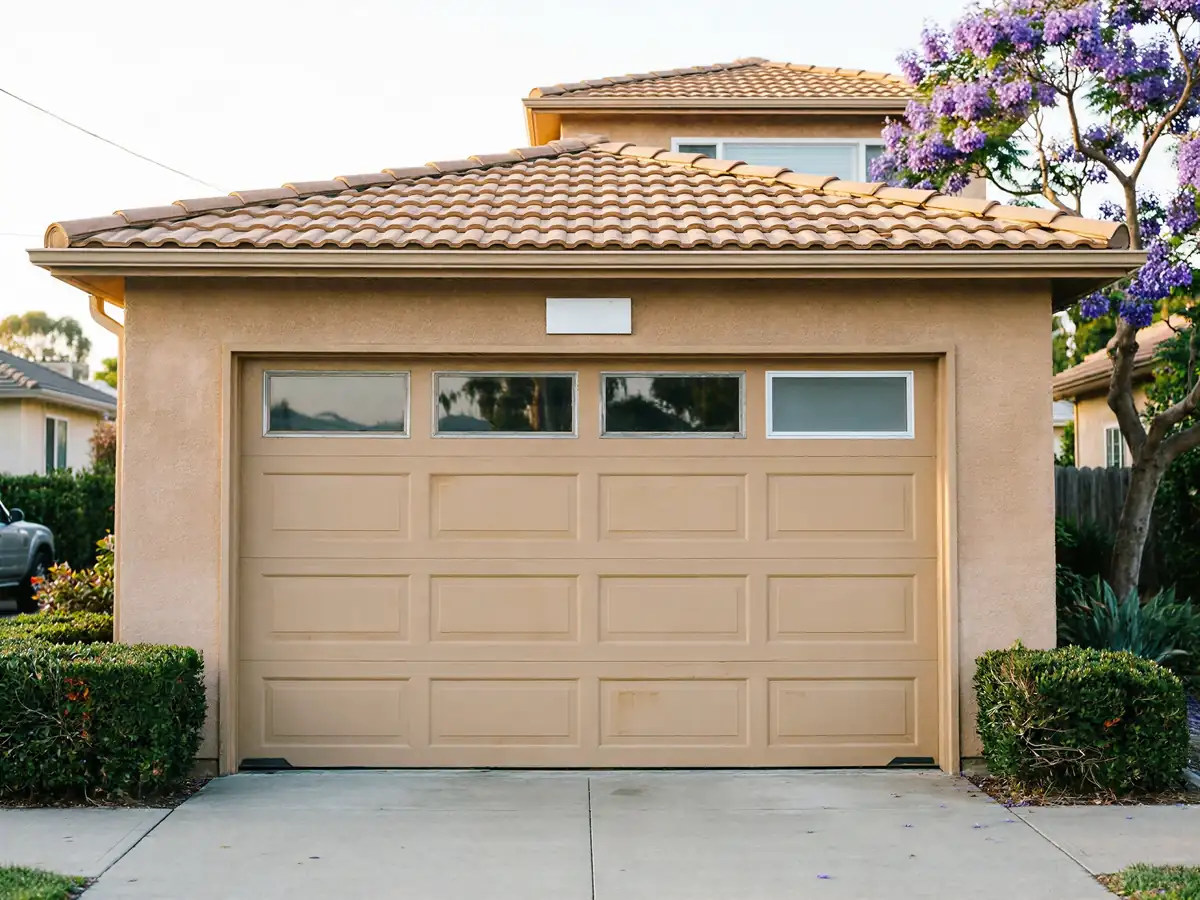
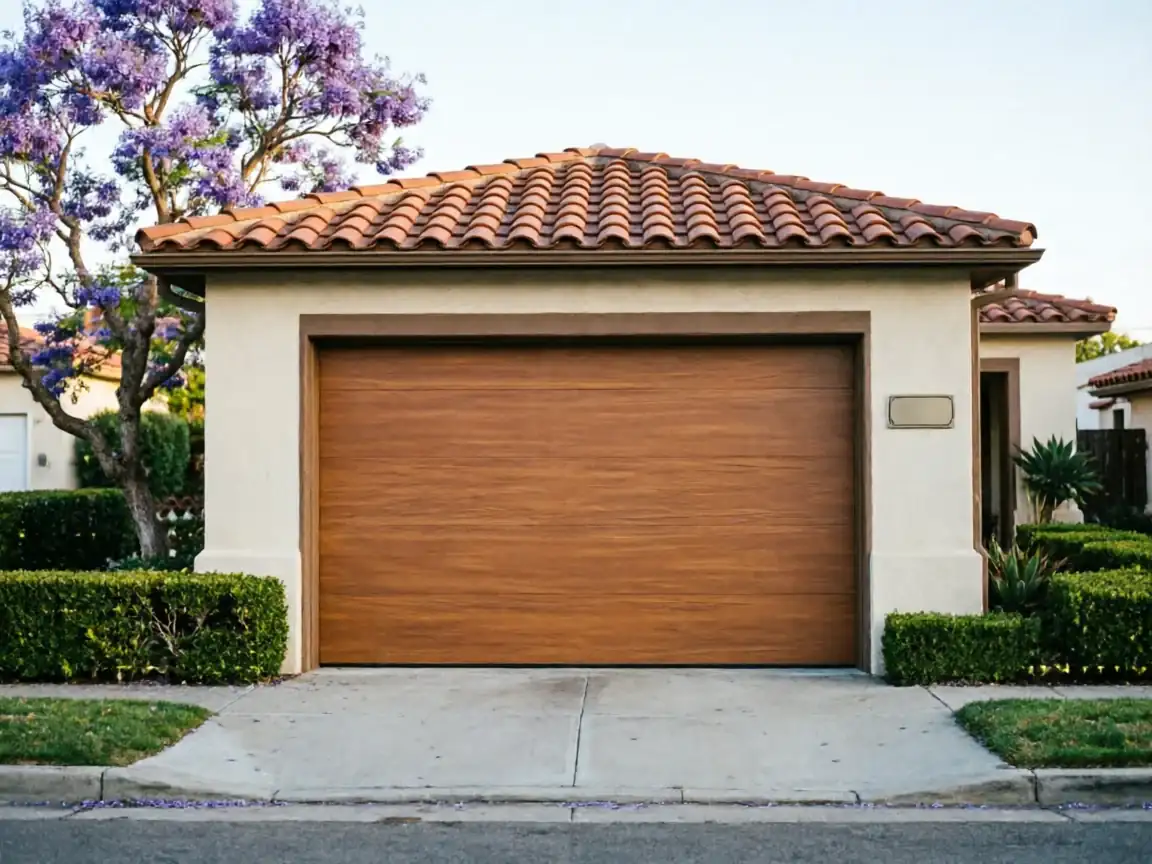
Most garage doors in Hidden Meadows went up around 1984, which puts them squarely in the steel sectional era - non-insulated or single-layer panels, usually a 16x7 double or an 8x7 single, hung on galvanized torsion hardware that was standard for that build decade. That's the door you're probably looking at before you ever get to the fault.
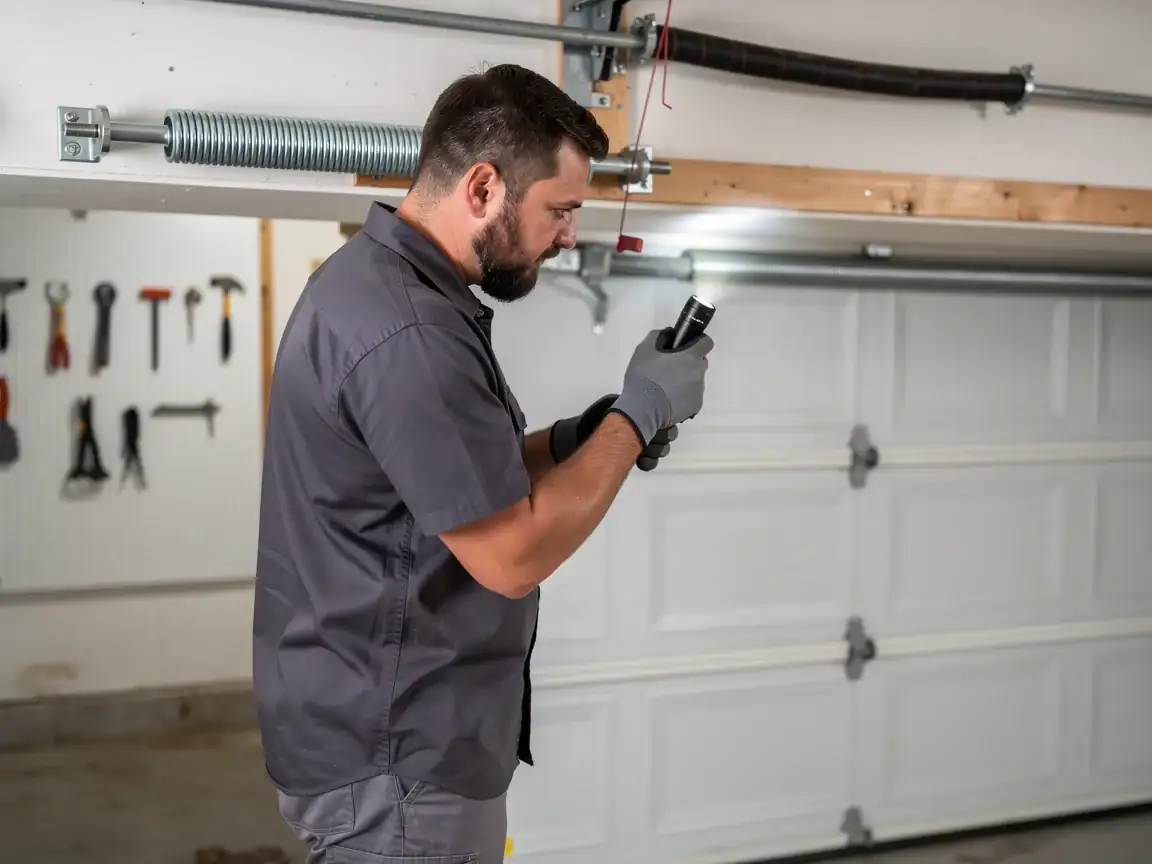
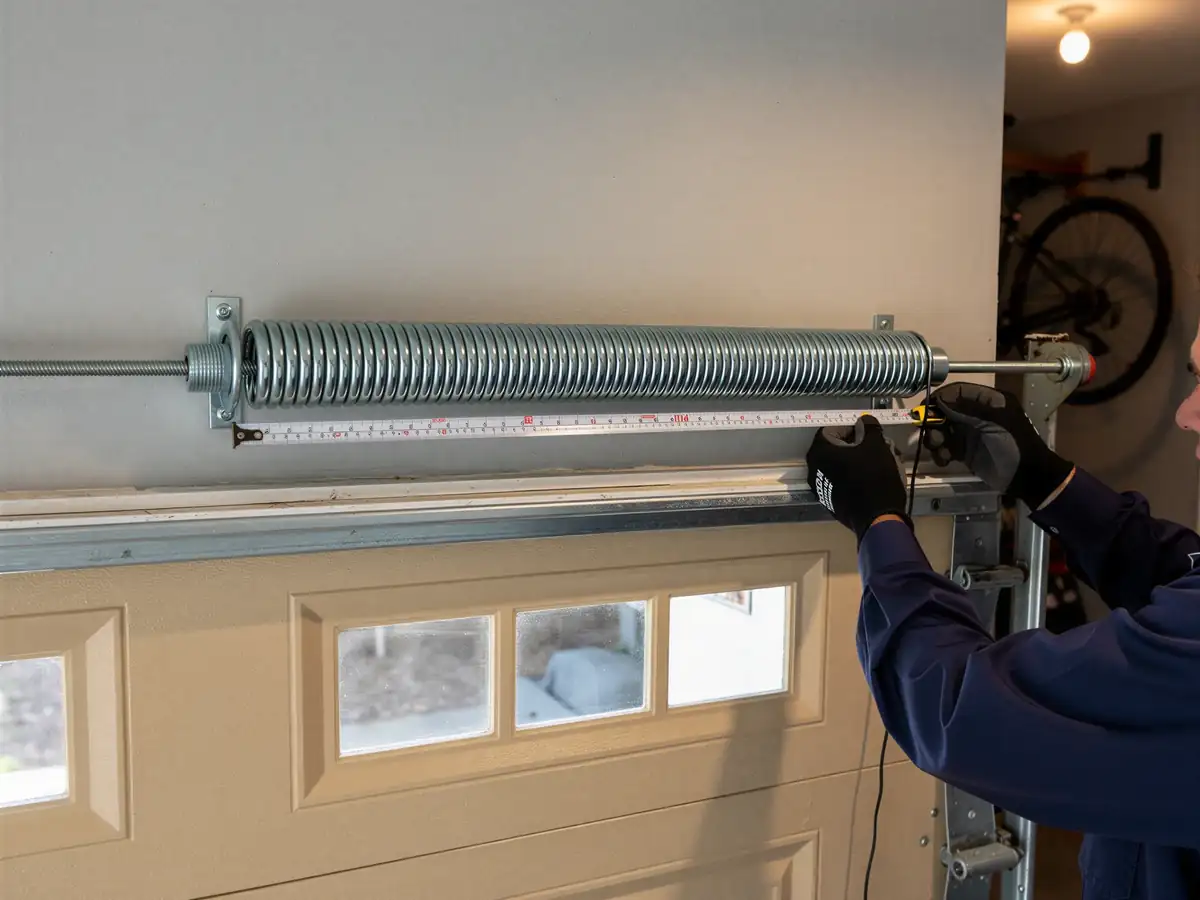
Swapping a roller, tightening a loose hinge bolt, or lubing a track - fine to do yourself. A torsion spring on a door this old is not. The spring on a 1984-era double door is wound to a specific cycle count and tension for that panel weight, and the drums and cable routing on hardware this age don't always match what's sold off the shelf today. Get the winding bar wrong on a spring under that kind of load and you're looking at a trip to the ER, not a Saturday project.
If the door won't open at all, or one side drops faster than the other, stop pulling on it. That's a spring or cable problem, and on a door this old the fix usually means sourcing hardware that isn't current stock.
What the Fix Involves
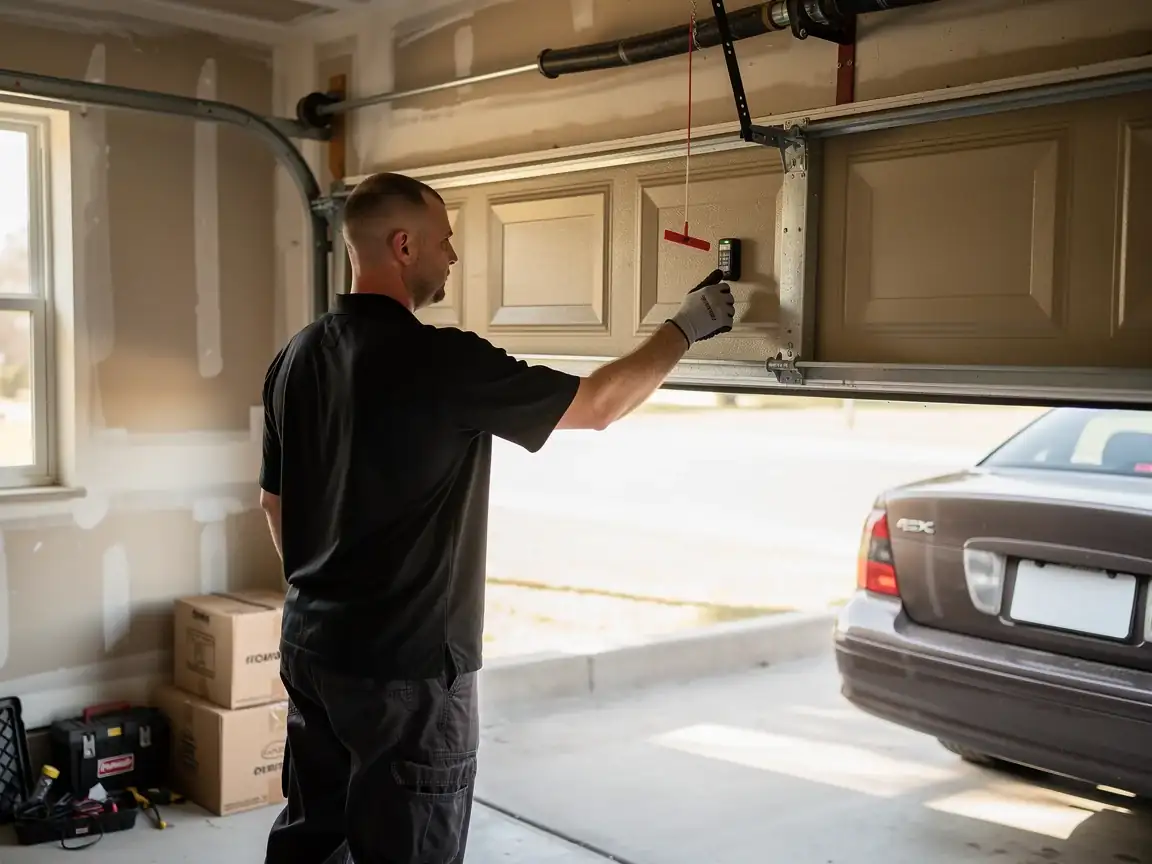
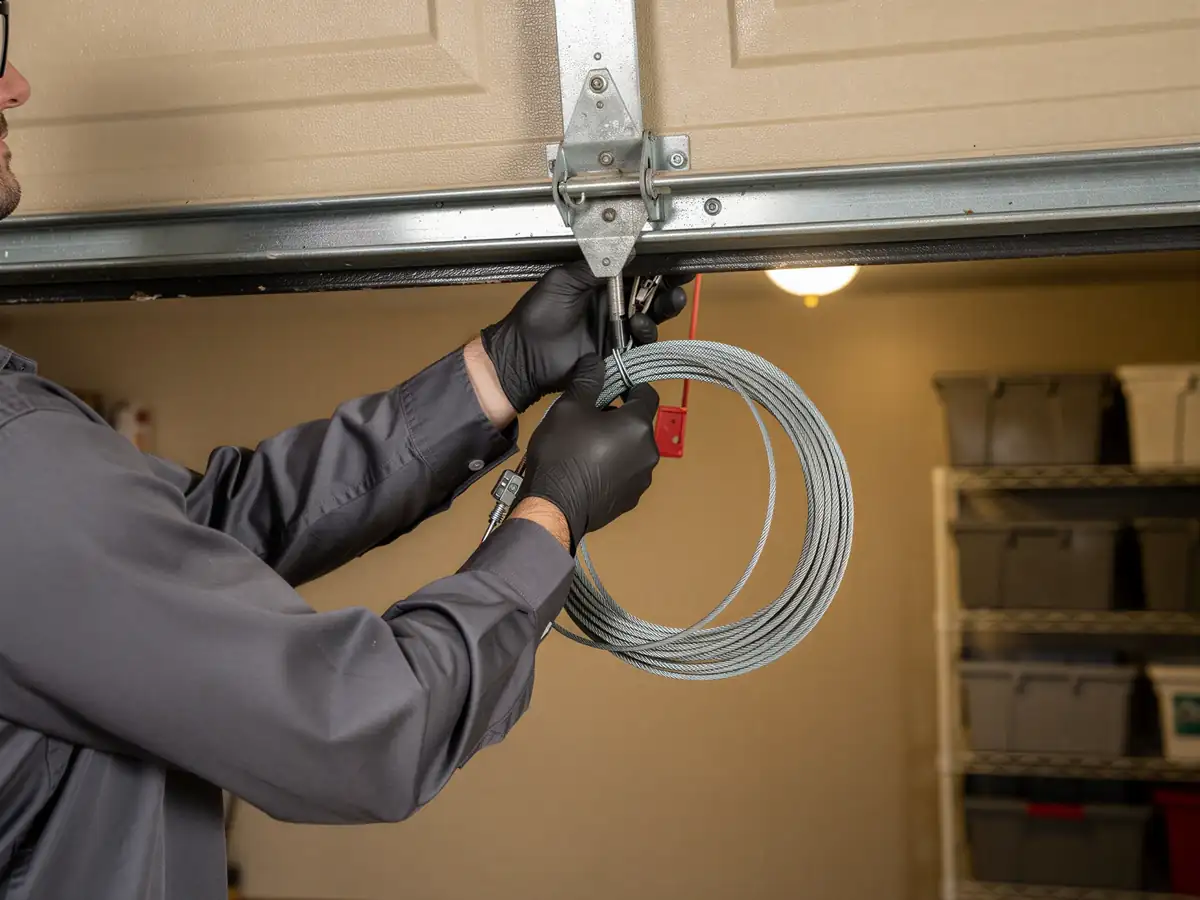
On a door built in the early 1980s, the fix usually starts with matching old to available. Torsion springs are wound to the door's weight and the drum size on the shaft - if the original hardware used a drum diameter that isn't common anymore, we either source a close match and re-calibrate the wind, or we swap the full spring-and-drum assembly rather than mixing old and new parts that won't track evenly.
Same story with the track. A bent or worn track on a 40-year-old door rarely gets patched - it gets replaced, because shimming an old track to a new roller just shifts the wear somewhere else. Rollers themselves are usually the easy win: steel rollers from this era are often the first thing to go, and swapping them for nylon ones quiets the door down and buys years before the next call.
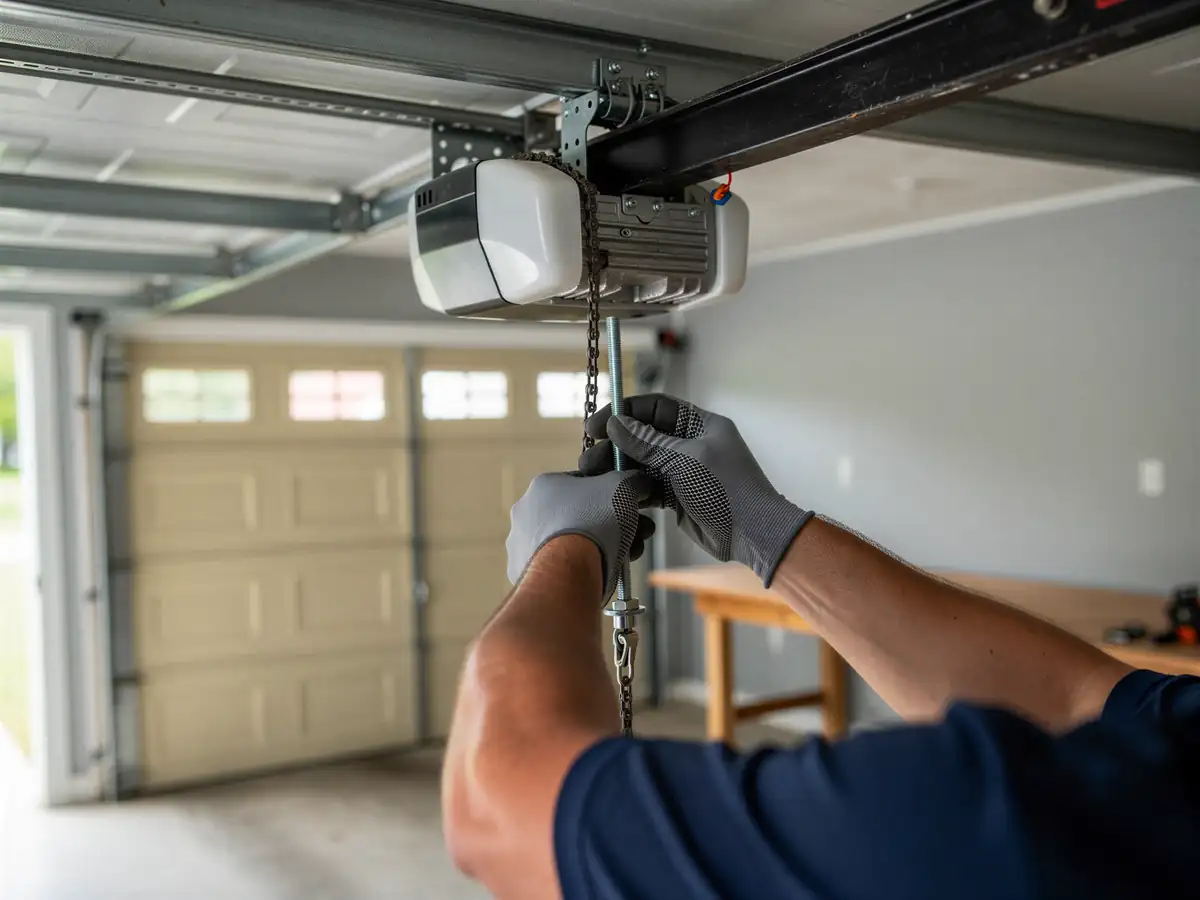
We check the opener last, if there is one, since openers from this housing era were often added later rather than original equipment, and the gear and sprocket inside wear on their own schedule separate from the door itself.
The Complications
Hidden Meadows sits in a mild temperate band
Which means the hardware here isn't fighting the freeze-thaw cycling that wrecks seals and pits metal in harsher climates. That's a real advantage - springs and cables here tend to fail from straightforward fatigue, cycle count catching up with the metal, rather than rust eating through a cable overnight.
The complication is age, not weather
A door from 1984 has been through four decades of openings, and the mounting hardware - the brackets, the center bearing plate, the end bearings - ages along with the spring. Replace just the spring on a bracket that's worn its mounting holes oval, and you're back out in a year when the new spring works loose. We check the full mount, not just the part that broke.
With around 1,786 households in Hidden Meadows
This isn't a tract where hundreds of identical doors were installed in one build phase and now fail on the same calendar. Each door here has its own wear pattern depending on use, and that means every job gets looked at on its own rather than assumed from the house next door.
- 1,786 households
How Long You Are Without the Door
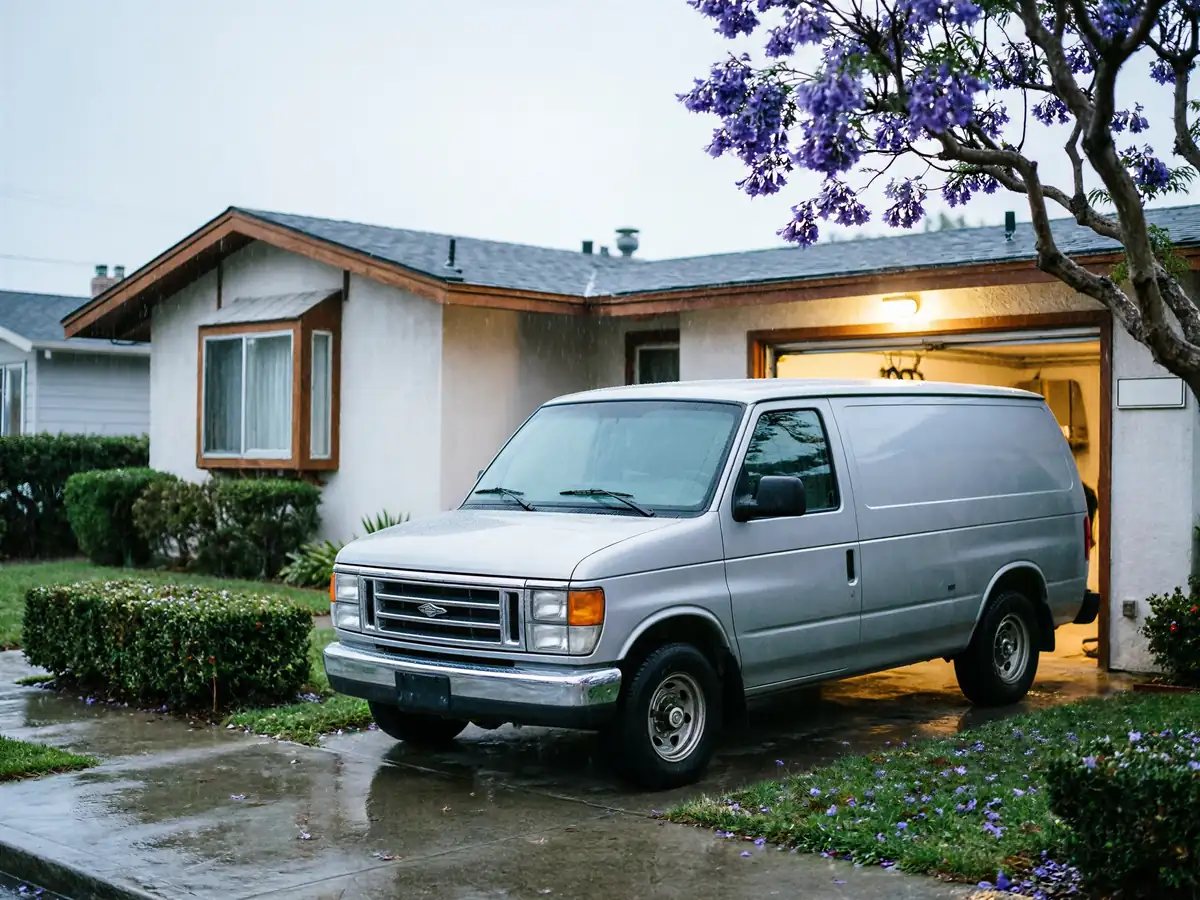
We run out of Vista, and Hidden Meadows is about seven miles from the shop - close enough that it's a straightforward trip, not a special dispatch, but far enough that we schedule it rather than swing by on a whim between other calls.
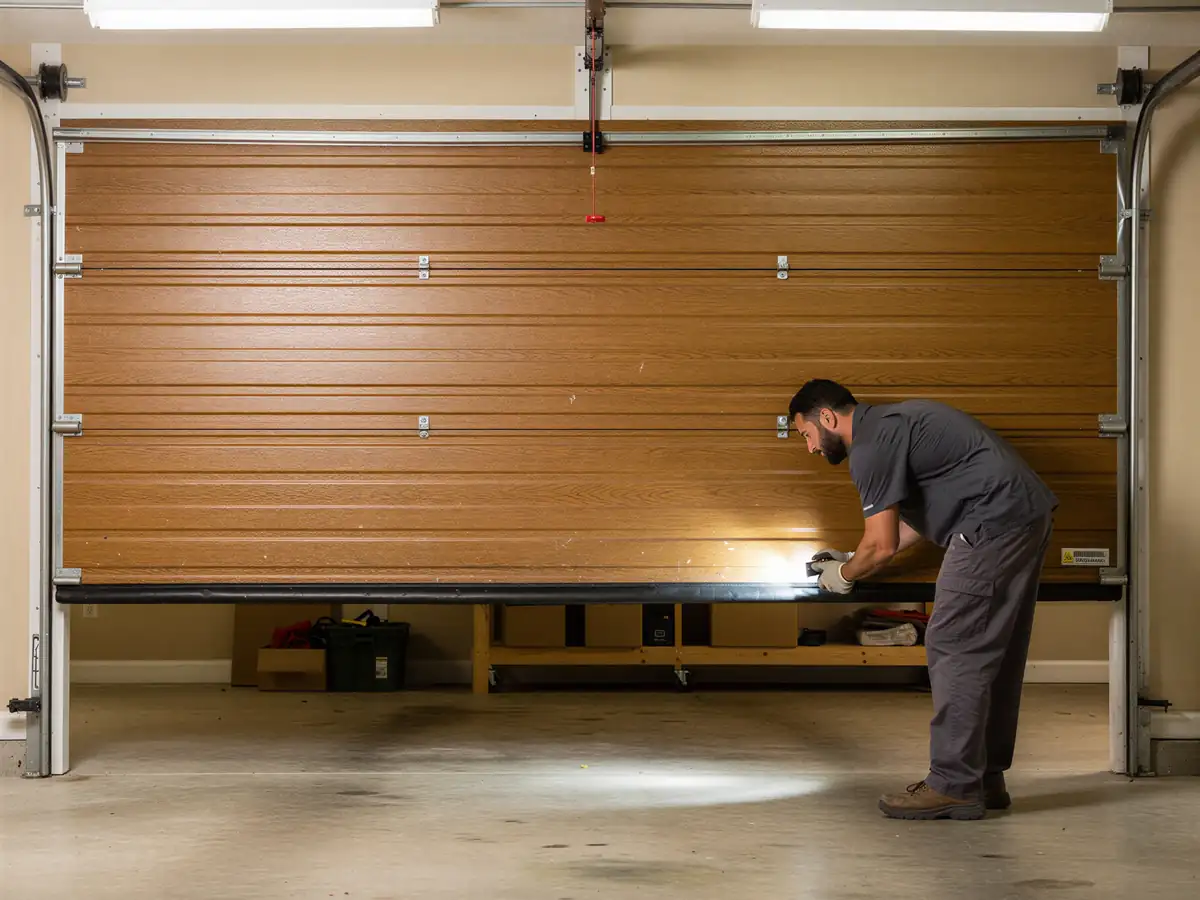
For a door this age, the time without a working door usually comes down to parts, not labor. If the fix is a roller, a cable, or a standard spring size, the job itself is quick once the truck is there. If the original hardware needs a less common drum or bracket matched to a 1980s install, that part may need to be sourced before we come back to finish, which means two visits instead of one.
We won't promise a same-day turnaround here, because we haven't quoted one - what we can tell you honestly is that a straightforward spring or roller job on a door like this is usually a single visit, and anything requiring a hard-to-match part gets flagged on the first look so there are no surprises.
The Symptom
The door that's slow to open, or opens a few inches and stalls, is usually telling you the torsion spring has lost tension - on a door installed around 1984, that spring has had forty years of cycles, and most springs are rated well short of that. Sagging on one side, where the door looks crooked when it's halfway up, points to one spring going while the other still holds, which is common since the two rarely fail on the same day.
A loud bang followed by the door refusing to move at all is the spring snapping outright, and on an original-era door that's often the first sign anyone gets, since the spring doesn't visibly weaken before it lets go.
If instead the door moves fine but sounds rough - grinding or squealing on the way up - that's more likely the original steel rollers finally wearing through their bearings, a cheaper and less urgent fix than the spring, but worth doing before it chews up the track too.
The Cost of This Job
We don't have a posted price to put here
Because the honest answer on a door this age is that it depends on what the original hardware turns out to be once we're looking at it directly. A roller swap costs far less than a full spring and drum replacement, and a door with worn-oval mounting brackets costs more than either because the mount gets rebuilt, not just the part that failed.
Median household income in Hidden Meadows runs around $119,394
Higher than the roughly $110,316 median across the wider area we cover out of Vista. In practice that often shows up as homeowners here choosing full hardware replacement over a patch repair when a door's springs and rollers and brackets are all showing their age at once - it costs more up front but means not paying for three separate visits over two years.
We'll always give you the patch-repair price and the replace-the-hardware price side by side before starting
So you're deciding with real numbers, not guessing.