The DIY Question
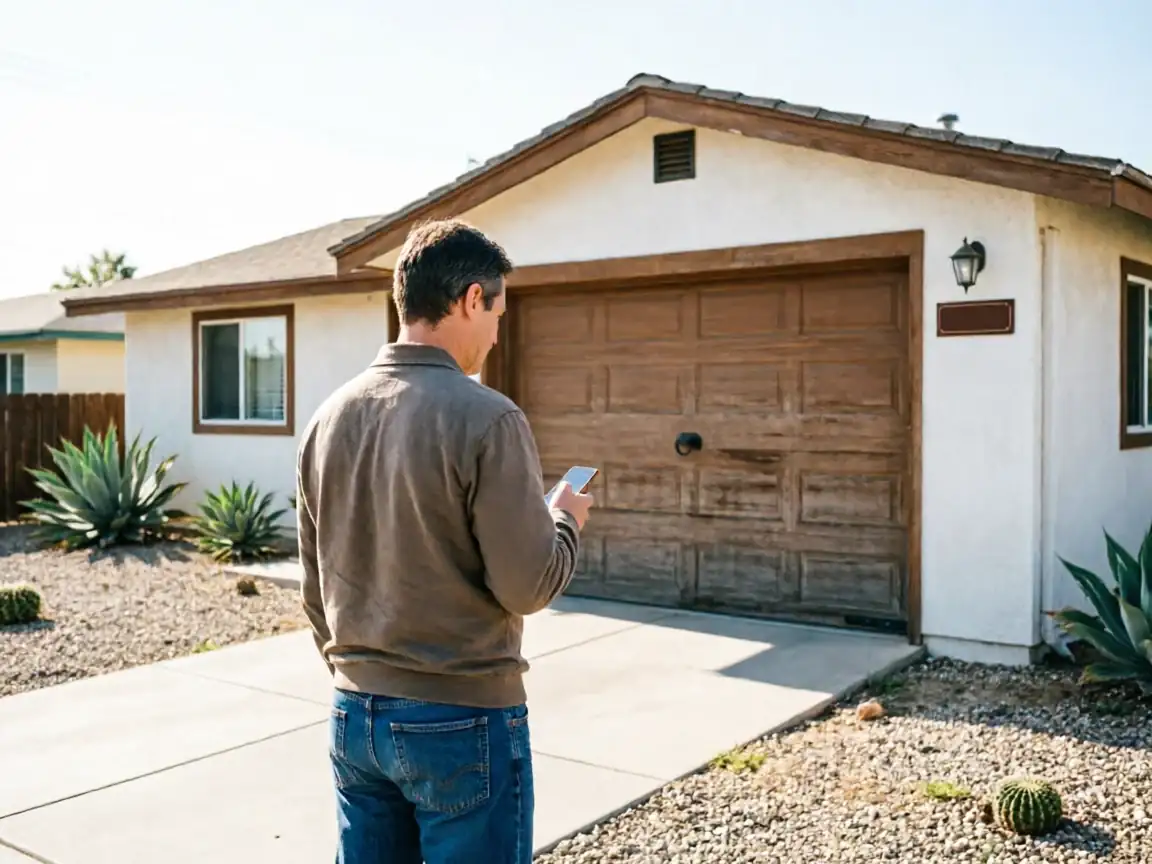
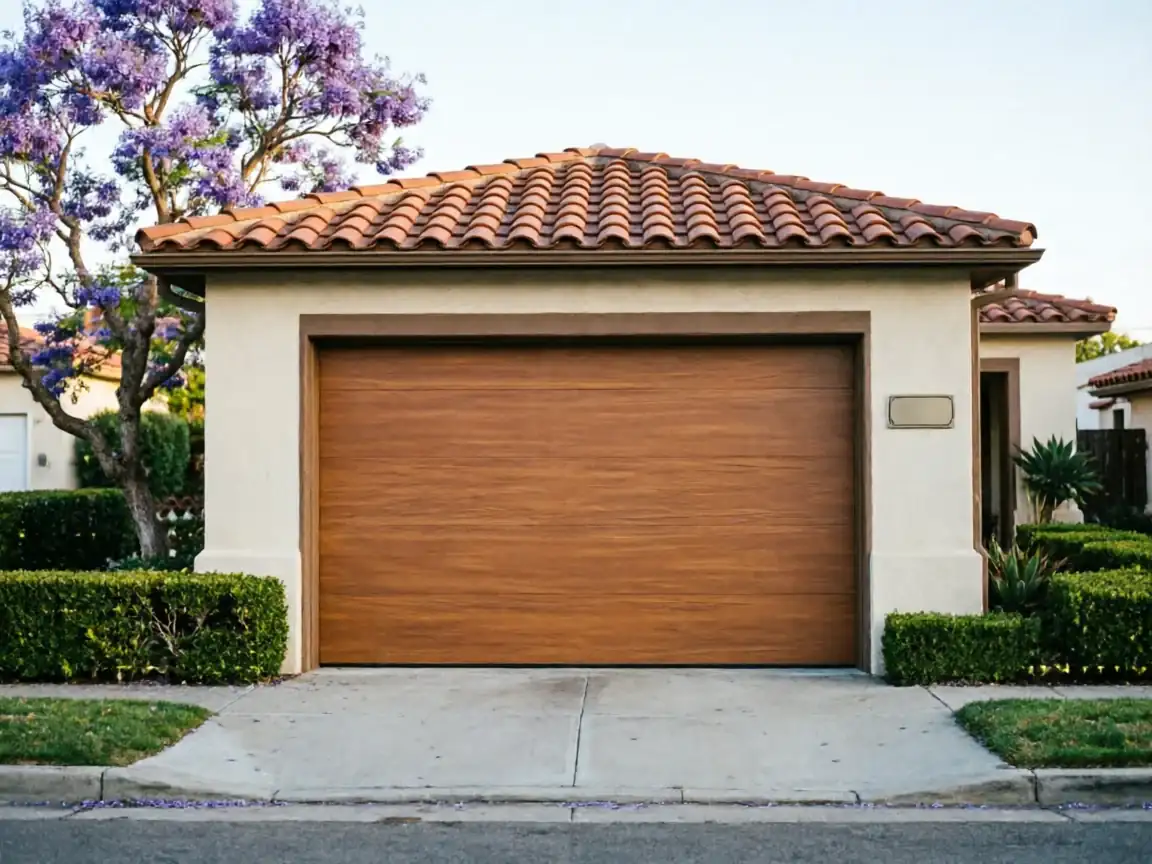
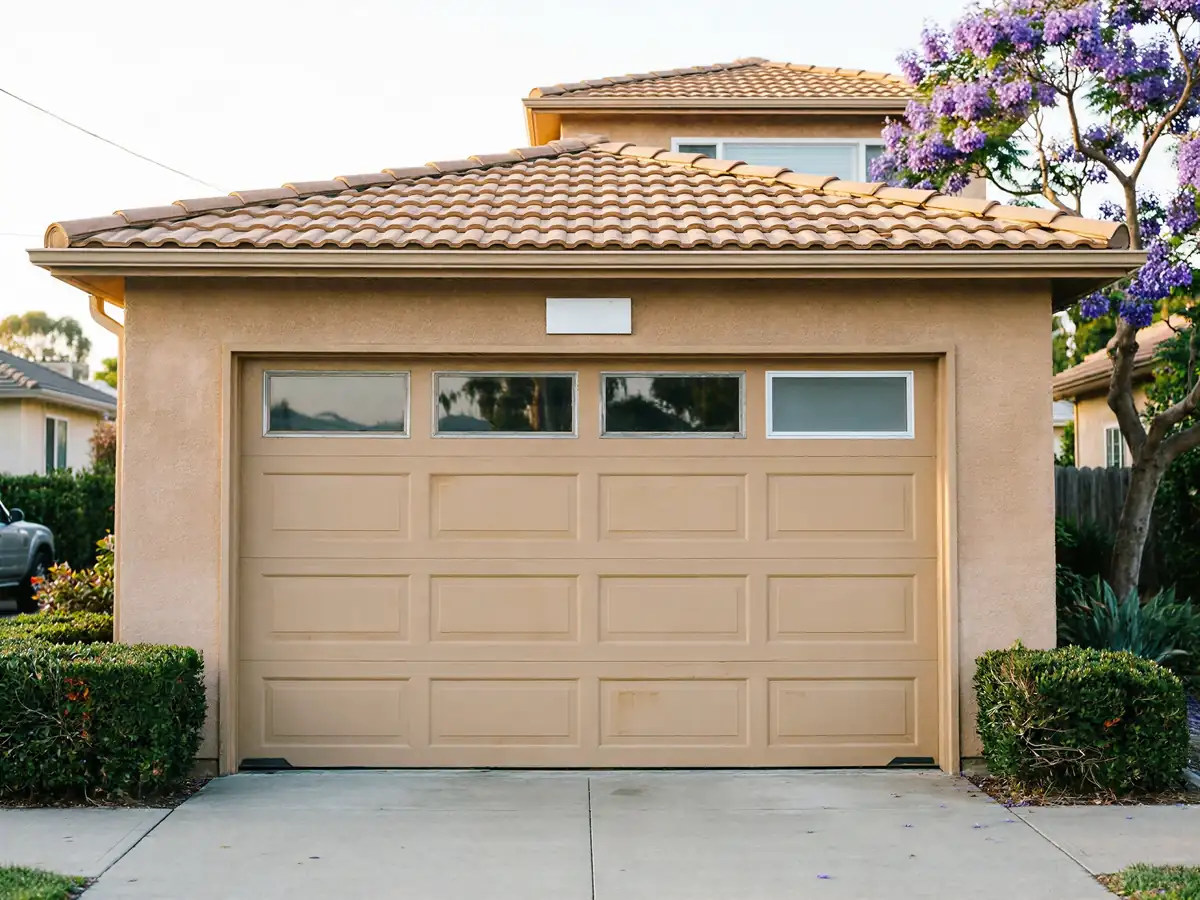
A lot of the houses up here date to around 1984, give or take a few years either side. That matters more than people think, because a door swap on a house that age usually isn't a straight panel-for-panel trade. The original openings were framed for the door sizes common in the early 80s, and the track and spring hardware from that era doesn't always match what ships on a new door today. If your jamb width or headroom is non-standard for the period, a DIY kit bought off a shelf can be the wrong size before you even open the box. Measuring the opening, the headroom, and the backroom correctly is the part most homeowners get wrong, not the actual hanging of the door. If you've done trim carpentry or framing before, you can probably handle the physical install. What trips people up is sourcing a door and opener that actually fit a 1984-era opening without a custom order, and getting the spring tension right on a torsion setup you've never touched. We'd rather talk you through what to check before you buy than have you return a door that doesn't fit.
What the Fix Involves
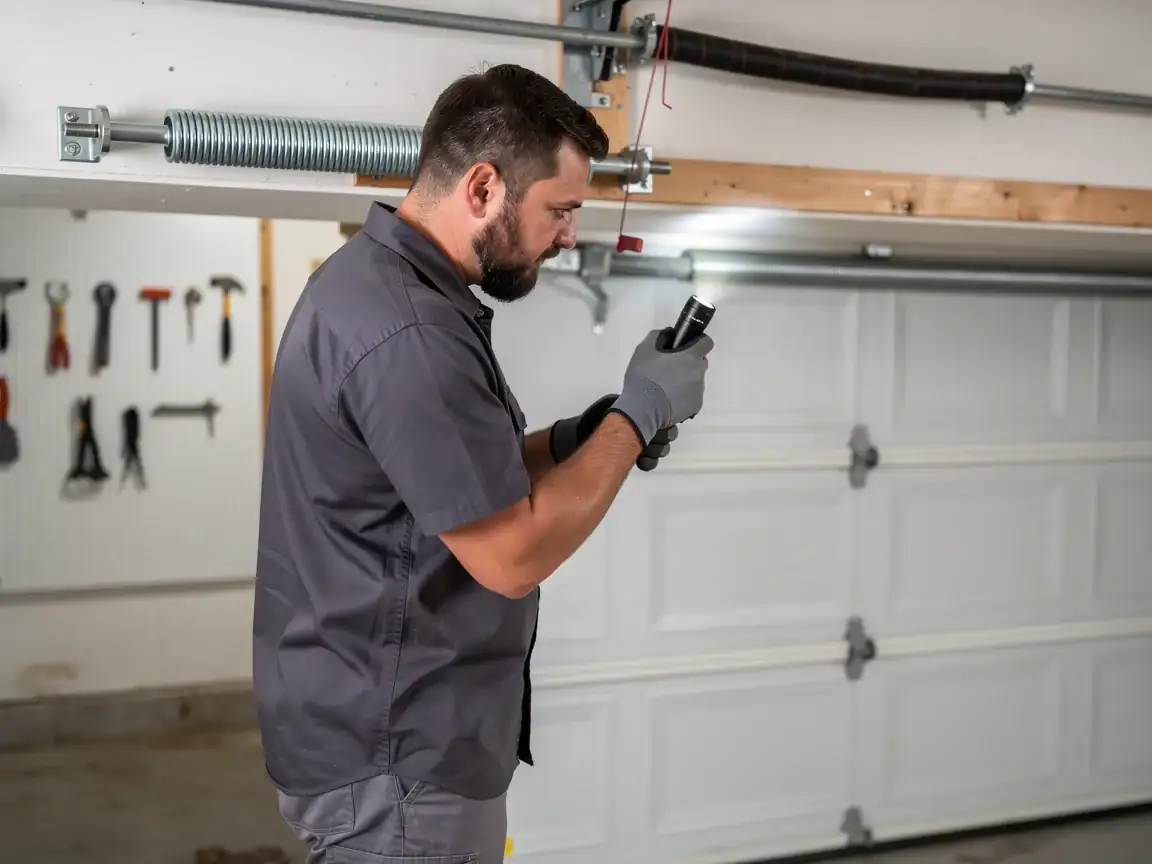
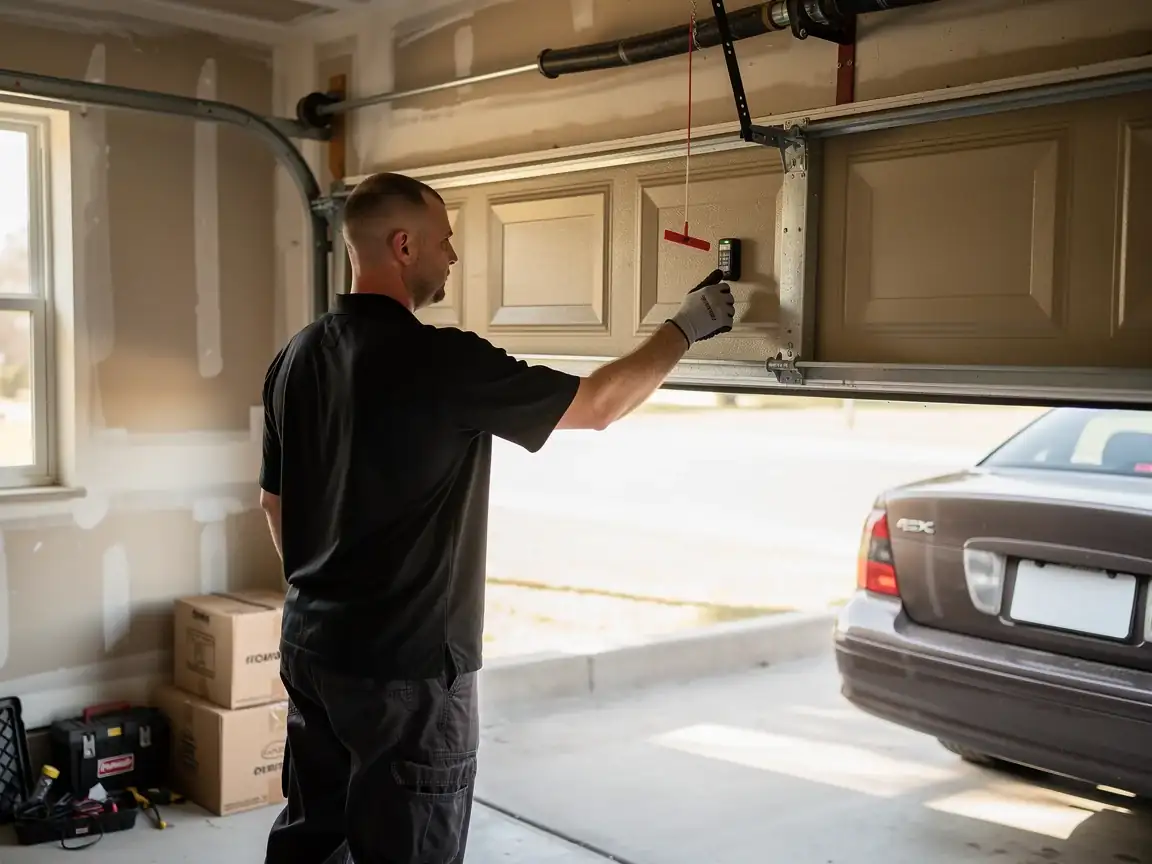
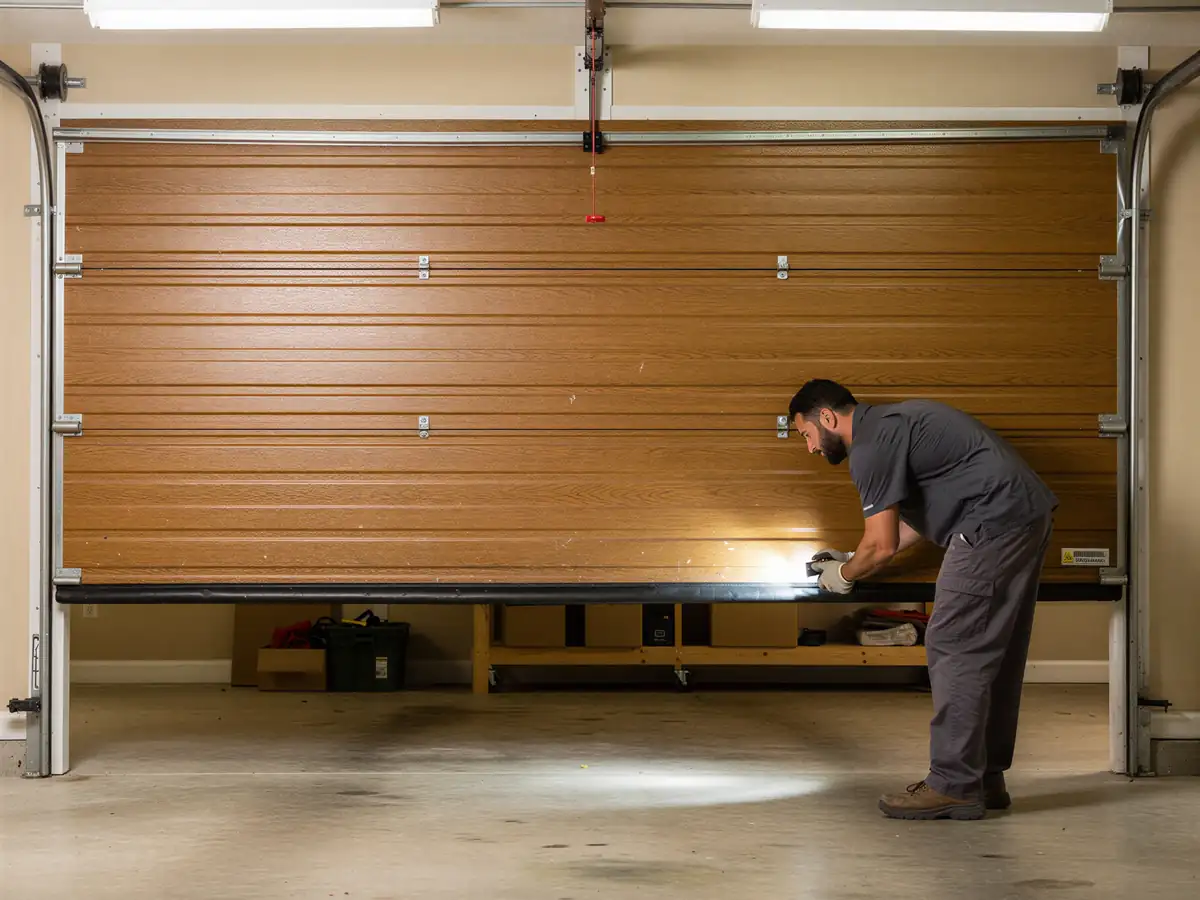
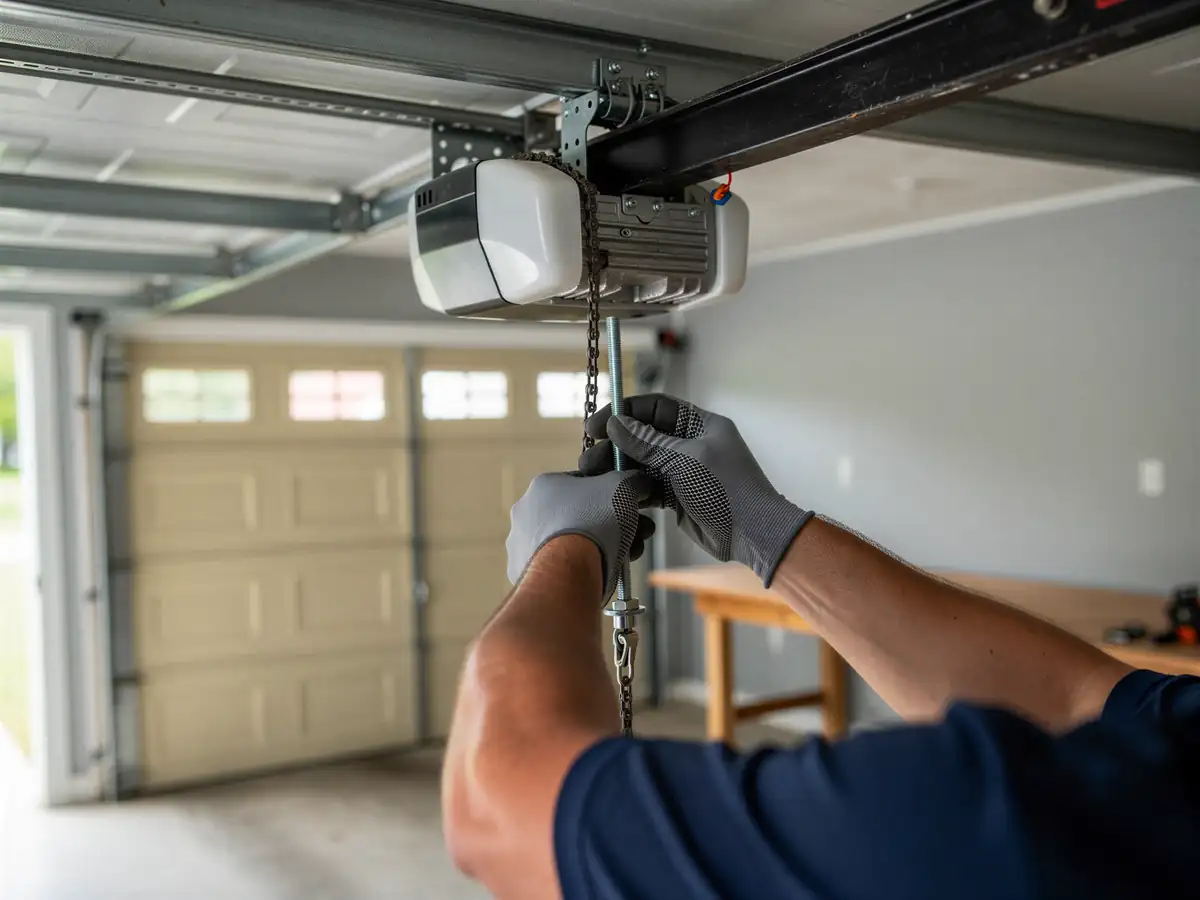
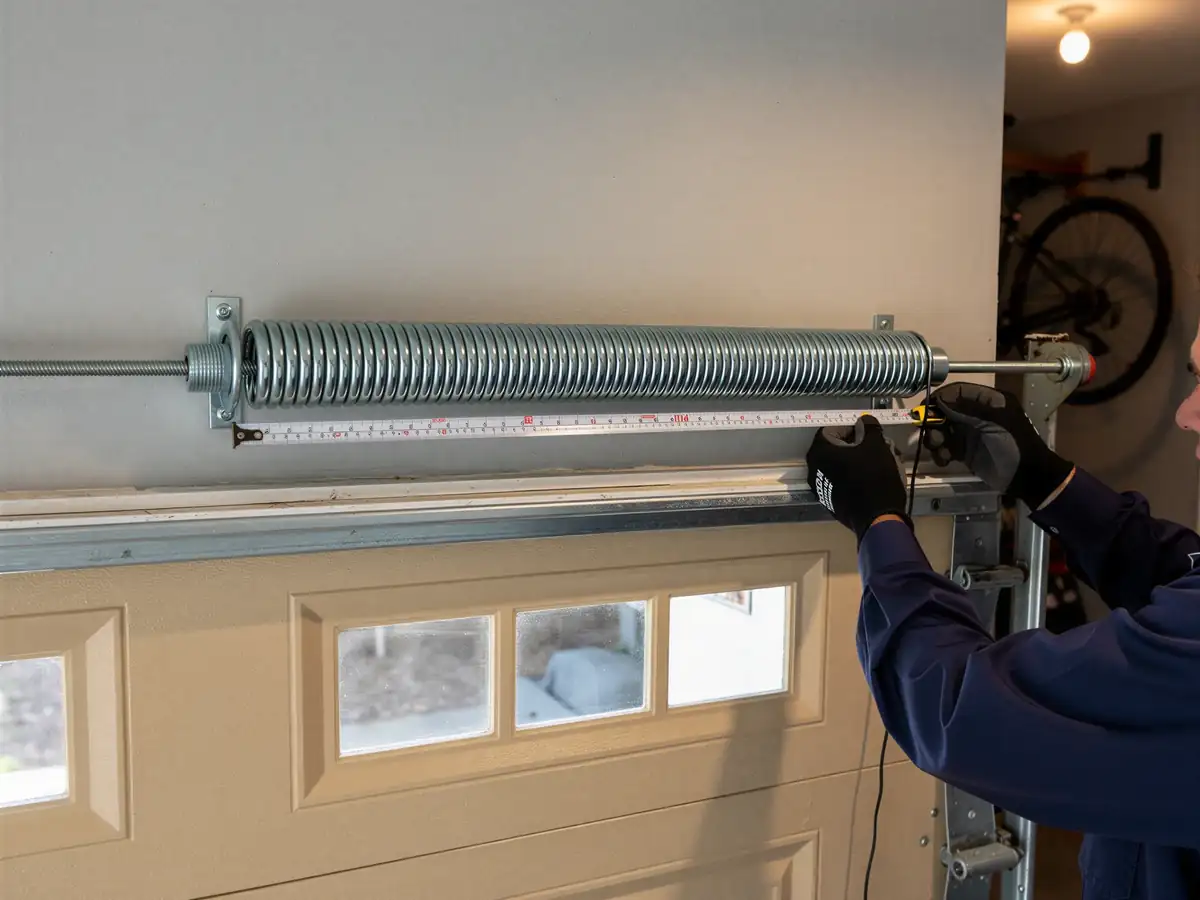
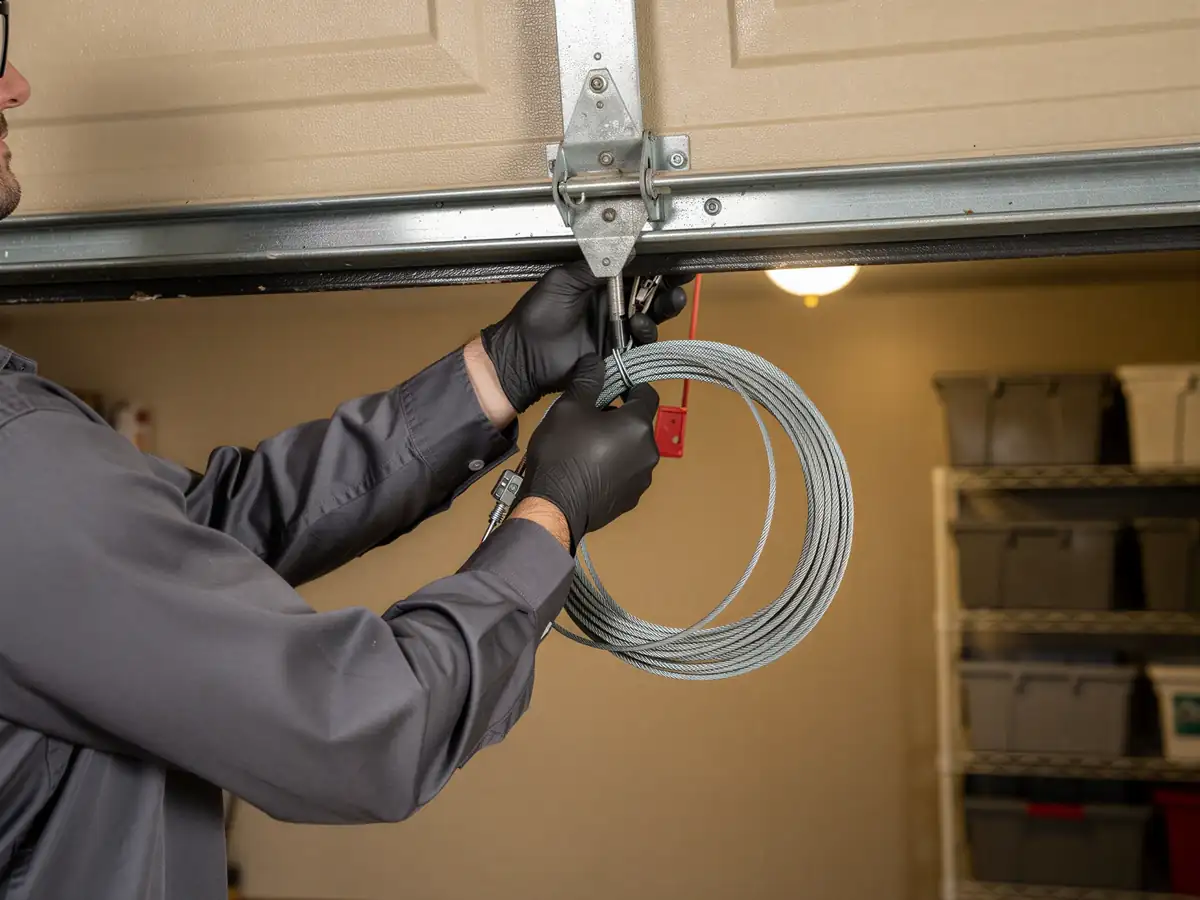
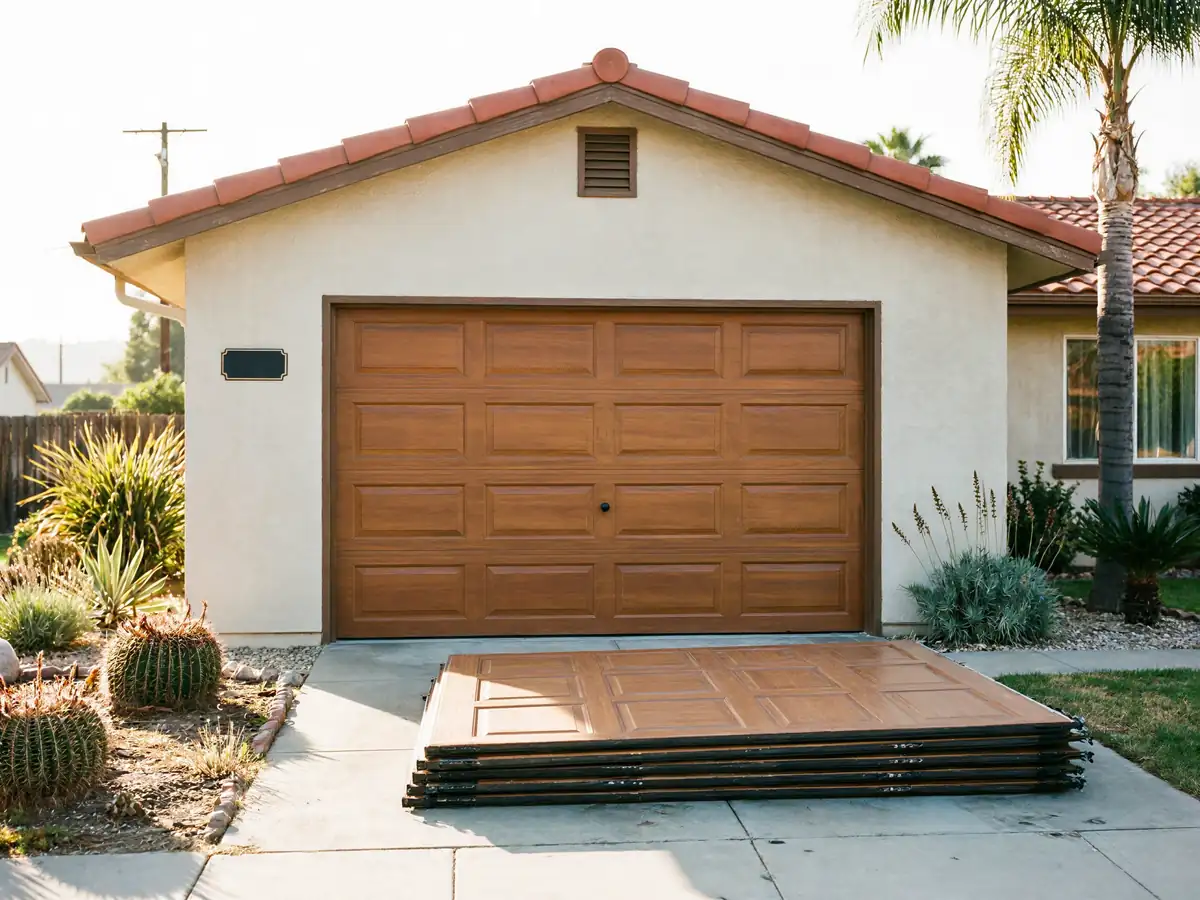
A proper install starts with pulling the old door and jamb hardware down to bare studs, then checking that the opening is square - on houses from this build year it often isn't, by half an inch or more, from decades of settling. We shim and re-level the track mounts before anything else goes up. Next is the new door itself, balanced on torsion springs sized to the door's actual weight, not a generic chart number. We set the opener travel limits and force settings last, because a door that's even slightly out of balance will fight the opener and burn out the motor early. For a mild coastal-inland climate like this one, we don't need to spec anything for freeze or heavy snow load - the hardware choice is about UV-stable finishes and standard weatherstripping, not insulation against extreme cold.
How Long You Are Without the Door
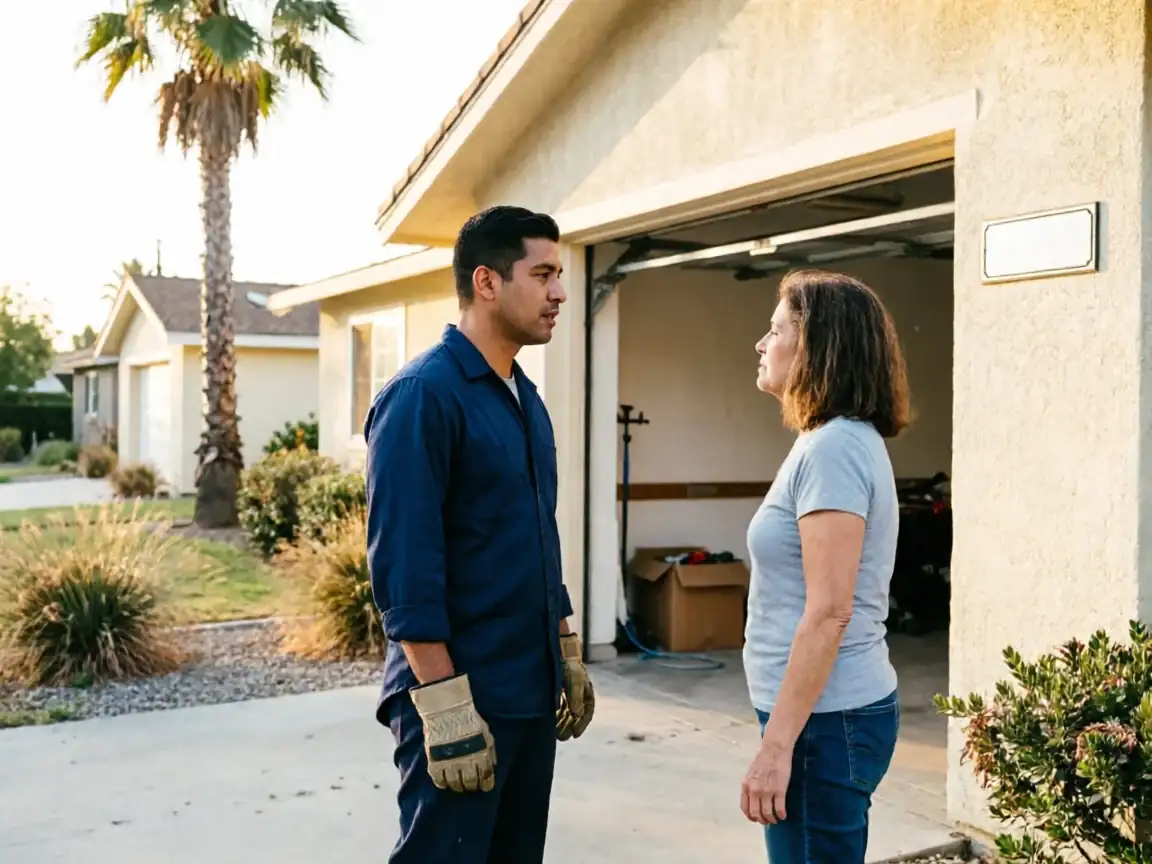
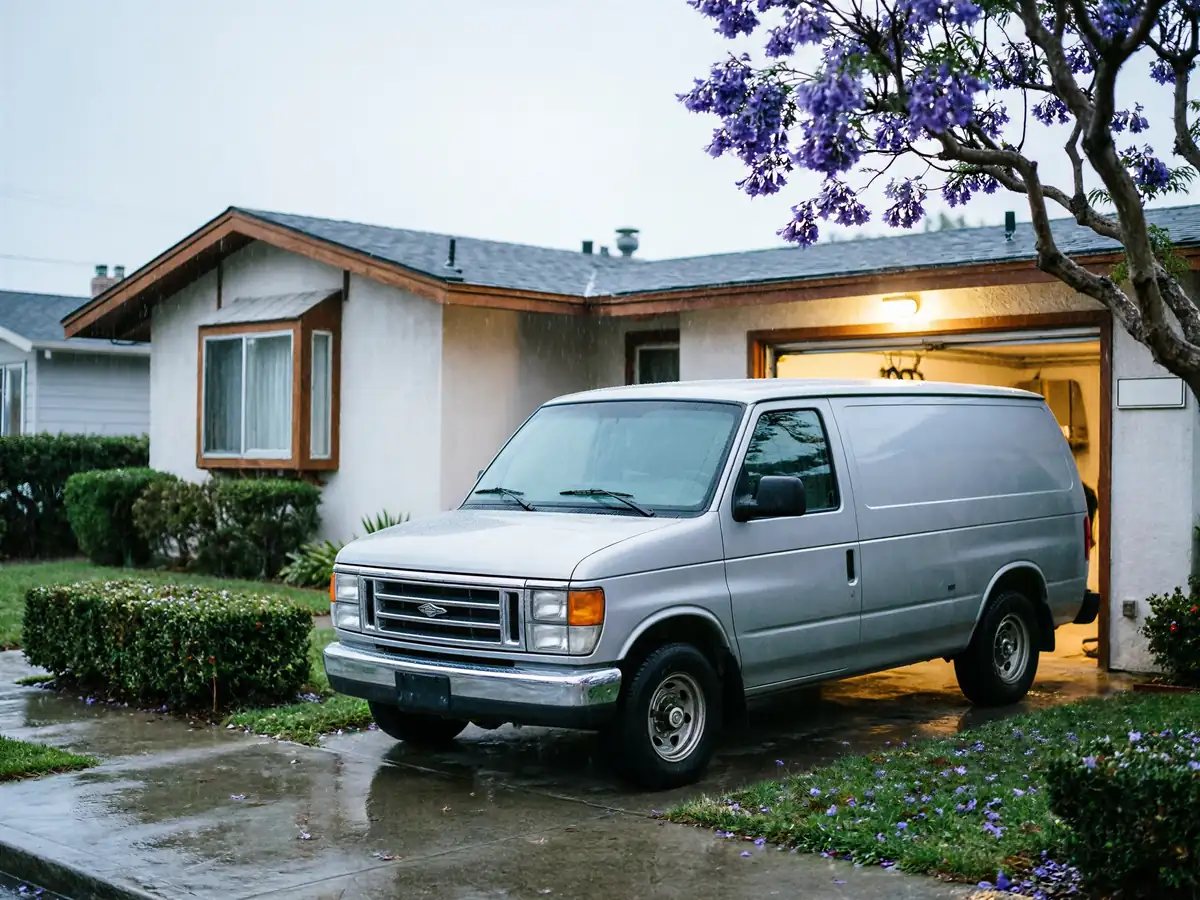
A straight swap - same size opening, no framing or wiring surprises - usually runs a single visit from the Vista shop, with the door operational by the end of the day. If we hit one of the complications above, a non-standard opening or an electrical rerun, plan on the job stretching past that first visit while we get the right parts or get an electrician in to clear the circuit. We won't leave an opening uncovered overnight without a plan to close it.
The Symptom
Most calls for a new install here don't start as "I want a new door." They start as a door that's cracked across a panel, a torsion spring that let go, or an opener that's stopped lifting a door it used to handle fine. On a house built in the early-to-mid 80s, that last one is often the door itself getting heavier with age - warped panels, rust at the bottom corners from irrigation overspray, sagging under its own weight - rather than the opener failing. If the door's original to the house, you're asking 40-year-old steel and hardware to keep working, and at some point replacement is the honest answer instead of another repair.